Tag: Ministry of Finance

  • Govt employees get flat 50% increase in travel allowance

    The current government has announced a 50% increase in the daily travel and mileage allowances for all on-duty government employees. A notification to the same was issued by the Ministry of Finance on Tuesday.

    According to the notification, different calculations will be used for different grades of employees. There is an increase of Rs 7,200 per day for employees in Grade 22 and Rs 6,000 for Grade 21 employees. On the other hand, the employees in Grades 12 to 16 can get an increase of Rs 1320 and Rs 1200 per day for the employees in Grades 5 to 11.

    Additionally, the cost of transportation has increased by 50% to Rs7.5 per kilometer for vehicles and Rs3.75 per kilometre for motorcycles. For personal vehicles or taxis, the per-kilometre mileage allowance has increased by 50% to Rs15, Rs6 for motorcycles, Rs3 for bicycles, and Rs3.75 for public transport.

    The aforementioned daily allowance prices are applicable to certain stations for special rates as announced, including Hyderabad, Karachi, Sukkur, Bahawalpur, Dera Ghazi Khan, Multan, Quetta, Sargodha, Sialkot, Lahore, Gujranwala, Rawalpindi, Islamabad, Faisalabad, Pesha­war, Gwadar, Gilgit-Baltistan, and Muzaffarabad and Mirpur in Azad Jammu and Kashmir.

    Government employees in grades 1–19 can stay in hotels (not five-star ones), motels, public sector corporations, rest houses, and guest houses.

  • Pakistan’s inflation forecasted to remain between 25-27% for July, says Finance Ministry

    Pakistan’s inflation forecasted to remain between 25-27% for July, says Finance Ministry

    The Ministry of Finance anticipates a decline in inflation for the month of July compared to the previous month, with expectations of it remaining within the range of 25-27 per cent. The ministry’s ‘Monthly Economic Update & Outlook’ for July attributes this anticipated decrease to the recent reduction in administered prices of petrol and diesel, which is expected to lower domestic prices of essential goods by impacting transportation costs.

    The headline inflation in Pakistan slowed to 29.4 per cent in June, marking the lowest reading since January. The report explains that the recent decline in international commodity prices is likely to counteract the inflationary pressures caused by domestic supply shocks. Notably, the benchmark index of international food commodity prices experienced a downturn in June 2023, primarily driven by price decreases in major cereals and various vegetable oils.

    The government’s timely efforts to boost the agriculture sector through the Kisan Package are expected to result in a better crop outlook and smoother domestic supplies. Additionally, anticipated political stability and a stable exchange rate are deemed as factors that would contribute to achieving price stability.

    Regarding the fiscal outlook, the Ministry of Finance expects both exports and imports to gradually increase in the upcoming months of FY2024. Despite other factors, the report projects that the current account deficit will remain sustainable during this period.

    To enhance revenue collection in FY2024, the government has unveiled a comprehensive strategy for all sectors of the economy, aiming to revive economic growth and foster a higher inclusive and sustainable growth trajectory. Various administrative and policy measures have been introduced to increase tax collection, while the State Bank of Pakistan’s withdrawal of import restrictions is expected to stimulate demand and support revenue improvement.

    The report acknowledges the success of the government in ensuring the sustainability of the external and fiscal sectors during FY2023, achieved through the implementation of tough decisions and stabilisation measures. Looking ahead to FY2024, the government aims to achieve higher economic growth of 3.5 per cent through measures such as the Kisan package, industrial support, export promotion, encouragement of the IT sector, and resource mobilisation.

    In conclusion, the Ministry of Finance emphasises that prudent and effective economic decisions, political and economic certainty, and the continuation of friendly economic policies, along with sufficient foreign exchange financing, will be crucial to attaining higher and sustainable economic growth. The recent approval of the Stand-By Arrangement by the International Monetary Fund and other bilateral and multilateral inflows are expected to further improve the macroeconomic environment and enhance the confidence of economic agents.

  • Govt increases levy on petrol to Rs55 per litre, maintains Rs50 levy on diesel

    Govt increases levy on petrol to Rs55 per litre, maintains Rs50 levy on diesel

    In a recent development, the government has decided to raise the petroleum development levy (PDL) on petrol in accordance with a staff-level agreement worth $3 billion signed with the International Monetary Fund (IMF).

    Starting from today, the PDL on petrol will be increased from Rs50 to Rs55 per litre, while there will be no change in the development levy on high-speed diesel (HSD), which remains at Rs50 per litre.

    The announcement was made by Finance Minister Ishaq Dar, who clarified that petrol prices would not be affected by this decision. However, diesel prices will see an increase of Rs7.50 for the next two weeks, with the new price becoming effective from July 1.

    Minister Dar emphasised this during a late-night press conference, ensuring that there would be no change in the price of petrol.

    To enable this adjustment, the government sought the power to amend the Petroleum Products (Petroleum Levy) Ordinance, 1961 (XXV of 1961) through the Finance Act 2023-24. This amendment grants the government the authority to increase the petroleum levy, eliminating the requirement for parliamentary approval to determine the maximum limit of the levy.

    According to The News, the Ministry of Finance shared with the Senate Standing Committee on Finance that the PDL has been set at Rs60 per litre, aiming to generate revenue of Rs879 billion in the upcoming fiscal year. This target surpasses the revised target of Rs542 billion for the previous financial year, which concluded on June 30, 2023.

  • Pakistan lifts import restrictions to satisfy IMF demand

    Pakistan lifts import restrictions to satisfy IMF demand

    In a recent development, the State Bank of Pakistan (SBP) has taken the decision to lift all import restrictions as part of fulfilling a condition set by the International Monetary Fund (IMF).

    The central bank issued a circular to officially end these restrictions, thereby satisfying another requirement put forth by the IMF.

    To facilitate the release of over 6,000 containers, the federal government has granted permission to banks for remittance provision. The circular issued by the SBP states that remittances will be provided for all imports following the implementation of this latest order. The central bank has instructed authorised dealers to process remittances based on the recommendations of stakeholders.

    It came to light yesterday that Pakistan and the IMF are facing challenges in reviving a loan program, leading to disagreements between the Ministry of Finance and the IMF. Sources revealed that the plan to bridge the external financing gap relied on funds received from a donor conference held in Geneva.

    The primary objective of the conference was to garner support and contributions for Pakistan’s financial requirements. As part of this plan, the IMF was tasked with securing $500 million by June through the Geneva Donor Conference. However, efforts to obtain funds for the Ministry of Planning and Treasury have encountered obstacles. Delays in finalising contracts and agreements under the Donor Conference have further impeded the financing process.

    Sources within the Ministry of Finance report that the amount received through the Geneva Donor Conference currently stands at $150 million, falling short of the expected sum. This has raised concerns from the IMF, which has expressed dissatisfaction with the level of financial support obtained through the conference.

    According to ARY News, the funds acquired from the Donor Conference will be allocated to crucial recovery and rehabilitation projects in regions affected by floods. The aim is to address the needs of these communities and provide support for their restoration efforts.

  • IMF criticises Pakistan’s budget for FY24, urges govt to enhance revenue generation

    IMF criticises Pakistan’s budget for FY24, urges govt to enhance revenue generation

    The Ministry of Finance high-ups informed the Senate Standing Committee on Finance and Revenues that the International Monetary Fund (IMF) has expressed serious objections regarding the budgetary framework for 2023-24. 

    The IMF has urged the government to increase both tax and non-tax revenues. 

    A senior Ministry of Finance official acknowledged the IMF’s dissatisfaction with the budgetary framework and stated that they would need to defend the proposal to raise the petroleum development levy to Rs869 billion for the next fiscal year, compared to the revised estimate of Rs542 billion for the current financial year.

    However, the senators strongly opposed the Ministry of Finance’s intention to bypass parliamentary approval and empower the government to amend the Petroleum Levy Ordinance 1961 in order to raise the petroleum levy beyond Rs50 per litre. The government plans to increase the levy to Rs60 per litre in accordance with the consumption pattern in the country, as outlined in the Finance Bill 2023-24.

    Additionally, the Senate panel rejected the proposed imposition of a 0.6 per cent advance tax on cash withdrawals exceeding the limit of Rs50,000 and suggested raising the tax rate to 1% while reducing the limit to Rs25,000 for non-filers. The panel also recommended changes to the tax rates for Super Tax, proposing a reduction in the maximum rate from 10 per cent to 8 per cent for the highest income bracket.

    The Securities and Exchange Commission of Pakistan (SECP) expressed severe concerns about the increased risk of money laundering resulting from the raised monetary limit of foreign remittances from five million rupees to $100,000. SECP Commissioner Abdul Rehman Warraich informed the Senate committee that the Federal Board of Revenue (FBR) is unable to inquire about the source of investment or income under Section 111 of the Income Tax Ordinance 2001. 

    Similarly, the FBR cannot investigate tax evasion based on the source of remittance under the same section. It is worth noting that Section 111 taxes unexplained income except foreign remittances entering Pakistan.

  • Finance Ministry hits out at Atif Mian’s ‘nonsensical’ label for Pakistan’s economic policies

    Finance Ministry hits out at Atif Mian’s ‘nonsensical’ label for Pakistan’s economic policies

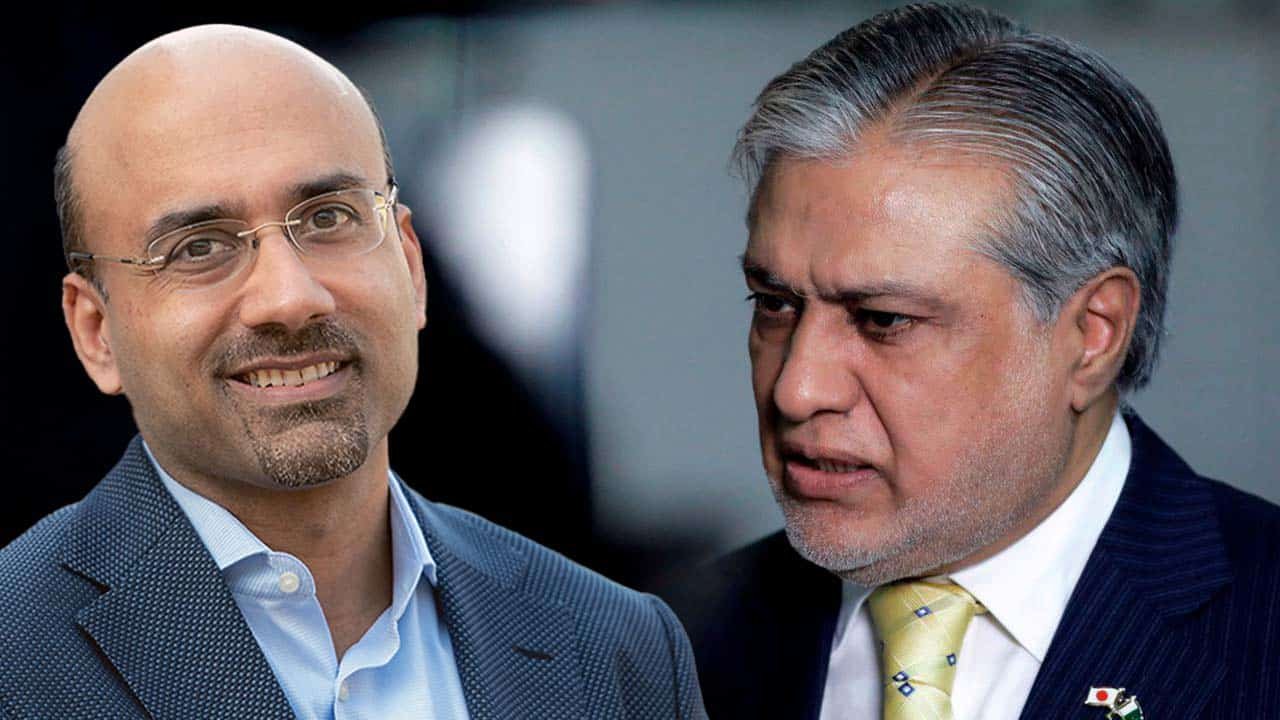
    The Ministry of Finance strongly responded on Saturday to recent remarks made by Pakistani-American economist Atif Mian, criticising his lack of practical understanding of economics.

    Mian had labelled the government’s economic policies as ‘nonsensical’ and suggested that Pakistan should take decisive actions to restructure its economy, citing Ghana and Sri Lanka as examples. In response, the Ministry of Finance dismissed Mian’s comments as a veiled suggestion of default and argued that his critique was purely theoretical, lacking practical insight into economics.

    The ministry refuted Mian’s comparison of Ghana and Sri Lanka, pointing out that Pakistan’s economy and population are significantly larger, making the analogy misplaced.

    Regarding Pakistan’s debt structure, the ministry clarified that less than 10 per cent of the debt consists of commercial bonds/sukuks, with the next maturity due in April 2024. The majority of the debt is owed to multilateral and bilateral creditors, who have not indicated any risk of default.

    The ministry expressed disappointment that Mian overlooked the significant reforms undertaken by Pakistan in the past nine months. These reforms included market exchange rate adjustments, interest rate modifications, mid-year taxation to improve the fiscal position, levies on petroleum products, and non-monetisation of the fiscal deficit. These actions were implemented under an unprecedented IMF programme.

    Despite the delay in reaching a staff level agreement with the IMF, the ministry assured that Pakistan’s economy would continue on the path of reform towards stability and sustainable growth.

    The ministry dismissed Mian’s unwarranted comments on nominal exchange rates, stating that Pakistan’s real exchange rate is estimated to be 15 per cent undervalued, reflecting improving fundamentals.

    In terms of petroleum prices, the ministry highlighted that historically, Pakistan has sold petroleum products at significantly lower prices compared to regional countries. Imposing additional taxes on consumers, especially given the recent price hikes and rising inflation, would be unwise.

    The ministry attributed Pakistan’s current economic crisis to international shocks, including the COVID-19 pandemic, the Ukraine war, and devastating floods. It emphasised that the present government has successfully overcome the challenges inherited from an overheated economy and breached IMF conditionality. The current account deficit has been significantly reduced, indicating progress in balancing payments.

    Lastly, the ministry pointed out that Mian failed to consider the unprecedented political challenges faced by Pakistan. It concluded by expressing optimism that with the likelihood of political stability emerging soon, a major economic turnaround is expected.

    Overall, the Ministry of Finance strongly rebutted Mian’s criticism, emphasising the government’s commitment to reforms and the resilience of Pakistan’s economy.
  • Proposed cross-fuel subsidy plan fails to impress IMF, causing delays in bailout program

    Proposed cross-fuel subsidy plan fails to impress IMF, causing delays in bailout program

    In a bid to fulfil promises made to the International Monetary Fund (IMF), the Ministry of Finance is prepared to strongly oppose a draft summary proposed by the Ministry of Petroleum on the provision of cross-fuel subsidy.

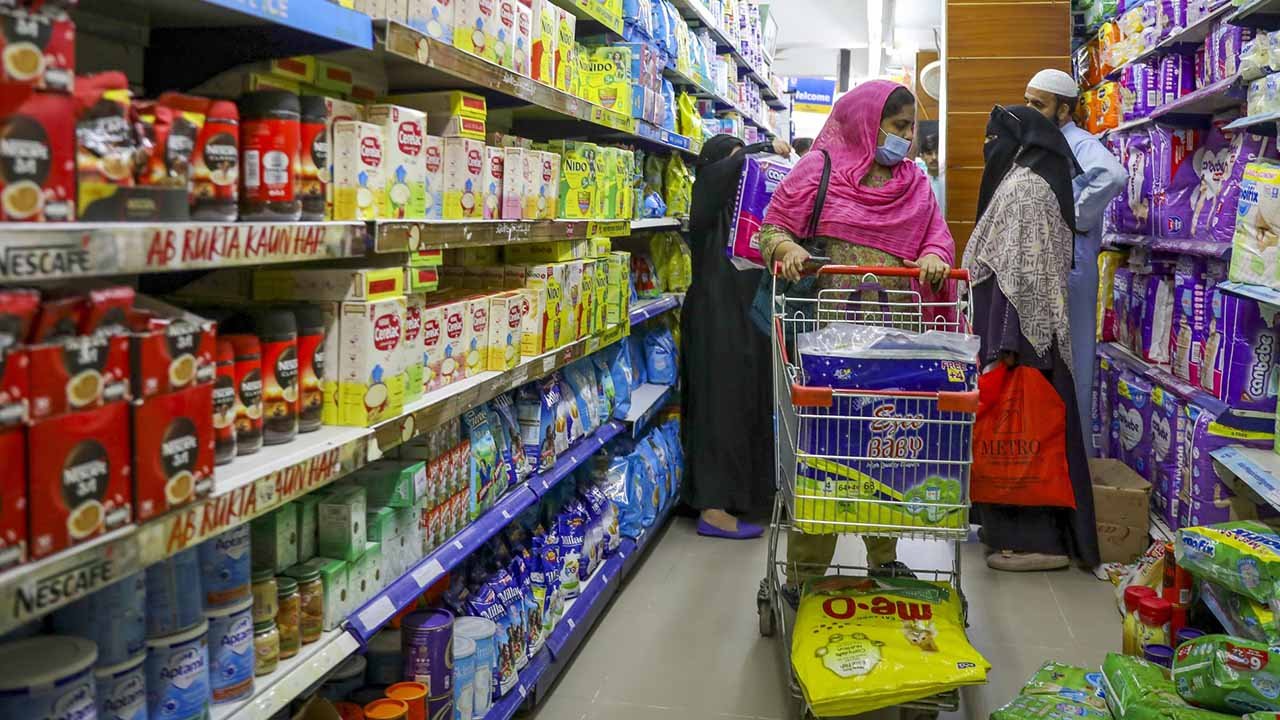
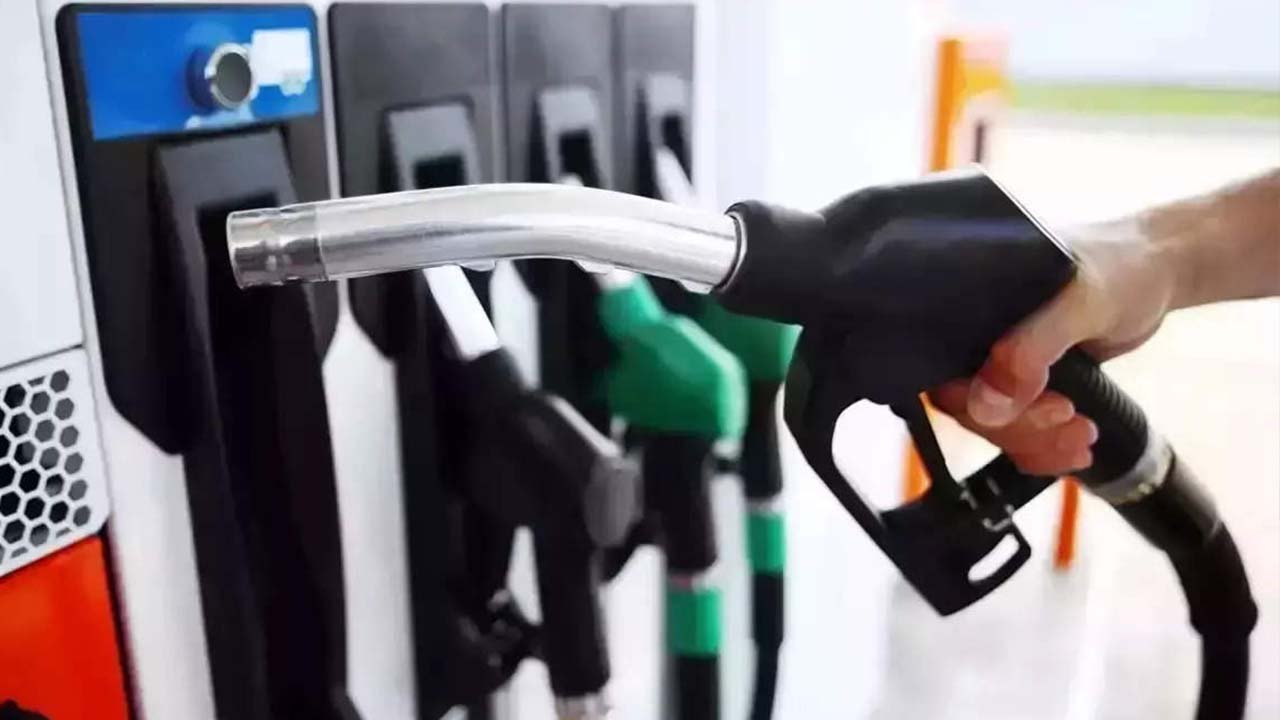
    The proposed subsidy would involve increasing petroleum product prices by Rs75 per litre for all vehicles with engines of 1,000cc or more, in order to subsidize petrol for vehicles of 800cc and motorbikes. The draft summary was circulated among different ministries for comments before the upcoming Economic Coordination Committee meeting.

    An official from the finance ministry stated that the petrol scheme was still at the draft stage, and the ministry was preparing its comments and consulting with the IMF. The official recalled that a similar scheme had been proposed during the Pakistan Tehreek-e-Insaf (PTI) government but could not be implemented.

    Former finance minister Miftah Ismail had also allocated Rs48 billion on account of the Sasta Petrol Scheme in the last budget, but these resources were diverted towards flood-affected areas. The official added that such a scheme could not be implemented transparently in Pakistan, and the ministry would send its official comments soon.

    In March, Prime Minister Shehbaz Sharif announced the government’s plans for fuel pricing. While economists warned the decision could hinder a crucial IMF payout needed to prevent economic collapse, the government said that it was a scheme, not a subsidy.

    The IMF officials were quick to share that the Pakistani government did not consult the global lender on its petrol subsidy for low-income groups before the announcement. The Fund has asked the Pakistani authorities to provide more details about the petrol relief package causing more delay in the signing of the staff-level agreement.

    Pakistan has been trying to convince the Washington-based lender to release the next tranche of the bailout programme since the IMF funding stalled in November, hit by snags over fiscal policy adjustments after officials of the lender visited Islamabad in February for talks. They formed part of a ninth review exercise on a bailout package of $6.5 billion agreed upon in 2019 whose resumption is critical for Pakistan to avoid risking default on external payment obligations.

  • Pakistan’s petrol relief proposal fails to convince IMF, causing further delays

    Pakistan’s petrol relief proposal fails to convince IMF, causing further delays

    The International Monetary Fund (IMF) has asked Pakistani authorities to provide additional information about a petrol relief package, which has caused further delays in the signing of a staff-level agreement.

    The petroleum ministry’s cross-fuel subsidy proposal was initially rejected by the Fund, which argued that more details are needed to verify its sustainability.

    The Ministry of Finance has distanced itself from the plan, which was announced without the IMF review mission’s knowledge, and has advised the Ministry of Petroleum to withdraw the proposal and work with the Ministry of Finance to iron out the policy details before approaching the IMF for the next review.

    According to The News, Minister of State for Finance, Dr Aisha Ghaus Pasha, has reportedly called the petrol subsidy plan “not workable” and clarified that there is no suggestion of subsidies on petroleum products. The Petroleum Division had suggested cross-subsidies on petroleum products, which is not feasible, she said.

    The talks with the IMF are ongoing, with the only remaining issue being the lender’s confirmation of external financing from bilateral countries, including Saudi Arabia and the UAE, which is currently underway.

    Pasha indicated that financial assistance is expected from bilateral friends soon, which will help finalize the staff-level agreement with the IMF.

  • Ministry of Finance halts clearing of bills including salaries due to deteriorating financial condition

    Ministry of Finance halts clearing of bills including salaries due to deteriorating financial condition

    The Ministry of Finance and Revenue has instructed the Accountant General Pakistan Revenues (AGPR) to stop clearing bills, including salaries, due to the current economic crisis and the deteriorating financial situation of the country. The ministry has also directed the halt of clearings of attached departments until further notice.

    According to The News, official sources have confirmed that operational cost-related releases have faced difficulties due to the economic hardships of the country. However, attempts to obtain a comment from Finance Division officials were unsuccessful, and the Minister for Finance Ishaq Dar promised to respond after confirming the report’s accuracy, which he had not done by the time of the report’s filing.

    Sources who went to the AGPR office for clearance of their outstanding bills were informed that the Ministry of Finance had directed them to stop clearing all bills, including salaries, due to the prevailing financial difficulties. The reasons for the immediate stoppage of the clearance of bills were not ascertained.

    The lingering financial difficulties are considered to be a significant reason for this move. However, salaries and pensions of defence-related institutions have already been cleared for the following month.

    During a meeting with a delegation of M/s Rothschild & Co on February 22, Finance Minister Ishaq Dar said that the government is committed to steering the economy towards stability and growth, and completing the International Monetary Fund (IMF) programme, and fulfilling all international obligations.

    To this end, on February 20, the National Assembly unanimously approved the Finance (Supplementary) Bill 2023, or ‘mini-budget’, which is mandatory for seeking the $1.1 billion tranche of the IMF. The bill increases sales tax from 17 to 25 per cent on imports ranging from cars and household appliances to chocolates and cosmetics, while a general sales tax was raised from 17 per cent to 18 per cent.

    As the bill was passed, the minister told the lower house of parliament that the prime minister would unveil austerity measures in the next few days, adding, “we will have to take difficult decisions.”

    UPDATE:

    The Finance Ministry has rejected the rumours that the government has instructed to stop payment of pay and pension.

    The ministry stated in a press release, “There are rumours floating around that Government has instructed to stop payment of pay, pension, etc. This is completely false as no such instructions have been given by Finance Division, which is the concerned federal ministry. AGPR has confirmed that pay and pension have already been processed and will be paid on time. Further, other payments are being processed as per routine.”