Tag: Ministry of Human Rights

  • ‘Pakistan moving forward in criminalising enforced disappearances’: Shireen Mazari

    Minister for Human Rights Dr Shireen Mazari on Monday said that Pakistan was “moving forward” in its commitment to criminalise enforced disappearances, and emphasised that such acts did not have a place in a democracy.

    As the world celebrates International Day of the Disappeared on August 30, Dr Mazari tweeted that the National Assembly’s Standing Committee on Interior approved a bill on enforced disappearances last week.

    “Sadly, time [was] lost because no previous government moved on enforced disappearances,” said Mazari.

    “In our first meeting at the Ministry of Human Rights, we had the then PPP chair of the Senate human rights committee participate. Once introduced in NA it was available on NA website so to say no one knew the content is absurd. No one objected on the floor of the NA or in the committee,” she said.

    She also said that Prime Minister Imran Khan had met Baloch families of “disappeared” persons who provided details about their missing family members. “Some have returned home while others are being traced,” the minister said.

    The minister also hit out at former governments for their lack of response on the issue. “[I] can’t recall any PML-N or PPP prime minister in the last two governments even recognising enforced disappearances, let alone meeting with these families.”

  • HR ministry directs Lahore university to re-admit expelled students

    The Ministry of Human Rights (MoHR) has directed the University of Lahore to re-admit the expelled students, saying that the university “overreacted” on the matter.

    According to a report in Dawn, MoHR Parliamentary Secretary Lal Chand Malhi wrote a letter to the University of Lahore’s vice-chancellor, requesting him to re-admit the expelled students. The letter was reportedly written on March 16.

    The letter said that the university administration expelled the students without giving them the chance to explain themselves and that the university “overreacted” on the matter.

    Terming the university’s action as “moral policing,” the ministry said: “Both the girl and the boy did not commit such a heinous crime for which they were punished “severely and expelled from the university. This would destroy their career and future education opportunities.”

    “This kind of freedom[proposing] is outlined in Article 16 of the Universal Declaration of Human Rights to which Pakistan is party and also under the UN Covenant on Civil and Political Rights,” read the letter further.

    Background

    The University of Lahore expelled two students for publicly expressing their love and proposing on university grounds. In a video that went viral on social media, a girl could be seen getting down on one knee and asking her partner to marry him with a bouquet of roses. The proposal ended with the two hugging each other.

    According to a notification, dated March 12, the two students were expelled for “[being] involved in gross misconduct and violation of university rules and were called to appear before the special disciplinary committee [but] failed to appear.”

    Public Reaction

    The expulsion of the students in Lahore over a public proposal has created an uproar on social media with users criticising the university administration for the shallow-minded approach. Prominent personalities who criticised the university for its decision included Federal Minister Fawad Chaudhry, PPP’s Sharmila Faruqi, Shehzad Roy, Yasir Hussain and Shaniera Akram.

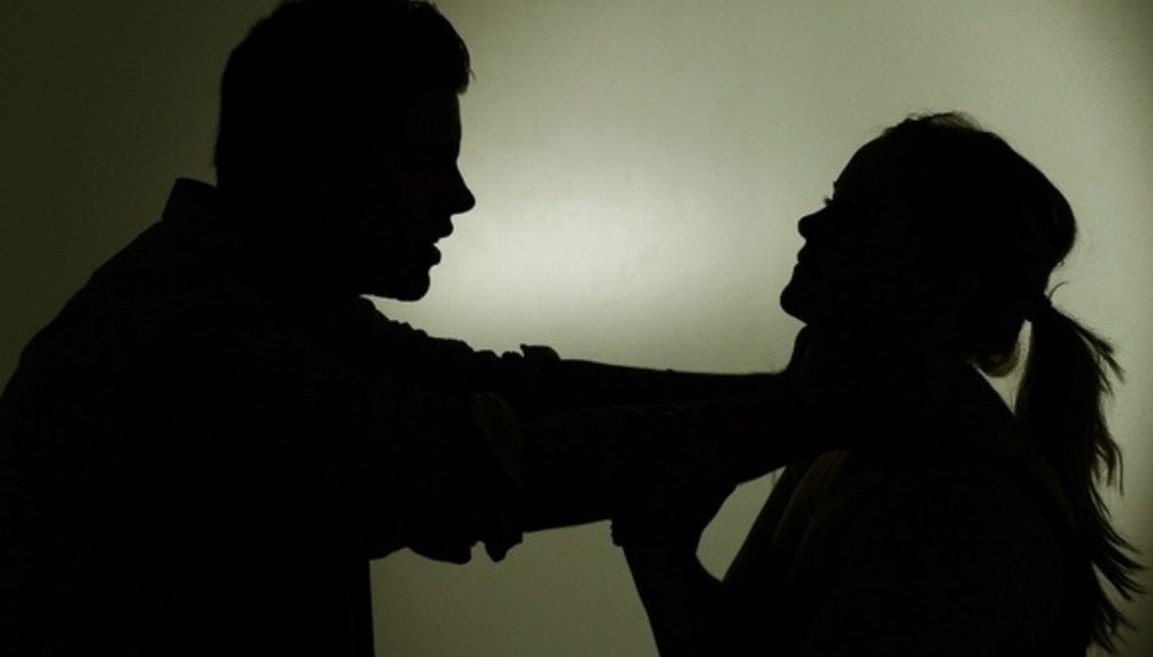
  • Ministry for HR introduces helpline for victims of domestic abuse

    Ministry for HR introduces helpline for victims of domestic abuse

    With everyone under lockdown, it is being feared that cases of domestic violence and abuse will spike in the coming days. It has already been reported that cases of abuse are on the rise in Europe. The stress caused by social isolation coupled with fears around job security and financial difficulties is exacerbating tensions and increasing the risk of domestic and sexual violence against women and children.

    “For many people, their home is already not a safe place,” says a German federal association of women’s counselling centres and helplines.

    The case in Pakistan is also similar. You may have read accounts of people relating stories of their domestic staff begging them to let them come to work because they are miserable at their homes and face abuse there.

    Keeping this in mind, the Ministry of Human Rights has launched a helpline for those who are vulnerable or are facing any kind of abuse.

    In a tweet, the ministry shared the numbers of helplines and wrote, “Lockdowns and quarantine measures often leave women and children vulnerable to domestic abuse and violence – which is known to rise during emergencies.”

    “Our helpline is here to help you,” they added.

    Last week, The Duchess of Cornwall, Camilla Parker Bowles, also extended her support and reached out to those who may be victims of domestic violence and abuse.

    Meanwhile, according to a report in The Guardian, “Women and children who live with domestic violence have no escape from their abusers during quarantine, and from Brazil to Germany, Italy to China, activists and survivors say they are already seeing an alarming rise in cases of abuse.”

    For example, in Hubei province, the heart of the initial coronavirus outbreak, domestic violence reports to police more than tripled in one county alone during the lockdown in February, activists told local media.

    AFP reported that in Spain, which has the second-worst outbreak in Europe after Italy, a 35-year-old mother of two was murdered by her partner last week in front of their children in the coastal province of Valencia.

    France’s interior minister Christophe Castaner revealed that reports of domestic violence across the country have jumped by more than 30% since the country went into lockdown on March 17th. Castaner said that in Paris alone, cases were up by 36%.

    Activists say the increased threat to women and children was a predictable side effect of the coronavirus lockdowns. According to them, increased abuse “is a pattern repeated in many emergencies, whether conflict, economic crisis or during disease outbreaks, although the quarantine rules pose a particularly grave challenge.”

    Women rights activists across the world are demanding their governments not to overlook those most vulnerable in these situations and help them out in whichever way possible. However, they fear that if the lockdown continues, cases of domestic violence could reach unprecedented heights.