Tag: Ministry of Petroleum

  • SNGPL commits uninterrupted winter gas supply to boost textile exports

    SNGPL commits uninterrupted winter gas supply to boost textile exports

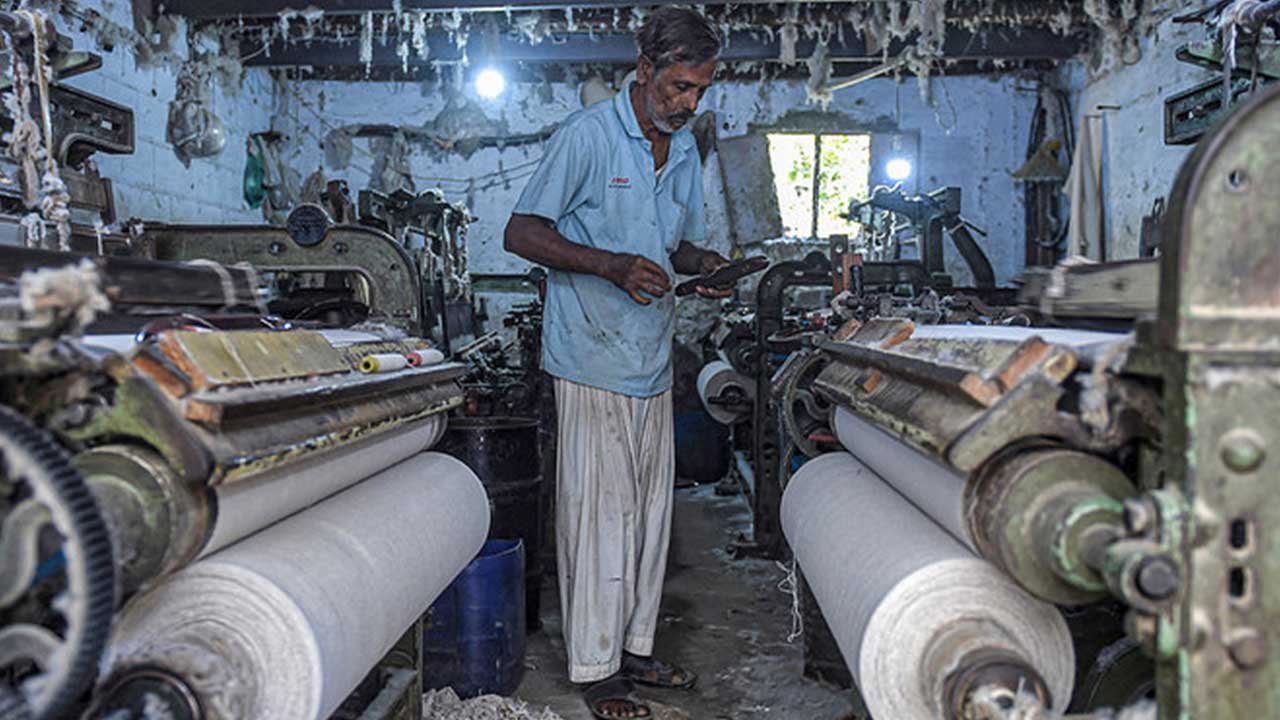
    Sui Northern Gas Pipelines Limited (SNGPL) has provided a commitment to the All Pakistan Textile Mills Association (APTMA) regarding the seamless supply of gas to textile mills during the winter season.

    SNGPL, under the leadership of Managing Director Amer Tufail, assured an APTMA delegation led by Chairman Kamran Arshad that uninterrupted gas supply with optimal pressure would be maintained for the export industry.

    This measure aims to facilitate smooth production and enhance textile goods’ exports to maximise foreign exchange for the nation.

    During the meeting, MD Amer Tufail emphasised that the export industry, utilising a system integrated with RLNG (Regasified Liquefied Natural Gas), would be subject to a shared tariff of 50:50 for November.

    He highlighted the historical priority given to the export industry in gas supply and urged APTMA member mills without existing gas connections to apply promptly.

    Regarding new connections and load enhancements, Tufail mentioned that clarity on tariff applications would be sought from the Ministry of Petroleum in the near future.

    In anticipation of the non-availability of natural gas during the winter months from December to March, MD Tufail clarified that the industry would be charged at the RLNG rate set by OGRA on a monthly basis.

    Chairman Kamran Arshad raised concerns about industry confusion regarding gas tariffs for the upcoming winter months after the federal government’s tariff rationalisation.

    Discussions delved into issues such as gas tariff specifics for connections predating June 2022, post-June 2022 connections with or without zero-rated FBR certificates, and the utilisation of APTMA certificates for gas supply to zero-rated industrial units.

    MD Tufail acknowledged SNGPL’s limitations in determining eligibility for new connections, emphasising the need for the Commerce and Energy Ministries’ intervention to establish an eligibility framework.

    The meeting also addressed concerns related to new gas connections, faulty metre replacements, erroneous charging due to slow or faulty metres, and low gas pressure. MD Amer Tufail underscored the commitment to uninterrupted gas supply, particularly to export-oriented sectors, recognising the vital role of the textile industry in job creation, attracting investment, and boosting the country’s exports.

    He pledged a thorough examination of issues raised by APTMA and assured a proactive approach to ensure a smooth gas supply, with nominated focal persons from both SNGPL and APTMA tasked with holding periodic meetings to promptly resolve any gas-related challenges in the textile industry.
  • Proposed cross-fuel subsidy plan fails to impress IMF, causing delays in bailout program

    Proposed cross-fuel subsidy plan fails to impress IMF, causing delays in bailout program

    In a bid to fulfil promises made to the International Monetary Fund (IMF), the Ministry of Finance is prepared to strongly oppose a draft summary proposed by the Ministry of Petroleum on the provision of cross-fuel subsidy.

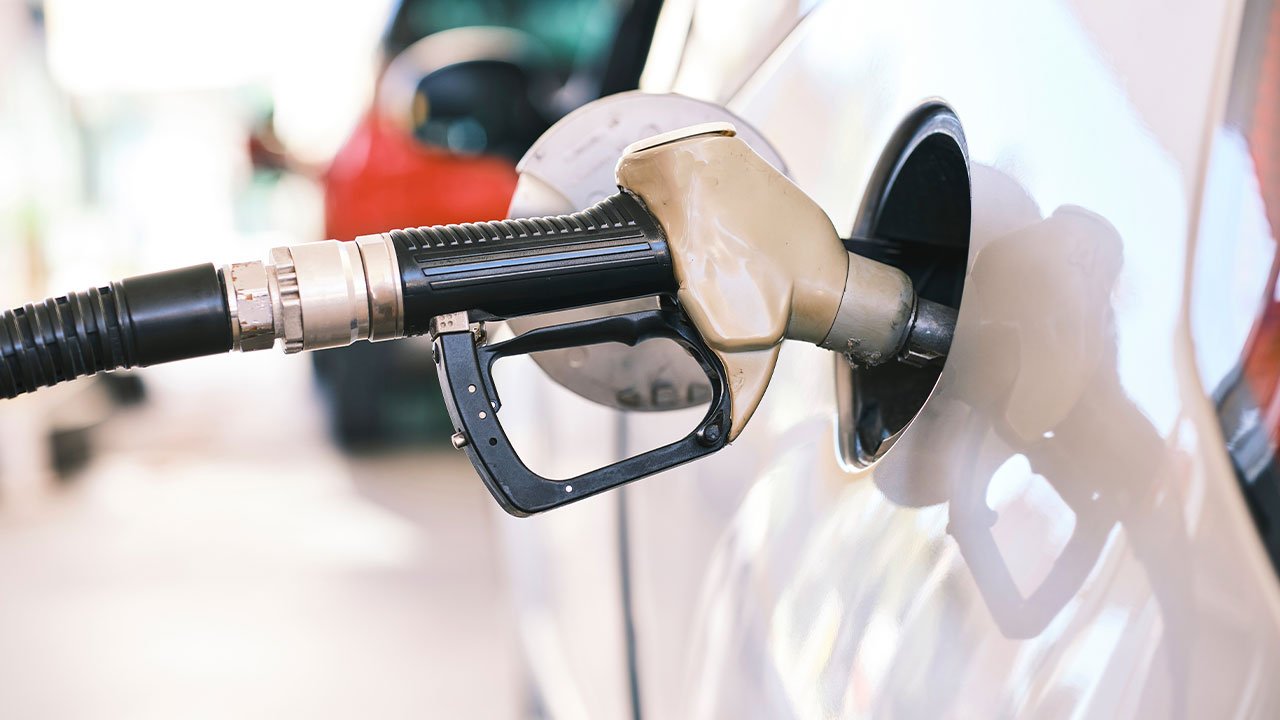
    The proposed subsidy would involve increasing petroleum product prices by Rs75 per litre for all vehicles with engines of 1,000cc or more, in order to subsidize petrol for vehicles of 800cc and motorbikes. The draft summary was circulated among different ministries for comments before the upcoming Economic Coordination Committee meeting.

    An official from the finance ministry stated that the petrol scheme was still at the draft stage, and the ministry was preparing its comments and consulting with the IMF. The official recalled that a similar scheme had been proposed during the Pakistan Tehreek-e-Insaf (PTI) government but could not be implemented.

    Former finance minister Miftah Ismail had also allocated Rs48 billion on account of the Sasta Petrol Scheme in the last budget, but these resources were diverted towards flood-affected areas. The official added that such a scheme could not be implemented transparently in Pakistan, and the ministry would send its official comments soon.

    In March, Prime Minister Shehbaz Sharif announced the government’s plans for fuel pricing. While economists warned the decision could hinder a crucial IMF payout needed to prevent economic collapse, the government said that it was a scheme, not a subsidy.

    The IMF officials were quick to share that the Pakistani government did not consult the global lender on its petrol subsidy for low-income groups before the announcement. The Fund has asked the Pakistani authorities to provide more details about the petrol relief package causing more delay in the signing of the staff-level agreement.

    Pakistan has been trying to convince the Washington-based lender to release the next tranche of the bailout programme since the IMF funding stalled in November, hit by snags over fiscal policy adjustments after officials of the lender visited Islamabad in February for talks. They formed part of a ninth review exercise on a bailout package of $6.5 billion agreed upon in 2019 whose resumption is critical for Pakistan to avoid risking default on external payment obligations.