Tag: Mobile Technology

  • Future Samsung smartphones to offer lightning-fast data transfer rates

    Future Samsung smartphones to offer lightning-fast data transfer rates

    Samsung Semiconductor is propelling mobile device technology forward with its latest advancements in non-volatile memory.

    After successfully integrating the UFS 4.0 solution into its previous flagship models such as the Galaxy S23 series and the 2023 foldable phones, followed by the latest Galaxy S24 lineup, Samsung is now gearing up for the next phase.

    In a recent announcement on the social media platform Weixin, Samsung Semiconductor unveiled its roadmap for the evolution of UFS (Universal Flash Storage) solutions.

    According to the roadmap, Samsung is set to introduce the UFS 4.0 4-lane CS next year, with a significant leap to UFS 5.0 anticipated in 2027.

    These advancements promise substantial improvements in data transfer speeds, with UFS 4.0 4-lane expected to double the current speed from approximately 4GB/s to 8GB/s.

    Looking further ahead, the highly anticipated UFS 5.0 update, slated for 2027, aims to push speeds even higher, potentially exceeding 10GB/s.

    Samsung Semiconductor is committed to commencing mass production of UFS 4.0 4-lane solutions before 2025, emphasizing the integration of two UFS controllers to enhance sequential read speed.

    These advancements are poised to revolutionize mobile experiences, offering faster loading times and empowering on-device AI applications.

    While Samsung has not disclosed specific models set to adopt the UFS 4.0 4-lane technology first, speculation suggests it could be integrated into the Galaxy S25 series.

    Moreover, UFS 5.0 is expected to debut alongside future Galaxy S27 models, promising an even more seamless user experience.

    In line with these technological advancements, Samsung is also exploring AI-based features for its next-generation devices, potentially introducing some through a subscription-based model.
  • Apple Watch import ban goes into effect in US patent clash

    Apple Watch import ban goes into effect in US patent clash

    A US import ban on certain Apple smartwatch models came into effect Tuesday, after the Biden administration opted not to veto a ruling on patent infringements.

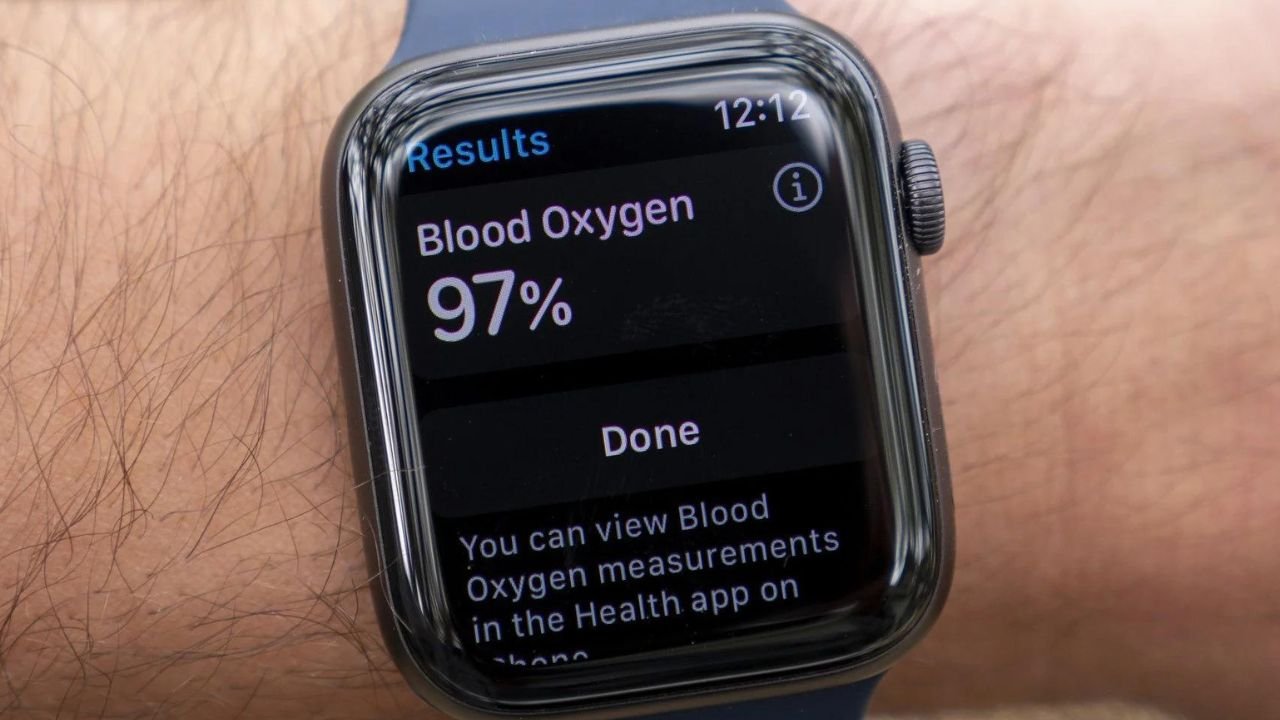
    The United States International Trade Commission (ITC) decided in October to ban Apple Watch models over a patented technology for detecting blood-oxygen levels.

    Apple contends that the ITC finding was in error and should be reversed, but last week paused its US sales of Apple Watch Series 9 and Apple Watch Ultra 2.

    The order stemmed from a complaint made to the commission in mid-2021 accusing Apple of infringing on medical device maker company Masimo Corp’s “light-based oximetry functionality.”

    “After careful consultations, Ambassador (Katherine) Tai decided not to reverse the… determination and the ITC’s decision became final on December 26, 2023,” the president’s executive office said in a statement on Tuesday.

    Apple has been steadily ramping up fitness and health features with each generation of its Apple Watch, which dominates the smartwatch category.

    In September, Apple released its Apple Watch Series 9, touting increased performance along with features such as the ability to access and log health data.

    “Our teams work tirelessly to create products and services that empower users with industry-leading health, wellness and safety features,” Apple said when the ITC ban was issued.

    “Masimo has wrongly attempted to use the ITC to keep a potentially lifesaving product from millions of US consumers while making way for their own watch that copies Apple.”

    In May, a trial of Masimo’s allegations ended in a mistrial after jurors failed to reach a unanimous verdict.

    Late last year, Apple filed two patent infringement lawsuits accusing Masimo of copying Apple Watch technology.

  • Apple faces competition as Google releases Pixel 8 and AI-powered smartwatch

    Apple faces competition as Google releases Pixel 8 and AI-powered smartwatch

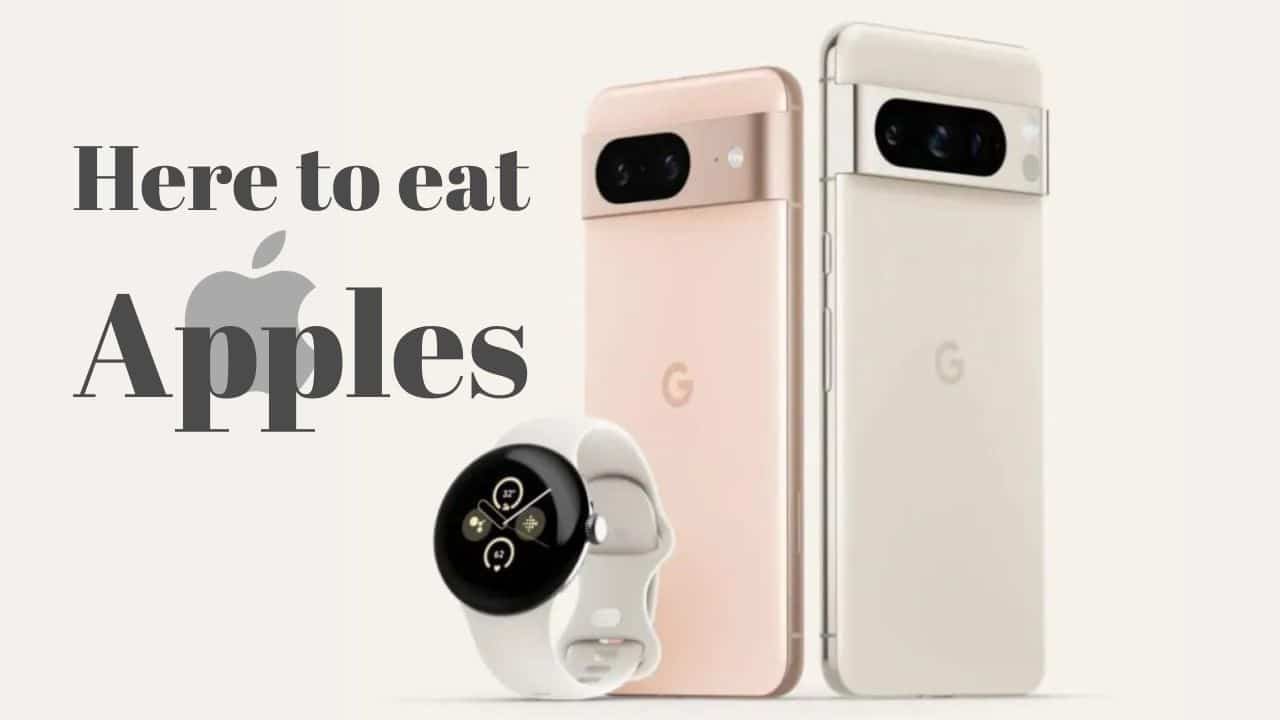
    The Apple iPhone 15 series now faces fresh competition as Google introduced its latest smartphone, the Pixel 8, on Wednesday, alongside a new smartwatch that seamlessly integrates advanced artificial intelligence (AI) technology into its core consumer devices.

    The enhancements made to the Pixel phones, which are particularly popular among photography enthusiasts and those who prefer a pure Android experience, have the potential to make them more appealing to shoppers as they plan their holiday season purchases.

    Google has upgraded the Pixel lineup by equipping it with the Tensor G3 mobile processor, which includes native machine learning and generative AI models. These AI features can assist users in various ways, such as improving photography, summarising web content, and blocking unwanted spam calls. This announcement was made during the Made by Google event held in New York.

    Additionally, the higher-end Pixel 8 Pro now features a temperature sensor, and Google has applied for approval from the Food and Drug Administration to enable a thermometer app for measuring body temperature.

    The Pixel 8 is priced starting at $699, while the Pixel 8 Pro starts at $999, making it $100 more expensive than the previous generation models. Both models will be available for purchase starting on October 12th.

    At the event, Google emphasized its commitment to mobile AI, a direction that IDC analyst Ryan Reith noted could have a significant impact on the industry, especially in the US, if accompanied by strong marketing efforts.

    Notably, in the previous month, Apple launched a new series of iPhones that included improvements in design and performance but did not increase prices, reflecting the ongoing challenges in the global smartphone market.

    According to IDC, Google’s Pixel ranks 12th globally in terms of smartphone shipments, holding a 0.9 per cent market share. The largest market for Pixel devices is the United States, accounting for approximately 39 per cent of global shipments, followed by Japan at 29 per cent and the UK at 9 per cent.

    In addition to the smartphone and smartwatch announcements, Google also revealed plans to integrate generative AI capabilities into its virtual assistant, enabling it to assist users with tasks like trip planning and email management while also asking follow-up questions.

    Furthermore, Google introduced the Google Watch 2, an upgraded version of its first smartwatch released in October of the previous year. It is priced at $349 and comes with a digital crown and advanced health tracking features powered by AI.

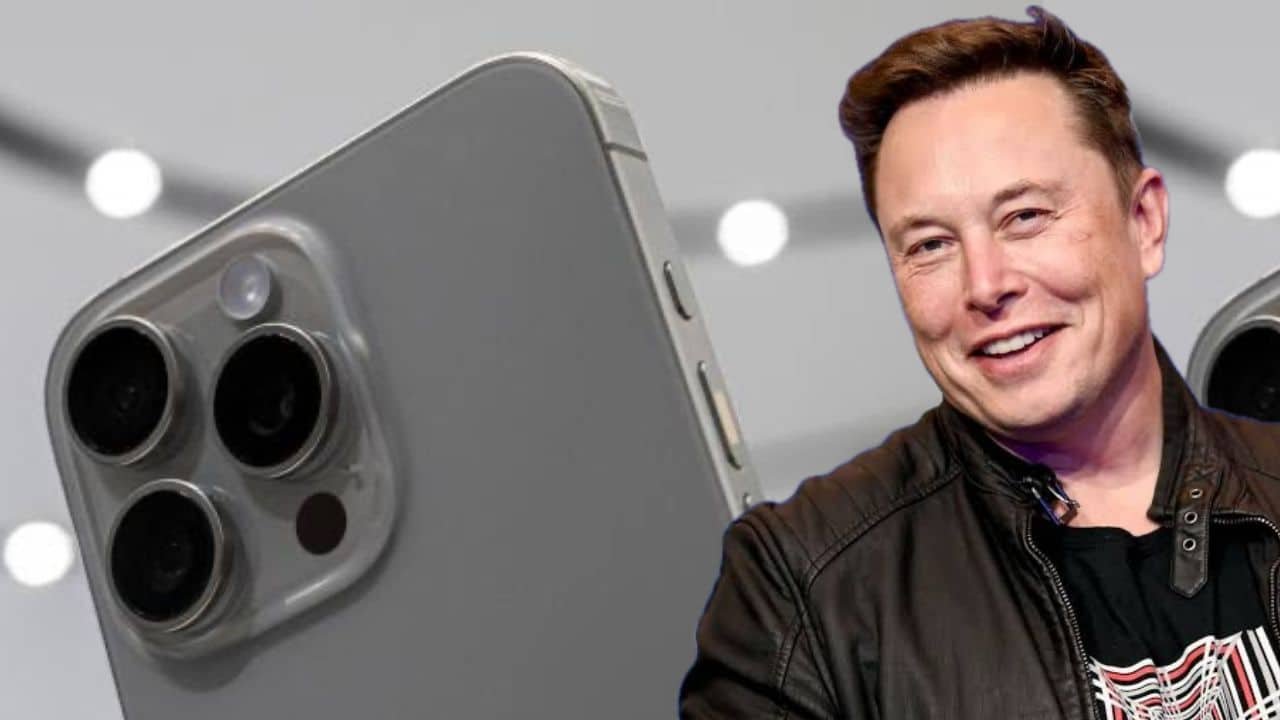
  • Tesla CEO Elon Musk is buying an iPhone 15 due to its ‘incredible’ camera

    Tesla CEO Elon Musk is buying an iPhone 15 due to its ‘incredible’ camera

    Apple’s latest flagship, the iPhone 15, made headlines after its debut at the company’s Wonderlust event on September 12. It became available to eager customers on September 22, causing long queues at Apple stores worldwide. Billionaire Elon Musk has announced his intention to purchase the iPhone 15, a sentiment shared by many.

    Apple’s CEO, Tim Cook, took to X (formerly Twitter) to share images featuring renowned photographers Stephen Wilkes and Reuben Wu. One image depicts the photographers presenting their work to Cook, demonstrating the limitless creative potential of the iPhone 15 Pro Max. The vibrant photos capture breathtaking scenes, from the beauty of summer in Rhode Island to the otherworldly landscapes of Utah. Cook expressed his appreciation, saying, “Thank you for showing me your work.”

    In response, Elon Musk praised the iPhone’s incredible capabilities, stating, “The beauty of iPhone pictures & video is incredible.”

    Cook also shared images of Apple’s new product launches at the Fifth Avenue store in New York, celebrating the latest iPhone 15 family, the first carbon-neutral Apple Watch models, and the latest AirPods. Musk, impressed by these new offerings, exclaimed, “I’m buying one!”

    Musk’s announcement sparked curiosity among social media users. One person wondered about his choice of model and color, while another playfully questioned if he was buying a single unit or the entire company. Some users even joked about Musk promoting Apple products.

    Apple’s latest flagship, the iPhone 15, made headlines after its debut at the company’s Wonderlust event on September 12. It became available to eager customers on September 22, causing long lines at Apple stores worldwide. 

    Billionaire Elon Musk has announced his intention to purchase the iPhone 15, a sentiment shared by many.

    Apple’s CEO, Tim Cook, took to X (formerly Twitter) to share images featuring renowned photographers Stephen Wilkes and Reuben Wu. One image depicts the photographers presenting their work to Cook, demonstrating the limitless creative potential of the iPhone 15 Pro Max. The vibrant photos capture breathtaking scenes, from the beauty of summer in Rhode Island to the otherworldly landscapes of Utah. Cook expressed his appreciation, saying, “Thank you for showing me your work.”

    In response, Elon Musk praised the iPhone’s incredible capabilities, stating, “The beauty of iPhone pictures and video is incredible.”

    Cook also shared images of Apple’s new product launches at the Fifth Avenue store in New York, celebrating the latest iPhone 15 family, the first carbon-neutral Apple Watch models, and the latest AirPods. Musk, impressed by these new offerings, commented, “I’m buying one!”

    Musk’s announcement sparked curiosity among social media users. One person wondered about his choice of model and colour, while another playfully questioned if he was buying a single unit or the entire company. Some users even joked about Musk promoting Apple products.

    Meanwhile, the iPhone 15 series boasts four models: the iPhone 15, the iPhone 15 Plus, the iPhone 15 Pro, and the iPhone 15 Pro Max. The iPhone 15 and iPhone 15 Plus come in three storage options (128GB, 256GB, and 512GB) and five colours (pink, yellow, green, blue, and black).

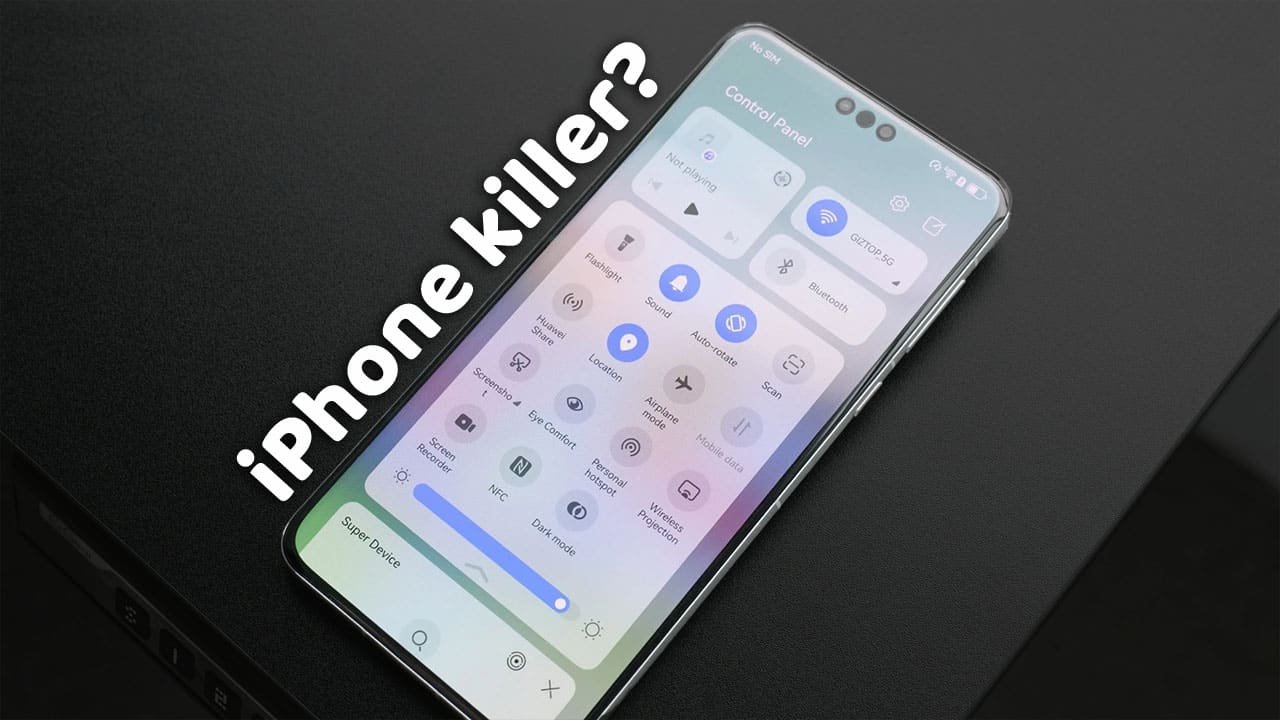
  • Can Huawei’s Mate 60 Pro finally kill the iPhone’s dominance?

    Can Huawei’s Mate 60 Pro finally kill the iPhone’s dominance?

    Huawei’s tenacity in the smartphone market, despite grappling with the challenges of the US embargo, has been nothing short of remarkable. Undeterred by adversity, the company has fervently strived to regain its foothold in the realms of both hardware and software.

    The latest chapter in Huawei’s resurgent narrative is embodied in the Huawei Mate 60 and Mate 60 Pro, devices that have ignited widespread intrigue and earned global user acclaim. In a mere five days following their debut, these smartphones remarkably achieved nearly 800,000 unit sales, signifying a triumphant comeback. 

    Within the confines of China, the Huawei Mate 60 series has emerged as a resounding success story. Officially launched on August 29th, these devices rapidly gained traction in the market, boasting sales figures that approached the 800,000-unit milestone within the initial five days.

    This achievement stands as a substantial improvement over the sales performance of their predecessors in the Mate series, which managed to muster approximately 500,000 units. Such resounding success is undoubtedly a testament to meticulous planning and unwavering commitment. 

    In the wake of challenging years, Huawei’s aspiration for resurgence led to the creation of a technological marvel. Powered by the cutting-edge Kirin 9000S processor, it reigns supreme as the swiftest mobile processor available in China. Notably, the Mate 60 series is equipped with a novel triple-lens rear camera system, featuring a 50MP main sensor, a 48MP ultrawide sensor, and a 12MP telephoto sensor. 

    The fervor surrounding the Huawei Mate 60 series extends beyond the Chinese borders, capturing the enthusiasm of international consumers. For instance, Japanese consumers have been keen to acquire the 12GB + 512GB version of the Huawei Mate 60 Pro, which is priced at approximately 70,000 Chinese yuan in the Chinese market, translating to around 140,000 Japanese yen (PKR 292,800).

    Interestingly, local dealers in Japan have been pricing the same smartphone model at levels exceeding 200,000 Japanese yen, roughly equivalent to 10,000 Chinese yuan, underscoring its immense popularity in the Japanese market. 

    Key Specifications: 

    Huawei Mate 60 

    – Display: 6.69-inch LTPO OLED display with a 1-120 Hz variable refresh rate 

    – Processor: Kirin 9000S 

    – RAM: 12GB 

    – Storage: 256GB, 512GB, or 1TB 

    – Rear Cameras: 50MP main camera with variable aperture (f/1.4 to f/4.0), 48MP telephoto camera, 12MP ultrawide camera 

    – Front Camera: 13MP 

    – Battery: 5000mAh 

    – Charging: 88W wired charging, 50W wireless charging 

    Huawei Mate 60 Pro 

    – Display: 6.82-inch LTPO OLED display with a 1-120 Hz variable refresh rate 

    – Processor: Kirin 9000S 

    – RAM: 12GB 

    – Storage: 256GB, 512GB, or 1TB 

    – Rear Cameras: 50MP main camera with variable aperture (f/1.4 to f/4.0), 48MP telephoto camera, 12MP ultrawide camera 

    – Front Camera: 13MP 

    – Battery: 4750mAh 

    – Charging: 88W wired charging, 50W wireless charging