Tag: Modi

  • India’s Rahul Gandhi faces new test in revived fortunes

    India’s Rahul Gandhi faces new test in revived fortunes

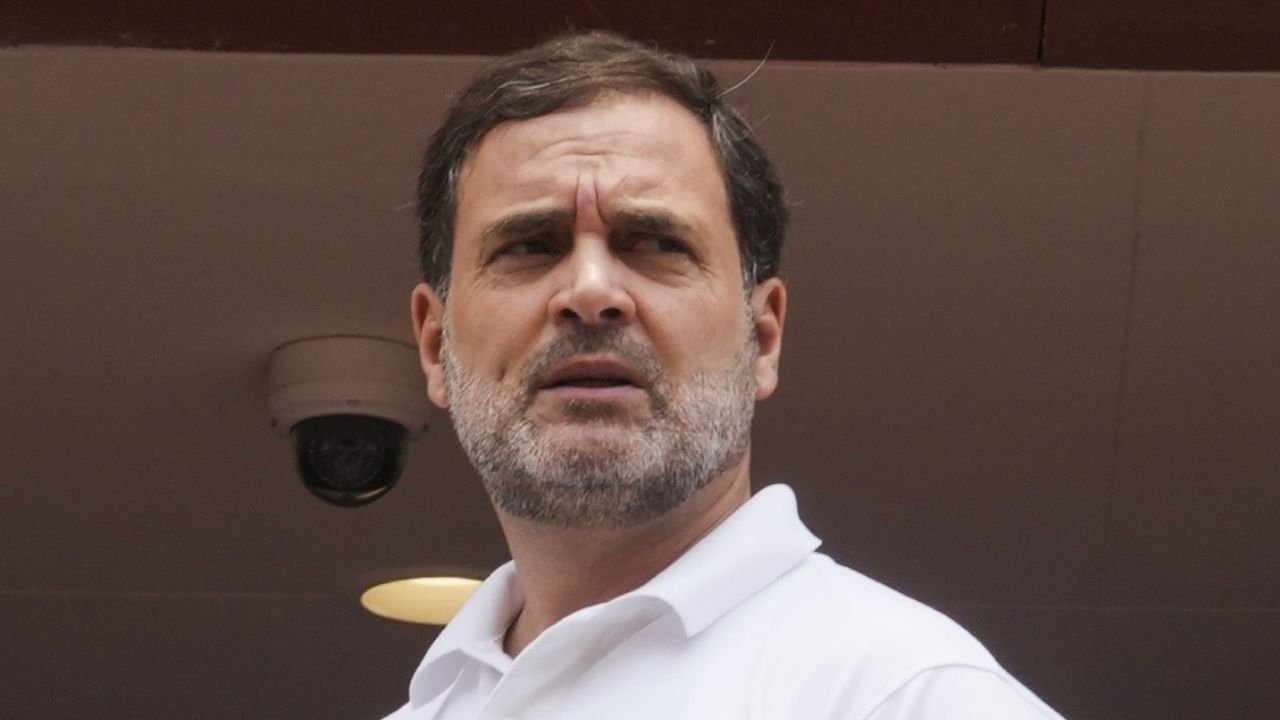
    Once dismissed as an “empty suit”, perennial Indian premier-in-waiting Rahul Gandhi emerged from his third consecutive election defeat with his reputation enhanced and his party back from the political wilderness.

    But analysts are divided on whether the 54-year-old — a scion of a dynasty that has already given India three prime ministers — is ready for the next battle he faces.

    Already the leader of the opposition to Hindu-nationalist Prime Minister Narendra Modi in all but name, Gandhi now takes on the formal position in India’s parliament.

    Congress party general secretary K. C. Venugopal said Gandhi would be “a bold voice for the common people” and ensure the government “is held firmly accountable at all times”, he told reporters in a statement late Tuesday.

    Gandhi’s ascension is significant because, for the previous decade, his once-mighty Congress party did not have enough seats in the legislature to qualify him for the post.

    “It’s a huge thing what he has achieved in this election — he’s been able to get the masses to take him seriously,” Sugata Srinivasaraju, an author of a book on Gandhi, told AFP.

    “But is that sufficient to be a good leader of the opposition inside the parliament? That is a big question.”

    Coalition politics

    Modi’s first two terms in office saw landslide wins for his Bharatiya Janata Party (BJP), allowing his government to steamroll laws through parliament with only cursory debate.

    Dozens of bills were pushed through the legislature hours after they were introduced, including a contentious and far-reaching overhaul of India’s criminal justice code last year.

    Unable to stymie the government’s legislative programme, Gandhi and Congress were reduced to staging regular symbolic walkouts of the chamber and demonstrations outside parliament.

    With the BJP now reliant on coalition allies to govern, and Congress nearly doubling its seats in parliament, the dynamics of Gandhi’s role will necessarily change.

    His new post entitles him to take a role in the composition of parliamentary committees and sit on selection panels for appointing some of India’s most powerful civil servants.

    But Srinivasraju said it remained to be seen if Gandhi could evolve from Modi’s chief gadfly outside parliament to an effective opponent within its walls.

    “He has not been a great speaker inside parliament. He has not been able to sway the crowds,” he said.

    “From that perspective, we don’t know if Rahul is really ready.”

    ‘Missed several opportunities’

    Gandhi is the son, grandson and great-grandson of former prime ministers, beginning with Indian independence leader Jawaharlal Nehru.

    For that reason, he was seen as India’s leader-in-waiting when he first entered parliamentary politics in 2004, but he struggled for years to shed his image as an insubstantial and entitled princeling.

    Leaked US embassy cables disparagingly referred to him as an “empty suit”, and Modi dismissed him as a dynast more interested in luxury and self-indulgence than fighting to helm the world’s biggest democracy.

    For much of the past decade, many voters agreed with that sentiment.

    His stewardship of Congress — once India’s dominant party with a proud role in ending British colonial rule — looked hapless against Modi’s seemingly unassailable rule.

    “Gandhi missed several opportunities to shape up as an effective parliamentarian and politician,” political commentator Rasheed Kidwai told AFP.

    ‘Judging him with interest’

    The seeds of his turnaround were sown in 2022 when he embarked on a cross-country walking tour inspired by his unrelated namesake, independence hero Mahatma Gandhi, to hear the concerns of ordinary people.

    His journey gave him a gravitas that had previously eluded him, and his colleagues credited it with helping reinvigorate the party, delivering an election result that defied exit poll forecasts of another landslide BJP win.

    Gandhi also stayed unruffled through the several ongoing criminal cases arrayed against him, which he and supporters accuse the government of orchestrating to eliminate him as a rival to Modi.

    Last year, he was briefly disqualified from parliament after a conviction for criminal libel in a case brought by a BJP member, and weeks before this year’s election, Congress had its bank accounts frozen as part of a running income tax probe.

    Having pierced Modi’s aura of invulnerability and shrugged off adversity, Kidwai said Gandhi’s new post would give him the opportunity to capitalise on his newfound public esteem and establish himself as an alternative prime minister.

    “Taking up this position is going to do a lot of good for him,” he said.

    “People who didn’t take him seriously will now start judging him with interest.”
  • Coalition government to moderate Modi’s Hindu nationalism

    Coalition government to moderate Modi’s Hindu nationalism

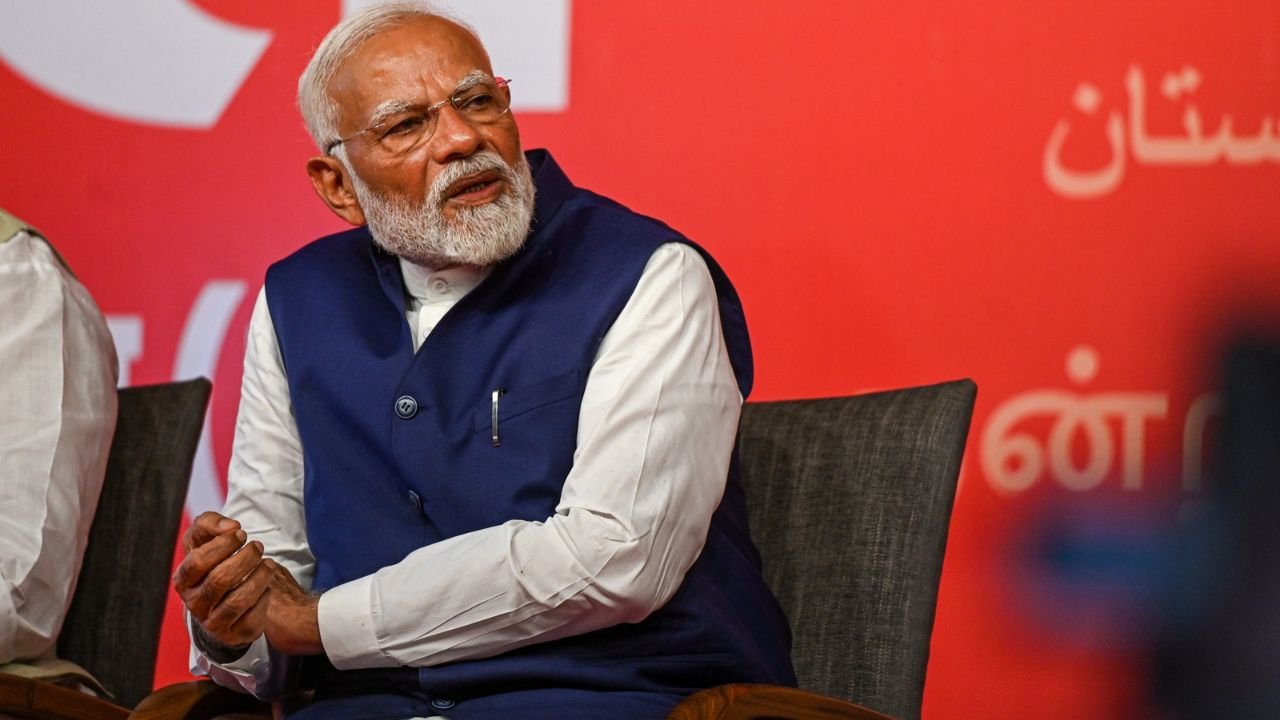
    India’s Prime Minister Narendra Modi will have to moderate his Hindu-nationalist agenda to assuage his coalition partners, but they will likely let him press on with his foreign and economic policies, analysts say.

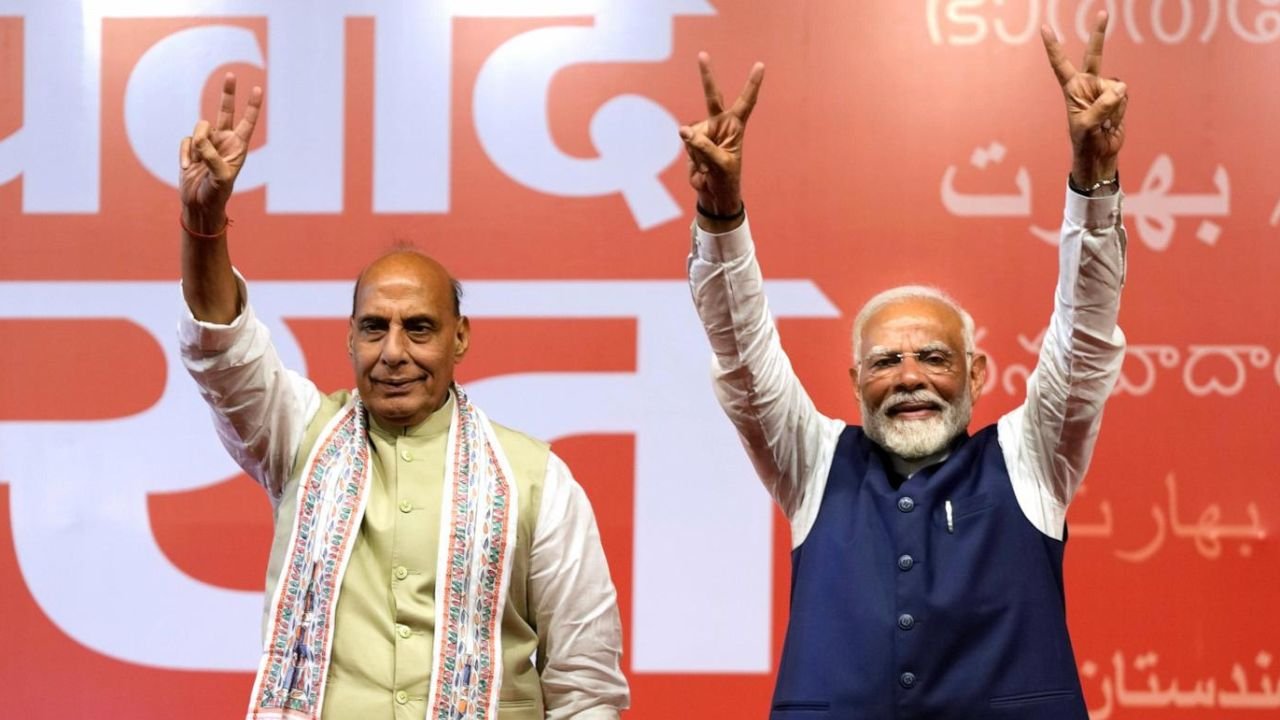
    Modi, forced into a coalition government after a shock election setback left him without an outright majority for the first time in a decade, unveiled his third-term cabinet on Monday.

    Key posts are unchanged — including the defence, finance, foreign and interior ministers — and the cabinet remains dominated by his Bharatiya Janata Party (BJP).

    “Modi opts for continuity,” The Hindustan Times headline read Monday.

    “BJP and Modi are still solidly occupying the… driving seat,” the Times of India wrote in its editorial.

    Nevertheless, this term will require “more dexterous deal-making within the parliament for policies that require tweaking of laws,” said Ashok Malik, from The Asia Group business consultancy.

    ‘Pushed to the background’

    Before the polls, when the right-wing BJP boasted of winning a super majority, minorities including many in the 200-million-plus Muslim population were worried.

    Modi’s decade as premier has seen him cultivate an image as an aggressive champion of the country’s majority Hindu faith.

    His government revoked the constitutional autonomy of India’s Muslim-majority region Kashmir, and backed the construction of a temple on grounds where a mosque stood for centuries before it was torn down by Hindu zealots in 1992.

    Critics feared another BJP landslide would see policies steamrolled through parliament that would further blur the line between state and religion — despite India’s secular constitution.

    But analysts said a coalition forces Modi to tread more carefully.

    “In a government with allies, the BJP’s key cultural agendas will all be pushed to the background,” Nistula Hebbar, political editor of The Hindu newspaper, told AFP.

    Instead, Modi is expected to focus on infrastructure, foreign affairs and economic reforms which “won’t be much of an issue” for the alliance, she added.

    “Very broadly, the economic policy and external strategy doesn’t face any challenges in continuity, or any serious philosophical or strategic challenges with allied or opposition parties,” said Malik.

    ‘Conciliatory Modi’

    Not so for his Hindu-nationalist agenda, however.

    Modi had promised to introduce a national common civil code to standardise laws across all religious communities, opposed by Muslim activists as an attack on their faith.

    India’s 1.4 billion people are subject to a common criminal law, but rules on personal matters such as marriage, divorce and inheritance vary.

    But the common code would require parties to “forge national consensus”, Malik said, which is now more doubtful given Modi’s reliance on coalition partners.

    Modi was also accused of ramping up rhetoric targeting India’s key religious divide to rally the Hindu majority to vote.

    With elections over, “Hindu-Muslim rhetoric may also take a back seat, at least for the time being,” said Neerja Chowdhury, from The Indian Express.

    BJP leaders also campaigned on a plank to remove affirmative quotas in government jobs and educational institutions for Muslims.

    A controversial revision of electoral boundaries based on population — that would have reduced the overall parliamentary punch of opposition areas — also likely faces the backburner.

    Hebbar said she expected to see “a different Modi, a more conciliatory Modi”.

    ‘People want jobs’

    For the policies he will push through, analysts say he will seek to expand welfare support for farming and poorer communities, seeking to shore up popularity in rural constituencies after electoral losses.

    In a symbolic first move, Modi on Monday approved the latest tranche of a massive cash handout for 93 million farmers, as well as building plans for 30 million homes for poor families.

    Modi has overseen India’s ascent to become the world’s fastest-growing major economy, and its fifth largest, but the world’s most populous country has a jobs crisis to match.

    Many saw unemployment as a key factor in BJP losses.

    “People want jobs,” said Malik. “And to satisfy this very legitimate need, you need to build the economy, and reform even faster.”

    Modi’s agenda will focus on infrastructure, reforming industrial policies and domestic manufacturing incentives in a bid to create an “economic spurt in the next five years”, he added.

    But analysts also say it is still to be seen how political dynamics will play out in a parliament where Modi faces a far more powerful opposition.

    “Modi has never handled a coalition because he has never had to rely on one,” Hebbar said.

    “It’s a new situation for everyone… but he is a quintessential politician and would be ready to do whatever is required”.

  • Not a message of love; Khawaja Asif clarifies PM Shehbaz’s message

    Not a message of love; Khawaja Asif clarifies PM Shehbaz’s message

    After Prime Minister Shehbaz Sharif congratulated Narendra Modi on being elected as the Prime Minister of India, Defence Minister Khawaja Asif tried to clear the air that there wasn’t a “message of love.”

    “It is just a diplomatic compulsion to congratulate Modi on becoming the Indian PM,” stated Asif speaking on the Geo News programme Capital Talk on Monday.

    He also said that Pakistan would never forget that Modi is a “murderer of Muslims” in India.

    Modi is the second person in India’s political history after Jawaharlal Nehru to serve a third consecutive term as prime minister.

    However, this time Modi’s party did not win an outright majority but with the support of 14 regional parties in his BJP-led National Democratic Alliance (NDA).

  • India’s Modi readies for third term after securing coalition

    India’s Modi readies for third term after securing coalition

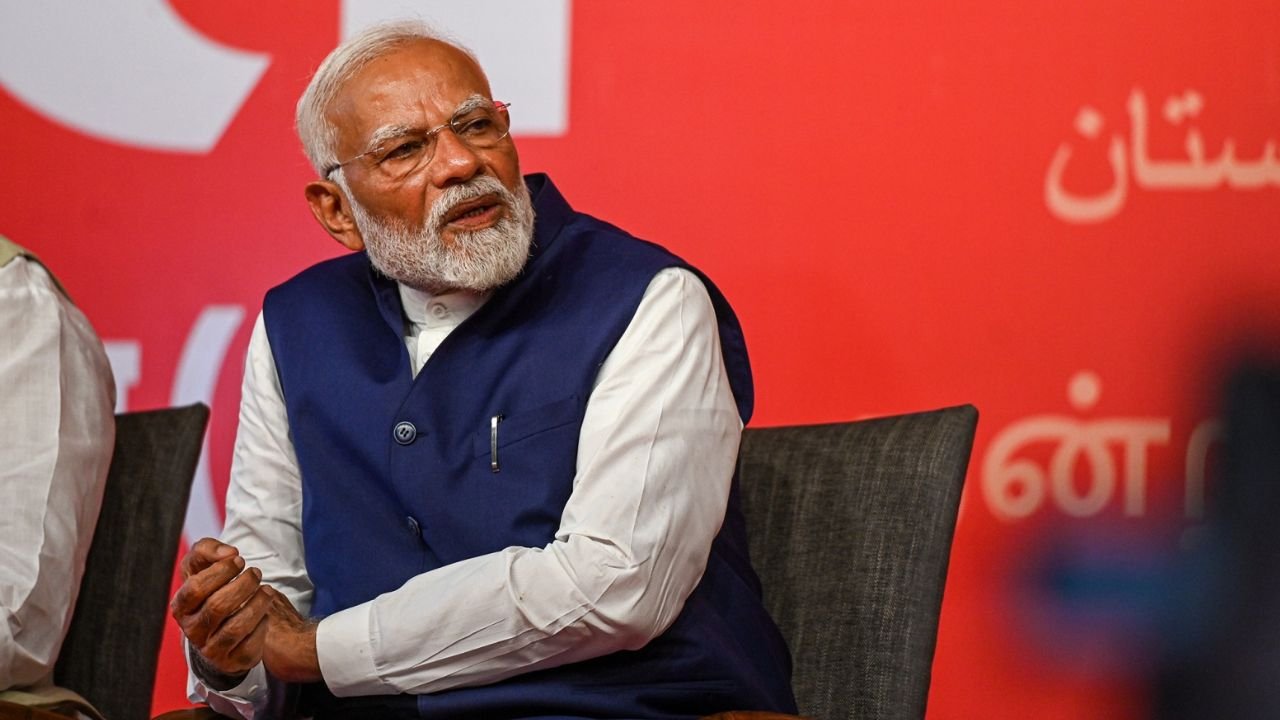
    Indian Prime Minister Narendra Modi was preparing Thursday to be sworn in for a third term after an unexpectedly close election that forced his party into a coalition government.

    Modi’s Hindu-nationalist Bharatiya Janata Party (BJP), which ruled for the past decade with an outright majority, had been expecting another landslide win.

    But results of the six-week election released Tuesday ran counter to exit polls, seeing the BJP lose its majority and sending it into quick-fire talks to lock in a 15-member coalition that would allow it to govern.

    That grouping — the National Democratic Alliance (NDA) — announced late Wednesday that they had agreed to form a government.

    “We all unanimously choose respected NDA leader Narendra Modi as our leader,” a BJP-issued alliance statement said.

    The alliance holds 293 seats in parliament, giving it control of the 543-seat body.

    Indian media reports said Modi would be sworn in as prime minister on Saturday.

    Modi’s new reliance on “the minefield of coalition politics” means he faces the prospect of a far tougher-than-expected third term, the Hindustan Times warned in its Thursday editorial.

    “Consensus building will have to be the bedrock of governance,” it added, noting the right-wing BJP will have to “recalibrate its expansion plans”.

    ‘New chapter of development’

    While Modi faces a more complicated political environment at home, he won the plaudits of leaders around the world.

    US President Joe Biden congratulated Modi on his coalition’s victory, and the State Department said the United States hoped to work with the Hindu nationalist leader on a “free and open” Asia.

    “The friendship between our nations is only growing,” Biden wrote, while French President Emmanuel Macron congratulated his “dear friend”.

    China congratulated Modi and said it was “ready to work” with its neighbour, while the coalition’s win was also applauded by Britain, the European Union, Japan and Russia.

    Modi, 73, insisted on Tuesday night that the election results were a victory that ensured he would continue his agenda.

    “Our third term will be one of big decisions and the country will write a new chapter of development,” Modi told a crowd of cheering supporters in the capital New Delhi after his win. “This is Modi’s guarantee.”

    ‘Play the coalition game’

    Commentators and exit polls had projected an overwhelming victory for Modi, who critics have accused of leading the jailing of opposition figures and trampling on the rights of India’s 200-million-plus Muslim community.

    But the BJP secured 240 seats in parliament, well down from the 303 it won five years ago and 32 short of a majority on its own.

    The main opposition Congress party won 99 seats in a remarkable turnaround, almost doubling its 2019 tally of 52.

    “Today’s masters are not as strong as they were,” Christophe Jaffrelot, a professor at King’s College London, wrote in The Hindu daily on Thursday.

    “For the first time in his political career, Narendra Modi will have to play the coalition game.”

    Congress party president Mallikarjun Kharge said the result was a vote against Modi “and the substance and style of his politics”.

    “It is a huge political loss for him personally, apart from being a clear moral defeat as well,” he told party leaders at an opposition alliance meeting.

    In a personal sting, Modi was re-elected to his constituency representing the Hindu holy city of Varanasi with a far lower margin of 152,300 votes. That compared with nearly half a million votes five years ago.

    “Elections expressed a yearning for the defence of constitutional values and citizen dignity,” Ashutosh Varshney, a political scientist at Brown University, wrote in the Indian Express on Thursday.

    Varshney argued Modi’s setback reflected concerns about what the “idea of India” meant to voters — against a backdrop of a “rise of animosities and polarisation in society, people’s concern about rights and the steeply rising inequalities”.

    bur-pjm/lb

    © Agence France-Presse

  • Kya Ali Sethi bhee Indian elections contest kar rahay thay?

    Kya Ali Sethi bhee Indian elections contest kar rahay thay?

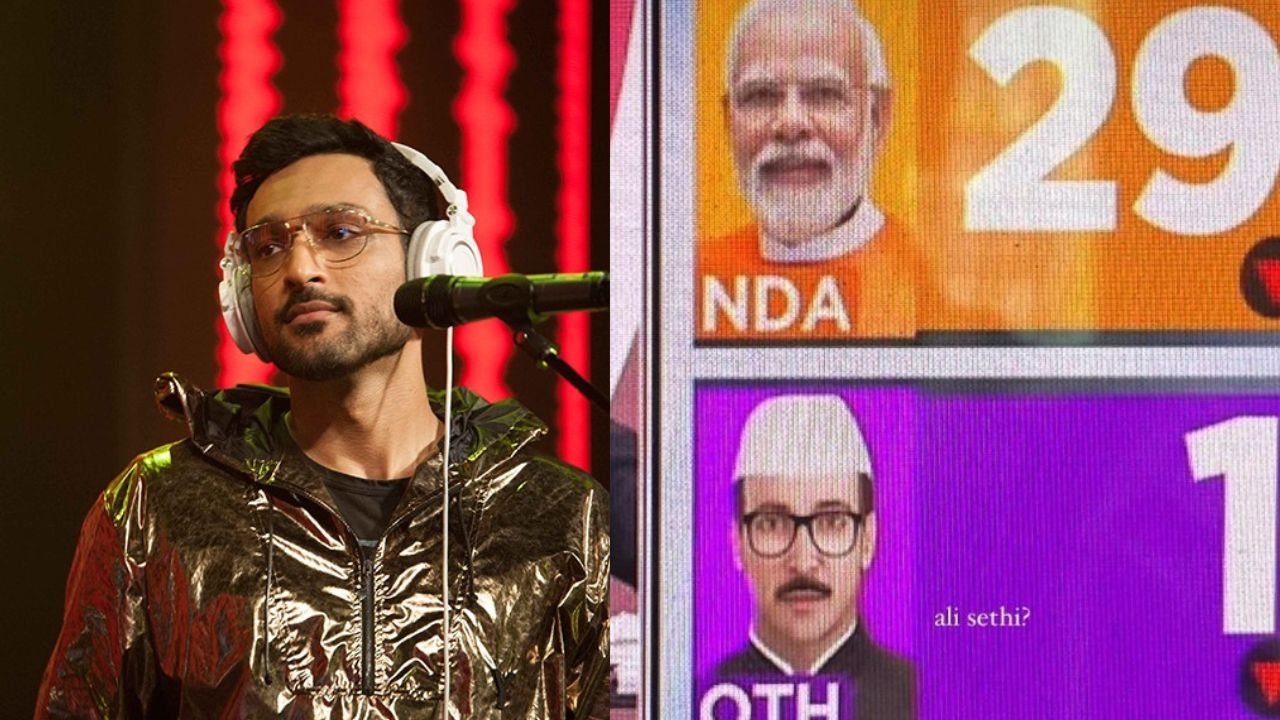
    Ali Sethi’s doppelganger may have lost the election in India, but the singer is winning the internet with his hilarious response.

    Yesterday Sethi shared a screenshot of an election contestant on Instagram and captioned it, “Apparently I lost some votes in India.”
    The screenshot has gone viral on social media.

    India’s elections, which took place from April 19 to June 1, are now being tallies. The results are generating widespread interest and media coverage, both in India and around the world.
    Here are some comments with fans joking about Ali Sethi being an Indian citizen and asked him when wouldhe perform in New Delhi.

  • How Modi’s party lost its majority in India

    How Modi’s party lost its majority in India

    Indian Prime Minister Narendra Modi will remain in office but with a substantially reduced mandate, confounding expectations of a resounding victory forecast by analysts and exit polls.

    Modi’s Bharatiya Janata Party (BJP) failed to secure an outright majority for the first time since the Hindu nationalist leader swept to power a decade ago, and will instead rely on coalition allies to govern.

    AFP takes a look at the reasons why Modi and his party failed to achieve a third successive landslide win:

    Critics and rights groups accused Modi of ramping up rhetoric against Muslims to unprecedented levels during his campaign in a bid to mobilise the Hindu majority.

    At his rallies, he referred to Muslims as “infiltrators”, and claimed the main opposition Congress party would redistribute the nation’s wealth to Muslims if it won.

    But the strategy failed to galvanise Hindu voters behind the BJP, while also solidifying minority communities’ support for the opposition.

    The BJP’s vote share dropped nearly one point to 36.6 percent from the last election five years ago, translating in India’s electoral system into a drop from 303 to 240 seats in the 543-member parliament.

    Numerous voters over the course of the election told AFP that they were more concerned with India’s chronic unemployment problem than with the government’s ideological agenda.

    “People were concerned about livelihood, unemployment, price rises,” Nilanjan Mukhopadhyay, the author of a Modi biography, told AFP.

    “They did not relate to what Modi and the BJP were saying.”

    For the first time in 15 years, Modi’s party failed to win the most seats in Uttar Pradesh, India’s most populous state and a bellwether for national elections.

    Uttar Pradesh is the heartland of India’s majority faith, with widespread support for Modi’s Hindu-nationalist agenda, and had for the past decade formed the bedrock of the BJP’s parliamentary strength.

    But an alliance of opposition parties who had competed against each other in past polls saw BJP candidates face stronger rivals, who ultimately won more than half of the state’s seats.

    Modi won his seat in the state, representing the Hindu holy city of Varanasi, by just 152,000 votes — compared to a victory margin of nearly half a million votes in 2019.

    Spectacularly, the BJP’s candidate lost in the constituency representing Ayodhya, despite Modi in January inaugurating a divisive Hindu temple built on the grounds of a razed mosque there.

    “The opposition managed to put a sword back to him and Uttar Pradesh has shown resistance to his brand of politics,” political scientist Ramu Manivannan of the University of Denver told AFP.

    The BJP’s electoral strategy was premised on increasing its parliamentary majority by gaining ground in India’s wealthier and better-educated southern states.

    Modi made repeated whistlestop tours through the south where he affirmed his “topmost respect” to local culture.

    He also embarked on a 48-hour meditation ritual in the southern coastal town of Kanyakumari last week when the vote was nearly over.

    But the premier’s relentless campaigning did not translate into significant gains where they were needed.

    The party failed to win a single seat in Tamil Nadu state — almost as populous as Germany with 84 million people — and won just one constituency in neighbouring Kerala, with a population of 35 million.

    Manivannan said that “ideological resistance in the south” had played its part in the BJP’s lacklustre result.

    Southern voters have typically backed regional parties strongly rooted in appeals to social justice policies and opposed to the BJP, and Modi’s muscular Hindu-first ideology has held little appeal.

  • Bollywood actress Kangana Ranaut leads in Lok Sabha elections

    Bollywood actress Kangana Ranaut leads in Lok Sabha elections

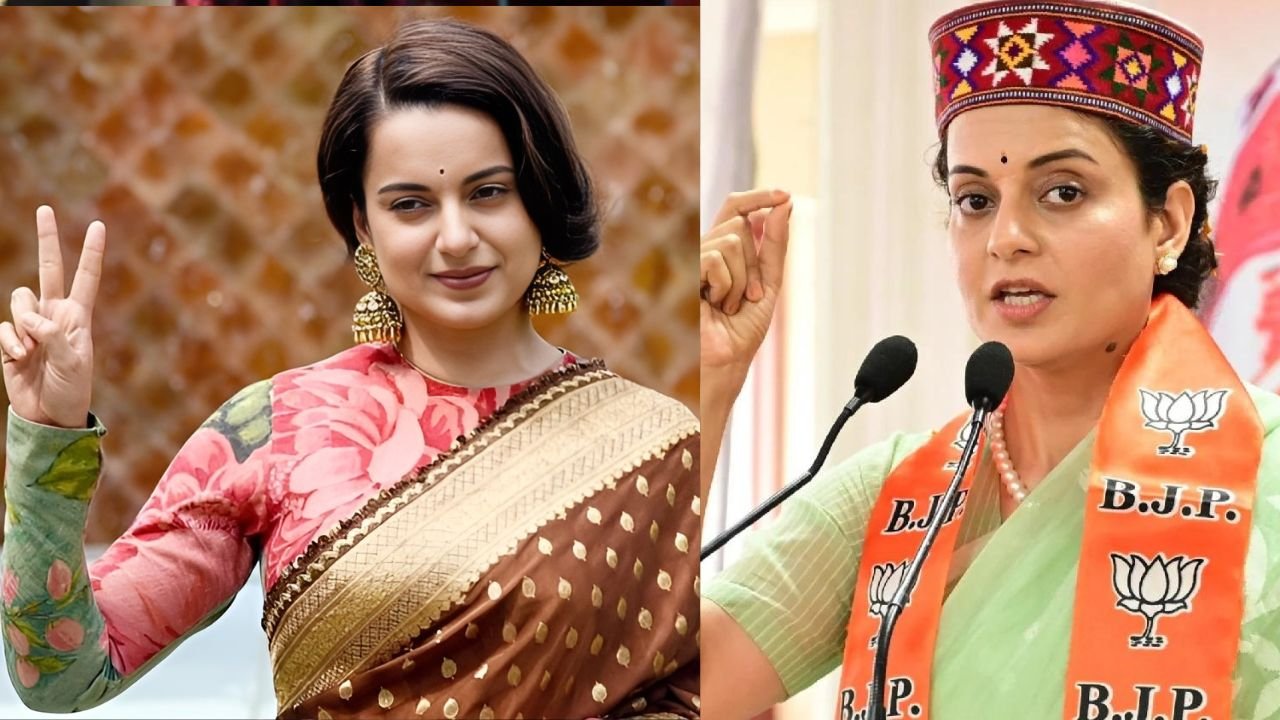
    Bollywood actress Kangana Ranaut who contested from a BJP ticket in Himachal Pradesh for the first time, has taken a significant lead over her rival candidate. She had 325,925 votes while the Congress candidate Vikramaditya Singh had 283,101 votes.
    In an interview to Indian media, Kangana said, “I’m not going anywhere! I’m here to serve the people of Himachal Pradesh.”
    When asked about the trend of decreasing votes for Modi’s party, she laughed saying, “Maybe someone else will have to pack their bags and leave”

  • Modi: tea seller’s son who became India’s populist hero

    Modi: tea seller’s son who became India’s populist hero

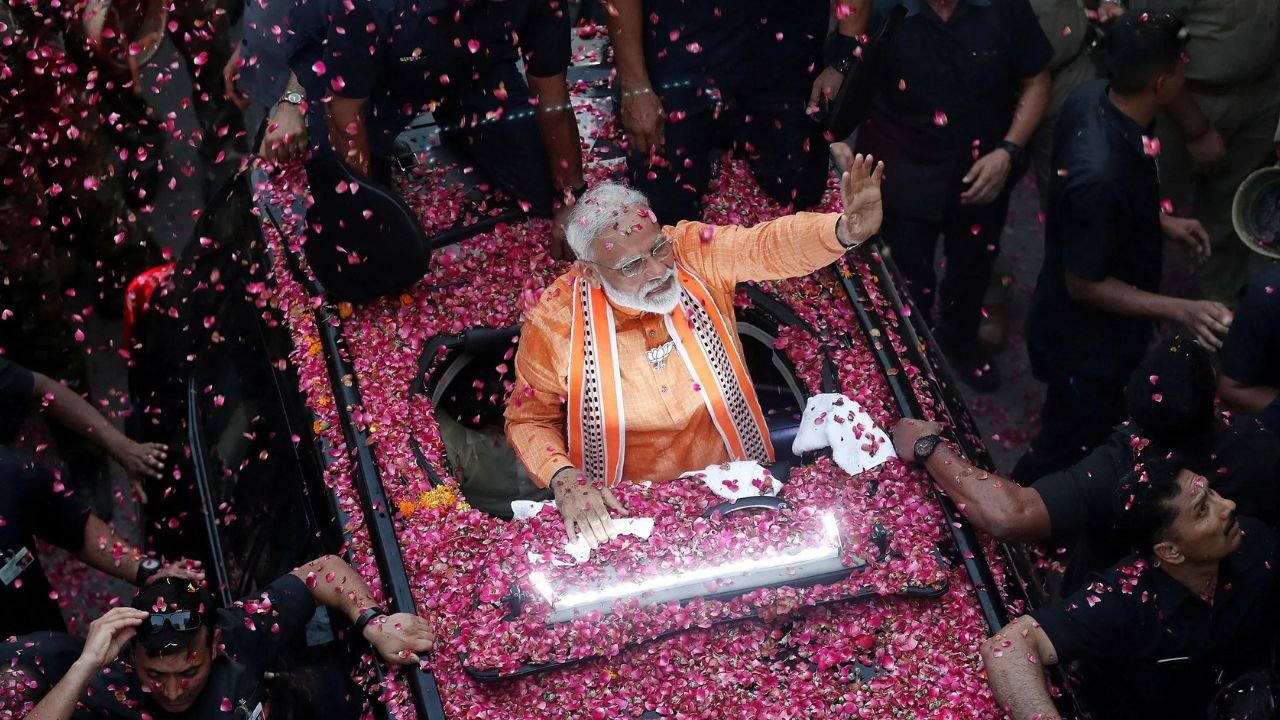
    Once shunned and now eagerly courted by the West, Prime Minister Narendra Modi has steered India away from its secular traditions and towards the Hindu-first politics he has championed for decades.

    Modi’s political ascent was marred by allegations of his culpability in India’s worst religious riots this century, and his tenure has dovetailed with rising hostility towards Muslims and other minorities.

    But a decade after first sweeping to national office, the 73-year-old is also consistently ranked among the world’s most popular leaders.

    Supporters revere his tough-guy persona, burnished by his image as a steward of India’s majority faith and myth-making that played up his modest roots.

    “They dislike me because of my humble origins,” he said in rallies ahead of the last elections, lambasting his opponents.

    “Yes, a person belonging to a poor family has become prime minister. They do not fail to hide their contempt for this fact.”

    Modi was born in 1950 in the western state of Gujarat, the third of six children whose father sold tea at a railway station.

    An average student, his gift for rousing oratory was first seen with his keen membership of a school debate club and participation in theatrical performances.

    But the seeds of his political destiny were sown at the age of eight when he joined the Rashtriya Swayamsevak Sangh (RSS), a hardline nationalist group.

    Modi dedicated himself to its cause of promoting Hindu supremacy in constitutionally secular India, even walking out of his arranged marriage soon after his wedding aged 18.

    Remaining with his wife — whom he never officially divorced — would have hampered his advancement through the ranks of the RSS, which expected senior cadres to stay celibate.

    The RSS groomed Modi for a career in its political wing, the Bharatiya Janata Party (BJP), which through the 1990s was growing into a major force.

    He was appointed chief minister of Gujarat in 2001 but the following year the state was rocked by sectarian riots, sparked by a fire that killed dozens of Hindu pilgrims.

    At least 1,000 people were killed in the ensuing violence, with most of the victims Muslims.

    Modi was accused of both helping stir up the unrest and failing to order a police intervention.

    Modi later told a BBC reporter that his main weakness in responding to the riots was not knowing “how to handle the media”.

    A probe by India’s top court eventually said there was no evidence to prosecute Modi, but the international fallout saw him banned from entering the United States and Britain for years.

    However, it was a testament to India’s changing political tides that his popularity only grew at home.

    He built a reputation as a leader ready to assert the interests of Hindus, who he contended had been held back by the secularist forces that ruled the country almost continuously since independence from Britain.

    Critics have sounded the alarm over a spate of prosecutions directed at Modi’s political rivals and the taming of a once-vibrant press.

    India’s Muslim community of more than 200 million is also increasingly anxious about its future.

    Modi’s rise to the premiership was followed by a spate of lynchings targeting Muslims for the slaughter of cows, a sacred animal in the Hindu tradition.

    But Western democracies have sidestepped rights concerns in the hopes of cultivating a regional ally that can help check China’s assertiveness.

    Modi was last year accorded the rare honour in the US of a joint address to Congress and a White House state reception at President Joe Biden’s invitation.

    He has taken credit for India’s rising diplomatic and economic clout, claiming that under his watch the country has become a “vishwaguru” — a teacher to the world.

    Only now is India assuming its rightful global status, his party contends, after the historical subjugation of the country and its majority faith — first by the Muslim Mughal empire and then by the British colonial project.

    Modi’s government has refashioned colonial-era urban landscapes in New Delhi, rewritten textbooks and overhauled British-era criminal laws in an effort to erase what it regards as symbols of foreign domination.

    This project reached its peak in January when Modi presided over the opening of a new Hindu temple in the town of Ayodhya, built on grounds once home to a centuries-old Mughal mosque razed by Hindu zealots in 1992.

    Modi said during the elaborate ceremony that the temple’s consecration showed India was “rising above the mentality of slavery”.

    He added: “The nation is creating the genesis of a new history.”

  • Modi’s struggling rival Gandhi votes as India election resumes

    Modi’s struggling rival Gandhi votes as India election resumes

    New Delhi, India – Key Indian opposition leader Rahul Gandhi voted Saturday as the country’s six-week election resumed, with Prime Minister Narendra Modi’s rivals accusing his government of unjustly targeting them in criminal probes.

    Modi, 73, remains roundly popular after a decade in office and his ruling Bharatiya Janata Party (BJP) is widely expected to win a third term next month after a poll hit by recurrent early summer heatwaves.

    His prospects have been further bolstered by several criminal investigations into his opponents, sparking concerns from UN rights chief Volker Turk and rights groups over the poll’s fairness.

    Gandhi, the most prominent leader of India’s opposition Congress party, cast his ballot at a polling station in New Delhi, where temperatures were forecast to reach 43 degrees Celsius (109 degrees Fahrenheit).

    A son, grandson and great-grandson of former prime ministers, Gandhi paused after voting to take a selfie with his mother Sonia but did not speak to crowds of reporters.

    The scion of a dynasty that dominated Indian politics for decades, he was convicted of criminal libel last year after a complaint by a member of Modi’s party.

    His two-year prison sentence saw him disqualified from parliament until the verdict was suspended by a higher court.

    Delhi Chief Minister Arvind Kejriwal, 55, leader of the opposition Aam Aadmi party, who was detained in March in a long-running graft case, was due to vote later Saturday.

    The Supreme Court bailed Kejriwal earlier this month and he returned to the campaign trail, urging Indians to vote against what he called a nascent “dictatorship”.

    “Modi has started a very dangerous mission,” he said soon after his release. “Modi will send all opposition leaders to jail.”

    Congress is spearheading an opposition alliance of more than two dozen parties competing jointly against Modi, including the Aam Aadmi party.

    Kejriwal’s organisation grew out of an anti-corruption movement a decade ago — its name means Common Man’s party — and has been elected to office in the Delhi region and the state of Punjab, but has struggled to establish itself as a nationwide force.

    In February authorities froze several Congress bank accounts as part of a running dispute over income tax returns filed five years ago, a move Gandhi said had severely impacted the party’s ability to contest the election.

    “We have no money to campaign, we cannot support our candidates,” the 53-year-old told reporters in March.

    Modi’s political opponents and international rights campaigners have long sounded the alarm on India’s shrinking democratic space.

    US think-tank Freedom House said this year that the BJP had “increasingly used government institutions to target political opponents”.

    Heatwave ‘red alert’

    India is voting in seven phases over six weeks to ease the immense logistical burden of staging an election in the world’s most populous country.

    Turnout is down several percentage points from the last national poll in 2019, with analysts blaming widespread expectations of a Modi victory as well as hotter-than-average temperatures heading into the Indian summer.

    India’s weather bureau this week issued a heatwave “red alert” for Delhi and surrounding states where tens of millions of people were casting their ballots on Saturday.

    The India Meteorological Department warned of heightened health risks for infants, the elderly and those with chronic diseases.

    Extensive scientific research shows climate change is causing heatwaves to become longer, more frequent and more intense, with Asia warming faster than the global average.

    More than 968 million people are eligible to vote in the Indian election, with the final round of polling on June 1 and results expected three days later.

    abh-asv/slb/sco

    © Agence France-Presse

  • India opposition criticises PM Modi for anti-Muslim comments

    India opposition criticises PM Modi for anti-Muslim comments

    India’s main opposition party on Thursday condemned Prime Minister Narendra Modi for anti-Muslim comments in election campaign speeches that have heightened concerns over sectarian tensions in the world’s biggest democracy.

    Modi remains popular across much of India and his Hindu-nationalist Bharatiya Janata Party (BJP) is widely expected to win this general election when it concludes in early June.

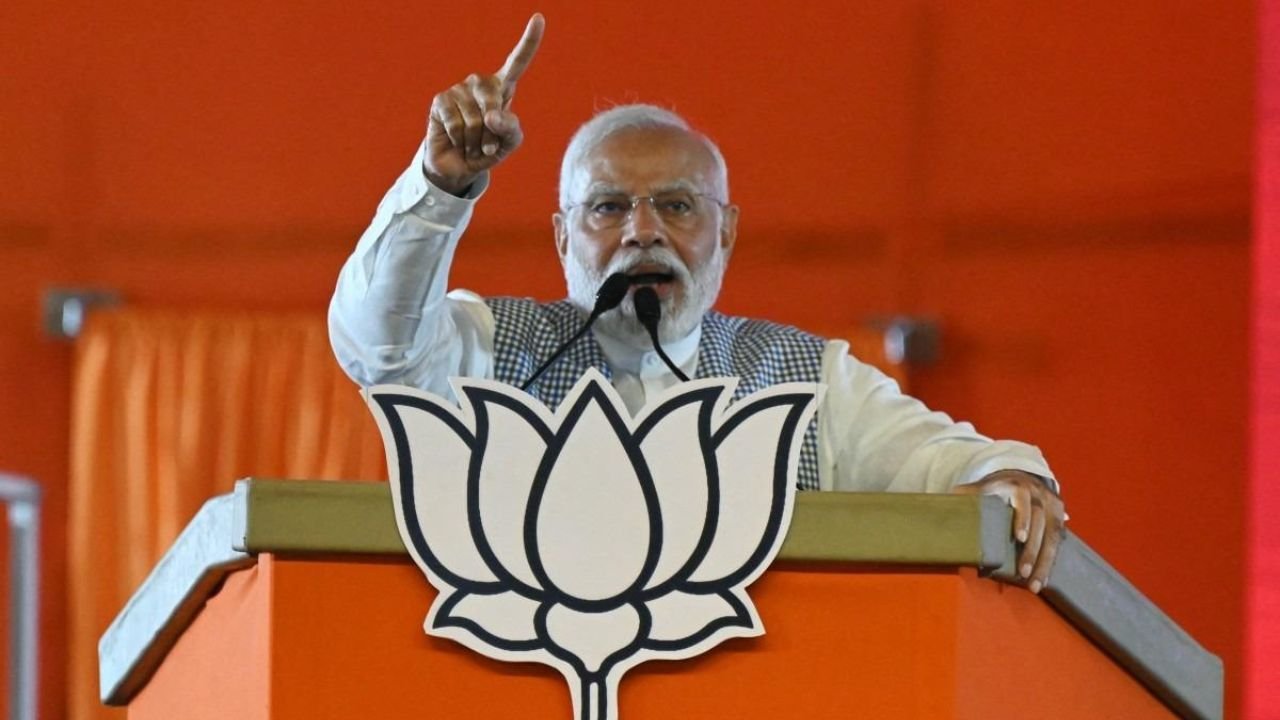
    Since voting began last month, the 73-year-old premier has stepped up his rhetoric targeting India’s main religious divide in a bid to rally voters.

    He has referred in campaign rallies to Muslims as “infiltrators” and claimed the main opposition Congress party would redistribute the nation’s wealth to Muslims if it won.

    P. Chidambaram, a former Indian finance minister and senior lawmaker for Congress, said Thursday that Modi was playing “his usual game of dividing Hindus and Muslims”.

    “The world is watching and analysing the Indian prime minister’s statements, and they do not bring glory to India,” he added.

    After Modi suggested that a former prime minister from Congress had planned for a separate “Muslim budget”, the party’s general secretary Jairam Ramesh condemned his statements as “nonsensical”.

    “This is typical Modi bombast and bogusness,” he said Wednesday on social media platform X.

    Since he swept to power a decade ago, Modi has sought to align India’s politics more closely with its majority faith, in defiance of the country’s officially secular constitution.

    His cultivated image as a champion of Hinduism has made him roundly popular but has left many among the country’s 200-million-plus Muslim minority uneasy about their status and anxious about their futures.

    Modi on Tuesday denied stoking religious tensions in a television interview with broadcaster News18.

    “The day I start talking about Hindu-Muslim (divisions) will be the day I will lose my ability to lead a public life,” Modi said.

    ‘Vote jihad’

    But at a campaign rally the following day, Modi accused Congress of planning to commit “vote jihad”, an implied suggestion that his opponents were rallying Muslims to vote against him.

    India’s poll code prohibits sectarian campaigning and opposition parties lodged a complaint about an earlier Modi speech last month with the election commission, which has yet to announce any sanctions against the premier.

    Other members of Modi’s party have been accused of matching his rhetoric and unfairly targeting Muslims during the election.

    A BJP candidate in Hyderabad, Madhavi Latha, was widely condemned on social media Monday for demanding veiled Muslim women remove their facial coverings at a polling station so she could personally check that their appearances matched their identity documents.

    Police in the southern city announced an investigation into the incident.