Tag: Monetary Policy Committee

  • Pakistani rupee set to become best performer against US dollar following record-low recovery

    Pakistani rupee set to become best performer against US dollar following record-low recovery

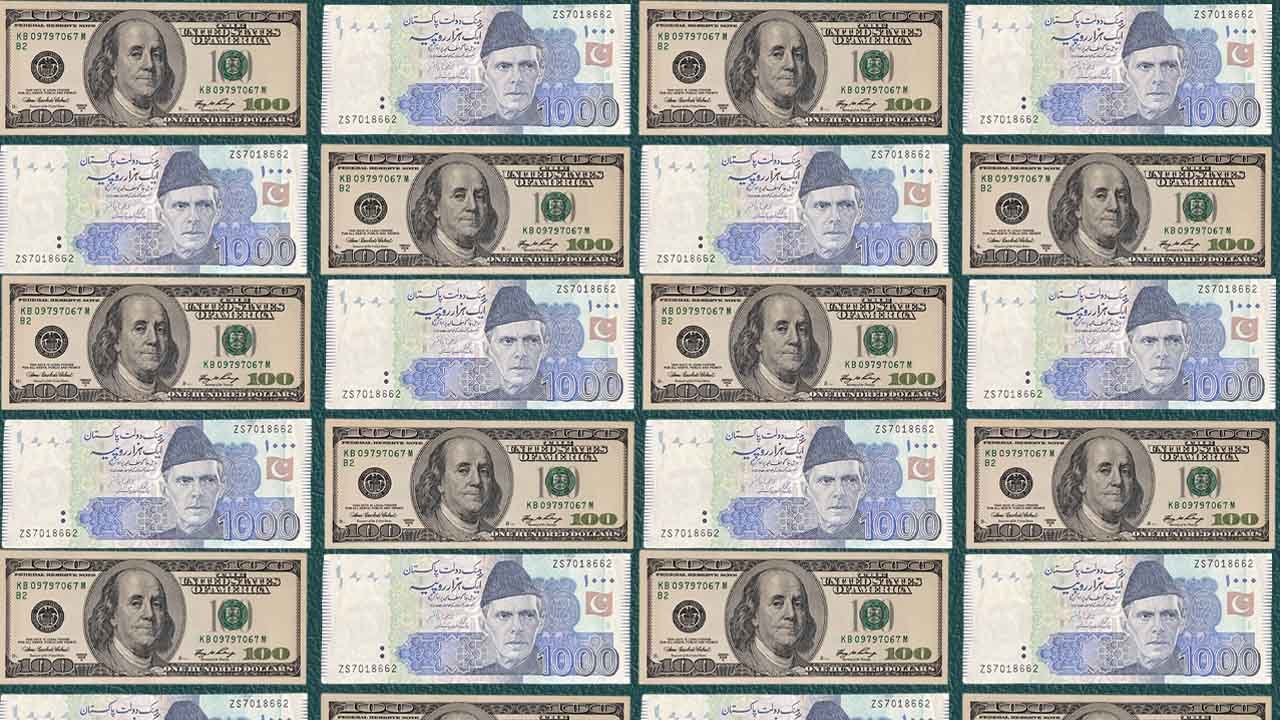
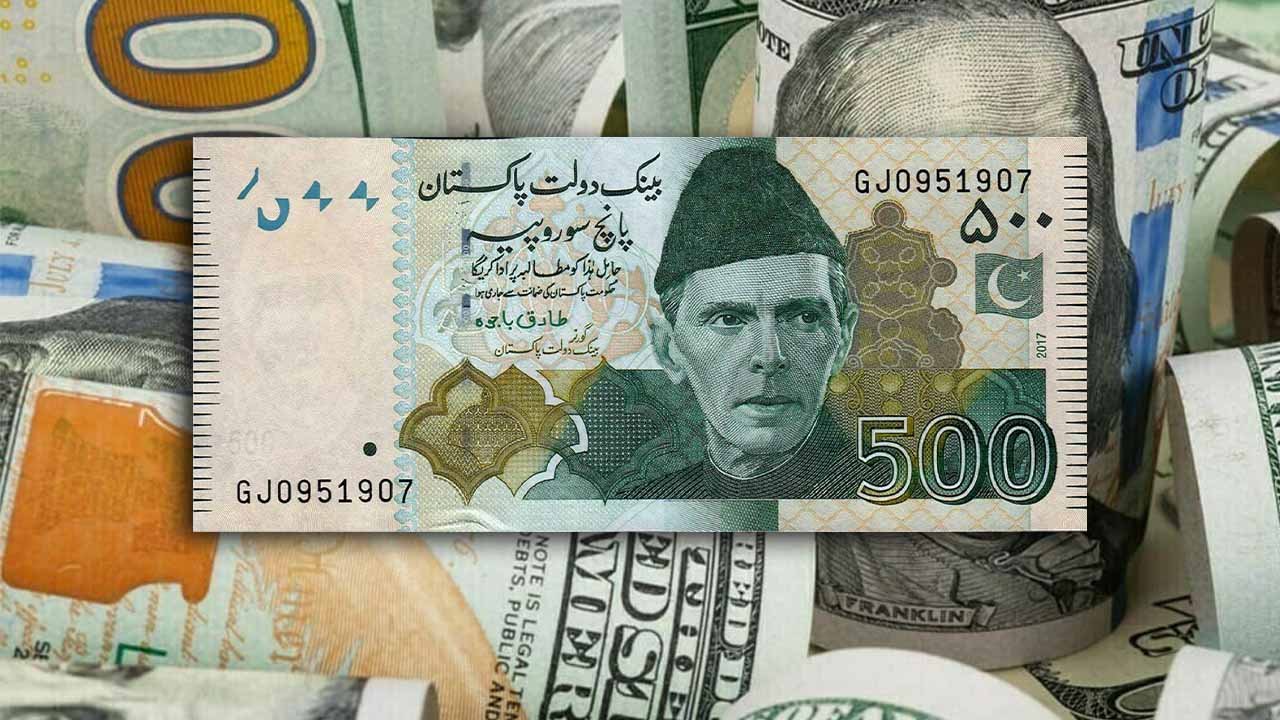
    In September, Pakistan’s rupee emerged as the global front-runner in currency performance, driven by the interim government’s vigorous measures to curb illicit US dollar trading.

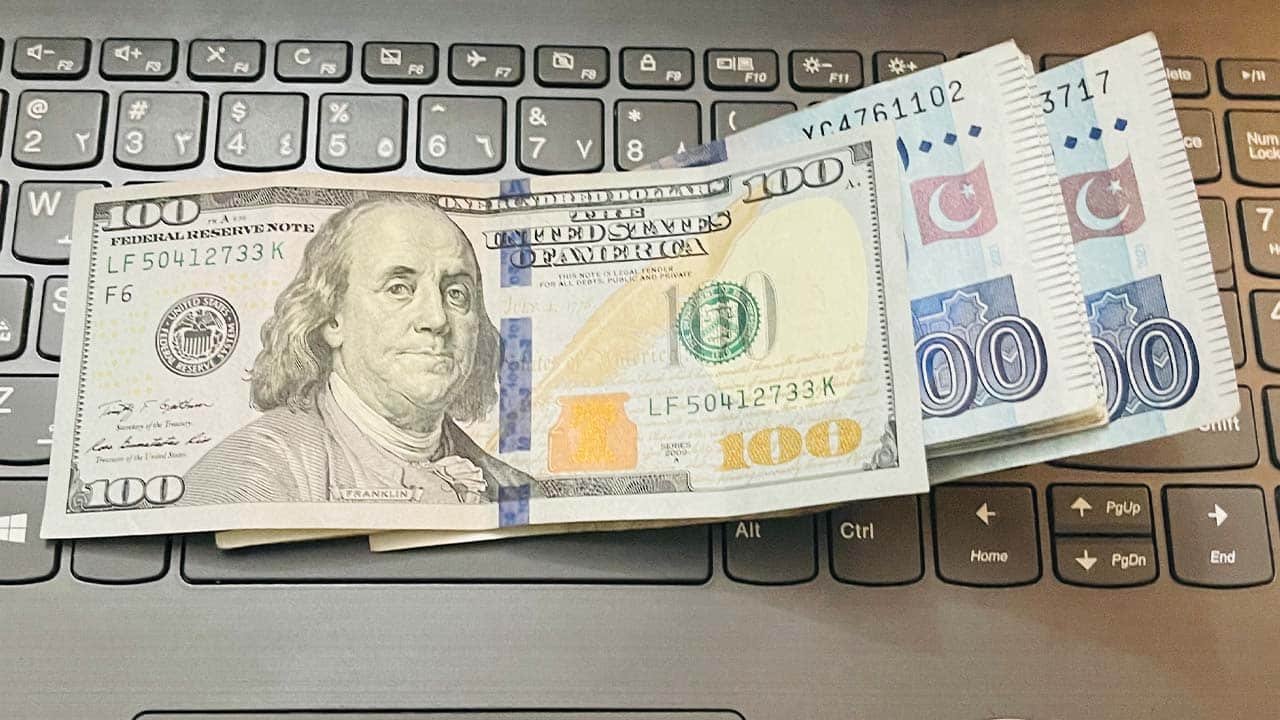
    According to a comprehensive report by Bloomberg, the Pakistani rupee has experienced a remarkable surge of nearly 6 per cent during this month, a notable accomplishment given the downward trajectory of most other currencies like the Thai baht and South Korean won against the strengthening US dollar, fueled by expectations of prolonged high US interest rates.

    On Thursday, the rupee exhibited resilience by rising 0.1 per cent, reaching Rs287.95 per dollar after hitting a record low of approximately Rs307 earlier in the month.

    Khurram Schehzad, the Chief Executive Officer of Alpha Beta Core Solutions Pvt. Ltd., a financial consultancy located in Karachi, commented on the situation, highlighting the prevalence of leakages through informal channels such as hawala and hundi trade, which are common in South Asia.

    Schehzad noted, when the USD rate reverses, everyone from hoarders to exporters, who have been holding onto their export proceeds, starts offloading their dollars.

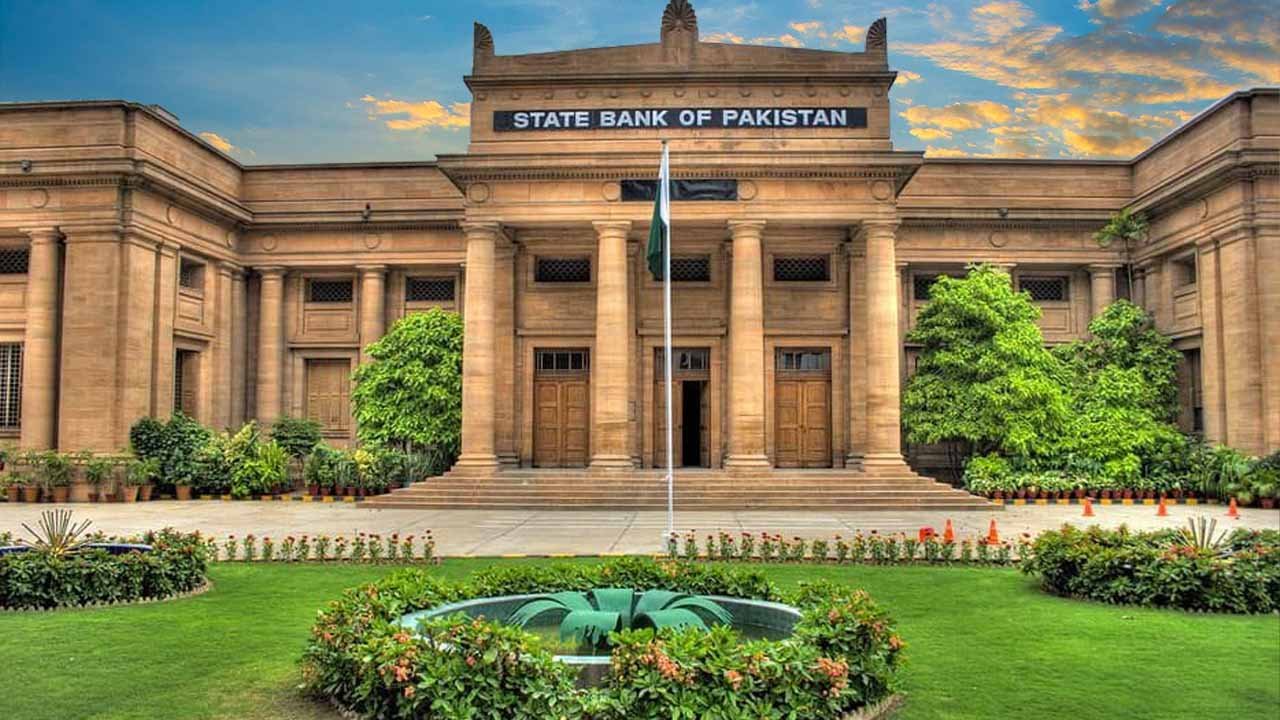
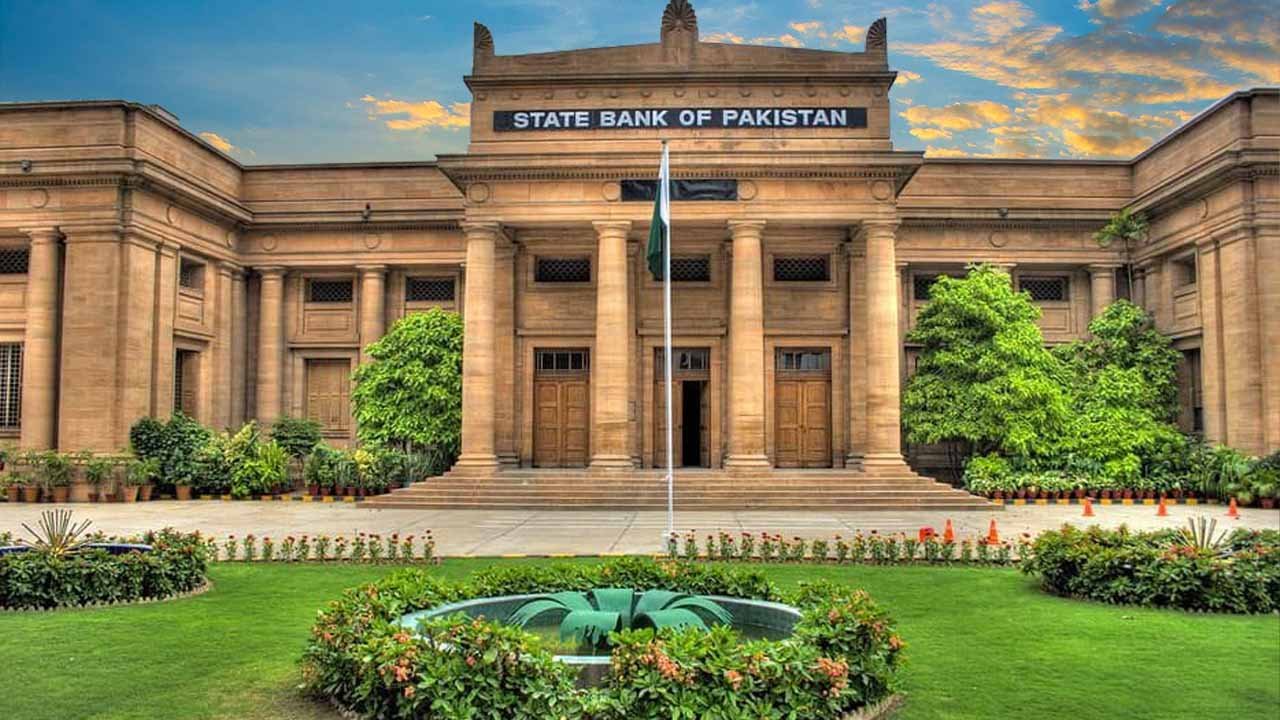
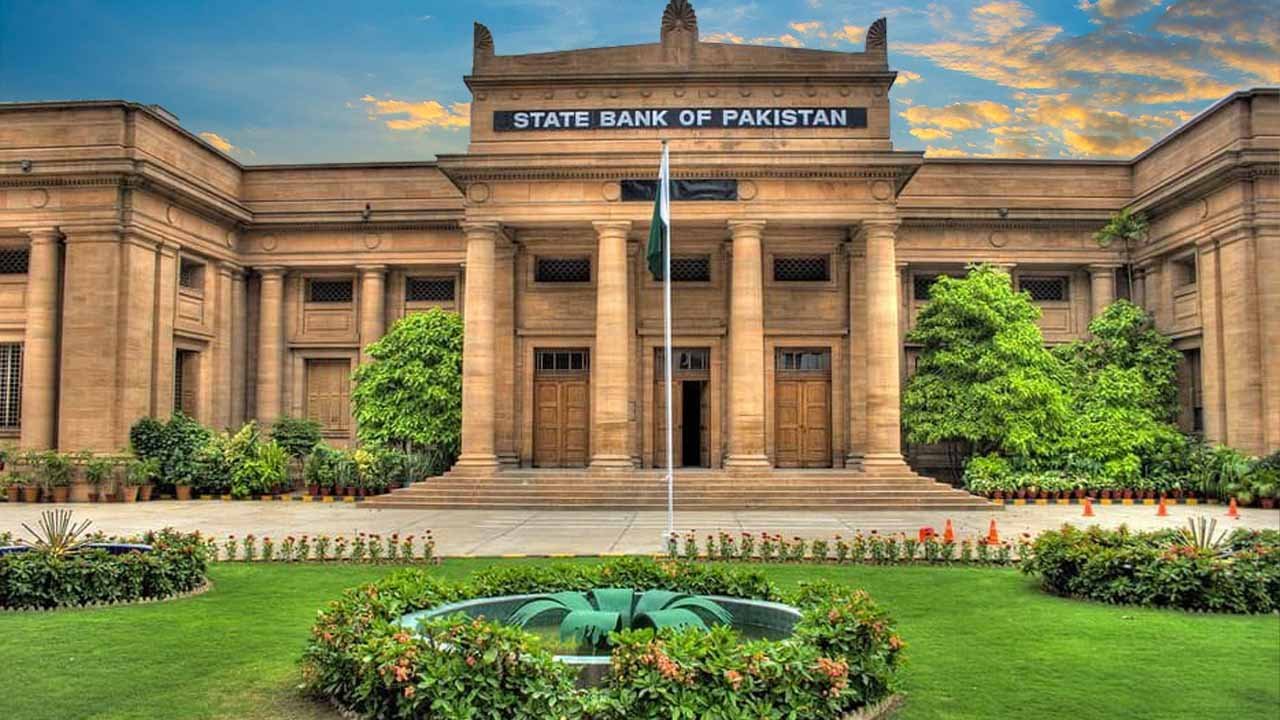
    The Bloomberg report underscores the Pakistani government’s intensified efforts to crack down on illegal dollar trading, which have significantly contributed to the rupee’s resurgence.

    In addition to these measures, the central bank has raised capital requirements for smaller exchange companies and mandated large banks to establish their exchange entities, aiming to enhance transparency and oversight in the retail foreign exchange market.
  • Good news: the gain of the rupee continues, now at Rs288.75

    Good news: the gain of the rupee continues, now at Rs288.75

    The Pakistani rupee continued to exhibit strength against the US dollar, marking a 0.36 per cent gain in the inter-bank market on Wednesday. Remarkably, this marks the rupee’s 16th consecutive appreciation against the greenback.

    According to the State Bank of Pakistan (SBP), the rupee settled at Rs288.75, reflecting an increase of Rs1.05 in the inter-bank market. This follows a 0.37 per cent appreciation observed on Tuesday, settling at Rs289.80.

    Over the past days, the rupee has consistently followed an upward trajectory, showcasing a remarkable recovery of over 6 per cent since reaching a historic low of Rs307.1 against the US dollar in the inter-bank market on September 5.

    On the global stage, the US dollar maintained its robust position, trading near a 10-month high against major currencies on Wednesday. This situation is underpinned by the persistent elevation of Treasury yields, driven by expectations of sustained higher US interest rates. Concurrently, the yen faced challenges as it edged closer to a critical intervention threshold.

    Recent statements from Federal Reserve officials have hinted at the possibility of further interest rate hikes, despite the central bank’s decision to hold rates steady the previous week. This has led to an ascent in US Treasury yields to levels not seen in several years, as financial markets recalibrate their expectations regarding the potential peak of US rates and the likelihood of a prolonged period of tight monetary conditions.

    The US dollar index, a gauge of its strength, recently stood at 106.20, having reached a 10-month peak of 106.26 in the preceding session. Meanwhile, the euro remained subdued, hovering close to a six-month low and trading at approximately $1.0569.

  • PKR gains for 11th straight session, reaches Rs293.88 per dollar

    PKR gains for 11th straight session, reaches Rs293.88 per dollar

    The Pakistani rupee continued its upward trend against the US dollar, marking the 11th consecutive session of appreciation in the interbank market on Wednesday.

    According to the State Bank of Pakistan (SBP), the rupee closed at 293.88, reflecting a 0.35 per cent increase. This follows a 0.36 per cent appreciation on Tuesday, when it settled at 294.90.

    Recent days have seen a remarkable strengthening of the rupee, with a nearly 4.5 per cent gain since hitting a record low of 307.1 in the inter-bank market on September 5. 

    This turnaround is attributed to structural reforms introduced by the State Bank of Pakistan (SBP) in the Exchange Companies’ (ECs) sector and reported efforts to combat smuggling, both of which have provided support to the currency markets.

    Globally, the US dollar remained steady on Wednesday, with a slight softening against the yen, in anticipation of the Federal Reserve’s highly anticipated rate decision later in the day. 

    The US dollar index, which gauges the greenback against a basket of currencies, held steady at 105.13 as traders awaited the Fed’s announcement. Market expectations are that the Fed will likely maintain interest rates in the range of 5.25 per cent to 5.50 per cent, putting the spotlight on the central bank’s forward guidance.

    Meanwhile, oil prices, a significant indicator of currency stability, declined by nearly $1 on Wednesday, ahead of the US Federal Reserve’s interest rate decision. Investors remain uncertain about when peak interest rates will be reached and the potential impact on energy demand. 

    These price drops occurred despite larger-than-expected reductions in US oil stockpiles and weaker US shale output, both of which point to limited crude supply for the remainder of 2023.

  • 10-day winning streak: Pakistani rupee soars to Rs294.90 against US dollar 

    10-day winning streak: Pakistani rupee soars to Rs294.90 against US dollar 

    In a noteworthy financial trend, the Pakistani rupee continued its upward trajectory against the US dollar, marking its 10th consecutive session of appreciation in the interbank market. On Tuesday, the rupee displayed resilience by appreciating by 0.36 per cent, settling at Rs294.9, following a notable increase of Rs1.05. 

    This positive momentum in the exchange rate follows the previous day’s gain, where the rupee had strengthened by 0.3 per cent to close at Rs295.95. This recent surge in the value of the Pakistani rupee comes in stark contrast to its earlier performance, when it reached an all-time low of Rs307.1 in the interbank market. 

    The shift in fortune can be attributed to government initiatives aimed at reforming the Exchange Companies’ (ECs) sector and cracking down on smuggling activities, both of which have bolstered confidence in the currency markets. 

    This development offers some relief to the prevailing economic outlook, which had been under pressure due to the easing of import restrictions, leading to a widening of the current account deficit in July. 

    Analysts at Topline Securities anticipate that the PKR/USD exchange rate in the inter-bank market will likely remain within the range of Rs320–340 by June 2024, providing a forward-looking perspective on the currency’s performance. 

    Meanwhile, on the global stage, the US dollar experienced a modest decline, albeit remaining close to its six-month peak against major currencies. This movement occurred ahead of the Federal Reserve’s highly anticipated interest rate decision scheduled for Wednesday. 

  • Pakistani rupee surges 0.43% versus US dollar in inter-bank trading

    Pakistani rupee surges 0.43% versus US dollar in inter-bank trading

    The Pakistani rupee displayed resilience against the US dollar, registering a noteworthy 0.43 per cent appreciation in the early hours of trading within the inter-bank market on Friday.

    By 11:15 am, the rupee had reached a level of 296.68, marking a substantial increase of Rs1.28 in the inter-bank market.

    In contrast, on the previous Wednesday, the rupee had demonstrated a 0.29 per cent appreciation, ultimately settling at 297.96.

    Concurrently, the Monetary Policy Committee (MPC) of the State Bank of Pakistan (SBP) opted to maintain the key policy rate at 22 per cent, anticipating a future decline in inflation.

    This decision mirrors the MPC’s stance during the preceding meeting, indicating a consistent status quo in the policy rate despite market expectations of a potential rate hike.

    Internationally, the US dollar maintained relative stability in the Asian market on Friday, slightly retreating from its recent gains against other currencies. This shift coincided with the strengthening of the yuan, driven by positive economic data from China.

    The US dollar’s surge was driven by an unexpected increase of 0.6 per cent in August retail sales, surpassing the estimated 0.2 per cent rise. Additionally, market participants reacted to the European Central Bank’s 25-basis-point hike.

    While the US dollar index currently stands at 105.32, marginally lower than Thursday’s six-month peak of 105.43, it still maintains its overall strength.

    Furthermore, oil prices experienced an uptick on Friday, marking their third consecutive weekly gain. This rise was influenced by better-than-expected Chinese economic data and reports indicating record oil consumption, reinforcing the belief in continued high demand from the world’s second-largest crude consumer.

  • SBP likely to hike key policy rate by up to 300 basis points next month

    SBP likely to hike key policy rate by up to 300 basis points next month

    The Monetary Policy Committee (MPC) of the State Bank of Pakistan (SBP) will likely meet at its upcoming meeting to decide on the key policy rate, and the market anticipates a possible rate increase of up to 300 basis points.

    According to the analysts contacted by the Brecorder, the SBP is likely to increase the rate from its current historic high of 22 per cent. As per the advance calendar issued in July, the SBP is currently slated to hold its MPC meeting on September 14.

    Notably, the central bank has previously taken the initiative to declare changes in its key policy rate through ’emergency’ meetings, similar to what occurred in June.

    Market speculation hints that the central bank might adopt a more patient approach this time, making an emergency meeting less probable.

     Tahir Abbas, the Head of Research at Arif Habib Limited (AHL), foresees a rate hike ranging between 100 and 150 basis points.

    He emphasised, the inflation rate is projected to remain elevated not only in August but also in the upcoming months. Furthermore, the persistent depreciation of the currency might compel the SBP to push interest rates upwards.

    Abbas added, “We expect a policy rate hike of around 100-150 bps.”

    In a previous report, AHL stated that headline inflation is expected to climb higher in August, surpassing the 28.3 per cent figure recorded in July 2023.

  • State Bank announces aggressive policy rate hike to 22% in response to inflation risks

    State Bank announces aggressive policy rate hike to 22% in response to inflation risks

    During an emergency meeting convened on Monday, the State Bank of Pakistan (SBP) made the decision to raise the policy rate by 100 basis points (bps), resulting in a new rate of 22 per cent.

    The announcement was made subsequent to a gathering of the bank’s Monetary Policy Committee (MPC).

    The SBP clarified that the MPC acknowledged a heightened potential for upward risks to the inflation outlook compared to its previous meeting held on June 12.

    The committee highlighted that these risks primarily stem from the implementation of new measures in the fiscal and external sectors, which hold significant importance in the context of concluding the ongoing programme with the International Monetary Fund (IMF).

    “MPC noted that today’s action is necessary to keep the real interest rate firmly in positive territory on a forward-looking basis that would help in bringing down inflation towards the medium-term target of five to seven per cent by the end of fiscal year 25,” the SBP said.

  • State Bank of Pakistan expected to raise key policy rate to record-high

    State Bank of Pakistan expected to raise key policy rate to record-high

    The State Bank of Pakistan (SBP) is expected to raise its policy rate by a significant 100-200 basis points in light of the country’s economic situation and historically high inflation reading. Financial analysts anticipate the Monetary Policy Committee to increase its key policy rate to 21-22 per cent at the review today (April 4) to curb inflation. This decision is expected to discourage private-sector borrowing since an increase in currency in circulation can drive inflation up.

    In March, the central bank raised its key rate by a massive 300 basis points to a record-high level of 20 per cent, surpassing market expectations to meet the International Monetary Fund’s requirements for the release of its pending bailout funds. The country recorded historic high inflation at 35.4 per cent in March on an annualized basis, with core inflation, excluding energy and food prices, increasing to 18.6 per cent in urban areas and 23.1 per cent in rural areas.

    The market’s reaction to surging inflation is evident from the recent rise in bond market rates driven by investors’ bullish outlook. According to a survey conducted by Arif Habib Limited, 57.7 per cent of respondents expect the policy rate to increase. Of these respondents, 30.8 per cent are predicting a rate hike of 100bps and 26.9 per cent foreseeing a rate hike of 200 bps. Meanwhile, 42.3 per cent of respondents believe that the policy rate will remain unchanged at 20 per cent.

    The expected increase in the policy rate will make bank financing even more expensive, reduce demand for foreign financing for imports, and help address the fast decline in foreign exchange reserves, which have dropped to critically low levels at $4.2 billion. The cash-strapped country is undertaking key measures to secure IMF funding, including raising taxes, removing blanket subsidies, and artificial curbs on the exchange rate. While the government expects a deal with the IMF soon, media reports suggest that the agency expects the policy rate to be increased.

    Initially, the MPC meeting was scheduled for April 27, according to the six-month advance calendar issued by the central bank in December 2022. However, the SBP called an off-cycle review last month and brought forward the April meeting. The revival of the IMF loan program will help attract $3-4 billion from multilateral and bilateral creditors, including the IMF, and stabilize foreign exchange reserves over the short term.

  • SBP expected to increase interest rates again on IMF insistence

    SBP expected to increase interest rates again on IMF insistence

    The State Bank of Pakistan (SBP) is reportedly considering increasing the interest rate by 2 per cent during the upcoming Monetary Policy Committee (MPC) meeting in a bid to unlock the International Monetary Fund (IMF) programme.

    This follows failed negotiations between the Shehbaz Sharif-led government and the IMF, with the latter demanding that Pakistan raise the interest rate by 4 per cent due to its belief that inflation is lower in Pakistan as per the interest rate.

    The SBP had already increased the interest rate by 2 per cent, but now the IMF is reportedly pressuring Islamabad to raise it again by 2 per cent. The MPC is scheduled to meet on April 4 to review the interest rate as per the IMF’s demand.

    According to The News, the SBP has reportedly agreed to raise the interest rate by 2 per cent in accordance with the Fund’s demands. On March 2, the SBP raised the monetary policy rate by 300 basis points to 20 per cent due to a deterioration in inflation outlook and expectations amid recent external and fiscal adjustments.

  • SBP jacks up policy rate by 300 bps to 20%

    SBP jacks up policy rate by 300 bps to 20%

    In a meeting held today, the State Bank of Pakistan’s (SBP) Monetary Policy Committee (MPC) increased the policy rate by 300 basis points (bps) to 20 per cent as a measure to curb inflationary pressure.

    The meeting’s result matched the market’s predictions, with analysts expecting the State Bank of Pakistan’s Monetary Policy Committee to implement a significant hike of 200-300 basis points.

    During today’s meeting, the MPC acknowledged that recent fiscal adjustments and depreciation of the exchange rate have resulted in a significant deterioration of the near-term inflation outlook. This has also led to an increase in inflation expectations, as indicated by the latest survey results.

    The committee anticipates that inflation will continue to rise in the coming months due to the impact of these adjustments, before gradually decreasing. The projected average inflation rate for this year is now estimated to be between 27 per cent to 29 per cent, compared to the November 2022 projection of 21 per cent to 23 per cent. Given this context, the MPC stressed the importance of stabilizing inflation expectations and implementing strong policy measures.

    On the external front, the MPC acknowledged that while there has been a substantial reduction in the current account deficit (CAD), there are still some vulnerabilities present. In January 2023, the CAD decreased to $242 million, the lowest level since March 2021.