Tag: Monetary Policy Committee

  • SBP set to raise interest rates in response to IMF’s call for tighter monetary policy

    SBP set to raise interest rates in response to IMF’s call for tighter monetary policy

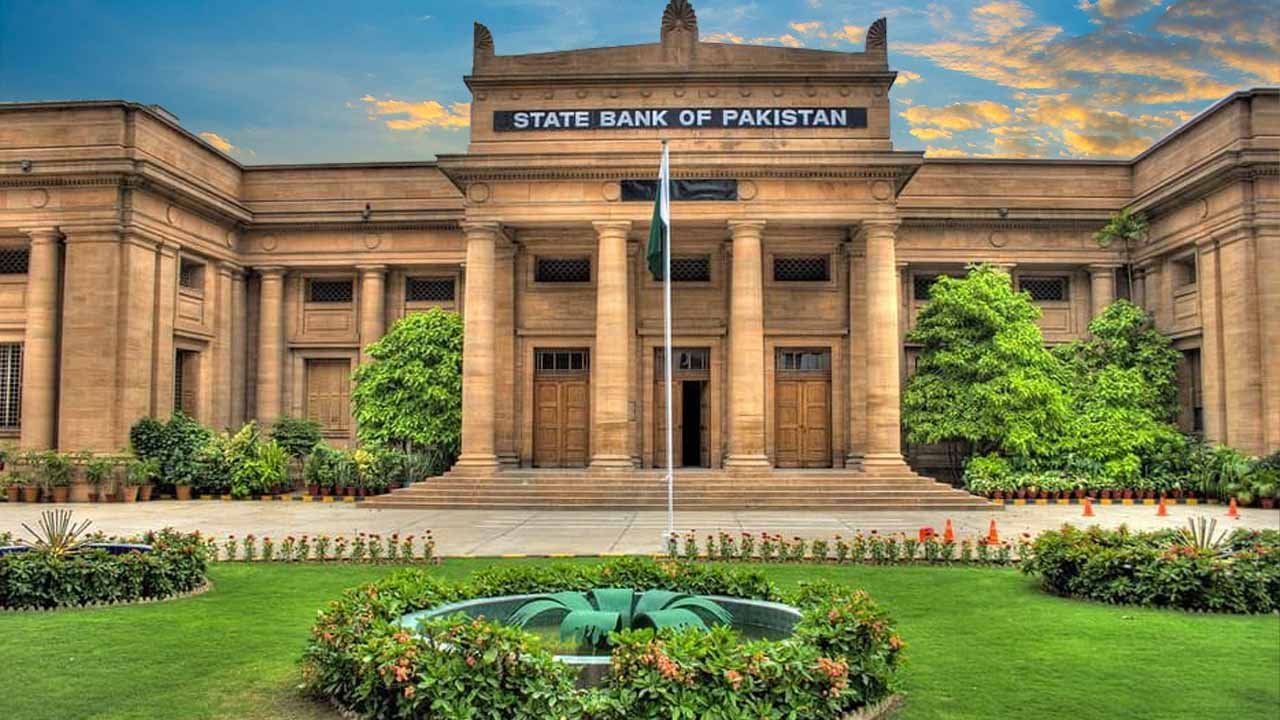
    The State Bank of Pakistan’s (SBP) Monetary Policy Committee (MPC) is expected to raise interest rates during an off-cycle review scheduled for today.

    The decision to hold this meeting earlier than the previously scheduled date of March 16th was made in an effort to expedite efforts to secure the anticipated International Monetary Fund (IMF) tranche.

    SBP’s MPC, established under the SBP Amendment Act, is authorized to make decisions based on macroeconomic fundamentals. Market expectations are for a benchmark interest rate increase, given the recent rise in treasury yields and growing investor concerns about rising inflation in Pakistan and globally.

    Reports suggest that the coalition government has agreed to raise interest rates from 17 per cent to 19 per cent in response to one of the IMF’s key conditions for reviving the loan program.

    Analysts recommend advancing the MPC meeting date to avoid the failure of the next T-bill auction. Discussions with the IMF have included the possibility of further monetary policy tightening and building up foreign exchange reserves by June 2023.

    The IMF has urged the SBP to raise the policy rate by 300 to 400 basis points to achieve a positive trajectory. Pakistan is taking measures to secure IMF funding, such as raising taxes, removing blanket subsidies, and relaxing exchange rate restrictions.

    While the government is optimistic about reaching a deal with the IMF, reports indicate that the lender expects interest rates to rise. Off-cycle rate reviews are not unusual in Pakistan.
  • Inflation in Pakistan reaches nearly 50-year high, raising concerns for citizens

    Inflation in Pakistan reaches nearly 50-year high, raising concerns for citizens

    Pakistan’s inflation, as measured by the consumer price index (CPI), surged to a record-breaking 31.5 per cent in February, largely driven by steep price hikes in food, housing, and transportation groups. This concerning development was recently reported by the Pakistan Bureau of Statistics (PBS), and has heightened expectations of an increase in interest rates during the upcoming monetary policy committee (MPC) meeting, which the central bank has scheduled for March 2.

    The February inflation rate marks the highest figure since available data dating back to July 1965, surpassing the previous record of slightly over 29 per cent in April 1975. The unexpected pace of price increases has surpassed the finance ministry’s expectations, who had projected an inflation range of 28 per cent to 30 per cent just a day before the report.

    According to Geo, the monthly inflation rate surged by 4.3 per cent in February compared to January, primarily due to increased average prices of food items such as poultry, fruits, pulses, oil, vegetables, ghee, LPG, gas charges, and domestic petroleum products.

    The inflation reading raises concerns that the government will need to review its strategy to secure the critical $1.1 loan tranche from the International Monetary Fund (IMF). Despite repeated efforts, the government has been unable to regain lost ground with the IMF and is continually delivering financial shocks to the people.

    According to PBS, the inflation rate rose in both urban and rural areas. Urban inflation increased to 28.8 per cent in February, while rural inflation soared to 35.6 per cent compared to the same month last year. In February of the previous year, urban inflation was recorded at 11.5 per cent, while rural inflation was at 13.3 per cent.

  • SBP hikes key interest rate by 100 bps to 17%

    SBP hikes key interest rate by 100 bps to 17%

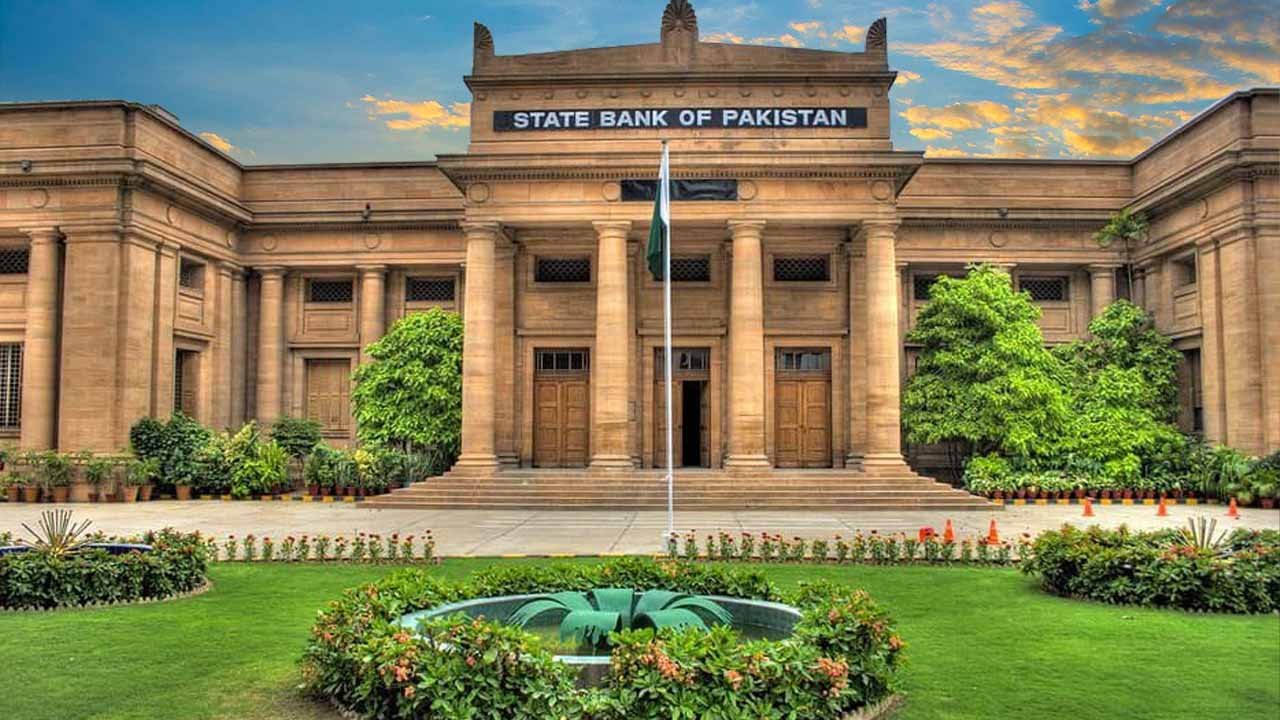
    The State Bank of Pakistan’s (SBP) Monetary Policy Committee (MPC) on Monday raised the policy rate by 100 basis points to 17 per cent, which is highest since October 1997.

    The MPC of the State Bank convened today with Governor SBP Jameel Ahmad in the chair to announce the first scheduled monetary policy for the calendar year 2023.

    The SBP governor said that the MPC also performed a detailed analysis of the country’s inflation. “The committee believed that a 1 per cent hike [in the interest rate] to anchor inflation was necessary.”

    In November 2022, the MPC raised the policy rate by 100 basis points to a two-decade high of 16 per cent.

    The committee, in its meeting, noted that inflationary pressure was persistent. “It noted that price stability was required to control inflation and maintain the growth rate,” Ahmad said.

    “Our short-term challenges, including current account deficit, remain. There is some delay in the inflows we were expecting due to which our reserves are under pressure.”

    Thirdly, the committee noted the global economic situation, including the International Monetary Fund and the World Bank’s downgrading of the global economic growth rate and the prevailing uncertainty. “It affects our market directly or indirectly. For example, our exports and remittances are impacted.”

    The Monetary Policy Committee took the decision to raise the policy rate after a detailed analysis of the country’s external and fiscal position, the SBP governor said.