Tag: Monetary Policy

  • State Bank of Pakistan to announce monetary policy decision on December 12

    State Bank of Pakistan to announce monetary policy decision on December 12

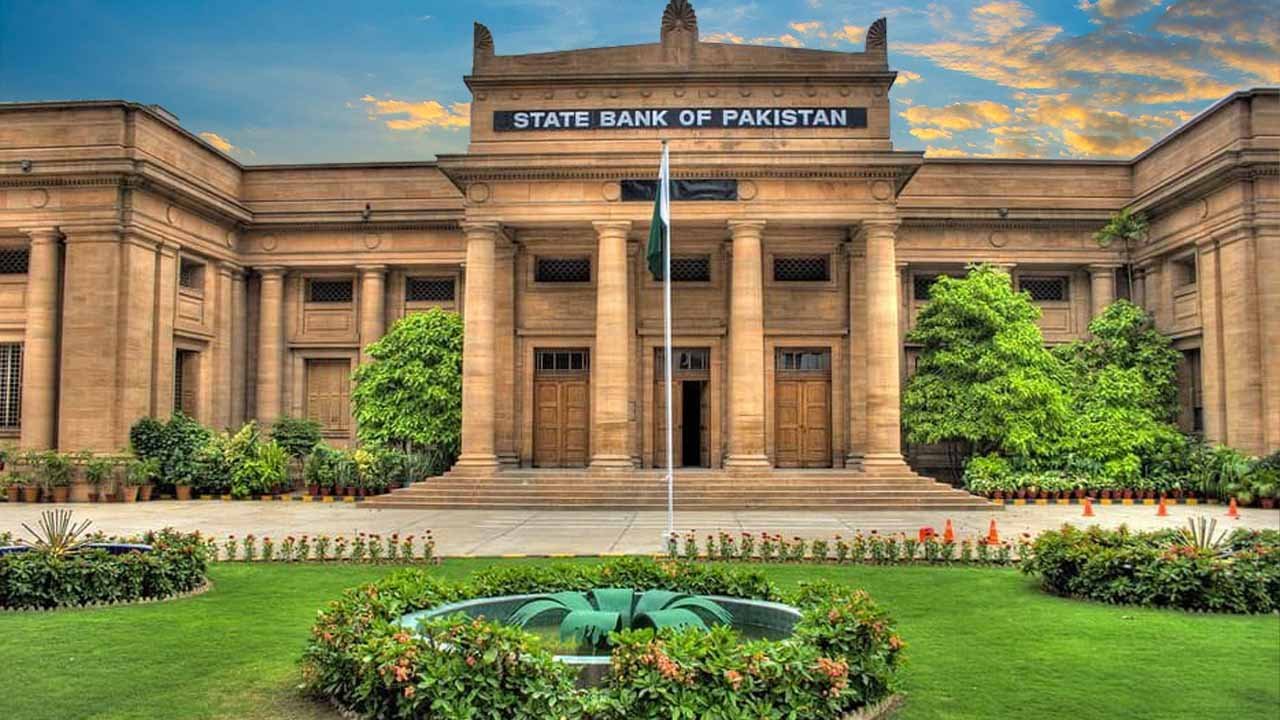
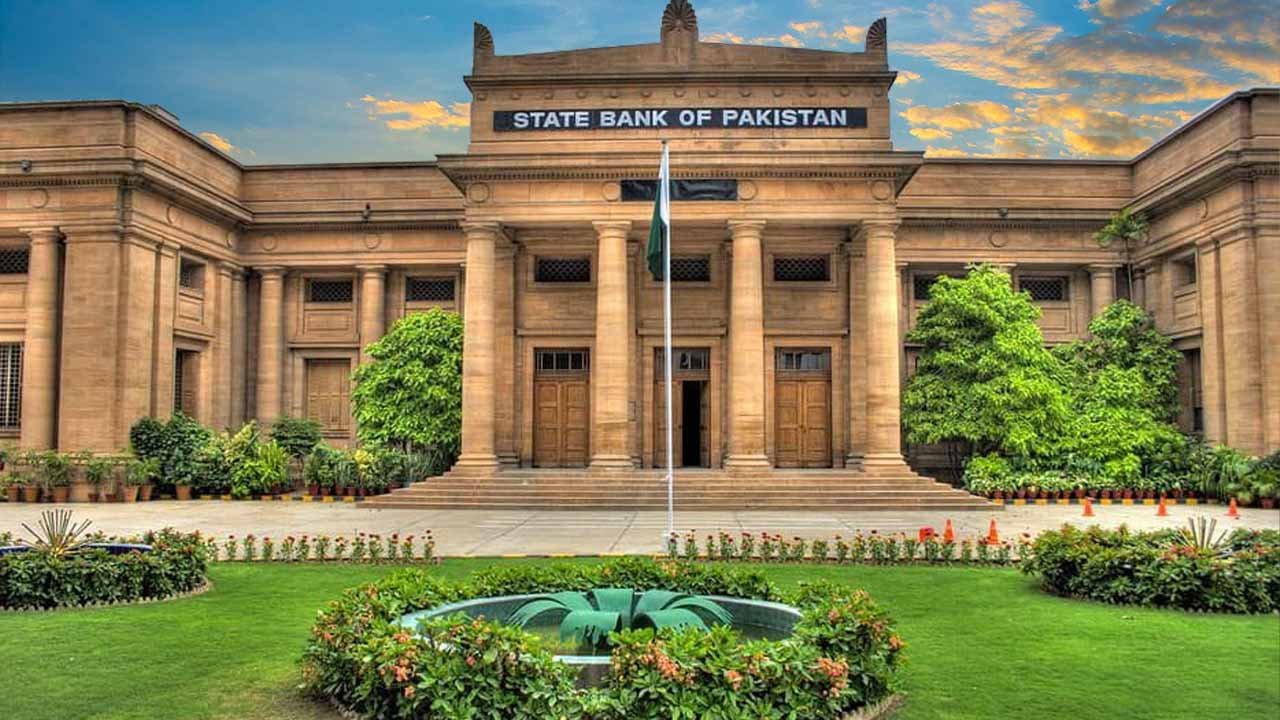
    The State Bank of Pakistan (SBP) is set to unveil its monetary policy on Tuesday, December 12. A statement released by the central bank on Friday informed that the Monetary Policy Committee (MPC) of SBP will convene in Karachi on December 12 to deliberate on monetary policy. 

    Subsequently, the central bank will issue the official monetary policy statement. In its preceding meeting on October 30, the MPC judiciously opted to uphold the policy rate at 22%, citing global market volatility. 

    The committee underscored the imperative of persisting with a stringent monetary policy stance to mitigate inflation.

    PKR ends another week in green

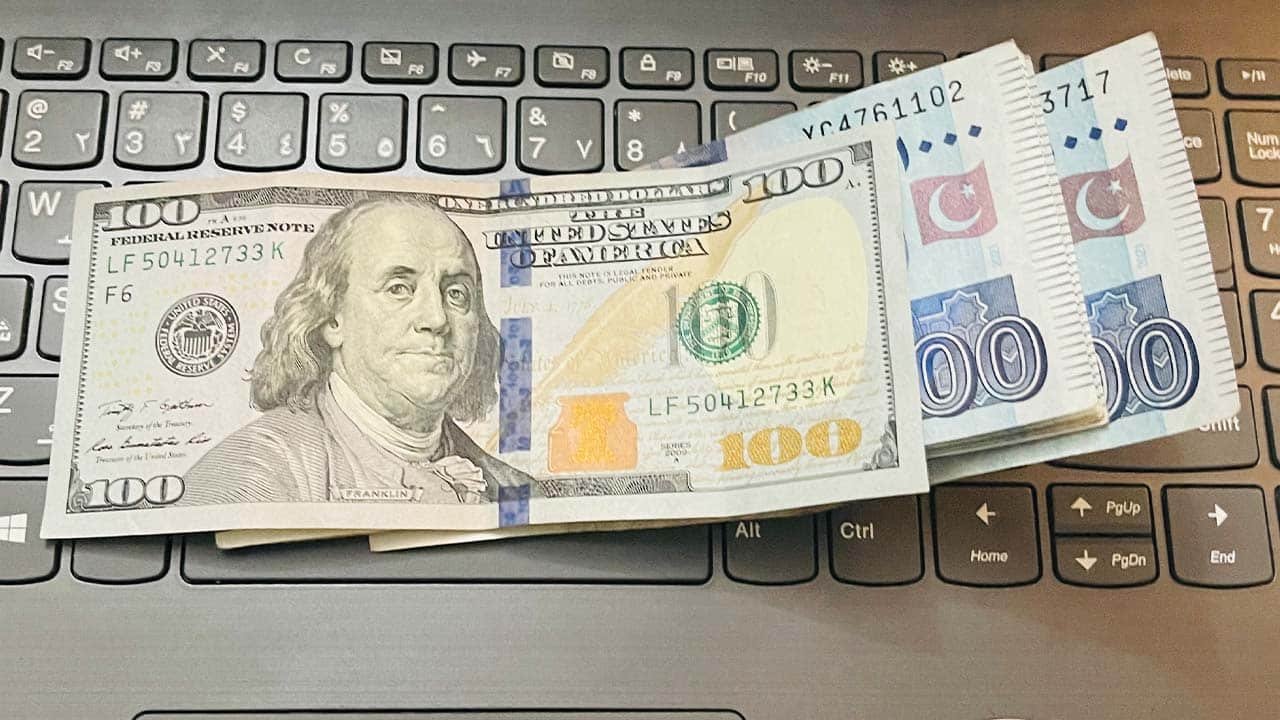
    The Pakistani currency is experiencing an upward trend against the US dollar for the past several sessions, concluding the week in positive territory on Friday. 

    According to the SBP, the Pakistani rupee gained 0.09 per cent, closing at Rs283.87 against the US dollar.

  • Overseas workers’ remittances to Pakistan dip to $2.3 billion

    Overseas workers’ remittances to Pakistan dip to $2.3 billion

    In November 2023, overseas workers sent a total of $2.3 billion in remittances to Pakistan, reflecting an 8.6 per cent decrease from the $2.5 billion recorded in October 2023, as per data released by the State Bank of Pakistan (SBP). 

    However, on a yearly basis, there was a 3.6 per cent increase in the monthly inflow compared to the same month in the previous year.

    Remittances are a crucial element in supporting Pakistan’s external accounts and play a vital role in boosting the country’s economic activity while also supplementing the disposable incomes of households dependent on remittances.

    The recent rise in remittances was attributed to an improved exchange rate following a crackdown against currency smugglers and hoarders. 

    This crackdown resulted in a reduction of the rate gap between the open and interbank markets. However, despite this positive trend, remittances have observed a decline on a monthly basis again this November.

    In the first five months of the fiscal year 2024, remittances amounting to $11 billion have been recorded, in contrast to $12.3 billion in the same period of the previous year.

    Breaking down the remittances, it was noted that overseas Pakistanis in Saudi Arabia sent the highest amount in November 2023, totaling $540.3 million. 

    This amount represented a 12.5 per cent monthly decline but was 5.5 per cent higher than the remittances in the same month of the previous year. 

    Remittances from the United Arab Emirates (UAE) also declined on a monthly basis by 13.6 per cent, from $473.9 million in October to $409.4 million in November. 

    However, there was a yearly improvement of 7.6 per cent. Remittances from the United Kingdom increased by 3.5 per cent to $341.7 million compared to October 2023.

    Conversely, remittances from the European Union declined by nearly 10 per cent on a monthly basis, amounting to $268.3 million in November 2023. Overseas Pakistanis in the US sent $261.5 million in November 2023, experiencing a month-on-month decrease of 7.7 per cent.

  • Pakistan’s inflation soars to 29.2% in November, exceeding October figures

    Pakistan’s inflation soars to 29.2% in November, exceeding October figures

    In November, Pakistan’s headline inflation surged to 29.2 per cent year-on-year, as reported by the Pakistan Bureau of Statistics, surpassing the October figure of 26.9 per cent. 

    On a monthly basis, there was a 2.7 per cent increase. The average inflation for July-November reached 28.62 per cent, up from 25.14 per cent in the same period the previous year.

    CPI inflation in urban areas rose to 30.44 per cent in November 2023, compared to 25.5 per cent in the previous month and 21.6 per cent in November 2022. On a monthly basis, it increased to 4.34 per cent, reflecting a substantial jump from the previous month and November 2022.

    Conversely, rural CPI inflation stood at 27.53 per cent year-on-year in November 2023, showing a slight decrease from the previous month but an increase from November 2022.

    Anticipated by several brokerage houses, the November inflation spike, driven partly by a rise in gas tariffs, aligns with predictions. 

    JS Global and Arif Habib Limited had forecasted CPI-based inflation to be around 28.26 per cent and 28.2 per cent, respectively.

    Beyond inflation, Pakistan faces economic challenges. A recent staff-level agreement with the IMF, subject to board approval in December, will provide access to SDR 528 million. The International Monetary Fund (IMF) expects inflation to decrease in the coming months due to improved supply conditions.

    Despite maintaining a key policy rate of 22 per cent, the State Bank of Pakistan projects a downward trajectory for inflation, citing fiscal consolidation, commodity availability, and exchange rate alignment as offsetting factors against risks like global oil price volatility and increased gas tariffs.

    Caretaker Finance Minister Dr Shamshad Akhtar expressed optimism about gradual inflation reduction, attributing it to improved financial management. The government believes effective policies will contribute to an overall improvement in economic conditions.

  • SBP data reveals 23.5% YoY decline in auto loans

    SBP data reveals 23.5% YoY decline in auto loans

    In October, auto loans faced a decline for the 16th consecutive month due to high interest rates and inflation, as per data released by the State Bank of Pakistan (SBP).

    According to the SBP, auto loans witnessed a year-on-year drop of 23.5 per cent, amounting to Rs264 billion, and a month-on-month decrease of 3 per cent, down from Rs272 billion in September.

    While auto loans had peaked at Rs368 billion in June 2022, a subsequent decrease of Rs104 billion, or 28 per cent, occurred. This decline followed the SBP’s implementation of tighter monetary policies to address inflation and external imbalances.

    Financial analysts attribute this trend to the SBP’s measures, including elevated interest rates and the rupee’s significant depreciation against the dollar.

    These factors have led to increased costs in car financing and higher car prices, rendering them unaffordable for many consumers. The surge in inflation has further diminished consumer purchasing power.

    An analyst stated, “The auto sector bears the brunt of high interest rates and currency devaluation, rendering car financing and prices prohibitively expensive.”

    Despite recent price reductions by some car manufacturers, the anticipated boost in demand has not materialized. Consumers continue to grapple with high inflation and limited disposable income.

    Data from the Pakistan Automotive Manufacturers Association (PAMA) reveals a 44 per cent decline in car sales, totaling 27,163 units in the first four months of the current fiscal year, commencing in July.

    The SBP has aggressively increased its policy rate by a cumulative 15 percentage points to 22 per cent since September 2021, marking one of the world’s highest rates.

    Speculation suggests that the SBP will initiate a monetary policy easing in the first half of 2024, anticipating a relief in inflationary pressures and an improvement in foreign inflows to enhance the country’s external position.

    SBP data indicates a 0.8 per cent decrease in bank loans to the private sector, amounting to Rs8.10 trillion in October.

    Consumer loans, including an 8 per cent drop to Rs829 billion, witnessed personal loans declining by 4 per cent to Rs246 billion and housing loans falling by 2.7 per cent to Rs207 billion.

    Analysts predict an upswing in credit to the private sector in the coming months, as decreasing interest rates, fiscal consolidation, reducing crowding out, and improved foreign inflows are expected to alleviate liquidity constraints.

  • Pakistan’s forex reserves dip by $79 million amidst external debt repayments

    Pakistan’s forex reserves dip by $79 million amidst external debt repayments

    Pakistan’s total liquid foreign exchange reserves declined by $79 million in the past week, primarily due to external debt repayments. 

    According to the State Bank of Pakistan (SBP), as of November 10, 2023, the country’s total reserves amounted to $12.535 billion, down from $12.614 billion on November 3, 2023.

    During the reviewed week, SBP’s reserves decreased by $115 million to $7.397 billion due to debt servicing. Conversely, commercial banks’ net foreign reserves increased by $36 million, reaching $5.139 billion by the end of the week.

    In a significant development, the International Monetary Fund (IMF) announced on Wednesday that a staff-level agreement (SLA) has been reached on the first review of a nine-month stand-by arrangement (SBA) totaling $3 billion with Pakistani authorities.

    Pending approval by the IMF Executive Board, the SLA signifies a milestone, and upon approval, an amount of SDR 528 million, approximately a $700 million loan tranche, will be disbursed to Pakistan. 

    This disbursement will bring the total funds received under the IMF SBA to $1.9 billion.

    These incoming funds are expected to contribute to replenishing the country’s diminishing foreign exchange reserves. 

    The IMF team, led by Nathan Porter, conducted discussions in Pakistan from November 2–15, 2023, culminating in the announcement of the SLA upon the completion of the economic review.

  • State Bank of Pakistan set to announce policy rate decision today

    State Bank of Pakistan set to announce policy rate decision today

    The State Bank of Pakistan (SBP) will soon unveil its latest monetary policy for the upcoming two months.

    In an official statement, the central bank declared that the Monetary Policy Committee (MPC) of SBP will convene on Monday, October 30, 2023, to determine the monetary policy. SBP will then issue the Monetary Policy Statement via a press release on the same day.

    Currently, the State Bank’s policy rate stands at 22 per cent. Since October 2021, the central bank has increased its policy rate by a cumulative 1,500 basis points in an effort to combat rising inflation and bolster the external balance. This rate has remained unchanged since July 2023.

    The forthcoming policy rate announcement is poised to exert a substantial influence on Pakistan’s industries and inflation rate.

    In the most recent meeting held in July, the State Bank of Pakistan (SBP) resolved to maintain the interest rate at 22 per cent.

    The Monetary Policy Committee of the central bank meticulously assessed economic data and the prevailing inflation situation before opting to retain the interest rate. It’s worth noting that substantial progress has been achieved in the current account, thanks to government initiatives.

    This decision comes against the backdrop of Pakistan contending with a high inflation rate, currently pegged at 29.65 per cent.

  • SBP Governor confirms Pakistan’s strong position to achieve IMF targets 

    SBP Governor confirms Pakistan’s strong position to achieve IMF targets 

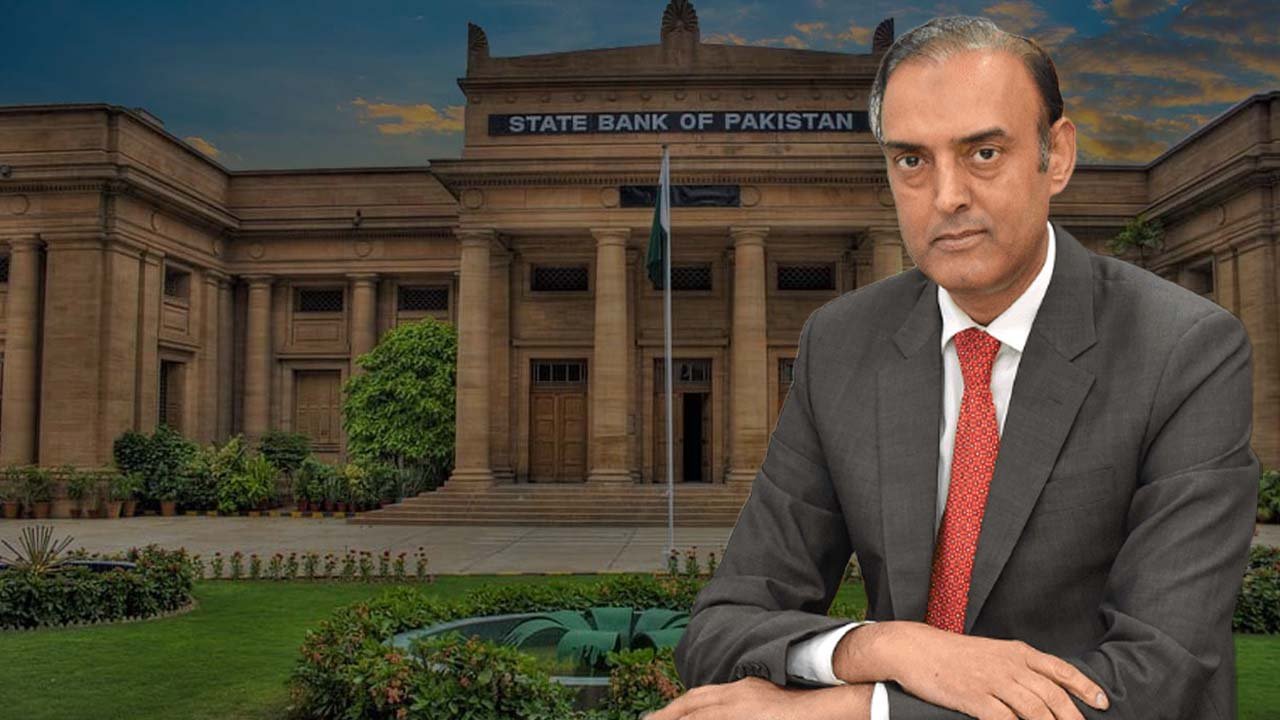
    The Governor of the State Bank of Pakistan (SBP), Jameel Ahmad, provided a reassuring update to investors on Friday, affirming that the nation is well-positioned to meet the International Monetary Fund’s (IMF) end-September targets for net international reserves and net domestic assets. 

    Ahmad said that Pakistan is “very comfortably” placed to meet IMF targets. 

    This declaration was made by Governor SBP during a meeting with prominent international investors held on the sidelines of the IMF-World Bank gatherings in Marrakech, Morocco.  

    The meeting was organised by prominent global banks such as Barclays, JP Morgan, Standard Bank, and Jefferies. 

    According to an official press release from the central bank, investors were apprised of recent macroeconomic developments, the government’s response to prevailing challenges, and the economic outlook of Pakistan and were provided with the opportunity to seek clarification on these matters. 

    Governor Ahmad informed investors that the current policy framework is strategically oriented towards achieving stability by addressing prevailing macroeconomic imbalances. 

    He highlighted that the SBP had taken early measures to tighten monetary policy in response to escalating global inflation. 

    Nevertheless, certain domestic obstacles, such as the 2022 floods, had complicated the SBP’s efforts to combat inflation. 

    The governor noted that these stabilisation measures have begun to yield positive outcomes. Inflation, after reaching a peak of 38.0 per cent in May 2023, decreased to 31.4 per cent in September 2023 and is anticipated to continue on a downward trajectory in the coming months. 

    Furthermore, Pakistan’s external account has exhibited substantial improvements, with foreign exchange reserves being steadily replenished. 

    Governor Ahmad expressed confidence that inflation would significantly decrease in the latter half of the fiscal year. 

    He emphasised that the stand-by arrangement with the IMF is anticipated to provide essential support for ongoing economic stabilisation efforts. 

    In addition, he reported that foreign exchange reserves have improved considerably, marked by an increase from a low of $3.1 billion in January 2023 to $7.6 billion at the end of September 2023. 

    This reserve enhancement was largely bolstered by non-debt-creating inflows amid favourable market conditions. 

    According to Geo, the Governor further revealed that the SBP has successfully met the forward book target of $4.2 billion for end-September 2023, as agreed with the IMF, with a substantial surplus. 

    Likewise, the SBP is confidently poised to fulfil other end-September IMF targets, including net international reserves (NIR) and net domestic assets (NDA). 

    Concluding his statement to investors, Governor Ahmad conveyed that Pakistan is diligently addressing long-standing structural deficiencies.  

    He expressed optimism that, with the support of both multilateral and bilateral partners, the nation is on course to achieve sustainable and inclusive economic growth in the medium term. 
  • US sees strongest job growth in eight months, raising rate hike possibility

    US sees strongest job growth in eight months, raising rate hike possibility

    In September, the United States experienced a significant increase in employment, marking the most substantial growth in eight months. 

    This surge in hiring was widespread, indicating a persistent strength in the labour market. This development potentially provides the Federal Reserve with the rationale to consider raising interest rates once again, although it’s worth noting that wage growth is currently decelerating.

    The Labour Department’s latest employment report, released on Friday, revealed a nonfarm payroll increase that surpassed expectations, along with substantial upward revisions to job counts for July and August. These findings solidify the belief that economic activity gained momentum in the third quarter.

    The continued resilience of the labour market and the broader economy, even after 18 months of the US central bank’s efforts to temper demand by raising rates, suggests that monetary policy may remain restrictive for an extended period. 

    Recent data also indicates an increase in job openings in August, coupled with consistently low first-time applications for state unemployment benefits in September.

  • State Bank of Pakistan reports $21 million decline in forex reserves

    State Bank of Pakistan reports $21 million decline in forex reserves

    Pakistan’s total liquid foreign reserves reached a sum of $13,030.8 million, with the central bank holding reserves amounting to $7,615.4 million, as reported by the State Bank of Pakistan (SBP). 

    According to a statement released by the State Bank of Pakistan on Thursday, during the week ending on September 28, 2023, SBP’s reserves experienced a decrease of $21 million, resulting in a total of US$ 7,615.4 million. Concurrently, commercial banks held net foreign reserves totaling $5,415.4 million. 

    In the preceding week, ending on September 22, 2023, the country’s total liquid foreign reserves were reported at US$ 13.162 billion. Among these, the central bank held foreign reserves amounting to $7.636 billion, while commercial banks held net foreign reserves of $5.525 billion. 

    As of September 29, the total liquid foreign reserves of Pakistan stood at US$ 13.18 billion, with the central bank’s reserves totaling $7,636.7 million. The State Bank of Pakistan (SBP) spokesperson attributed the decrease in SBP’s reserves by $59 million to debt repayments during the week ending on September 22, 2023. Net foreign reserves held by commercial banks amounted to $5,525.1 million. 

    In the week ending on September 15, 2023, the country’s total liquid foreign reserves were recorded at $13.186 billion. Among these, the central bank held foreign reserves amounting to $7.695 billion, while commercial banks held net foreign reserves totaling $5.491 billion. 

  • Pakistani rupee gains value, now at Rs292.78 per US dollar

    Pakistani rupee gains value, now at Rs292.78 per US dollar

    The Pakistani rupee’s ascent against the US dollar persisted for the 12th consecutive session in the inter-bank market on Thursday, registering a 0.38 per cent gain.

    According to the State Bank of Pakistan (SBP), the rupee settled at 292.78, marking a notable increase of Rs1.1 within the inter-bank market. Just the day before, on Wednesday, the rupee had exhibited a similar upward trend, appreciating by 0.35 per cent and settling at 293.88.

    This remarkable turnaround in the rupee’s value follows a recent period of decline, during which it hit a record low of 307.1 in the inter-bank market on September 5.

    The transformation in its fortune can be attributed to a series of structural reforms introduced by the State Bank of Pakistan (SBP) within the Exchange Companies’ (ECs) sector, along with various administrative measures implemented by authorities to combat currency smuggling and hoarding.

    On the global stage, the US dollar reached new heights on Thursday, notably against the yen, marking its strongest position since November.

    This surge in the dollar’s strength followed a hawkish stance taken by the US Federal Reserve at its recent monetary policy meeting, where it opted to maintain interest rates within the 5.25 per cent–5.50 per cent range.

    The Fed’s decision reflected a growing confidence among officials that their assertive monetary policy approach can effectively combat inflation without causing significant economic disruption or substantial job losses.

    Conversely, oil prices experienced a decline on Thursday, following the previous session’s significant drop, as expectations of US interest rate hikes overshadowed the impact of reduced US crude stockpiles.