Tag: Monetary Policy

  • Pakistan to launch digital rupee to reduce printing and distribution costs

    Pakistan to launch digital rupee to reduce printing and distribution costs

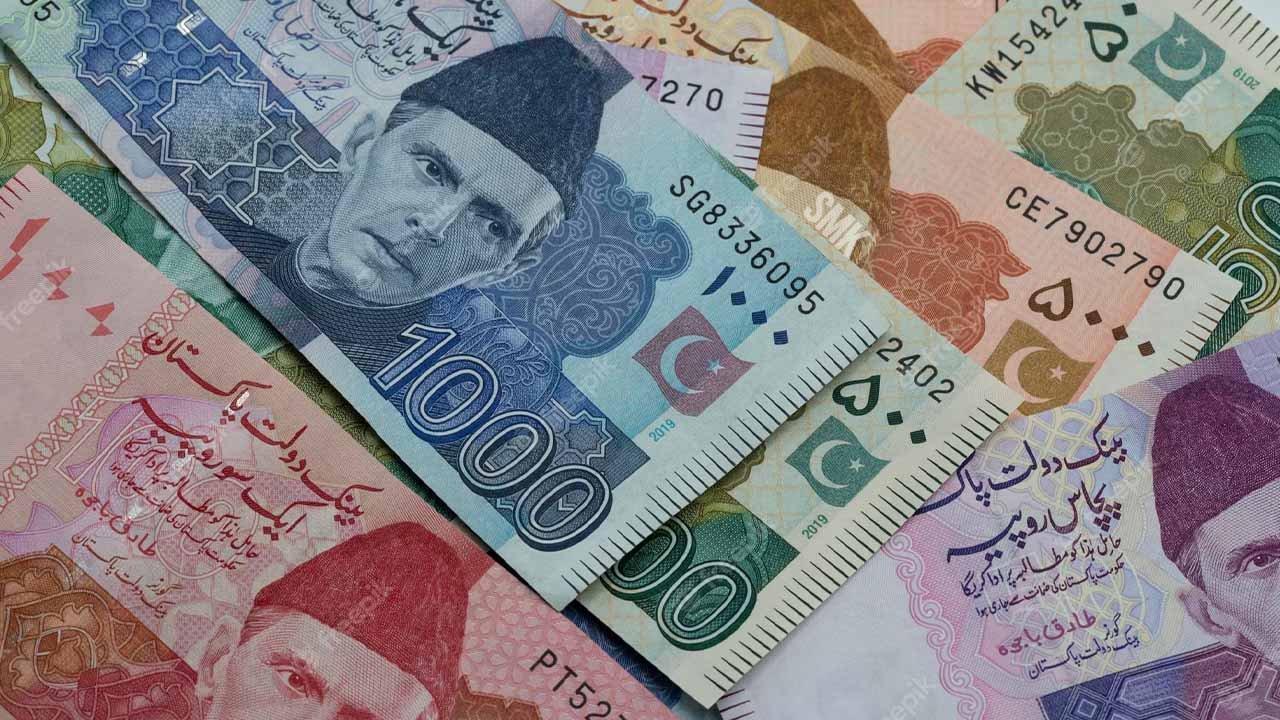
    The government has opted to introduce a digital currency as a strategic move aimed at reducing expenses associated with currency printing and distribution.

    According to The News, this digital currency initiative is expected to contribute to the appreciation of the rupee’s value, bolster the overall economy, and facilitate extensive financial transactions.

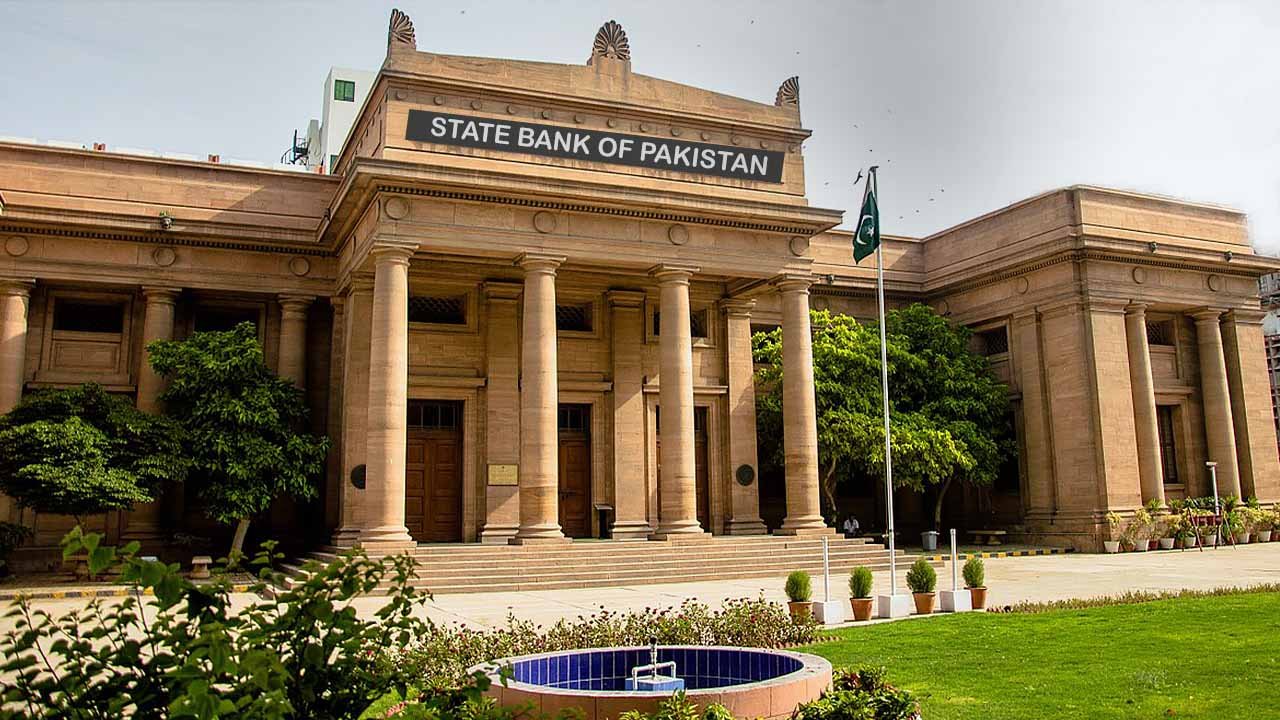
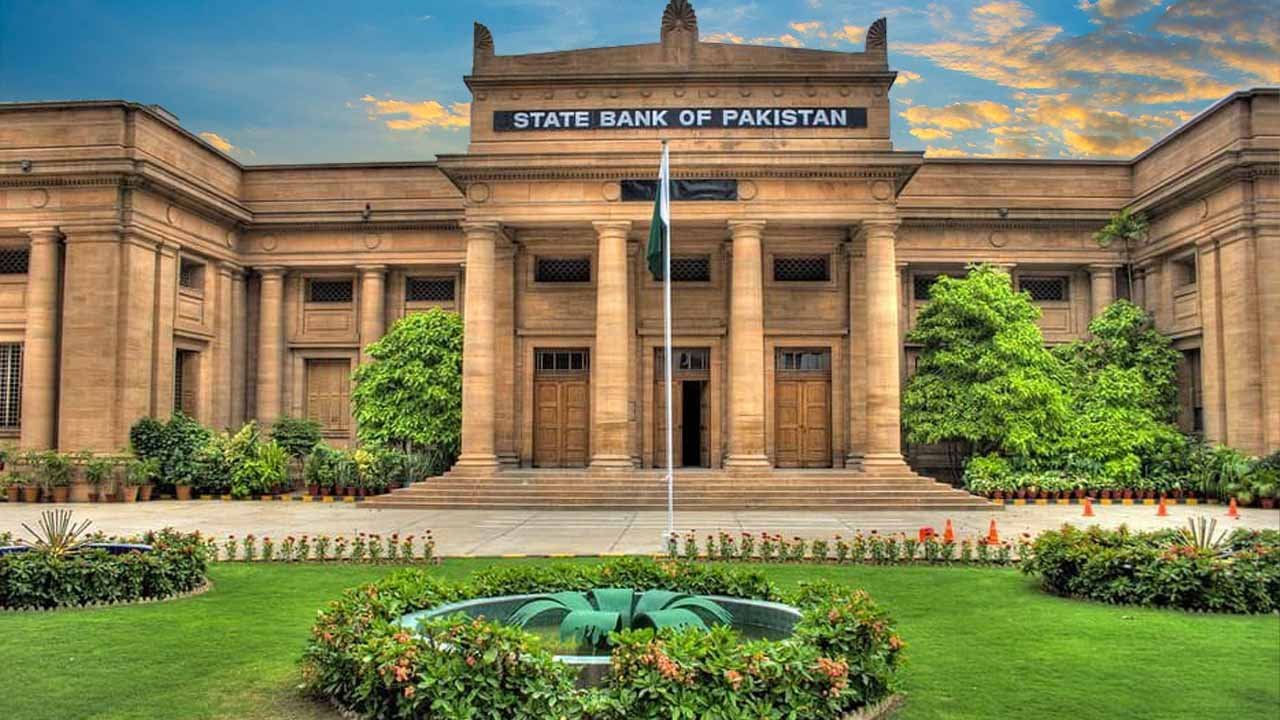
    Much like the Chinese digital currency, where one unit is equivalent to one Chinese Yuan, the value of this digital currency will be pegged to the Pakistani rupee. The State Bank of Pakistan (SBP) will be the driving force behind this endeavour, offering government-backed guarantees similar to traditional currency notes. The SBP has already begun its efforts, enlisting the expertise of professionals for its development.

    To oversee this transformation, a specialised department known as the Central Bank Digital Currency has been established. This department is diligently assessing the cost benefits and feasibility of the digital currency to ensure seamless transactions upon its launch.

    The government’s objective is to gradually replace physical currency notes with digital currency while maintaining an 80:20 ratio, allowing currency notes to coexist as a backup in unforeseen circumstances.

    The adoption of digital currency will also yield significant savings by eliminating the expenses associated with printing, distributing, and disposing of physical notes. Additionally, every digital transaction will be meticulously documented, enhancing the effectiveness of monetary policy enforcement.

    Furthermore, digital currency holds substantial potential for advancing cross-border trade and investment and extending access to financial services for the unbanked population. The World Bank acknowledges its potential to enhance the financial industry’s efficiency, resilience, and reliability, with blockchain technology serving as one of the pivotal distributed ledger technologies supporting these advancements.
  • SBP expected to hike interest rates by at least 150 bps to control inflation

    SBP expected to hike interest rates by at least 150 bps to control inflation

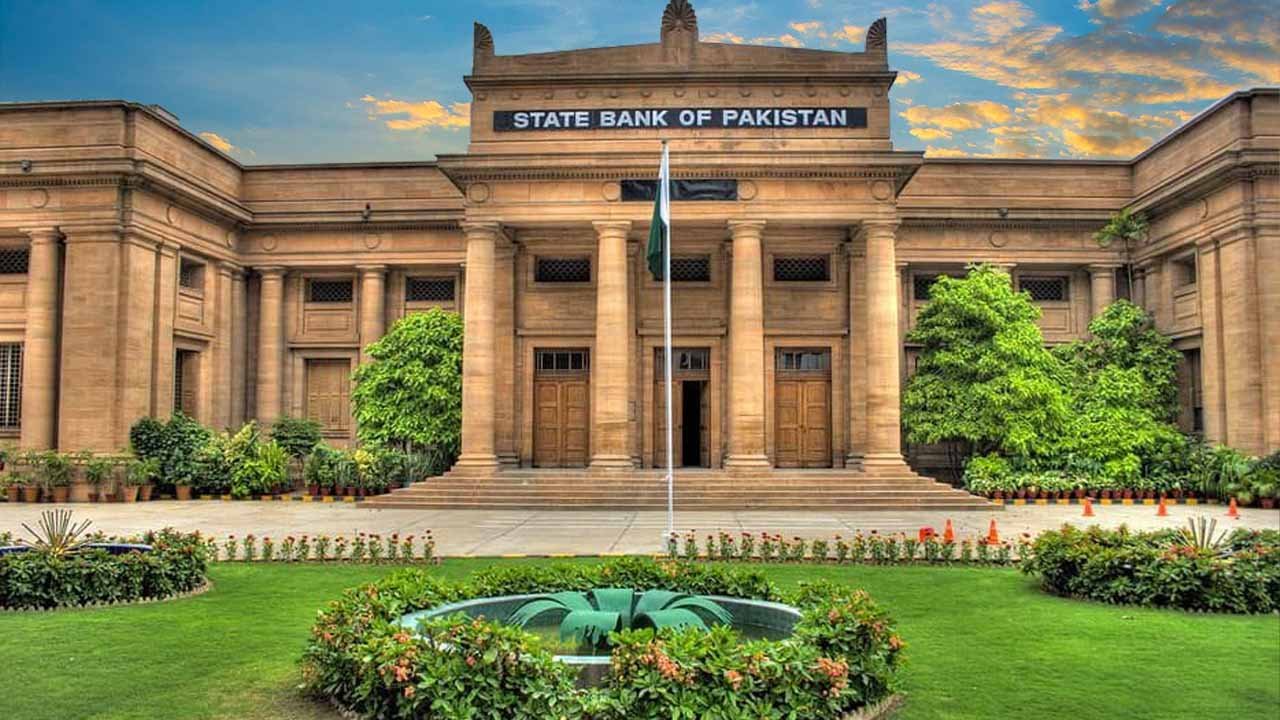
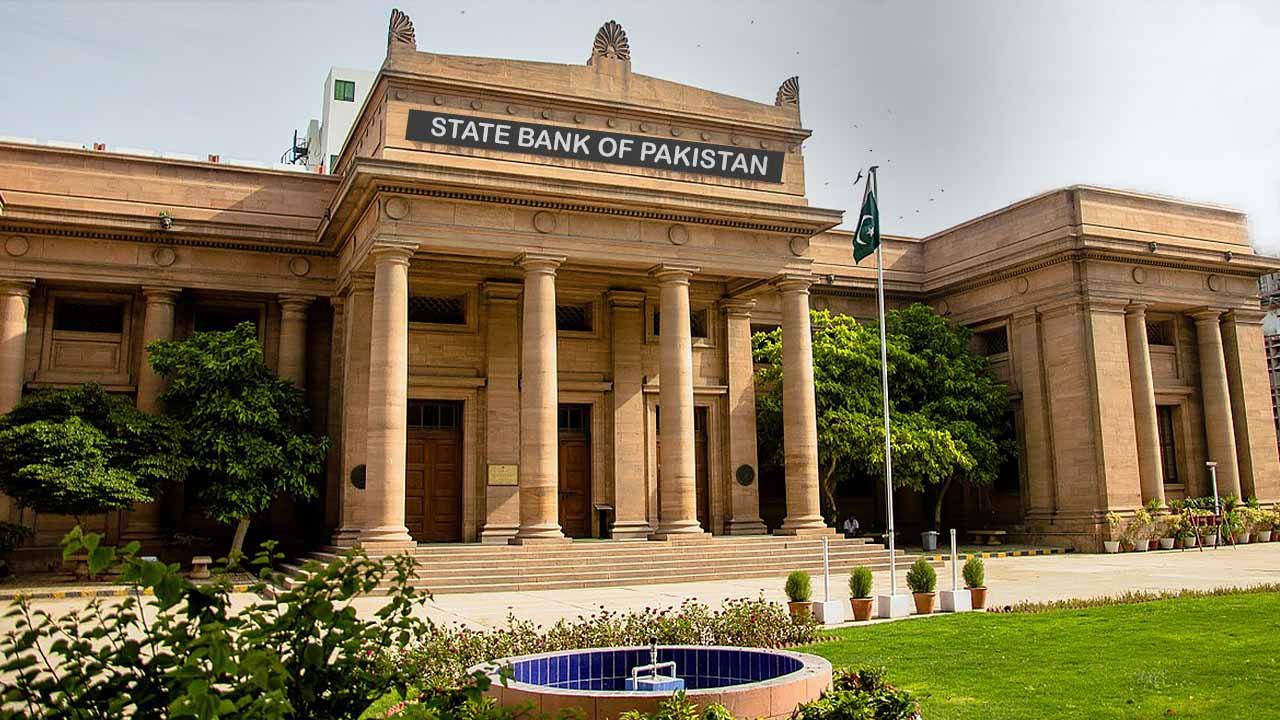
    The State Bank of Pakistan (SBP) is expected to hike interest rates by at least 150 basis points (bps) on Thursday in an effort to curb sky-high inflation and bolster diminished foreign exchange reserves. 

    The central bankas already raised its benchmark rate by 12.25 per cent points to 22 per cent since April 2022, but inflation remains in double digits, at 27.4 per cent in August. The rupee has also depreciated sharply in recent months, reaching an all-time low of 200 rupees per dollar. 

    A Reuters poll of 17 analysts shows that 15 are forecasting a rate hike, with nine predicting an increase of at least 150 bps. The other two analysts expect the rate to remain unchanged. 

    The SBP is under pressure to raise rates in order to cool inflation and attract foreign investment. However, a rate hike could also dampen economic growth, which is already slowing. 

    The central bank is also facing challenges from the International Monetary Fund (IMF), which has set conditions for the release of further tranches of its $3 billion bailout package. One of these conditions is that the SBP must raise interest rates. 

    The SBP is likely to balance these competing considerations when it makes its decision on Thursday. However, it is clear that the bank is under pressure to take action to address the country’s economic challenges. 

    Here are some additional details about the factors that are likely to influence the SBP’s decision: 

    • Inflation: Inflation remains a major concern for the SBP. The latest data shows that inflation fell slightly in August, but it remains in double digits. The SBP has said that it expects inflation to decline over the next 12 months, but it is unclear whether this will happen without further monetary tightening.  
    • Foreign exchange reserves: The SBP’s foreign exchange reserves have been declining in recent months, reaching a critical level of $10.3 billion in August. The SBP needs to bolster its reserves in order to meet its import obligations and avoid a sovereign debt default. A rate hike could help to attract foreign investment and slow the decline in reserves.  
    • IMF conditions: The IMF has set conditions for the release of further tranches of its bailout package. One of these conditions is that the SBP must raise interest rates. The SBP is likely to comply with this condition in order to secure the IMF’s support. 

    The SBP’s decision on Thursday will be closely watched by markets and investors. A rate hike is likely to be welcomed by those who are concerned about inflation, but it could also dampen economic growth. The SBP is facing a difficult balancing act, and its decision will have a significant impact on the country’s economic outlook. 

  • SPI index surges to three-week high at 26.41%: Food and energy prices drive inflation

    SPI index surges to three-week high at 26.41%: Food and energy prices drive inflation

    The Sensitive Price Indicator (SPI) index recorded a notable surge, reaching 26.41 per cent for the week ending on September 7, 2023, marking a three-week high. This increase was primarily propelled by the persistent rise in food and energy prices when compared to the same week in the previous year, putting added strain on households’ purchasing power and disposable income.

    Within this week, data from the Pakistan Bureau of Statistics (PBS) revealed that out of 51 items, 32 (62.75 per cent) experienced price increases, 5 (9.80 per cent) saw decreases, while 14 (27.45 per cent) remained unchanged, in contrast to the previous week.

    Food items saw significant price hikes, including a 17 per cent increase in tomato prices, a 10.87 per cent uptick in pulse masoor prices, a 6.73 per cent rise in sugar prices, a 4.66 per cent surge in garlic prices, and a 3.62 per cent uptick in gur prices. Pulse moong prices rose by 3.55 per cent, onions by 3.43 per cent, and pulse gram by 3.25 per cent. Among non-food items, diesel prices soared by 6.28 per cent, LPG (liquefied petroleum gas) increased by 5.19 per cent, and petrol prices rose by 5.12 per cent.

    Conversely, there was a decline in the prices of certain items, including chicken by 3.20 per cent, 5-liter cooking oil by 1.03 per cent, 2.5 kg vegetable ghee by 0.47 per cent, Lipton tea by 0.43 per cent, and 1 kg vegetable ghee by 0.14 per cent, compared to the previous week.

    Looking at the bigger picture, the Consumer Price Index (CPI) revealed that monthly inflation has remained persistently high, averaging 27.8 per cent in the first two months (Jul-Aug) of the current fiscal year 2023-24. This was primarily attributed to recent rupee depreciation, imported inflation, and the continuous ascent of power and petroleum product prices.

    It is anticipated that September’s monthly inflation reading will reach its peak, with experts also suggesting the possibility of the government raising gas prices, further exacerbating inflationary pressures on the economy.

    To combat inflation, the Pakistan central bank is expected to raise its key policy rate by 1.5 to 2 percentage points during its upcoming Monetary Policy Committee (MPC) meeting on September 14. The current policy rate stands at a record high of 22 per cent.

    Topline Research highlighted significant developments since the last MPC meeting on July 31, 2023, including Pakistan posting a current account deficit of $809 million in July after four consecutive months of current account surplus. 

    Additionally, local fuel prices have increased by around 19 per cent, international oil prices in US dollars have risen by 6 per cent, and the rupee has depreciated by 6 per cent against the US dollar. These factors are expected to weigh heavily on the central bank committee’s decision during the upcoming MPC meeting.

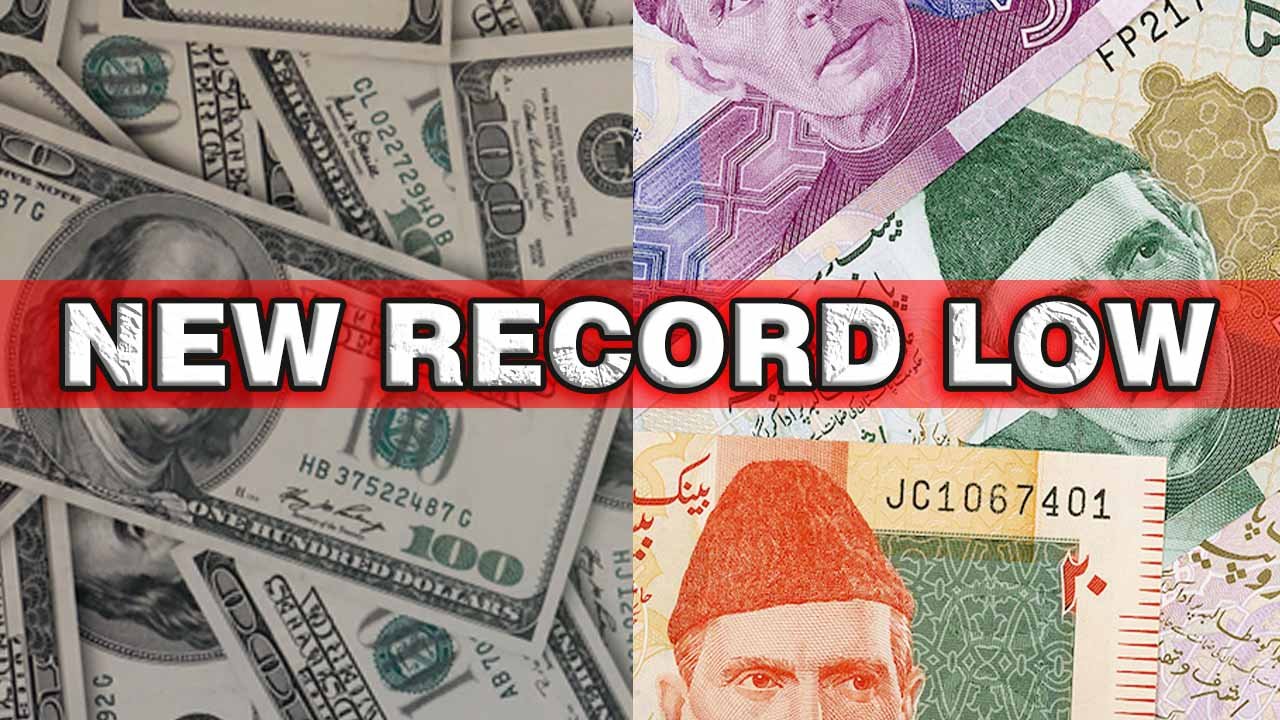
  • Pakistani rupee’s fall continues, settles at new record low of Rs301 against US dollar

    Pakistani rupee’s fall continues, settles at new record low of Rs301 against US dollar

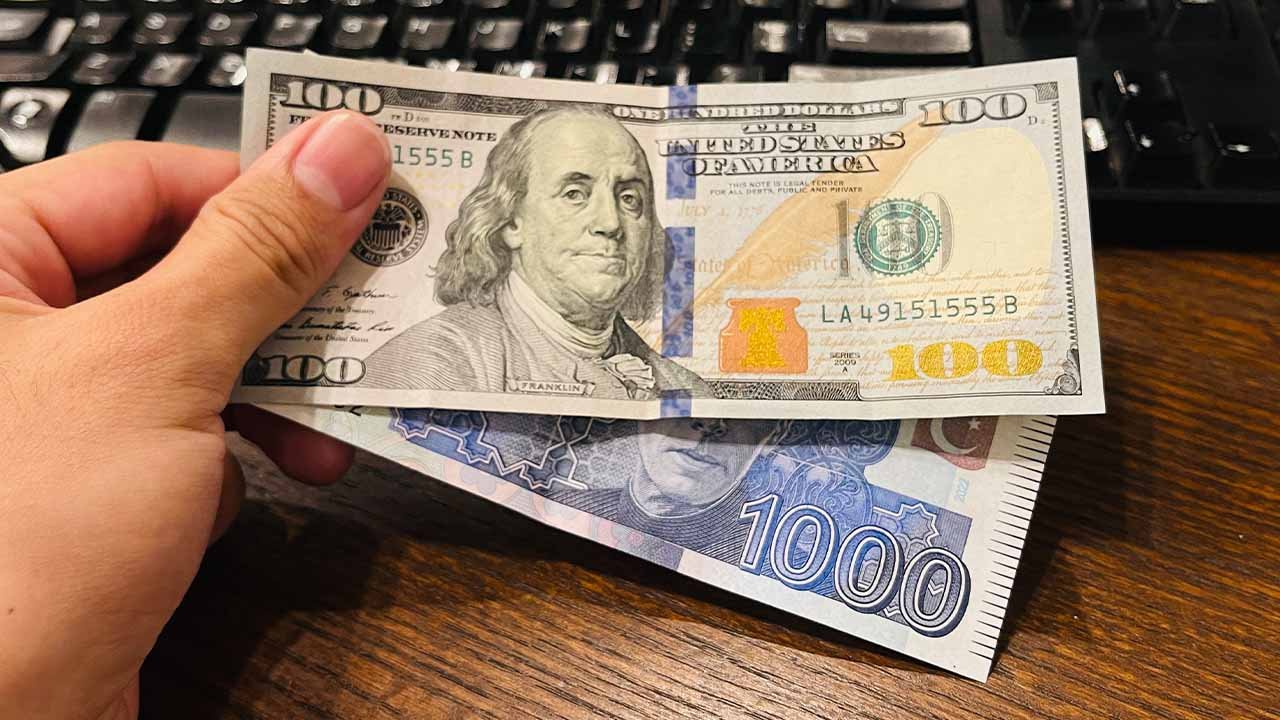
    The Pakistani rupee continued its unsettling descent, marking a fresh all-time low against the US dollar, with a settlement at Rs301 in the inter-bank market on Friday. As reported by the State Bank of Pakistan (SBP), the local currency reached the 301 mark, experiencing a decline of Re0.78 or 0.26 per cent.

    On the preceding day, the rupee concluded at a historic low against the US dollar, reaching a settlement of Rs300.22.

    On the global front, the US dollar achieved its highest position in over two months on Friday, poised for its sixth consecutive week of gains, as financial markets eagerly awaited a speech by Federal Reserve Chair Jerome Powell to gain insights into the trajectory of monetary policy.

    The dollar index, a measure of the US dollar’s strength against six other major currencies, witnessed a 0.019 per cent increase, reaching 104.11, the highest level since June 7. With a 2 per cent increase in August, the index is poised to end its two-month losing streak.

    Oil prices, a pivotal gauge of currency equilibrium, surged by over 1 per cent on Friday due to the firming of the dollar, as anticipation built ahead of a highly awaited speech by the head of the US Federal Reserve. This speech is expected to provide insights into the future of interest rates.

  • SBP-held forex reserves rise by $12 million to $8.05 billion, sufficient to cover over two months’ worth of imports

    SBP-held forex reserves rise by $12 million to $8.05 billion, sufficient to cover over two months’ worth of imports

    The State Bank of Pakistan (SBP) announced a rise of $12 million in its foreign exchange reserves, reaching $8.05 billion, as detailed in a statement released on Thursday. The nation’s overall liquid foreign reserves, encompassing both SBP and commercial banks, amounted to $13.379 billion as of August 11. Among these, commercial banks held net reserves totaling $5.3237 billion, as reported by the SBP.

    While the central bank did not provide specifics on the cause behind the augmentation of foreign exchange reserves, the situation presents an upbeat stance. Nevertheless, it’s worth noting that the existing reserves would barely cover imports for a span slightly exceeding two months.

    Notably, the previous month saw a notable escalation in SBP reserves due to inflows from the United Arab Emirates, Saudi Arabia, and the International Monetary Fund (IMF), following the formalisation of a $3 billion Stand-by Arrangement (SBA) with the global financial institution.

    According to Geo, in a departure from market predictions, the SBP opted to maintain the key policy rate at 22 per cent during the preceding month. This stance diverged from expectations, particularly those guided by IMF recommendations. SBP Governor Jameel Ahmed conveyed this decision following a Monetary Policy Committee (MPC) meeting. Explaining the rationale, he stated that given the decline in inflation, there was no inclination to increase the interest rate.

    During a press conference, Governor Ahmed also shared insights into the nation’s economic trajectory. He projected a growth rate ranging from 2 per cent to 3 per cent for the upcoming year. Highlighting the government’s actions, he mentioned the complete removal of import restrictions. This move, coupled with financial inflows from the IMF and other supportive nations, led to a $4.2 billion upswing in Pakistan’s foreign exchange reserves in July.

  • Pakistani rupee records slight increase against US dollar, settles at Rs285.99

    Pakistani rupee records slight increase against US dollar, settles at Rs285.99

    The State Bank of Pakistan reported that the Pakistani Rupee (PKR) maintained an upward trajectory against the US dollar in the interbank foreign exchange market on Tuesday.

    The PKR experienced a gain of Rs0.072 against the greenback, resulting in a closing rate of Rs285.99. This marks an improvement from the previous day’s closing rate of Rs286.71.

    Experts attribute the rise in the dollar’s value to the government’s successful fulfillment of all conditions set by the International Monetary Fund (IMF).

    Prime Minister Shehbaz Sharif recently engaged in his fourth communication with the IMF Managing Director, Kristalina Georgieva, within a span of six days.

    It is worth noting that Pakistan’s ninth review by the IMF under the 2019 Extended Fund Facility, which aims to secure the release of $1.2 billion in funds, is still pending. With only three days remaining until the programme’s expiry on June 30, there is a pressing need to conclude the review process promptly.

  • State Bank announces aggressive policy rate hike to 22% in response to inflation risks

    State Bank announces aggressive policy rate hike to 22% in response to inflation risks

    During an emergency meeting convened on Monday, the State Bank of Pakistan (SBP) made the decision to raise the policy rate by 100 basis points (bps), resulting in a new rate of 22 per cent.

    The announcement was made subsequent to a gathering of the bank’s Monetary Policy Committee (MPC).

    The SBP clarified that the MPC acknowledged a heightened potential for upward risks to the inflation outlook compared to its previous meeting held on June 12.

    The committee highlighted that these risks primarily stem from the implementation of new measures in the fiscal and external sectors, which hold significant importance in the context of concluding the ongoing programme with the International Monetary Fund (IMF).

    “MPC noted that today’s action is necessary to keep the real interest rate firmly in positive territory on a forward-looking basis that would help in bringing down inflation towards the medium-term target of five to seven per cent by the end of fiscal year 25,” the SBP said.

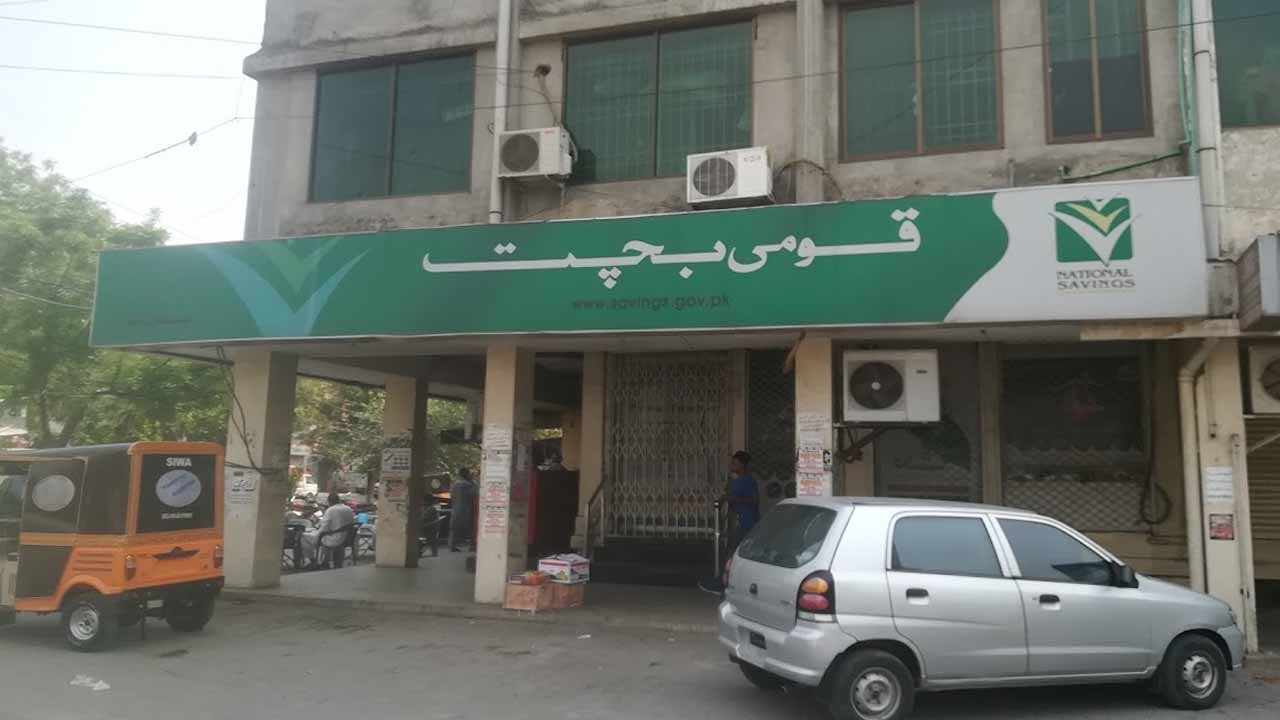
  • Govt increases profit rates on national saving schemes following record policy rate hike

    Govt increases profit rates on national saving schemes following record policy rate hike

    In response to increasing policy rates, the Pakistani government has announced significant raises in profit rates for all national savings schemes (NSS) from April 10, 2023. This decision follows the State Bank of Pakistan’s (SBP) considerable increase in the policy rate to a record 21 per cent in its recent Monetary Policy Committee meeting to combat inflation.

    The Finance Division announced on Friday, through a notification issued under Rule-II of the Pensioners’ Benefit Accounts Rules, 2003, that the rate of profit on deposits made in Pensioners’ Benefit Accounts and Behbood Savings Certificates will be 16.56 per cent per annum from April 10, 2023, until further notice.

    Additionally, the rate of profit on deposits made in Shuhada’s Family Welfare Account will be 16.56 per cent per annum from April 10, 2023, until further notice.

    The Central Directorate of National Savings (CDNS) has also increased the profit rate on Defence Saving Certificates from 9.29 per cent to 14.87 per cent. The profit rate on Regular Income Certificates has been raised to 12.84 per cent of the total investment.

    Similarly, the profit margin on the three-year Special Saving Certificates and Special Savings Account has been increased to 17 per cent for the first five profits and to 17.8 per cent for the sixth profit. Furthermore, the return on Saving Accounts (running accounts) has been raised to 18.5 per cent. However, it’s worth noting that there will be a deduction of Withholding Tax and Zakat as per the rules.