Tag: Monetary Policy

  • Gold price in Pakistan increases to Rs209,500 per tola on weak rupee and global trends

    Gold price in Pakistan increases to Rs209,500 per tola on weak rupee and global trends

    Gold prices in Pakistan increased on Monday, following global trends and a potential boost from a weakening rupee. As a result, yellow metal became more expensive, prompting traders to be cautious on the eve of a monetary policy meeting. According to data released by the All-Pakistan Sarafa Gems and Jewellers Association (APSGJA), the price of 24-carat gold increased by Rs1,200 per tola and Rs1,028 per 10 grams, settling at Rs209,500 and Rs164,645 respectively.

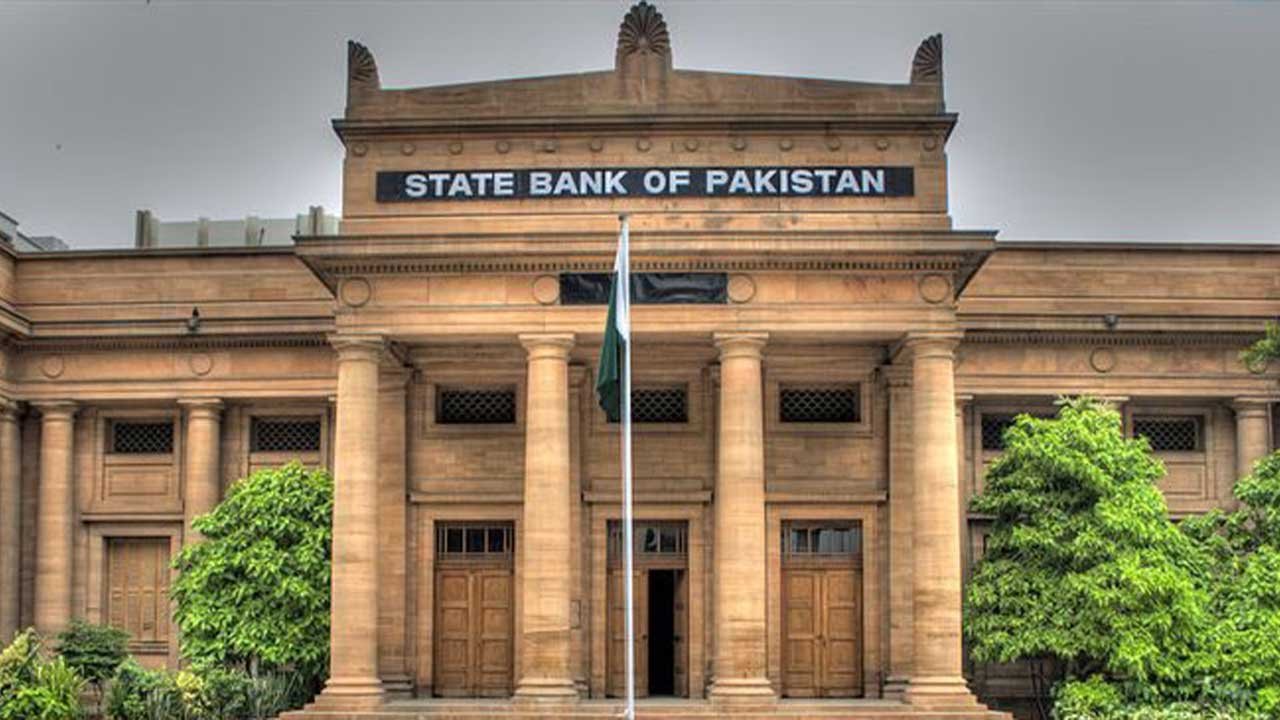
    In the inter-bank market, the rupee depreciated 0.44 per cent against the dollar on Monday, settling at 285.04, a loss of Rs1.25 according to the State Bank of Pakistan (SBP). As inflation in Pakistan spirals out of control, the SBP is expected to raise the policy rate by 100-200 basis points. In March, consumer price inflation in Pakistan rose to a record 35.37 per cent from the previous year.

    Gold is commonly viewed as a hedge against inflation, increasing in value as the purchasing power of the dollar decreases. In Pakistan, March’s monthly inflation surpassed predictions, reaching almost an all-time high of 35.4 per cent compared to the previous year. This has resulted in many individuals experiencing financial difficulty as the cost of living continues to outstrip average incomes. Last month, the central bank raised the policy rate by 300 basis points to 20 per cent.

    On Monday, world gold prices rebounded as the dollar trimmed its initial gains, which were driven by bets that OPEC’s surprise output cuts could raise global energy prices and cause central banks to increase interest rates. Spot gold increased by 0.5 per cent to $1,977.43 per ounce by 1206 GMT, with US gold futures gaining 0.4 per cent to $1,994.50. Earlier in the session, gold hit a one-week low of $1,949.54.

    However, when interest rates are raised to curb rising price pressures, the appeal of gold as an asset diminishes as it does not pay interest. In the domestic market, silver prices increased by Rs80 per tola and Rs68.59 per 10 grams, settling at their all-time highs of Rs2,350 and Rs2,014.47 respectively. While the international prices of silver fell 0.3 per cent to $24.01 per ounce, platinum was also down 0.3 per cent to $988.60, and palladium rose 0.7 per cent to $1,470.72.
  • Pakistan’s finance ministry predicts high inflation to persist

    Pakistan’s finance ministry predicts high inflation to persist

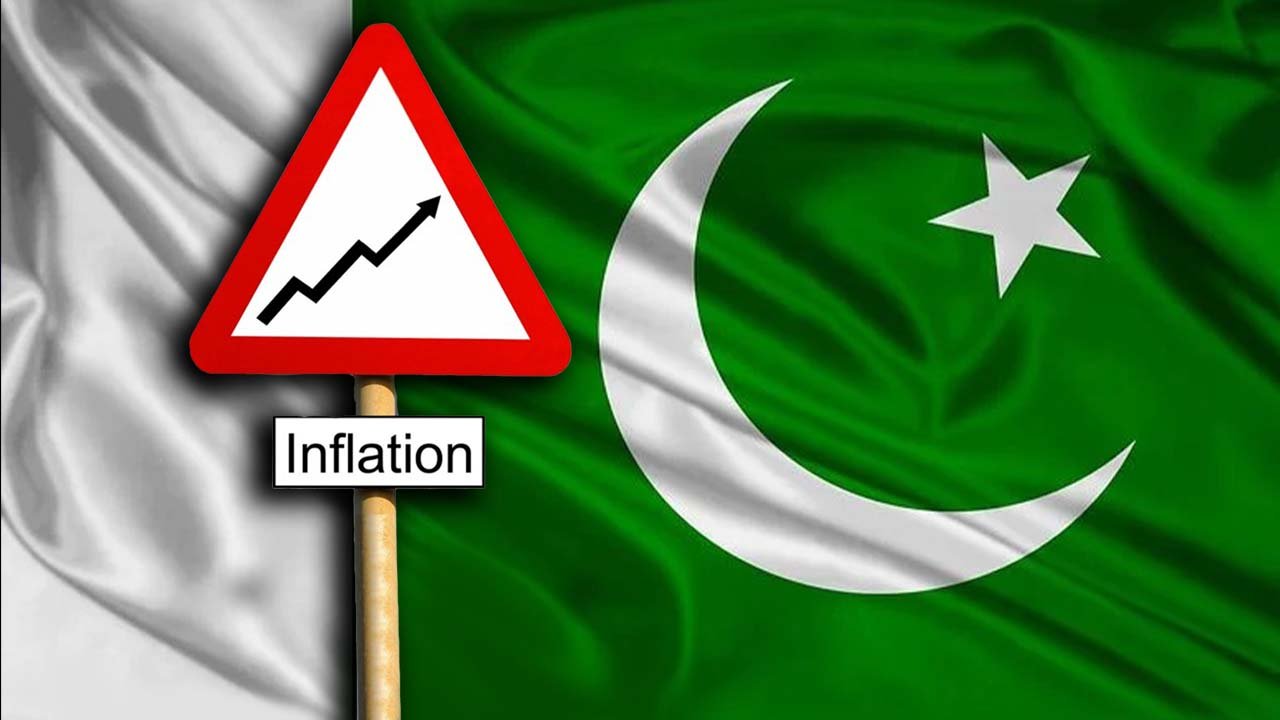
    As per the Finance Ministry’s monthly economic update and outlook for February, inflation is projected to range from 28 per cent to 30 per cent in the near future, before gradually subsiding. The report cites several reasons for this, including an uncertain political and economic environment, currency depreciation, a recent increase in energy prices, and higher administered prices.

    The report notes that interest payments will contribute to total expenditures, constraining the fiscal space available for normal operations, investments, and social and structural policies.

    While the State Bank of Pakistan (SBP) has been implementing a contractionary monetary policy, it is expected that inflationary pressures will take some time to ease. The federal government, in collaboration with provincial governments, is closely monitoring the demand-supply gap of essential commodities and taking necessary measures to stabilise prices.

    The resumption of an economic stabilization program will aid in achieving economic and exchange rate stability and provide an opportunity to benefit from falling international commodity prices. This will also help control cost-push inflation and allow the government to pass on lower commodity prices to domestic consumers.

    The report notes that favorable weather and the use of inputs by farmers should help meet the 28.4 million-ton wheat target, while disbursements under the Kissan package should positively impact agricultural productivity and overall economic activity. The cyclical pattern of large-scale manufacturing (LSM) in Pakistan is positively correlated with the cyclical position of the country’s main trading partners. In December 2022, LSM activity was as expected, with no unexpected shocks observed in that month.

    However, the international economic environment remains uncertain, as evidenced by the Composite Leading Indicators (CLI) in Pakistan’s main export areas, which were somewhat negative compared to historical standards.

    The ministry anticipates that LSM will increase in January compared to the previous month, partly due to seasonal factors. The ministry forecasts that LSM output may marginally decline on a YoY basis, mainly due to the high base effect in the reference period

  • Japan’s consumer inflation hits 8-year high

    Japan’s consumer inflation hits 8-year high

    According to official data released on Friday, Japan’s core consumer prices increased 3.0 per cent year over year in September, the highest level since 2014 as households were hard-hit by the weakening yen and rising energy prices.

    According to Reuters, the statistic raises inflation considerably above the Bank of Japan’s long-term 2.0 per cent target, even when volatile fresh food prices are excluded. The central bank’s claim that the present rises do not yet fulfil its criteria for persistent price growth is supported by the fact that the figure was only 1.8 per cent when energy costs were excluded.

    The most recent data was in line with market forecasts, but when similar data was last seen, a VAT increase had artificially inflated prices. The rate of inflation in September was the highest in nearly 31 years, excluding years when tax increases had an impact on the rate.

    “The bulk of the price increases at the moment are rises in raw material prices,” while service prices associated with wages have not seen meaningful increases, Taro Saito, an economist at NLI Research Institute, said in a note released before the data.

    He projected that stabilising inflation in Japan will take longer time to achieve due to pay rises and rising service costs.

    The BoJ believes the present price hikes are related to extraordinary occurrences like the conflict in Ukraine, whereas other central banks have chosen to raise interest rates to combat skyrocketing inflation.

    It has persisted in its ultra-loose monetary policy and refrained from raising rates, claiming that the third-largest economy in the world has not yet attained the inflation target of 2.0 per cent that it believes is required to accelerate growth.

    The yen has fallen, especially against the dollar, as a result of the widening gap between the bank’s policy and other rate increases. The yen dropped to 150 versus the dollar on Thursday, the lowest level since 1990.

  • SBP raises policy rate to 14-year-high of 15 per cent

    SBP raises policy rate to 14-year-high of 15 per cent

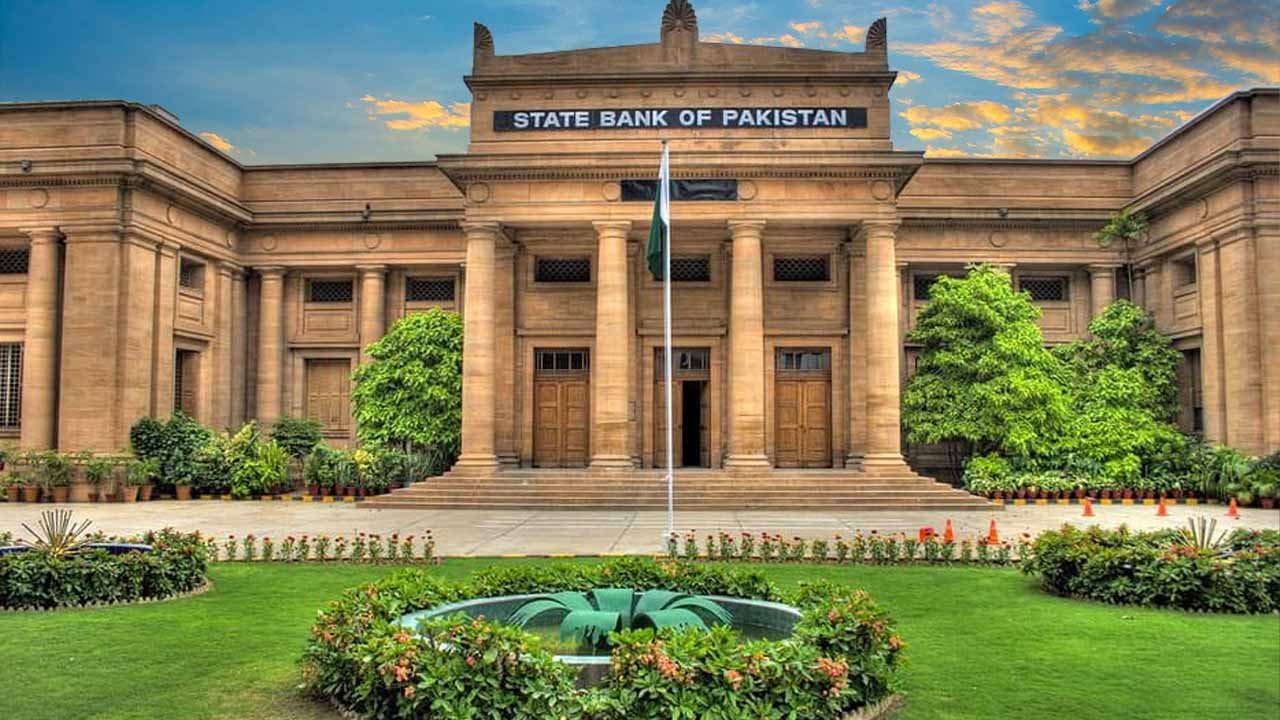
    In an attempt to calm the economy, control inflation, and support the beleaguered rupee, the State Bank of Pakistan’s Monetary Policy Committee (MPC) decided to raise the policy rate by 125 basis points (bps) to 15 per cent on Thursday.

    The previous policy rate at the same level was in 2008, so the current policy rate is at a level that is 14 years higher. The committee also disclosed that, in order to improve the transmission of monetary policy, interest rates on EFS and LTFF loans are now tied to the policy rate.

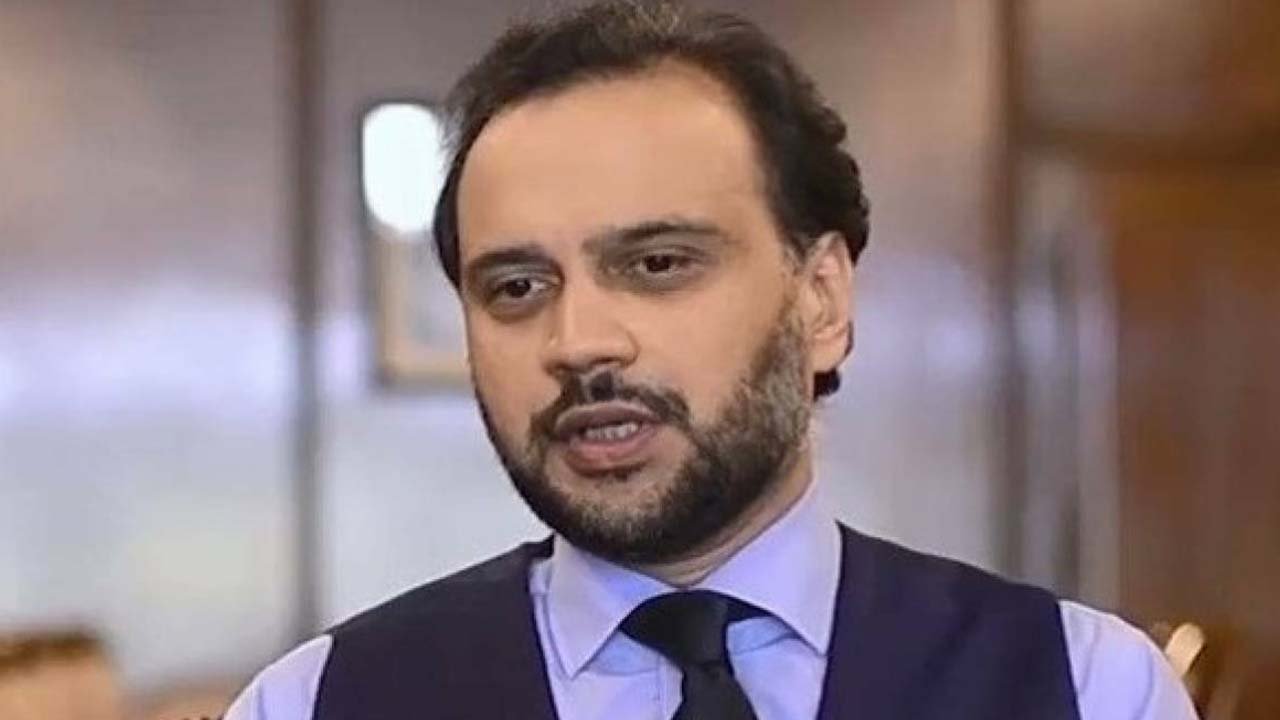
    Following the MPC meeting on Thursday, SBP Acting Governor Dr Murtaza Syed gave a virtual press conference where he announced the monetary policy decision. He told the media that the rate of inflation has been rising at its highest rate since 1970.

    “Globally, inflation is at multi-decade highs in most countries, and central banks are acting aggressively, putting pressure on most emerging market currencies to depreciate,” he continued.

    He praised recent government decisions, such as ending petroleum subsidies, and claimed that these actions had made it possible to finish the IMF loan programme. Pakistan’s external financing requirements for FY23 will be met thanks to significant additional funding from external sources, which will be stimulated by the anticipated conclusion of the ongoing IMF review.

    Then, during the course of FY23, rupee pressures should ease and the SBP’s FX reserves should gradually resume their prior upward trajectory.

    According to him, monetary tightening and fiscal consolidation will cause GDP growth to moderate to 3–4 per cent in FY23, helping to close the positive output gap and lessen demand-side pressures on inflation.

    The acting governor SBP stated that, according to the MPC’s baseline outlook, headline inflation is likely to remain high in FY23, hovering around 19–20 per cent, before dropping sharply to the target range of 5–7 per cent by the end of FY24, driven by stringent policies, a normalisation of global commodity prices, and advantageous base effects.

  • SBP hikes interest rate by 150 basis points to control inflation

    SBP hikes interest rate by 150 basis points to control inflation

    The State Bank of Pakistan’s (SBP) Monetary Policy Committee (MPC) approved a 150 basis point increase in the benchmark interest rate, pushing it to 13.75 per cent to control inflation.

    It is worth noting that this is the maximum level of interest rate since 2011 when it was 14 per cent.

    The central bank mentioned in a statement that after the last MPC meeting, preliminary estimates indicate that growth in FY22 has been considerably higher than predicted.

    On May 23, the MPC agreed to hike the policy rate by 150 basis points to 13.75 per cent. “This action, together with much needed fiscal consolidation, should help moderate demand to a more sustainable pace while keeping inflation expectations anchored and containing risks to external stability.

    “External pressures remain elevated and the inflation outlook has deteriorated due to both home-grown and international factors. Domestically, an expansionary fiscal stance this year, exacerbated by the recent energy subsidy package, has fueled demand and lingering policy uncertainty has compounded pressures on the exchange rate”.

    “Globally, inflation has intensified due to the Russia-Ukraine conflict and renewed supply disruptions caused by the new Covid wave in China. As a result, almost all central banks across the world are suddenly confronting multi-year high inflation and a challenging outlook.”

    The MPC stated that raising interest rates will help to protect external and economic stability.

    “Since the last MPC meeting, secondary market yields, benchmark rates and cut-off rates in the government’s auctions have risen, particularly at the short end. The MPC noted that the market rates should be aligned with the policy rate and in case of any misalignment after today’s policy decision, the SBP would take appropriate action”.

    According to the report, overall inflation climbed from 12.7 per cent (year on year) in March to 13.4 per cent in April, led by consumable food products and core inflation. “The rise in core inflation reflects strong domestic demand and second-round effects of supply shocks,” it noted.

    The MPC believes that when power and fuel subsidies are phased out, inflation will spike momentarily and remain strong through FY23 before falling steeply in FY24. “This baseline outlook is subject to risks from the path of global commodity prices and the domestic fiscal policy stance,” it said.

  • Dr Murtaza Syed assumes charge as the new Governor State Bank of Pakistan

    Dr Murtaza Syed assumes charge as the new Governor State Bank of Pakistan

    With effect from May 5, Dr Murtaza Syed, the senior-most Deputy Governor and a former Deputy Resident Representative of the International Monetary Fund (IMF), became the new acting Governor of the State Bank of Pakistan (SBP).

    Prior to this, the federal government named Dr Syed as the Deputy Governor of the SBP for three years on January 27, 2020.

    Dr Syed has taken up the position in light of Section 10(2) of the State Bank of Pakistan (SBP) Act 1956 (amended), and has therefore succeeded Dr Reza Baqir, whose term ended on May 4, according to the notification.

    He holds a Ph.D. in Economics from the University of Oxford’s Nuffield College and has more than 20 years of experience in macroeconomic research and policymaking, including 16 years at the IMF. He worked on IMF initiatives and monitoring of emerging markets and advanced economies such as the Eurozone, Japan, and Korea. Dr Syed also handled IMF training and technical support projects around the world, and between 2010 and 2014, he was the IMF’s Deputy Resident Representative in China.

    Dr Syed started his career as a Senior Policy Analyst at the Human Development Center in Islamabad, where he worked under former Finance Minister D. Mahbub ul Haq. Afterward, he worked for the Institute for Fiscal Studies (IFS), a London-based public policy think tank, where he did research on company investment and employment behaviour, as well as evaluating Latin American anti-poverty programmes.

    Read more: Pakistan’s foreign currency reserves down by $328 million

    Dr Syed has produced papers on a multitude of macroeconomic topics, including fiscal and monetary policy, financial stability, economic crises, investment, demographics, poverty, and inequality, in addition to teaching public policy at the universities of Cambridge and Oxford.