Tag: Moscow

  • Russia claims West aided Moscow attackers

    Russia claims West aided Moscow attackers

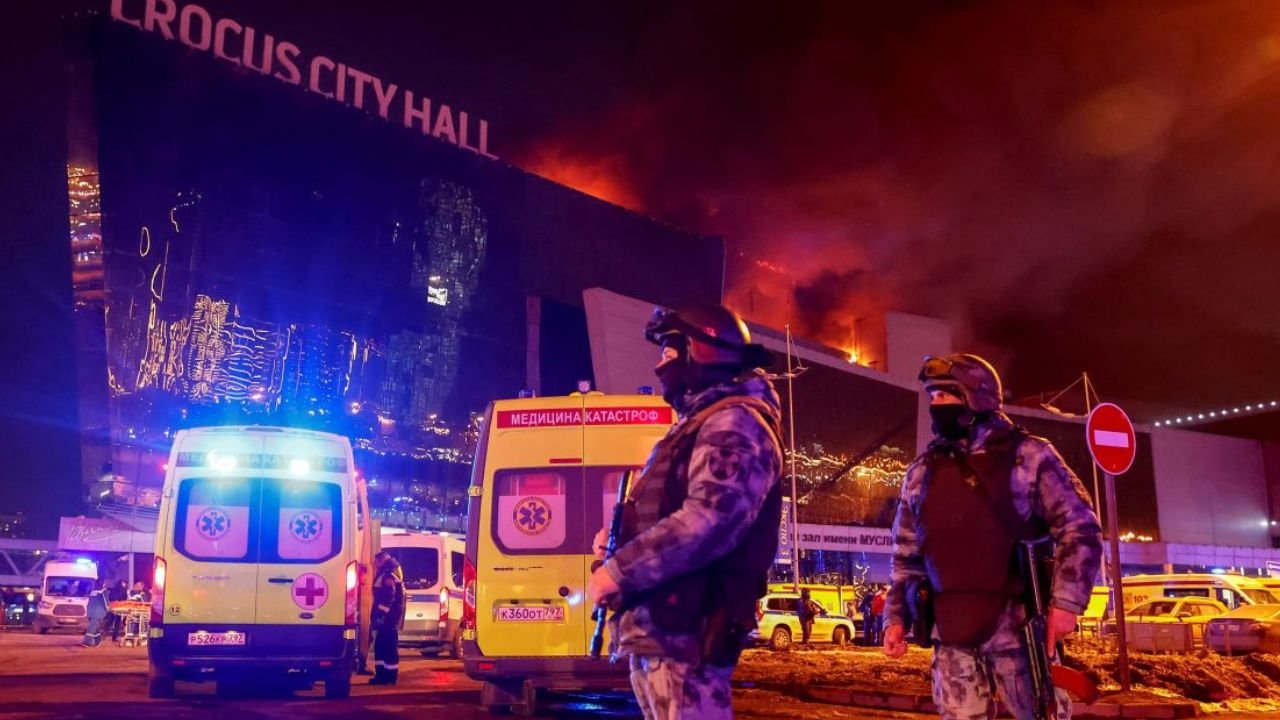
    The head of Russia’s FSB security agency claimed Tuesday that Western and Ukrainian special services had aided the attackers who stormed a Moscow concert hall last week, killing dozens.

    Russia continues to allege Ukraine was somehow involved in Friday’s massacre, even after President Vladimir Putin acknowledged “radical Islamists” had carried it out.

    “We believe the action was prepared both by the radical Islamists themselves and, of course, facilitated by Western special services, and Ukraine’s special services themselves have a direct connection to this,” FSB head Alexander Bortnikov was cited as saying by Russian news agencies.

    He also repeated the Kremlin’s claim that the attackers tried fleeing over the Ukrainian border, an assertion that Kyiv has called absurd.

    “I’ll let you in on a little secret: they were going to be greeted as heroes on the other side,” Bortnikov said.

    He added that while Russia understood who organised the attack, “the one who ordered it has not been identified yet”.

    He did not provide evidence for his assertions and Ukraine has vehemently denied any role.

    Islamic State jihadists have said several times since Friday that they were responsible, and IS-affiliated media channels have published graphic videos of the gunmen inside the venue.

  • Afghan IS branch top suspect in Moscow attack

    The Islamic State group (IS) has claimed responsibility for Friday’s attack on a Moscow concert hall that killed more than 100 people – terrorism experts say its Afghan branch is likely responsible.

    Since the fundamentalist Taliban took over Kabul, the ISKP – the Afghan branch of IS – has managed to poach members from its rival movement and has repeatedly shown off its will and capability to strike outside Afghanistan’s borders.

    An August 2021 blast claimed by the group killed 100 civilians and 13 American soldiers at Kabul airport – just as the United States was withdrawing from the Afghan capital and the Taliban laid their hands on power.

    It was the deadliest-ever attack by IS against the US.

    Washington offered a $10 million reward for information on ISKP’s leader Sanaullah Ghafari, also known as Shahab al-Muhajir.

    Born in 1994, he is “responsible for approving all ISIS-K operations throughout Afghanistan and arranging funding to conduct operations,” according to the US State Department, which uses an alternative acronym for the ISKP.

    The US foreign ministry placed Ghafari on its foreign terrorist blacklist in November 2021.

    Afghanistan’s IS branch was built by the group’s envoys arriving from Iraq and Syria – unlike almost everywhere else in the world, where pre-existing outfits pledged to its cause, said Hans-Jakob Schindler, director of the Counter Extremism Project (CEP) research outfit and a former UN terrorism expert.

    “They have very close connections to the centre, much more than the other affiliates,” Schindler told AFP, adding that this gives them access to ample funding.

    Lucas Webber, co-founder of specialist website Militant Wire, highlighted that the “ISKP has emerged as the most internationally minded IS branch… producing propaganda in more languages than any other branch since the height of the caliphate in Iraq and Syria.”

    It has been mounting an “ambitious and aggressive campaign to bolster its external operations capabilities and strike its various enemies abroad,” he added.

    Both Western and Russian security services have long been monitoring ISKP.

    On Tuesday, German authorities arrested two Afghan suspected jihadists, believed to have been planning an attack on the Swedish parliament.

    Public burnings of the Koran have increased the terrorist threat against Stockholm.

    One of the two men is alleged to have travelled from Germany to join ISKP.

    Germany had previously dismantled a Russian-Tajik network in 2020, with more groups targeted in 2022 and 2023.

    Russian authorities said on March 7 they had killed suspected ISKP members in an operation in the Kaluga region southwest of Moscow.

    Officials said the people had been planning an attack on a synagogue in the capital.

    Kazakhstan said two of its citizens were killed in the operation.

    Russia has become a priority target for ISKP, which condemns its invasion of Ukraine and its military interventions across Africa and in Syria, Webber said.

    A 2022 suicide bombing targeted Russia’s embassy in Afghanistan.

    ISKP “is working to extend its reach throughout Central Asia and Russia,” Webber added, putting together “a Russian language media wing to build support and incite violence inside the country”.

    Schindler said that with Moscow’s attention on the invasion of Ukraine, Russia is a more tempting target.

    Friday’s attack – relatively cheap and straightforward to put together – was “a big symbol”, he added.

    “Its hard to overestimate how important today’s attack in Moscow is for the Islamic State and what it tells about its evolution,” Tore Hamming of the International Centre for the Study of Radicalization posted on X, formerly Twitter, on Friday.

    “IS had worked since 2019 to reestablish an institutional unit in charge of external operations,” Hamming added, “first in Turkey and later in Afghanistan with Central Asians as key actors.”

    “Based on a recent high number of foiled plots and today’s attack, it appears they are succeeding,” Hamming said.

    ISKP now has “Afghanistan and Central Asia as a hub to target Russia/Asia and Turkey as a gateway to Europe,” he added.
  • First-ever discounted Russian crude oil cargo arrives in Karachi

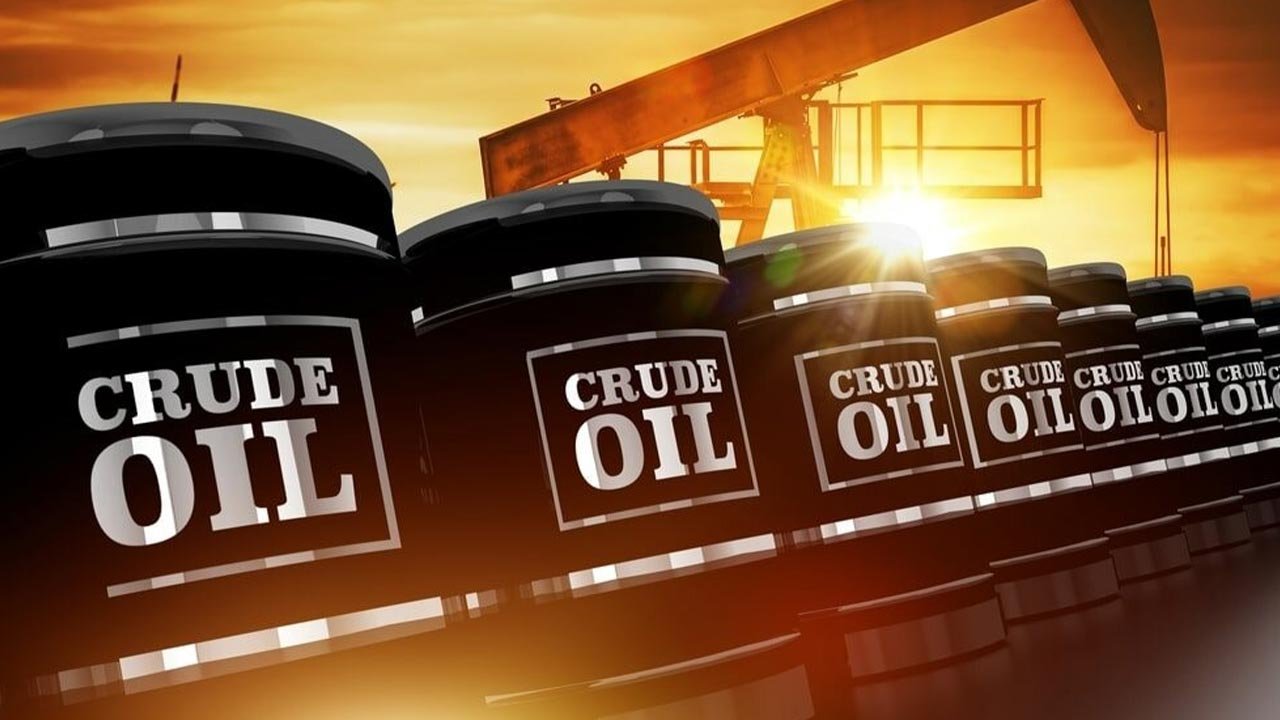
    First-ever discounted Russian crude oil cargo arrives in Karachi

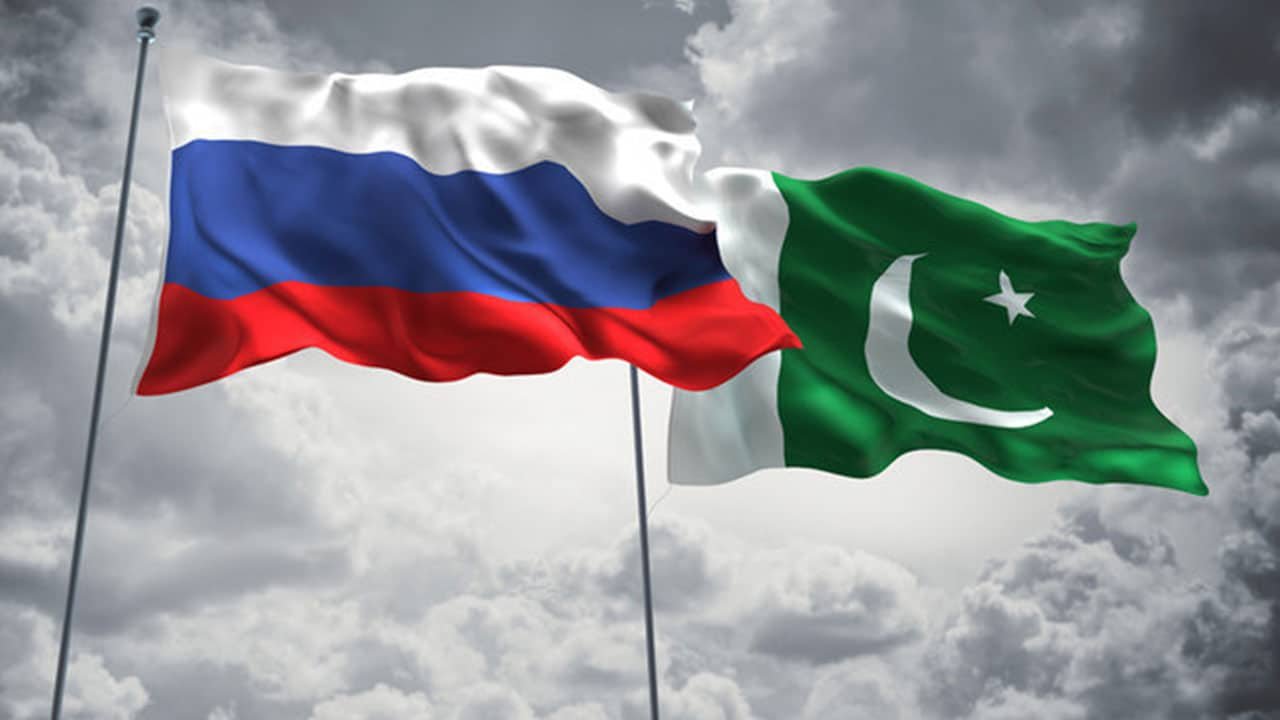
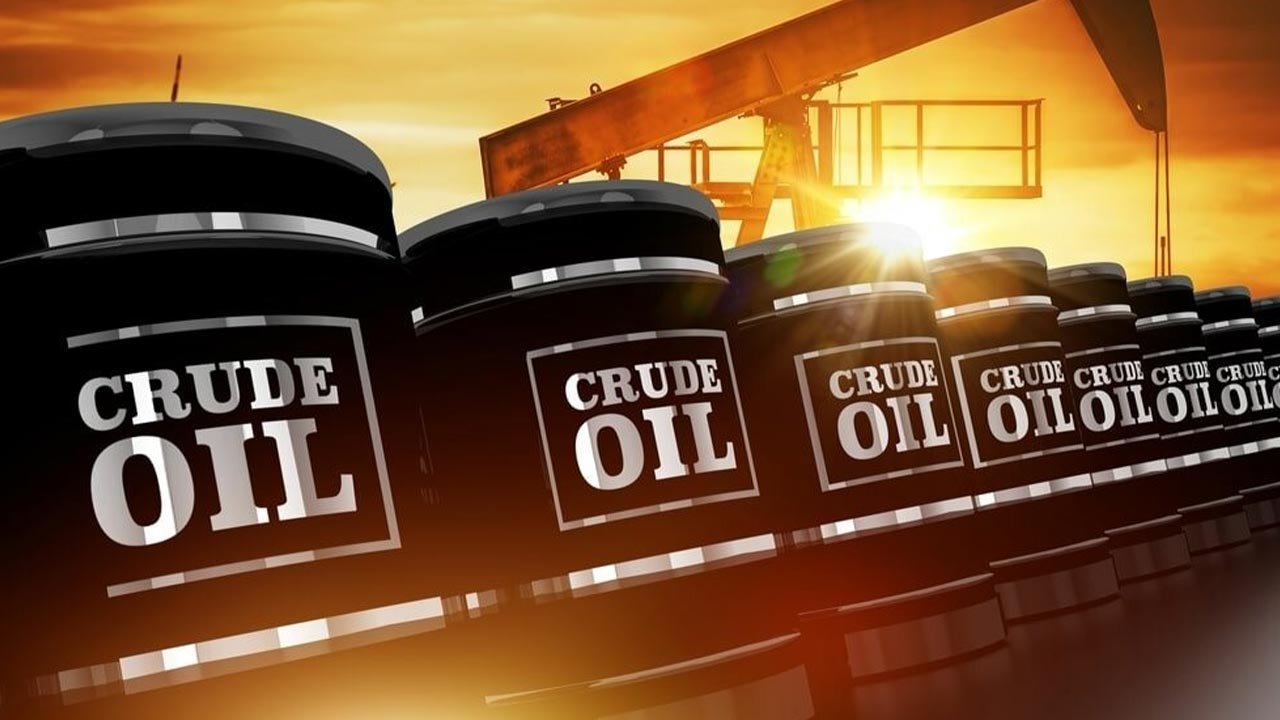
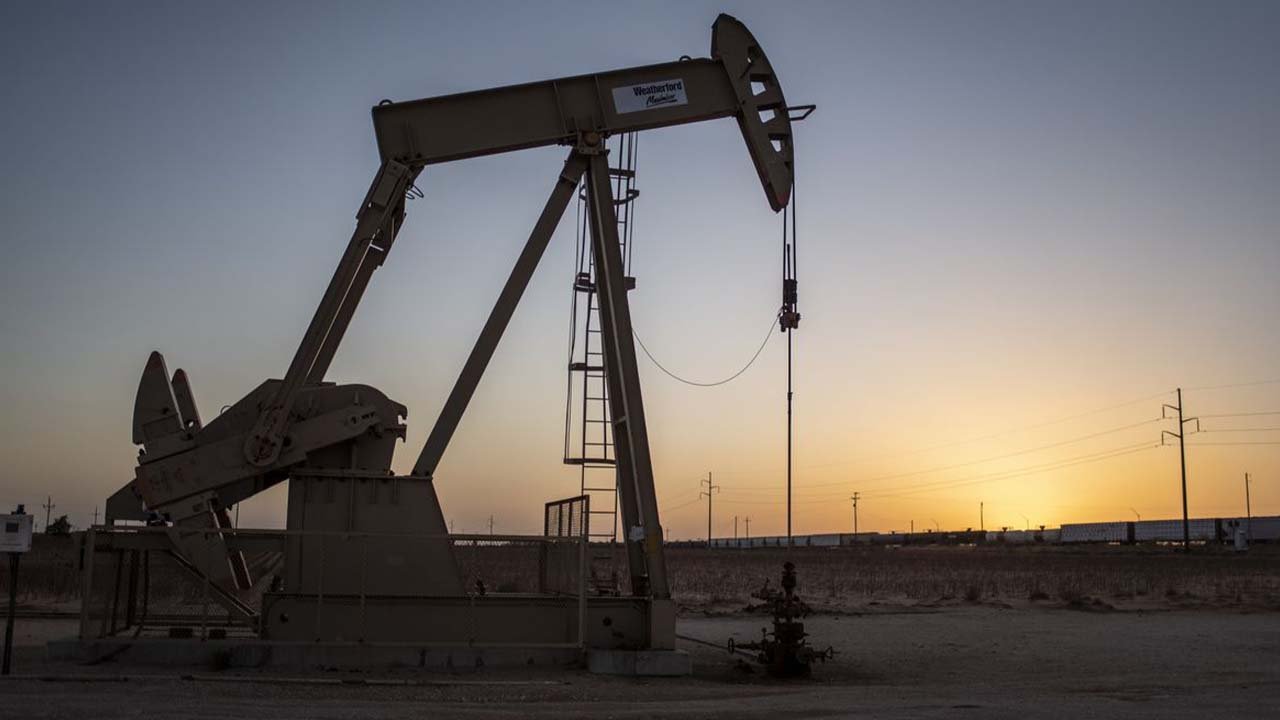
    Under a newly established agreement between Islamabad and Moscow, the inaugural shipment of discounted Russian crude oil arrived in Karachi on Sunday, marking the beginning of enhanced trade relations between the two nations.

    Departing from Russia over a month ago, the oil cargo reached Pakistan via Oman. Officials announced that the unloading process would commence on Monday, with the oil undergoing processing at the Pakistan Refinery Limited (PRL).

    During its lengthy voyage, the 100,000 metric ton oil shipment was divided into two parts in Oman due to the Karachi port’s limited capacity to accommodate larger vessels. Subsequently, two smaller ships, each carrying 50,000 metric tons of oil, embarked on their journey to Karachi.

    Upon the cargo’s arrival, Prime Minister Shehbaz Sharif expressed his enthusiasm on Twitter, describing Sunday as a “transformative day” and affirming the fulfillment of his commitment to the nation.

    He expressed the belief that these developments would contribute incrementally to prosperity, economic growth, energy security, and affordability. The Prime Minister further recognised and commended all those involved in this national endeavor who helped turn the promise of Russian oil imports into reality.

    Sources indicate that this Russian oil shipment will not be subject to the existing domestic oil pricing mechanism in the country. Consequently, the PRL will assume the benefits or losses associated with the Russian oil. Additionally, the sources stated that this shipment serves as a test case to evaluate the quality of the crude oil and the ratio of refined products. A report will be submitted to the federal government to inform future decisions regarding long-term commercial oil agreements.

    Pakistan had secured its order for the initial cargo of Russian crude oil at a discounted rate of up to $18 per barrel. Following the Platts crude oil prices, Islamabad applied a discount ranging from $16 to $18 per barrel, according to insider information.

  • Pakistan and Russia aim to strengthen bilateral relations in trade, investment, and energy sectors

    Pakistan and Russia aim to strengthen bilateral relations in trade, investment, and energy sectors

    In an effort to strengthen bilateral relations between Pakistan and Russia, Chairman Senate Muhammad Sadiq Sanjrani engaged in productive talks with Chairman of the Russian Duma, Mr Volodin, during a delegation-level meeting held in Moscow on Wednesday.

    The discussion encompassed various areas of mutual interest and emphasised the significance of parliamentary exchanges in fostering effective diplomacy.

    A press release issued by the Pakistan embassy in Moscow highlighted the consensus reached during the meeting. Both sides expressed their commitment to enhancing parliamentary interaction between the two nations. This step is expected to bolster bilateral ties and pave the way for increased cooperation in trade, investment, and energy sectors.

    Chairman Sanjrani reiterated Pakistan’s dedication to strengthening relations with Russia across all domains of mutually beneficial cooperation. Trade, investment, and energy were particularly emphasised as key areas for future collaboration.

    The significance of continued cooperation in international forums, such as the United Nations and the Shanghai Cooperation Organisation (SCO), was also acknowledged and agreed upon by both parties.

    During the talks, Chairman Sanjrani extended an invitation from the Speaker of the National Assembly of Pakistan to Chairman Volodin, inviting him to visit Pakistan. In a positive response, Chairman Volodin accepted the invitation, reflecting the willingness of both countries to further solidify their ties.

    The meeting between Chairman Senate Sanjrani and Chairman Volodin serves as a significant milestone in the diplomatic efforts between Pakistan and Russia. It highlights the mutual desire to strengthen bilateral relations and lays the groundwork for increased cooperation in various fields, including trade, investment, and energy.

    The forthcoming visit of Chairman Volodin to Pakistan is expected to further enhance the ties between the two nations and open new avenues for collaboration.

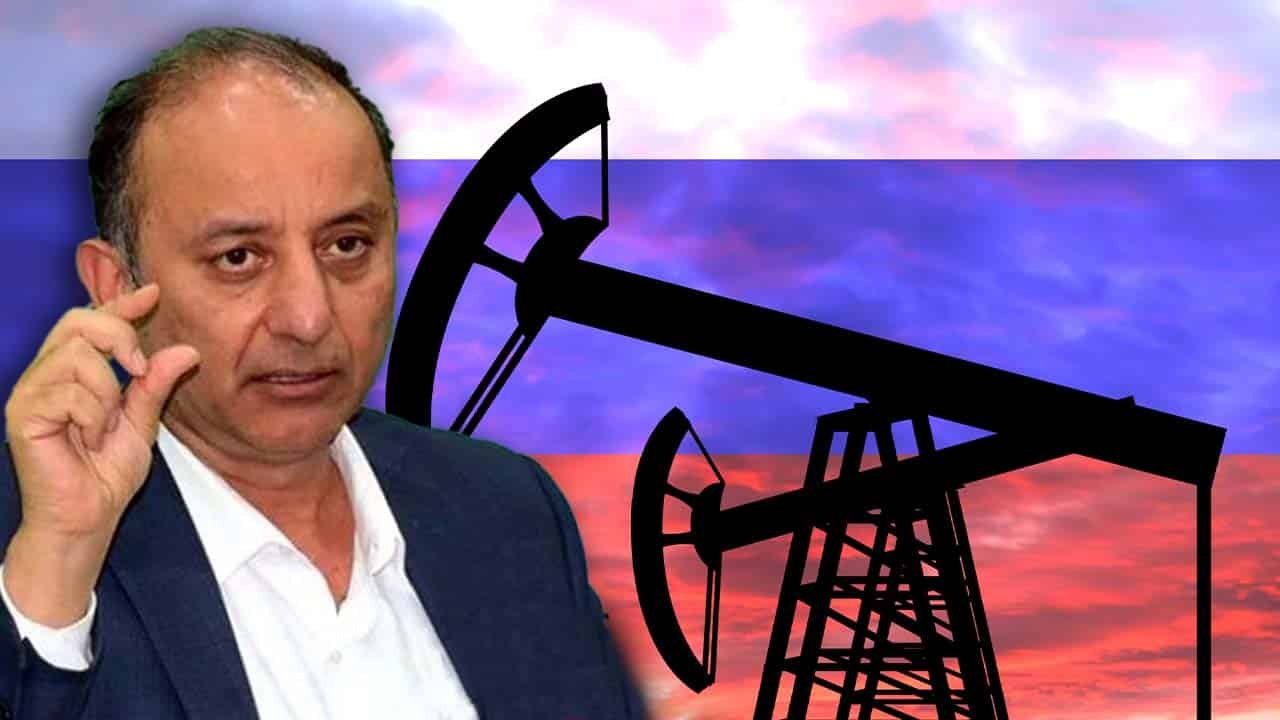
  • Russian oil imports expected to reduce fuel prices slowly, says Musadik Malik

    Russian oil imports expected to reduce fuel prices slowly, says Musadik Malik

    At the Pakistan Energy Conference 2023, Minister of State for Petroleum, Musadik Malik, reassured the nation that the arrival of cheap oil from Russia would eventually lead to a decline in fuel prices. However, he cautioned that an immediate decrease should not be expected until a continuous supply of oil from Moscow is established.

    Minister Malik said that the import of Russian oil was not merely a promise or rhetoric. He confirmed that ships carrying the much-anticipated oil had already reached Oman and would commence supply to Pakistan within a week. While acknowledging that a single shipment would not significantly impact fuel costs, Malik expressed confidence that once a persistent supply was established, the price of fuel would gradually decrease.

    The government’s ambitious objective is to fulfill one-third of Pakistan’s crude oil requirements with affordable oil sources, including imports from Russia. The aim is to address the chronic energy shortages that Pakistan, the world’s fifth most populous country, has been grappling with. Currently, Pakistan imports 84 per cent of its petroleum products, primarily from Gulf Arab allies Saudi Arabia and the United Arab Emirates.

    The import of cheap Russian oil represents one of Pakistan’s strategies to alleviate its energy crisis, as global efforts are underway to restrict Russia’s oil exports due to its invasion of Ukraine. During a visit to the United States earlier this month, Minister Malik confirmed that Pakistan had placed its first order for Russian oil, which is expected to arrive within a month. Upon evaluating the impact of this initial shipment, Pakistan will decide on the extent of future imports.

    When asked about the possibility of pursuing more Russian imports, Malik responded that Pakistan would prioritise cheaper energy sources to meet its energy requirements. The minister further emphasised that the government’s objective was to ensure a sustainable and affordable supply of low-cost energy, highlighting accessibility, sustainability, and affordability as the key pillars of this vision.

    In addition to the import of Russian oil, Malik mentioned the Iran-Pakistan Gas Pipeline project as another avenue to address the country’s energy needs. The government has conveyed to Iran its intention to access energy through the pipeline while remaining responsible and avoiding potential sanctions. Talks are underway with both sanctioning countries and Iran to find a creative solution to this matter.

    With Pakistan eagerly awaiting the arrival of cheap Russian oil, the government remains committed to securing a sustainable and affordable energy supply to meet the needs of its citizens. The gradual decline in fuel prices is expected to provide much-needed relief to the nation, addressing its chronic energy shortages and boosting economic growth in the process.

  • World War 3? Russia says Ukraine tried to kill Putin with drone attack

    World War 3? Russia says Ukraine tried to kill Putin with drone attack

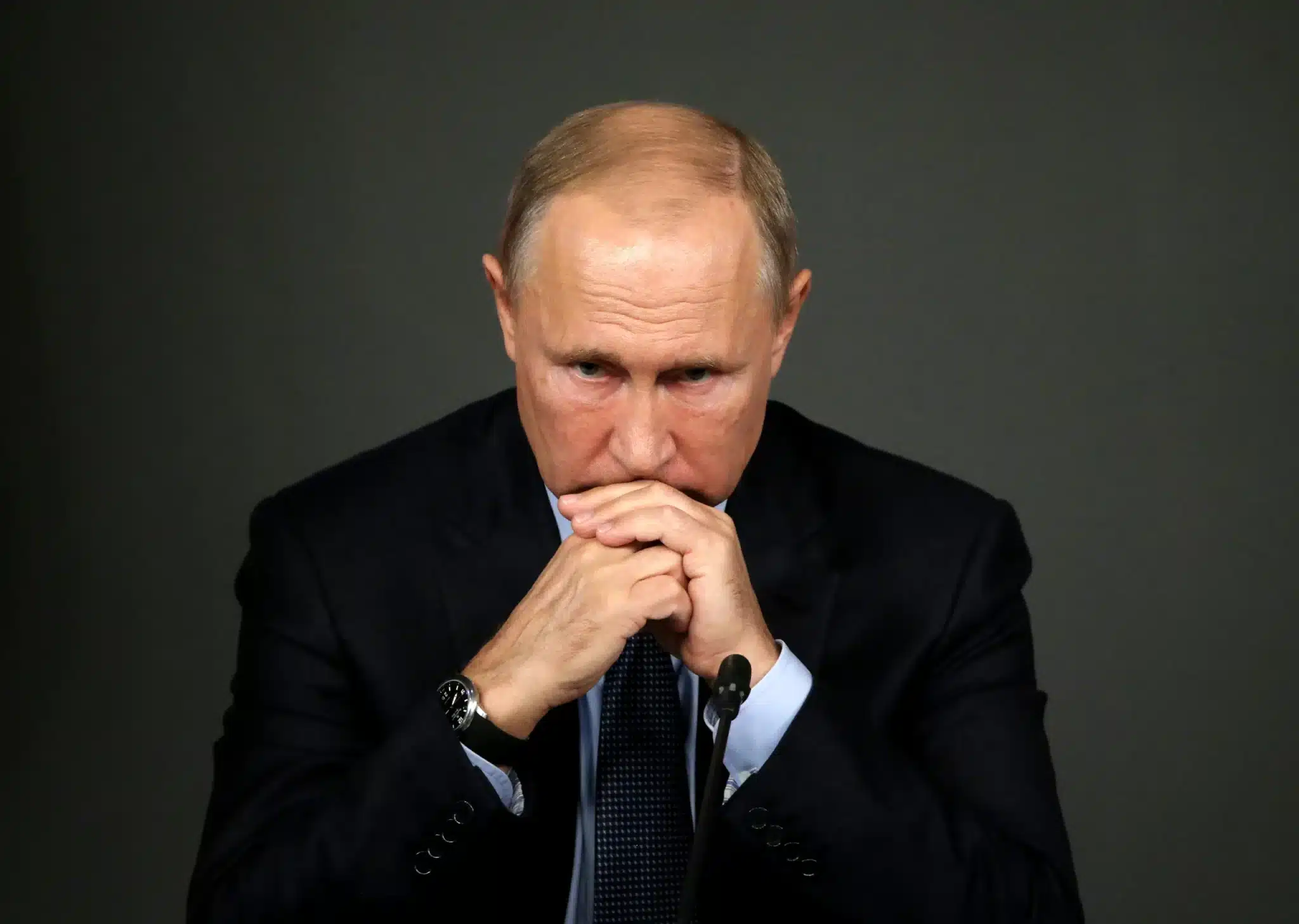
    Russia has accused Ukraine of trying to assassinate President Vladimir Putin by attacking Kremlin with drones.

    The two countries are at war since February 2022.

    In a statement, Russia said that Ukraine attempted to carry out a strike on the Kremlin residence of the President. Kremlin is a large government complex in central Moscow.

    It said it regarded this “as a planned terrorist act and an assassination attempt on the president”.

    Putin himself was not present at the location at the time.

    Ukraine’s President Volodymyr Zelensky denied his country was behind it.

    “We don’t attack Putin or Moscow. We fight on our territory. We are defending our villages and cities,” he said, speaking on a visit to Finland.

    Meanwhile, senior Ukrainian Presidential official Mykhailo Podolyak said the reported incident indicates that “Russia is clearly preparing a large-scale terrorist attack”.

    Last year, despite immense backlash, Russia invaded Ukraine, leading to a bloody war that shows no signs of abating.

  • Russia refuses to give Pakistan 30–40% discount on crude oil

    Russia refuses to give Pakistan 30–40% discount on crude oil

    It appears that talks with Russia came to an end without any conclusion since Moscow has refused to offer Pakistan a 30–40 per cent discount on crude oil, claiming that all volumes were committed.

    During the negotiations, the Pakistani group, which included State Minister for Petroleum Musadik Malik, the joint secretary, and representatives of the Pakistani Embassy in Moscow, sought a reduction.

    However, Russia has pledged to take Pakistan’s request into consideration and to later communicate its opinion through diplomatic channels.

    Nevertheless, according to sources, Russia can provide oil at the rates it is currently offering to its major client countries, which are stable and solid economies, at an appropriate time. All quantities are currently contracted with significant purchasers, they claimed.

    The Russian side urged Pakistan to start by keeping its word over the Pakistan Stream Gas Pipeline, which will be built from Karachi to Lahore, Punjab.

    During the negotiations, the Pakistani side expressed a desire to alter the PSGP project’s model. The Russian side claimed that only a few provisions of the shareholding agreement needed to be finalised and that the model of the project under the GtG arrangement had already been established.

    According to Geo, the official delegation from Pakistan travelled to Moscow on November 29 for a three-day meeting with Russian officials to discuss the possibility of importing crude oil at a reduced price, as well as the mode of payment and shipping costs.

    Russian crude oil may be processed in Pakistan’s refineries, and one private refinery has previously used Russian crude oil to provide completed goods, according to sources in the industry ministry.

  • Pakistani delegation leaves for Russia to hold discussions on cheaper oil

    Pakistani delegation leaves for Russia to hold discussions on cheaper oil

    Minister of State for Petroleum Dr Musadik Malik and the petroleum secretary have flown to Russia to hold talks over oil and gas, a source with knowledge of the situation said on Monday on the condition of anonymity.

    The trip comes as the country struggles to meet domestic gas supply demands as winter approaches while battling to contain a current account deficit swelled by energy payments, mostly for oil.

    Ishaq Dar, the federal minister of finance, had already stated that the delegation will discuss an oil contract with Moscow.

    “We should pray the visit is successful and the government manages to secure a deal on favourable terms and conditions,” Dar said during an interview.

    Given the sharp rise in the cost of energy commodities in recent months, buying Russian oil at lower prices has gained popularity. This has been difficult, especially for emerging economies like Pakistan, whose energy requirements are mostly met by imports of petroleum.

    The State Bank of Pakistan (SBP) said that during the first four months of the current fiscal year, Pakistan imported petroleum products worth $7.547 billion.

    Dar had earlier stated, speaking to a crowd in Dubai on November 13, that Islamabad hoped to clinch an import pact with Moscow on conditions comparable to those of New Delhi. He said that Pakistan could purchase oil from Russia since India was doing the same, and the US had been informed of this.

  • ‘It is over, I want good relations especially with the US’: Khan on his removal

    ‘It is over, I want good relations especially with the US’: Khan on his removal

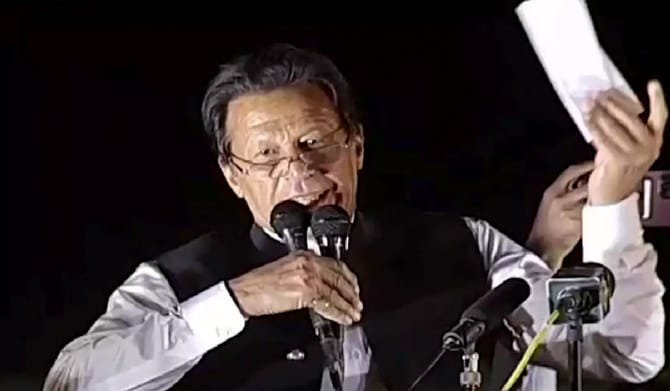
    Chairman of Pakistan Tehreek-e-Insaf (PTI), Imran Khan, has said that he no longer “blames the United States (US)” for engineering the Vote of No Confidence that resulted in his government’s ouster, and wants “dignified” ties with the country if he comes back to power.

    Referring to the alleged conspiracy which the former Prime Minister has insisted upon since April of this year, Khan said that “it was over”, in an interview with the Financial Times.

    “As far as I’m concerned, it’s over; it’s behind me. The Pakistan I want to lead must have good relationships with everyone, especially the United States,” he said.

    “Our relationship with the US has been as of a master-servant relationship, or a master-slave relationship, and we’ve been used like a hired gun. But for that I blame my own governments more than the US,” the former premier added.

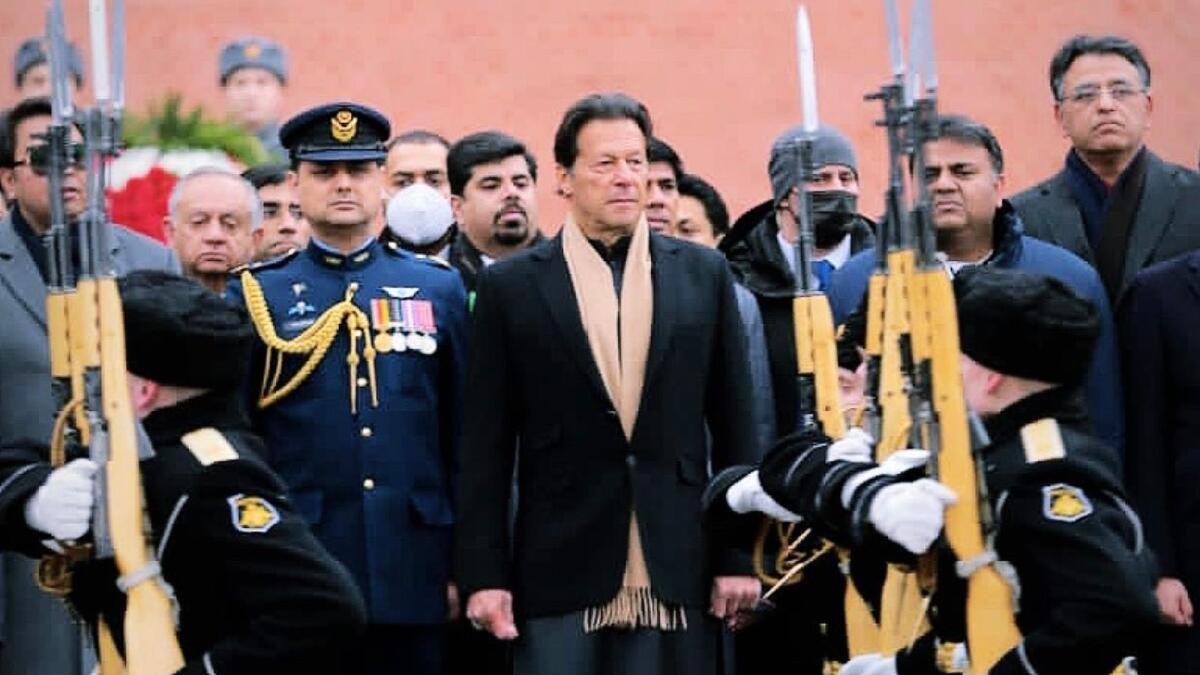
    The former prime minister also termed his visit to Moscow on the eve of the invasion of Ukraine by Russia as “embarrassing”. He, however, added that trip was organised months in advance.

    About the role of the military, he said the army could play a “constructive role” in his future plans for Pakistan.

    The former premier asserted that there should “be a balance” in civil-military ties as “you cannot have an elected government which has responsibility given by the people, while the authority lies somewhere else”.

  • ‘How the hell was I supposed to know?’, Khan defends Russia visit

    ‘How the hell was I supposed to know?’, Khan defends Russia visit

    In an interview with Journalist Mark Austin on Sky News, former Prime Minister (PM) Imran Khan defended his visit to Russia and said that he didn’t know that Russia was going to invade Ukraine when he landed in Moscow. Khan visited Moscow on February 23, a trip that landed him directly into a hotbed of criticism in the international community.

    Khan during the interview said, “How the hell was I supposed to know, the day I landed in Moscow, Putin is going to attack Ukraine? My statement in Moscow was that I have never believed in military solutions so I never endorsed that [Russian invasion of Ukraine]. Ours was a bilateral meeting, it was planned long before. How could you have punished me like that?”

    “I am against all military operations. I was against Iraq War, the Americans going to Afghanistan consistently and I am against military solutions in Ukraine”, he replied when asked about Russia’s aggressive acts in Ukraine.

    Khan once again reiterated that he was removed by the United States (US) and he has a cipher to prove it. The former premier, talking about what was written in the cipher, said, “Unless you remove PM through no-confidence motion there will be consequences for Pakistan, and if you remove him all will be forgiven.”

    I was not elected to correct all the wrongs in the world’: Khan

    During the interview, Khan was asked why he was on friendly terms with countries like China and Russia when they had committed alleged human rights violations. Khan replied and said, “I was elected by 220 million. My first priority was that there are 50 million people in Pakistan below the poverty line, I was not elected to correct all the wrongs that are going on in the world.”

    “My responsibility was to my country and so all my relationships, whether it was with China, with the US, with Russia, were for the benefits of our own people,” he added.

    He, further pointed out that there are atrocities going on in Kashmir, and 100,000 people in Kashmir have died. “Has anyone condemned India for that? No, because India is an ally, allow us to be neutral too so we can look after our people.”

    I am not a spokesperson for Taliban’: Khan

    Answering a question about the concerning situation of women in Taliban-led Afghanistan, Pakistan Tehreek-e-Insaf (PTI) Chairman said Pakistan has never supported the Taliban. He stated: “I am not responsible or a spokesman for the Taliban, if there was any other solution after 20 years of war, you should have found some solution.”

    Twitterati praised Khan for his interview.