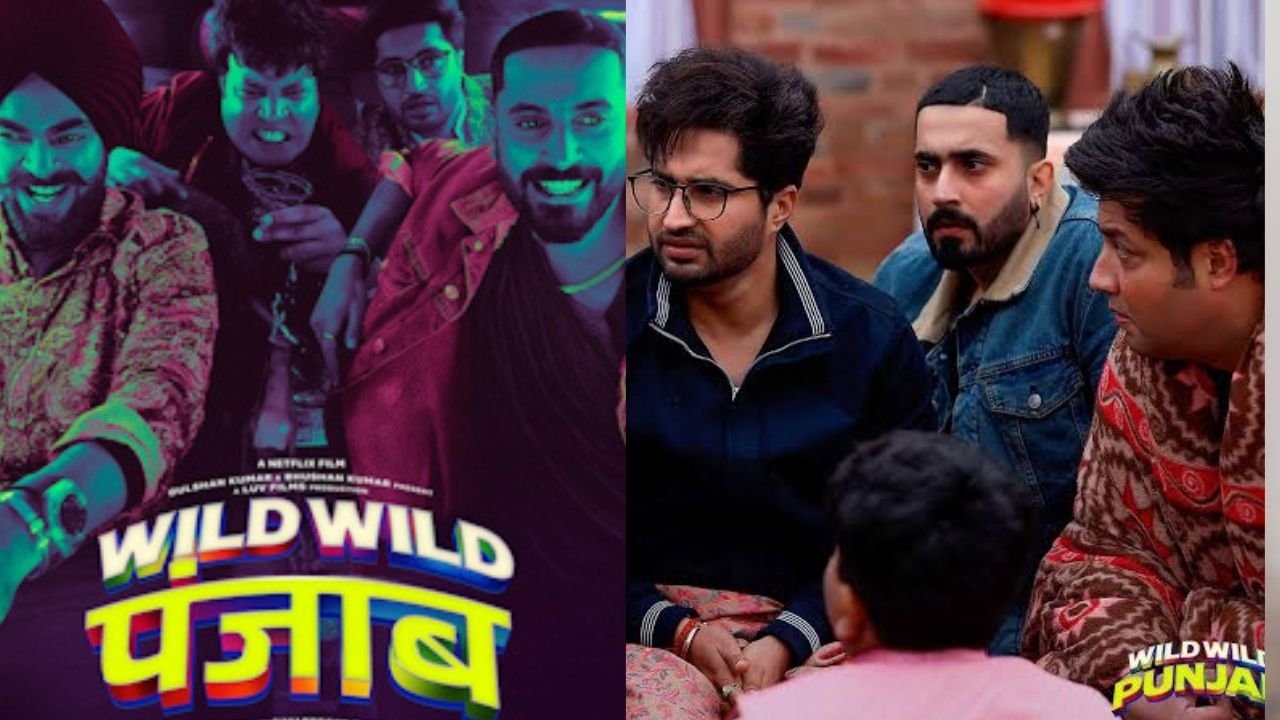
I recently watched ‘Wild Wild Punjab’ on Netflix and thoroughly enjoyed it. The film is the story of a group of friends who embark on a riotous journey to crash their buddy’s ex-girlfriend’s wedding. Determined to seek closure and declare, “I am over you,” they set off on a mission to Pathankot, fueled by heartbreak and a few drinks.The cast, including Varun Sharma, Sunny Singh, Jassie Gill, and Manjot Singh, deliver impressive performances in this comedy. The film’s writers and directors, Luv Ranjan and Simarpreet Singh, deserve credit for giving new faces a chance to shine in roles that fit their characters perfectly.
The story is engaging, with the friends navigating their conflicting desires and misadventures, all while maintaining a light-hearted, comedic tone. The music in the film is exciting and enhances the film’s lively atmosphere. The film features upbeat tracks like ‘Meri Baggi Mera Ghoda’ and ‘Husn Irani,’ which add to the energetic vibe.The film’s message about the importance of friendship and adventure is valuable.
While the friends’ journey is entertaining, it also highlights the significance of embracing life’s chaos and unpredictability.
This could be a one-time watch film recommendation. ‘Wild Wild Punjab’ is a fun, colorful, and heartwarming film that you can enjoy with family but I will not recommend you to watch with family because of the slang language used in the film.
One drawback of the film, in my opinion, after the interval was becoming drag there were some extra scenes.The film can be a little short instead of dragging it.
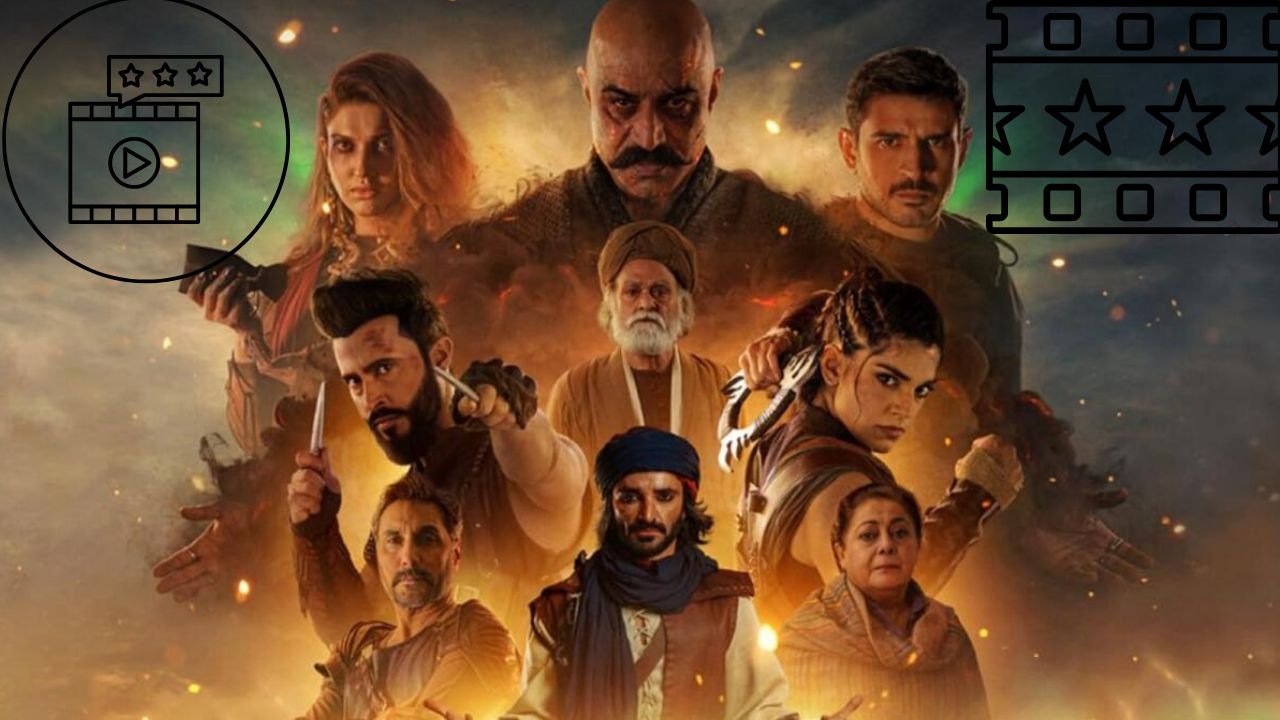
Umr-o-Ayyar is everything I could not have imagined: badly written fanfic and a thrilling display of VFX-laden action unknown to Pakistani films.
Invited to the premier on behalf of The Current, I recalled all I had ever known about the character of Umr-o-Ayyar. Having been an avid reader of the legendary series of Dastaan-e-Ameer-i-Hamza and Talism Hoshruba, I was a fan of the conniving, quirky character of Umr-o-Ayyar, a friend and close confidant of the protagonist, Ameer-i-Hamza, but a legend in himself. The expectations were a little too high. The reality was a bit of a downer.
It was a marriage of convenience between the magical world of Harry Potter and the legendary period drama of Ertugrul.
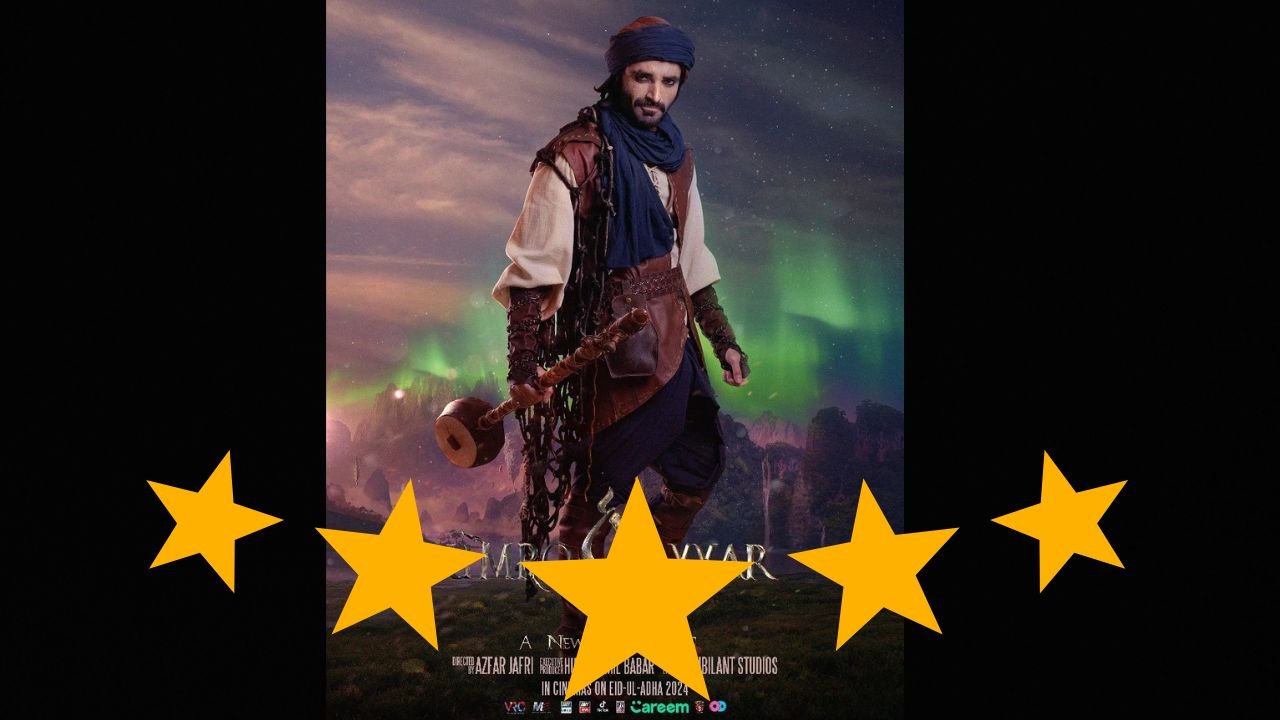
My father, a master in Arabic language and literature, always told me that the name’s correct pronunciation was Ammar-Ayyar and not Umr-o-Ayyar, as per the rules of the Arabic language. Ammar, the protagonist played by Usman Mukhtar, really marked the right box with the name, but unfortunately, that’s about it.
His portrayal of the ‘clueless chosen one’ who remained true to character till the end made him look stupid more than likeable. Just like it was said about Harry Potter that magic still surprised him, Usman embodied the same traits, keeping his quintessential baffled expression intact whether it was his Schrodinger phase or him as an Ayyar.
The hero’s entourage, comprised of Ali Kazmi Salman Shaukat and Sanam Saeed, did leave their mark. It was the story that let them down. Manzar Sehbai’s Guru is there to mentally prepare the chosen, pure-blood Ammar Ayyar just like Master Shifu did with Po in Kung Fu Panda, but his styling, like that of Ertugrul’s Ibn Arabi, seemed out of place in the uber-cool setting. His verbose speeches and boasting of the power to know it all led to an all too predictable ending.
Director Azfar Jafri, known for family entertainers like Janaan and Heer Maan Ja falls short on this period cum super-hero cum action genre. Despite the fact that the two legends featuring the titular character are quite internalised in our language and culture, the movie comes across as an adaption of foreign celluloid. It has elements of Harry Potter’s pure-bloodedness, Voldemort’s black magic, inconsequential mention of physics, a motor-bike chase, Marvel’s VFX, fight sequences, and a world of supernatural elements ironically being dealt with both guns and knives. Consequently, the original plot, if there was any, got lost.
A sign of a flawed storyline is that the movie does not reflect much on the very conflict of the plot as to why the two parties are at war with each other. Ayyars, weak enough to get possessed, riding on bikes, and combating magic with internal powers, guns, and daggers made it all funny, even funnier than the comic reliefs in the film.
The best thing about the movie was the villains. The plot was driven by Sana’s Cheno, inspired by Bellatrix Lestrange, and Laqqa-a desi Voldemort- played by Faran Tahir. They were visibly ominous, and however flawed their dialogues were, their actions made more sense as they acted their part well. At one point in the film, Laqqa, the villain, has his first showdown with Ammar Ayyar, the hero, where the former says to the latter, “I am extremely disappointed after meeting you.” As an audience, you agree with him because such is the extent of Ammar’s incorrigibility. While it is not a well-written character, it performed even worse.
Hamza Ali Abbasi’s styling and acting take the cake. During those five minutes of his guest appearance, you are reminded of the beauty of the original tale. His portrayal of the OG, vivacious and witty Umr-o-Ayyar, who has especially come to knock some sense in the hero, made me reminisce about the accessories he owned, such as “zanbeel,” a satchel he used to carry everywhere that contained all the things under the sun, including the jinns he had entrapped. Alas! Its a lost opportunity.
While the storyline keeps boggling the mind, VFX in the final showdown really gives that larger-than-life experience. It deserves all the praise for being groundbreaking in Pakistani cinema. It’s the story which is the hamartia, a fatal flaw of this presumed epic of a film. The title, Umr-o-Ayyar-A New Beginning, indicates that the makers intend to make a series under the same banner. The next effort should not be as frivolous as this one. Overall, the movie is a good one-time watch that really lacks originality.
Star Cast: Robert Pattinson, Zoë Kravitz, Paul Dano, Jeffrey Wright, John Turturro, Andy Serkis, Colin Farrell
Director: Matt Reeves
The Current: 3.5/5
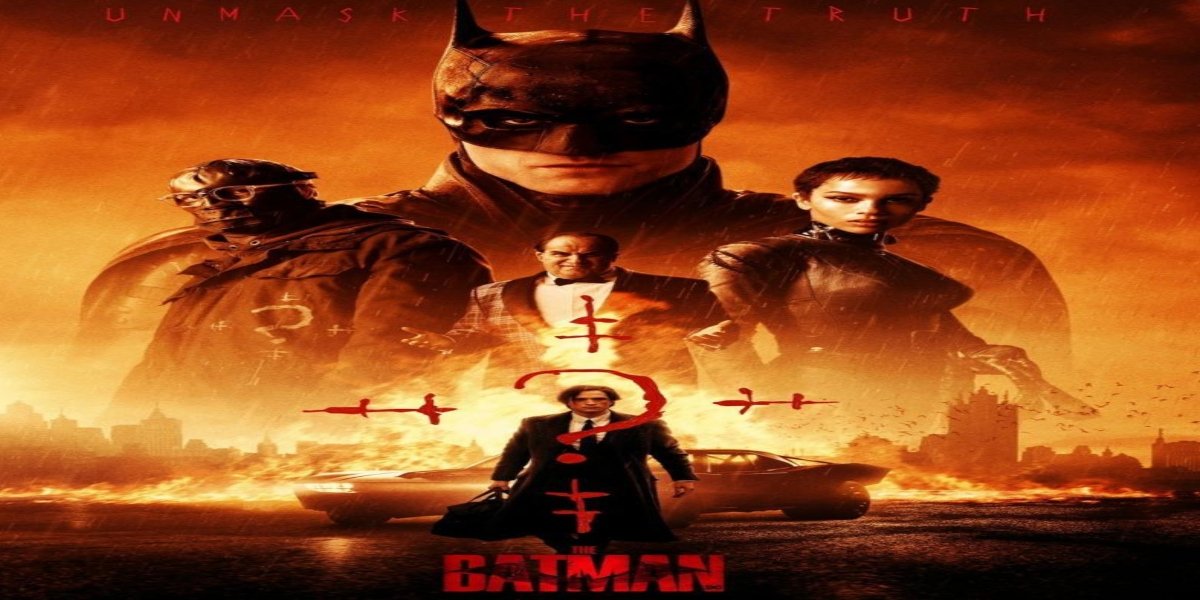
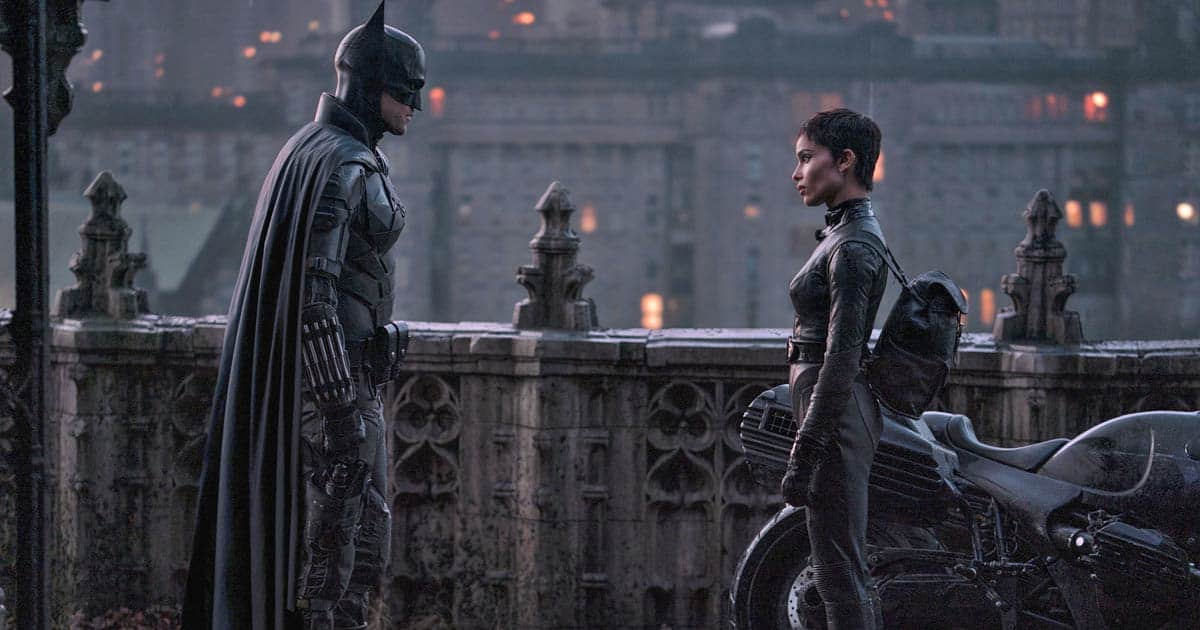
The Batman (Robert Pattinson) teams up with James Gordon (Jeffrey Wright) to solve back-to-back murders of some pretty corrupt people. Every murder comes up with a secret cypher for the Batman when he then solves his during his evening tea with his beloved butler Alfred (Andy Serkis). Now, Batman has to fight a villain whose identity lies in the clues he leaves for the dark knight to reach him. He’s the Riddler (Paul Dano) bringing out probably the most underused shade of Batman’s character i.e. being the world’s greatest detective. As he figures out a way to reach the Riddler, he soft-lands on Selina aka Catwoman aka Bat’s Cat (Zoë Kravitz). Aiming towards achieving a mutual goal, they get together to reach the end of all the mishaps happening in the city. Do they succeed?
When Matt Reeves denied using the script already sculpted by Ben Affleck, he told he didn’t want his version of the defender of Gotham to come with the burden of a shared universe. This decision has made Batman, what it is today. Reeves, Peter Craig’s story stretches to almost touching the 3-hour mark, but boy is this the first time I’ve sat through a 3-hour film without keeping a track of the time even once? Because Reeves shared the universe, he optimistically presents a more authentic touch to a story that’s partially known to everyone.
Reeves’ Batman isn’t your next door billionaire, he’s internally broken showing more of what he’s within rather than the blingy stuff outside. Because the outside world, as captured by Greig Fraser’s camera, is so ill-lighted. Fraser masters his focus point only at the things he wants you to see, almost defocusing everything else. William Hoy & Tyler Nelson are the magicians who keep the film just under the 3-hour-mark with their editing prowess. They retain the slow-burning essence (pun intended!) of the script by keeping you intrigued despite spending 176 minutes on your a** (that’s if you’re lucky enough to not get an abrupt break as we do here in India).
Performances
Robert Pattinson shines in the film and is the one who looks the most like Batman from the comics, Reeves’ bleakly vision adds to the charm that Robert brings on screen. With minimal facial expression the actor manages to leave a mark and looks intimidating and pleasant at the same time.
Zoë Kravitz in a scene buries her claws into a bad man’s face and that’s where you see the most amount of Catwoman in her. She once joked she used to drink milk from a bowl to understand the psyche of a cat, and with those smoky, cat eyes of her, Zoë manages to embody the feline flexibility so well with her actions.
Paul Dano as Riddler plays as much behind the mask as he does after stripping it off. Matt Reeves has always mentioned how he wanted to explore the ‘detective’ side of the superhero, he couldn’t have asked for a better antagonist than Riddler to test the caped crusader. The ambiguity built around Dano’s aura gives him another layer to add the surprising factor in his performance. The whole ‘he can do anything at any given time’ works majorly towards making him terrorising.
Colin Farrell is in great form and does complete justice to his character. He doesn’t go all ballistic as Penguins of the past, but his accent adds to the peculiarity he brings in. Andy Serkis as Alfred gets to get closest to the Batman than ever before. Serkis maintains the subtlety of Alfred along with the emotions that come with him after being together with someone for years. John Turturro as Falcone has a short yet pretty sweet role anchoring the dim nature of the script.
Some of the riddles throughout the film could’ve been more engaging, it’s the process that shines bright amid the darkness. Reeves keeps everything extremely gothic yet stylish using various camera tricks of defocusing things.
Highlighting the entire screenplay with two major colours of Red & Black, he doesn’t make you crave for colours as he traps you in his otherworldly world. He focuses more on his Bat being ‘the greatest detective’ and less of the usual American playboy, philanthropist, and industrialist he has been before.
Michael Giacchino takes the baton from the likes of Hans Zimmer, Danny Elfman, Elliot Goldenthal resulting in one hell of a haunting soundtrack. While peeing in the washroom during the interval, I could still listen to the background score but then I realised it was coming from the speakers (but, you do get my point here?). Nirvana’s ‘Something In The Way’ plays an important role as Giacchino smartly weaves some of the song’s notes into Batman’s theme.
So, the song is present throughout the film, at times with lyrics and other times just the notes. A line such as “Underneath the bridge, the tarp has sprung a leak, and the animals I’ve trapped, have all become my pets,” just describes the soul of Batman.
After the success of Sacred Games and Mirzapur, political and crime thrillers set in the corridors of power have become a thing in Bollywood. Indian politics has a history of being mired in plenty of controversy, drama and action and provides ample inspiration for gripping political dramas – one that will keep audiences engaged throughout the runtime.
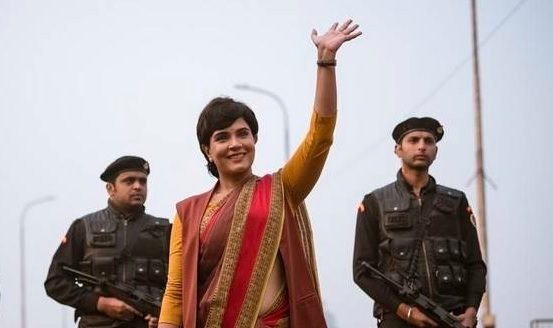
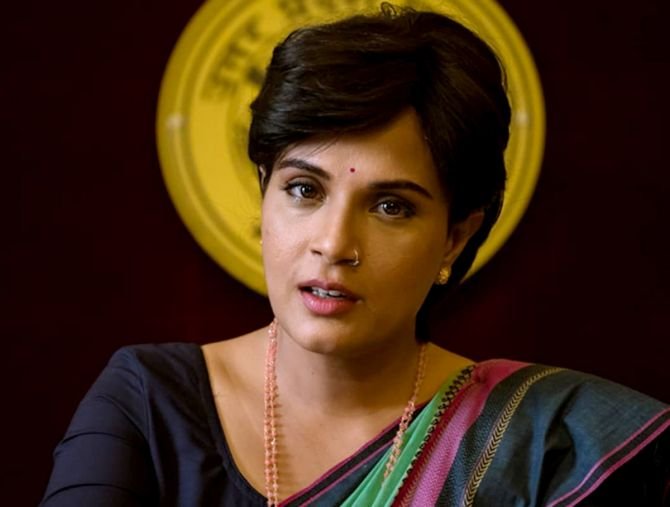
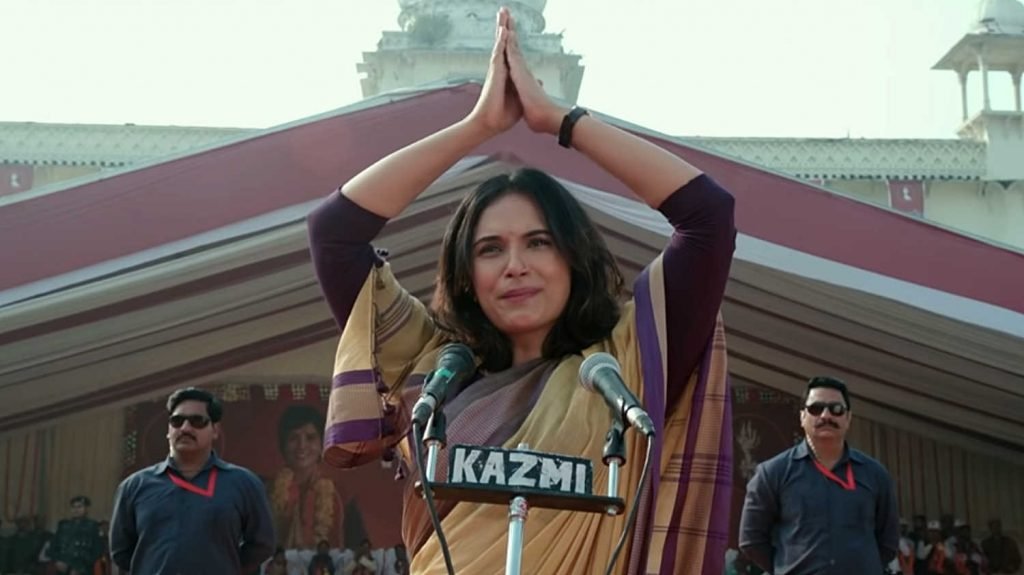
Madam Chief Minister featuring Richa Chaddha in the lead is the latest political drama to come out of Bollywood and while it may not be able to match the class and finesse of Raajneeti or Tandav, it follows closely behind and is an entertaining watch, though a little devoid of logic at places.
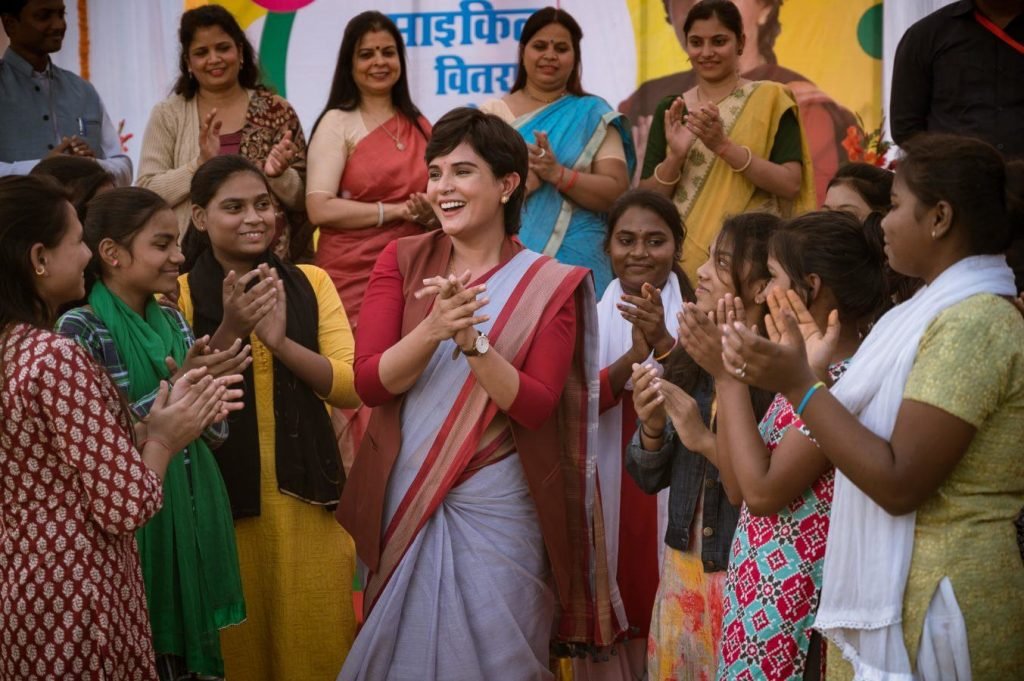
Set in Uttar Pradesh (UP), Madam Chief Minister follows an ambitious, young Dalit woman Tara Roopram (Chaddha) and her journey to becoming the Chief Minister of India’s most populous province. However, it doesn’t stop there. The film also shows Tara as she manoeuvres the ‘kursi‘ battling misogynist and racist allies and opposition.
According to reports in the Indian media, the plot of the film has been loosely inspired by the life and political career of Mayawati, India’s first Dalit chief minister. Dalits are a marginalised community and a Scheduled Caste in India and are considered to be ‘untouchables’. She was also the youngest chief minister in the history of UP and her rise in the world of politics was referred to as a “miracle of the democracy” by former Prime Minister PV Narsimha Rao. Other characters, including Tara’s mentor Master Surajbhan (Saurabh Shukla) have also been inspired by Maya’s close associates. Master Surajbhan’s character has purportedly been based on the founder of the Bahujan Samaj Party Kanshi Ram. Nonetheless, creative liberty has been taken and Tara was given a husband, though Mayawati chose to remain unmarried.
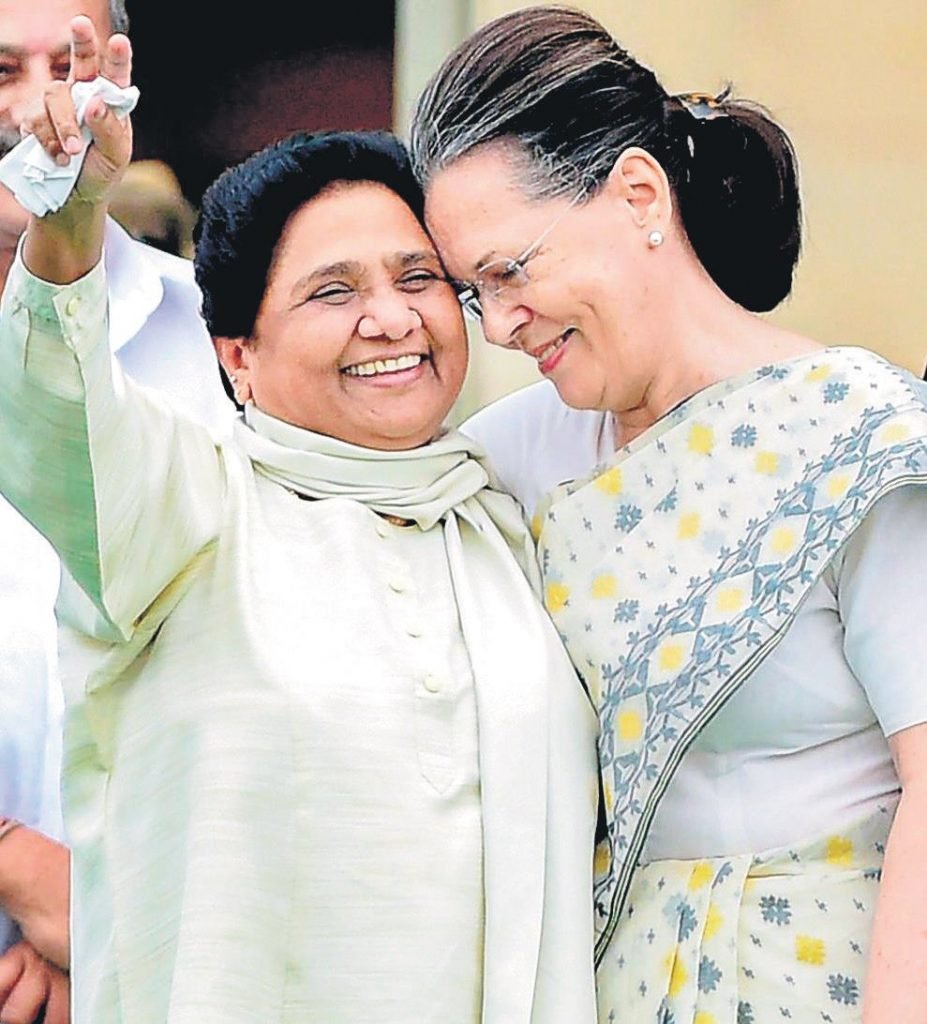
Mayawati with Sonia Gandhi
While Chadda gave a solid performance as Tara and shouldered the role well, it was Manav Kaul, who shines as Danish Rehman Khan, Tara’s secretary and later husband. His performance, especially in the second half of the film was strong.
Written and directed by Shubash Kapoor, Madam Chief Minister is ambitious given how the makers tried to squeeze a lot into just two hours. The writing was weak with too many jumps, leaving plenty to be desired. However, it was entertaining, gripping and feel-good – especially where seeing a woman shine in the male-dominated world of politics is concerned.
On a parting note, the film doesn’t appear to have a very high budget which makes you wonder why Pakistan does not attempt to produce such thrillers. Not only are they entertaining but they also subtly pass messages and challenge societal norms.
Madam Chief Minister is currently trending in the top 10 on Netflix Pakistan.
To meet the ever-growing demand for new and fresh content, Netflix has started bringing in pre-streaming platforms and classic films, giving older people a chance to revisit their teenage years and youngsters a glimpse into how films were before the smartphone took over. This week Amanda Bynes and Colin Firth’s What a Girl Wants hit Netflix and the film is already trending on number seven in Pakistan.
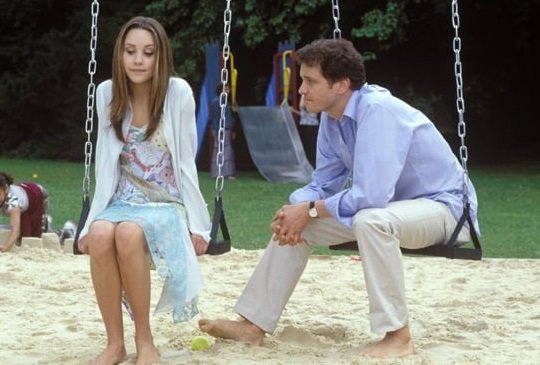
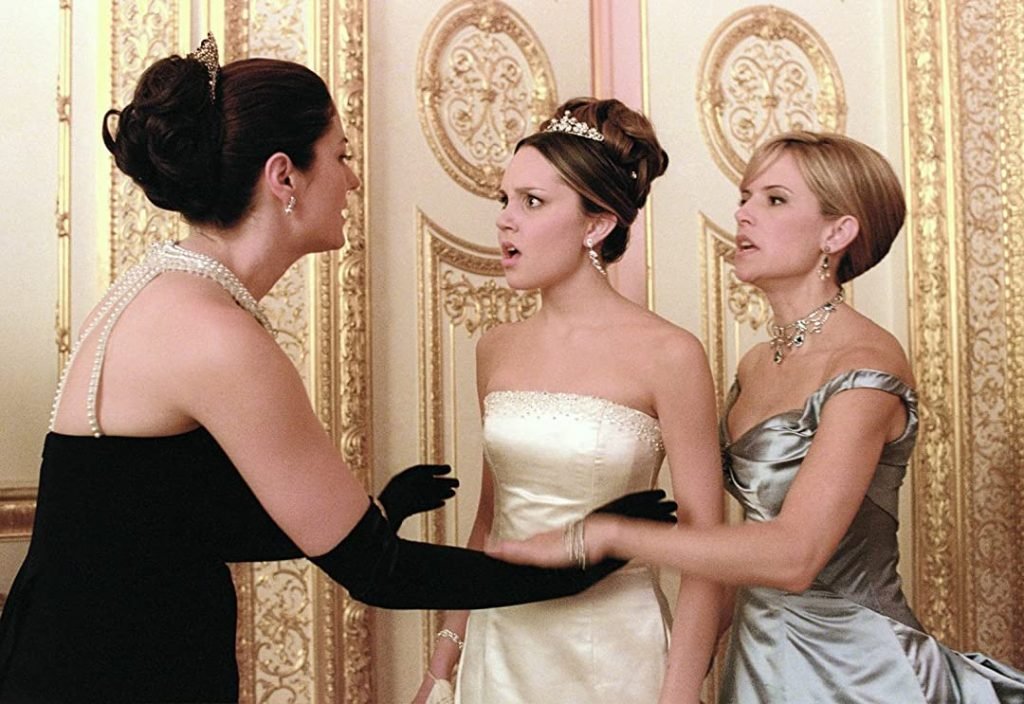
The premise of What a Girl Wants is as simple. A young teenager Daphne (Bynes) living in New York with her single mother, on her 17th birthday decides that she is done waiting for her father to come, so she decides to fly across the Atlantic to London to find her father Lord Henry Dashwood (Firth). Her parents had been pulled apart before her birth by external forces and Henry had no idea that he had fathered a child. Naturally, when Daphne turns up on his doorstep, he is shocked and turns her away – more so at the behest of his evil fiancée Glynis – but Daphne’s grandmother takes her in. Over the course of the film, the father-daughter get to know each other, realising how similar they actually are. And as Henry put it, they both have the same eyes.
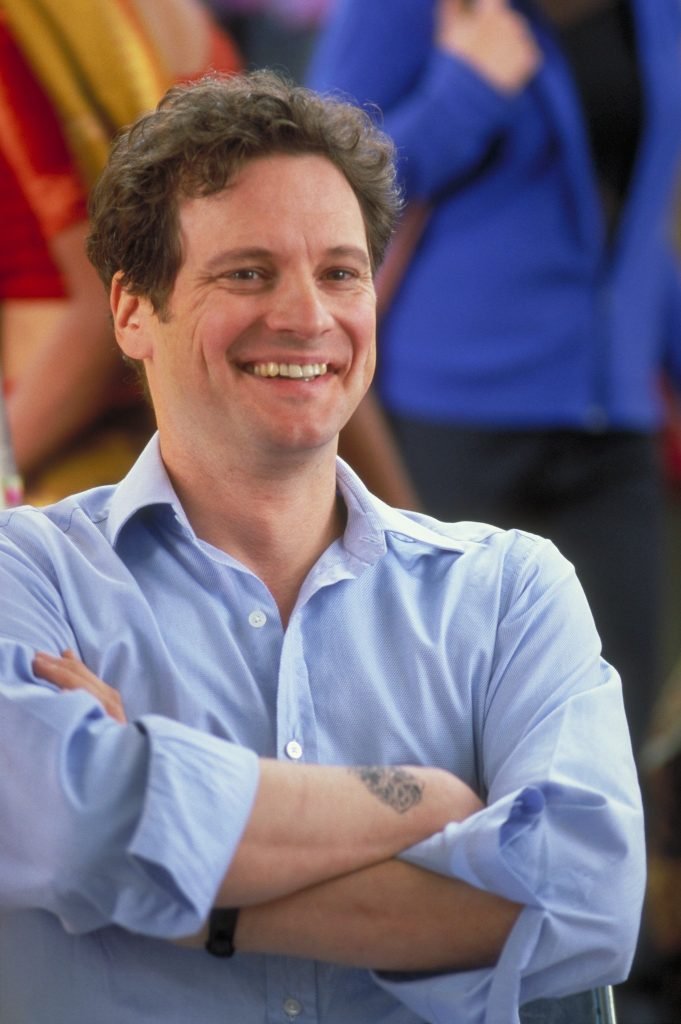
What a Girl Wants is warm, fuzzy and strikes all the right chords. The film will instantly make you want to give your father a hug and cherish your relationship with him. It has all the qualities of a feel-good movie but the cherry on top is Firth’s performance. The English actor may be more popular for his role as Mr Darcy in Bridget Jones Diary or as King George VI in The King’s Speech, but his performance in What a Girl Wants will tug at your heartstrings.
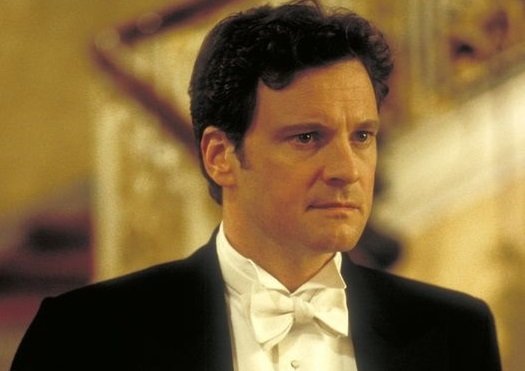
Firth is perfect as Lord Dashwood, a man who put forward his duties above his own feelings. He is endearing yet aristocratic at the same time and looks like an absolute dream. The way Firth plays with the character as it evolves is noteworthy. My favourite scene has to be the one on which he speeds away in an “indecorous” fashion with Daphne on a motorbike in a bid to evade the paparazzi.
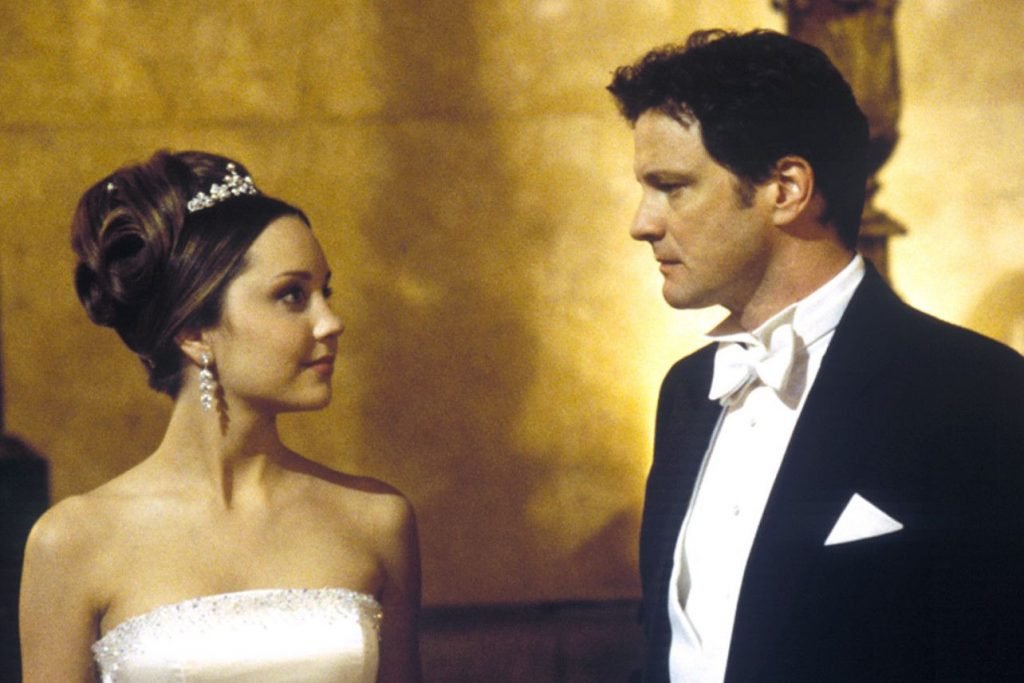
Firth also shares great chemistry with Bynes which is also one of the reasons why the film manages to keep audiences entertained throughout the film.
What a Girl Wants is easy, charming and will give you a good laugh during this dark, pandemic-striken time.
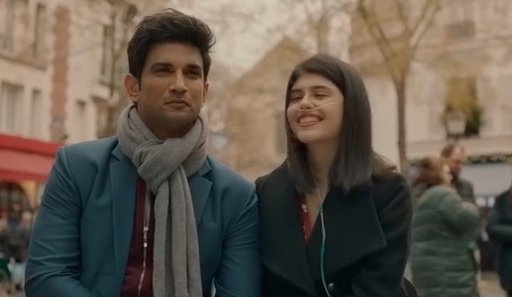
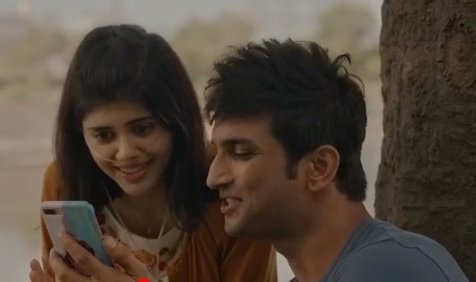
There are often times in life when you’re at loss for words. And writing this review is one of those moments because there is so much to say but no words to express my emotions. Sushant Singh Rajput passed away on June 14 due to suicide but the mystery surrounding his sudden death remains, leaving one restless and searching for answers. His unexpected death impacted Bollywood fans across the world in a way no one could have imagined. In midst of all this, Disney Hotstar announced that they would release the actor’s last film digitally on their streaming platform and make it available to everyone with the aim to celebrate his life and legacy. The move was welcomed by his fans as they felt that the film would give them the closure they have been searching for. But unfortunately, the film ends up widening the void instead of closing it because, by the time the credits roll in, you’re emotional, teary-eyed and wishing that the film would never end because you just want to continue watching Sushant weave his magic on screen.
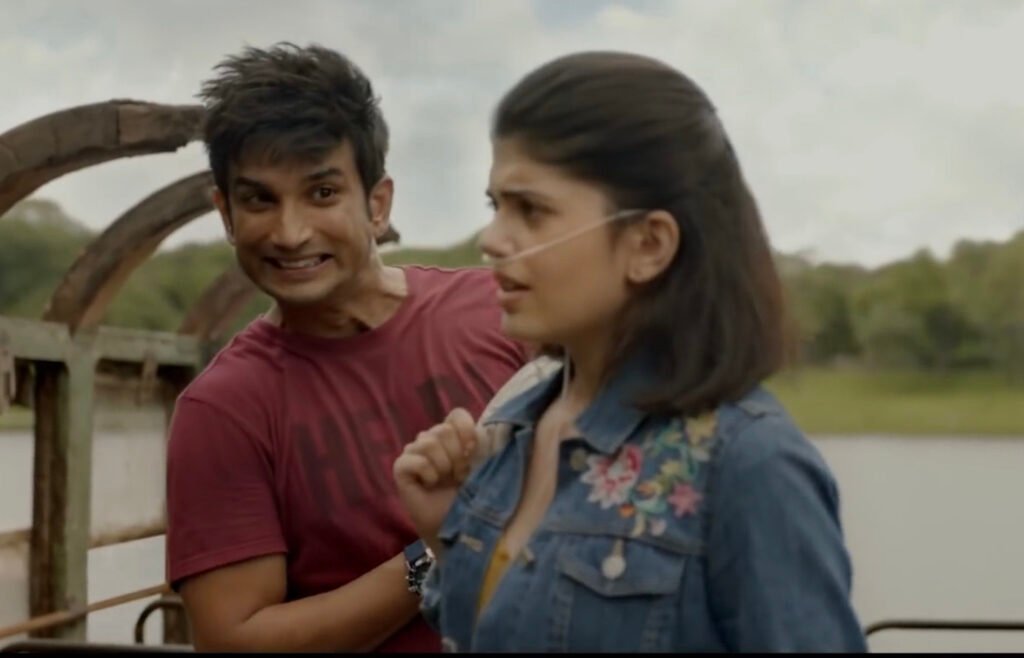
Dil Bechara is the official Hindi adaption of The Fault in Our Stars. It is the story of two cancer patients Kizie and Manny, whose paths cross at a cancer support group. Though Kizie initially finds Manny ‘irritating and annoying’, Manny with his goofy antics soon becomes the centre of Kizie’s universe. He makes her laugh and forget her worries and gives her ‘boring’ life a whole new meaning. The two bond over music and movies and become inseparable. But life throws them another curveball and Manny, whose cancer was believed to have gone, returns leaving him terminally ill.
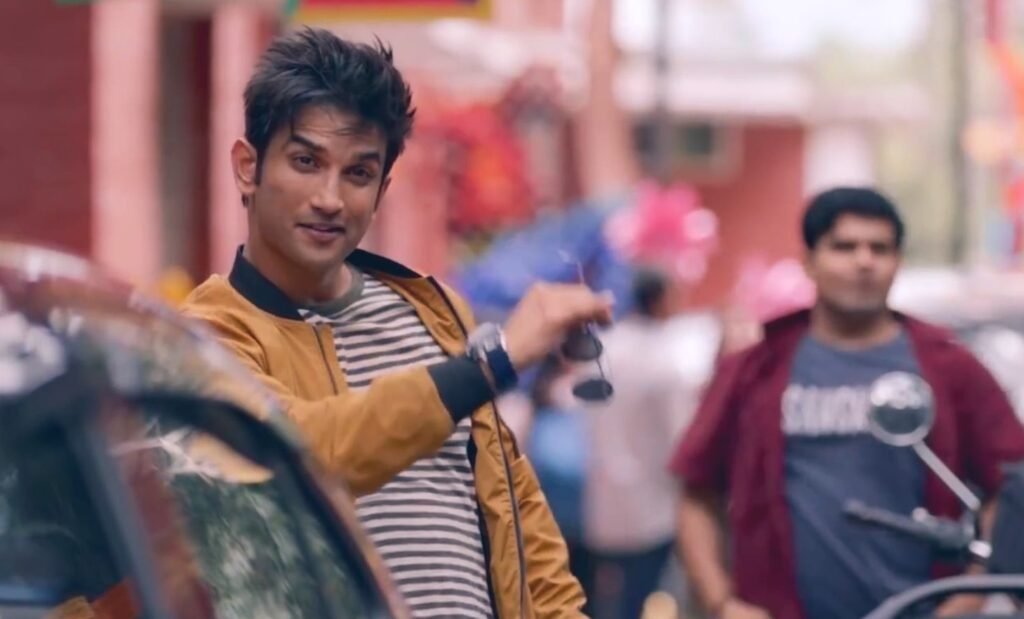
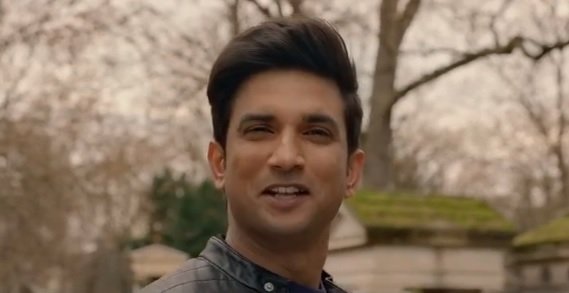
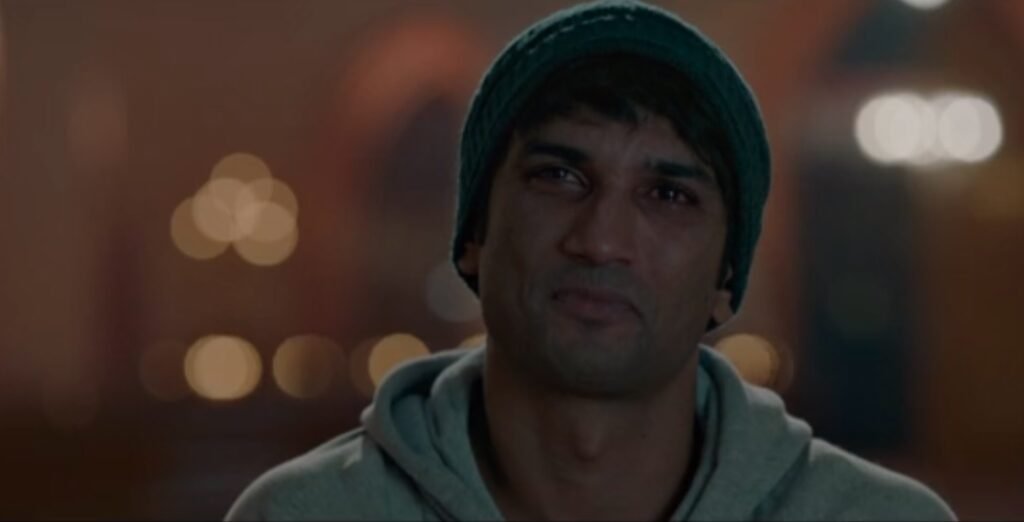
While Dil Bechara Sushant’s last film, it is debutante Sanjana Sanghani’s first film and also marks the directorial debut of renowned casting director Mukesh Chhabra. Sanjana makes a sound debut and is confident in her role but for me, the film is only Sushant, who steals the shows with his infectious smile and on-screen presence. From the minute he comes on the screen to the minute he says Seri in the last shot, my eyes were glued to him throughout and I wished the film didn’t end. A master performer, Sushant did not let his fans down with his swan song. His expressions and body language were brilliant and he slipped into Manny’s character with finesse.
Given the circumstances surrounding the film’s release, emotions are naturally running high and it is impossible to not relate Sushant’s untimely death with Manny’s. In particular, the last scene, when everyone gathers to watch Manny’s film. At that point, the lines between real and reel were so blurred you forgot you were watching a movie because everything just felt so real.
The last scene
A.R Rahman’s music beautifully blended in with the mood of the film and the setting of the frames, giving the film a magical touch. My personal favourite from the album has to be Main Tumhara.
Some of the film’s dialogues were also amazing and I see them becoming a thing. One of them – “Jeena kab hai aur marna kab hai yeh hum decide nahi kartay, laikin jeena kaisay hain, yeh hum decide kar saktay hain” – has already become iconic and synonymous with Sushant.
As much as I want to only heap praises on the film for having its heart in the right place and being a touching watch, it would be unfair to ignore its shortcomings which mainly lied in the direction and editing. The story and characters are underdeveloped, especially Manny’s. All through the film, I kept waiting for a backstory on Manny – just some basic details would have sufficed. However, apart from the fact that he’s rich and doesn’t need to work, we don’t get much on Manny or his family. Sushant’s portrayal of Manny was the only saving grace of an otherwise poorly written character.
More so, the editing is choppy and appears to have been lazily done. Given that the film was a tribute to Sushant, I wish the makers had put in more effort in post-production. The film currently runs for one hour forty minutes and could have easily been stretched to two hours to tie up loose ends.
Since its release, I’ve watched Dil Bechara twice and will perhaps watch it a couple of times more but only for Sushant. He effortlessly carried the weight of the entire film and pulled it through despite its shortcomings. Sushant lit up the screen every time he made an appearance and I wish the film was longer so he could have stayed with us more.