Tag: MPC

  • SBP expected to cut policy rate on Monday

    SBP expected to cut policy rate on Monday

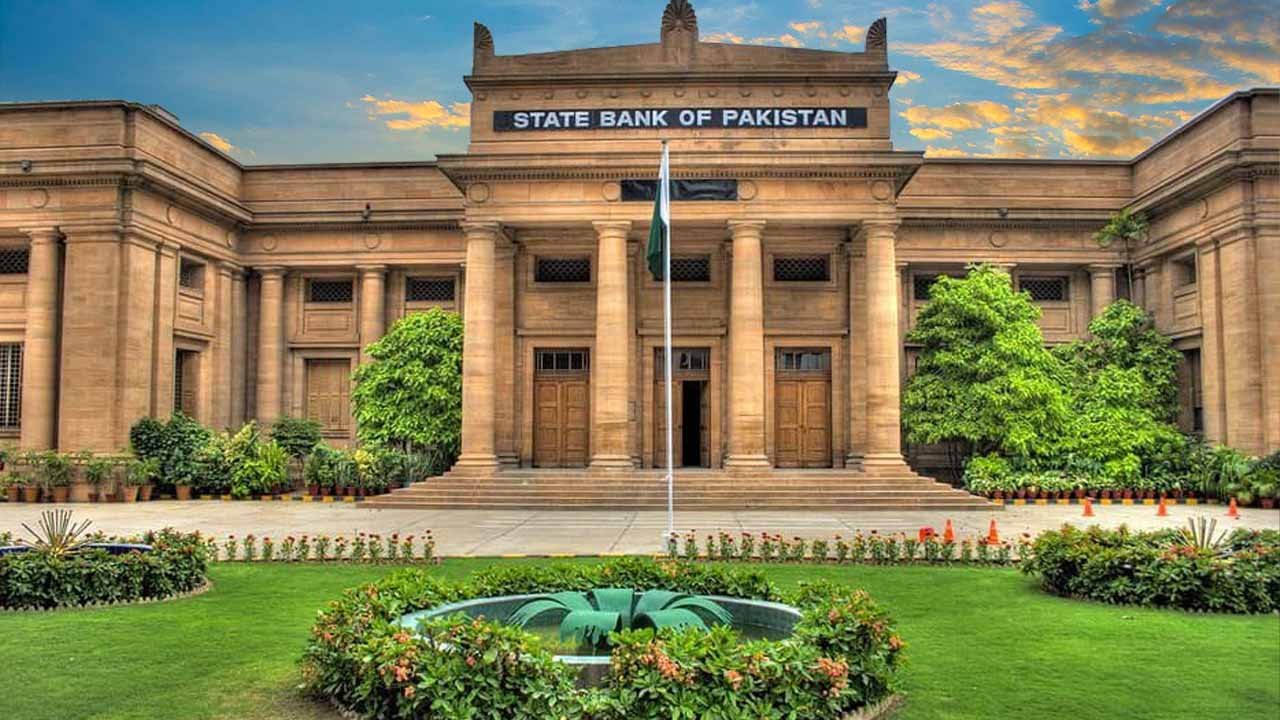
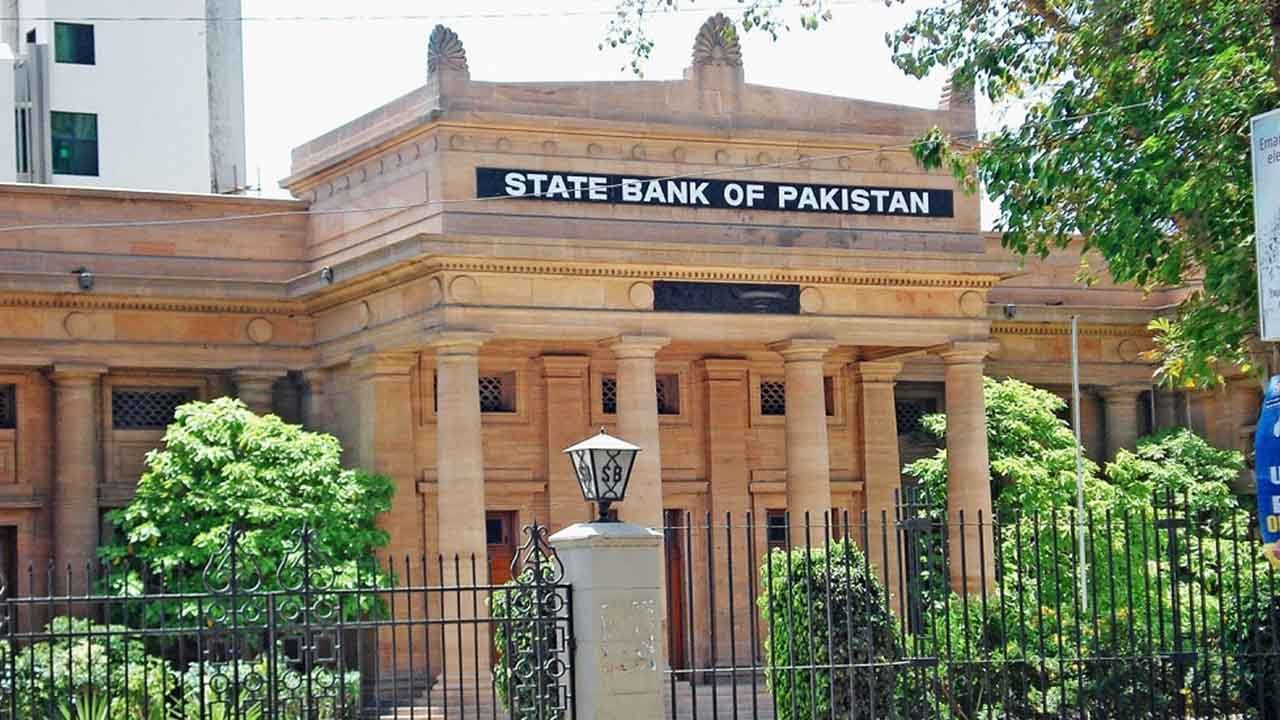
    The Monetary Policy Committee (MPC) of the State Bank of Pakistan (SBP) is scheduled to convene on Monday, June 10, to deliberate on the nation’s monetary policy. This crucial meeting will be closely watched by market participants and economic analysts.

    Following the MPC meeting, the SBP is expected to release its monetary policy statement via a press release later the same day.

    In the most recent MPC meeting held on April 29, the committee opted to maintain the interest rates at a historic high of 22 per cent, marking the seventh consecutive meeting where rates remained unchanged.

    Speculation is rife among market analysts that the SBP may reduce its policy rate by 100 basis points (bps). If this anticipated reduction materialises, it would be the first rate cut in nearly four years, signalling a potential shift in the SBP’s approach after an extended period of stringent measures aimed at combating rampant inflation.

    The MPC’s decision is set to precede the announcement of the federal budget for 2024-25, adding further significance to Monday’s meeting.

    A potential rate cut could indicate a strategic move to stimulate economic growth and provide relief to businesses and consumers alike in the run-up to the new fiscal year.
  • Pakistan’s inflation eases with further decline expected in coming months

    Pakistan’s inflation eases with further decline expected in coming months

    Pakistan’s headline inflation is expected to range between 18.5 per cent and 19.5 per cent in April 2024, with further deceleration projected in the coming months.

    The Finance Division’s ‘Monthly Economic Update and Outlook’ attributes the downward trend to a favourable base effect, improved domestic supply chains, and administrative measures.

    In March, headline inflation stood at 20.7 per cent, down from 23.1 per cent in February. Despite this easing, the government faces challenges, such as rising crude oil prices on the international market, leading to increased domestic gasoline prices. To offset this, the government has lowered wheat flour prices and imposed stricter controls.

    The Finance Division notes moderate recovery during the first nine months of the fiscal year, with growth in agriculture, a decrease in inflationary pressures, and stability in external accounts. The large-scale manufacturing (LSM) sector also shows positive signs, thanks to improved agricultural output and export demand.

    However, the report acknowledges challenges in fiscal management due to rising expenditure pressures from higher markup payments. To maintain stability, fiscal consolidation is required.

    The State Bank of Pakistan’s Monetary Policy Committee (MPC) recently kept the key policy rate at 22 per cent, citing ongoing risks to inflation from global oil prices and anticipated budget measures. The MPC’s goal is to bring inflation down to 5-7 per cent by September 2025.

    Pakistan’s broader economic struggles include pressure on external accounts and low foreign exchange reserves.

    The International Monetary Fund’s (IMF) $3-billion Stand-By Arrangement (SBA) has provided some relief, but Pakistan is seeking a longer-term programme with the IMF for economic stability and growth.

  • SBP holds key policy rate at 22% for seventh consecutive time

    SBP holds key policy rate at 22% for seventh consecutive time

    The State Bank of Pakistan (SBP) announced on Monday that it is maintaining its key policy rate at 22 per cent, marking the seventh consecutive meeting with no changes to the rate.

    The Monetary Policy Committee (MPC), in its meeting, discussed ongoing macroeconomic stabilisation measures.

    The committee noted that these measures have contributed to noticeable improvements in both inflation and the external economic position. This comes against a backdrop of moderate economic recovery.

    The MPC’s statement following the meeting acknowledged that, while inflation has begun to improve, it remains high.

    The committee also mentioned that global commodity prices seem to have stabilised, indicating resilience in global economic growth.

    However, the committee highlighted a number of uncertainties. It pointed out that recent geopolitical events have created additional uncertainty in the global economic outlook.

    Additionally, the upcoming budgetary measures might affect short-term inflation trends.

    Given these factors, the MPC concluded that the current monetary policy stance should be maintained to achieve its inflation target of 5 to 7 per cent by September 2025.

  • SBP maintains policy rate at 22% for sixth consecutive time

    SBP maintains policy rate at 22% for sixth consecutive time

    The Monetary Policy Committee (MPC) of the State Bank of Pakistan (SBP) has opted to maintain the key policy rate at 22 per cent, marking its sixth consecutive decision to uphold the status quo.

    In its statement released on Monday, the MPC affirmed its decision, stating, “At its meeting today, the MPC decided to keep the policy rate unchanged at 22 per cent.”

    While acknowledging a visible decline in inflation as anticipated in the latter half of Fiscal Year 2024 (H2-FY24), the MPC underscored the persistently high level of inflation and the associated risks, despite a notable deceleration in February. This cautious stance is deemed necessary to steer inflation towards the target range of 5–7 per cent by September 2025.

    Against a backdrop of uncertain inflation projections, major central banks worldwide, including those in advanced and emerging economies, have remained conservative in their monetary policy approaches, as highlighted in the MPC statement.

    Emphasising the importance of sustained targeted fiscal consolidation and timely realisation of planned external inflows, the MPC reiterated that its assessment hinges on these factors.

    Furthermore, the latest economic indicators indicate a moderate upturn in economic activity, primarily driven by a rebound in agricultural output. The external current account balance has outperformed expectations, bolstering foreign exchange reserves despite subdued financial inflows. However, inflation expectations among businesses have steadily risen since December, with consumer expectations inching up in March. Additionally, while global commodity prices have generally remained stable, escalating oil prices, attributed partly to ongoing tensions in the Red Sea, present a notable exception.

    Given the uncertainties surrounding the inflation outlook, compounded by potential upward pressure from administered price adjustments or fiscal measures, the MPC deems it prudent to maintain the current monetary policy stance for the time being.

  • State Bank of Pakistan to announce monetary policy decision on December 12

    State Bank of Pakistan to announce monetary policy decision on December 12

    The State Bank of Pakistan (SBP) is set to unveil its monetary policy on Tuesday, December 12. A statement released by the central bank on Friday informed that the Monetary Policy Committee (MPC) of SBP will convene in Karachi on December 12 to deliberate on monetary policy. 

    Subsequently, the central bank will issue the official monetary policy statement. In its preceding meeting on October 30, the MPC judiciously opted to uphold the policy rate at 22%, citing global market volatility. 

    The committee underscored the imperative of persisting with a stringent monetary policy stance to mitigate inflation.

    PKR ends another week in green

    The Pakistani currency is experiencing an upward trend against the US dollar for the past several sessions, concluding the week in positive territory on Friday. 

    According to the SBP, the Pakistani rupee gained 0.09 per cent, closing at Rs283.87 against the US dollar.

  • SBP expected to increase interest rates again on IMF insistence

    SBP expected to increase interest rates again on IMF insistence

    The State Bank of Pakistan (SBP) is reportedly considering increasing the interest rate by 2 per cent during the upcoming Monetary Policy Committee (MPC) meeting in a bid to unlock the International Monetary Fund (IMF) programme.

    This follows failed negotiations between the Shehbaz Sharif-led government and the IMF, with the latter demanding that Pakistan raise the interest rate by 4 per cent due to its belief that inflation is lower in Pakistan as per the interest rate.

    The SBP had already increased the interest rate by 2 per cent, but now the IMF is reportedly pressuring Islamabad to raise it again by 2 per cent. The MPC is scheduled to meet on April 4 to review the interest rate as per the IMF’s demand.

    According to The News, the SBP has reportedly agreed to raise the interest rate by 2 per cent in accordance with the Fund’s demands. On March 2, the SBP raised the monetary policy rate by 300 basis points to 20 per cent due to a deterioration in inflation outlook and expectations amid recent external and fiscal adjustments.

  • SBP jacks up policy rate by 300 bps to 20%

    SBP jacks up policy rate by 300 bps to 20%

    In a meeting held today, the State Bank of Pakistan’s (SBP) Monetary Policy Committee (MPC) increased the policy rate by 300 basis points (bps) to 20 per cent as a measure to curb inflationary pressure.

    The meeting’s result matched the market’s predictions, with analysts expecting the State Bank of Pakistan’s Monetary Policy Committee to implement a significant hike of 200-300 basis points.

    During today’s meeting, the MPC acknowledged that recent fiscal adjustments and depreciation of the exchange rate have resulted in a significant deterioration of the near-term inflation outlook. This has also led to an increase in inflation expectations, as indicated by the latest survey results.

    The committee anticipates that inflation will continue to rise in the coming months due to the impact of these adjustments, before gradually decreasing. The projected average inflation rate for this year is now estimated to be between 27 per cent to 29 per cent, compared to the November 2022 projection of 21 per cent to 23 per cent. Given this context, the MPC stressed the importance of stabilizing inflation expectations and implementing strong policy measures.

    On the external front, the MPC acknowledged that while there has been a substantial reduction in the current account deficit (CAD), there are still some vulnerabilities present. In January 2023, the CAD decreased to $242 million, the lowest level since March 2021.

  • SBP hikes key interest rate by 100 bps to 17%

    SBP hikes key interest rate by 100 bps to 17%

    The State Bank of Pakistan’s (SBP) Monetary Policy Committee (MPC) on Monday raised the policy rate by 100 basis points to 17 per cent, which is highest since October 1997.

    The MPC of the State Bank convened today with Governor SBP Jameel Ahmad in the chair to announce the first scheduled monetary policy for the calendar year 2023.

    The SBP governor said that the MPC also performed a detailed analysis of the country’s inflation. “The committee believed that a 1 per cent hike [in the interest rate] to anchor inflation was necessary.”

    In November 2022, the MPC raised the policy rate by 100 basis points to a two-decade high of 16 per cent.

    The committee, in its meeting, noted that inflationary pressure was persistent. “It noted that price stability was required to control inflation and maintain the growth rate,” Ahmad said.

    “Our short-term challenges, including current account deficit, remain. There is some delay in the inflows we were expecting due to which our reserves are under pressure.”

    Thirdly, the committee noted the global economic situation, including the International Monetary Fund and the World Bank’s downgrading of the global economic growth rate and the prevailing uncertainty. “It affects our market directly or indirectly. For example, our exports and remittances are impacted.”

    The Monetary Policy Committee took the decision to raise the policy rate after a detailed analysis of the country’s external and fiscal position, the SBP governor said.

  • Gold price increases by Rs1,200 to Rs187,200 per tola

    Gold price increases by Rs1,200 to Rs187,200 per tola

    The per tola price of 24-karat gold witnessed an increase of Rs1,200 on Saturday and was traded at Rs187,200, up from Rs186,000 the previous trading day. The price of 10 grammes of 24-karat gold also increased by Rs1,029 to Rs160,494 according to All Sindh Sarafa Jewellers Association.

    Although gold is often used as an inflation hedge, it is quite vulnerable to monetary tightening, which raises the opportunity cost of owning the bullion, which is typically a non-yielding asset like other precious metals. In other words, a precious metal investment cannot be “put to use” to try to make a profit.

    According to the jewellers association, gold in the local market continued to be “undercost” by Rs3,000 a tola when compared to the Dubai market, maintaining its Friday trend.

    Dealers claimed it was difficult to determine if the potential increase in the policy rate of 100–200 basis points (BPS) had been included in the price of the yellow metal.

    According to a research report from Pearl Securities, the State Bank of Pakistan (SBP) may raise the policy rate by 100 to 200 basis points to reduce ongoing inflationary pressures.

  • SBP raises key interest rate to 16% amid economic difficulties to combat inflation

    SBP raises key interest rate to 16% amid economic difficulties to combat inflation

    The State Bank of Pakistan’s Monetary Policy Committee (MPC) increased the key policy rate by 100 basis points to 16 per cent on Friday, the highest level since 1999.

    The decision, according to the central bank, reflects the MPC’s belief that inflationary pressures have proven to be higher and more persistent than anticipated, according to a statement released following the meeting.

    “This decision is aimed at ensuring that elevated inflation does not become entrenched and that risks to financial stability are contained, thus paving the way for higher growth on a more sustainable basis,” the MPC said.

    The SBP stated that, notwithstanding the continuous slowing in the economy, supply shocks both domestically and globally are increasingly responsible for inflation.

    “In turn, these shocks are spilling over into broader prices and wages, which could de-anchor inflation expectations and undermine medium-term growth,” the statement read, adding that consequently the rise in cost-push inflation cannot be overlooked and necessitates a monetary policy response.

    The MPC also pointed out that the immediate costs of fighting inflation are less than the long-term consequences of letting it persist. In the meanwhile, reducing food inflation through administrative steps to clear supply-chain snags and any required imports continues to be a top focus.

    From September 2021 to November 2022, the central bank raised the interest rate by a total of 900 basis points, bringing it to 16 per cent.

    However, the committee noted that core inflation and rising food costs are now anticipated to raise average inflation for FY23 to 21-23 per cent.