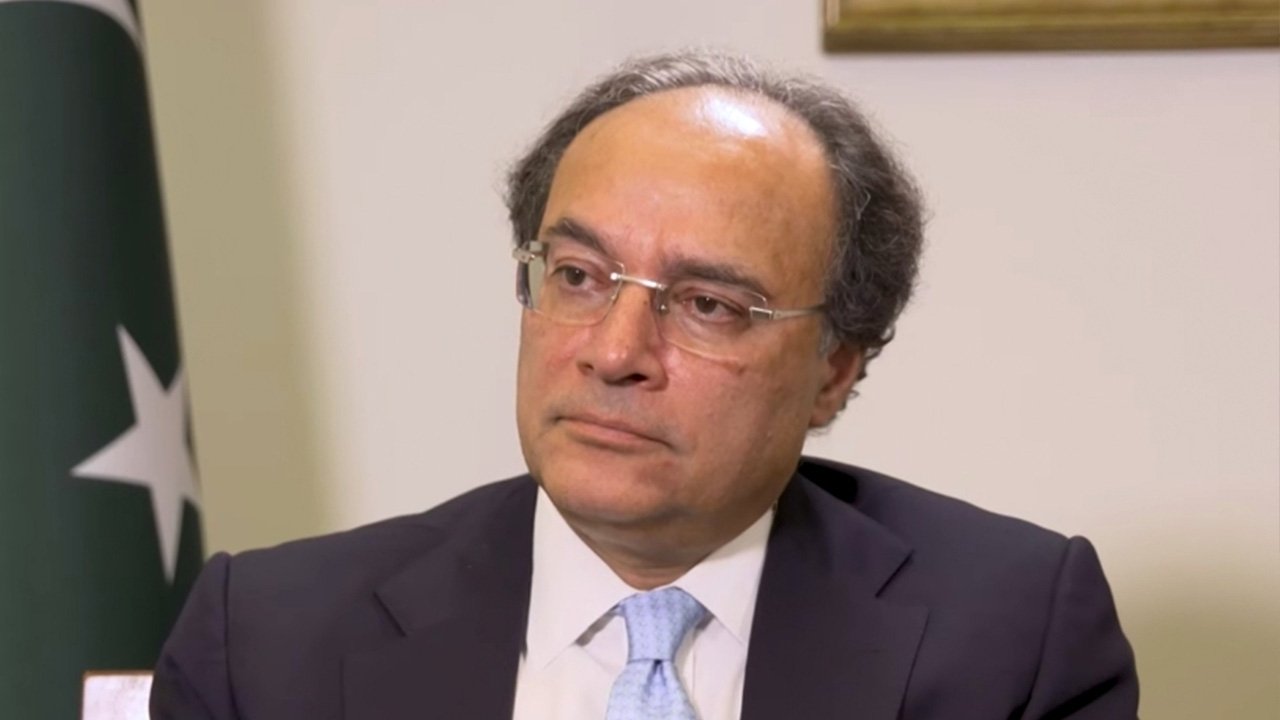
Tag: Muhammad Aurangzeb

  • Finance Minister unveils economic plan to slash expenditures and boost revenues

    Finance Minister unveils economic plan to slash expenditures and boost revenues

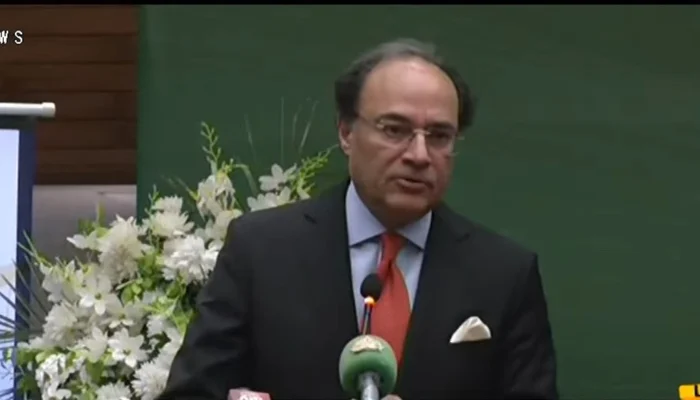
    Federal Finance Minister Senator Muhammad Aurangzeb reiterated the government’s dedication to reducing expenditures and boosting revenues in a bid to fortify Pakistan’s economy sustainably.

    The announcement came during a press conference in his hometown, Kamalia, as reported by the state-run APP.

    Aurangzeb highlighted that the federal government plans to shut down parallel ministries or departments that have been devolved to provinces. This strategic move is anticipated to significantly cut down on expenditures and enhance operational efficiency.

    As an example, the minister noted that the Prime Minister has already announced the closure of the Pakistan Public Works Department, a decision expected to alleviate the financial burden on the government.

    Furthermore, the government is set on privatising state-owned enterprises (SOEs), which have been a considerable strain on the national exchequer. Aurangzeb cited Pakistan International Airlines (PIA) as a prime example, mentioning its liabilities amounting to billions of rupees now transferred to the government. The privatisation of these SOEs is projected to reduce financial burdens and enhance efficiency.

    In a related development, the minister revealed that the government is working on outsourcing airport management, starting with Karachi airport, which is expected to be handed over to the private sector by July or August this year, followed by Lahore airport.

    On the revenue side, Aurangzeb stressed the need to elevate the tax-to-GDP ratio from the current 9.5 per cent to 13 per cent over the next three years, underscoring the essential role of taxes in national administration.

    To achieve this, the government has introduced various revenue measures, including broadening the tax base to include non-taxable sectors, phasing out tax exemptions worth Rs3.9 trillion, and revising policies in sectors like health and agriculture.

    The minister announced that 32,000 retailers had already been registered for taxation starting from July 2024. He emphasised the government’s commitment to incorporating other sectors into the tax net, enhancing compliance, plugging systemic leakages, and implementing end-to-end digitisation to reduce human intervention, increase transparency, and curb corruption. Automation of sales tax collection is a top priority, Aurangzeb noted.

    Addressing the agricultural sector, Aurangzeb affirmed the government’s commitment by allocating Rs41 billion in the federal Public Sector Development Program (PSDP) to promote agriculture. Initiatives include the solarisation of tube wells, provision of loans to small farmers, and the development of warehouses to support small-scale farmers.

    Subsidies on fertilisers, seeds, and other agricultural inputs will continue, with efforts to involve banks, including Islamic banks, in providing loans to farmers.

    In the IT sector, the government aims to support freelancers and double exports from $3.5 billion to $7 billion. Aurangzeb mentioned a substantial budget allocation to facilitate the IT sector. He also assured that the Prime Minister’s recent visit to China focused on technology transfer, industrial development, and enhancing exports, rather than seeking aid.

    This comprehensive strategy, combining expenditure reduction and revenue enhancement, reflects the government’s robust commitment to placing the country’s economy on a sustainable growth trajectory.
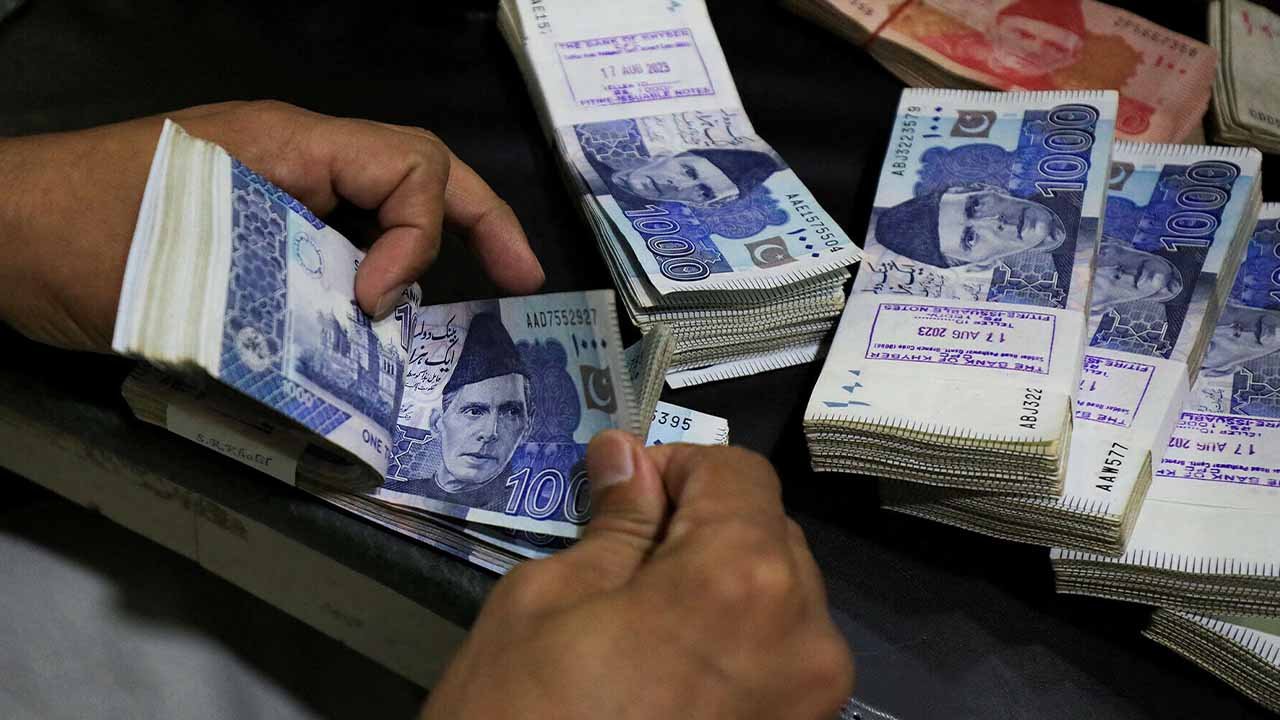

  • Govt plans to increase retirement age to reduce pension spending

    Govt plans to increase retirement age to reduce pension spending

    Finance Minister Muhammad Aurangzeb has announced that the government is set to introduce pension reforms as part of a broader strategy to implement structural changes ahead of signing a new agreement with the International Monetary Fund (IMF).

    The proposed reforms aim to bring pension expenses under control and extend the retirement age, reflecting a shift in societal perceptions about aging.

    Speaking at a joint press conference alongside Federal Law Minister Azam Nazir Tarar and Information Minister Atta Tarar, Aurangzeb highlighted the need to manage growing pension costs.

    He suggested that raising the retirement age is a key component of the reforms.

    “Age is now just a number. 60 is the new 40,” Aurangzeb remarked, pointing out that many individuals remain productive well into their 60s.

    He cited his previous role as CEO of Habib Bank Limited (HBL), where the retirement age was increased from 60 to 65, illustrating the benefits of extended career longevity.

    To address the rising pension expenditures, Aurangzeb stated that changes to the civil service structure are needed.

    In the fiscal year 2023-24, Pakistan allocated Rs801 billion for superannuation allowances and pensions, representing a 31 per cent increase from the previous fiscal year’s allocation of Rs609 billion.

    Federal Law Minister Azam Nazir Tarar noted that implementing pension reforms would require legislation, as it impacts a wide range of sectors, including civil servants, armed forces, judicial organs, and executive branches.

    Tarar added that a committee has been established under the chairmanship of the finance minister to propose recommendations for pension reforms. “The recommendations, when finalised, will be shared with the public,” he assured.

    In other news, Aurangzeb discussed the recent visit by a Saudi delegation to Pakistan, which he described as a “confidence booster.”

    The discussions with the Saudi delegation were positive, reinforcing the country’s commitment to moving in the right direction.

    Looking ahead, Aurangzeb announced that the IMF mission would arrive in Pakistan this month for key talks on structural reforms.

    These discussions will focus on several crucial areas, including increasing the tax-to-GDP ratio from the current 9 per cent to a more sustainable 13-14 per cent, reforming the energy sector, and privatising State-Owned Enterprises (SOEs).

    The finance minister also highlighted the need to reduce non-development expenditure and commended the Sindh government’s Public-Private-Partnership model as a successful strategy that could be replicated at the federal level.

  • Pakistan’s forex reserves expected to reach $9-10 billion by year-end

    Pakistan’s forex reserves expected to reach $9-10 billion by year-end

    The Federal Minister for Finance and Revenue, Muhammad Aurangzeb, said on Tuesday that Pakistan’s foreign exchange reserves held by the State Bank of Pakistan (SBP) are expected to close the fiscal year at around $9-10 billion mark.

    This news comes amid growing optimism about the country’s financial stability and the potential for a new agreement with the International Monetary Fund (IMF).

    Speaking at the 7th Leaders In Islamabad Business Summit, themed “Collaborating for Growth,” Minister Aurangzeb outlined several positive developments in Pakistan’s economic landscape.

    The country’s central bank currently holds just over $8 billion in reserves, despite a recent $1-billion bond payment.

    Aurangzeb highlighted the dramatic increase from last year’s reserves of $3.4 billion, which covered just 15 days of imports, to over $8 billion.

    The finance minister indicated that once the IMF disburses its final tranche by the end of this week, the foreign exchange reserves would exceed $9 billion.

    He projected that by the end of June, the reserves could reach between $9-10 billion, offering about two months’ worth of import coverage.

    In his address, Minister Aurangzeb also addressed concerns about the IMF’s involvement in Pakistan’s economic recovery.

    He said that the current IMF programme is not solely driven by the international body, but is also a reflection of Pakistan’s own strategies for overcoming economic challenges.

    “This is our requirement as a country if we want to get out of the trap we are in,” he said, adding that the government had productive discussions with the IMF in Washington, D.C., to establish a broader and longer-term programme.

    The IMF mission is set to visit Pakistan in mid-May, with staff-level agreements expected by June or early July, contingent on progress with the country’s privatisation plans.

    Aurangzeb stressed that the IMF should be seen as a means to an end, rather than the end itself, emphasising that Pakistan’s long-term economic stability requires a commitment to market-driven reforms and sustainable growth opportunities.

    The summit’s inaugural session provided a platform for the finance minister to discuss the government’s efforts to stabilise the economy, promote growth, and attract international investment.

    The anticipated agreement with the IMF and a more robust foreign exchange reserve position signal a hopeful outlook for Pakistan’s economic recovery.

  • Finance Minister Muhammad Aurangzeb will meet with IMF on April 14–15

    Finance Minister Muhammad Aurangzeb will meet with IMF on April 14–15

    Minister for Finance and Revenue Muhammad Aurangzeb announced on Friday that a government delegation will meet with the International Monetary Fund (IMF) in Washington DC on April 14 and 15.

    Talking to the media during his visit to the Pakistan Stock Exchange (PSX), the Minister said that the features of a new programme will be discussed in a Washington DC meeting. However, detailed talks will be held in Pakistan.

    He also said that the government plans to join a longer programme with the IMF, adding that the country’s economy will stay stable with the fund.

    Prime Minister Shehbaz Sharif also hinted on March 21 that the new IMF programme will last for three years.

    “New tranche of loan is likely to be received from the IMF in a few days, however, we would need another programme,” he had said while addressing a session of the Special Investment Facilitation Council’s (SIFC) apex committee attended by civil-military leadership.

    Aurangzeb responded to a question regarding the IMF, saying that the size of the new programme has not been discussed yet.

  • IMF mission holds crucial talks with FinMin Aurangzeb on $3 billion SBA

    IMF mission holds crucial talks with FinMin Aurangzeb on $3 billion SBA

    In a pivotal meeting held on Thursday, Pakistan’s Finance Minister, Muhammad Aurangzeb, engaged in discussions regarding structural reforms and the viability of the energy sector with the visiting International Monetary Fund (IMF) mission.

    The mission’s visit is part of the second review process of the $3 billion Stand-By Arrangement (SBA) established between Pakistan and the international lender.

    Key points of deliberation encompassed various facets of Pakistan’s macroeconomic landscape, including fiscal consolidation efforts by the government, structural reforms, energy sector sustainability, and governance of state-owned enterprises (SOEs).

    Expressing a warm reception, the finance minister underscored the government’s steadfast commitment to collaborating with the IMF to drive forward the reform agenda, aimed at fostering economic growth and bolstering stability across Pakistan.

    During the meeting, Nathan Porter, head of the IMF mission, extended congratulations to Muhammad Aurangzeb on his appointment as the finance minister.

    Anticipations are high that the IMF mission’s visit could culminate in a staff-level agreement regarding the second review of the SBA.

    Since its inception in July 2023, Pakistan has received $1.9 billion out of the allocated $3 billion under the nine-month programme.

    Aurangzeb, articulating the government’s stance, outlined intentions to explore the possibility of acquiring a more extensive and prolonged Extended Fund Facility (EFF) within the IMF framework, with the overarching objective of attaining macroeconomic stability.

    Officials from Pakistan, including Finance Minister Muhammad Aurangzeb and Energy Minister Musadik Malik, apprised the IMF team of the concerted efforts undertaken to implement the prescribed reforms, including the adjustment of energy tariffs.

    An official from the Finance Division, speaking on anonymity, disclosed the IMF’s acknowledgment of Pakistan’s strides in meeting quarterly programmeme targets under the SBA.

    Simultaneously, discussions are underway to chart the trajectory of the subsequent programmeme, with deliberations leaning towards a more extensive endeavour valued at approximately $8 billion.

    Minister Malik elaborated on the government’s energy reform agenda, highlighting recent adjustments in electricity and gas prices aligned with the stipulated schedule.

    The recent levy hike on petrol and diesel, coupled with the augmentation of gas tariffs for domestic consumers, underscores Pakistan’s commitment to fulfilling key conditions outlined in the IMF’s final review.

    Economic analysts anticipate a seamless final review process, citing Pakistan’s commendable adherence to the IMF’s performance targets as a harbinger of success.

  • Pakistan seeks global assistance to overhaul tax system amidst significant drop in active taxpayers

    Pakistan seeks global assistance to overhaul tax system amidst significant drop in active taxpayers

    In a significant development, the count of active taxpayers has dwindled to 3.4 million, marking a 41 per cent decrease from the previous year. The government is contemplating seeking financial support from the Bill and Melinda Gates Foundation to enhance digital services within the Federal Board of Revenue (FBR).

    According to Express Tribune, approximately 500,000 individuals were excluded from the Active Taxpayers List (ATL) for tax year 2023 due to delayed submission of annual income tax returns. These individuals will incur a nominal penalty for reinstatement. Newly appointed economic czar, Muhammad Aurangzeb, chaired his inaugural meeting to explore avenues for improving digital services and expanding the tax base.

    The gathering, which included representatives from Karandaaz Pakistan, a firm specializing in financial inclusion services, concluded with the decision for Karandaaz to approach the Bill and Melinda Gates Foundation for financial backing in establishing a digital platform within the FBR.

    The government aims to streamline interactions between tax authorities and taxpayers, fostering transparency and curbing corruption. This initiative arises as the number of active taxpayers further drops to a mere 3.4 million, compared to last year’s figure of over 5.7 million—an alarming 41 per cent reduction.

    The FBR, having received 3.9 million income tax returns, removed approximately 500,000 individuals from the active list due to delayed filings. Consequently, those not on the active taxpayers list will face a 0.6 per cent withholding tax on cash withdrawals.

    To encourage compliance, the government allows the reactivation of approximately 500,000 individuals by paying a nominal Rs1,000 fine for late filing of returns. The International Monetary Fund (IMF) is expected to exert pressure on the government to expand the tax base and simplify tax slabs for both salaried and business individuals.

    Recent data reveals a noteworthy contribution of Rs217 billion from the salaried class in the first eight months of the current fiscal year, surpassing the combined taxes paid by rich exporters and real estate players by Rs37 billion, or one-fifth.