Tag: #multan

  • Maulana Tariq Jamil becomes emotional as he remembers son

    Maulana Tariq Jamil becomes emotional as he remembers son

    Maulana Tariq Jamil has opened up about the death of his younger son, a tragedy that befell the family a few weeks ago.

    Asim Jamil, who was battling depression, passed away in what was reported as a huge shock for the family. Maulana talked openly about how much his son suffered and how heartbreaking it is to lose him. This Eid is the first one he is celebrating without his son.
    During a conversation with Hafiz Ahmed, Maulana shared, “I and my wife, we both feel that a parent’s love is the greatest. But the love we had for Asim, whom Allah has called back, was the most intense for us both. He had engraved himself in our hearts with his qualities. Allah had only given him such a short life.”

  • Tigress injures two near Multan as it escapes during transportation

    Tigress injures two near Multan as it escapes during transportation

    A Bengal tigress which was being transported from Lahore to Multan by an animal dealer, Muhammad Adnan, ran away from its cage into the fields near Multan in the early hours of Sunday, DAWN has reported.

    The age of Bengal tigress is reportedly about two years and its value is Rs5-6 million.

    Punjab Wildlife Department Multan Deputy Director Sheikh Zahid told Dawn’s Shoaib Ahmed that the tigress was being carried in a pick-up in a cage. The incident happened when the pick-up got stuck in a muddy track on Bosan Road behind the Multan Public High School.

    The cage got opened when the vehicle jerked to get out of the mud. The owner, Muhammad Adnan, called 15 but the police told him to contact the wildlife department.

    The furious tigress ran into the fields and reportedly injured two persons, including a wildlife official. However, the injuries were mild. The Punjab Wildlife Department officials and a DHA Multan Zoo vet were involved in the operation to catch the tigress. It was tranquilised by a DHA Multan Zoo vet.

    Animal dealer Adnan was fined Rs221,000 by the wildlife department under the Punjab Wildlife Act 1974. The tigress has been returned to the owner on payment of the fine, told Sheikh Zahid.

    Punjab Wildlife and Parks Department Director General Mudassar Riaz Malik talked to the media. To a question why tigers and lions had not yet been categorised in Schedule 3 of the Punjab Wildlife Department, the DG said he had called a meeting on Monday (today) to set standards and regulate the issue of keeping tigers and lions in breeding farms and houses only. “Such animals fall in Schedule 3 and it is prohibited to keep them domestically,” he added.

    Malik was asked if these animals were put in Schedule 3, what would happen to the private breeding farms having a huge number of lions and tigers. To this he responded it’s a crucial issue that would be discussed in the meeting besides all other aspects and possible licensing of such animals. To yet another question, Mr Malik said the meeting would also discuss either a new schedule or a new law.

    The wildlife DG said the Captive Wildlife Management Committee had got rules approved by the cabinet and new law would be introduced under these rules.

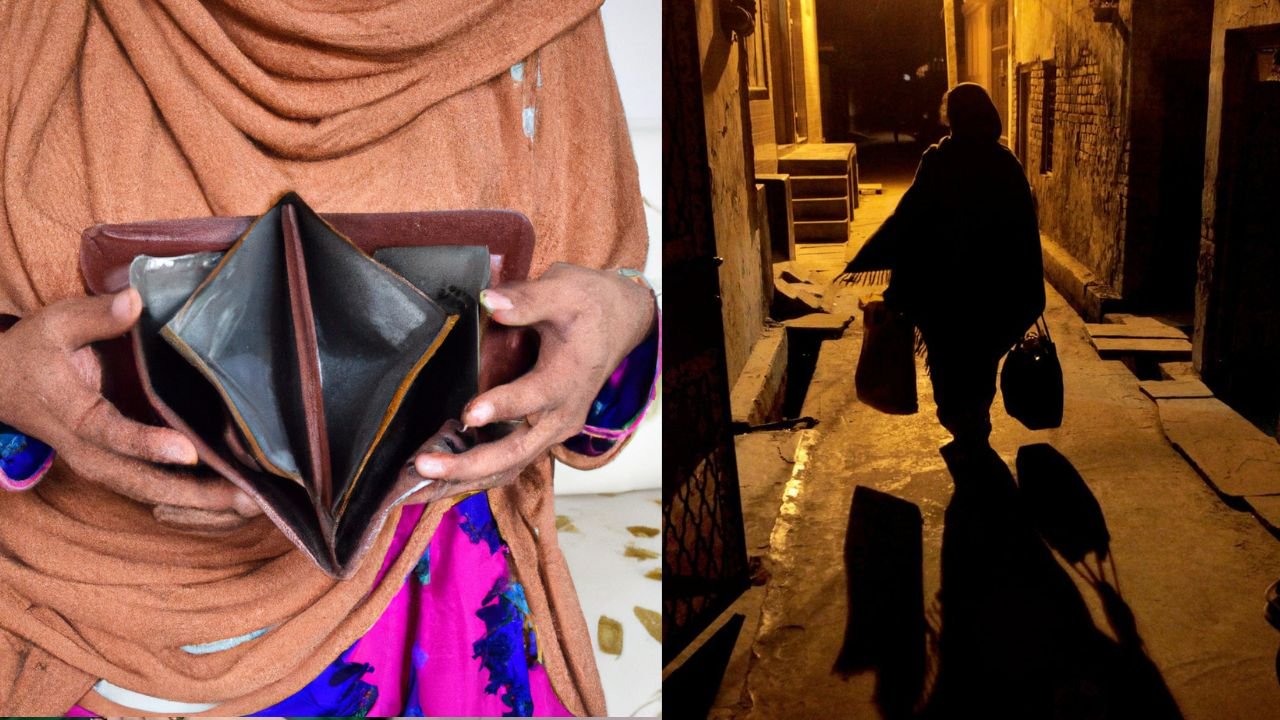
  • Behind closed wallets; The cycle of financial abuse of house help in Pakistan

    Behind closed wallets; The cycle of financial abuse of house help in Pakistan

    Sonia, a 27-year-old woman, and mother of a 5-year-old daughter works as a house help. In eight years of married life, her husband has never had a stable job, nor does he bother to find work on a daily wage basis.

    Sonia has been paying off loans taken by her husband, Afzal, and her in-laws. In the initial months of her marriage, she sold whatever she had to buy a motor rickshaw for her husband so that they could have a source of daily income. Within no time Afzal sold the vehicle, taking additional loans to marry off Sonia’s sister-in-law.

    The debt piled up to 150,000 rupees. Sonia was working in two homes at that point, earning Rs20,000 from one for cooking food twice a day and Rs5,000 from the other for cleaning and washing the dishes. This was their sole family income in which they had to do grocery, pay the bills, feed their daughter and themselves, and look after the in-laws in addition to buying medicine for her mother-in-law.

    When she reminded her husband that he was supposed to work too if they wanted to get rid of the loans, she was beaten not only by Afzal but by his family too. From here started a never-ending cycle of financial exploitation and physical abuse. She endured two miscarriages due to the beatings and excessive work. She sometimes thinks that things would’ve been different if her father was alive.

    “I don’t blame my parents. This is what happens to people in our class. I just think that maybe if my father was alive, I would’ve had the option to tell him everything and he might have allowed me to take divorce and go back to my home. I don’t have that option anymore. I must live and survive here. I have a kid now. I can’t leave her,” she said while sobbing.

    Sonia is not the only one who goes through this cycle. I called up as many people as I could in different parts of Pakistan, family, friends, colleagues, acquaintances, and strangers to ask about their house help. Every woman had a similar story. A drug-addicted husband, an abusive husband, a husband who doesn’t work and keeps taking loans which the wife must pay. A never-ending circle of exploitation, harassment, and abuse.

    “There are very few people who respect us. It is not easy to clean someone’s dirt or wash their dishes with days-old rotten food. It is embarrassing to ask them for additional money to pay off loans. Sometimes I even have to take a loan from one person to pay off the previous one and the cycle goes on,” Sonia elaborated while talking about how draining her routine is as she does all the house chores and then works in the homes of other people too.

    She doesn’t want her daughter to end up like her. Instead she desires an education for her child, better career options. But whenever she brings the topic up, Afzal doesn’t take it seriously. He even spent the money they were given by different people to help finance their daughter’s education. Sometimes it was Eid gifts for sisters, other times it was a loan given to a friend. Sonia never got her money back.

    Doctor Ramish Fatima, who works in the periphery of Multan, details how such cases are quite normal and how these women suffer especially during their pregnancies. “These women keep working till the last month of their pregnancy and they must go back to work a few days after giving birth because they must pay off loans. If they fail to do so, they are beaten by their in-laws. In some cases, husbands work on minimum wages, but mostly don’t as they are drug addicts, and they physically abuse their wives after being intoxicated,” she explained.

    Ramish has been working in the periphery for over seven years now and most of the time she has dealt with such emergency cases. As a feminist and human rights activist, she believes that the solution to these problems is education and financial independence. She further emphasizes the importance of systemic upgrades and overall behavioral change in society towards women.

    Punjab Domestic Workers Act was enacted in 2019 throughout the province to regulate their terms of employment and working conditions of service, to provide them social protection and ensure their welfare, and to provide for the matters ancillary.
    The act states that “No child under the age of 15 years shall be allowed to work in a household in any capacity” while every other day we see cases of severe physical abuse and sexual exploitation against underage domestic workers.

    In the same manner, this act requires every employer to issue a letter of employment showing the terms and conditions of employment including nature of work and amount of wages.

    Regarding registration of Domestic Workers and Employers, this act states, “Every domestic worker, to benefit from the fund, shall make an application for registration in a manner as prescribed by the Governing Body, and every such domestic worker shall be provided by the Governing Body with a security number and identity card, which shall be renewable after completion of every three years. Provided that none of the domestic workers shall be eligible to get more than one security number and identity card. Every employer shall make an application for registration in a manner as prescribed by the Governing Body, and every such employer shall be provided with a registration number, which shall be renewable after completion of every three years.”

    Hiba Akbar, a lawyer who teaches at LMUS, believes that such laws are made to just get done with the binding of international treaties without any intention of implementing it.

    “Every time we see a shocking case of abuse of domestic workers we talk about laws but a law already exists. How many domestic workers are paid minimum wage? How many workers and employers are registered? Does anyone even know where they can register,” she questions. If the government was serious about implementation, she stresses, they would’ve made all the information public and ensured the safety and security of domestic workers.

    She further argues that financial abuse comes from employers too who believe that giving their house help food and clothes once in a while, that too of substandard quality, won’t help them in breaking the cycle of financial abuse and recurring loans.

    In 2023, Kashf Foundation, a registered Non-Banking Microfinance Company regulated by the Securities and Exchange Commission of Pakistan which started in 1996, gave 140,572 Easy Loans ranging from 10,000 to 35,000 rupees for short periods, as per their annual report.

    Their research in 2023 on low-income households highlighted that income spent on meeting food expenses has increased from 30% of their income in 2018 to 45% of their income in 2023 while earnings didn’t keep pace with the increase in food prices in real terms.

    Gender and Financial Inclusion expert Zainab Saeed explains that Pakistan has one of the lowest rates of financial inclusion in the world and only 7 percent of Pakistani women are financially included.

    She further says that most of the loans by microfinance institutions aren’t interest-free but have a service charge. Most microfinance institutions borrow money to lend money in addition to the cost of funds and running operations. Akhuwat, an interest-free loan program usually for small businesses, doesn’t solely focus on women but caters to women clients as well.

    “Turnaround times vary across institutions- for example Kashf is two days, you get the loan in two days. Other institutions have different turnarounds, like for Akhuwat, it is 10 to 30 days depending on what the set date for disbursement is in the month. Instant credit or nano loans like Jazz Cash have higher interest rates,” she says while emphasizing that a lot of women don’t even know how to use apps like Jazz Cash.

    As far as requirements are concerned, most of these institutions lend money to those who have their computerized national identity cards (CNIC), some require guarantors while others might demand post-dated cheques.

    When asked about how surety regarding on-time paybacks is made, Zainab said, “It is a trust-based environment so most people tend to pay back their loans on time. People don’t want to be blacklisted from Credit Information Bureau. Some institutions also go for appraisals like Kashf did a very detailed credit appraisal with household cash flows and that helped them to turn in the credibility of the loan.”

    For defaulters, there is legal recourse available but tending to civil courts given the judicial system of Pakistan is not the best solution. Generally, there are very few non-performing loans in the world of microfinance banks, as per Zainab. People end up paying back, some institutes take action to make an example out of it but they usually don’t end up taking that route.

    As these are not interest-free loans, ‘interest rate may vary from flat 25 to 30 percent’ which might seem high but, “the way the repayment is structured allows people to repay,” explains Zainab. “They Usually do monthly repayments. For instance, for a 10 thousand rupees loan, they are paying back 12 thousand 500 rupees. It is then 1000 to 1100 rupees a month. With microfinance institutions, there is a lot of transparency regarding installment dates and amounts which is lacking in other places,” she added.

    As a country with a low literacy rate and even lower financial inclusion of women in Pakistan, the path of loans, financial independence, and empowerment still seems like a far-fetched dream.
  • Authorities confiscate smuggled cigarettes worth Rs14 crore

    Authorities confiscate smuggled cigarettes worth Rs14 crore

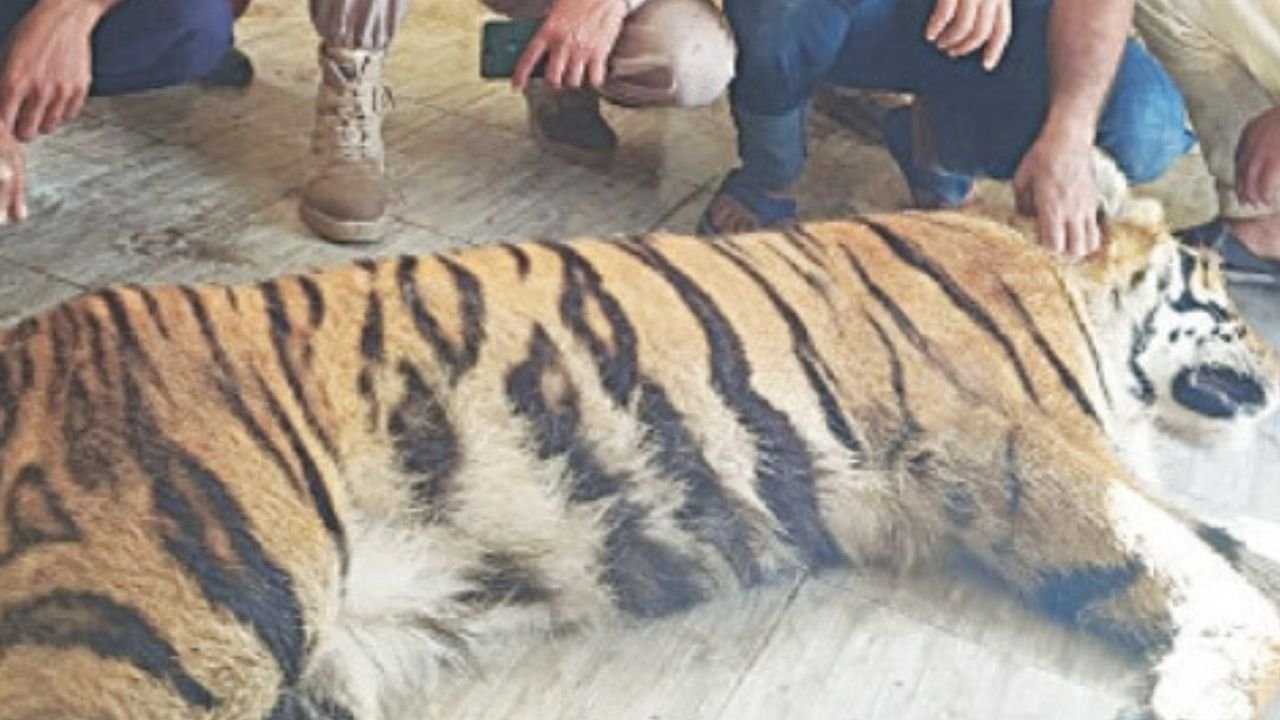
    In a substantial crackdown on the illicit trade of non-duty-paid cigarettes, the Inland Revenue Enforcement Network (IREN) successfully seized over 679,000 packerites (15,580,000 sticks) of smuggled cigarettes during a two-day operation.

    The confiscated cigarettes, representing various local and foreign brands, including Business Royal, H&P, Platinum, Milano, and Olympic, have an estimated value exceeding PKR 140 Million.

    The enforcement teams targeted local shops in Peshawar, Multan, and Sialkot, where the availability of non-duty paid cigarettes had seen a concerning surge.

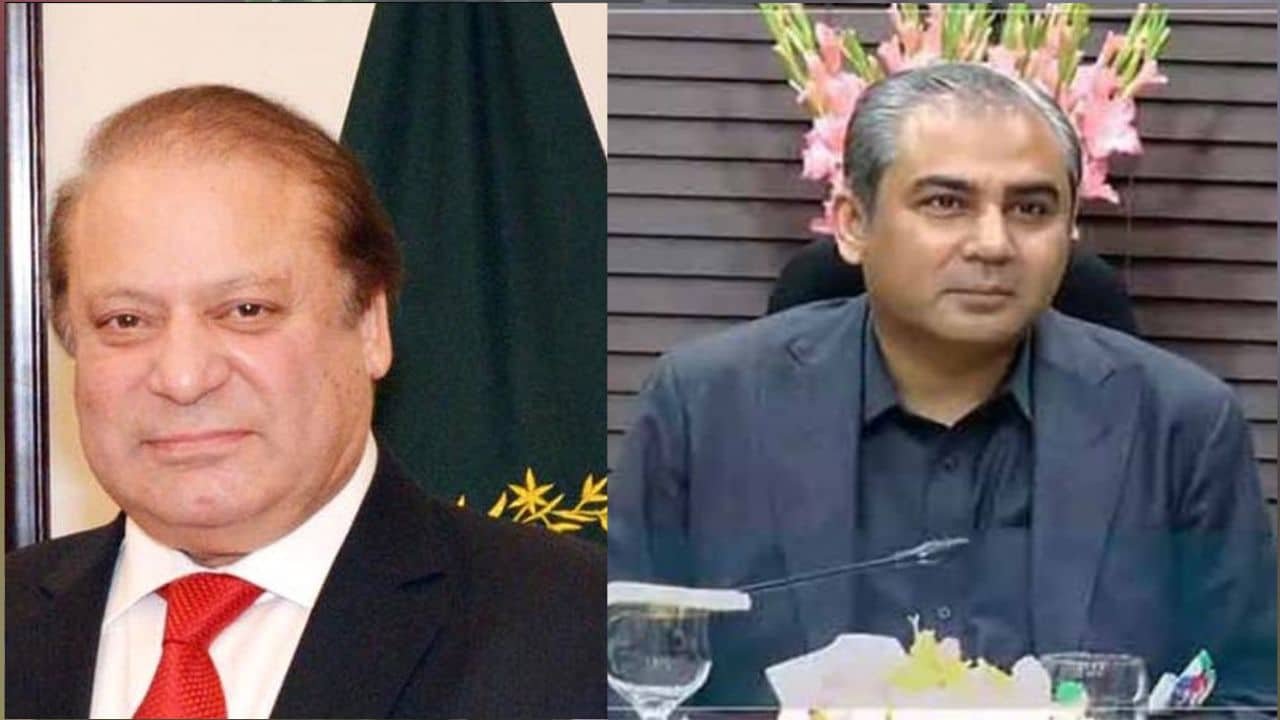
    This operation was initiated under the directive of Mir Badshah Khan Wazir, Member (IR-Operations), who emphasized the need to curb the illegal trade of tobacco products.

    Criminal proceedings have been set in motion against both manufacturers and transporters involved in this illicit trade.

    One of the key factors contributing to the rise in the popularity of smuggled cigarettes is the substantial price difference compared to duty-paid alternatives.

    While the cost of a pack of 20 duty-paid cigarettes starts at Rs600, the non-duty paid counterparts can be obtained for as low as Rs200. Some reports even suggest that certain brands are being sold at an even more economical rate.

    The increasing prevalence of non-duty paid cigarettes poses a serious concern, not only in terms of lost revenue for the government but also due to health implications.

    Smokers in Pakistan, attracted by the affordability of these illicit products, have contributed to the surge in sales of non-duty paid cigarettes.

    The IREN’s recent operation sends a clear message that the authorities are actively addressing this issue to safeguard public health and financial interests.

    As investigations unfold, it remains to be seen how this crackdown will impact the illicit trade of cigarettes and discourage individuals from opting for non-duty paid alternatives.

  • What is your sound town on Spotify Wrapped? Twitter in hysterics after final results revealed

    What is your sound town on Spotify Wrapped? Twitter in hysterics after final results revealed

    Spotify Wrapped Day commences at the end of the year when Twitter users fear the dreaded results about the songs and artists they have listened to all year. Already, users are in hysterics over how Pritam continues to dominate everyone’s top five artists list, with not many even knowing who he is.

    But another feature included in the final results is the sound town, which matches fans to a city where other fans of their favourite artists come from.

    Pakistani Twitter users were in fits after majority of the results of this feature associated them with Multan.

    Hilarious memes began to commence on the bird app.

  • Lockdown restrictions revised in Punjab

    Lockdown restrictions revised in Punjab

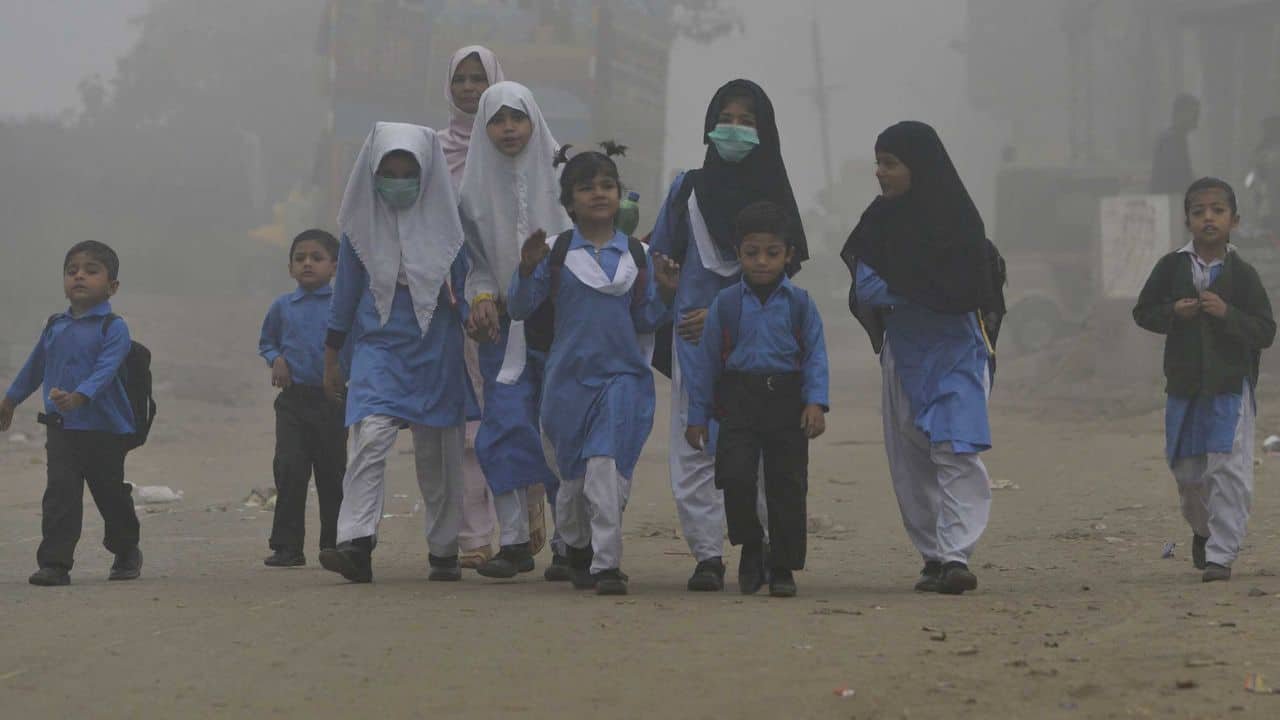
    The Punjab government on Thursday revised the terms of the lockdown imposed in multiple districts of the province as major cities grapple with crippling fog.

    In its amended notification, the Primary and Secondary Healthcare Department of the province notified that call centres and international information technology companies will be allowed to operate during the lockdown.

    While markets in the eight smog-hit districts will be allowed to operate today and tomorrow; however, shopping malls and markets will be closed on Saturday and Sunday.

    The notification also states that cinema halls, restaurants and gyms will remain open today as per routine.

    The decision will remain in effect in Lahore, Nankana Sahib, Sheikhupura, Kasur, Gujranwala Narowal, Hafizabad and Sialkot.

    Previous Notification

    A day earlier, an environmental and health emergency had been declared in Lahore, Gujranwala, and Hafizabad divisions for four days due to the prevailing smog conditions.

    Caretaker Chief Minister Mohsin Naqvi made the announcement during a press conference on Tuesday when the air quality index (AQI) in the city measured 390, falling under the category of hazardous.

    At this AQI level, the city maintained its position as one of the most polluted cities with citizens experiencing a hazy and smoggy atmosphere throughout the day. The air quality was severely poor, making it nearly impossible to breathe normally outdoors.

    Notification issued on Tuesday detailed that from Thursday to Sunday i.e., November 9, 2023, to November 12, 2023, all markets, shopping malls, restaurants, cinemas, gymnasiums, schools (public and private), and offices (public and private) will remain closed in Lahore, Nankana Sahib, Sheikhupura, Kasur, Gujranwala Narowal, Hafizabad and Sialkot.

    Also, the movement of people will be limited to and from these areas by public and private transport.

    The following will be exempted from closure:

    • Pharmacies/ Medical Stores
    • Medical Facilities and Vaccination Centers
    • Petrol Pumps
    • Oil Depots
    • Tandoors
    • Bakeries,
    • Grocery / Karyana stores
    • Milk / Dairy Shops
    • Sweet Shops,
    • Vegetable / Fruit Shops
    • Chicken / Meat Shops
    • E-commerce
    • Postal / Courier Services
    • Utility Services (Electricity, Natural Gas, Internet, Cellular Networks /Telecom.

    Large departmental stores will only keep their grocery /pharmacy sections open while all other sections will remain closed.

    It has been suggested by the government that people buy groceries and medicines within the vicinity of their residence.

  • Punjab imposes partial smart lockdown for four days

    Punjab imposes partial smart lockdown for four days

    The Government of Punjab, after approval from the Chief Minister, has ordered “restricted movement” in some areas of Punjab to combat smog. 

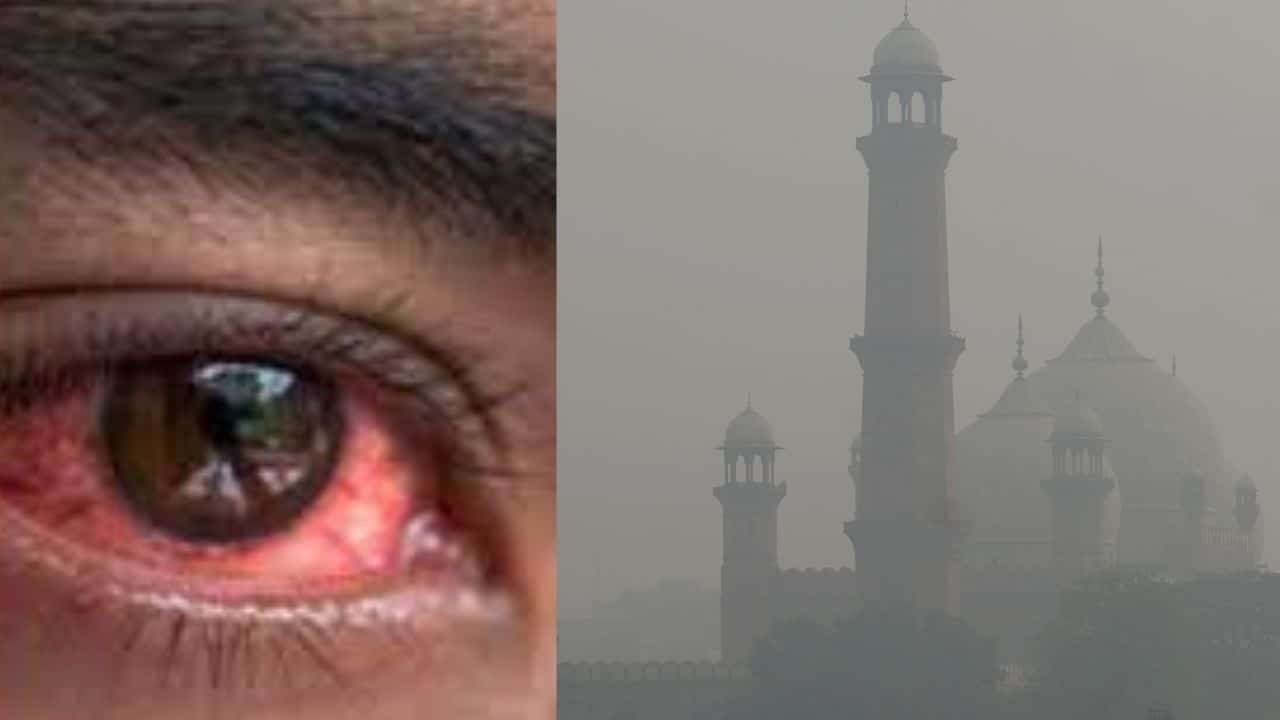
    The areas of Lahore Division (District Lahore, Nankana Sahib, Sheikhupura, Kasur), District Gujranwala, District Hafizabad, and District Narowal, have the worst Air Quality Index (AQI), becoming potential hotspots for Conjunctivitis, and will go under lockdown.

    From Thursday to Sunday i.e., November 9, 2023, to November 12, 2023, all markets, shopping malls, restaurants, cinemas, gymnasiums, schools

    (public and private), and offices (public and private) will remain closed in these areas.

    Also, movement of people will be limited to and from these areas by public and private transport.

    The following will be exempted from closure:

    •           Pharmacies/ Medical Stores

    •           Medical Facilities and Vaccination Centers

    •           Petrol Pumps

    •           Oil Depots

    •           Tandoors

    •           Bakeries,

    •           Grocery / Karyana stores

    •           Milk / Dairy Shops

    •           Sweet Shops,

    •           Vegetable / Fruit Shops

    •           Chicken / Meat Shops

    •           E-commerce 

    •           Postal / Courier Services

    •           Utility Services (Electricity, Natural Gas, Internet, Cellular Networks /Telecom.

    Large departmental stores will only keep their grocery /pharmacy sections open while all other sections will remain closed.

    It has been suggested by the government that people buy groceries and medicines within the vicinity of their residence.

  • Female staff being harassed by seniors in Multan Development Agency for not following illegal orders

    Female staff being harassed by seniors in Multan Development Agency for not following illegal orders

    Journalist Salman Qureshi has filed a detailed report about the discriminatory system and exploitation of the Multan Development Authority.

    According to the details filed in Daily Express, the Director General of Multan Development Agency (MDA) has started harassing women officers who did not obey illegal orders.

    A senior female officer at Multan Development Authority refused to work under a junior officer. The Director General MDA, in response, rejected her request for leave.

    According to the details, the Director General, Dr. Zahid Ikram, removed the director of town planning, Anaiza Hira, and gave the charge of the directorship to a junior officer, Ali Raza.

    As a result, senior officers, including Dr. Anaiza Hira, refused to work under the junior officer.

    Dr. Hira then submitted a leave application after being removed from her post, but Dr. Ikram did not accept her request and kept it hanging for days, directing administration officers to do likewise.

    It is also being reported that the female officers have been reprimanded. Under these circumstances, reports of the female officers fainting have also come to light. One female officer who fainted was given the required treatment within the office premises after calling the dispenser.

    In another case, assistant director of the town planning department, Sanbla Mumtaz, was called to the office and reprimanded for carrying out a task. Out of tension and under stress, she fell unconscious.

    Female employees were called to pick her up who then shifted her to another room and called the dispenser to provide first aid in the office.

    This was followed by a wave of anxiety among other women officers who no longer feel safe.

  • SNGPL cracks down on gas theft, imposing Rs3 crore in fines

    SNGPL cracks down on gas theft, imposing Rs3 crore in fines

    In an ongoing endeavour to combat gas theft, Sui Northern Gas Pipelines Limited (SNGPL) has successfully identified and addressed 55 instances of unauthorised gas connections, resulting in the imposition of fines amounting to Rs30 million.  

    According to APP, these concerted efforts have been executed across various regions of Pakistan. 

    According to a company spokesperson, within the city of Lahore, the local SNGPL team has taken decisive action by discontinuing 15 gas connections due to unlawful gas consumption, in addition to two connections linked to the unauthorised use of compressors.  

    Furthermore, 47 cases of underbilling have been meticulously scrutinised, leading to the initiation of a First Information Report (FIR) against the offenders. 

    In Bahawalpur, the SNGPL team has demonstrated their commitment by disconnecting seven connections attributed to compressor usage and 16 connections associated with unauthorised gas consumption.  

    Additionally, 17 cases of underbilling have been diligently processed. The company has levied a fine of Rs40,000 on those engaged in pilfering gas. 

    In Multan, 11 connections have been severed due to illegal gas consumption, while nine have been disconnected for compressor usage. Six instances of underbilling have undergone rigorous examination, resulting in the imposition of appropriate fines. 

    In Sheikhupura, one connection has been disconnected due to compressor usage, and a comprehensive review of 63 underbilling cases has been undertaken.  

    In both Peshawar and Karak, 44 gas connections have been terminated owing to direct gas consumption and the presence of illicit connections. Additionally, two FIRs have been filed against those involved in gas theft. 

    In Rawalpindi, six gas connections have been discontinued due to direct and unauthorised gas consumption, with one connection linked to the use of compressors. 

  • 15,105 pink eye cases reported in 24 hours in Punjab

    15,105 pink eye cases reported in 24 hours in Punjab

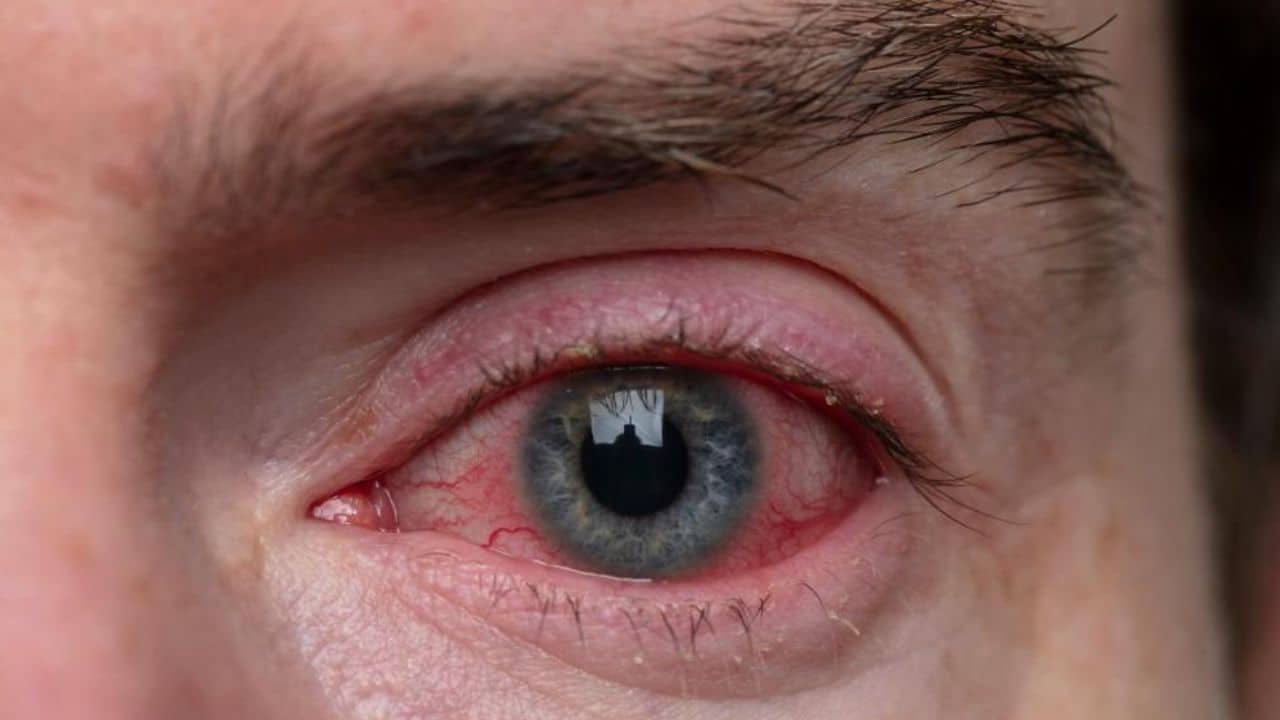
    Conjunctivitis infections are increasing in Punjab with 15,105 new cases reported during the last 24 hours.

    According to Primary Health Punjab, 3 lakh 79 thousand 690 cases of conjunctivitis were reported this year.

    Moreover, 22,481 cases were reported in Lahore this year, while 916 new patients were reported in the past 24 hours.

    Whereas in Multan and Faisalabad, 1217 and 1827 cases were reported respect yesterday.

    Due to the outbreak of conjunctivitis, schools across Punjab will remain closed until Monday.