Tag: Musadik Malik

  • Petroleum minister confirms gas prices will remain unchanged, highlights falling inflation

    Petroleum minister confirms gas prices will remain unchanged, highlights falling inflation

    In a recent press conference, Minister for Petroleum Musadik Malik announced that the federal government has decided to keep gas tariffs unchanged. He confirmed that consumers will not experience any increase in gas prices.

    Malik highlighted that the government’s economic policies are beginning to yield positive results. He reported a substantial reduction in food inflation, which has decreased from 48 per cent to just 2 per cent.

    Overall inflation has also dropped significantly, falling from 38 per cent to 12 per cent, with a continued downward trend anticipated. Malik stated that all economic indicators suggest the country is moving towards greater stability.

    The minister emphasised that the government’s primary objectives are to alleviate poverty, control inflation, and create job opportunities for the youth. He revealed that Prime Minister allocated Rs600 billion in the current federal budget to support the underprivileged.

    Development projects are being prioritised, particularly in underserved areas, to generate local employment. Additionally, Rs50 billion has been earmarked to protect 86 per cent of electricity consumers for the upcoming three months.

    Malik reiterated the government’s commitment to providing further relief to the public by enhancing healthcare facilities, digitising the Federal Board of Revenue (FBR), and pursuing the privatisation of state-owned enterprises.

    Criticising the previous Pakistan Tehreek-e-Insaf (PTI) administration, Malik accused them of distributing $4 billion to the wealthiest individuals during their tenure. He also addressed the issue of terrorism, asserting that while the government is working to combat it, opposition parties are criticising these efforts.

    The minister expressed disappointment with the opposition’s approach, which he described as destructive and confrontational. He specifically criticised the Sunni Ittehad Council (SIC) for its negative campaign against state institutions and its focus on sit-ins without offering viable solutions.

    Furthermore, Malik accused PTI leaders of inconsistency, recalling that they previously claimed their government was overthrown by the US, yet they are now seeking assistance from the same country.

  • Who does Shehbaz Sharif want to be in cabinet?

    Who does Shehbaz Sharif want to be in cabinet?

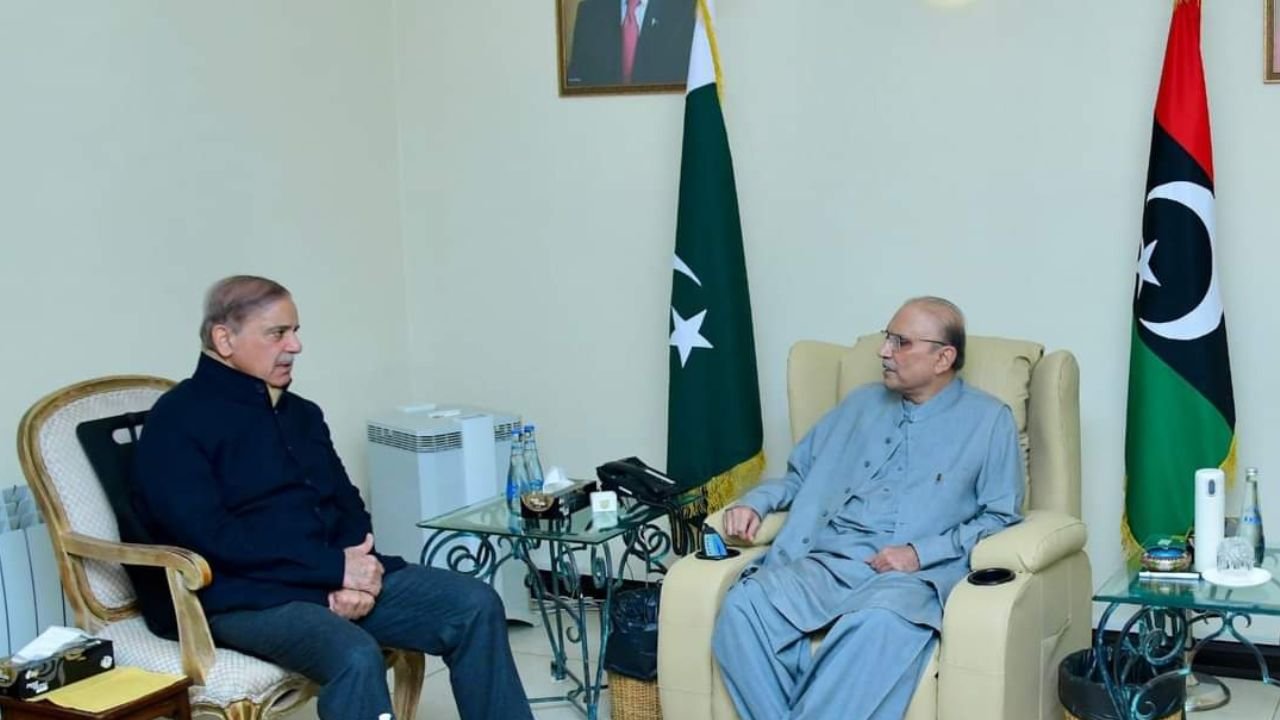
    Prime Minister Shehbaz Sharif has recommended 19 names to President Asif Ali Zardari to be inducted into the federal cabinet, according to a summary forwarded to the Aiwan-e-Sadr on Monday.

    As per Geo news, the federal cabinet is expected to take oath today at 3 pm at the President House.

    The list of recommendations for federal ministries includes several prominent names from the Pakistan Muslim League Nawaz (PML-N), such as Ahsan Iqbal, Khawaja Asif, Ishaq Dar, and others. Additionally, Khalid Maqbool Siddiqui from MQM-P and Abdul Aleem Khan from Istehkam-e-Pakistan Party are also among those recommended.

    Furthermore, Senators Ishaq Dar and Musadik Malik have been recommended for appointment as federal ministers under clause 9 of Article 91 of the Constitution, as their Senate term is set to end on March 12.

    The clause permits the prime minister to appoint individuals outside of parliament to the federal cabinet for a period of six months.

    Three additional names recommended for induction as federal ministers under clause 9 of Article 91 are Muhammad Aurangzeb, Ahad Khan Cheema, and Syed Mohsin Raza Naqvi.

    Shaza Fatima is the sole woman recommended for inclusion in the federal cabinet. She is slated to take oath as a state minister under clause 1 of Article 92 of the Constitution, according to the summary.

    Sources indicate that while the Prime Minister initially plans to keep the cabinet small, more ministers will likely be inducted in the second phase.

    The swearing-in of the federal cabinet follows Prime Minister Shehbaz’s oath-taking as the 24th premier of the country a week ago, and President Zardari’s inauguration as the head of state a day earlier, attended by all dignitaries.

  • PML-N hits back at Bilawal over ‘mehangai league’ tirade

    PML-N hits back at Bilawal over ‘mehangai league’ tirade

    The Pakistan Muslim League-Nawaz (PML-N) held the Pakistan People’s Party (PPP) responsible for the inflation in the country during the two parties’ coalition government. Political temperature across the spectrum is rising as general election is set to take place on February 8 next year.

    PPP Chairman Bilawal Bhutto Zardari has been calling the PML-N “mehangai [inflation] league,” alleging that the PML-N is responsible for rising prices in the last 16-months period.

    The term of the Pakistan Democratic Movement (PDM), which included the PPP, PML-N, and various other parties, concluded in August this year. During this period, there was a significant surge in inflation, unprecedented increases in energy and fuel costs, and a notable decline in foreign reserves.

    In his conversation on Geo News’ programme “Capital Talk”, Musadik Malik — who served as the Minister of State for Petroleum during the PDM government — slammed Bilawal for targeting the PML-N for rising inflation and noted that all decisions in their 16-month stint were collective.

    Musadik Malik also reminded the PPP Chairman that he was a foreign minister of the country in the previous coalition government.

    “So when the minister had the portfolio of Foreign Ministry and I finalised a [oil] deal with Russia, he called it truck ki batti [false hope]. What was that? He should talk about his role as well. Was it my job to secure deals in Azerbaijan Russia? And you, while sitting in the US, said it was truck ki batti. So didn’t we reach our destination while following this truck ki batti?” asked Malik.

  • Russian oil imports expected to reduce fuel prices slowly, says Musadik Malik

    Russian oil imports expected to reduce fuel prices slowly, says Musadik Malik

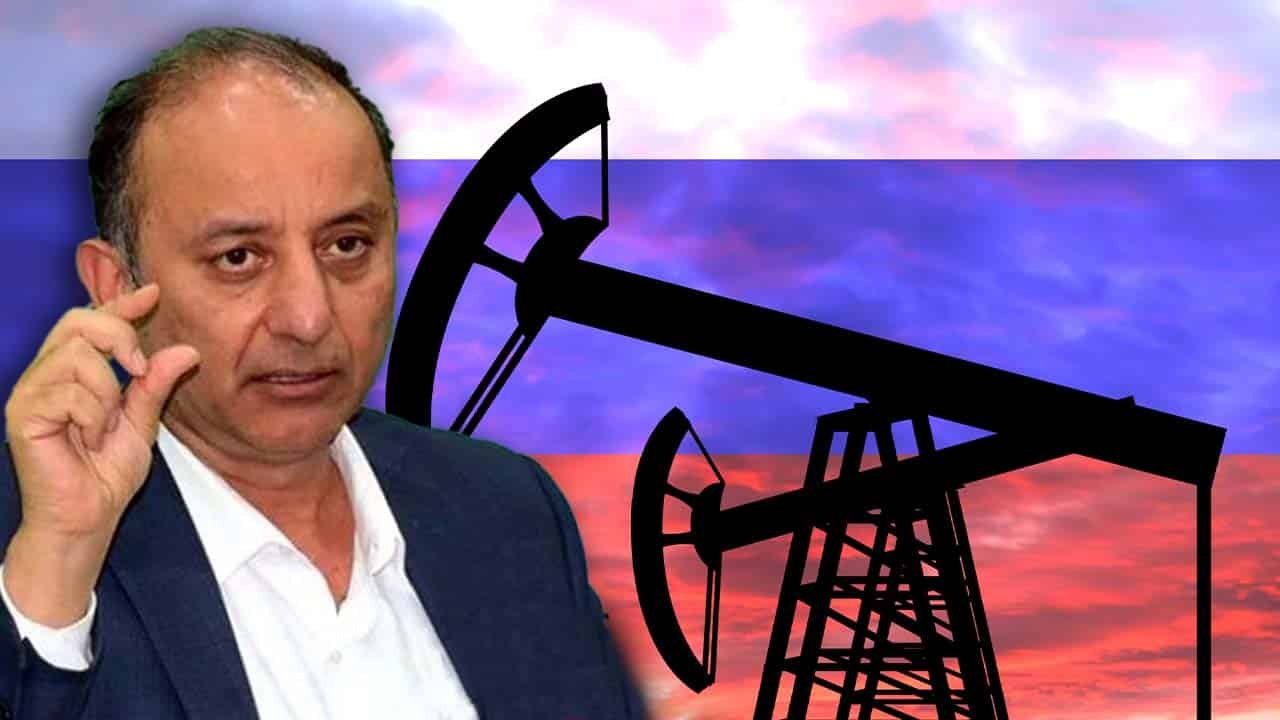
    At the Pakistan Energy Conference 2023, Minister of State for Petroleum, Musadik Malik, reassured the nation that the arrival of cheap oil from Russia would eventually lead to a decline in fuel prices. However, he cautioned that an immediate decrease should not be expected until a continuous supply of oil from Moscow is established.

    Minister Malik said that the import of Russian oil was not merely a promise or rhetoric. He confirmed that ships carrying the much-anticipated oil had already reached Oman and would commence supply to Pakistan within a week. While acknowledging that a single shipment would not significantly impact fuel costs, Malik expressed confidence that once a persistent supply was established, the price of fuel would gradually decrease.

    The government’s ambitious objective is to fulfill one-third of Pakistan’s crude oil requirements with affordable oil sources, including imports from Russia. The aim is to address the chronic energy shortages that Pakistan, the world’s fifth most populous country, has been grappling with. Currently, Pakistan imports 84 per cent of its petroleum products, primarily from Gulf Arab allies Saudi Arabia and the United Arab Emirates.

    The import of cheap Russian oil represents one of Pakistan’s strategies to alleviate its energy crisis, as global efforts are underway to restrict Russia’s oil exports due to its invasion of Ukraine. During a visit to the United States earlier this month, Minister Malik confirmed that Pakistan had placed its first order for Russian oil, which is expected to arrive within a month. Upon evaluating the impact of this initial shipment, Pakistan will decide on the extent of future imports.

    When asked about the possibility of pursuing more Russian imports, Malik responded that Pakistan would prioritise cheaper energy sources to meet its energy requirements. The minister further emphasised that the government’s objective was to ensure a sustainable and affordable supply of low-cost energy, highlighting accessibility, sustainability, and affordability as the key pillars of this vision.

    In addition to the import of Russian oil, Malik mentioned the Iran-Pakistan Gas Pipeline project as another avenue to address the country’s energy needs. The government has conveyed to Iran its intention to access energy through the pipeline while remaining responsible and avoiding potential sanctions. Talks are underway with both sanctioning countries and Iran to find a creative solution to this matter.

    With Pakistan eagerly awaiting the arrival of cheap Russian oil, the government remains committed to securing a sustainable and affordable energy supply to meet the needs of its citizens. The gradual decline in fuel prices is expected to provide much-needed relief to the nation, addressing its chronic energy shortages and boosting economic growth in the process.

  • Pakistan to receive first-ever shipment of low-cost oil from Russia in May

    Pakistan to receive first-ever shipment of low-cost oil from Russia in May

    Minister of State for Petroleum, Musadik Malik, announced on Sunday that Pakistan will receive its first-ever shipment of low-cost oil from Russia next month, which is expected to benefit the general public.

    In an interview with a private news channel, the minister confirmed that the government had finalised a deal with Russian authorities following successful dialogues. The shipment is expected to arrive in May via cargo. The minister also ensured that the government will pass on the cost savings to consumers.

    Regarding power and gas tariffs, Malik stated that the government is planning to introduce different tariffs for the poor and elite classes. He stated that the government has already made progress in this regard and hopes to issue separate billing for the underprivileged and elite class. The new tariff structure is expected to provide relief to the poor segment of society.

    Last month, officials from the Petroleum Division had disclosed that Pakistan was in talks with Russia to procure crude oil at around $50 per barrel, which is $10 per barrel lower than the price cap imposed by the G7 countries on oil imports from Russia due to its conflict with Ukraine.

    The officials had shared that Moscow was keen on completing all the prerequisites, such as the mode of payment, shipping cost with premium, and insurance cost, before signing the agreement with Pakistan.

  • Govt to cut per litre petrol price for low-income people by Rs100: Musadik Malik

    Govt to cut per litre petrol price for low-income people by Rs100: Musadik Malik

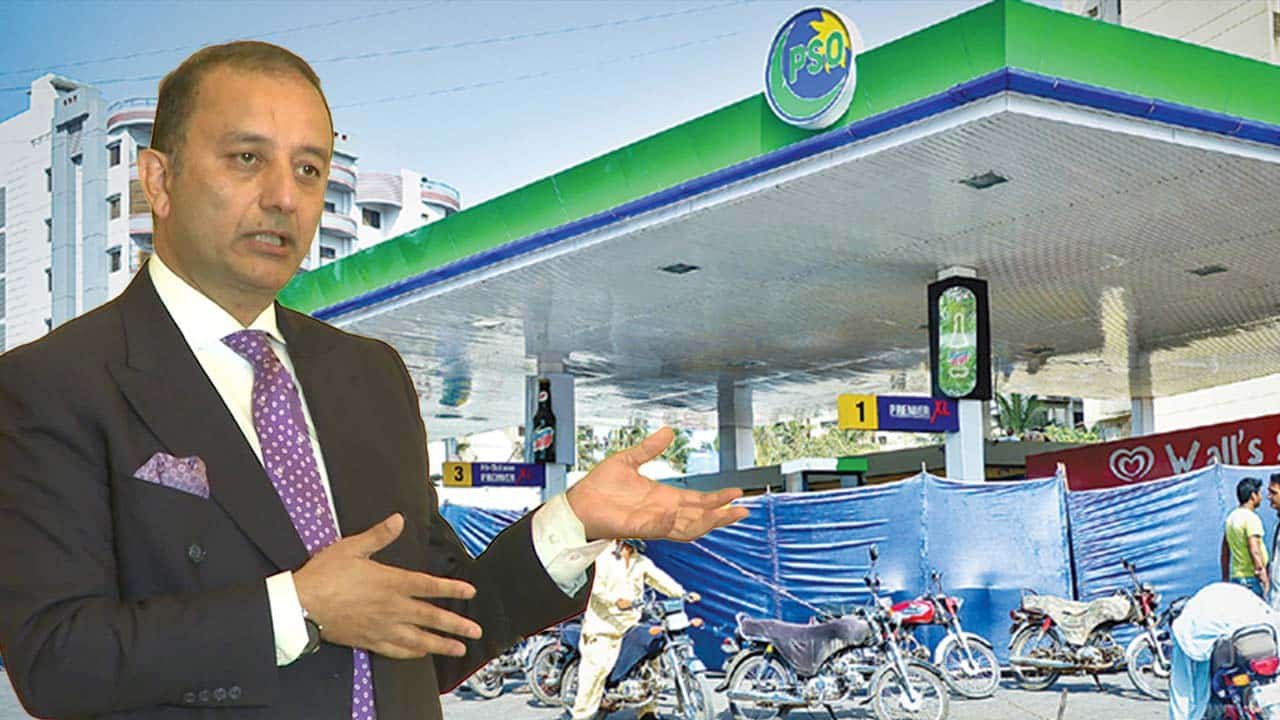
    The State Minister for Petroleum, Musadik Malik, announced on Monday a significant reduction of Rs100 in the price of petrol for low-income people.

    The minister stated during a news conference held in Islamabad that the wealthy will pay Rs100 more for petroleum products while the underprivileged will receive the same amount in relief.

    The specifics of this execution strategy will probably be made public by the administration within the upcoming week.

    In addition, the government would provide low-income groups with gas subsidies.

    Prior to this, Prime Minister (PM) Shehbaz Sharif stated that low-income individuals would pay Rs50 less for petrol. However, Musadik Malik declared on Monday that the Prime Minister had now ordered to provide a Rs100 discount on petrol to low-income citizens instead of a Rs50 discount.

    While chairing a review meeting on Sunday, PM Shehbaz said that the petroleum relief would be given to low-income consumers who have motorcycles, rickshaws, and other small vehicles (less than 800cc).

    He said the program of petroleum subsidies would be started soon, and a comprehensive strategy would be formed with the cooperation of relevant departments for effective implementation of the subsidy program.

    He said motorcycles, rickshaws, and small cars were used by low-income people, and the petroleum subsidy would give relief to the poor.

    The government was making efforts to provide all possible help to the poor people despite its economic difficulties, he added.

  • Latest gas price hike will hit the rich, not the poor: Petroleum Minister

    Latest gas price hike will hit the rich, not the poor: Petroleum Minister

    Minister of State for Petroleum Dr Musadik Malik stated that the latest hike in gas tariff was implemented without imposing a burden on the low-income segment. In a media briefing, he added that the government separated the poor and rich segments to protect low-income individuals from its impact.

    However, Malik admitted that the low-income segment in Pakistan is facing tough times. He also shared that 60 per cent of the Pakistani public will remain unaffected by the gas price hike, and the low-income segment might even see a decrease in their bills.

    Malik agreed with former finance minister Miftah Ismail that Pakistan is experiencing elite capture. He emphasized that Pakistan is different for the high-income and low-income segments, and the gas tariff has mostly increased for the high-income segment.

    During the speech, Malik criticised the developed countries for fancying development and progress, which he believed have put most of the world’s population – nearly 5 billion – at peripheries.

    According to Dawn, the minister said that the development has not been inclusive and countries like Pakistan were paying the price despite having “zero” contribution in carbon emissions and lately, it became the third most affected country from global warming.

    He made these comments after the government raised gas prices in line with the International Monetary Fund’s recommendation. As a result, the weighted average cost of gas has increased by 43 per cent from Rs620 to Rs885 per million British thermal units.

  • Russia agrees to supply blended crude oil to Pakistan, rates to be finalised next month

    Russia agrees to supply blended crude oil to Pakistan, rates to be finalised next month

    A delegation from Moscow will visit Islamabad in January 2023 to talk about the potential sale of Russian oil.

    Officials from Russia and Pakistan met via video link to discuss purchasing crude oil and petroleum products from Moscow, according to government sources.

    Musadik Malik, Pakistan’s State Minister for Petroleum, and the Secretary for Petroleum took part in the online meeting.

    Due to Pakistan’s inability to refine crude oil of a single specification, Russia has offered to supply Pakistan with blended crude oil. The offer represents a portion of the daily supply of 100,000 barrels of crude oil.

    Senior officials from the Petroleum Division and representatives from the oil industry made up the Pakistani side, which was chaired by State Minister for Petroleum Dr Musadik Malik, while senior officials from the Russian energy ministry and relevant departments constituted the Russian side.

    The Pakistani government informed its Russian counterparts that their nation needs crude oil, petroleum products, gas, and infrastructure investment, according to sources with knowledge of the meeting’s activities.

    According to The News, when a delegation from Russia visits Pakistan, the Russian side stated that they will further consider their intentions to collaborate with the Pakistani authorities.

  • Russia refuses to give Pakistan 30–40% discount on crude oil

    Russia refuses to give Pakistan 30–40% discount on crude oil

    It appears that talks with Russia came to an end without any conclusion since Moscow has refused to offer Pakistan a 30–40 per cent discount on crude oil, claiming that all volumes were committed.

    During the negotiations, the Pakistani group, which included State Minister for Petroleum Musadik Malik, the joint secretary, and representatives of the Pakistani Embassy in Moscow, sought a reduction.

    However, Russia has pledged to take Pakistan’s request into consideration and to later communicate its opinion through diplomatic channels.

    Nevertheless, according to sources, Russia can provide oil at the rates it is currently offering to its major client countries, which are stable and solid economies, at an appropriate time. All quantities are currently contracted with significant purchasers, they claimed.

    The Russian side urged Pakistan to start by keeping its word over the Pakistan Stream Gas Pipeline, which will be built from Karachi to Lahore, Punjab.

    During the negotiations, the Pakistani side expressed a desire to alter the PSGP project’s model. The Russian side claimed that only a few provisions of the shareholding agreement needed to be finalised and that the model of the project under the GtG arrangement had already been established.

    According to Geo, the official delegation from Pakistan travelled to Moscow on November 29 for a three-day meeting with Russian officials to discuss the possibility of importing crude oil at a reduced price, as well as the mode of payment and shipping costs.

    Russian crude oil may be processed in Pakistan’s refineries, and one private refinery has previously used Russian crude oil to provide completed goods, according to sources in the industry ministry.

  • Loadshedding situation to get better by mid-July, says Musadik Malik

    Loadshedding situation to get better by mid-July, says Musadik Malik

    Minister of State for Petroleum Dr Musadik Malik hoped that the loadshedding situation across the country will get better in the second half of July.

    Earlier, Prime Minister (PM) Shehbaz Sharif warned the nation of more power outages next month.

    Musadik further said that Pakistan is trying to import coal from Afghanistan. He said the major reason behind electricity loadshedding is the water shortage in dams, while the other reasons include coal price hikes and Liquefied Natural Gas (LNG) shortage in the international market.

    “Only 5,000 MegaWatts (MW) of electricity is being generated instead of 9,500 MW,” he said.

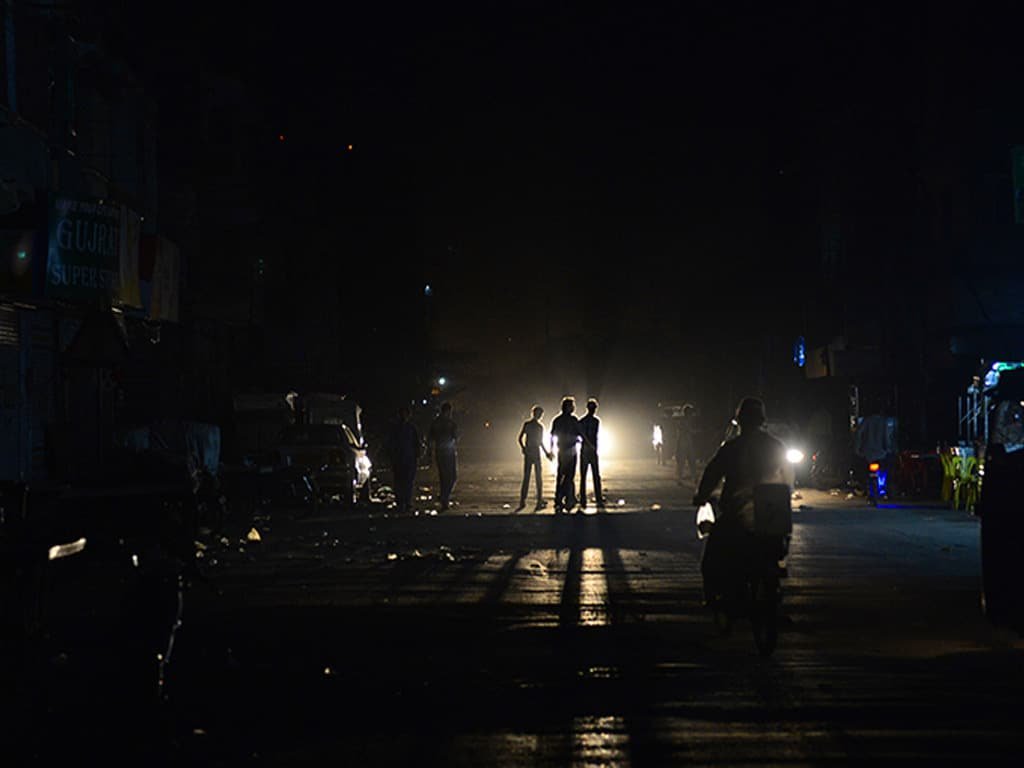
    On Monday, residents of Karachi came out on the streets due to the persistent loadshedding in their areas. The protests continued for more than 24 hours.

    Interestingly, the government has pledged to decrease loadshedding several times. Earlier this month, PM Shehbaz instructed the power authorities to reduce loadshedding throughout the country to two hours. However, the situation remained the same.