Tag: Muslims

  • Muslims not allowed to take citizenship of ‘kafir’ countries: Sheikh Assim Alhakeem

    Muslims not allowed to take citizenship of ‘kafir’ countries: Sheikh Assim Alhakeem

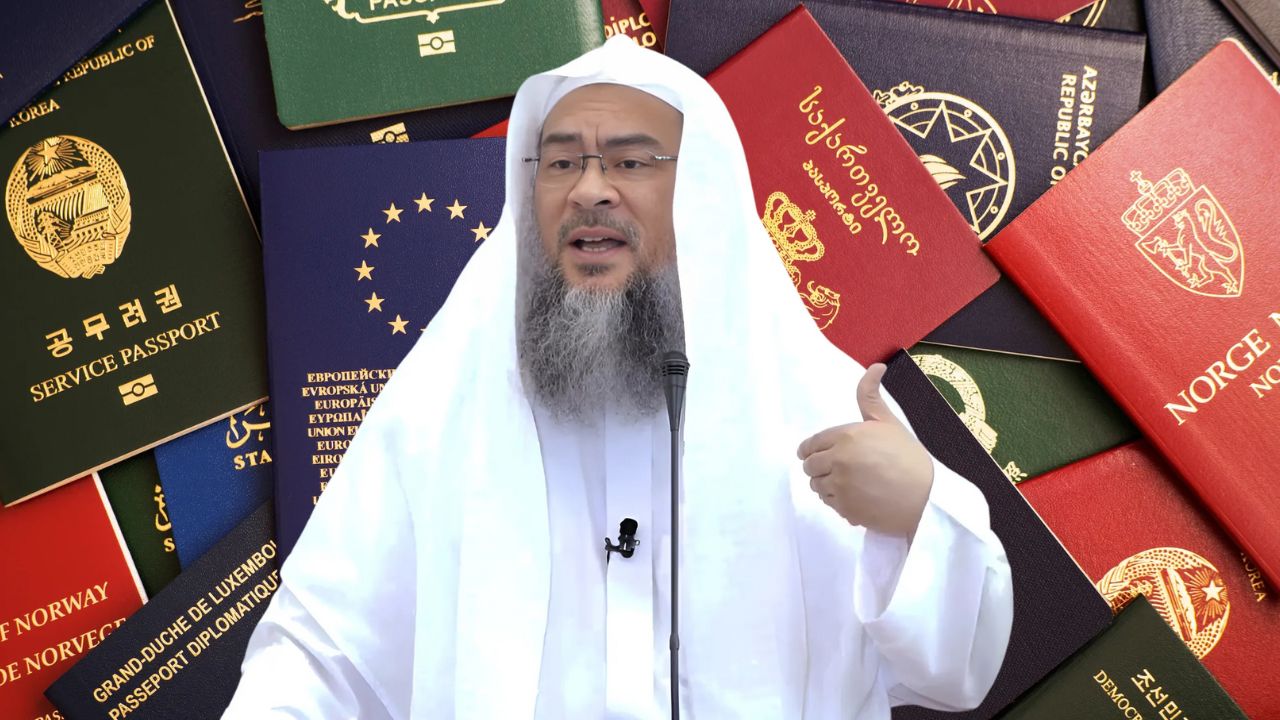
    Prominent Saudi cleric of Indonesian descent Sheikh Assim bin Luqman al-Hakeem has declared it forbidden for a Muslim to seek citizenship of a non-Muslim country. 

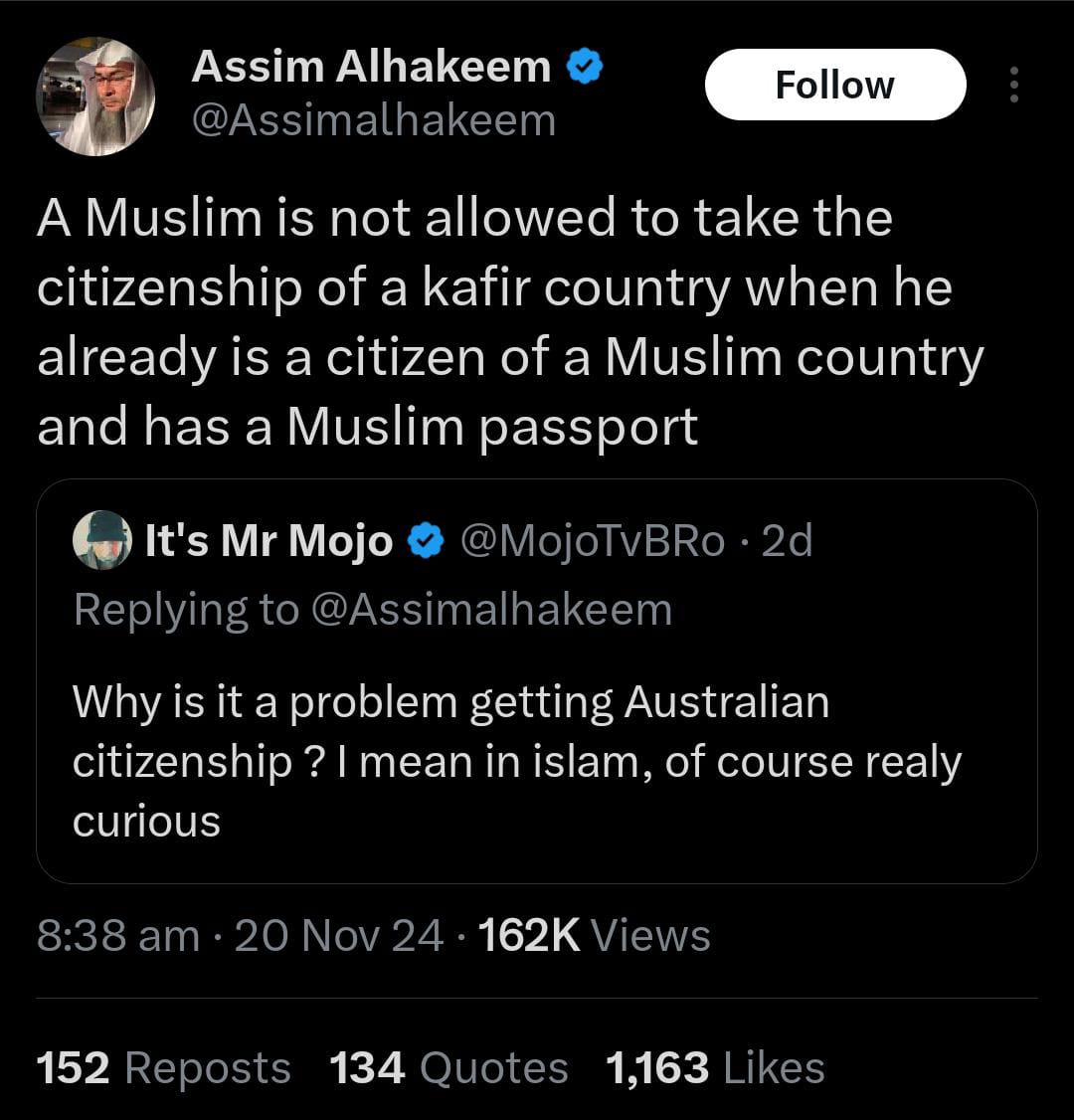
    As per the details, the cleric took to X (formerly Twitter) to respond to a follower’s query regarding why under Islamic principles was it a problem to get Australian citizenship.

    “A Muslim is not allowed to take the citizenship of a kafir country when he already is a citizen of a Muslim country and has a Muslim passport,” the cleric wrote in a post that has since gone viral.
     1732277892-EJEX4VVSVV.jpg

    While Sheikh Assim’s statement has triggered a debate on social media, the cleric himself is yet to respond to hundreds of follow-up questions being asked by netizens. 

    “How do you define a Muslim country, Sheikh?” asked one user.

    Another asked what it meant for Muslims born in a kafir country. “How about Muslims born in a kafir country? Should they migrate?”

    “So what qualifies a country as a kaafir? And if it wants to revert, how will it do the shahada? And how does the country follow the pillars of Islam??? [sic]” asked a third user.

    Who is Sheikh Assim Alhakeem?

    Based primarily in the Saudi city of Jeddah, Sheikh Assim hosts programmes dealing with Islam. He quickly rose to fame on social media due to his witty sarcasm and humorous approach.

    He has been an imam in Jeddah for the past 20 years, where he delivers weekly sermons before Friday prayer and lectures on various Islamic sciences. 

    Sheikh Assim mostly preaches in English, delivering Islamic programmes on social media channels, including Questions and Answers (ASK HUDA), Umdatul Ahkaam, Youth Talk and Mercy to the Worlds.

    He also preaches on television and radio channels, such as Huda TV, Zad TV, Peace TV, Iqraa, and Saudi 2.

    The cleric, deemed controversial by many, had earlier this year made headlines when a Montreal theatre denied him the use of its venue for having described Jews as “enemies of Islam”.

    Sheikh Assim was scheduled to speak at the Théâtre Rialto as part of a charity event organised by Penny Appeal Canada. However, following concerns raised by the Centre for Israel and Jewish Affairs (CIJA) and B’nai Brith Canada, the theatre informed the groups that it would not be hosting the event.

    The event was part of the Saudi cleric’s speaking tour across Canada, which sparked outrage from politicians and Jewish organisations.
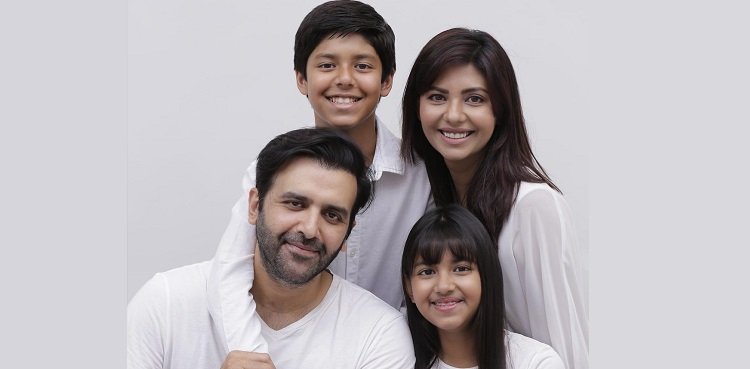
  • ‘I will ask questions, not judge’: Hassan Ahmed talks about raising children in multi-faith home

    ‘I will ask questions, not judge’: Hassan Ahmed talks about raising children in multi-faith home

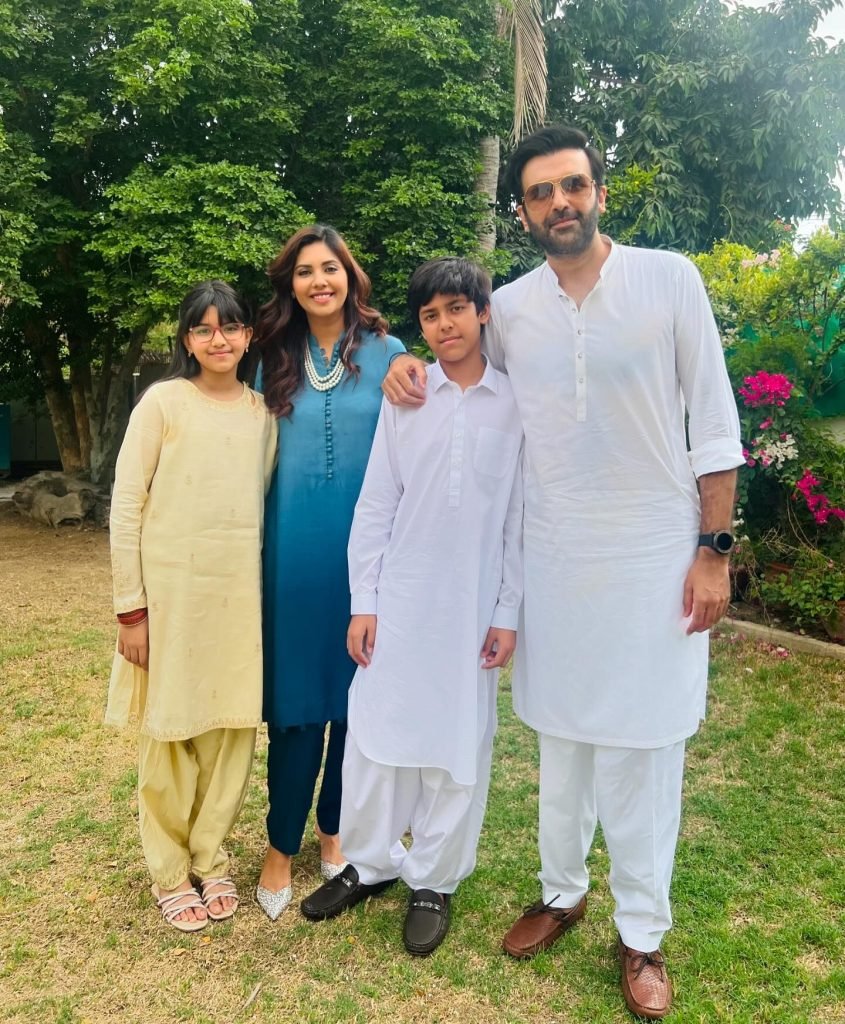
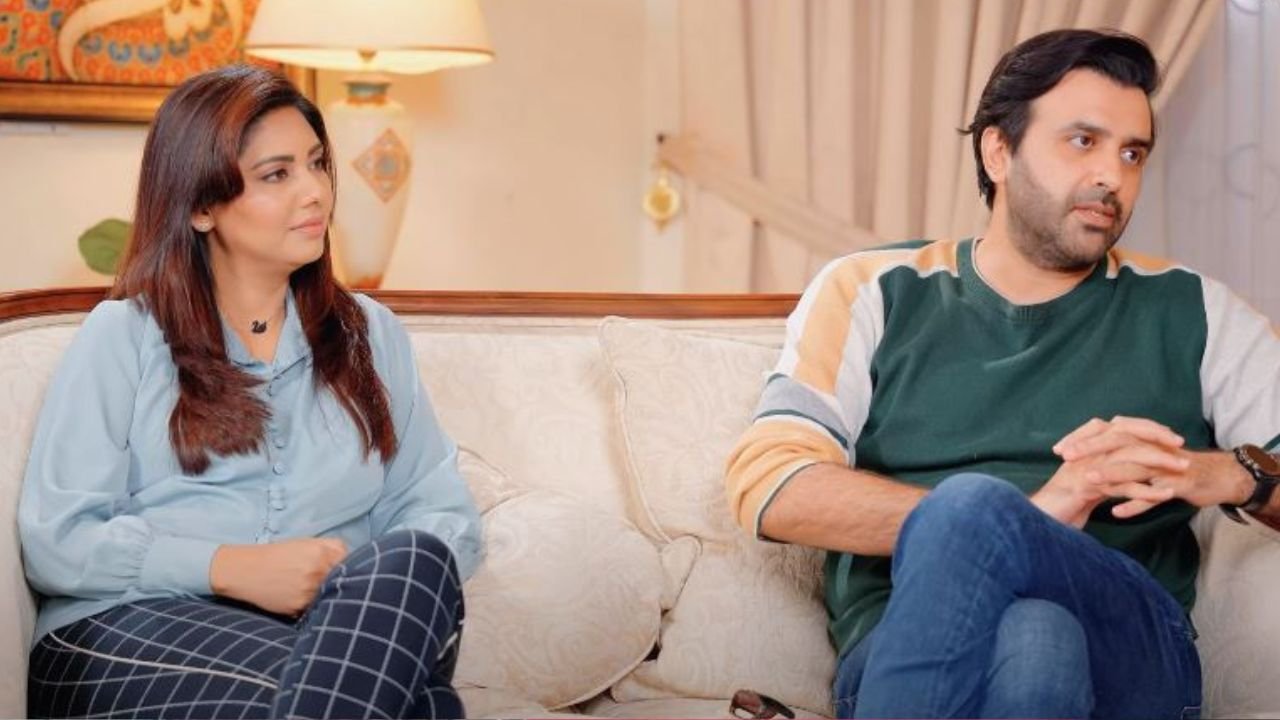
    Sunita Marshall and Hassan Ahmed are the perfect example of interfaith love and harmony. They’ve always been open about their journey of raising their kids in a Muslim household while respecting each other’s beliefs.
    The couple appeared on Masarrat Misbah’s show and discussed raising children in a household with different faiths.

    Hassan pointed out that many people adopt a religion simply because they are born into it, without studying its teachings or understanding what is right and wrong. “If my children ever express interest in Christianity, I would calmly discuss it with them. I wouldn’t react with anger but engage in a dialogue, asking them about their reasons and interpretations,” he remarked. He noted that his daughter, known for her logical approach, often considers such matters thoughtfully.

      While talking about his past, Hassan said, “I used to be that Muslim we often see in our society, someone who carried a lot of aggression. Marrying a woman from a different religion was perhaps Allah’s way of helping me shed that intolerance. While I still hold Islam in high regard, this experience has taught me the importance of tolerance and understanding.”
    Hassan Ahmed and Sunita Marshall tied the knot in 2008 and have two children.

  • Indonesia’s all-girl Muslim metal band heads to Glastonbury

    Indonesia’s all-girl Muslim metal band heads to Glastonbury

    When three Indonesian teen girls formed a metal band 10 years ago to sing about gender equality and peace over bone-crunching guitars and drums, they could scarcely have dreamed of one day playing at Glastonbury.

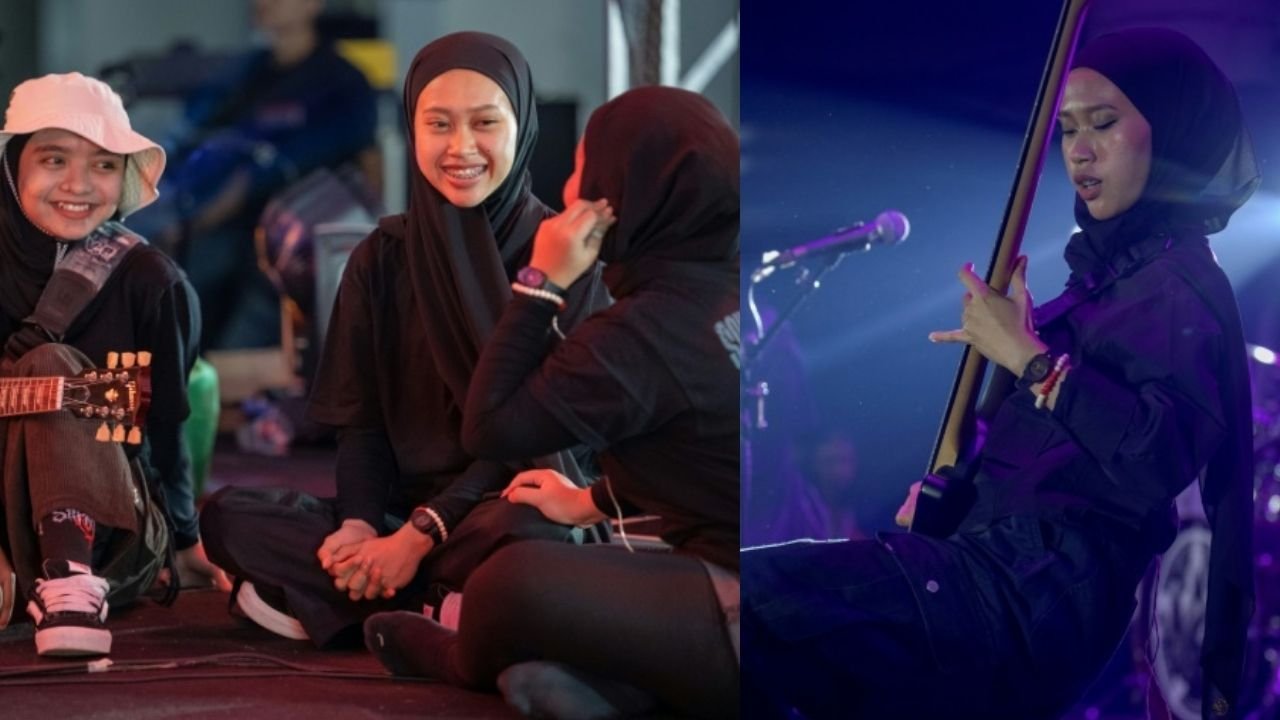
    Yet, a decade later, Voice of Baceprot’s three Muslim women will become the first band from Indonesia to perform at the world-famous festival in Britain this week, where the headliners include Coldplay and Dua Lipa.

    Their set will mark the latest highlight in a wild career that has seen Firda Kurnia (guitar and vocals), Widi Rahmawati (bass) and Euis Siti Aisah (drums) amass a huge fanbase while challenging gender stereotypes in male-dominated Indonesian society.

    “Honestly, Glastonbury is not on our wishlist because we feel like it is too high a dream,” Euis, 24, told AFP.

    “(I am) half in disbelief. That is why we keep checking whether it is the official Glastonbury or if someone pranked us.”

    Voice of Baceprot rose from humble beginnings in a village near the West Javan city of Garut.

    They won fans with their raucous Rage Against the Machine covers — the word “baceprot” means noisy in Sundanese, an Indonesian traditional language — and also won fans with their original material.

    Then came wider international attention, including plaudits from some superstars. Red Hot Chilli Peppers bassist Flea once tweeted that he was “so down with Voice of Baceprot”.

    And while the group has previously played in the United States and Europe — including at the famous Wacken metal festival in Germany — there are nerves ahead of Glastonbury.

    “Hopefully my nervousness is a reminder for me to be more prepared,” said Euis.

    – Indonesia tour dream –

    Muslim conservatives in Indonesia have criticised the band over the fact that they are women, and also claimed their clothes are inappropriate.

    But Voice of Baceprot have stuck to their beliefs and shot back through their music.

    Their biggest hit — “God, Allow Me (Please) to Play Music” — has racked up millions of plays on YouTube and Spotify, and takes aim at the conservative detractors who say women should not play such music.

    The band has also written songs about climate change and women’s rights.

    “We create songs based on what we see, hear, read, and experience ourselves,” said Firda.

    The group’s rise has come with a hazard they had not anticipated: “obsessed” fans curious about every aspect of their lives.

    Some have even showed up at their homes to try and meet them.

    “We’re like: ‘OK, maybe this is one of the job’s risks.’ Our families sometimes get confused,” said Firda, 24.

    After forming in 2014, Voice of Baceprot played at small festivals around West Java, one of Indonesia’s most conservative provinces.

    They later moved to the capital Jakarta and also played online concerts during the Covid pandemic.

    They have since returned to their hometown, where they are building their own studio.

    Widi said the band has received “a lot” of offers to play abroad.

    But as they prepare to play the biggest show of their lives at the famous Worthy Farm in southwest England, Voice of Baceprot say one of their dreams is rooted at home.

    “We actually really want to tour Indonesia,” said Widi. “But we haven’t had the opportunity yet.”

  • Online hate sows Muslim fears as India votes

    Online hate sows Muslim fears as India votes

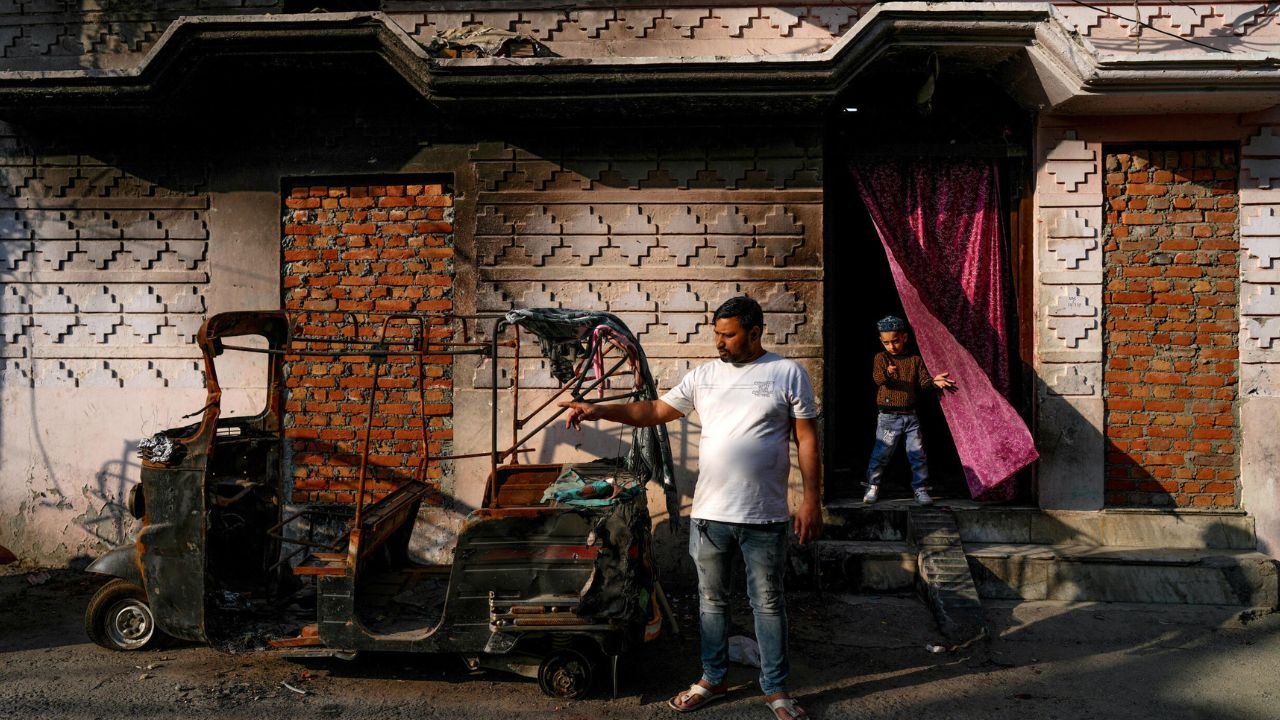
    Haldwani (India) (AFP) – After his brother was murdered in anti-Muslim riots, Pervez Qureshi watched the videos he believes incited the killers, part of a wave of hatred being fomented on social media ahead of India’s elections.

    India has a long and grim history of sectarian clashes between the Hindu majority and its biggest minority faith, but analysts warn increasingly available modern technology is being used to deliberately exploit divisions.

    “Videos and messages were shared on Facebook and WhatsApp which contained inflammatory language and incitement to violence,” Qureshi told AFP, recalling the attack on his brother Faheem in February in the northern city of Haldwani in Uttarakhand state.

    “It poisoned the atmosphere.”

    Nearly 550 million more Indians have access to the internet than when Prime Minister Narendra Modi came to power a decade ago, according to figures from the Internet and Mobile Association of India.

    Modi’s Hindu-nationalist Bharatiya Janata Party (BJP) is widely expected to win a third term in elections that begin on April 19.

    Part of his popularity can be attributed to his party’s masterful online campaign team, staffed by thousands of volunteers who champion his good deeds and achievements.

    Modi’s use of social media “awakens nationalism and patriotism among the youth in every corner of the country”, said Manish Saini, a youth leader of a BJP “IT Cell” in Uttarakhand state, who works online to reach voters.

    ‘Atmosphere of hatred’

    Critics however accuse the BJP’s sophisticated social media apparatus of also fanning the flames of division.

    Haldwani community leader Islam Hussain said tensions were already high before February’s violence, after months of incendiary social media posts calling Muslims “outsiders”.

    “It was said that due to the increasing population of Muslims, the social demography of Uttarakhand is changing”, Hussein said.

    “Right-wing social media cells have a big role in creating an atmosphere of hatred against Muslims.”

    Clashes erupted after the authorities said a mosque had been built illegally, and a Muslim group gathered to prevent its demolition.

    Some hurled stones at police officers, who beat them back with batons and tear gas.

    Hindu residents gathered to cheer on the police clampdown, chanting religious slogans and throwing rocks at the crowd.

    Footage of the riots spread swiftly on social media.

    Egged on by online calls to mobilise, Hindu mobs rampaged through the streets.

    “It’s time to teach them a lesson,” read the caption to one of dozens of inflammatory posts, many of which remain online.

    “The time has come to beat Muslims.”

    Qureshi said his brother Faheem, 32, was killed by Hindu neighbours after they first torched his car.

    ‘Triggers an incident’

    But Saini, coordinator for the BJP’s youth wing, said the online team he leads does not encourage violence — and is under strict instruction not to “write anything against anyone’s religion”.

    He said his colleagues had mobilised quickly on the day riots broke out to provide information, not to stir up trouble.

    “When we got the news, we immediately started preparing graphics, videos and text messages to reach people with the correct and accurate information related to the incident,” he said.

    He said the initial violence was clashes between police and a Muslim group — and blamed Modi’s opponents for instigating riots to tarnish the government’s image.

    Critics disagree.

    Raqib Hameed Naik, from research group Hindutva Watch, said that the BJP’s IT Cell had generated anger towards minorities, by promoting the government’s Hindu-nationalist agenda.

    Naik, who documents hate speech against religious minorities, said the social media messages spreading during the Haldwani violence followed a pattern seen in previous riots.

    “First, hate speech against Muslims by a Hindu activist or politician creates an atmosphere… then the hate speech triggers an incident,” Naik said.

    Afterwards, online Hindu-nationalist campaigners “hold Muslims responsible” for the violence, he added.

  • Bangladesh opens mosque for transgender hijra community

    Bangladesh opens mosque for transgender hijra community

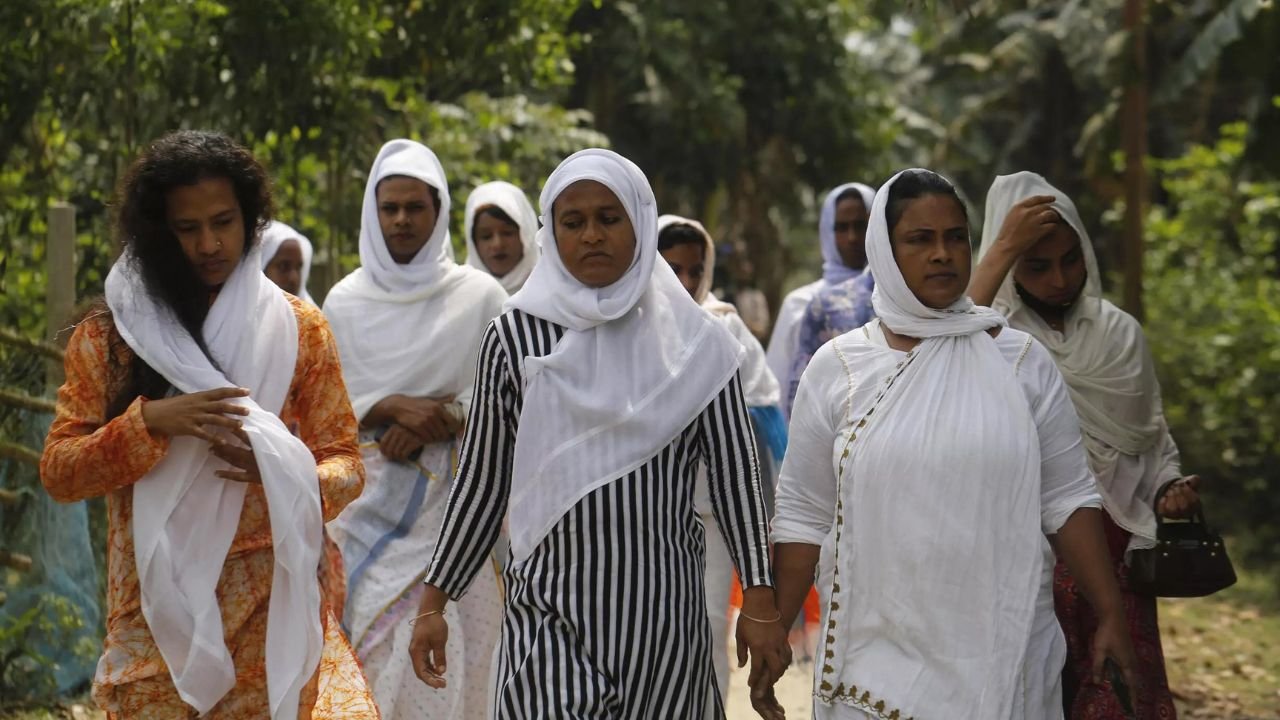
    Mymensingh (Bangladesh) (AFP) – Kicked out of other prayer services, members of Bangladesh’s transgender hijra community have been welcomed at a new mosque in the Muslim-majority nation with the promise of worship without discrimination.

    The humble structure — a single-room shed with walls and a roof clad in tin — is a new community hub for the minority, who have enjoyed greater legal and political recognition in recent years but still suffer from entrenched prejudice.

    “From now on, no one can deny a hijra from praying in our mosque,” community leader Joyita Tonu said in a speech to the packed congregation.

    “No one can mock us,” added the visibly emotional 28-year-old, a white scarf covering her hair.

    The mosque near Mymensingh, north of the capital Dhaka on the banks of the Brahmaputra river, was built on land donated by the government after the city’s hijra community were expelled from an established congregation.

    “I never dreamt I could pray at a mosque again in my lifetime,” said Sonia, 42, who as a child loved to recite the Koran and studied at an Islamic seminary.

    But when she came out as hijra, as transgender women in South Asia are commonly known, she was blocked from praying in a mosque.

    “People would tell us: ‘Why are you hijra people here at the mosques? You should pray at home. Don’t come to the mosques,’” Sonia, who uses only one name, told AFP.

    “It was shameful for us, so we didn’t go,” she added. “Now, this is our mosque. Now, no one can say no.”

    ‘Like any other people’

    Hijra have been the beneficiaries of growing legal recognition in Bangladesh, which since 2013 has officially allowed members of the community to identify as a third gender.

    Several have entered Bangladeshi politics, with one transgender woman elected mayor of a rural town in 2021.

    But hijra still struggle for basic recognition and acceptance, lacking property and marriage rights.

    They are also often discriminated against in employment and are much more likely to be victims of violent crime and poverty than the average Bangladeshi.

    Hardline Islamist groups have also lashed out at the recognition of transgender Bangladeshis in school textbooks, leading rallies to demand the government abandon its push to include them in the curriculum.

    Mufti Abdur Rahman Azad, founder of a hijra charity, told AFP that the new mosque was the first of its kind in the country.

    A similar endeavour planned in another city was stopped last month after a protest by locals, he added.

    Dozens of local hijra women donated time and money to build the Dakshin Char Kalibari Masjid for the Third Gender, which opened this month.

    It also has a graveyard, after a local Muslim cemetery last year refused to bury a young hijra woman inside its grounds.

    The mosque’s imam, Abdul Motaleb, 65, said that the persecution of the hijra community was against the teachings of his faith.

    “They are like any other people created by Allah”, the cleric told AFP.

    ‘No one can be denied’

    “We all are human beings. Maybe some are men, some are women, but all are human. Allah revealed the Holy Koran for all, so everyone has the right to pray, no one can be denied.”

    Motaleb said that other Bangladeshis could learn from the faith and strength of the hijra.

    “Since I have been here at this mosque, I have been impressed by their character and deeds,” he said.

    The new mosque is already tackling prejudice. Local resident Tofazzal Hossain, 53, has offered Friday prayers there for a second week in a row.

    He said living and praying with the hijra community has changed his “misconceptions” about them.

    “When they started to live with us, many people said many things,” he told AFP.

    “But we’ve realised what people say isn’t right. They live righteously like other Muslims”.

    Tonu hopes to expand the simple mosque to be big enough to cater for more people.

    “God willing, we will do it very soon,” she told AFP.

    “Hundreds of people can offer prayers together.”

  • Muslim family attacked by Hindutva extremists during Holi in India

    Muslim family attacked by Hindutva extremists during Holi in India

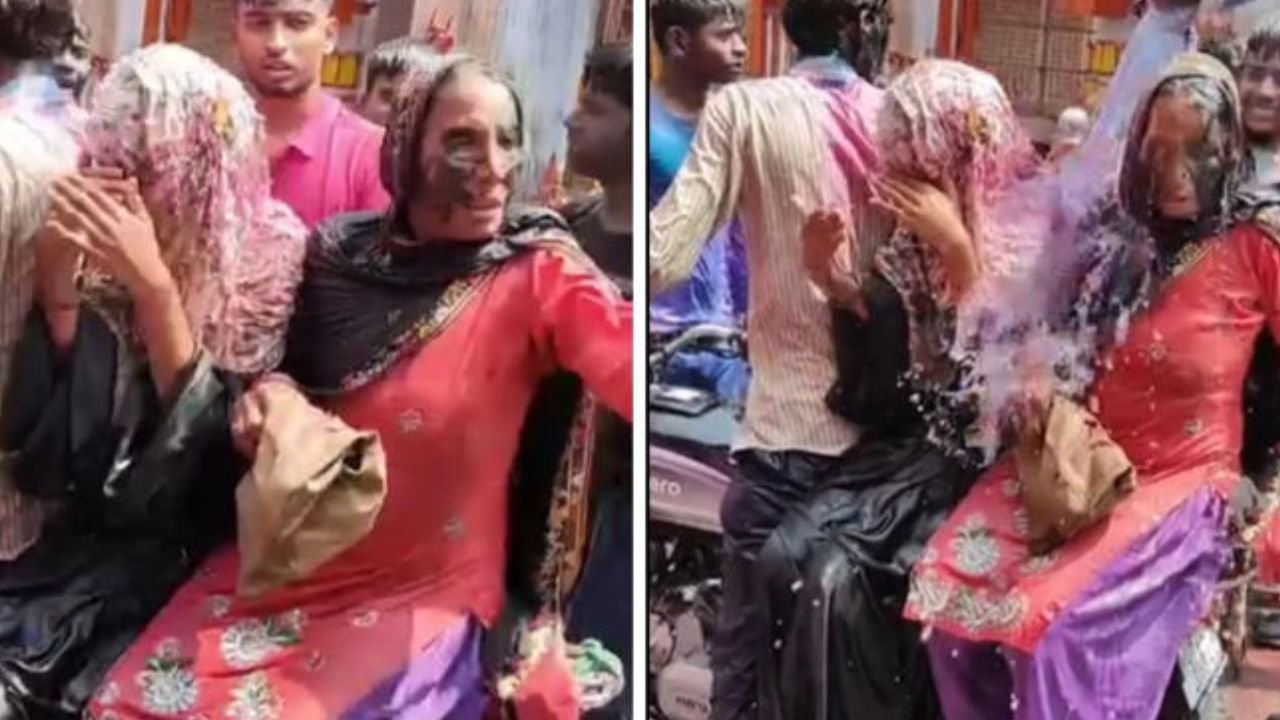
    A Muslim family in India was targeted by a group of young men and boys who sprayed water and Holi colors on them without their consent.

    The incident, captured on video, shows the group forcibly applying colors to the family while chanting religious slogans, ‘Jai Shri Ram’ and ‘Har Har Mahadev’.

    Despite the family’s protests, the harassment persisted, with the perpetrators seen laughing as they continue.

    The Bijnor police arrested one individual and detained three juveniles. Authorities have intervened, emphasizing the necessity of obtaining consent before putting colors on people during the holy festival.

  • Sultan Salahuddin Ayyubi Drama coming to screens

    Sultan Salahuddin Ayyubi Drama coming to screens

    Sultan Salahuddin Ayyubi is a joint large-scale Pakistan and Turkey production. Humayun Saeed, Adnan Siddiqui, Dr. Kashif Ansari, Ahmet Faruk Bakacak, and Dr. Junaid Ali Shah produced the project.
    At first, Turkish actors played the main roles in the show. The story is about the legendary Muslim warrior and leader Sultan Salahuddin Ayyubi. Right now, the drama is airing in Turkey. Soon, Pakistani viewers can watch it with Urdu dubbing.
    Today, Hum TV shared the official promo of Salahuddin Ayyubi on their Instagram page.

    Fans really want to see the teaser of the series. Some are asking the channel to also share the trailer.

  • Islamophobia Soared In UK With Israeli Genocide in Gaza

    Islamophobia Soared In UK With Israeli Genocide in Gaza

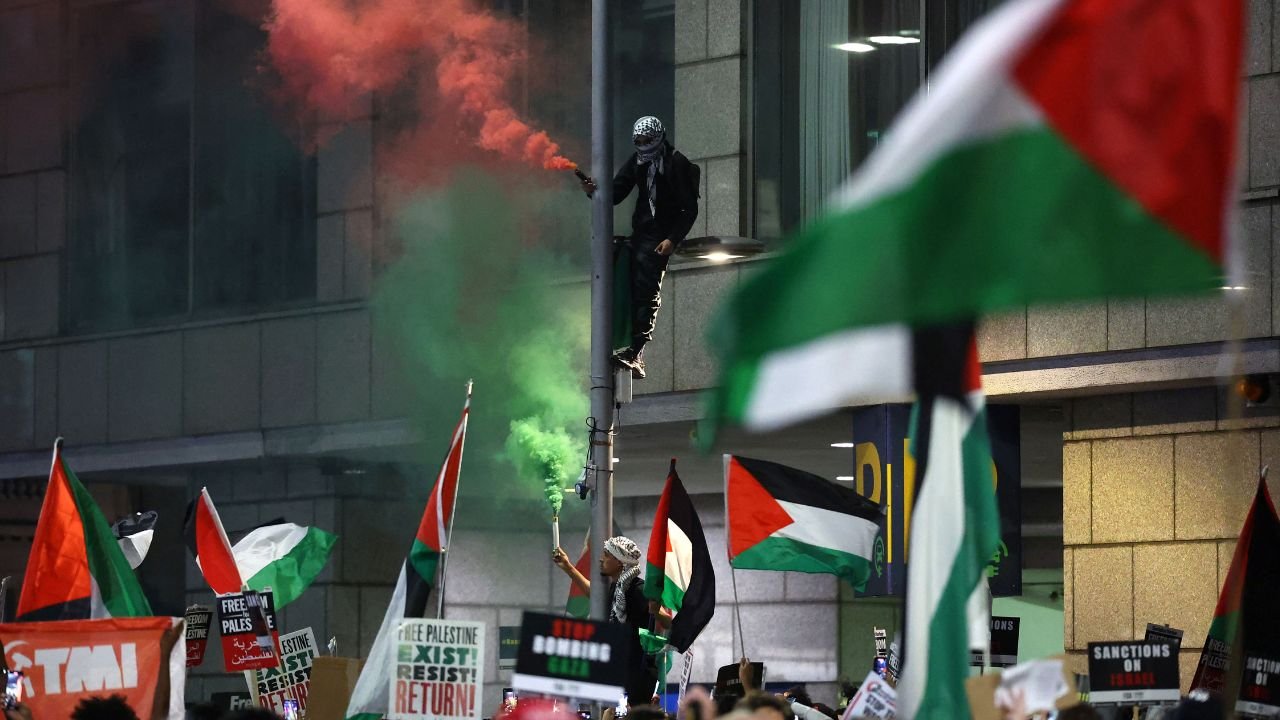
    Anti-Muslim hate incidents in the UK more than tripled following the Israeli genocide in Gaza, a monitoring group said Thursday.

    Tell MAMA recorded 2,010 such cases in the four months since Hamas’s attack against Israel on October 7 which resulted in intensified Israel bombarding Gaza.

    That was the largest recorded number of cases in a four-month period, said a statement from the organisation, which was set up to monitor and report such incidents.

    The latest figures were up from 600 incidents over the same period in 2022-2023, a rise of 335 percent.

    “We are deeply concerned about the impacts that the Israel and Gaza war are having on hate crimes and on social cohesion in the UK,” said Tell MAMA director Iman Atta.

    “This rise in anti-Muslim hate is unacceptable and we hope that political leaders speak out to send a clear message that anti-Muslim hate, like anti-Semitism, is unacceptable in our country.”

    Tell MAMA said that 901 cases occurred offline while 1,109 were online. Most of the offline incidents took place in the British capital London, it added.

    They included abusive behaviour, threats, assaults, vandalism, discrimination, hate speech and anti-Muslim literature.

    Women were the target in 65 percent of cases, the group said.

    Earlier this month, a Jewish charity reported that anti-Semitic incidents in Britain hit record levels last year, with a surge after Hamas’s attack.

    The Community Security Trust (CST), which monitors anti-Semitism in Britain, recorded 4,103 “anti-Jewish hate incidents” in 2023, its highest annual tally since it began counting them in 1984.

    That represented a 147-percent increase on the 1,662 incidents recorded in 2022.

    Israel’s subsequent invasion of Gaza and sustained military campaign has killed at least 29,410 people, mostly women and children, according to the latest health ministry figures.

    pdh/jj

    The Barron’s news department was not involved in the creation of the content above. This article was produced by AFP. For more information go to AFP.com.
    © Agence France-Presse

  • Indian court allows Hindus to pray inside disputed mosque

    Indian court allows Hindus to pray inside disputed mosque

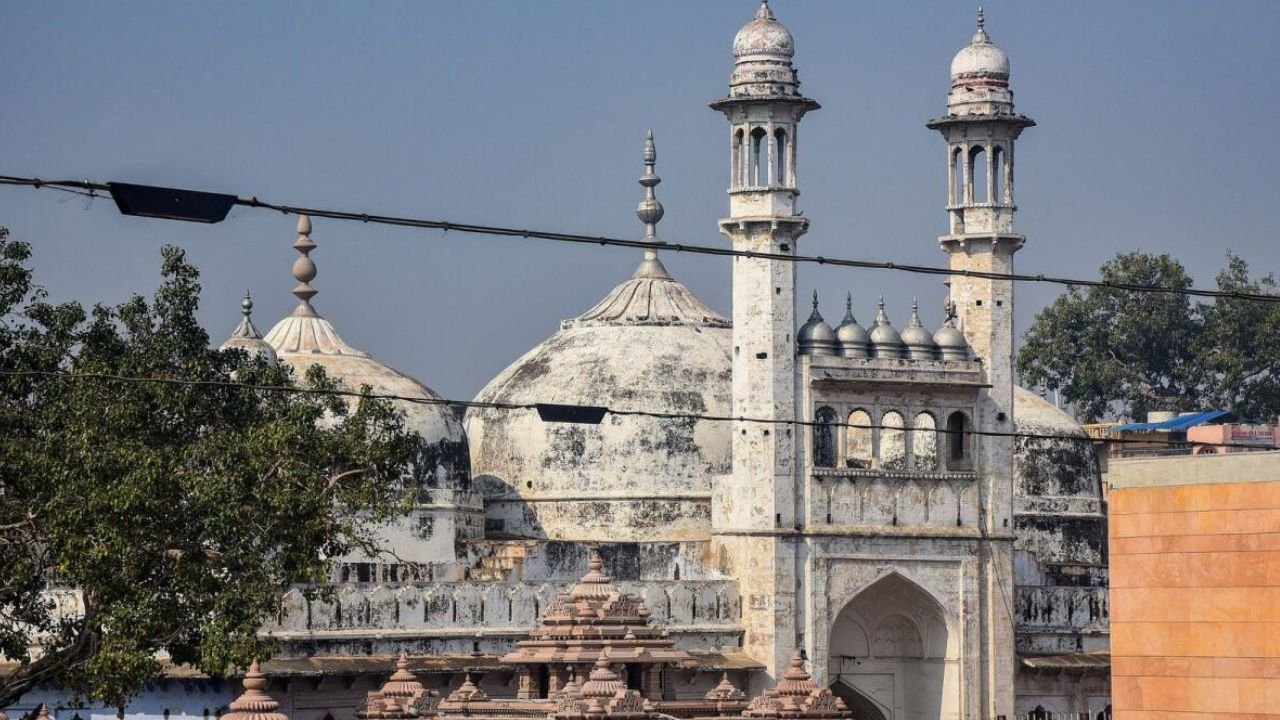
    An Indian court weighed in on one of the country’s most sensitive religious disputes Wednesday by permitting Hindu worshippers to pray inside a mosque in the city of Varanasi.

    The Gyanvapi mosque is one of several Islamic houses of worship that Hindu activists, backed by Prime Minister Narendra Modi’s party, have sought for decades to reclaim for their religion.

    It was built in the 17th century by the Mughal empire in a city where Hindu faithful from across the country cremate their loved ones by the Ganges river.

    The court in Varanasi ruled that Hindu worshippers — who believe the mosque replaced a destroyed temple to the deity Shiva — could pray in the building’s basement.

    Its verdict ordered district authorities to “make proper arrangements within the next seven days” to facilitate worshippers.

    The decision is the latest in a long-running legal saga over Gyanvapi’s future.

    This month, India’s official archaeological agency said a survey of the site appeared to corroborate the belief that it was originally home to a temple, according to local news reports.

    Emboldened right-wing Hindu groups have laid claim to several Muslim sites of worship they say were built atop ancient temples during Mughal rule.

    Last week, Modi presided over a grand inauguration ceremony in the nearby city of Ayodhya for a Hindu temple built on grounds once home to the centuries-old Babri mosque.

    Hindu zealots had torn down that mosque in 1992 in a campaign spearheaded by members of Modi’s party, sparking sectarian riots that killed 2,000 people nationwide, most of them Muslims.

    The decades-long court battle that ensued over the future of the Babri site ended in 2019 when India’s top court permitted the construction of a temple to the deity Ram, who according to Hindu scripture was born in the city.

    Members of Modi’s party routinely refer to India’s history of Muslim rule under the Mughal emperors as a time of “slavery”.

    The prime minister described last week’s opening of the temple as “the advent of a new era”.

    Calls for India to enshrine Hindu supremacy have rapidly grown louder since Modi took office in 2014, making its roughly 210-million-strong Muslim minority increasingly anxious about their future.

  • India continues becoming unsafe for Muslims as Ram Mandir consecration emboldens extremists

    India continues becoming unsafe for Muslims as Ram Mandir consecration emboldens extremists

    A number of violent incidents have been reported in at least six states after the consecration of Ram Temple in Ayodhya, India.

    A report published by the Indian outlet The Quint says that from a graveyard in Bihar to a mosque in Telangana, India saw multiple attacks and violent incidents on 22 January. The incidents were of varying scales, ranging from sandals allegedly thrown inside a mosque and a shop being burnt in Telangana to a graveyard set on fire in Bihar, to violent skirmishes in different parts of Maharashtra.

    In the capital of Uttar Pradesh, Lucknow, a video of a hateful song being played in Narhi, Hazratganj, surfaced on social media. The song was allegedly played by a procession celebrating the consecration of Ram Temple.

    Journalist Rana Ayyub shared the video with a caption stating, “Trigger warning for abusive, misogynistic language. Do listen to this song. To go to a Muslim locality and celebrate Ram Mandir’s inauguration with this song. And you still think this is about faith? Is this how you want to raise your kids? Is this the culture you want to normalise? Why send your kids to Ivy League, why give them quality education, let them be a part of this crass revelry.”

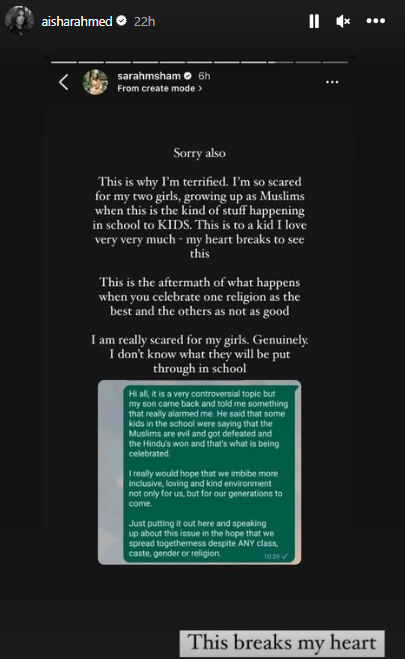
    Famous Indian actor Aisha Ahmed, popular for her roles in web-series ‘Adulting’, shared her experience via an Instagram story of Sarah Sham, the influencer and wife of Indian Tennis player, Mustafa Ghouse who shared her heartbreaking experience of getting a message from a fellow parent about their kid being harassed in school for being Muslim.

    Sarah said it had taken a lot of effort to share her experience of feeling like a second-grade citizen in her country. She went on to explain that the persecution has exacerbated after the establishment of Ram Mandir.

    Indian publication The Wire posted two days ago that activist and journalist Umar Khalid’s bail plea got adjourned yet again. He has been detained since September 2020. Commenting upon this, Professor of Peace Studies at Uppsala University Dr. Ashok Swain said, “If you are a Muslim in India, you have no one, I repeat no one to save you from the wrath of Modi!”

    He even shared a video of a Hindu supremacist mob attacking Muslims and their properties in Mumbai, screaming “Jai Sri Ram”.

    Extremist Hindus in Pune University beat up students of the Film and Television Institute of India for putting up banners that read “Remember Babri, death of constitution.”

    Mob beating or lynching Muslims in India has become a frequent sight in India lately.

    One of the Khans of Bollywood, Aamir Khan, once slammed fellow countrymen for their growing intolerance. He later redeemed himself to the extremists by praising Prime Minister Narendra Modi.

    Yusra Hussain, a freelance journalist from Lucknow told Al-Jazeera, “After Ayodhya, there might be a snowballing effect on other disputed places like Mathura and Kashi,”.

    Mathura and Varanasi – Modi’s parliamentary constituency also known locally as Kashi – are also home to historic mosques that the prime minister’s Bharatiya Janata Party (BJP) and its Hindu majoritarian allies say were built on demolished temples.