Tag: myths

  • Chewing gum, TV and black cats: Popular myths we hear as children

    Chewing gum, TV and black cats: Popular myths we hear as children

    As we get older, there are many things that we believe as children that we find out aren’t true. It might be a shocker when you find out that chewing gum doesn’t stay in your stomach forever or the tooth fairy isn’t real (we were so sad about this one)! Shanzeh Chaudhry asked around and found out the most popular myths we believed as children – and how real they really are.

    1. The Tooth Fairy

    We’ve all heard of the mysterious creature that comes to us at night and takes our teeth in exchange for money. The legend of the tooth fairy actually traces back to the 10th century, beginning in Northern Europe. Parents would actually pay their children for their baby teeth. Why? Back then a lot of superstition surrounded the topic. Sometimes warriors would wear the baby teeth as jewelry for good luck. It was actually a warrior who originally came up with the idea of a fairy coming at night and taking the teeth. Over time, the story developed and now is used by parents to keep their children’s teeth clean (as we all know the tooth fairy doesn’t accept decayed teeth). Sadly the tooth fairy is not real.

    2. Sitting too close to the television will blind you

    This is a popular myth, that most of us have been told whenever we get a bit too close to the television. Many people actually believe this while entering adulthood too, but in actuality, this is false. The most damage that can be done to your eyes by sitting too close to the television, is a temporary eye strain, which happens because our blinking rate reduces. In fact, adults are more likely to get eye strains than children when sitting too close to the television. So it isn’t entirely wrong, just exaggerated.

    3. Swimming after eating will give you a stomachache

    Swimming shortly after a meal isn’t risky at all. Digestion diverts some of your blood flow from your muscles to your stomach, Parents feared that the water would block that vital blood flow, resulting in severe cramps and the risk of drowning. The truth is that has no way of affecting your digestion, if you’re not in the water for exercise then you should be completely fine.

    4. If a black cat passes you, it’s bad luck
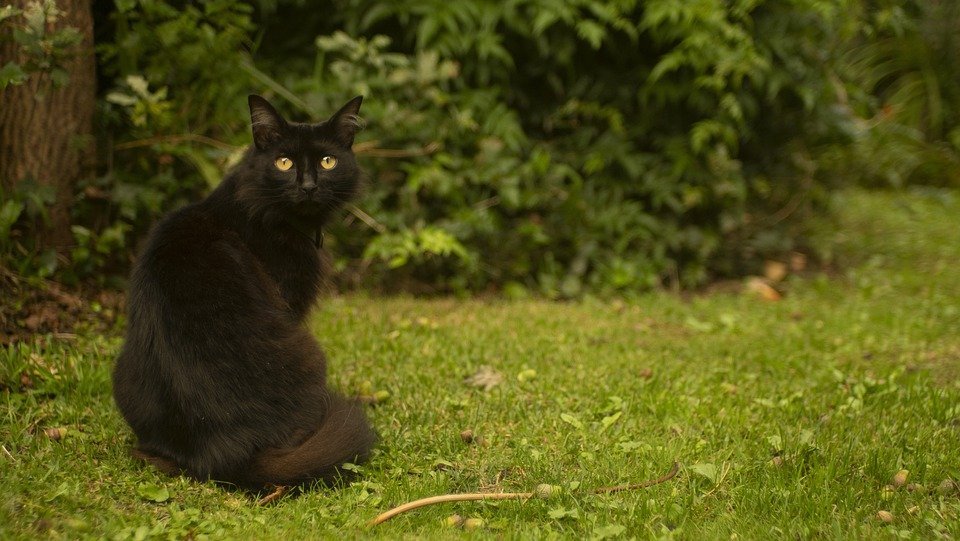
    Black cats haven’t had it easy because of this one. They’ve been plagued by superstition for a long time, from medieval beliefs that they were all witches’ pets to current fears that it’s a bad omen to pass one by. This once again is not true and is simply like any ordinary cat you’d find. In fact in other cultures they are seen as good luck. In Japan, they supposedly bring luck to your love life. European sailers would take them on a journey for good luck. A long-held superstition in Scotland is that a black cat coming unexpectedly on your porch is a sign of future success. In France, if you looked after them, they would bring you good luck. There’s a legend that the Norse goddess Freya loves cats and would reward farmers with a successful crop if they feed them and looked after them.

    5. If you eat a seed a plant will grow in your stomach
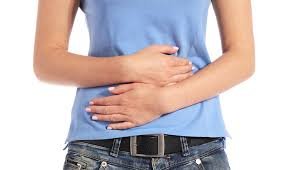
    There is no possibility of this happening. We all occasionally swallow a seed when eating fruit in particular. Parents probably came up with this to scare us and avoid smaller children from choking on seeds. You can now comfortably eat your favorite fruit without fearing that a tree is going to pop out of you.

    6. If you swallow chewing gum it will stay in your stomach for seven years

    It is true that chewing gum takes longer to digest than most food, but it’s generally not harmful to swallow. It definitely doesn’t take seven years to digest, but most likely takes a maximum of five days to get out of your system. Large amounts of gum ingested with constipation have reportedly blocked intestines in children on rare instances. It is for this reason that chewing gum should not be swallowed often. It’s specifically more dangerous for children.

  • Heard that solar eclipse on Sunday is going to end your life? Here’s what will really happen

    Heard that solar eclipse on Sunday is going to end your life? Here’s what will really happen

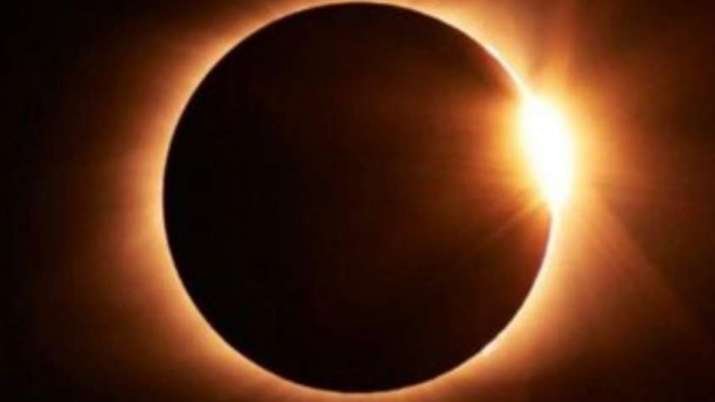
    The annual solar eclipse will be witnessed on Sunday, June 21 when the sun would appear like a circle or ring of light. During a solar eclipse, the Moon comes between the sun and the Earth, blocking its rays. At that moment, the Sun, Moon and Earth are aligned.

    This solar eclipse will be an extremely rare one and will create a “ring of fire”. Amid all this, a conspiracy theory is doing rounds on social media that the world is ending on June 21.

    But you all might be thinking what would happen and what we should be doing? Certain precautionary measures should be taken to avoid any harmful side effects. The solar eclipse will be witnessed from 09:30 am to 02:00 pm. 

    Nobody should go out during the eclipse time and must avoid looking at the sun. Anyone viewing the eclipse from the ground is advised to use specialized eclipse viewing glasses to avoid causing serious damage to their eyes. Keep yourself especially the kids indoors. 

    A WhatsApp video is doing rounds on social media that shows Pediatric ophthalmologist telling about how the eclipse can harm the children’s eyes.

    Whatsapp forwarded video

    There are also many myths and superstitions that eclipse could cause facial deformities or birthmarks to their babies. While there is no scientific backing to that, nobody should go out because “Eclipse blindness” is a real thing. It’s never safe for anyone to view the sun with a naked eye because it could permanently damage the retina. There are no proven eclipse-related health concerns for pregnant women or their babies. 

    Here’s when it will be maximum in your city.

  • Myth Buster: Can sitting in the sun save you from COVID-19?

    Myth Buster: Can sitting in the sun save you from COVID-19?

    Myths and misinformation related to COVID-19 are abundantly available on social media. This means that every piece of information you read regarding the virus may or may not be true. The best is to go to a trusted source like the World Health Organisation (WHO) to check any remedy or cure that might come up these days.

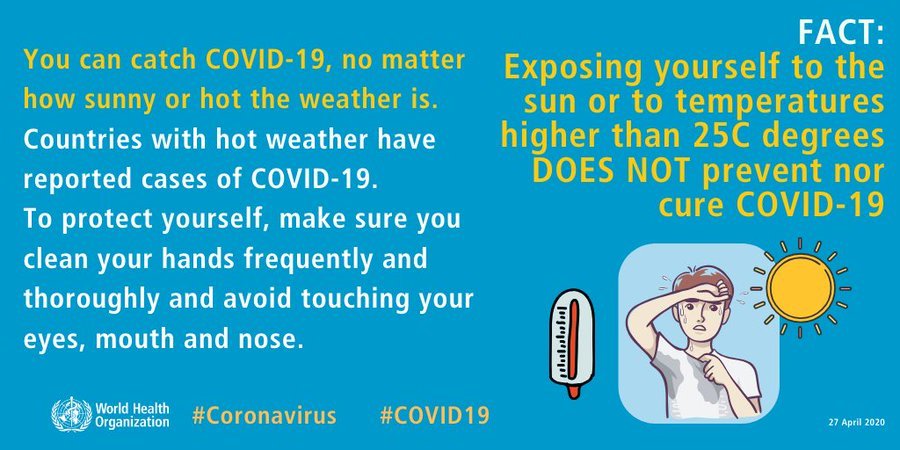
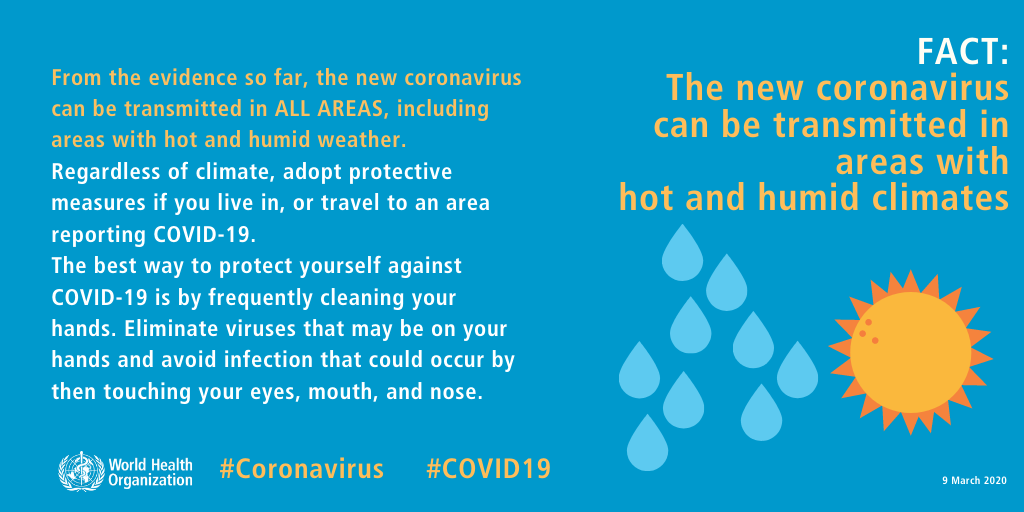
    Fact 1: Exposing yourself to the sun or temperature higher than 25C degrees does not prevent nor cure coronavirus.

    Fact 2: COVID-19 is not transmitted through houseflies.

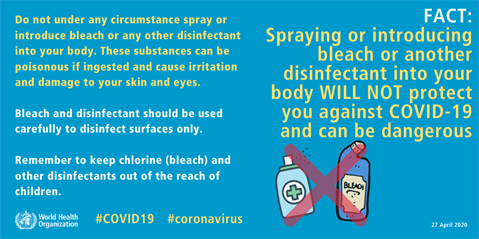
    Fact 3: Spraying or introducing bleach or another disinfectant into your body will not protect you against COVID-19 and can be dangerous.

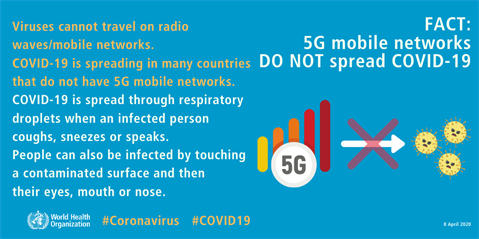
    Fact 4: 5G mobile networks do not spread COVID-19.

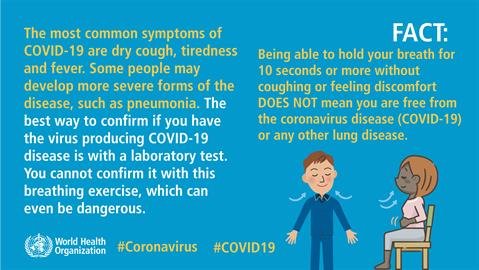
    Fact 5: Being able to hold your breath for 10 seconds or more without coughing or feeling discomfort DOES NOT mean you are free from the infection.

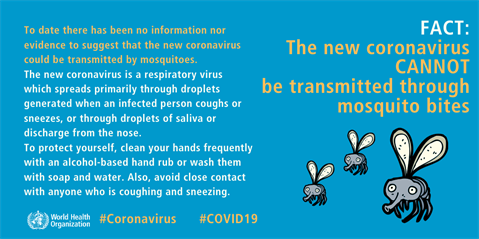
    Fact 6: The new coronavirus cannot be transmitted through mosquito bites.

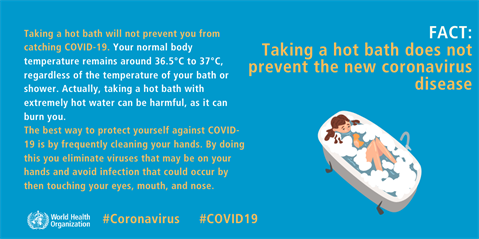
    Fact 7: Taking a hot bath does not prevent the new coronavirus disease.

  • Religious, cultural misconceptions of COVID-19 in Pakistan

    IPSOS is an international firm that produces data on the global market and public opinion across the world. From April 4 to 7, they polled 1,000 people across Pakistan to evaluate how Pakistanis treated myths and misconceptions regarding COVID-19.

    The sample size is from all the provinces and territories of Pakistan: Punjab, 57%, Sindh, 22%, Balochistan, 6%, KP, 10% and AJK, 5%. The age bracket is from 18 to 50 plus, and social-economic status is from higher to lower income holders, as shown in the picture below.

    COVID-19 MYTHS IPSOS SNAP POLL

    The results are overwhelming. As per the report, only “2 people out of 5 can correctly recall the official helpline (1166) to report COVID-19 cases, rest are either unaware or cannot recall correctly.”

    COVID-19 MYTHS IPSOS SNAP POLL

    RELIGIOUS AND SCIENTIFIC MISCONCEPTIONS

    Moreover, Pakistanis have alarming religious and scientific misconceptions on COVID-19. According to the data: 82% believe that “they can remain protected if they do wudu 5 times a day. “67% believe that “Allah has control over all viruses so congregation prayer in the mosque (jamaat) cannot infect anyone with the virus. 58% think that if “once the summer hear starts, the coronavirus will disappear.” 48% says that “shaking hands is Sunnah, so they cannot infect anyone with COVID-19 by doing so.”

    Other majors misconceptions are mentioned below in the slide.

    COVID-19 MYTHS IPSOS SNAP POLL

    CONSPIRACY THEORIES

    Apart from religious and scientific misconceptions, a large number of Pakistanis have controversial misconceptions on COVID-19. 43% in Pakistan see COVID-19 as a “foreign conspiracy by America and Israel to weaken us (Pakistan).” 43% believe that they “should avoid people from certain sects or faiths, as they are more prone to coronavirus.” 39% think “Women who breastfeed should be in ablution/wudu all the time, so they don’t transfer COVID-19 to the baby. 30% is off the view that “only sweepers and domestic workers can contract the virus because they’re not clean.”

  • Coronavirus myths flooding your WhatsApp? Here’s what is actually true

    Coronavirus myths flooding your WhatsApp? Here’s what is actually true

    The WhatsApp inbox of almost every Pakistani user has been flooding with myths regarding the new coronavirus — COVID-19 — since first two cases of the disease in the country were confirmed by the government last night.

    While the World Health Organization (WHO) has already declared an emergency following the global outbreak of the novel virus that has so far claimed over 2,700 lives and left around 81,000 others infected, here are some myth busters you need to know while maybe ignoring all those forwarded messages on WhatsApp.

    Does the new coronavirus affect older people, or are younger people also at risk?

    According to the WHO, people of all ages can be infected by the new coronavirus (2019-nCoV). Older people and people with pre-existing medical conditions (such as asthma, diabetes, heart disease) appear to be more vulnerable to becoming severely ill with the virus. 

    WHO advises people of all ages to take steps to protect themselves from the virus, for example by following good hand hygiene and good respiratory hygiene.

    Are antibiotics effective in preventing and treating the new coronavirus?

    No, antibiotics do not work against viruses, only bacteria.

    The new coronavirus is a virus and, therefore, antibiotics should not be used as a means of prevention or treatment. However, if you are hospitalised for the COVID-19, you may receive antibiotics because bacterial co-infection is possible.

    Can eating garlic or putting on sesame oil help prevent coronavirus?

    Garlic is a healthy food that may have some antimicrobial properties. However, there is no evidence from the current outbreak that eating garlic has protected people from the new coronavirus.

    As for sesame oil, it does not kill the new coronavirus. There are some chemical disinfectants that can kill the 2019-nCoV on surfaces. These include bleach/chlorine-based disinfectants, either solvents, 75% ethanol, peracetic acid and chloroform.

    However, they have little or no impact on the virus if you put them on the skin or under your nose. It can even be dangerous to put these chemicals on your skin.

    Are there any specific medicines to prevent or treat the new coronavirus?

    To date, there is no specific medicine recommended to prevent or treat the new coronavirus, however, chloroquine phosphate — used for the treatment of malaria — has so far proven to be the most effective drug against the virus.

    Those infected with the virus should receive appropriate care to relieve and treat symptoms, and those with severe illness should receive optimised supportive care. Some specific treatments are under investigation, and will be tested through clinical trials. WHO is helping to accelerate research and development efforts with a range or partners.

    Can pets at home spread the coronavirus?

    At present, there is no evidence that companion animals/pets such as dogs or cats can be infected with the new coronavirus. However, it is always a good idea to wash your hands with soap and water after contact with pets. This protects you against various common bacteria such as E.coli and Salmonella that can pass between pets and humans.