Tag: Narendra Modi

  • Why is Maldives trending on Twitter?

    Why is Maldives trending on Twitter?

    Social media is a big source of arguments, being the quickest source to share information worldwide. A single picture, especially if posted by someone important, can cause chaos between countries.

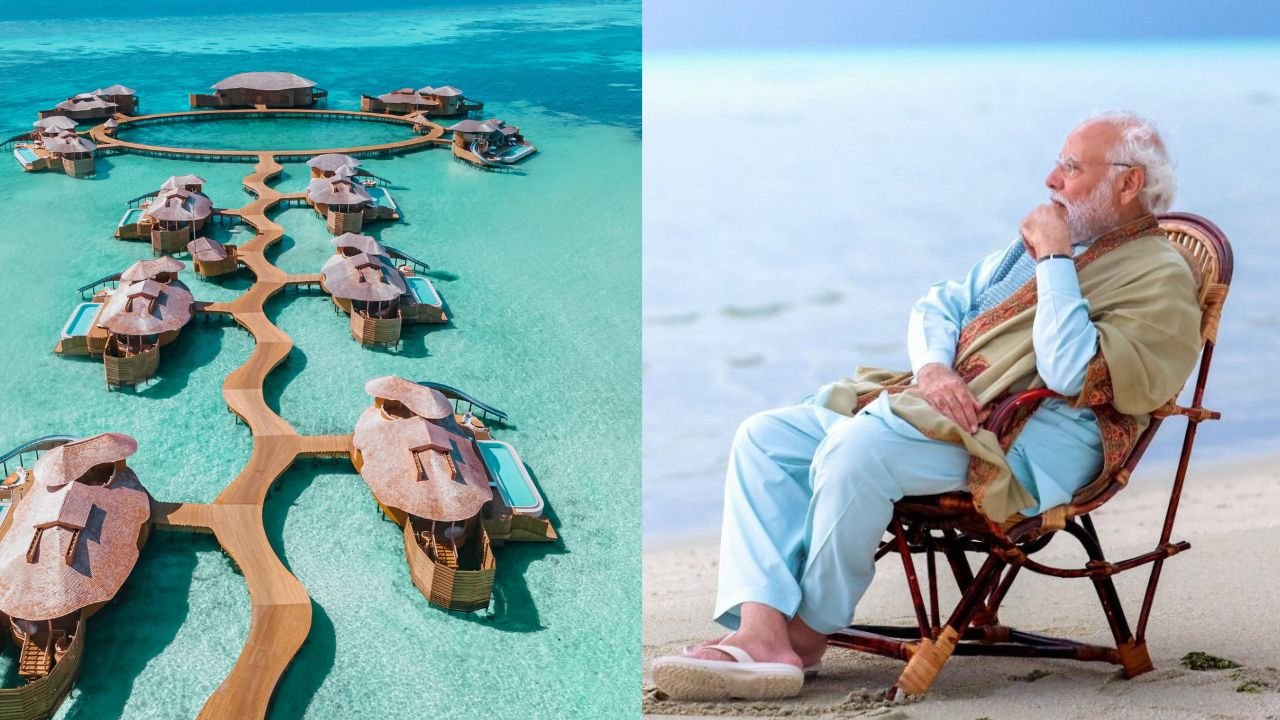
    Prime Minister of India, Narendra Modi, posted about his recent trip to Lakshadweep on X (former Twitter).

    “In addition to the scenic beauty, Lakshadweep’s tranquility is also mesmerising. It gave me an opportunity to reflect on how to work even harder for the welfare of 140 crore Indians,” the caption read.

    Social media erupted with calls for boycott of Maldives tours after Maldivian politician Zahid Rameez made objectionable remarks regarding Modi’s visit to Lakshadweep.

    The incident led to the trending of the hashtag #BoycottMaldives on X in India.

    The controversy unfolded when Rameez, a member of the Progressive Party, responded to a claim suggesting that PM Modi’s visit was a setback for the Maldives and would boost tourism in Lakshadweep.
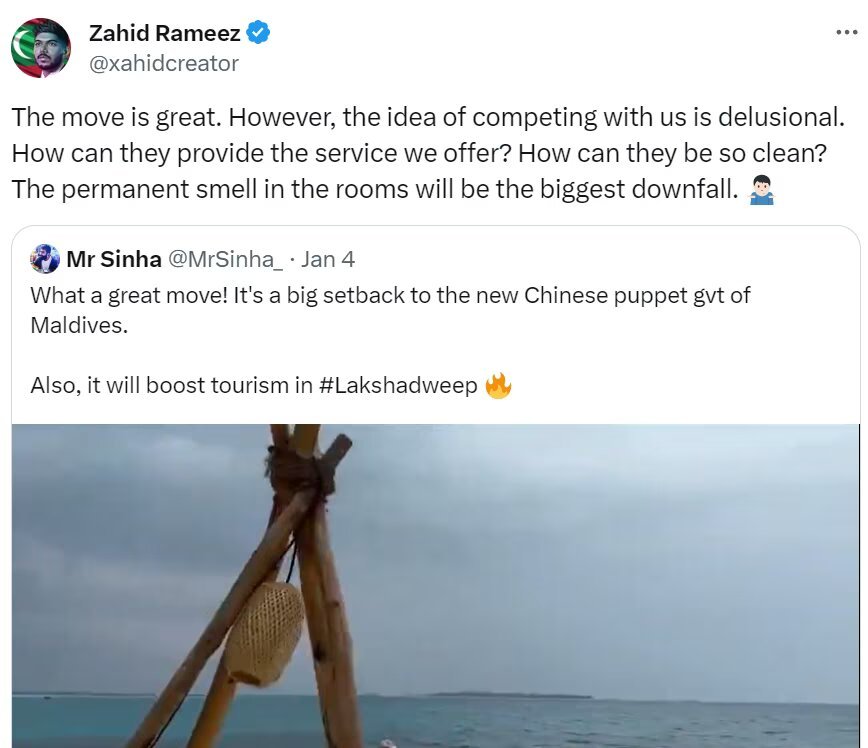
    Rameez mocked Indians, stating that competing with the Maldives for tourism was “delusional.” He questioned how India could match the level of service and cleanliness offered by the island nation, adding that the permanent smell in Indian rooms would be a significant drawback.

    Rameez’s remarks ignited a heated exchange on the microblogging site, with many users sharply criticizing him.

    Deputy Minister of the Ministry of Youth Empowerment Maldives, Abdulla Mahzoom Majid, also criticised Modi and said, “While I wish success for India’s tourism, targeting the Maldives so explicitly isn’t diplomatic. India faces significant challenges competing in beach tourism, considering our resort infrastructure exceeds their total islands. Plus this is your culture @narendramodi.”
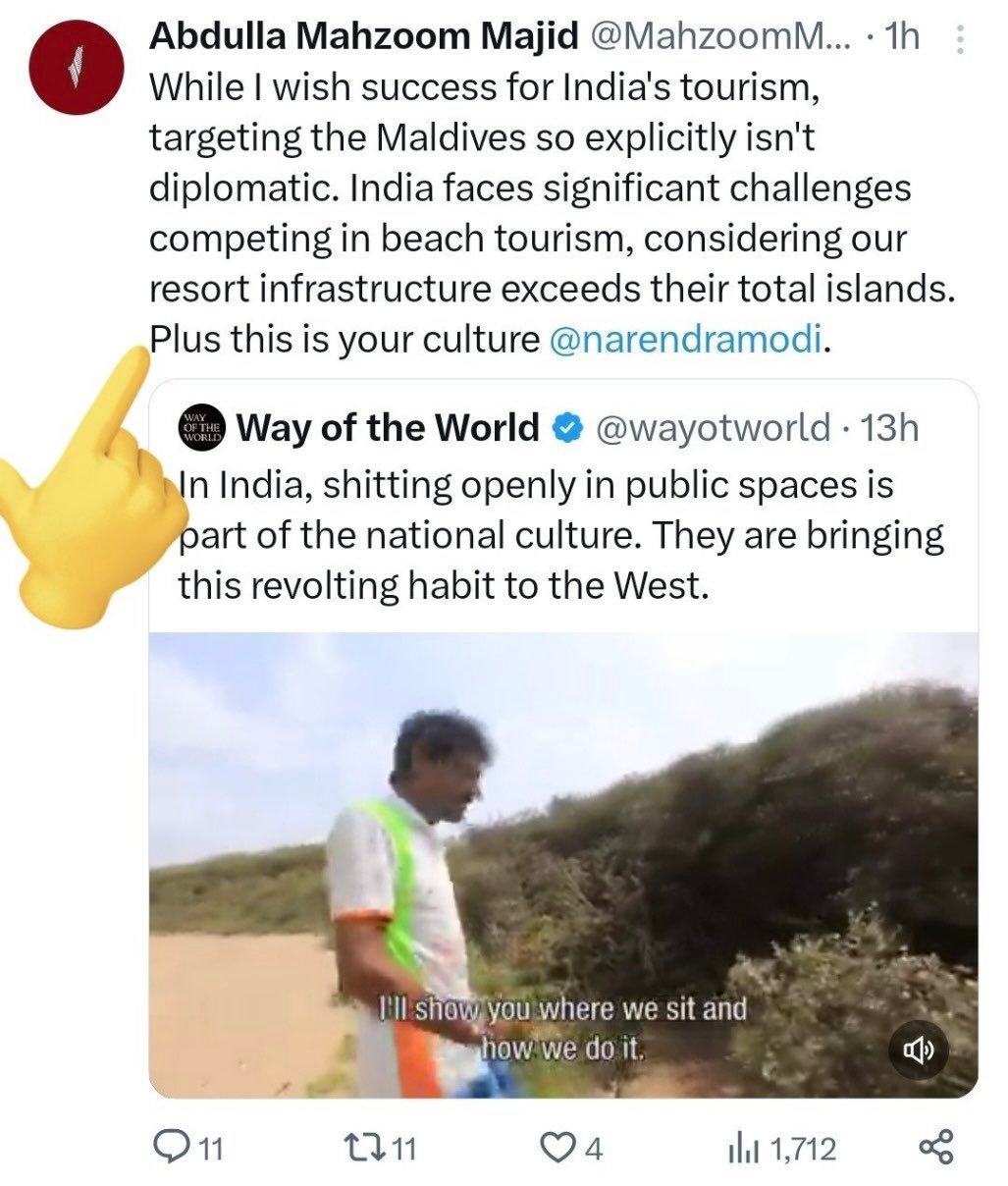
    Subsequently, the hashtag #BoycottMaldives gained traction on social media, with influencers joining the call for a boycott.

    Adding fuel to the fire, Maldivian minister Mariyam Shiuna also made derogatory comments against Prime Minister Narendra Modi in a now-deleted post, further fueling the outrage.
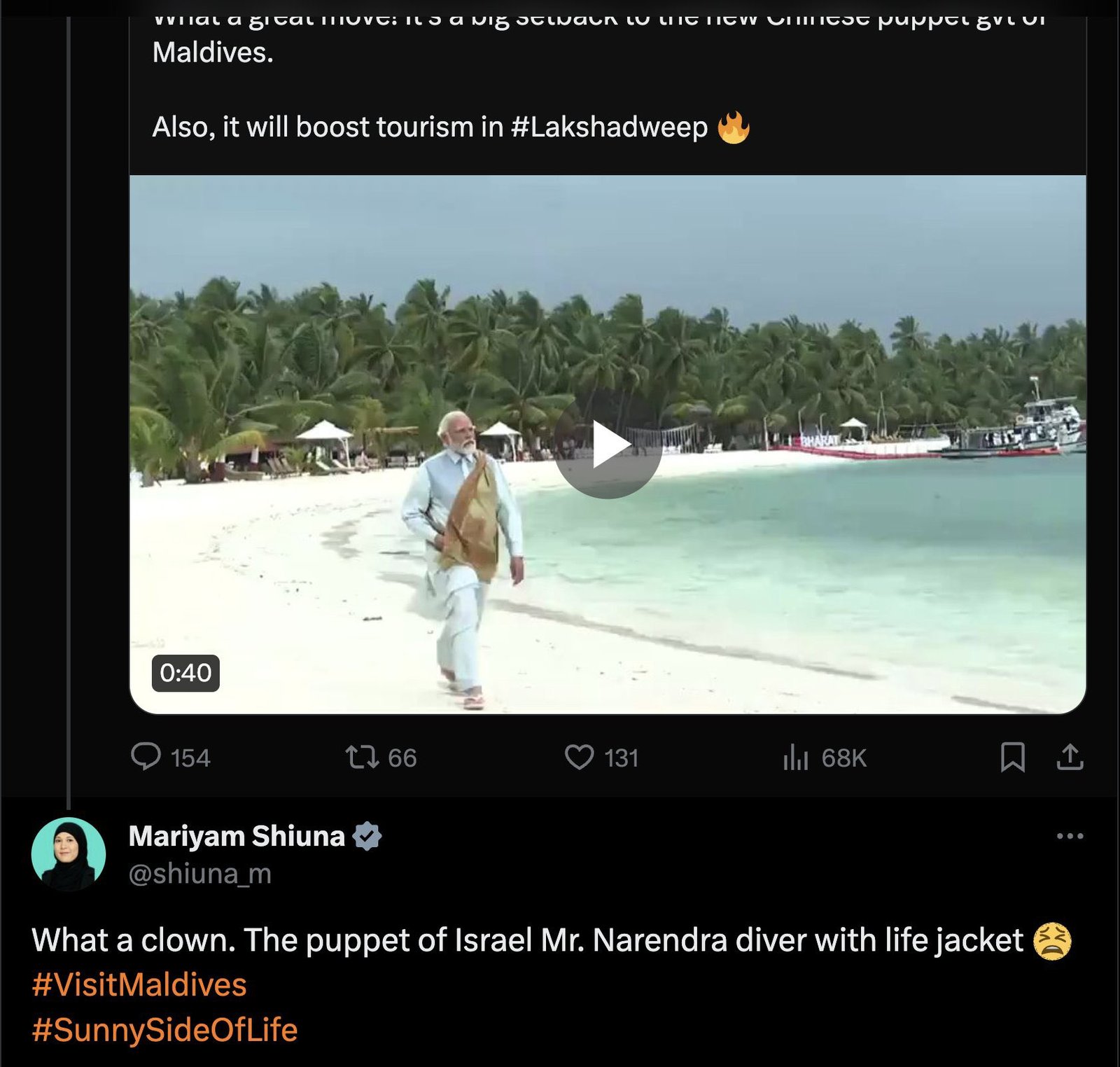
    Former President Nasheed urged the Maldivian government to distance itself from the offensive comments made by Shiuna and provide clear assurance to India that they do not reflect official government policy.

    “What appalling language by Maldives Government official @shiuna_m towards the leader of a key ally, that is instrumental for Maldives’ security and prosperity. @MMuizzu gov must distance itself from these comments and give clear assurance to India they do not reflect gov policy.”

    In response to the growing calls for a boycott, several Indian celebrities, including Akshay Kumar and Sachin Tendulkar, took to social media.

    They promoted the hashtag ‘#ExploreIndianIslands,’ encouraging fellow citizens to support domestic tourism.

    Former Indian cricketer Akash Chopra urged Indians to choose wisely in light of the political tensions, emphasizing the importance of national dignity.

    Minister of Foreign Affairs of Maldives, Moosa Zameer, said, “The recent remarks against foreign leaders and our close neighbours are unacceptable and do not reflect the official position of the Government of #Maldives. We remain committed to fostering a positive and constructive dialogue with all our partners, especially our neighbours, based on mutual respect and understanding.”

    As the controversy continues to unfold, diplomatic relations between India and the Maldives face a test, with the tourism industry caught in the crossfire of political tensions.
  • Author Arundhati Roy to be prosecuted in India for 2010 speech

    Prolific writer Arundhati Roy, the only non-expatriate Booker prize winning author of The God of Small Things, is one of the most high-profile critics of Indian Prime Minister Narendra Modi and a voice for the voiceless in her country.

    Amidst the dire situation of press freedom in India, the author may face prosecution for a speech she delivered in 2010 about Kashmir, as per media reports. A top-official in New Delhi, VK Saxena, has given approval for the case to proceed before the courts. According to Saxena’s directive, Roy and her co-defendants were allegedly advocating for the secession of Kashmir from India at a public function and that is enough evidence for a legal case.

    Under the Modi Government, sedition laws are often used to curb the freedom of expression and journalism, raising a question over the so-called biggest democracy’s principles. Added to that are PSA laws exclusive to Jammu and Kashmir which allow detention of individuals “preventively” for up to two years, without a trial or warrant. In IOK, a number of journalists have been held in detention.

    The revocation of Article 370 ensuring the special status of Kashmir on August 6, 2019, has caused voices like Roy to become more loud. “In Kashmir when we wake up and say, ‘Good Morning’ what we really mean is ‘Good Mourning,’” exclaimed one of the characters from her novel, The Ministry of Utmost Happiness. Her house was besieged when the speech became public and the complaint that lodged against her has now proceeded after 13 years.

    Roy, now 61, has always been fearless in her expression and is known for her work as a journalist, activist and a novelist. Her work is a scribbled protest whereas her speeches and the articles she reads in conferences is vocal dissent in the face of oppressors. In one of her famous speeches, she voices out the basic facts of Kashmir’s reality that “it is not an integral part of India and even the Indian Government has accepted this years back in the UN.” Her latest book Azadi Freedom, Fascism, Fiction is an honest account of the situation of minorities, Dalits and activists in India.

  • EU parliament urges Indian PM Modi to protect minorities

    EU parliament urges Indian PM Modi to protect minorities

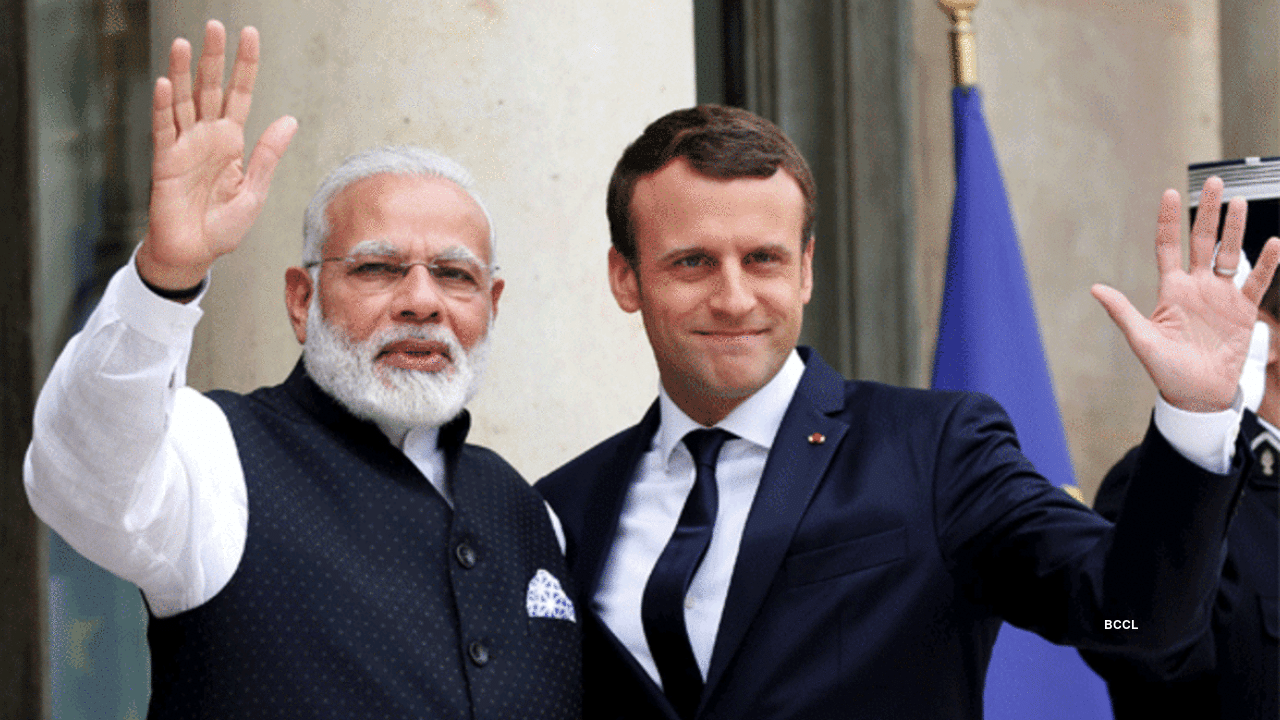
    On Thursday, the European Parliament urged Indian Prime Minister Narendra Modi to end ethnic violence in Manipur, and to do more to protect ethnic and religious minorities in India. Modi is currently on an official visit to France, having been invited to attend the country’s annual Bastille Day national festival as a guest of honour. 

    However, between the ceremony and the diplomatic courting, EU parliamentarians in Strasbourg approved a motion that urged India to end violence in the country’s northeastern Manipur state, and to protect the minorities there. 

    The motion also criticised the ‘national rhetoric’ of the local state government, run by Modi’s right-wing Bharatiya Janata Party (BJP). EU parliamentarian Pierre Larrouturou released a statement on his Twitter, with an accompanying video.

    In his tweet, Larrouturou stated that Modi and Macron can “pretend that everything is going well in India”,however, the EU parliament is recalling facts, and strongly condemns the human rights violations that take place in India.

    “Every day in India, thousands of Muslims, Christians, and members of ethnic minorities see their rights repressed,” the statement read. “To remain silent on the situation would have been a humiliation for all those who fight for their fights and suffer every day from the Hindu nationalism imposed by the Modi government.”

    In May, CNN reported how residents of Manipur say there has been a breakdown of law and order. This was after a spell of violence that left at least 58 dead and tens of thousands more homeless.

    In a speech to the public, Larrouturou went on to point out, “In Manipur, for the past two months, we have seen monstrous violence. Over 120 people have died and 1700 homes have been devastated, 250 churches have been destroyed, 40,000 people have fled for their lives.”

    Despite differences over the war in Ukraine, namely India’s continued support to Russia, as well as tensions over human rights violations in the country, Western democracies are courting Modi and what is currently the world’s most populous country, as a counterweight to China’s influence in Asia.

    India is also one of the largest global buyers of French arms. On Thursday, India approved in principle the purchase of 26 French marine Rafale jets and three Scorpene-class submarines, news agency ANI reported. 

    During Modi’s last visit to Paris in 2015, he announced a landmark deal for 36 Rafale fighter jets worth around €4 billion ($4.48 billion).

  • Modi accuses Pakistan of supporting cross-border terrorism at SCO Summit

    Modi accuses Pakistan of supporting cross-border terrorism at SCO Summit

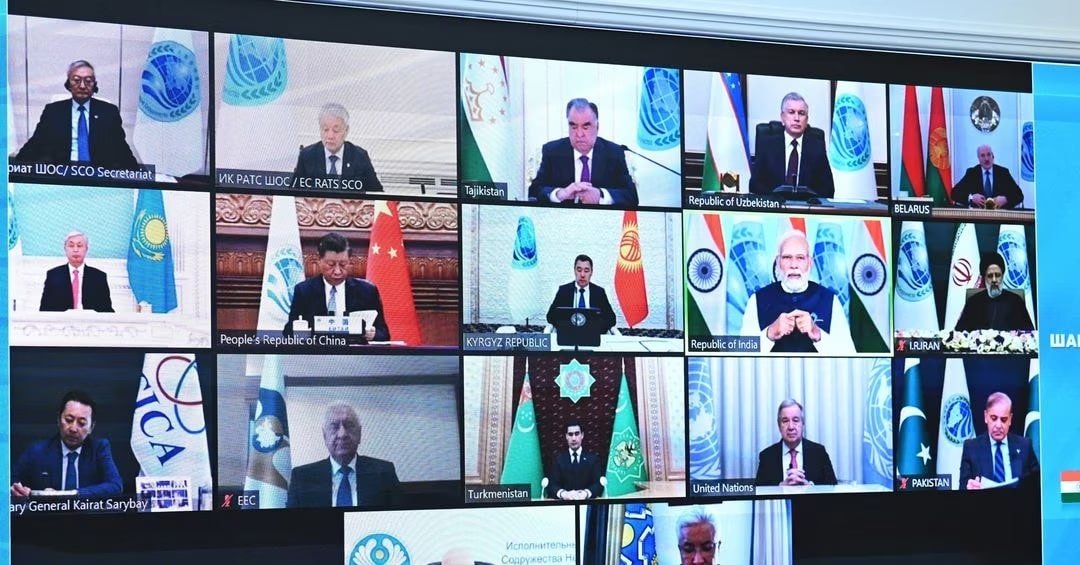
    This year, the Shanghai Cooperation Organisation’s (SCO) summit was hosted by India, where Indian Prime Minister Narendra Modi launched thinly veiled accusations against Pakistan, saying “some countries” are “terror havens“.

    Pakistan’s Prime Minister Shehbaz Sharif was in attendance, along with other SCO member countries leaders, such as Xi Jingping and Vladimir Putin.

    The SCO is a Eurasian political, economic and security organisation, which unites China, Russia, India, Kazakhstan, Kyrgyzstan, Pakistan, Tajikistan, Uzbekistan, and, as of yesterday, Iran. It’s currently the world’s largest regional bloc in terms of geographic scope and population.

    Addressing the online summit, Dawn reports Modi to have said, “Some countries use cross-border terrorism as an instrument of their policies, provide shelter to terrorists. SCO should not hesitate to criticise such nations. There should be no place for double standards on such serious matters.”

    India claims that a part of the China–Pakistan Economic Corridor passage passes through a ‘disputed’ region. Modi told leaders that “terrorism has become a major threat to regional and global peace. Dealing with this challenge requires decisive action. Regardless of its form or manifestation, we must unite in our fight against terrorism.”

    Pakistan PM Shehbaz Sharif responded in turn, saying that the SCO stands for observance of the UN principles of sovereignty, territorial integrity and people’s right to self-determination, considered a reference to the Kashmir dispute.

    “UNSC resolutions offer us a workable framework for the resolution of longstanding disputes in the region,” Dawn reported Shehbaz to have said. “These must be addressed immediately and settled amicably before it is too late.”

    Kashmir has been a contentious point between the two countries since partition, but especially since India abolished Articles 370 and 35A in 2019. These articles were decades-old and provided a measure of autonomy to the disputed Muslim-majority region.

    In the earlier SCO summit in May, Pakistan’s Foreign Minister Bilawal Bhutto criticised India’s decision to scrap the special status of the disputed region of Kashmir, saying New Delhi’s unilateral move in 2019 had undermined the possibility of holding talks between the neighbours.

    India has also accused Pakistan’s military of backing Kashmiri rebels, a claim Islamabad has denied.

  • ‘Epic’: Twitter lauds acapella group for singing song written by Muslim for Modi’s arrival at White House

    ‘Epic’: Twitter lauds acapella group for singing song written by Muslim for Modi’s arrival at White House

    Two days ago, when Indian Prime Minister Narendra Modi arrived at the US White House, a video went viral of the all-Indian acapella group Penn Masala sang ‘Jashn-e-Bahara’ in celebration of his arrival. Many Twitter users interpreted this as a clever diss to the controversial politician over his Islamophobic government, and also as a direct response to Biden who revealed that he will not talk to the Indian Prime Minister about human right violations during his visit.

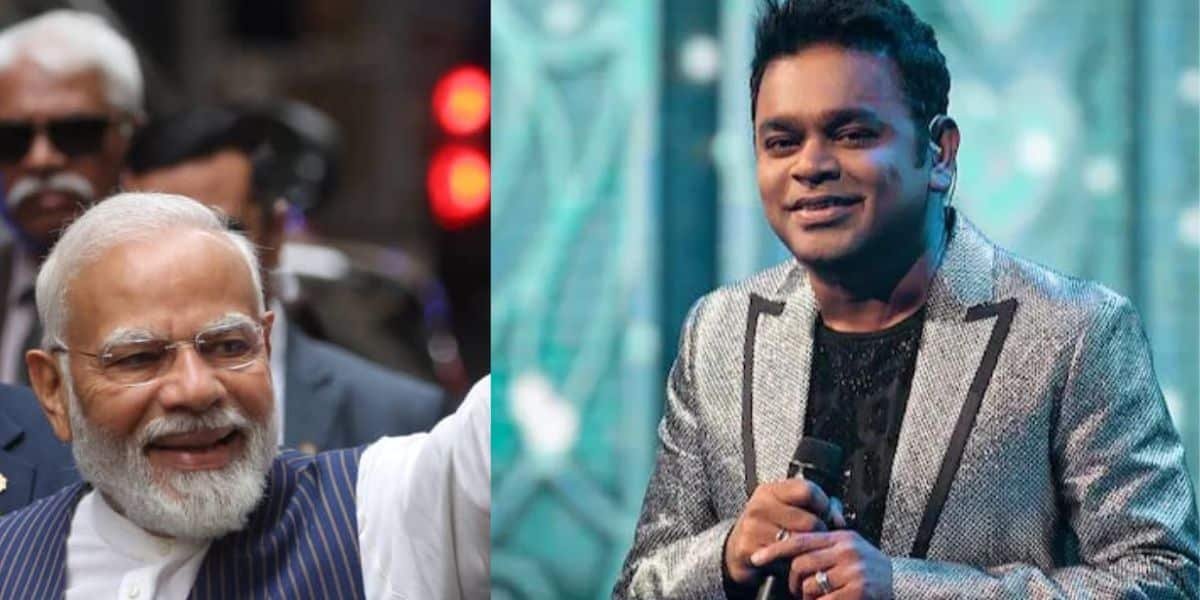
    ‘Jashn-e-Bahara’ is an Urdu song written by the Muslim artists A.R Rehman and Javed Akhtar, and was sung by Javed Ali. The song was featured in the film ‘Jodhaa Akbar’, a movie about the marriage between the Mughal Emperor Akbar and his Hindu wife Jodha.

    Twitter users lauded this discreet but clever way to troll a secular and facist politcian, who has been criticised by American politicians like Alexandria Ocasio-Cortez, Rashida Tlaib and Ilhan Omar, who announced that they were boycotting Modi’s address to Congress, citing the politician’s abysmal human right’s record, as well as his erosion of religious freedom in India.

    Some also felt that the song was an indirect target towards the Indian government’s move to remove chapters from school textbooks on Mughal rulers.

    https://twitter.com/onlynina/status/1671905008017629185?s=20

    One user wrote: “The irony of an urdu song from a film glorifying mughal emperor Akbar.”

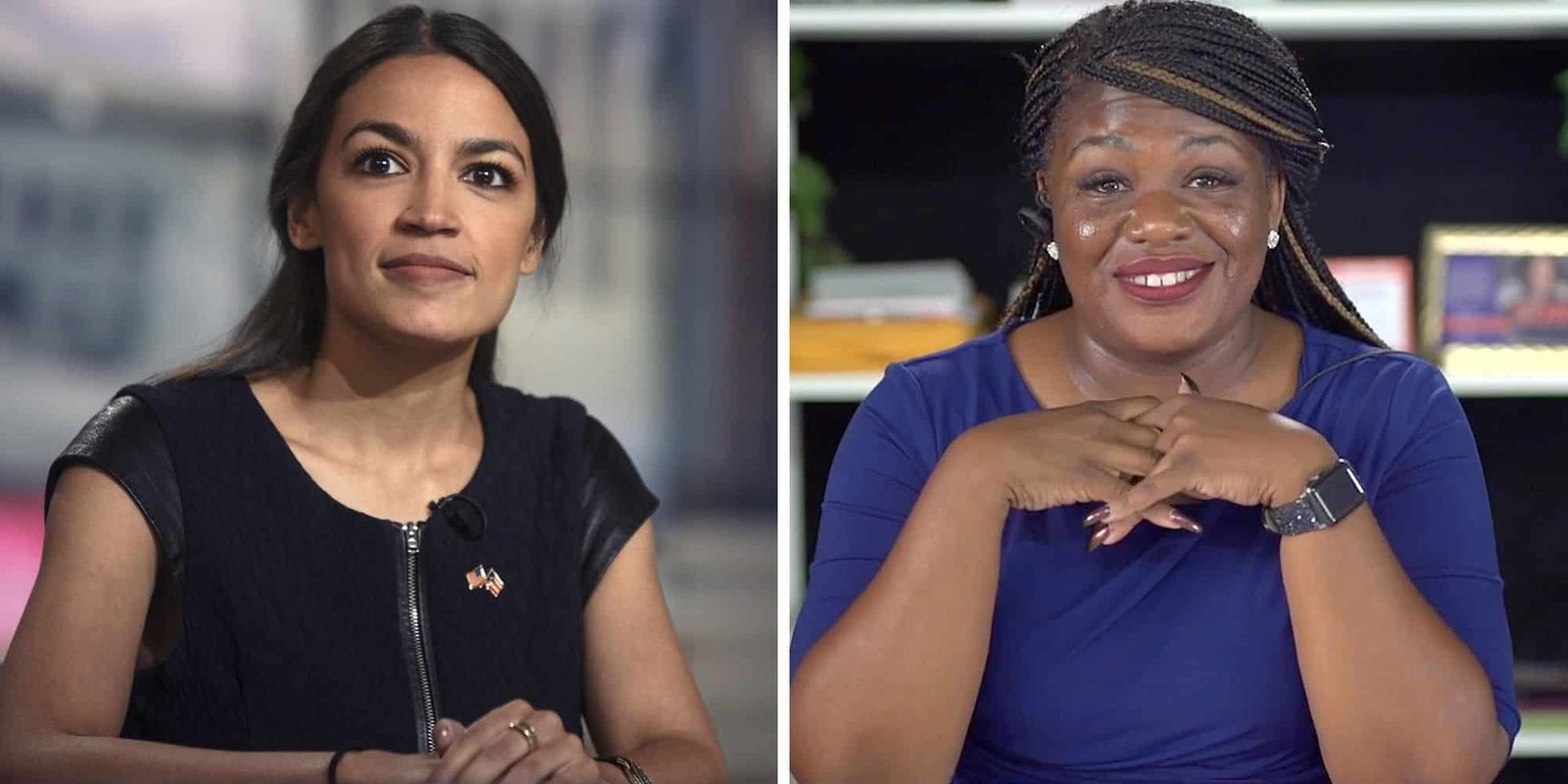
  • Alexandria Ocasio-Cortez and Cori Bush join Ilhan Omar in boycotting Modi’s Washington address 

    Alexandria Ocasio-Cortez and Cori Bush join Ilhan Omar in boycotting Modi’s Washington address 

    Congresswoman Cori Bush and member of the U.S. House of Representatives Alexandria Ocasio-Cortez have joined Congresswoman Ilhan Omar in boycotting Indian Prime Minister Narendra Modi’s Washington speech. 

    Both politicians announced their decision via Twitter. The development came shortly after Omar announced that she would be boycotting Modi’s speech, citing human rights abuse.

    Both Ocasio-Cortez and Bush have made their decision to boycott for the same reasons. In her statement on Twitter, Ocasio-Cortez pointed out how Modi had been denied a U.S. visa in 2005 due to his alleged complicity in the 2002 Gujarat riots. 

    She goes on to explain that a joint address to Congress is among the most prestigious invitations the U.S. can extend, and it should not be done so to individuals with a record of human rights violations. 

    Bush also alleges Modi’s history of committing human rights abuses, undermining democracy, and targeting journalists. 

    In February this year, BBC offices in India had been raided by tax department officials, just weeks after the release of a documentary revealing evidence of Modi’s responsibility in Gujarat riots. The documentary was later blocked by the government.

    Modi had been invited by top U.S. lawmakers to join Biden in a joint address to Congress on June 22nd. As China’s influence grows in the Indo-Pacific region, the U.S. is anxious to secure India’s cooperation as a counterbalance.

  • Modi fan Elon Musk says Tesla will be in India soon

    Modi fan Elon Musk says Tesla will be in India soon

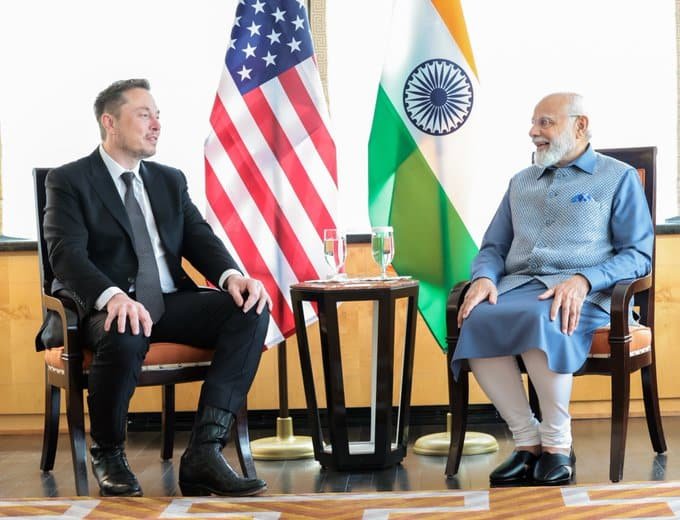
    Indian Prime Minister Narendra Modi met with The Chief Executive Officer (CEO) of Tesla and the world’s richest man Elon Musk, in New York on Wednesday.

    “Great meeting you today @elonmusk! We had multifaceted conversations on issues ranging from energy to spirituality,” Modi wrote in his tweet along with a picture of Musk.

    Musk retweeted Modi’s quote and wrote, “Great conversation with Narendra Modi.”

    “I am confident that Tesla will be in India and will do so as soon as humanly possible,” Musk told reporters after meeting Modi.

    “We do not want to jump the gun on an announcement but I think it is quite likely that it will be a significant investment in our relationship with India,” he said. “I would like to thank the prime minister for his support and hopefully we will be able to announce something in the not so distant future.”

    Read more: Former Twitter CEO says Modi Govt threatened to shut down platform in India

    In a different statement, Musk as reported by Indian Express, said that he was a fan of Modi, and that “India has more promise than any large country in the world. He (PM Modi) really cares about India because he is pursuing us to make significant investments in India.”

    India is great for solar energy investment, the American magnate said, describing his talks with the prime minister as “excellent.”

    The Indian PM’s meeting with Twitter’s CEO comes a few days after Co-founder of Twitter, Jack Dorsey, in an interview with YouTube channel Breaking Points talked about censorship requests he received from the Indian government led by Prime Minister Narendra Modi.

    A reporter asked for Musk’s reaction on Jack Dorsey’s statement to which he replied, “Twitter does not have any choice but to obey local governments”

    “We will do our best to provide the freest speech that is possible under the rule,” he added.

    The Indian Prime Minister is on a four-day visit to the US.

  • Apple CEO Tim Cook to meet India’s PM Modi during store opening

    Apple CEO Tim Cook to meet India’s PM Modi during store opening

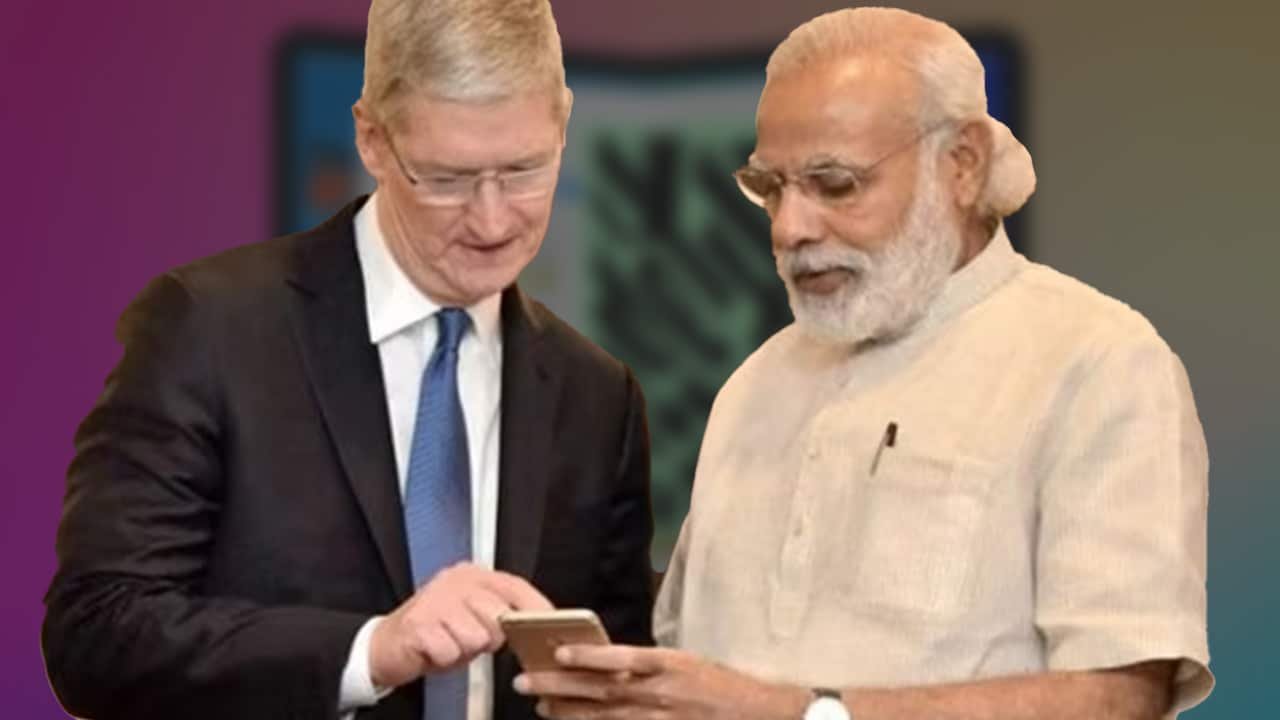
    Tim Cook, the CEO of Apple, is scheduled to meet India’s Prime Minister, Narendra Modi, and the country’s deputy IT minister as part of his visit to inaugurate the tech giant’s first retail store in India.

    Cook’s visit to Mumbai and New Delhi to open the first official company-owned outlets in the country highlights Apple’s growing interest in India, despite only having a 3 per cent market share.

    The company has been expanding iPhone assembly through contract manufacturers and increasing its exports. Cook will meet Modi on Wednesday in New Delhi, and he is also expected to meet India’s deputy IT minister, Rajeev Chandrasekhar.

    Apple and the IT ministry did not immediately respond to requests for comment, while Modi’s office declined to comment. Cook’s meetings with Indian officials come as Apple focuses more on India, which is the world’s second-largest smartphone market.

    According to data from the India Cellular and Electronics Association, iPhones accounted for more than 50 per cent of the $9 billion worth of smartphones exported from India between April 2022 and February 2023.

    On Monday, Apple opened its first store in Mumbai, but only for a private event where bloggers and tech analysts reviewed the store layout and design. The Mumbai store is located in the Reliance Jio World Drive mall, which is home to luxury clothing and jewellery brands like Michael Kors, Kate Spade, and Swarovski. It is 20,800 square feet, far larger than the planned Delhi outlet, according to local registration documents.

    Apple has sold its products in India through resellers or e-commerce websites such as Amazon. The Mumbai store will open to the public from Tuesday, while a second store will be inaugurated inside a New Delhi mall on Thursday.

    In India, iPhones are assembled by three of Apple’s contract manufacturers – Foxconn, Wistron Corp, and Pegatron Corp. Apple plans to assemble iPads and AirPods in India as well.

  • Rahul Gandhi sentenced to two years in jail for speaking against Modi

    Rahul Gandhi sentenced to two years in jail for speaking against Modi

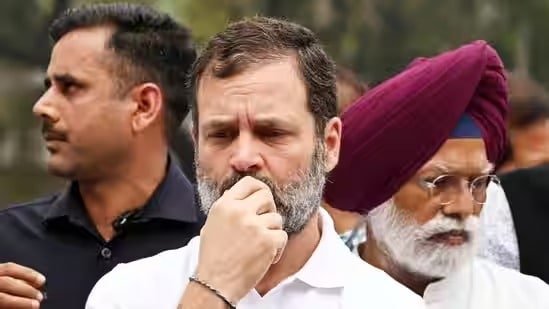
    Indian Congress leader Rahul Gandhi has been found guilty of defaming Prime Minister (PM) Narendra Modi by a court in western India and sentenced to two years in prison on Thursday.

    He was given bail and the sentence was suspended for 30 days.

    The criminal defamation case was filed against Gandhi by a leader of the ruling Bharatiya Janata Party (BJP) after a speech during the 2019 general election in which he referred to the surname Modi and asked how all thieves had the surname.

    However, he said that he had made the comment to highlight corruption and not against any community.

    Modi’s government has been widely accused of using the defamation law to target and silence critics. Gandhi faces at least two other defamation cases elsewhere in the country.

    It is pertinent to mention that despite wide-spread accusations of promoting hatred against Muslims, with increasing attacks against the community, Modi is the most popular politician in India by a substantial margin.

    It is expected that in 2024, Gandhi will stand against Modi for prime ministership.

  • BBC India office raided by tax official after airing documentary on Modi

    BBC India office raided by tax official after airing documentary on Modi

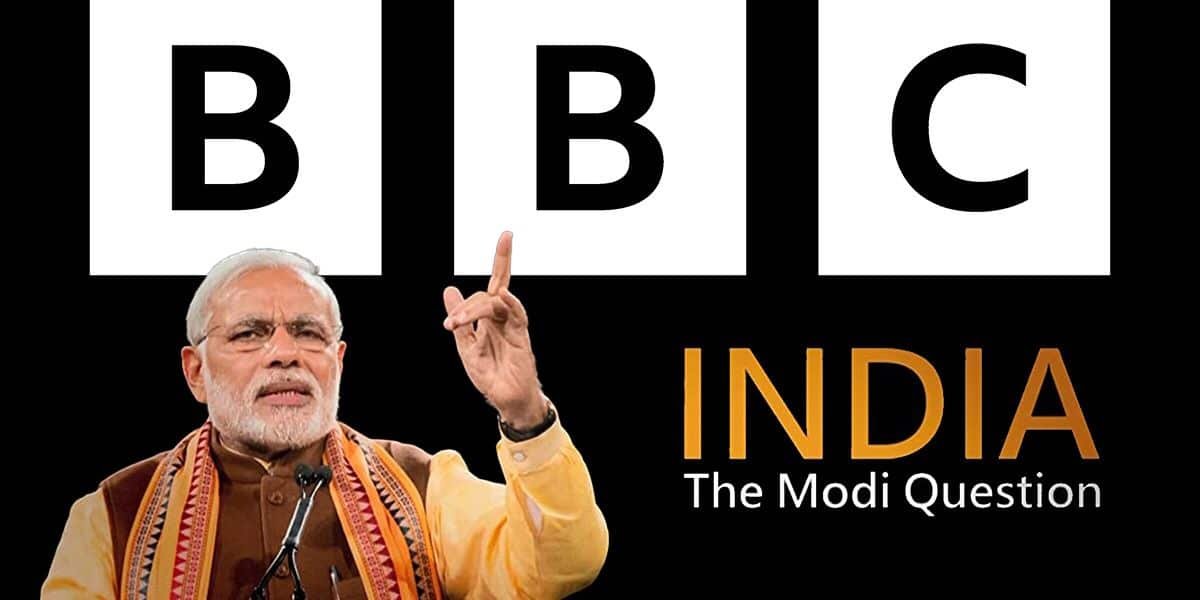
    Indian tax authorities raided BBC’s New Delhi offices on Tuesday, weeks after it aired a documentary on Prime Minister Narendra Modi’s role in the deadly riots of 2002 in the western state of Gujarat.

    A BBC employee based in the office told AFP that the tax raid was in progress and that officials were “confiscating all phones”.

    Police were at the BBC’s office in the centre of the capital to prevent people from entering or leaving, an AFP journalist at the scene reported.

    “A government procedure is happening inside the office,” an official said, declining to disclose which department he was from.

    Last month, the broadcaster aired a two-part documentary alleging that the then-Chief Minister Modi ordered police to turn a blind eye to the riots. The violence left at least 1,000 people dead, most of them minority Muslims.

    Government adviser Kanchan Gupta had slammed the documentary as “hostile propaganda and anti-India garbage”.

    Earlier, the Indian foreign ministry dismissed the news as “propaganda”.

    According to the documentary, the inquiry team assessed that Modi had prevented the police from acting to stop the violence targeted against Muslims, stating that he had specifically ordered law-enforcing authorities not to intervene. The documentary also features a former top UK diplomat who says that the violence had been planned by the Vishwa Hindu Parishad (VHP)

    Arindam Bagchi, spokesperson for the foreign ministry, has termed the BBC documentary a “propaganda piece”.

    India’s government blocked videos and tweets sharing links to the documentary soon after its release, calling it “hostile propaganda and anti-India garbage”.