Tag: Natasha

  • ‘I could never be her in real life’: Areej Chaudhary opens up about playing Natasha

    ‘I could never be her in real life’: Areej Chaudhary opens up about playing Natasha

    ‘Kabhi Main Kabhi Tum’ is currently one of the hit dramas in Pakistan, and it is being widely praised for its character development.

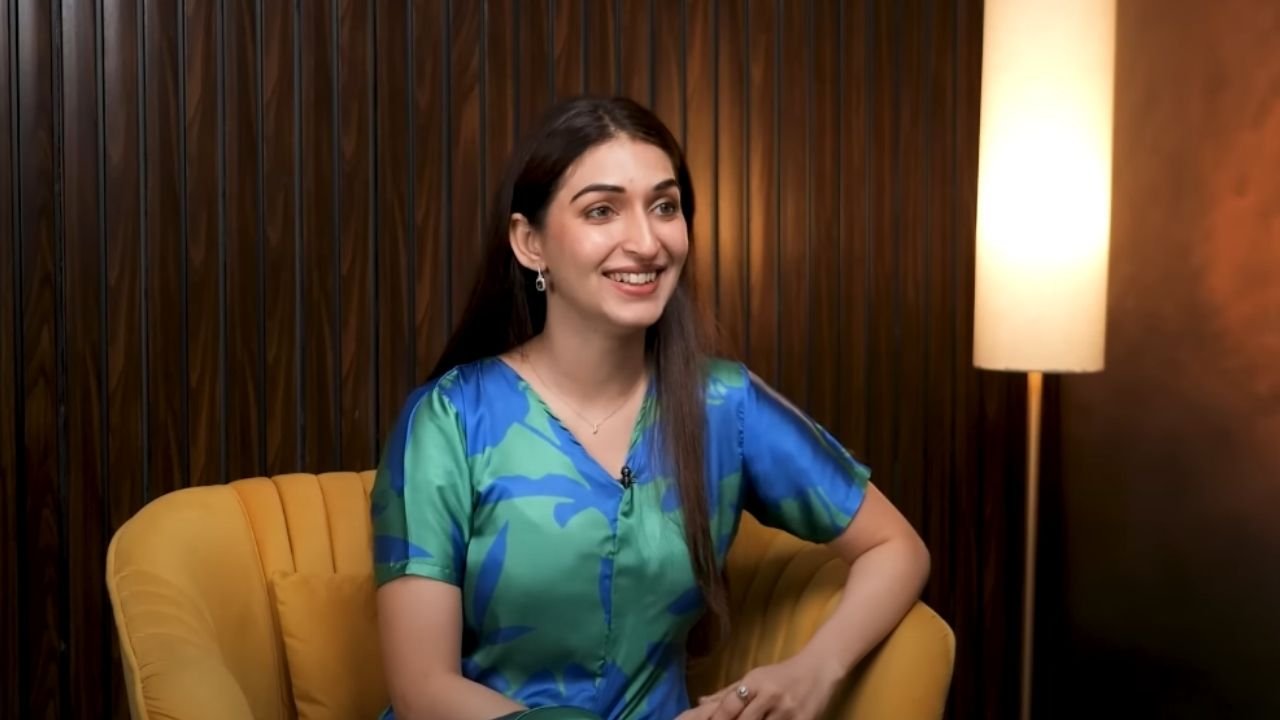
    Among the characters is Natasha, played by actress Areej Chaudhry. Her character involves an apparent extra marital affair with her best friend Rubab’s husband, Adeel.

    Recently, Chaudhry appeared as a guest on ‘Something Haute’ where she talked about her character in the trending drama.

    The host, Hassan Choudhry, asked, “What similarities are there between Natasha and you?”

    “I could never be her in real life. I may be like Natasha when it comes to appreciating art, but other than that, I don’t like anything about her. I would never do something like that in my life,” she responded.

    Talking about the “Humpty Dumpty” reference in the drama, Chaudhry said that she would never want to say such a thing in real life.

    “We see these kinds of characters in films and dramas. Did you take inspiration from any specific character?” the host asked.

    To which she responded, “No, I didn’t want to do that because, I believe, when you try to copy or understand something by watching someone else, you lose the ability to bring your own touch to it.

    I wanted to think about it in my own way. If I were like this [Natasha], what would I do? That’s how I approached it,” she explained.

  • Editorial: Ice-cold Power

    Editorial: Ice-cold Power

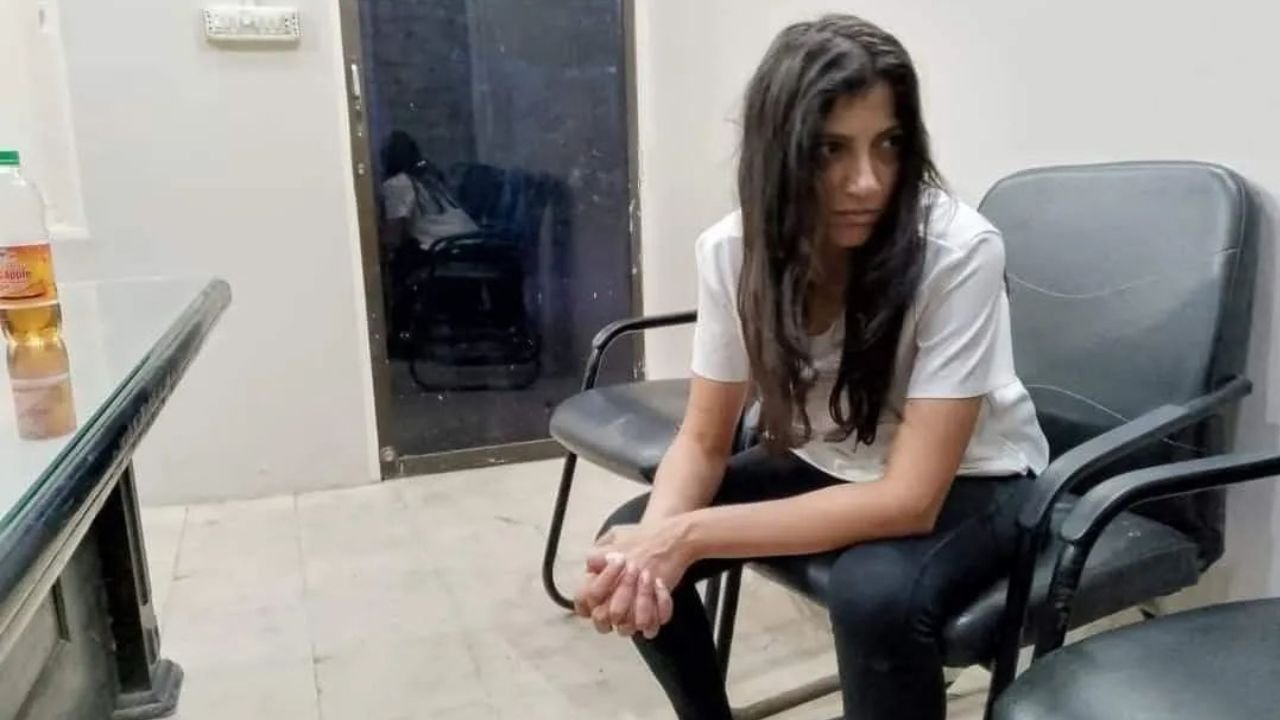
    Last week, when the Karsaz incident came to light, waves of outrage swept the internet as people decried another senseless killing — of a father and his daughter on a motorbike — at the hands of an elite driver in a luxury car, identified as Natasha Danish.

    People strongly condemned her nonchalant demeanour seen in videos circulating social media which were recorded moments after the accident.

    Natasha also injured a few people that day (reported number varying between 2-5), one of whom is currently fighting for his life on a ventilator.

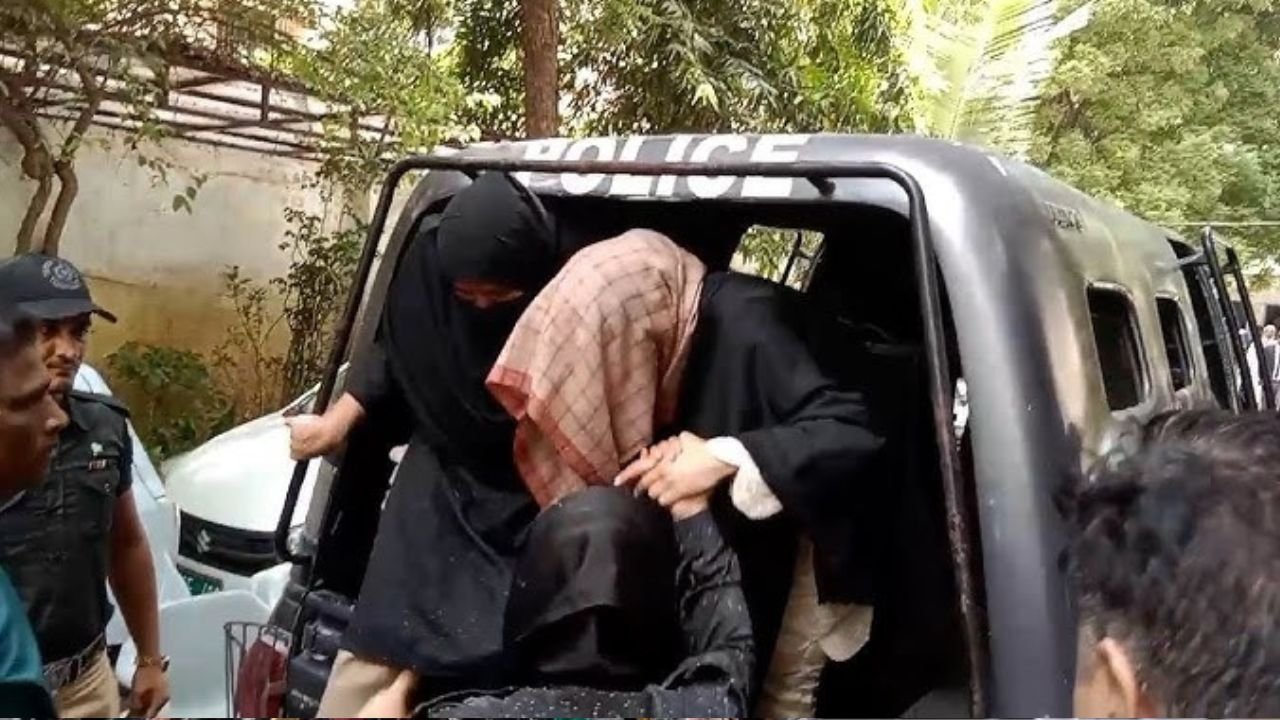
    Surrounded by a large mob, people demanded that the police arrest her, but with Rangers encircling her, she was eventually escorted by private security guards.

    Some claimed that Natasha was drunk at the time, while others suggested the influence of drugs.

    Some demanded the death penalty while others expressed despair over the justice system, recalling all prior cases involving offenders belonging to influential backgrounds who got away with it — including premeditated murders.

    The Current’s previous Editorial contented that since the Karsaz accident was not a premeditated murder, the public should wait for Natasha Danish’s medical report, including her psychological check-up, since, according to her lawyer, she had been on medical treatment for the past five years.

    The Editorial also posed a question whether it was fair to jump to conclusions based on one’s appearance and means.

    To sum it up: avoid reactionary conclusions on stereotypes and let the law take its course.

    We were not wrong but Natasha certainly was.

    The days that followed proved every stereotype right yet again.

    Natasha Danish was deemed mentally healthy, her medical reports detected use of an illegal recreational drug called ice, she has a British driving licence, and above all, she is the wife of an influential businessman, Danish Iqbal, who is the chief executive officer of Gul Ahmed Energy Limited.

    This might explain her unapologetic smirk after the accident — that too at the time when the dead bodies of 60-year-old Imran Arif and his 22-year-old daughter, Amna were lying on the road.

    It also explains the consequential anger and despondency among the masses who know that they could be next, lying dead on the roadside, with no justice in the end, and their lives reduced to just another number that can be muffled with the exploitation of money.

    It has also been reported that the injured man, who is battling for his life on a ventilator, has not been contacted by Natasha’s family, while the deceased victims’ family have not received a visit to express remorse or even offer condolences to the grieving family.

    In fact, according to sources, Natasha’s family claims that her medical reports are doctored, persistently defending her while overlooking the loss of lives.

    The recent developments also change the case legally as activist and lawyer Jibran Nasir explains, “Now Natasha will still be charged with manslaughter because of rash and negligent driving.” And while charges will be added for driving under the influence, it cannot be termed as murder since “the drugs were not consumed with the intention to run over somebody.”

    “We may not have forgiven them in our hearts, but we have pardoned our son’s killers in the name of Allah. We cannot spend our entire lives in fear… we took the decision considering the circumstances.”

    These were the words of the mother of 20-year-old Shahzeb Khan who was shot dead by Sharukh Jatoi, son of a feudal lord, in 2012. The case was taken to an anti-terrorism court in 2013, where Jatoi and other culprits were sentenced to death but in the end, Khan’s parents had to pardon them.

    Now that another high-profile case has come to light in a country where justice can be forcefully bought instead of served, the final verdict will decide what so many now truly believe: is Pakistan really for the ice-cold rich?
  • Editorial: Let the law deliver justice

    Editorial: Let the law deliver justice

    Everyone is watching the aftermath of the Karsaz accident that took place in Karachi earlier this week, when Natasha Danish’s speeding SUV collided with several vehicles, killing a father and his daughter on a motorbike and injuring five others. Post-accident videos circulating on social media show Natasha being surrounded by a large, irate crowd as security guards protected her and took her into custody. Natasha appeared disoriented. Meanwhile, people called for her death as the two victims lay dead on the road—a scene that could have ended differently without police and rangers.

    While the case is underway in court, people have started their own speculative investigations, suggesting Natasha’s disorientation might be due to alcohol or drugs, and that because she is married into an affluent family, she will get away with it all. On the other hand, her lawyer states she has been undergoing medical treatment for poor mental health for the past five years, describing her as a “psychological patient.”

    Natasha should not have been driving, and the loss of 27-year-old Amna and her father is irreplaceable. But would it have been fair if the mob had taken the law into their own hands?

    While the majority believe Natasha, being an ‘ameerzaadi,’ must pay with her life, the legal nature of the accident remains undecided.

    What does the law say?

    According to the Pakistan Penal Code 1860, anyone committing qatl-i-khata by “rash or negligent driving shall, having regard to the facts and circumstances of the case, in addition to diyat, be punished with imprisonment of either description for a term which may extend to ten years.”

    Similarly, under Islamic law, the punishment for murder, homicide, or injury depends on qisas or diyat, i.e., corresponding punishment for the crime or monetary compensation for the victims or their legal heirs.

    In this case, it was not pre-meditated murder. No prior connection between the driver and the victims has been established to suggest that Natasha set out to murder Amna and her father. It was a terrible accident, one that took the lives of two valued citizens and Natasha will have to face the law for the crime she has committed.

    Why do people feel the need to enforce the law themselves despite existing rules and regulations? Is this a reflection of growing frustration among the masses, who have repeatedly seen the elite evade justice for crimes? Despite the fact that this case is nothing like the murder of Noor Mukkadam and Shahzeb Khan, Noor who was tortured and murdered by Zahir Jaffer, and Shahzeb who was mercilessly shot by Shahrukh Jatoi, comparisons are continuously – and wrongly – being made on social media.

    Could the comparisons explain why people have reacted so violently to Natasha, who was driving an expensive car and dressed in gym clothes, visibly disoriented? Would the reaction have been different to a ‘modestly dressed’ individual who might have been – and looked – less affluent?

    Until the social and economic divide in our country is addressed, justice will remain questionable. The rich and powerful are often seen as above the law, while others are seen as seekers of elusive justice. Consequently, cries for ‘mob justice’ and demands to ‘hang her in the city center’ in our social media world will persist. Natasha must face the consequences of her actions, whether accidental or not. She must be given a fair trial and be sentenced for her crimes based on her actions but not on her background.