Tag: National flag carrier

  • Competition Commission approves Scheme of Arrangement for PIA’s privatisation

    Competition Commission approves Scheme of Arrangement for PIA’s privatisation

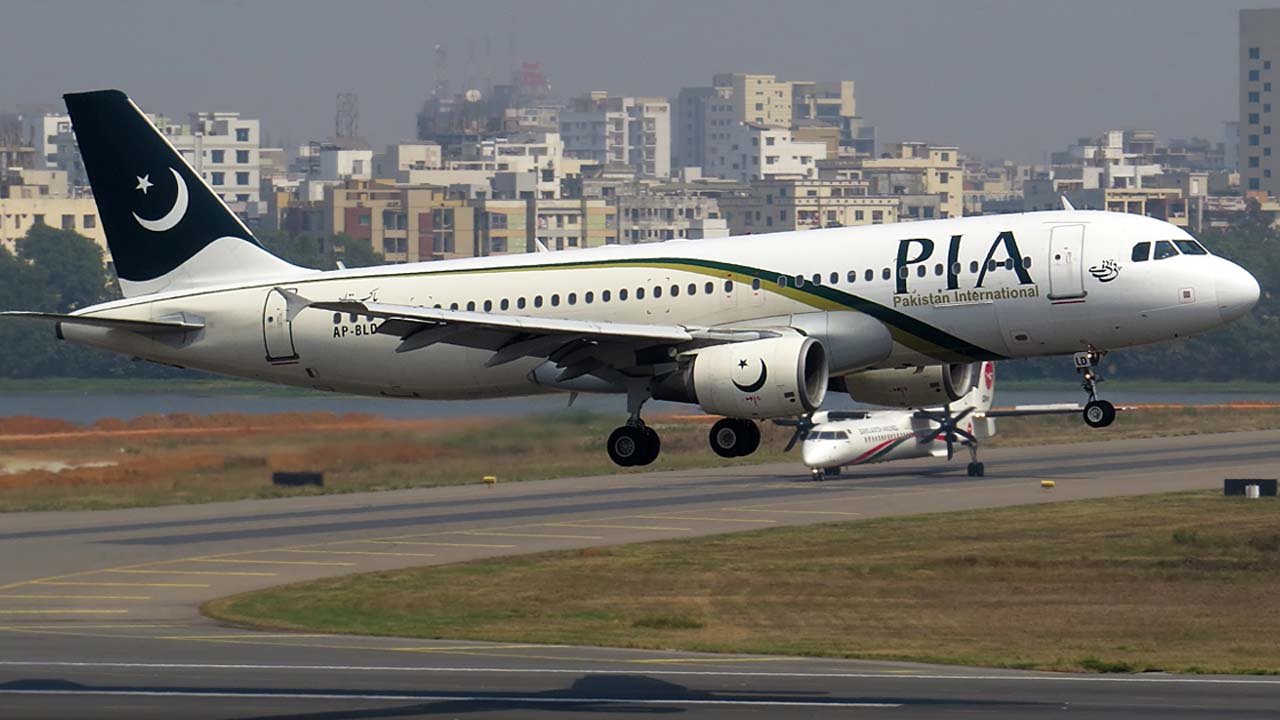
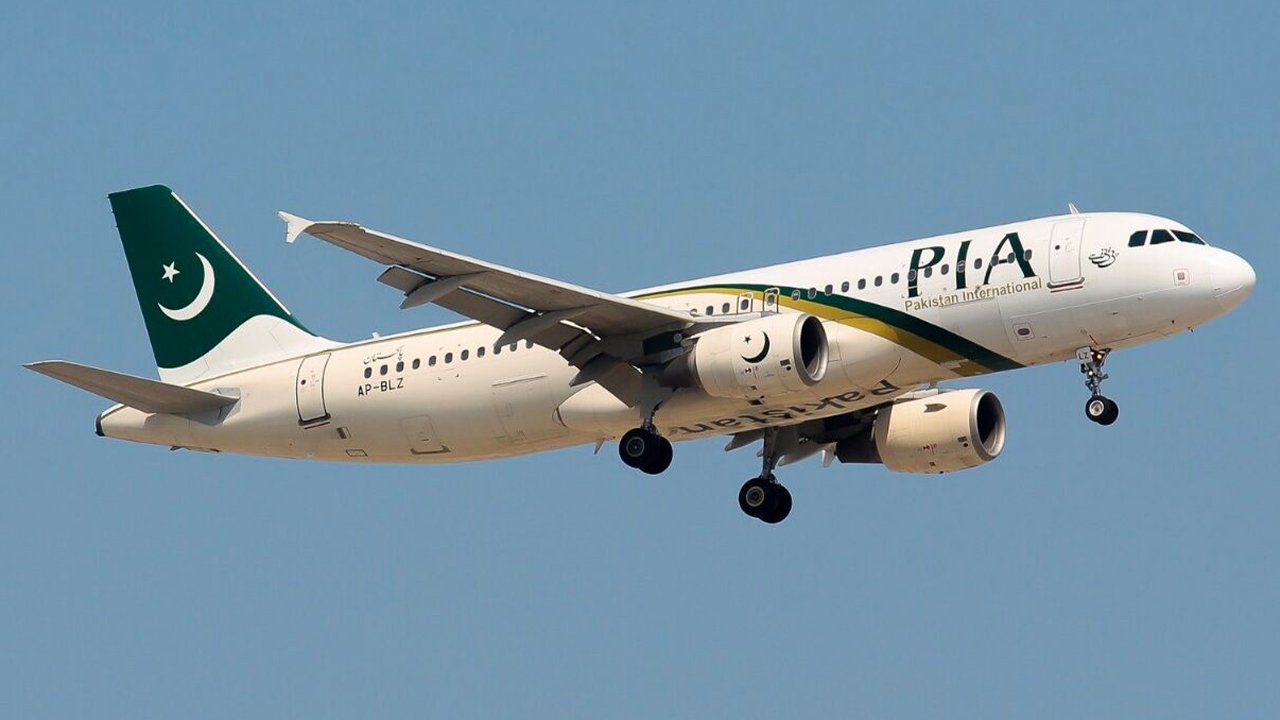
    The Competition Commission of Pakistan (CCP) has approved the Scheme of Arrangement (SoA) for the privatisation process of Pakistan International Airlines Corporation Limited (PIACL).

    This marks a crucial step towards restructuring the national airline and facilitating a smoother transition during the privatisation process.

    The approval paves the way for the Securities and Exchange Commission of Pakistan (SECP) to give its final nod, leading to the formalisation of the transfer of PIACL’s non-core assets and liabilities to a newly established entity, PIA Holding Company Limited.

    This separation is designed to create a debt-light PIACL, allowing for greater focus on core airline operations and enhancing its appeal to investors.

    The privatisation of PIACL has attracted considerable interest from both domestic and international investors, with major airlines and business conglomerates submitting their expressions of interest.

    The Privatisation Commission (PC) has extended the deadline for submitting the Statement of Qualification (SOQ) until May 17, 2024, accommodating requests from potential bidders.

    The Privatisation Commission’s extension aims to ensure a competitive and transparent bidding process, fostering a fair environment for all parties. This development is seen as a significant step towards achieving a successful outcome in the privatisation of PIACL, with the ultimate goal of revitalising the national airline and improving its financial health.

    Stakeholders and industry experts are closely monitoring the process, with hopes that the privatisation will bring much-needed efficiency and innovation to Pakistan’s aviation sector. They

    he finalisation of the Scheme of Arrangement and the subsequent privatisation process will be critical in determining the future trajectory of Pakistan International Airlines.
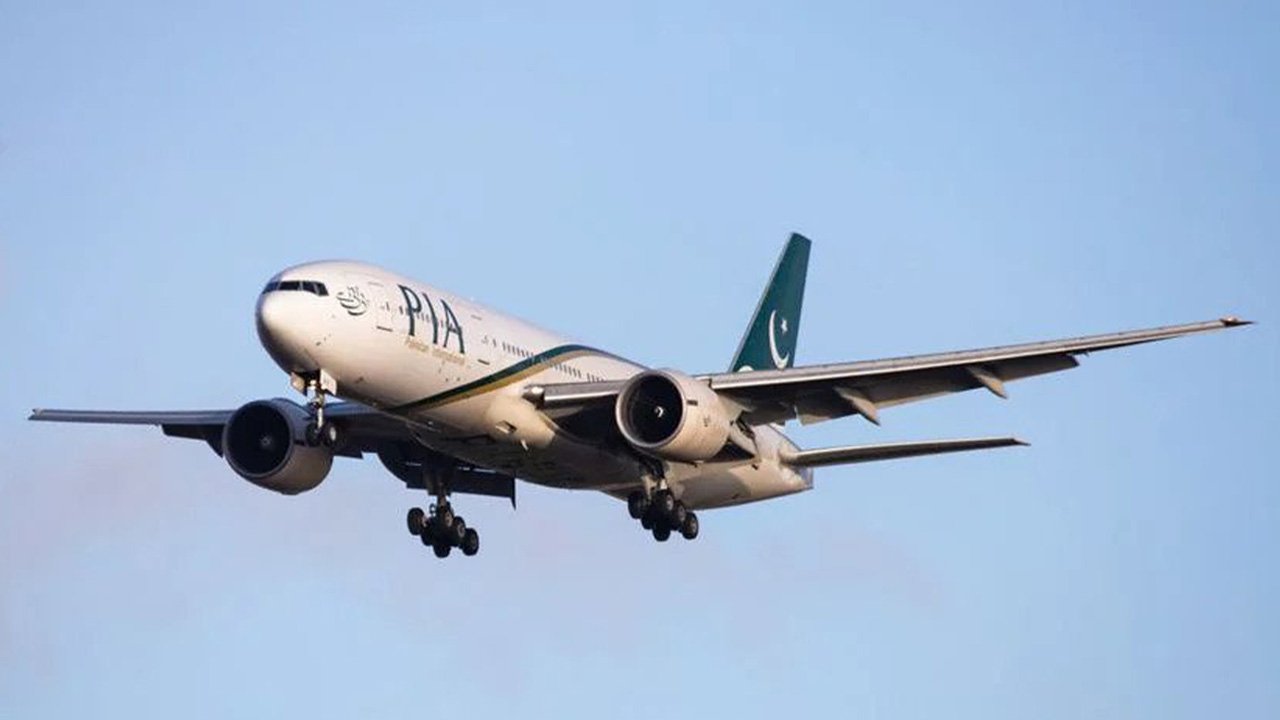
  • PIA to be privatised: assets, debt and staff to be transferred

    PIA to be privatised: assets, debt and staff to be transferred

    Pakistan International Airlines (PIA), which has been running at a loss, has unveiled its privatisation plan. Sources indicate that this plan encompasses not only the privatisation of PIA but also the power distribution companies and the revival of Pakistan Steel Mills.

    Furthermore, it has been reported that the process of appointing a financial advisor for PIA’s privatisation is underway. While PIA’s affiliated institution will remain unaffected by privatisation, plans have been solidified to address issues related to PIA’s debt and government guarantees.

    According to ARY News, the Privatisation Commission sources have disclosed that, under the current circumstances, Pakistan Steel Mills cannot be privatised. However, efforts will be made to enhance the mill’s production and capabilities to attract potential investors.

    It’s worth noting that the restructuring plan for the privatisation of Pakistan International Airlines (PIA) is progressing rapidly. The PIA administration has invited applications from legal and corporate firms for assistance in this restructuring plan. The Department of Contract Management has been instructed to forward these applications by October 6.

    The assets of PIA, including properties, debts, aircraft, and employees, will be transferred to the new company, presenting PIA as a debt-free organisation to potential investors.

  • PM Kakar urges rapid privatisation of PIA as flight suspensions loom

    PM Kakar urges rapid privatisation of PIA as flight suspensions loom

    Interim Prime Minister Anwaar-ul-Haq Kakar has issued a directive to accelerate the privatisation process of Pakistan International Airlines (PIA), which has been facing substantial financial losses. This move comes in response to reports suggesting that PIA’s flight operations could be halted by September 15 unless emergency funding is secured. 

    In a recent interview with Geo News, a senior PIA director revealed that the airline had reduced its operational fleet from 23 to just 16 aircraft, resulting in numerous flight cancellations. Additionally, major aircraft manufacturers, Boeing and Airbus, had suspended the supply of spare parts to PIA due to outstanding payments, causing daily losses amounting to millions of rupees.  

    The dire situation was further exacerbated when a PIA plane was detained at Dammam airport and four others were held at Dubai airport due to unpaid fuel bills. 

    The official cautioned that unless emergency funds amounting to Rs23 billion were secured, flight operations might come to a standstill by September 15. In response to these pressing concerns, Prime Minister Kakar chaired a meeting regarding PIA-related matters and assigned the caretaker Minister for Privatisation, Fawad Hasan Fawad, to oversee the privatisation process with the utmost urgency.  

    The prime minister stressed the need for a swift privatisation process to ensure reliable services for users and to bring PIA’s standards in line with global aviation standards. 

    Furthermore, the prime minister urged all relevant stakeholders to collaborate in finding immediate solutions to the challenges associated with privatization. The meeting also included a briefing on the progress of the privatisation process at PIA. 

    Read more: Islamabad Police launches campaign to catch students bunking school and college 

    According to Geo, PIA has been grappling with severe financial difficulties, including the grounding of five out of its 13 leased aircraft, with the possibility of grounding four more due to ongoing financial constraints. The airline had previously requested an emergency bailout of Rs22.9 billion, which was rejected by the Economic Coordination Committee (ECC).  

    Additionally, requests for deferring payments of Rs1.3 billion per month to the Federal Board of Revenue (FBR) and Rs0.7 billion per month to the Civil Aviation Authority (CAA) were also denied by the ECC.  

    Moreover, PIA had warned of potential disruptions in the supply of spare parts by Boeing and Airbus by mid-September. In a further blow, the FBR froze 13 of PIA’s bank accounts due to unpaid dues totaling Rs8 billion in Federal Excise Duty (FED). 

  • FBR freezes PIA’s bank accounts for not paying Rs2.8 billion in taxes

    FBR freezes PIA’s bank accounts for not paying Rs2.8 billion in taxes

    Pakistan International Airlines (PIA), the national flag carrier, has found itself embroiled in a tax dispute as the Federal Board of Revenue (FBR) took the drastic step of freezing the airline’s bank accounts. This move comes at a critical time when the government has shifted the burden of revenue generation onto the general public, leading to growing concerns about the fairness of the taxation system.

    According to the FBR, PIA owes approximately Rs2.8 billion in taxes. However, the airline disputes this figure, claiming that the amount owed stands around Rs1.3 billion. A PIA spokesperson confirmed the ongoing communication between the airline’s management and the FBR, expressing hope that the bank accounts would be unblocked in the near future.

    Despite the harsh measure taken by the FBR, the PIA spokesperson reassured the public that the airline’s flight operations and other activities were continuing to function smoothly.

    The situation with PIA not paying taxes raises questions about the government’s tax collection policies. A recent report from the Finance Division revealed that government expenditure was on the rise in FY23, largely due to increased revenue collection through non-tax measures and indirect taxes. This indicates a failure to effectively broaden the tax base and implement direct taxation for various sectors.

    Critics argue that the government’s approach seems to focus on imposing indirect taxes on the masses, while offering some protection to the wealthier classes, even amid the current financial crunch. The freezing of PIA’s bank accounts further reinforces this perception, leaving the public questioning the fairness of the taxation system.

    Meanwhile, the report also highlighted that the government’s interest rate hikes policy is facing opposition, particularly from the business community. The State Bank of Pakistan has been unwilling to reverse the rate hikes, despite continuous protests and grave consequences faced by the public.

    As the PIA tax dispute continues, the government is under pressure to address the broader issues surrounding taxation and revenue generation to create a more equitable and sustainable financial framework.

  • PIA prohibits pilots and cabin crew from fasting during Ramzan

    PIA prohibits pilots and cabin crew from fasting during Ramzan

    Pakistan International Airlines (PIA) has prohibited its pilots and cabin staff members from fasting during the holy month of Ramzan.

    As per a recent safety notice released by the national flag carrier, fasting is one of the key factors behind diminished human performance.

    The decision is part of the PIA’s in-flight safety measures, which were recently announced by Aamir Bashir, the PIA’s General Manager (GM) of Flight Services.

    In order to meet the physical and psychological demands of flying, a healthy diet is crucial for pilots. Human errors that result in plane crashes can be minimized by focusing on nutrition due to its strong connection with flying performance.

    On-duty pilots and flying crew members should consider several aspects such as tiredness, performance degradation, and refrain from fasting throughout Ramadan, keeping in view the safety of the innocent lives (passengers and other staff).

    In addition to this, the administration has also allowed pilots and cabin crew members to apply for leave who do not wish to give up fasting during the month of Ramadan.

    Read more: Man hacks airline’s website after he lost his baggage

    Lastly, it also noted that non-compliance with the directive could result in the suspension or cancellation of the flying crew’s licenses.