Tag: national grid

  • ADB approves $250 million loan to upgrade Pakistan’s power transmission system 

    ADB approves $250 million loan to upgrade Pakistan’s power transmission system 

    The Asian Development Bank (ADB) has granted a $250 million loan to Pakistan to enhance the country’s power transmission system, addressing persistent electricity shortages. 

    The approved aid aims to ensure a reliable electricity supply by expanding and enhancing the power transmission network in Punjab and Khyber Pakhtunkhwa provinces, as outlined in an official ADB statement. 

    The initiative, known as the Power Transmission Strengthening Project, focuses on fortifying the national grid’s stability by increasing transmission capacity. 

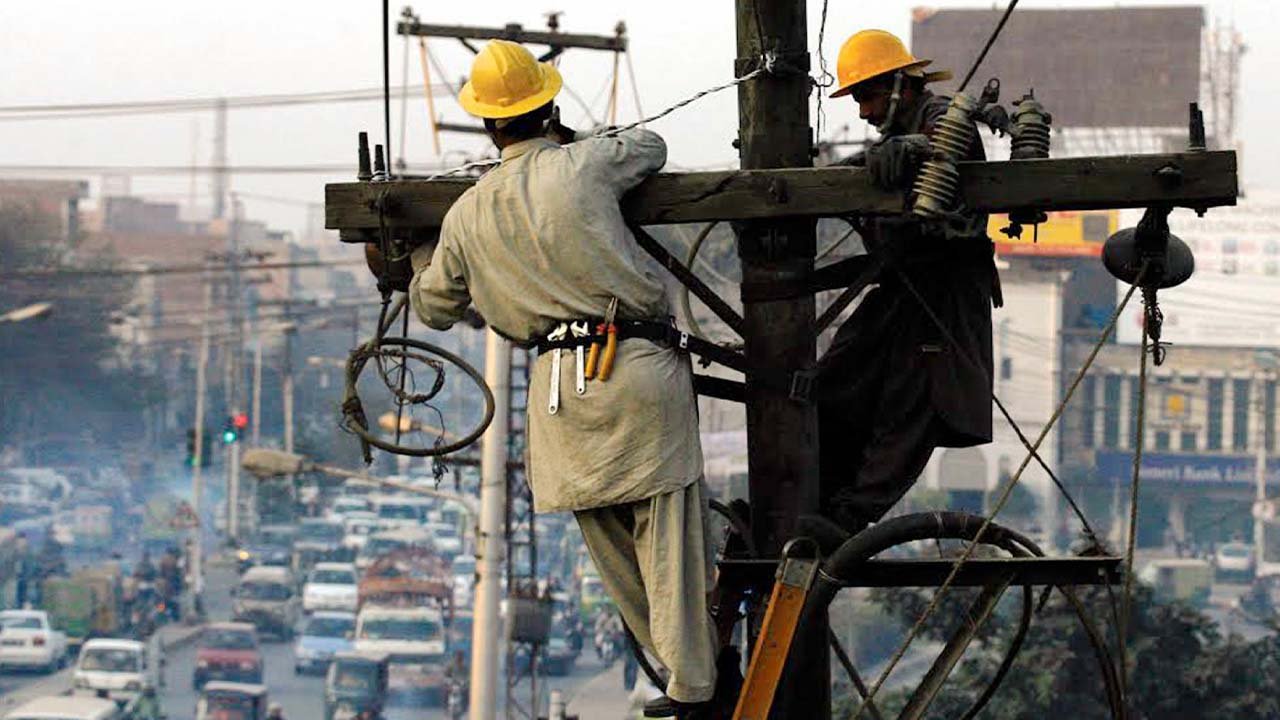
    The project includes the expansion of high-voltage transmission networks, specifically 500 kilovolt (kV) and 220 kV transmission line loops, with the goal of reducing transmission losses in Lahore, Punjab, through the replacement of outdated transmission lines. 

    ADB Director General for Central and West Asia, Yevgeniy Zhukov, emphasised the significance of a reliable power supply for inclusive and sustainable economic growth. 

    He expressed satisfaction in continuing ADB’s support for Pakistan’s pursuit of energy security and improved energy efficiency. 

    In addition to reinforcing power transmission, the project aims to complement ADB’s existing assistance to the National Transmission & Despatch Company Limited (NTDC). 

    This support targets energy security, climate resilience, and increased transmission capacity for the deployment of sufficient, reliable, clean, and cost-effective energy. 

    The project’s key objectives extend to enhancing the management of the national transmission system. 

    Beyond strengthening power transmission, ADB’s initiative will improve the project and financial management of NTDC, incorporating climate resilience in planning and operations. 

    To promote gender equality and women’s involvement in the energy sector, ADB plans to develop mentorship guidelines, conduct awareness campaigns, establish childcare centres, and provide technical training for female staff within NTDC. 

    The project also includes livelihood skills development for women in the designated areas, aiming to enhance their economic opportunities. 

    Additionally, local communities will receive training to enable them to respond effectively to climate-induced natural hazards. 
  • Anti-power theft measures lead to Rs46 billion in recoveries

    Anti-power theft measures lead to Rs46 billion in recoveries

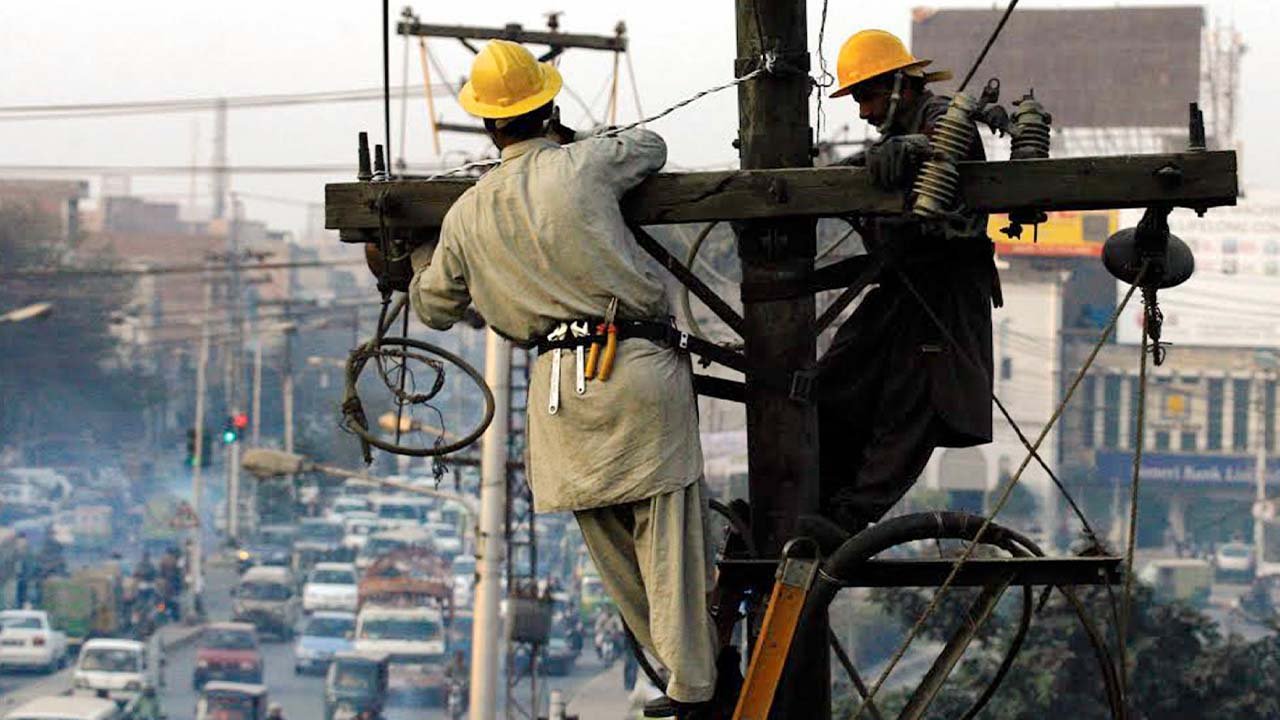
    The government’s unyielding efforts against power theft have produced significant results, surpassing Rs46 billion in recoveries, as announced by Rashid Langrial, Secretary Power Division, Government of Pakistan, in a statement on X (formerly Twitter).

    It’s noteworthy that the anti-power theft campaign commenced on September 7, and the reported outcomes cover the period up to October 31.

    Langrial highlighted the government’s commitment, stating that they have undertaken unprecedented measures, including reshuffling, suspending, prosecuting, and even arresting their own staff.

    Approximately 470 individuals per day have been detained, marking a substantial increase in the rate of apprehension.

    The Secretary highlighted the government’s determination to eliminate external influences, thanks to the unwavering support of the Prime Minister, the Minister-in-Charge, and other segments of state power.

    While revealing the results for the initial two months (53 days), Langrial underscored the importance of placing the figures in context.

    The estimated annual losses across the national grid for the current year stand at Rs589 billion. Notably, around Rs199 billion of these losses are attributed to ex-FATA, Baluchistan tube wells, and AJK.

    However, Langrial clarified that these specific areas are not the primary focus of the campaign due to their unique circumstances. AJK, for instance, handles its own bills but disputes payments on contractual grounds.

    Ex-FATA, exempted from metres due to a policy of appeasement post-integration, and Baluchistan tube wells face enforcement challenges, among other factors.

    Langrial disclosed that efforts are concentrated on the remaining problem space of Rs390 billion, of which Rs46 billion has been recovered in 53 days, averaging Rs867 million per day.
    He cautiously acknowledged that maintaining

    the same level of state support and field effort is crucial for resolving 80 per cent of the problem space, albeit with some uncertainty.

  • Millions in Pakistan without electricity after countrywide outage

    Millions in Pakistan without electricity after countrywide outage

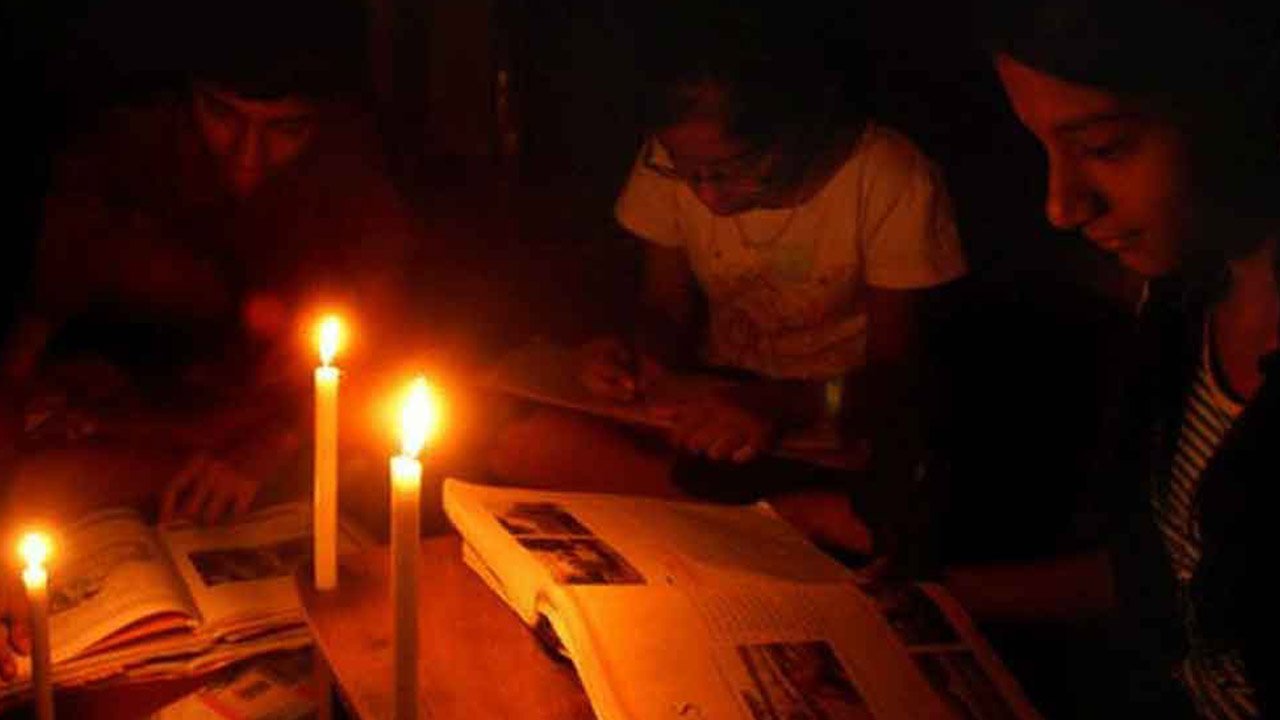
    Millions of Pakistanis were left without electricity on Monday due to a nationwide power outage, which threatened to unleash chaos in the South Asian country, which is already experiencing fuel shortages during the winter.

    The country’s Ministry of Energy said in a statement the country’s National Grid went down at 7:34 am local time, “causing a widespread breakdown in the power system,” according to initial reports.

    “System maintenance work is progressing rapidly,” the statement added.

    A “limited number of grids” in Islamabad and Peshawar have had power restored, the ministry said.

    The duration of the power outage is unknown, but attempts are being made to bring power back to various areas of the country.

    The disruption occurs as the country’s frail economy continues to face numerous difficulties, including a serious energy crisis.

    Earlier this month, Prime Minister Shehbaz Sharif ordered all federal agencies to cut their energy use by 30 per cent. In addition, his administration mandated that all stores and restaurants close at 8:30 pm.

  • Major power outages hit Sindh and Punjab due to a fault in southern transmission system

    Major power outages hit Sindh and Punjab due to a fault in southern transmission system

    The Ministry of Energy said that a “fault in the country’s southern transmission system” caused a significant power outage on Thursday that affected Sindh and Punjab.

    In addition to Karachi, Hyderabad, Thatta, Jamshoro, Sujawal, Badin, Mirpurkhas, Umarkot, Sanghar, Nawabshah, Matiari, Tharparkar, and Larkana, electricity service has been interrupted throughout Sindh.

    Additionally, the power has been cut off in a number of Punjabi cities, including Rahim Yar Khan and Rajanpur, according to Geo.

    “Due to an accidental fault in the country’s southern transmission system, several southern power plants are tripping in stages, which is disrupting the transmission of electricity in the southern part of the country,” said the Ministry of Energy in a tweet post.

    “The Ministry of Energy is diligently investigating the cause of the outage and the power system will be fully restored as soon as possible,” it added.

    According to reports, a technical issue has caused the Guddu Thermal Power Station in Kashmore to stop producing electricity. Technical issues at the power plant prevent the 600MW and 747MW units from running.

    The 500-KV system nationwide is not functioning, according to sources at National Transmission and Despatch Company (NTDC). They claimed that the causes are still being determined.

    The southern port city’s many neighbourhoods, including Malir, Sarjani Town, and Saddar, experienced power outages. Since 10:00 am, there has been no electricity in these neighbourhoods.

    Meanwhile, there were power disruptions in places including Gulshan-e-Maymar, Federal B Area, Liaquatabad, and Superhighway.

    Baldia, Orangi Town, North Nazimabad, and North Karachi are all without electricity. In addition to this, several places, notably the SITE Industrial Area, lack electricity.

    K-Electric is looking into reports of many outages from various areas of the city, K-Electric spokesperson Imran Rana wrote in a tweet.

    There are currently efforts being made to restore power. K Electric claims that all residential areas have had electrical supply restored, adding that 1,600 of Karachi’s 1,900 feeders are now operational.

    Even though it has been more than eight hours since the breakdown started, the remaining 300 feeders have still not been powered up, leaving some areas without power.