Tag: Natural Disaster

  • Afghanistan Earthquake: Pakistan to send medical team, 50 tents, 500 blankets and more in humanitarian aid

    Afghanistan Earthquake: Pakistan to send medical team, 50 tents, 500 blankets and more in humanitarian aid

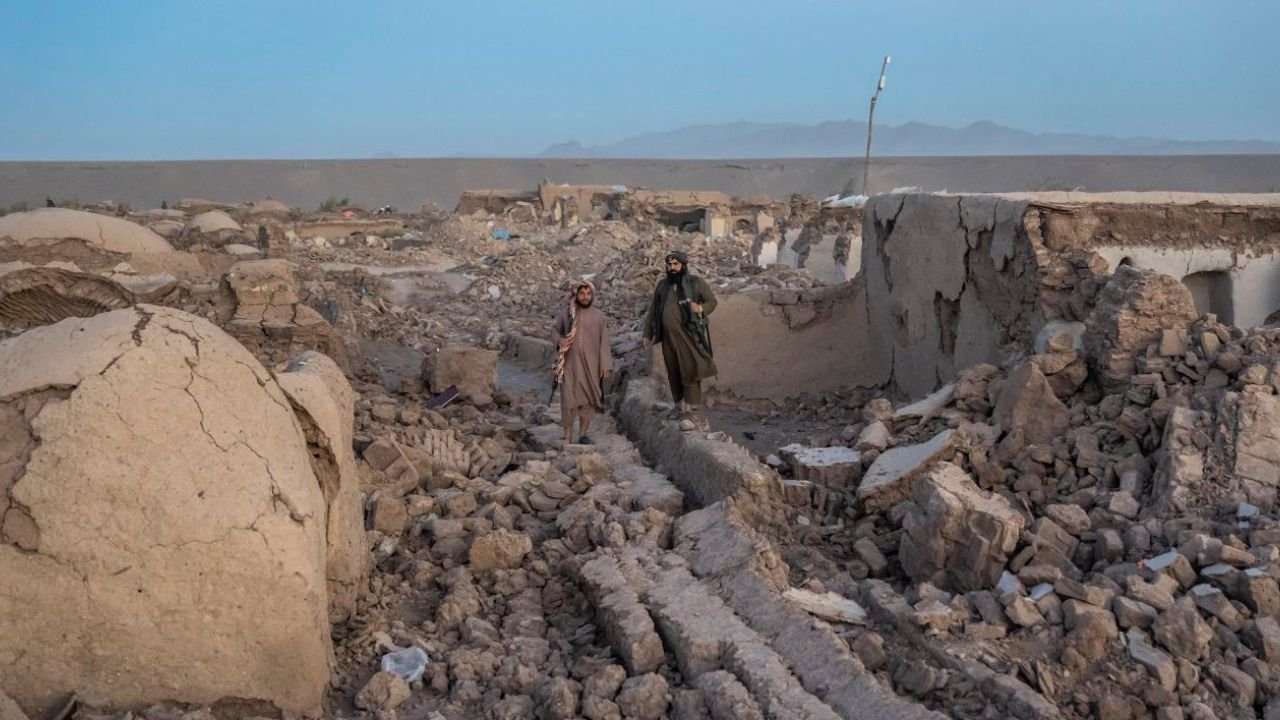
    As per the latest update, about 2,500 people have died as a consequence of a severe earthquake that jolted Afghanistan on Saturday.

    An earthquake of a magnitude of 6.3 hit the province of Herat in the troubled country, becoming one of the deadliest quakss experienced in the past two decades in Afghanistan.

    It jostled the districts of Zenda Jan and Ghorian.

    According to Abdul Wahid Rayan, spokesperson for the Ministry of Information and Culture, about six villages have been destroyed and hundreds of civilians have been buried under the debris

    As of Sunday, 1,240 people were injured and 1,320 houses were completely destroyed.

    While Afghanistan’s healthcare system is majorly dependent on foreign aid, China’s Red Cross Society has offered $200,000 in emergency cash aid.

    UN Spokesperson Stéphane Dujarric has stated, “The United Nations and our partners in Afghanistan are coordinating with the de facto authorities to swiftly assess needs and provide emergency assistance,”

    According to the UN, its Children’s Fund (UNICEF) has deployed teams “to join ongoing humanitarian efforts” and dispatched 10,000 hygiene kits, 5,000 family kits, 1,500 sets of winter clothes, blankets, 1,000 tarpaulins, and basic household items, “which will complement support provided by other UN agencies and partners”.

    Pakistan’s Caretaker Prime Minister Anwaarul Haq Kakar, posted a statement on X (formerly Twitter) stating that Pakistan stands in solidarity with Afghans during this difficult time.

    Pakistan Foreign Office also posted on social media stating that the country is in contact with Afghan authorities to get a “first-hand assessment of the urgent needs” of the victims and that Pakistan will extend “all possible support to the recovery effort.”

  • 150 still missing after glacial burst in Kolkata

    At least 42 people have reportedly died after flash floods swamped following a glacial lake burst its banks in the Indian Himalayas in Kolkata this week.

    150 missing people are still missing.

    On Wednesday, a cloudburst led to severe rain, causing Lhonak Lake to overflow and a consequential avalanche resulting in the flooding of Teesta river.

    It is said to be one of the worst calamities in the region in more than 50 years.

    Accoeiding to authorities in Sikkim, 22,000 people have been affected.

    “We got calls from people that river levels could rise at 3am and we ran for our lives,” Reuters quotes Javed Ahmed Ansari, 44, a resident of Teesta valley, who owns a river rafting business.

    “We ran towards the hill in the jungle … We saw houses getting swept away. I can now only see the first floor of our house which is filled with sand, everything is submerged.”

    According to Reuters, officials involved in the project said that scientists and government authorities had beenbworking on an early warning system for glacial floods at Lhonak Lake which could have given people more time to evacuate if it was fully operational.

  • Chile animal shelter offers hope to wildlife affected by natural disasters

    Chile animal shelter offers hope to wildlife affected by natural disasters

    In response to the aftermath of natural disasters in Chile, an animal shelter called Refugio Animal Cascada, located near Santiago, is providing refuge and rehabilitation for wildlife impacted by the events.

    With a history spanning two decades, the shelter has recently seen an influx of new residents due to a series of wildfires, droughts, and heavy rains.

    Reuters has reported that Chile’s central regions experienced severe weather conditions, including heavy rainfall and floods, leading to evacuations and further distress for the wildlife. Earlier this year, devastating wildfires ravaged Chilean forests, displacing numerous woodland animals and leaving destruction in their wake.

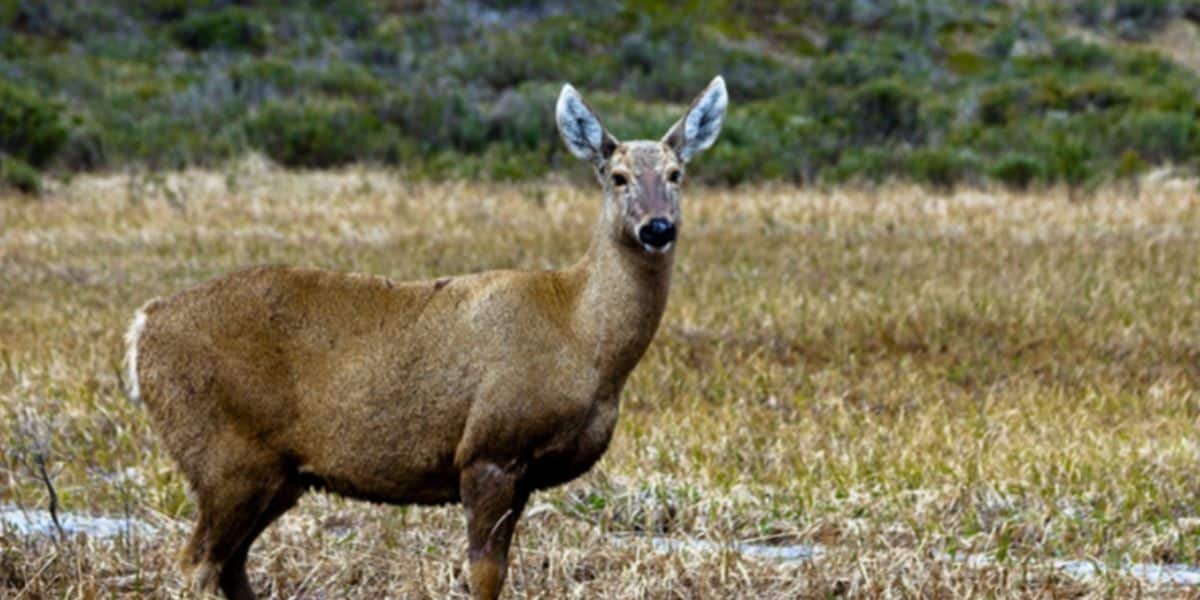
    Activists responded by treating injuries, including burns, sustained by animals like the small nocturnal marsupials known as monitos del monte and pudus, the world’s smallest deer.

    The escalating global environmental crisis, characterized by the loss of biodiversity and native wildlife, prompted Chilean Environment Minister Maisa Rojas to express concern during her visit to inaugurate a new unit at the shelter.

    She emphasized the vulnerability of the country’s wildlife, stating that it is at risk.

    The shelter’s primary objective is to rehabilitate these animals and ultimately release them back into their natural habitats.

  • Here are some tips to remember as Cyclone Biparjoy reaches Karachi

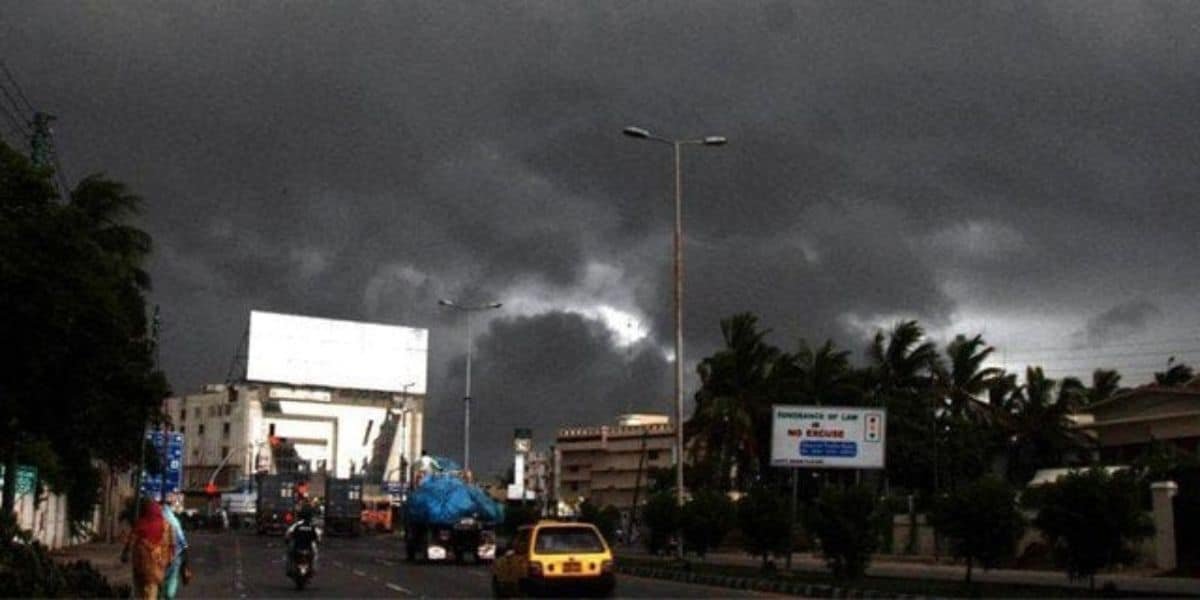
    Here are some tips to remember as Cyclone Biparjoy reaches Karachi

    Authorities in Karachi are on high alert as Geo reported today that residents of Defence Housing Authority have been warned to take precautionary measures after Cyclone Biparjoy in the Arabian Sea moves closer to the coast.

    Residents are being advised to keep their basements and windows shut and call DHA helpline 1092 in case of any emergency.

    A a list of requirements in case of emergency has also been shared on their Twitter account.

    As authorities prepare for the worse, citizens of Karachi on Twitter are sending each other advise in order to help prepare in case the worst situation happens. Twitter user Sabah Bano Malik began this trend when she asked her followers what things to keep in mind as the cyclone approaches the city:

    “As someone whose never experienced a cyclone what do I do,” she wrote.

    Whether it is having a prepared kit or stocking up, Karachi citizens came forward with the best tips:

    https://twitter.com/whereizmydeath/status/1667939730250686464?s=20
  • Natural disasters: What is happening around the world?

    Natural disasters: What is happening around the world?

    The second half of 2021 has seen a lot of catastrophic situations around the world. From the wildfires in Turkey to severe flooding in China, here’s a list of all the episodes of misfortunes happening right now.

    Wildfires rage across Europe

    Wildfire blazes have erupted across Europe; the most devastating in Turkey resulted in six deaths. The country has been hit by 133 wildfires and tens of thousands were forced from their homes. Moreover, the heatwave has fuelled several fires in Greece, Italy, Croatia, and southern parts of Europe, leaving them struggling to cope. Strong winds and a dry atmosphere have allowed the fires to rapidly expand, reports The New York Times.

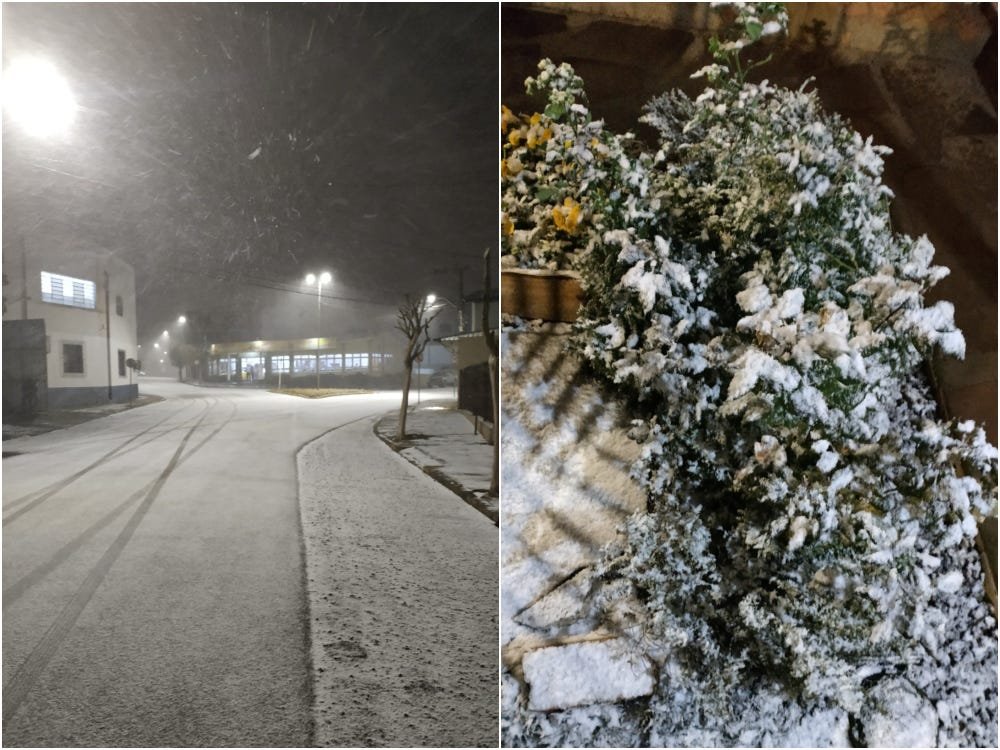
    Rare Snowfall Blankets in Brazil

    Several parts of Brazil have seen snow for the first time in 64 years due to an uncharacteristic cold spell. Rare low temperatures have also been experienced by 40 cities. This has threatened the country’s agricultural sector with the risen of coffee and sugar prices, according to The Insider. Not only this, the temperature is expected to keep dropping, with possible snowfall in other states.

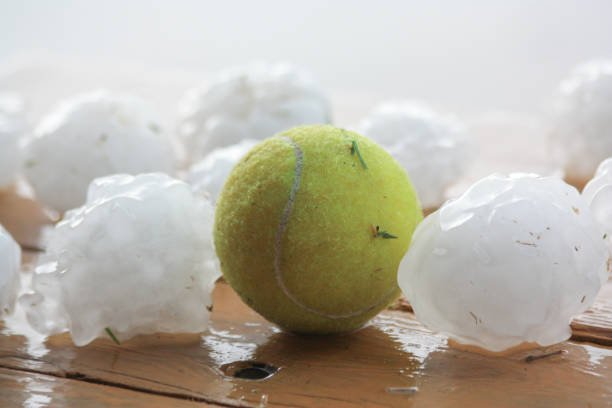
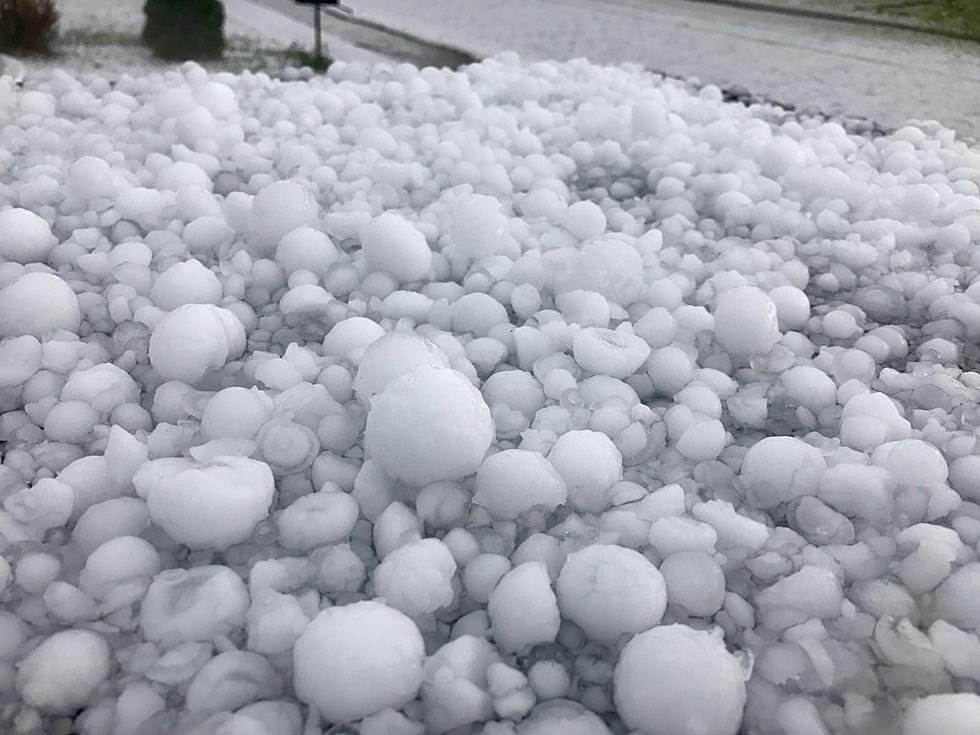
    Hail bigger than tennis balls rained down in northern Italy

    Towns around Italy’s Lake Como were hit by the size of tennis balls hailstones damaged nearly 100 cars. While hailstorms are a common summer feature in the country, the frequency of hailstorms this year is quite unusual. More than 60 rescues have been carried out so far, per reports.

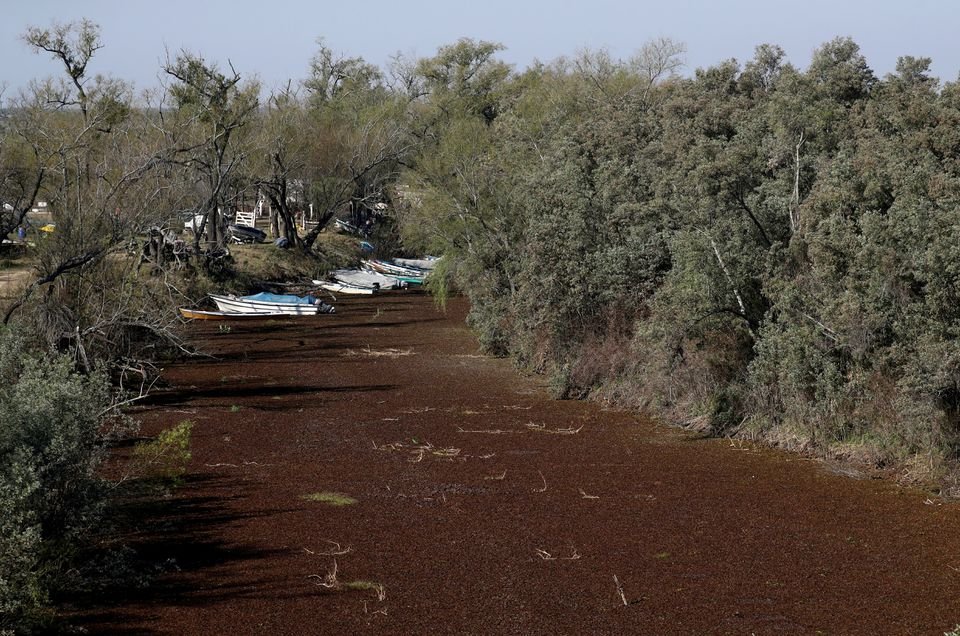
    Paraná River, suffering from a severe drought in South America

    According to Reuters, due to a prolonged shortage of rainfall in Brazil, Parana’s water is at the lowest level since 1944. Due to this aggravating situation, Argentina’s government has urged citizens to limit water use to alleviate pressure on the River as it is the transportation route for 80 percent of the country’s farm exports and a source of drinking water, irrigation, and energy.

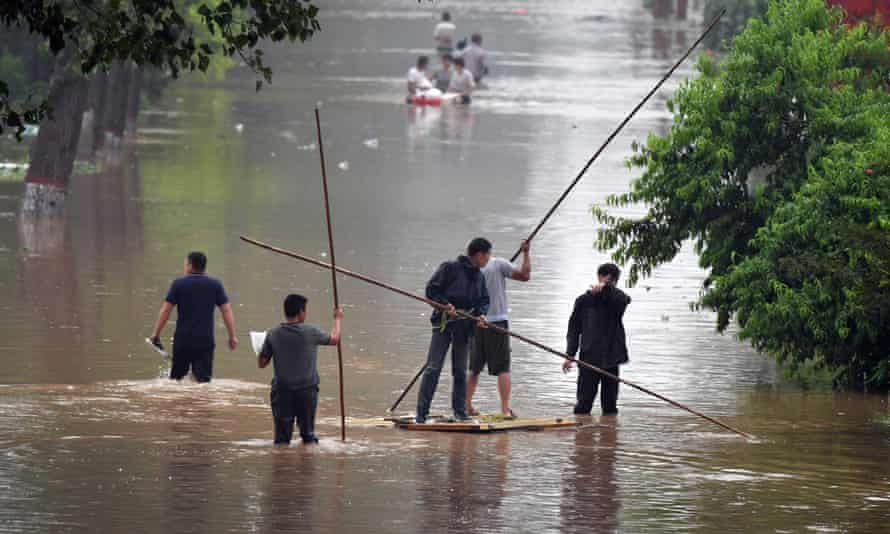
    Severe Flooding in Europe and China

    Floods have upended life in China, Germany, and Belgium. Hundreds of the residents have lost their lives because of the situation. As the atmosphere warms with climate change, it also holds more moisture, which means that when rainclouds break, more rain is released, as per details.

    These occurrences have sent a stark reminder to everyone that climate change is making weather more extreme across the globe.