Tag: negotiations

  • Pakistan expects positive outcome in talks with IMF, eyes $700 million disbursement

    Pakistan expects positive outcome in talks with IMF, eyes $700 million disbursement

    Pakistan is optimistic about the successful completion of the initial review under the $3 billion standby arrangement (SBA) with the International Monetary Fund (IMF). 

    According to reports, the ongoing negotiations, now in their final phase, are anticipated to culminate positively, marking a crucial milestone. 

    Commencing on Monday, policy-level discussions between Pakistani authorities and the IMF are scheduled to persist until November 15, spearheaded by Finance Minister Shamshad Akhtar.  

    The Pakistani delegation, including key figures such as State Bank of Pakistan Governor Jameel Ahmad and Federal Board of Revenue Chairman Malik Amjed Zubair Tiwan, along with representatives from the finance and energy ministries, has been actively engaged in the deliberations. Nathan Porter leads the IMF team in this dialogue. 

    During the latest session, the IMF delegation articulated their recommendations and requirements, while technical-level talks involved the sharing of pertinent economic data with the international lender’s team, according to The News.  

    Sources within the finance ministry assert that Pakistan has diligently fulfilled all stipulated conditions set forth by the IMF. 

    It is anticipated that the staff-level agreement will be finalised during the ongoing policy-level talks, paving the way for the disbursement of approximately $700 million to Pakistan upon the successful completion of the first review. 

    Earlier this month, the IMF review mission commended the Pakistani government for its commendable progress towards economic recovery, as stated by the finance ministry.  

    The IMF’s $3 billion loan programme, sanctioned in July, played a pivotal role in averting a sovereign debt default. The initial tranche of $1.2 billion was disbursed in July, with the remaining amount contingent on subsequent reviews. 

    Finance Minister Shamshad Akhtar has unequivocally ruled out any requests to the IMF for an extension of the SBA programme’s timeframe or an increase in its size. 

  • Islamabad Airport to be outsourced, international firms meeting underway in Dubai

    Islamabad Airport to be outsourced, international firms meeting underway in Dubai

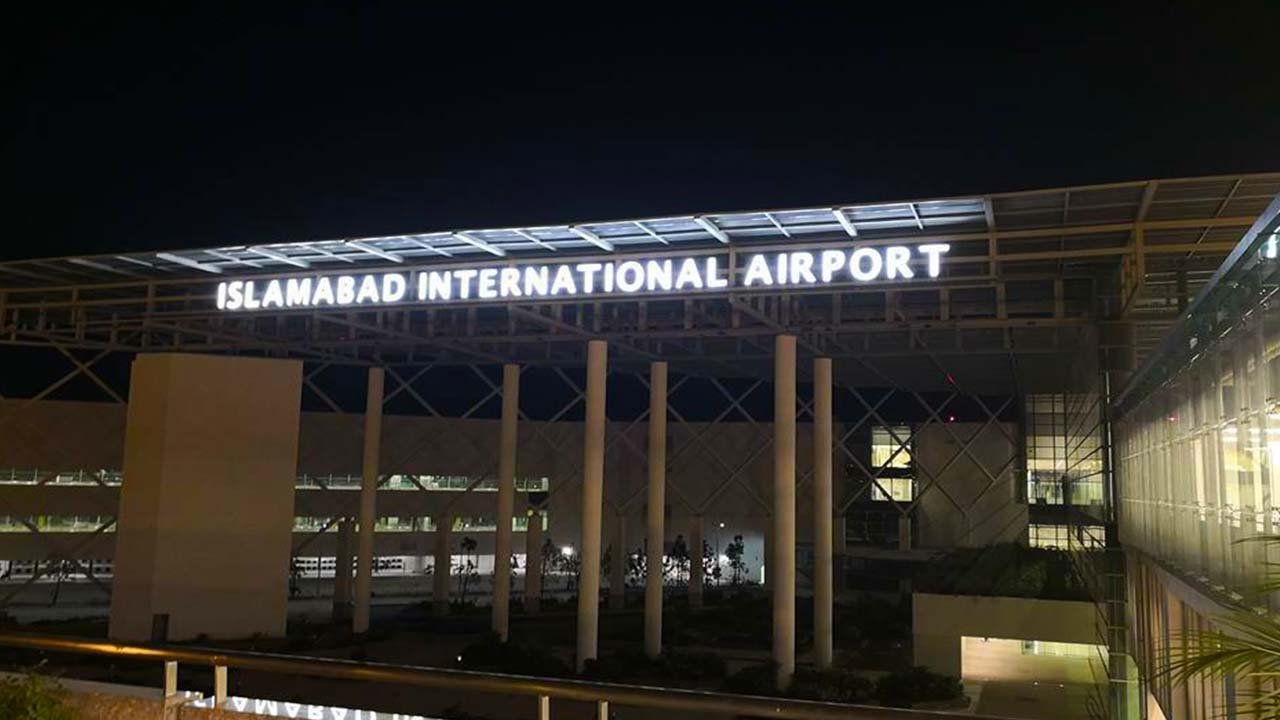
    Today in Dubai, a crucial meeting of the Civil Aviation Authority (CAA) is set to take place, focusing on the outsourcing of Islamabad International Airport.

    According to ARY News, CAA officials have convened in Dubai to participate in this pivotal session, marking a significant step in the outsourcing process for Islamabad International Airport.

    This gathering will see the participation of international firms that have expressed interest in becoming part of Islamabad Airport’s outsourcing initiative. It’s noteworthy that the federal government intends to implement a phased approach to outsourcing major airports nationwide.

    Previously, the federal government had initiated the process by issuing tenders to solicit applications for outsourcing Islamabad International Airport for a duration of 15 years. The Civil Aviation Authority has stipulated that interested bidders are required to submit their applications along with a Rs5,000 fee to the CAA by November 8.

    Recent developments reveal that the government has made the decision to outsource Karachi, Lahore, and Islamabad International Airports. Notably, countries such as the United Arab Emirates, Qatar, Turkey, China, and Saudi Arabia have expressed a keen interest in the outsourcing of all three airports.

    In response to this decision, CAA unions launched a protest movement, and despite attempts at negotiation by Aviation Minister Khawaja Saad, talks have proven unsuccessful. CAA employees remain steadfast in their opposition to the outsourcing of airports, with a spokesperson for the CAA Union emphasising that the protest will persist until their demands are met.

  • Petroleum dealers’ strike averted: Govt approves Rs1.64 per litre profit margin increase

    Petroleum dealers’ strike averted: Govt approves Rs1.64 per litre profit margin increase

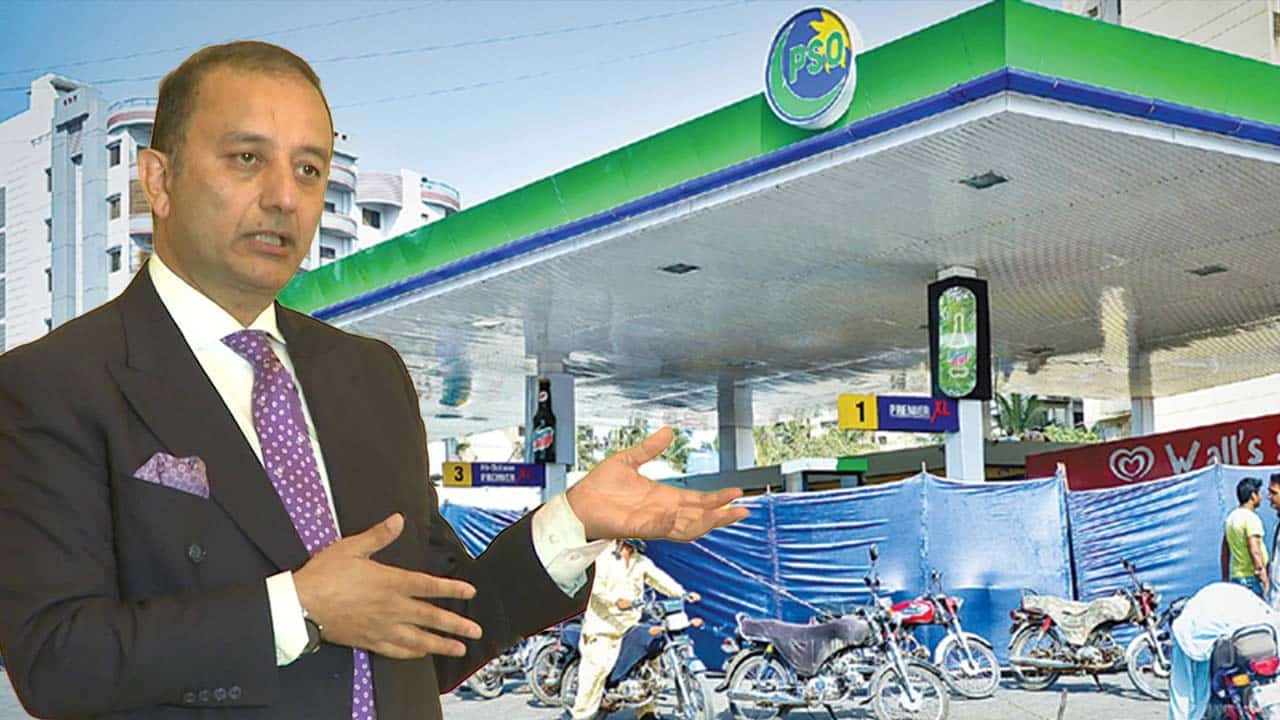
    The government has successfully reached an agreement with the Pakistan Petroleum Dealers Association (PPDA) to avert the strike they had threatened last week. After extensive negotiations, the government agreed to increase the profit margin on petroleum products for dealers by Rs1.64 per litre.

    Chairman of the PPDA, Abdul Sami Khan, made the announcement regarding the deal. Initially, the government had proposed a lower increase of Rs1.64 per litre, but the dealers, who had originally sought a higher increase of Rs5 per litre, resisted, deeming it insufficient to cover their rising business costs. Eventually, they accepted the government’s offer.

    The new profit margin for dealers will be implemented in four phases. Every fortnight, it will be raised by Rs0.41 per litre, culminating in a full raise of Rs1.6 per litre within two months. This will bring the dealers’ margin to Rs7.6 per litre, up from the current Rs6 per litre.

    The decision to strike was initially announced by the PPDA in response to the ongoing inflation crisis. The association stated that increasing interest rates and inflation had severely impacted their businesses and demanded a raise in the dealership margin to cope with the challenges they were facing. They also pointed out a decline in sales by 30%, partly due to the smuggling of Iranian fuel into the country.

    Read more: Petroleum dealers and Minister set to meet today to resolve profit margin dispute

    However, the strike was deferred for two days after the PPDA members engaged in discussions with the State Minister for Petroleum, Musadik Malik. The minister’s visit to Karachi was aimed at convincing the PPDA to call off the nationwide strike.

    In summary, following negotiations with the government, the Pakistan Petroleum Dealers Association has agreed to suspend their planned strike, and the government will increase their profit margin on petroleum products in a phased manner over the next two months.

  • Petroleum dealers and Minister set to meet today to resolve profit margin dispute

    Petroleum dealers and Minister set to meet today to resolve profit margin dispute

    According to media reports, the Petroleum dealers are scheduled to hold a meeting today with Minister of State for Petroleum, Musadik Malik, in an effort to reach an agreement on increasing profit margins.

    In response to their demands, the Petroleum dealers have been engaged in protests and have issued threats of a countrywide shutdown of stations if their requests are not met.

    However, following a meeting between officials of the Pakistan Petroleum Dealers Association (PPDA) and the Minister on Friday, the strike has been temporarily postponed, pending a resolution regarding the increment of the dealers’ profit margin.

    A spokesperson from the PPDA clarified that no petrol stations will be closed until after the meeting, and any further course of action will be determined based on the outcome of the meeting.

    Currently, the profit margin for dealers stands at 2.4 per cent or Rs6 per liter, and they are seeking a revision to 5 per cent, which amounts to nearly double the current margin.

    According to Mettis Global, the PPDA Chairman, Abdul Sami Khan, pointed out that the consumer price index has escalated by 38 per cent, while electricity and other utility rates have also spiked, primarily due to the increase in the Kibor rate.

    He further highlighted that a decision was made in 1999, stating that dealers would receive a 5 per cent margin on oil products. However, the government fixed the margin at Rs6 per liter, resulting in a mere 2.4 per cent profit for dealers, which has left them dissatisfied.

  • Countdown to Pakistan’s budget unveiling: Last IMF review holds the key

    Countdown to Pakistan’s budget unveiling: Last IMF review holds the key

    Pakistan is heading towards a crucial phase as it prepares to unveil its budget on June 9, following an arduous bailout negotiation with the International Monetary Fund (IMF). A Fund official revealed that only one board review remains under the current IMF bailout package, which is seen as a step towards a successful review.

    Esther Perez Ruiz, the resident representative for Pakistan at the IMF, emphasised the need to restore the proper functioning of the foreign exchange market to pave the way for the final review.

    Ruiz outlined additional prerequisites, including passing a budget that aligns with the program objectives for the 2023-24 fiscal year, and securing credible financing commitments to address a $6 billion shortfall.

    Experts suggest that the coalition government is striving to strike a delicate balance between satisfying the demands of the IMF and winning over voters in the upcoming general election. Analysts expect the government to announce populist measures in the budget to appease the electorate while aiming to meet IMF prescriptions.

    The IMF program, which concludes this month, has approximately $2.5 billion in funds yet to be released due to ongoing negotiations between Pakistan and the lender. Pakistan’s economy is grappling with severe challenges, including high inflation, fiscal imbalances, and low reserves.

    The government is hoping that the general election scheduled for November will help alleviate the turmoil stemming from a protest campaign led by Pakistan Tehreek-e-Insaf (PTI) chairman after his removal in a no-confidence vote last year.

    Former finance minister Miftah Ismail stressed the importance of securing IMF funding, highlighting the difficulties Pakistan would face without it. Ismail expressed confidence that the government would present a budget in line with IMF prescriptions to ensure the country’s survival in the next fiscal year.

    A staff-level agreement between Pakistan and the IMF to release $1.1 billion from a $6.5 billion package has been delayed since November, further intensifying the country’s need for funds to avert a balance of payments crisis. Experts believe that even after the current program expires, Pakistan will likely seek another bailout in the upcoming fiscal year to avoid defaulting on its debt obligations.

    Pakistan’s central bank reserves can cover imports for only about a month, underscoring the urgency of securing financial assistance. Inflation in the country, home to 220 million people, has reached a staggering 37.97 per cent in May, marking a record high for the second consecutive month and making it the highest rate in South Asia.

    The planning minister recently announced that development spending targets in the new fiscal year would be set at 1,150 billion rupees ($4.02 billion), while projecting an inflation rate of 21 per cent for the same period. With the general election looming, some analysts anticipate that the government will announce vote-winning measures, even if they have to be scaled back later.

    Pakistan’s budget unveiling tomorrow will be closely watched by the nation, as it not only sets the course for the fiscal year but also represents a crucial step in the ongoing negotiations with the IMF and the government’s efforts to regain stability and boost economic growth.

  • Pakistan is making desperate efforts to revive IMF programme before deadline

    Pakistan is making desperate efforts to revive IMF programme before deadline

    Pakistan is facing a critical situation as it seeks to revive its stalled Extended Fund Facility (EFF) programme with the International Monetary Fund (IMF). The $6.5 billion programme is set to expire on June 30, and negotiations for the ninth review, due last November, have not been successful.

    Efforts to reach a Staff Level Agreement (SLA) with the IMF have been ongoing, but disagreements persist regarding the conditions set by the Fund. The SLA must be signed before Pakistan unveils its 2023-24 budget on June 9, or the current programme will fail.

    According to The News, two options are being considered. The first involves signing the SLA immediately, requesting approval from the IMF Executive Board for the next $1 billion tranche, and extending the EFF programme for a few months to complete the 10th and 11th reviews. The second option is to combine the 9th and 10th reviews, share budgetary figures with the IMF, and sign the SLA after the budget announcement. If approved by parliament, the IMF’s Executive Board could then grant an extension for the completion of the 11th Review by July or August 2023.

    However, finding a solution is proving challenging. Maintaining the status quo will not lead to any breakthroughs, and consensus must be reached between Pakistan and the IMF. Political uncertainty, inadequate economic management, and the inability to secure sufficient external financing have hindered progress.

    Without an IMF programme, Pakistan’s options are limited. The risk of default would increase, and reserves would remain weak. Although there are options available, such as striking the SLA in the next few days or combining reviews, they are becoming increasingly difficult. Life without the IMF would require seeking financing from other sources at higher costs.

    It is crucial for Pakistan to resolve its differences with the IMF and secure the continuation of the EFF programme. Failure to do so would have severe consequences for economic stability and future financing prospects.

  • IMF denies seeking $8 billion fresh financing from Pakistan in bailout talks

    IMF denies seeking $8 billion fresh financing from Pakistan in bailout talks

    The International Monetary Fund (IMF) has denied recent reports that it is seeking fresh financing from Pakistan, stating that Pakistan’s external financing requirements have remained unchanged throughout talks with the Fund.

    The clarification comes after a report by the Express Tribune suggested that the IMF had increased its demand for additional financing to $8 billion, up from an unmet condition of $6 billion, in order to ensure debt repayments for the May-December 2023 period.

    According to Reuters, IMF Resident Representative Esther Pérez Ruiz confirmed that the country’s external funding requirements had not changed, and that discussions were centered around a review to unlock $1.1 billion in financing as part of a $6.5 billion IMF package.

    Despite ongoing talks, a staff-level agreement on the review has been delayed since November, and the IMF has reiterated that commitments on external financing from friendly countries will be necessary before it can release bailout funds.

    Pakistan’s central bank reserves currently stand at $4.38 billion, equivalent to barely a month’s worth of imports.

  • Pakistan commits to IMF bailout deal without fuel subsidy scheme

    Pakistan commits to IMF bailout deal without fuel subsidy scheme

    Pakistan has informed the International Monetary Fund (IMF) that it will not be implementing a fuel subsidy programme during ongoing negotiations for a $1.1 billion bailout for the country.

    The IMF has stated that it will continue to engage with the government on the loan, despite increasing political tensions.

    Prime Minister had previously proposed a fuel subsidy scheme in March, which would charge higher rates to affluent consumers to subsidise prices for the poor who have been hit hard by inflation.

    However, the government has now committed not to implement this programme in the current fiscal year or beyond. Instead, it will not introduce new tax exemptions and will allow a market-based exchange rate for the rupee currency.

    The IMF has said that Pakistan needs significant additional financing to complete the long-delayed ninth review of its bailout package.

    Obtaining commitments of significant additional financing is essential before the IMF approves the release of pending bailout funds that are crucial for Pakistan to resolve an acute balance of payments crisis.

    According to Dawn, the State Bank of Pakistan’s reserves fell to $4.38 billon on Thursday, which is barely a month’s worth of imports. The IMF has emphasised that Pakistan faces stagflation, large financing needs, and has been affected by several shocks, including severe floods.

  • IMF demands approval for subsidies as Pakistan struggles to secure tranche

    IMF demands approval for subsidies as Pakistan struggles to secure tranche

    Pakistan has been negotiating an agreement with the International Monetary Fund (IMF) since January 2023. The IMF has specified that Pakistan must receive prior approval before providing any additional subsidies.

    Negotiations have hit a snag over a plan announced by Prime Minister Shehbaz Sharif in March to charge wealthy fuel consumers more to subsidise prices for the poor who have been severely impacted by inflation.

    Despite meeting almost all of the Fund’s conditions, the government is struggling to convince the lender to release the tranche. On a separate issue of securing confirmation on the external financing gap of $5 billion by June 2023, the Kingdom of Saudi Arabia and the United Arab Emirates have provided over $2 billion and $1 billion respectively.

    The formal agreements with these countries are expected to be signed soon. The Pakistani authorities are complaining that the IMF has placed prior actions before signing the staff-level agreement, which was not done in the past.

    According to The News, the IMF asks for confirmation from commercial banks before signing the agreement, while banks are asking for IMF’s board approval and the revival of the Fund program to refinance loans worth $2-3 billion.

    Finance Minister Ishaq Dar has assured US diplomat Andrew Schofer that the government is committed to completing the ongoing IMF program.