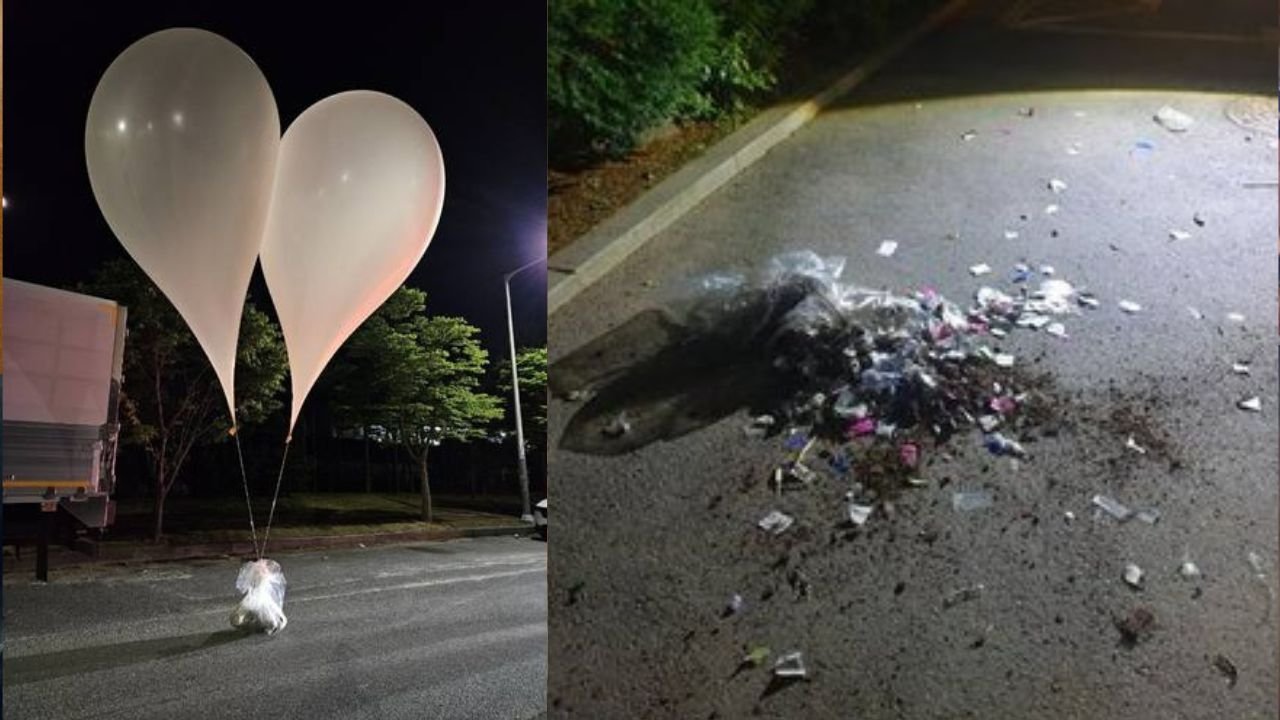
North Korea just dropped at least 260 filth-filled balloons on South Korea, prompting officials to warn residents to stay indoors.
South Korea’s army cautioned the public against touching the balloons and the plastic bags attached to them because they contain “filthy waste and trash”. The balloons have been found in eight of nine provinces in South Korea and are now being investigated.
The recent incident comes days after North Korea said it would retaliate against the “frequent scattering of leaflets and other rubbish” in border areas by activists in the South.
Photographs shared on various social media platforms show bags attached via string to white translucent balloons carrying toilet paper, dark soil, batteries, and leaflets, among other contents.
North Korea sent 150 balloons filled with garbage and manure to South Korea.
BBC quotes South Korea’s Yonhap news agency’s report: “Some of the fallen balloons carried what appears to be faeces judging from its dark colour and odour”.
Battle of Ballons
North and South Korea have both used balloons in their propaganda campaigns since the Korean War in the 1950s.
South Korea’s military had earlier said it was investigating whether there were any North Korean propaganda leaflets in the balloons.
Earlier this month, a South Korea-based activist group claimed it had sent 20 balloons carrying choco pies, leaflets, and USB sticks containing Korean pop music and music videos across the border, all of which are banned in North Korea.
Back in 2016, North Korea launched balloons southward that attacked Seoul’s leaders The balloons reportedly carried toilet paper, cigarette butts, and rubbish.
However, Seoul police described them as “hazardous biochemical substances”.
“It seriously threatens the safety of our people. North Korea is entirely liable for what happens due to the balloons and we sternly warn North Korea to immediately stop this inhumane and crass action,” the South’s military said.
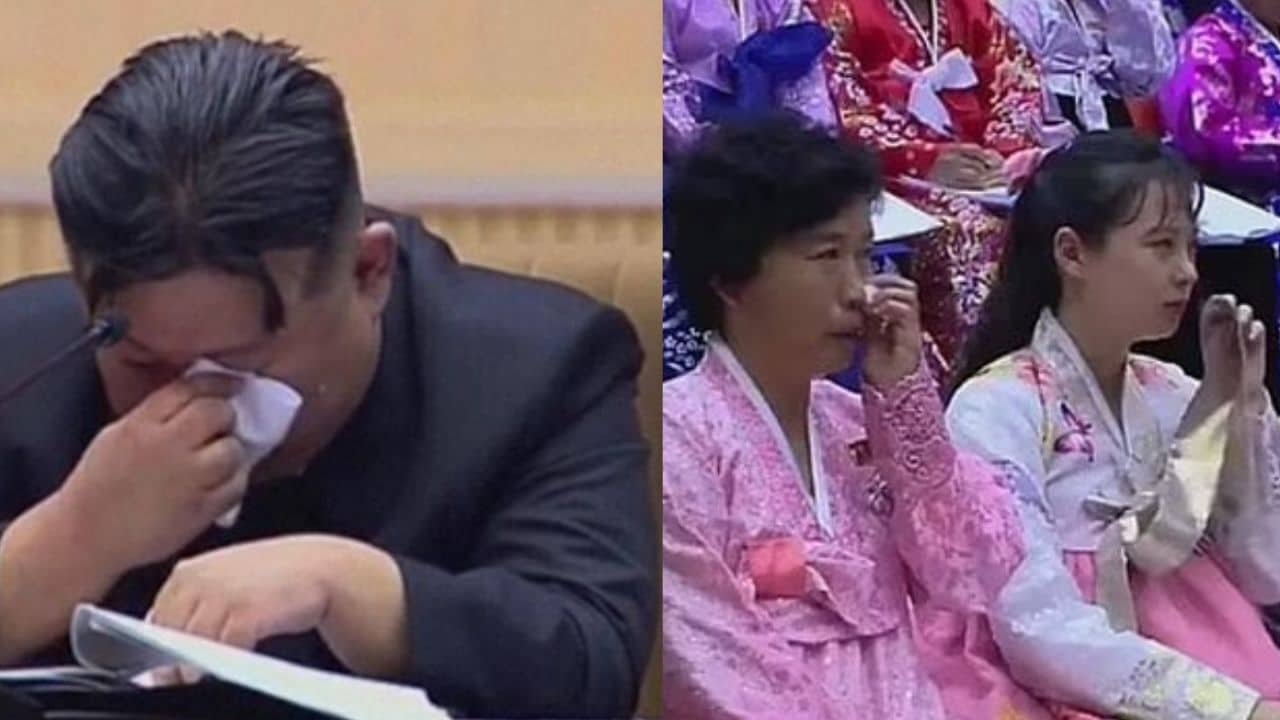
North Korean dictator Kim Jong Un, famous for his eccentric statements, spoke at the first National Mothers’ Meeting in 11 years held in Pyongyang, emphasising the importance of mothers in preventing a decline in birth rates. He framed it as a collective responsibility to strengthen national power. Kim got emotional during his speech while women in the audience were seen sobbing as well.
North Korean leader Kim Jong Un looked emotional and wiped his eyes at a meeting of mothers, state television showed.
Kim made speeches at the start and end of the event, drawing attention with a call for more births and more children in his socialist state. pic.twitter.com/4YuLjtIdHG
Addressing the women as “Dear Mothers”, he pleaded with them to fulfill their role as birth-givers against the rising concerns of a drop in the North Korean birth rate. “Preventing a decline in birth rates and good childcare are all of our housekeeping duties we need to handle while working with mothers,” Kim was quoted as saying by the news agency Reuters at the event for mothers in Pyongyang on Sunday.
He also thanked mothers for their role in strengthening national power.
“I too always think about mothers when I have a hard time dealing with the party and the state’s work,” Kim said.
Experts highlight the unique societal challenges influencing North Korea’s fertility decline, noting Kim Jong Un’s public appearances with his daughter, Ju Ae, as potential efforts to encourage family values.
His pleas reflect the government’s determination to the cause of counterbalance South Korea’s older population.
The United Nations Population Fund estimates that as of 2023, the fertility rate, or the average number of children being born to a woman, stood at 1.8 in North Korea, amid an extended fall in the rate during recent decades.
The decline in fertility has been attributed to various factors, including urbanisation, delayed marriage, and women’s participation in the workforce. However, North Korea’s birth rate is still higher than most of its neighbours. The fertility rate remains higher than in some of North Korea’s neighbours, which have been grappling with a similar downward trend.
South Korea saw its fertility rate drop to a record low of 0.78 last year, while Japan saw its figure drop to 1.26.
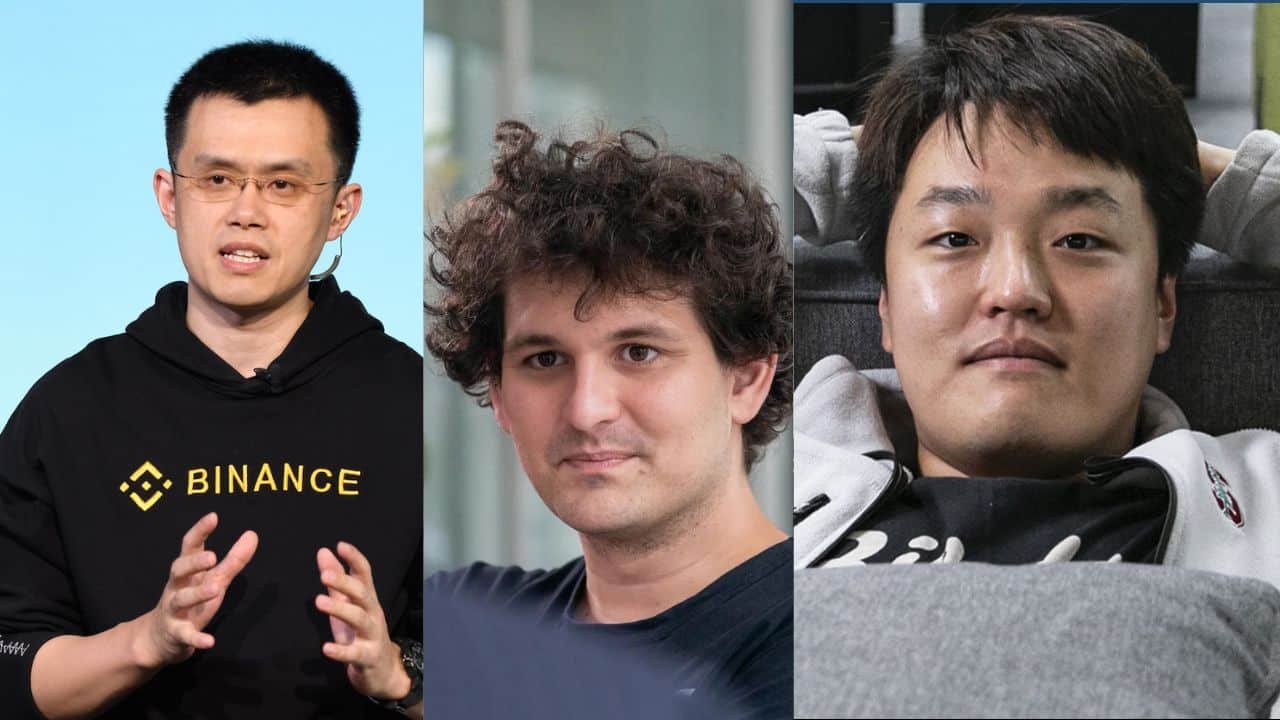
Binance boss Changpeng Zhao has become the most powerful cryptocurrency figure to fall in a two-year period chaotic even by the standards of the notoriously volatile industry.
Zhao stepped down as CEO of Binance — the largest crypto exchange in the world — after he and the company pleaded guilty on Tuesday to sweeping US money laundering violations and agreed to fines of more than $4 billion.
Here are three of the highest-profile crypto executives who have fallen foul of the law since last year:
Changpeng ‘CZ’ Zhao
Born in China in 1977, Zhao moved with his family to Canada in the 1980s and later got a degree in computer science from McGill University, according to his profile in the Bloomberg Billionaires Index.
Zhao Changpeng, chief executive officer of Binance, speaks during a Bloomberg Television interview in Tokyo, Japan, on Thursday, Jan. 11, 2018. The world’s biggest cryptocurrency exchange keeps getting bigger. Binance.com is adding “a couple of million” registered users every week, with 240,000 people signing up in just an hour on Wednesday, said Zhao. Photographer: Akio Kon/Bloomberg
He founded Binance in 2017 in Shanghai, and led the company’s explosive growth into the world’s biggest cryptocurrency exchange.
An outspoken celebrity in the crypto world with 8.7 million followers on X, Zhao became the richest known figure in the nascent industry. His net worth peaked at around $65 billion in 2022, according to a Forbes index.
With the prestige and wealth came increased scrutiny of Binance’s operations, as prominent crypto firms around the world began to buckle under a wave of criminal investigations.
The United States accused Zhao and Binance of multiple violations, including knowingly allowing transactions to militant groups such as the Islamic State and in barred jurisdictions such as North Korea and Iran.
On Tuesday, they pleaded guilty. The firm has agreed to total penalties of nearly $4.4 billion, while he will pay $50 million, according to court documents.
Zhao resigned as CEO of Binance and while he will reportedly retain his shares in the company, he has been banned from any involvement in its business. He is expected to face sentencing later.
Forbes listed his net worth as $10.2 billion as of Wednesday.
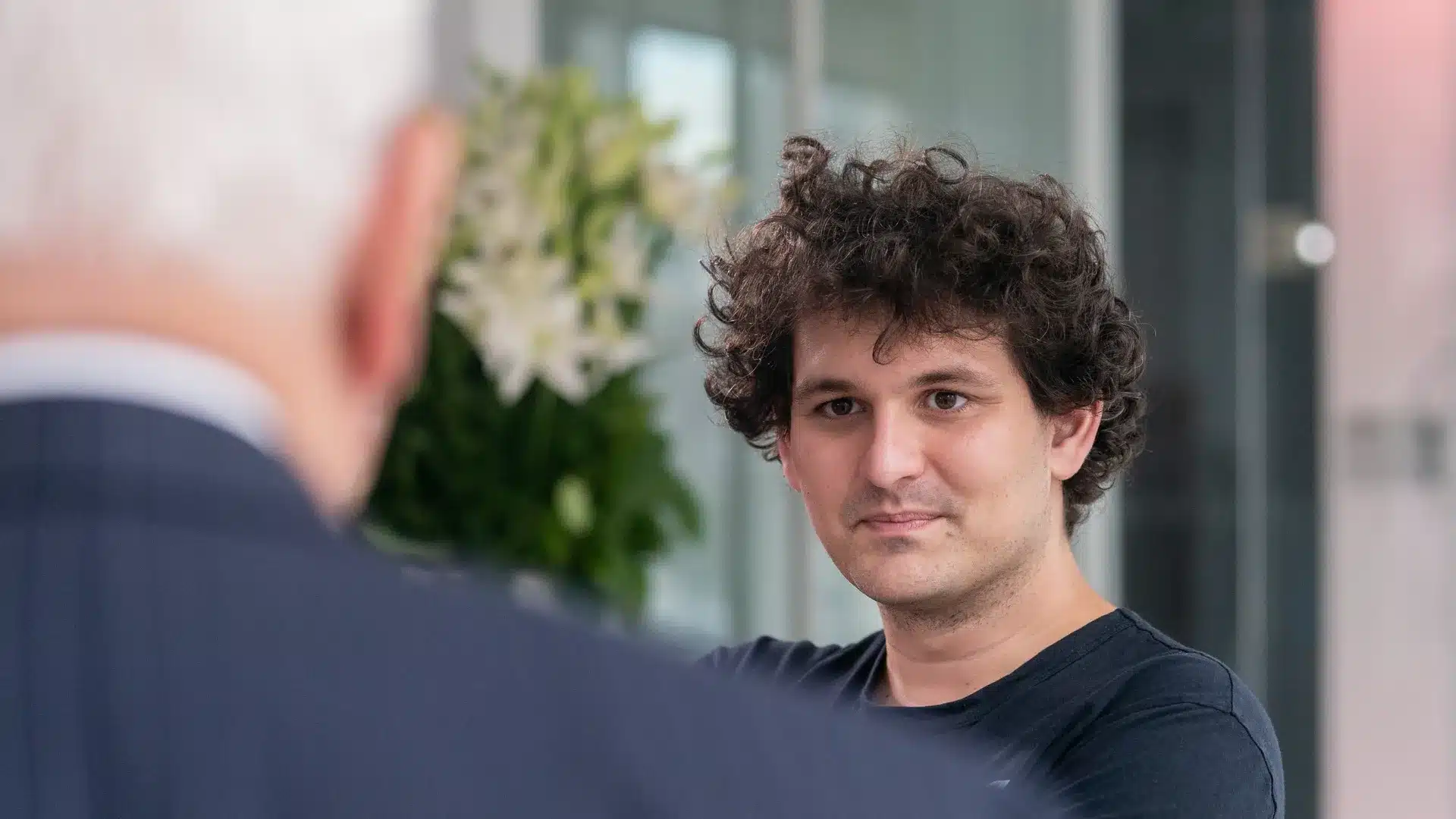
Sam Bankman-Fried
If Zhao was the richest and most powerful person in crypto, Sam Bankman-Fried was easily the most famous.
Born to Stanford University professors, Bankman-Fried graduated from MIT with a degree in physics.
In 2019, he founded FTX, which skyrocketed to become the world’s second-largest crypto exchange.
Along the way, Bankman-Fried built up his image as the unofficial ambassador for the cryptocurrency industry, with high-profile appearances in the media and even the US Congress.
At one point in 2022, he had a net worth of $24 billion, according to Forbes.
But he had been walking a dangerous path — his team used customers’ money for everything from buying posh real estate to covering risky moves by affiliate Alameda Research.
It all came crashing down when these moves were revealed in the media in November 2022. Within hours, rival CZ Zhao said Binance would sell all the FTX tokens it held.
It sparked a stunning collapse of FTX and Bankman-Fried’s empire, his fame turning to notoriety.
Arrested in the Bahamas in January, he was found guilty this month of what US prosecutors described as “one of the biggest financial frauds in American history”. He faces up to 110 years in prison.
During his trial, the 31-year-old admitted to making “mistakes” but denied trying to defraud anyone.
Do Kwon
South Korean entrepreneur Do Kwon co-founded Terraform Labs in 2018, developing the cryptocurrencies TerraUSD and Luna.
Do Kwon, co-founder and chief executive officer of Terraform Labs, poses in the company’s office in Seoul, South Korea, on Thursday, April 14, 2022. Kwon is counting on the oldest cryptocurrency as a backstop for his stablecoin, which some critics liken to a ginormous Ponzi scheme. Photographer: Woohae Cho/Bloomberg via Getty Images
The Stanford grad successfully marketed them as the next big thing in crypto, attracting billions in investments and global hype.
Media reports in South Korea described him as a “genius”.
But in May last year, the value of these currencies — marketed as “stablecoins” — plummeted, wiping out around $40 billion in investments and sending a shock wave through the rest of the industry.
It led to more than $500 billion in further losses on global crypto markets, industry data suggested.
Experts said Do Kwon — whose full name is Kwon Do-kyung — had marketed a glorified Ponzi scheme.
Brash and outspoken on social media, Do Kwon left South Korea before the collapse and spent months on the run.
He was arrested in Montenegro this year after being caught trying to catch a flight using fake Costa Rican travel documents.
He faces multiple criminal charges in the United States and South Korea.
In a positive development, Pakistan’s press freedom ranking has improved, with the country moving up seven spots to number 150 on the list.
However, India’s position has slipped to 160 compared to last year’s stats when the country was placed at 150. China has been placed in the second last spot in the ranking list and North Korea has been put in the last.
May 3rd marks World Press Freedom Day, an opportunity to celebrate the fundamental principles of press freedom; to assess the state of press freedom throughout the world; to defend the media from attacks on their independence and to pay tribute to journalists who have lost their lives in the line of duty.
The World Press Freedom Index also revealed a shocking general slide, with an unprecedented 31 countries deemed to be in a “very serious situation”.
Prime Minister (PM) Shehbaz Sharif took to Twitter to pay his tributes to all journalists across the world “for the commendable work they are doing to inform and educate the people.”
On World Press Freedom Day, I pay glowing tributes to journalists across the world, particularly those in Pakistan for the commendable work they are doing to inform & educate the people. The environment in which they work is often full of challenges & risks and yet they never…
The United States (US) has placed Pakistan on a list of countries that are “engaged in or tolerated particularly severe violations of religious freedom” during 2022.
US Secretary of State Antony Blinken announced this on Friday and said, “Around the world, governments and non-state actors harass, threaten, jail, and even kill individuals on account of their beliefs.”
He noted that the US will not stand by in the face of these abuses.
Apart from Pakistan, the US has placed China, Iran, North Korea, Russia, Saudi Arabia, Tajikistan, Turkmenistan and others. However, Algeria, the Central African Republic, Comoros, and Vietnam are on the Special Watch List for engaging in, or tolerating, severe violations of religious freedom.
This is not the first time that Pakistan is on the list of religious freedom violators.
The Trump administration first placed Pakistan on this list in December 2018 and retained it in 2020 as well. The Biden administration, which came to office in January last year, retained the old list with some changes, but kept Pakistan on it.
Federal Minister for Planning and Development Ahsan Iqbal sparked an outcry through his comparison of Pakistan with Cuba while highlighting poor performance and incompetence of the previous government.
The minister said: “We not want Pakistan to become Cuba or North Korea. We have to set Pakistan on the path to development, like Malaysia, Turkey, China and South Korea.”
Ahsan Iqbal, in fact, was trying to draw a comparison of the poor performance of the previous, saying that the “PTI government had hampered the CPEC’s progress and soured ties with the European Union, the United States and even brotherly Muslim countries, pushing the county into isolation.”
Responding to Iqbal’s statement, Cuban Ambassador in Pakistan Zener Caro, in a tweet, said, “Fortunately, Minister Ahsan Iqbal’s disrespectful mention of Cuba in his press conference in Lahore does not represent and has nothing to do with Pakistanis’ true respect and deep affection for Cuba and its people.”
Fortunately, Minister Ahsan Iqbal’s (@betterpakistan) disrespectful mention of Cuba in his press conference in Lahore does not represent and has nothing to do with Pakistanis’ true respect and deep affection for Cuba. https://t.co/7LrB6u453k
Following it, former Minister for Human Rights Shireen Mazari also took to Twitter and gave a fact check to current federal minister.
She said, “Ahsan Iqbal’s ignorance or desperate desire to please his US regime change conspiracy masters has now led him to demean Cuba by saying he doesn’t want Pakistan to become like Cuba!”
“Cuba is a country that fought hard to win freedom & rid itself of US interference where the US had imposed a clause in Cuba’s constitution to maintain control over its policies”, she added.
Ahsan Iqbal’s ignorance or desperate desire to please his US regime change conspiracy masters has now led him to demean Cuba by saying he doesn’t want Pak to become like Cuba! We would fare a lot better if we had Cuba’s nationalist commitment to stand up against US bullying.
US interference where US had imposed a clause in Cuba’s constitution to maintain control over its policies – Platt Amendment. Castro got rid of it. Sadly Pak doesn’t even need a formal Prov to succumb to US diktat! Also do remember
Cuba was a symbol of freedom against uncle Sam policies for decades. This tiny island with such limited resources, particularly food resources, had the courage to take a stand for it’s honor. @betterpakistan we are hungry about it? What’ your hunger?
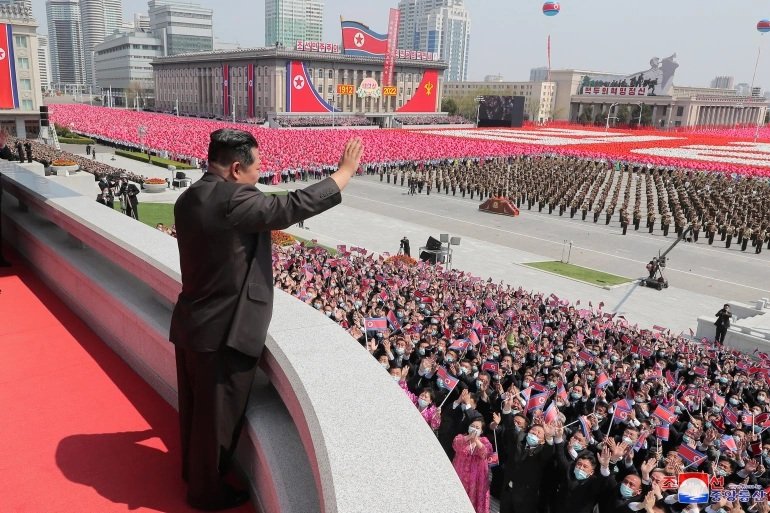
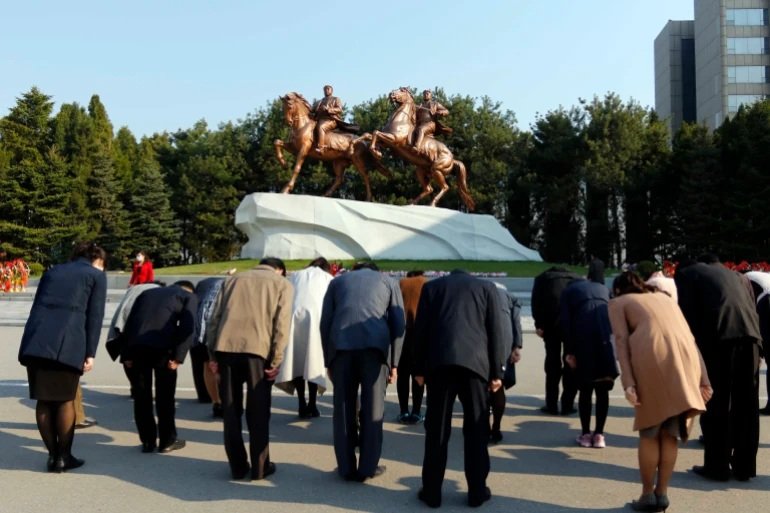
North Korea celebrated the 110th anniversary of the birth of late founder Kim Il Sung on Friday with fireworks, a procession, and an evening gala in Pyongyang’s main square, with thousands of people in colourful traditional dress singing and dancing.
Nuclear-armed Pyongyang usually uses the holiday – known as the Day of the Sun – to show off its latest weaponry.
But while this year’s event follows a flurry of weapons testing – three weeks ago the country carried out its first intercontinental ballistic missile (ICBM) test since 2017 – there was no sign of the usual military parade.
Leader Kim Jong Un visited his grandfather’s mausoleum and attended a “national meeting and a public procession” in Pyongyang’s Kim Il Sung Square but gave no reported public remarks. A senior official spoke at the meeting, saying that North Korea would overcome all difficulties and always emerge victorious, state news agency KCNA reported.
State media aired live footage of an evening gala in the square after sunset on Friday, following concerts, art exhibitions, and ideological seminars.
There was also a light festival in the centre of Pyongyang, with dancing fountains and decorated boats on the Taedong River, KCNA said.
The festival “artistically depicted” Kim Il Sung’s native home and “the sacred mountain of revolution, Mt Paektu,” KCNA said. Residents could take photos in front of arches lit with phrases such as ‘Pyongyang Is Best’ and ‘We Are the Happiest in the World’.
“I came to see the lighting festival with my daughter. Looking at it today, it’s really cool. The most impressive thing in particular is this one that says ‘self-reliance’,” Ri Bom Chol, a 40-year-old doctor, told an AFP news agency reporter in Pyongyang.
‘Love is forever’
Analysts, along with South Korean and US officials, had widely expected North Korea to mark the occasion with new weaponry, or even a test of the country’s banned nuclear weapons.
Seoul-based specialist site NK News said analysis of satellite imagery suggested that training was taking place at the Mirim military parade training base, with a few thousand troops marching in formation. Images from Planet Labs had also shown an increasing number of tyre marks around a secure garage area for heavy weapons at the site, suggesting practice drives were taking place, it added.
Experts say April 25 – the anniversary of the founding of the North Korean army – is the next most likely date for the parade.
Pakistan’s Interior Minister, Sheikh Rasheed Ahmad has officially made an apology to North Korea after Islamabad police conducted a raid on the embassy on Monday evening.
During a press conference on Thursday, Sheikh Rasheed said that incident happened due to some misunderstanding.
He said, “We have apologised [to the North Korean mission, the incident had] happened out of misunderstanding.”
According to Geo, the embassy has issued a letter to the Foreign Office and Inspector General of Police-Islamabad in which it stated that the police entered the embassy premises around 5 pm on Monday from the back door. They also threatened and harassed the staff. Police searched the storeroom at gunpoint when staff tried to stop them.
The letter read, “The mission staff reminded them that premises are the embassy exercising the inviolable sovereign territory of DPR Korea and asked them to immediately stop this brutal act against the embassy.”
According to the letter, the police also damaged property.
Foreign Office spokesperson said in response, “They have also been informed that they cannot perform such a raid next time without having clearance from the Foreign Office.”
Islamabad police spokesperson also apologised for the violation of the Vienna convention and will question the security personnel who were involved in the incident.
He said, “We apologise for entering the embassy.” Police raided the North Korean embassy after receiving reports of having a large number of alcohol bottles on their premises.
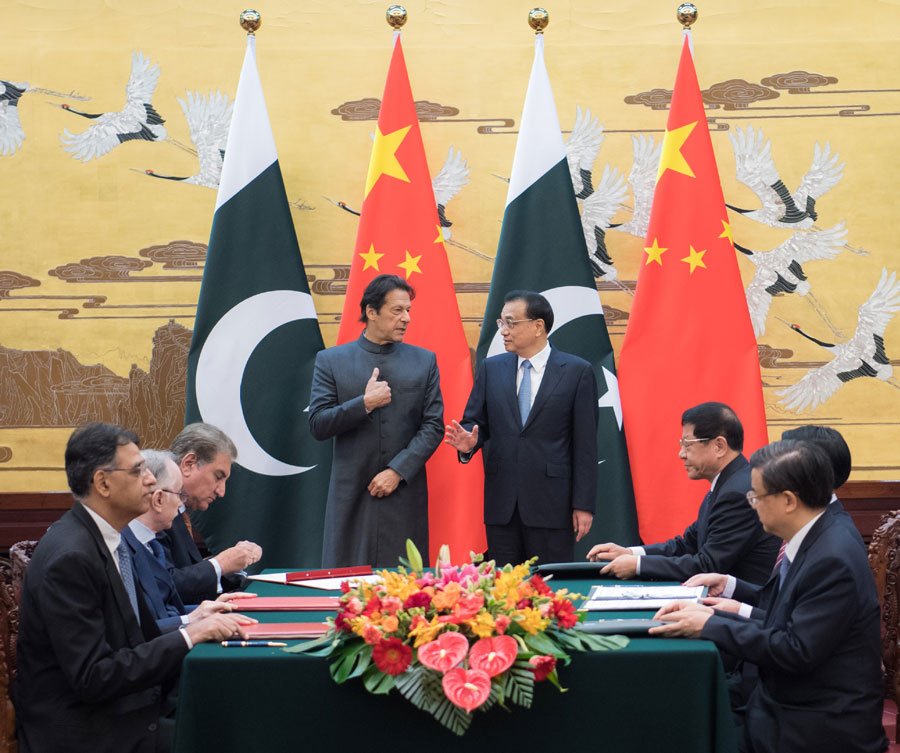
Prime Minister (PM) Imran Khan could well be one of the leading dignitaries watching the Winter Olympics, which start in Beijing on February 4.
The government of China and China Sports Authority are looking forward to Pakistan’s PM Khan’s attending the opening or the closing ceremony or attending during the event. The invite was sent to the Pakistan Cricket Board, reports The News.
“Yes, we are in contact with the Chinese authorities and have received a communication. We have forwarded that to the foreign ministry through the official channel,” said Pakistan Cricket Board (PCB) official.
The United States, Britain, Australia, and Canada have announced a diplomatic boycott of the event, while North Korea was the latest country to pull out, citing the pandemic.
Special Assistant to the Prime Minister on China Pakistan Economic Corridor (CPEC) Khalid Mansoor, a couple of days back, had revealed the prime minister’s plan to visit Beijing early next month.
North Korea has imposed a ban on laughing, drinking and grocery shopping as the country is entering a mourning period from Friday to mark the 10th death anniversary of former leader Kim Jong-il. The mourning period this year will be 11 days.
Government authorities have ordered the public to not show any signs of happiness for 11 days. As per media reports, if anyone breaks the rule, he/she will be arrested, like every year.
“Even if your family member dies during the mourning period, you are not allowed to cry out loud and the body must be taken out after it’s over. People cannot even celebrate their own birthdays if they fall within the mourning period,” Radio Free Asia quoted a resident of North Korea.
A source of Mail Online, a resident of the southwestern province of South Hwanghae, said police officers were told to watch for people who fail to look appropriately upset during the mourning period.
Kim Jong-il ruled the country from 1994 to 2011. He died of a heart attack on December 17 in 2011 at the age of 69.