Tag: NTDC

  • NTDC assures uninterrupted power supply during holy month of Ramzan

    NTDC assures uninterrupted power supply during holy month of Ramzan

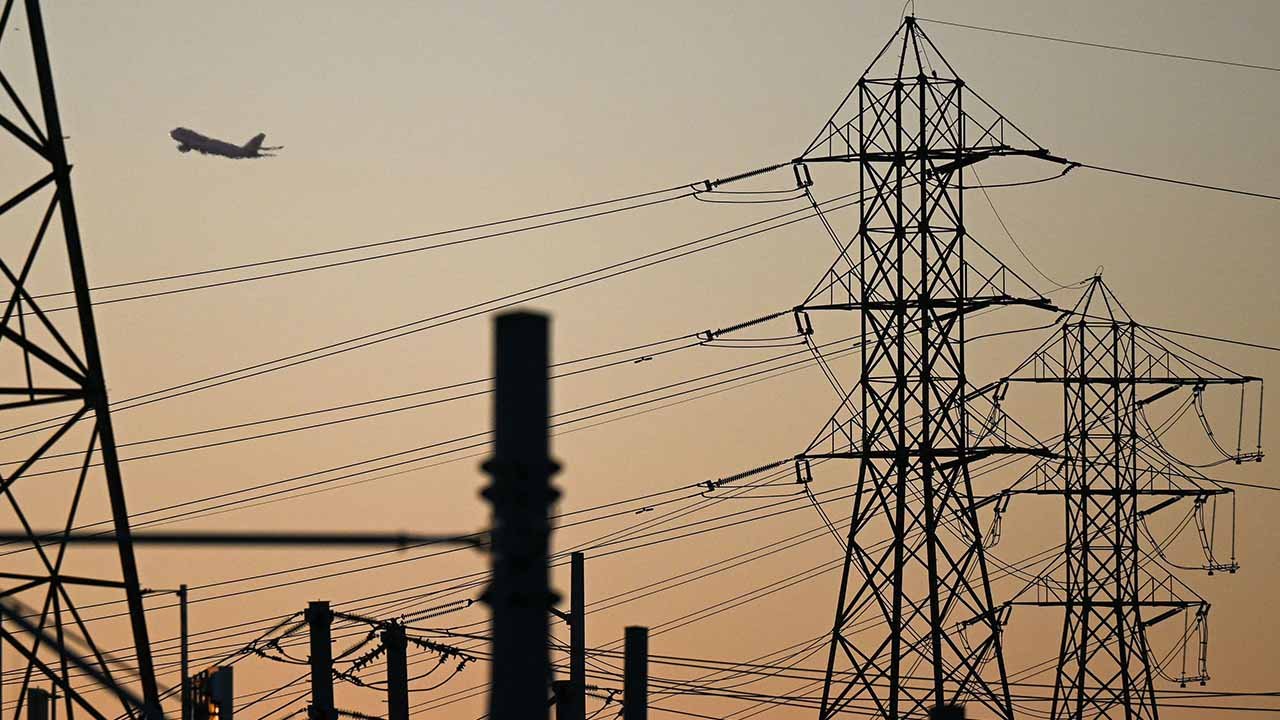
    The National Transmission and Dispatch Company (NTDC) has announced its commitment to ensuring uninterrupted power supply throughout the country during the forthcoming holy month of Ramzan, scheduled to commence in mid-March. 

    Directed by Managing Director Engr. Dr Rana Abdul Jabbar Khan, the government-supported power transmission entity is diligently executing its comprehensive maintenance programme for NTDC transmission lines and grid stations to ensure continuous electricity provision to the populace.

    In a statement to the media on Wednesday, an NTDC spokesperson outlined the ongoing maintenance regimen, which includes washing, cleaning, and the replacement of disc insulation, among other essential tasks undertaken by respective NTDC formations.

    These efforts, the spokesperson emphasised, aim to bolster the reliability of transmission lines and grid stations, thereby guaranteeing uninterrupted power supply during Ramzan.

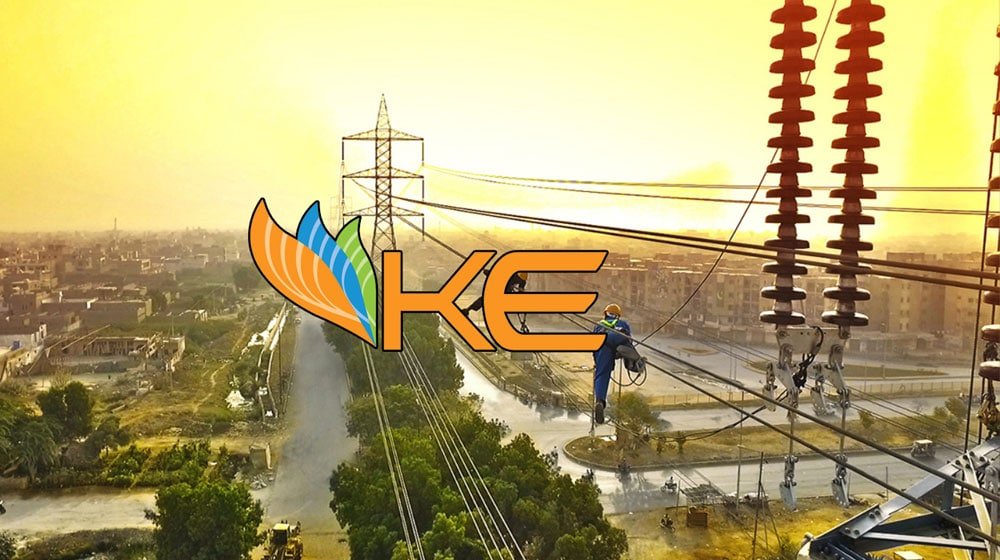
    As part of the programme, planned shutdowns have been scheduled for 500 kV and 220 kV transmission line circuits in the southern region. During these shutdowns, activities such as insulator cleaning, washing, tightening of nuts and bolts, and replacement of disc insulators with RTV-coated disc insulators on the red, yellow, and blue phases are being carried out.

    The spokesperson provided detailed statistics, noting that a total of 73,493 disc insulators were washed and cleaned at 459 locations, while 9,804 disc insulators were replaced at 55 locations. 

    Additionally, over 688 braces and 570 nuts and bolts were installed. Notably, at the 220 kV grid station Jhampir-1, two damaged disc insulator strings were replaced alongside the installation of two healthy EMCO-Make disc insulator strings.

    Supervising the maintenance programme is the General Manager (Asset Management-South), who ensures adherence to the schedule. The NTDC managing director has expressed appreciation for the performance of the involved transmission line divisions and urged the timely completion of maintenance work.

    The proactive measures undertaken by NTDC underscore its dedication to providing essential services, particularly during significant periods such as Ramzan, when uninterrupted power supply is paramount for communities across the nation.
  • Nepra allows passing Rs3.53 per unit burden on power consumers

    Nepra allows passing Rs3.53 per unit burden on power consumers

    National Electric Power Regulatory Authority (Nepra) has provisionally approved distribution companies (Discos) to recover Rs32.7 billion at Rs3.53 per unit from consumers for October 2023.

    Central power purchasing agency highlighted a negative impact of paisa 20 per unit for the Fuel Cost Adjustment (FCA), which rose to Rs3.53 per unit with Rs28.33 billion added in previous adjustments.

    China Power and Thar Coal Block-1 Power also had shares in the adjustments.

    Due to a potential negative impact on consumers, there’s a proposal to stagger the amount in the winter months. Electricity sales decreased by over 10 per cent, reaching 9.63 billion units in October 2023, and a 28 per cent reduction in demand occurred compared to September 2023.

    Concerns were raised about the decline in demand, with Nepra noting alarm if it’s due to reduced industrial consumption.

    In a public hearing, the National Transmission and Despatch Company (NTDC) representative urged a review of the “disallowed mechanism” due to financial difficulties, with Rs42 billion withheld, impacting salaries and pensions.

    In terms of electricity generation, various sources contributed differently in October 2023. Hydel generation was 32.54 per cent, local coal-fired plants were 13.94 per cent, and imported coal was 3.51 per cent.

    Gas-based plants generated 7.35 per cent, RLNG contributed 20.25 per cent, nuclear sources provided 19.08 per cent, and electricity imported from Iran constituted 0.24 per cent.

    Wind and solar energy made up 3.08 per cent and 0.79 per cent, respectively. The total energy generated was 9,572 GWh at Rs8.2605 per unit, with a cost of Rs79.066 billion.

    Discos received 9,253 GWh at Rs11.4277 per unit, totaling Rs105.737 billion in October 2023. The situation raises concerns about the financial viability of power entities and their potential impact on consumers.

  • Don’t have electricity? Don’t worry, it’s the entire country

    Don’t have electricity? Don’t worry, it’s the entire country

    Power outages have been reported in all major cities of Pakistan, including Islamabad, Lahore, Multan, Rawalpindi and Karachi.

    While no confirmed reports have yet poured in on the situation in other cities, the blackout is being deemed a national one with a fault allegedly occuring in the National Transmission & Despatch Company (NTDC) transmission lines.

    The cause of the fault has not yet been ascertained, however, sources say it could be due to the foggy weather conditions prevailing in the country.

    Earlier, the outage began with voltage fluctuations. The same being a countrywide problem emerged as soon as people took to social media.

    Here’s what’s going on on Twitter:

    Meanwhile, here’s an official update:

    Since the restoration could take a while, how about you tell us your plans for this Saturday night?

    Let The Current know in the comments…

  • Federal and provincial companies owe K-Electric Rs170 billion

    Federal and provincial companies owe K-Electric Rs170 billion

    Federal and provincial corporations’ failure to pay K-Electric (KE) has resulted in outstanding dues of Rs170 billion.

    The huge receivables have made the country’s sole vertically integrated power provider financially unviable, and affected its future investment plans, said KE’s Chief Financial Officer (CFO), Muhammad Aamir Ghaziani.

    The company has declared an approximate Rs2.96 billion loss in FY-2020, primarily due to soaring receivables and higher debt servicing cost.

    “Financial viability is critical for continued investment. If KE is rendered financially unviable, sustainable investments may be constrained,” he said.

    Responding to a query, he answered that KE’s total receivables from government entities, including Karachi Water and Sewerage Board (KW&SB), National Transmission & Despatch Company (NTDC), and Sui Southern Gas Company (SSGC), are close to Rs170 billion.

    KE owes a principal amount of Rs13.7 billion to SSGC while the remaining is markup which is still awaiting final adjudication by the court. He said KE has honoured its payment obligations to Sui Southern Gas Company (SSGC), Pakistan State Oil (PSO) and Independent Power Producers (IPPs), although it has declared a loss of Rs2.96 billion for FY-2020.

    “If the long-standing receivables issue continues to remain unresolved, KE’s ability to serve Karachi’s growing power needs would be constrained with serious implications for citizens and industries,” he added.

    The financial statements showed that the company had been driven back into financial losses after eight years of profitable operations on account of a 166% increase in financing cost and an exponential surge in borrowing to bridge working capital requirements in the wake of unpaid dues.