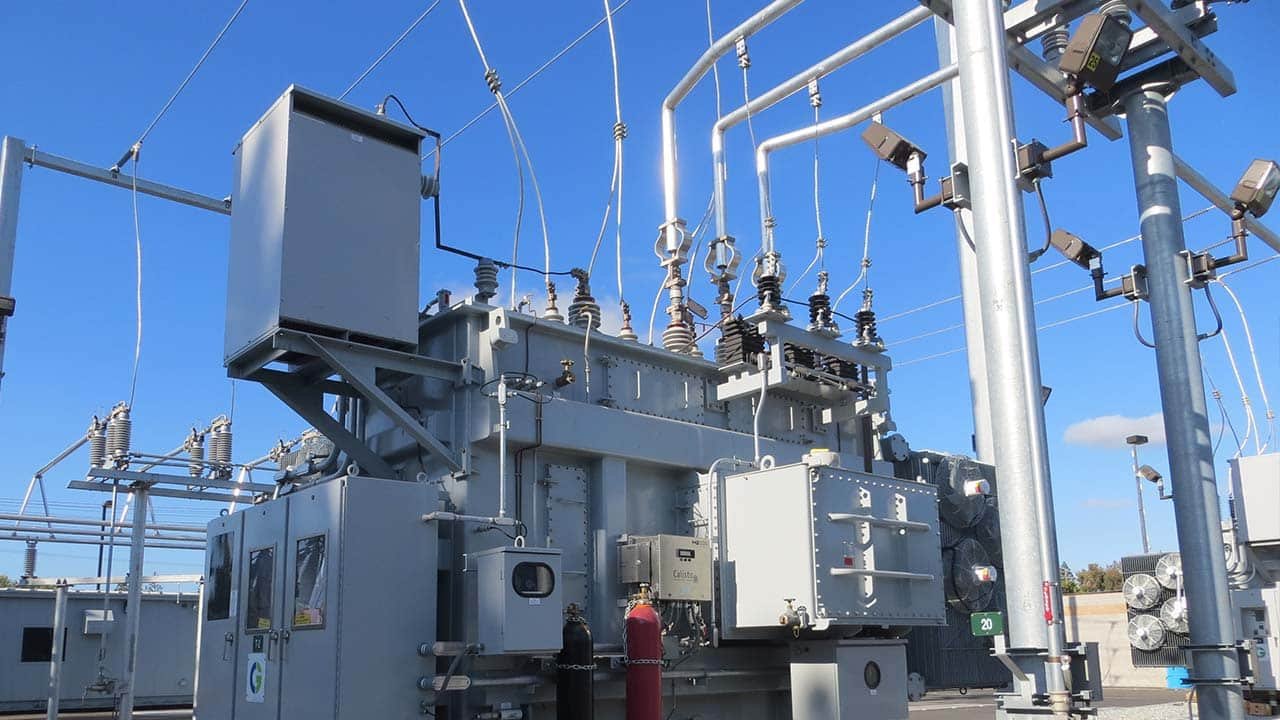
Tag: nuclear power

  • Pakistan grapples with 23% surge in power generation costs amidst economic woes

    Pakistan grapples with 23% surge in power generation costs amidst economic woes

    In a startling development, the cost of power generation in Pakistan has surged by a staggering 23 per cent in January 2024, compared to the same period last year, reports the brokerage house Topline Securities.

    The average cost per kilowatt-hour (KWh) soared to Rs13.8, marking a significant increase from Rs11.20/KWh recorded in January 2023.

    The substantial hike in costs is attributed primarily to elevated expenses in power generation from gas and nuclear sources, which witnessed a spike of 43 per cent and 24 per cent, respectively, on a yearly basis. Moreover, the fuel cost for furnace oil (FO) also surged by 22 per cent year-on-year, according to data from Topline Securities.

    This surge comes as a severe blow to the populace, which is already grappling with high inflation and sluggish economic activity. Rising electricity bills have compounded the financial burden on citizens.

    In terms of power generation, Pakistan witnessed a marginal decline of over 2 per cent in January 2024 compared to the same period last year, with total generation amounting to 8,313 GWh (11,175 MW).

    The decline in power generation was predominantly due to a decrease in coal-based generation, which plummeted by 20 per cent year-on-year. Gas and wind power generation also witnessed declines of 10 per cent and 55 per cent, respectively.

    However, there was a 9 per cent increase in power generation on a monthly basis, indicating some fluctuation in the generation patterns.

    Coal emerged as the primary source of power generation in January 2024, constituting 23.4 per cent of the total generation mix, surpassing nuclear and RLNG (re-gasified liquid natural gas). Nuclear energy accounted for 20.8 per cent of the overall generation, while RLNG contributed 18.2 per cent.

    Renewable sources like wind, bagasse, and solar collectively made up a modest portion of the generation mix, indicating a potential for further development and investment in sustainable energy solutions.

    Overall, the surge in power generation costs coupled with a slight decline in generation highlights the challenges facing Pakistan’s energy sector and underscores the need for strategic measures to ensure an affordable and sustainable power supply in the country.
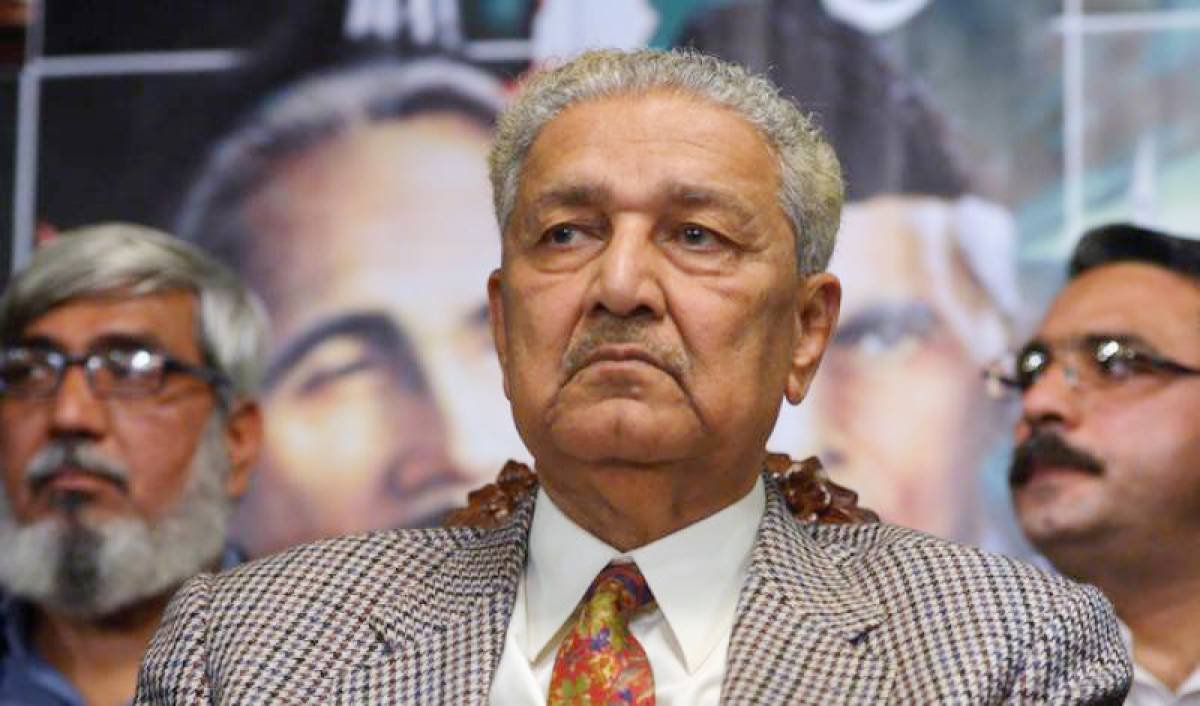
  • Dr Abdul Qadeer Khan passes away at 85

    Dr Abdul Qadeer Khan passes away at 85

    Pakistan’s nuclear scientist Dr Abdul Qadeer Khan passed away in Islamabad on Sunday morning at the age of 85.

    Dr Khan was admitted to a local hospital where his health deteriorated early morning. PTV said that the nuclear scientist died after being transferred to a hospital with lung problems, reports Radio Pakistan.

    “Under the directions issued by Prime Minister Imran Khan, Dr Khan would be given a state funeral,” said Interior Minister Sheikh Rashid.

    Prime Minister Imran Khan took to Twitter and wrote Dr Khan was loved by the nation because of his critical contribution to making Pakistan a nuclear weapon state.

    “This has provided us security against an aggressive much larger nuclear neighbour. For the people of Pakistan he was a national icon,” he said, adding that he would be buried in Faisal Mosque “as per his wishes”.

    President Dr Arif Alvi said, “He helped us develop nation-saving nuclear deterrence, and a grateful nation will never forget his services in this regard.”

    Leader of the Opposition in the National Assembly Shehbaz Sharif said that the nation had lost “a true benefactor who served the motherland with heart and soul”.

    According to a statement issued by the Inter-Services Public Relations (ISPR), Chairman Joint Chiefs of Staff Committee General Nadeem Raza and all services chiefs expressed sorrow over Dr Khan’s passing.

    The ISPR statement also quoted Chief of Army Staff General Qamar Javed Bajwa as saying that he had rendered invaluable services to strengthen Pakistan’s defence capabilities.

    Born in 1936 in Bhopal, India, Dr Khan had immigrated along with his family to Pakistan in 1947 after the partition of the subcontinent.

    After learning of India’s nuclear test in 1974, Dr Abdul Qadeer Khan joined his nation’s clandestine efforts to develop nuclear power, read Radio Pakistan’s statement.

    He founded the Khan Research Laboratories in 1976 and was both its chief scientist and director for many years.

    He was awarded Nishan-i-Imtiaz for his services to the country.