Tag: Ogra

  • Petrol price reduced by Rs10.2, diesel by Rs2.33 per litre

    Petrol price reduced by Rs10.2, diesel by Rs2.33 per litre

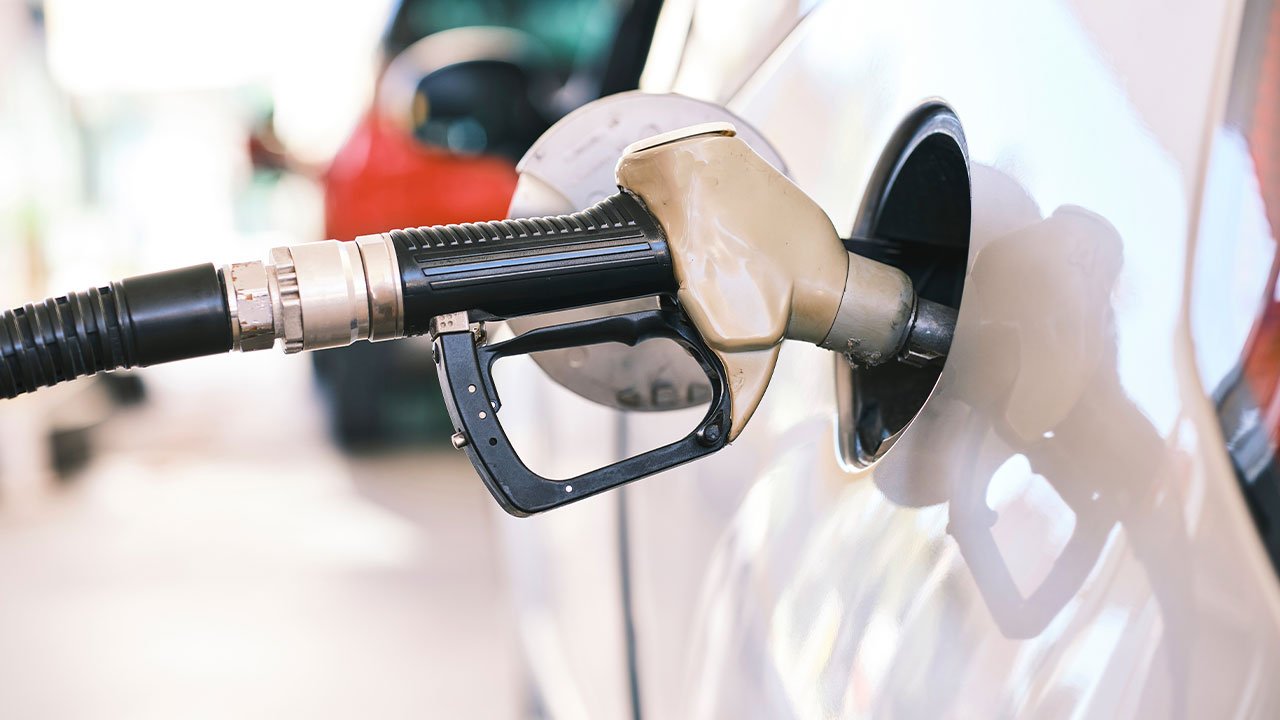
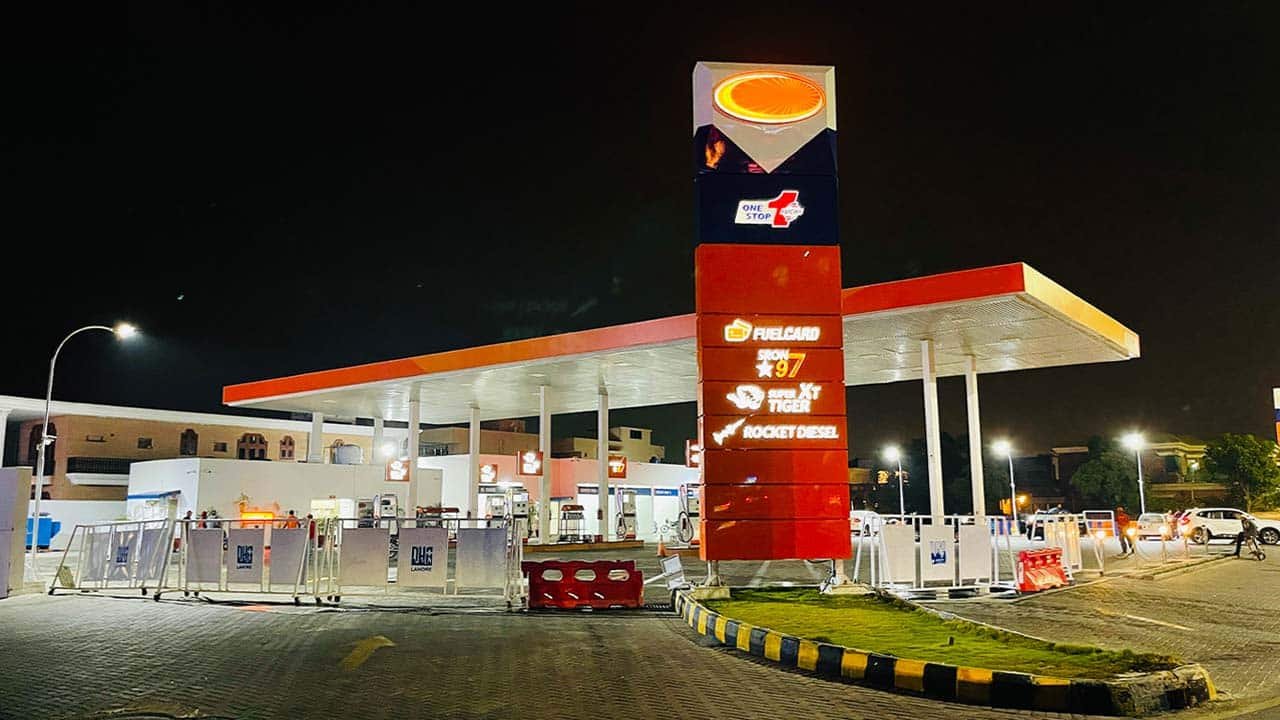
    The government has announced a reduction in the prices of petrol and high-speed diesel (HSD) by Rs10.2 and Rs2.33 per litre, respectively, for the upcoming fortnight. 

    In a notification, the Ministry of Finance stated that the prices of petroleum products have exhibited a mixed trend in the international market over the past two weeks. The Oil and Gas Regulatory Authority (Ogra) calculated the new consumer prices based on these international market fluctuations.

    The revised prices set petrol at Rs258.16 per litre and HSD at Rs267.89 per litre. 

    The Prime Minister’s Office described the reduction as a gift from the premier in anticipation of the upcoming Eidul Azha. 

    Sources previously indicated that the government intended to pass the benefits of lower international prices on to consumers. 

    Over the past two weeks, the prices of petrol and HSD in the international market decreased by approximately $3.75 and $2.7 per barrel, respectively. This follows a significant drop of about $12 per barrel for petrol and $8 per barrel for HSD over the prior month.

    The international price of petrol has decreased to just over $90 per barrel from about $94 per barrel, while the price of HSD has fallen to $95 per barrel from $98 per barrel.

  • OGRA reduces LPG price to Rs234 per kg amidst cost-cutting measures by OGDCL

    OGRA reduces LPG price to Rs234 per kg amidst cost-cutting measures by OGDCL

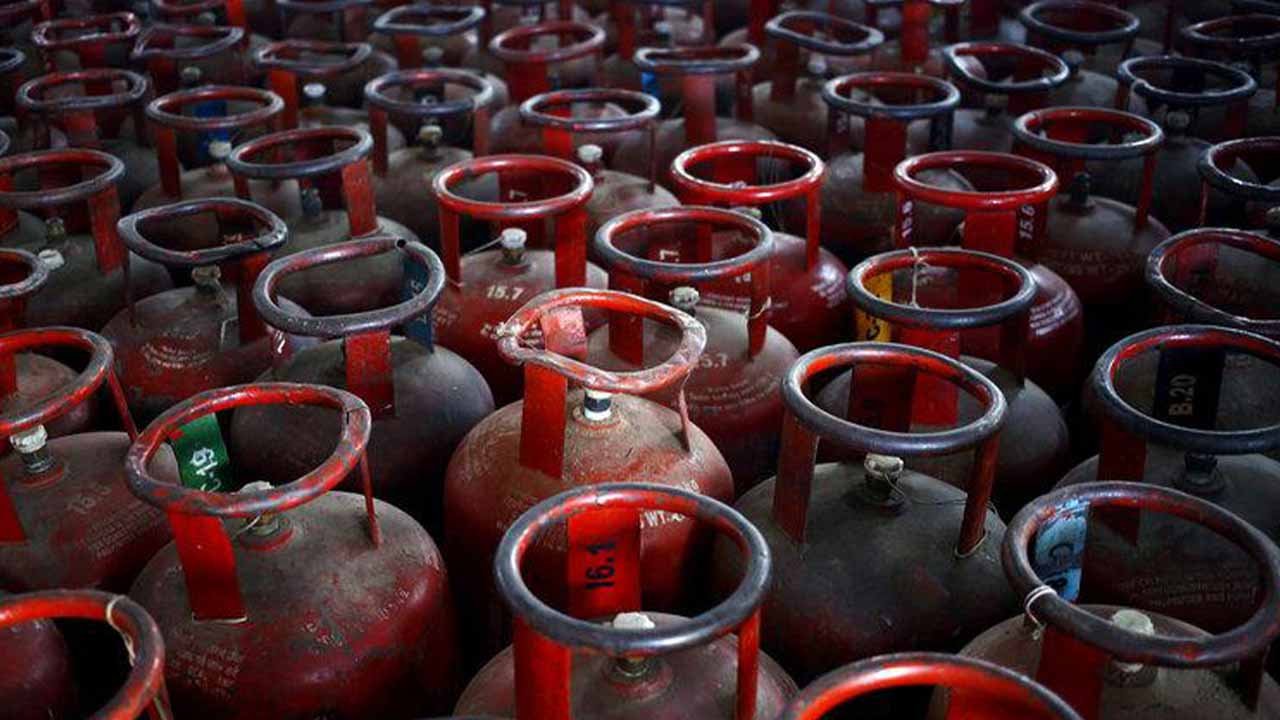
    The Oil and Gas Regulatory Authority (OGRA) has announced a reduction in the price of Liquefied Petroleum Gas (LPG), providing relief to consumers who depend on LPG.

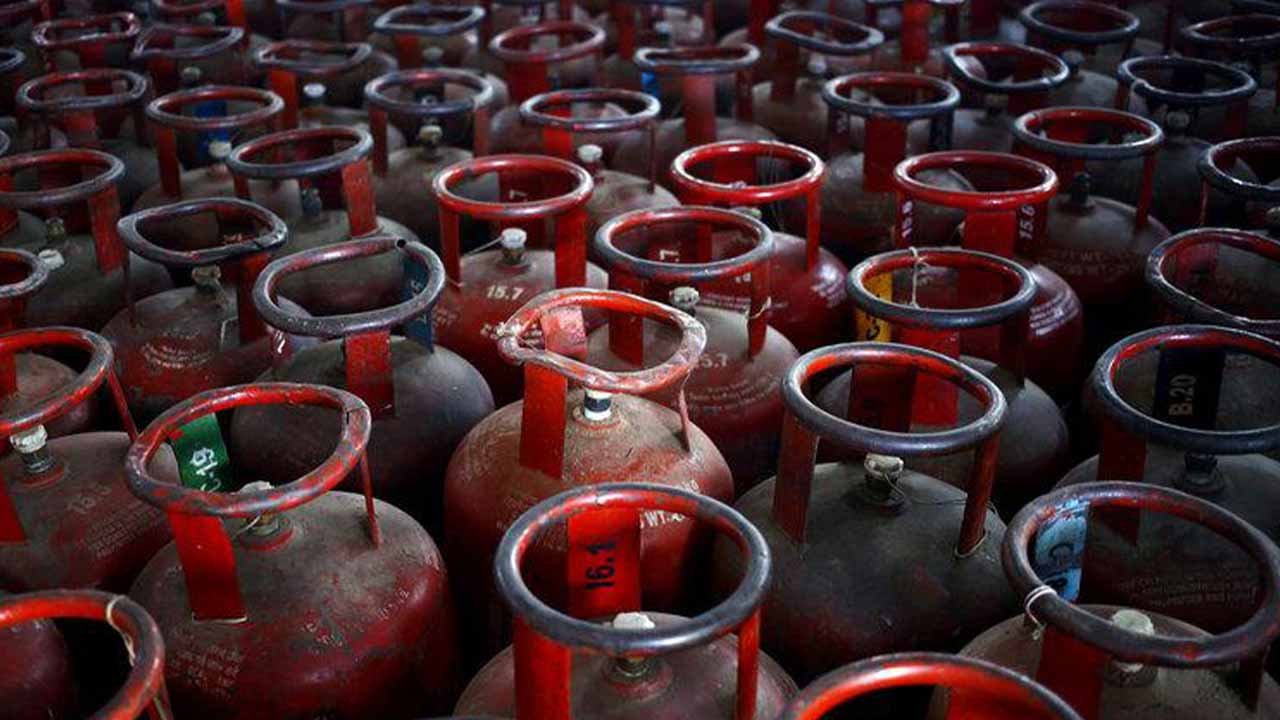
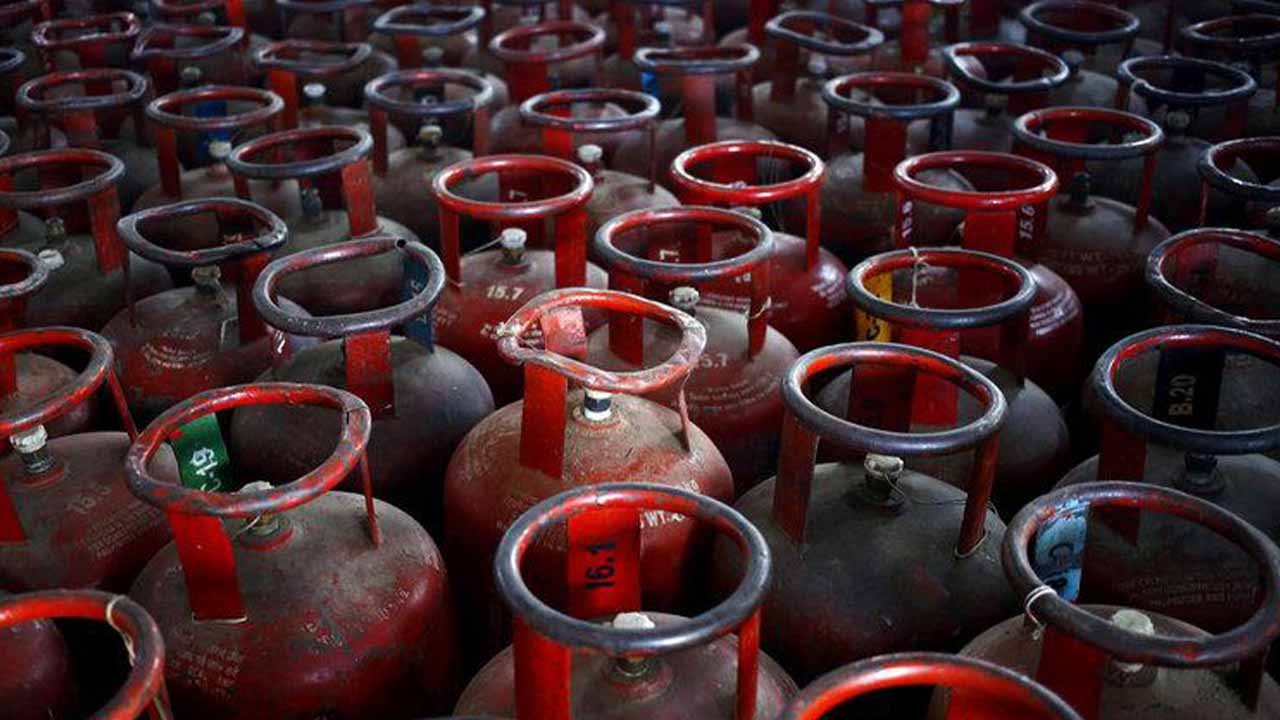
    According to a recent notification, LPG prices have been cut by Rs3.87, bringing the cost down to Rs234 per kilogramme. This new rate is effective immediately.

    This development follows a significant cost reduction in production by the Oil and Gas Development Company (OGDCL), attributed to the arrival of three ships carrying imported LPG.

    The increased supply has enabled OGDCL to lower production costs, subsequently leading to the reduced consumer prices.

    In a related development, the prices of petrol and diesel in Pakistan are also anticipated to drop from June 1. According to sources, petrol prices are expected to decrease by Rs5 per litre, while diesel prices may see a reduction of Rs4 per litre.

    The Ministry of Finance will announce the new rates after consulting with the Prime Minister.

    The OGRA summary proposing the price reductions will be submitted to the Petroleum Division by May 31st, sources added.

    This move is part of a broader strategy to alleviate the financial burden on the public by ensuring affordable fuel prices amidst fluctuating global oil markets.

  • OGRA announces ‘reduction’ of Rs0.81 per kg in LPG price

    OGRA announces ‘reduction’ of Rs0.81 per kg in LPG price

    The Oil and Gas Regulatory Authority (OGRA) has implemented a modest reduction in the price of Liquefied Petroleum Gas (LPG) by Rs0.81 per kg, effective from March 01, 2024.

    The previous consumer price for LPG stood at approximately Rs257.59 per kg. With the latest adjustment, consumers can now avail themselves of LPG at the revised rate of Rs216.79 per kg, indicating a notable decrease.

    For consumers relying on an 11.8 kg LPG cylinder, the cost has been adjusted to Rs3,030.12. This represents a decrease of Rs9.51 per cylinder from the previous price of Rs3,039.63, providing some relief to households and businesses alike.

    The move by OGRA to reduce LPG prices aims to alleviate the financial burden on consumers amid fluctuating economic conditions.

    This adjustment reflects the Authority’s commitment to ensuring fair pricing and accessibility of essential commodities for the public.

    Consumers are encouraged to verify and adopt the new rates, as OGRA continues its efforts to maintain transparency and affordability in the energy sector.

  • OGRA approves massive gas tariff hike for SNGPL, SSGC consumers

    OGRA approves massive gas tariff hike for SNGPL, SSGC consumers

    In a move to address the fiscal challenges faced by Sui Northern Gas Pipelines Limited (SNGPL) and Sui Southern Gas Company Limited (SSGC), the Oil and Gas Regulatory Authority (OGRA) has granted approval for a noteworthy increase in gas tariffs.

    Effective January 1, 2024, consumers of SNGPL will experience a 35.13 per cent surge, while SSGC customers will witness an 8.57 per cent rise.

    This marks the second adjustment in gas prices within the current fiscal year, following a substantial 193 per cent increase announced by OGRA, effective November 1, 2023. The decision to implement these changes is aimed at bridging the Rs98 billion shortfall collectively faced by both gas companies.

    The interim government’s initial projections aimed to collect Rs980 billion, intending to cover the estimated revenue requirements of Rs700 billion for both SNGPL and SSGC.

    The recommended average increase in the prescribed gas price is set at 23 per cent, reaching Rs1,590 per mmbtu, compared to the previous average of Rs1,291 per mmbtu determined on June 2, 2023.

    Specifically, OGRA has outlined a 50 per cent increase (Rs415.11 per mmbtu) for SNGPL, elevating the gas price to Rs1,238.68 per mmbtu, effective July 1, 2023.

    Simultaneously, the gas price for SSGC has been raised by 45 per cent (Rs417.23 per mmbtu) to reach Rs1,350.68 per mmbtu.

    The decision to increase gas prices aligns with the interim government’s commitment to the International Monetary Fund (IMF), with an agreement to announce a raise in gas sale prices by February 18, 2024.

    However, the OGRA Ordinance stipulates that if the government remains unresponsive to OGRA’s notification within 40 days, the determined tariff by the regulator will be automatically enforced.

    The recent approval underscores the ongoing efforts to address financial challenges and ensure the sustainability of the gas sector in Pakistan.

  • Petrol price slashed by Rs14 per litre, providing relief amidst inflation

    Petrol price slashed by Rs14 per litre, providing relief amidst inflation

    As announced in an official notification by the Finance Division, the revised prices for petroleum products, applicable from December 16 to December 31, have been endorsed by the Oil and Gas Regulatory Authority (OGRA).

    The recalibrated rates indicate a decline in petrol prices to Rs267.34 per litre, while the diesel rate has seen a reduction of Rs13.50 per litre, now standing at Rs276.21 per litre, according to the Finance Division’s official statement.

    Furthermore, the cost of kerosene oil has been curtailed by Rs10.14 per litre, settling at Rs191.02, and light diesel oil is now priced at Rs164.64 per litre following a reduction of Rs11.29.

    This adjustment comes in response to the notable decrease in global oil prices over the past two weeks, a factor contributing to the anticipation of a downward trend in fuel prices during the fortnightly review.

    It’s imperative to note that the government undertakes a bi-weekly reassessment of petroleum product prices, aligning them with international market dynamics and the exchange rate of the rupee. This latest revision reflects a proactive approach by the authorities to mitigate the economic impact on the general populace.

  • Petroleum prices expected to decline as rupee gains ground against US dollar 

    Petroleum prices expected to decline as rupee gains ground against US dollar 

    As reported by Geo News on Saturday, there’s an expectation that starting on October 1st, petroleum prices will see a decrease due to the stability of the Pakistani rupee (PKR) against the US dollar (USD). This shift is also attributed to a decline in international market prices. 

    The final decision on these petroleum prices will be made by the Ministry of Finance following consultations with interim Prime Minister Anwaar-ul-Haq Kakar. 

    In recent news, the Oil and Gas Regulatory Authority (OGRA) cautioned against prematurely speculating about petroleum product pricing. This comes after federal ministers suggested that rates for petroleum, oil, and lubricants (POL) might decrease in the next fortnightly review. 

    Earlier statements by Caretaker Federal Commerce and Industries Minister Gohar Ejaz and Interim Federal Minister for Information and Broadcasting Murtaza Solangi hinted at a potential drop in POL prices, thanks to the recent strengthening of the Pakistani rupee against the US dollar. 

    Over the past two weeks, the Pakistani rupee has gained about Rs19 against the US dollar. This is significant because Pakistan, as a net importer of POL products, conducts transactions in US dollars. 

    In the previous fortnightly review, the caretaker government had raised petrol prices by more than Rs26 per litre and diesel prices by over Rs17 per litre, reaching record highs at Rs331.38 and Rs329.18 per litre, respectively. 

    OGRA emphasised that the pricing of petroleum products in Pakistan depends on international market trends and the exchange rate between the US dollar and the Pakistani rupee. While international petroleum prices have risen recently, the exchange rate between the US dollar and the Pakistani rupee has improved. 

    However, OGRA pointed out that there’s still one week left before the official announcement of new prices. So, any speculations about price changes during this period are speculative and could disrupt the smooth operation of the oil supply chain. 

  • Federal ministers predict petrol price reduction, oil authority cautions against speculation

    Federal ministers predict petrol price reduction, oil authority cautions against speculation

    The Oil and Gas Regulatory Authority (OGRA) has cautioned against engaging in speculative discussions regarding the future pricing of petroleum products. This advisory comes in response to recent statements made by federal ministers suggesting potential reductions in Petroleum Oil and Lubricants (POL) rates during the upcoming fortnightly review.

    Caretaker Federal Commerce and Industries Minister Gohar Ejaz and Interim Federal Minister for Information and Broadcasting Murtaza Solangi had asserted last week that POL prices might see a decrease, attributing this possibility to the strengthening of the Pakistani rupee against the US dollar.

    Over the past two weeks, the rupee has appreciated by approximately Rs16 against the dollar, prompting these statements. It’s important to note that Pakistan, as a petroleum importer, conducts its transactions in US dollars.

    In the preceding fortnightly review, the caretaker government had substantially raised the prices of petrol and diesel, setting historic highs at Rs331.38 and Rs329.18 per litre, respectively.

    In light of the ministers’ remarks, OGRA has released a statement reiterating the importance of refraining from speculative discourse concerning petroleum product prices. The regulatory authority clarified that these prices in Pakistan are primarily influenced by international market rates and the prevailing dollar-to-ruble exchange rate.

    OGRA pointed out that recent times have witnessed an upsurge in global petroleum prices, while the rupee has demonstrated an improvement against the dollar. However, OGRA emphasised that there is still one week remaining before the announcement of the new pricing structure.

    The statement from OGRA further underscores that any conjecture regarding price fluctuations during this interim period is highly speculative and could potentially disrupt the efficient functioning of the petroleum supply chain.

  • Petrol and diesel prices expected to surpass Rs300 per litre this week

    As global oil rates surge and the rupee’s value against the US dollar weakens, there are growing indications that petrol and diesel prices in Pakistan could soon breach the significant Rs300 mark. The Oil and Gas Regulatory Authority (Ogra) is reportedly contemplating recommending a substantial increase in petroleum product prices for the upcoming fortnight, in an attempt to address the challenges posed by these economic dynamics.

    Sources indicate that if the proposal is approved, petrol prices might experience a sharp upswing of around Rs12 per litre, while diesel could see an even more substantial increase of Rs14.83 per litre. These potential hikes, set to take effect from September 1, 2023, have sparked concerns about their impact on the already high inflation rate, which currently stands at 28 per cent.

    A senior official from the Energy Ministry has expressed apprehensions regarding the potential consequences of these price adjustments. Balancing the need to mitigate citizens’ financial burdens with the demands of existing agreements, the government is grappling with a challenging decision. Notably, any attempt to counteract the price hikes could put the caretaker government in a precarious situation, as it might be perceived as a default on the International Monetary Fund’s (IMF) stipulations tied to a $3 billion standby agreement (SBA) loan.

    The depreciation of the rupee against the dollar has further fueled the need for these adjustments. With the dollar’s value reaching Rs301.75 in the interbank market and around Rs319 in the open market, the impact on petroleum prices is undeniable. The authorities have decided to recalibrate their calculations, opting for a dollar rate of Rs299 to account for the recent Rs12 exchange rate impact.

    Beyond the exchange rate, the recent surge in LC (letter of credit) confirmation charges, marked by a 10 per cent increase, has also played a role in pushing petroleum prices upwards. These charges have contributed to the overall increase in the cost of PSO (Pakistan State Oil) petroleum products. Presently, Mogas (motor gasoline) is priced at Rs290.45 per litre; however, this could rise by Rs12 per litre if the recommendations are greenlit. Similarly, the price of HSD (high-speed diesel) might surge from Rs293.40 per litre to Rs308.23 per litre, assuming the proposed Rs14.83 increase goes into effect.

    According to The News, of particular concern is the potential hike in diesel prices, given its primary use in powering heavy transport vehicles, trains, and various agricultural engines. This ripple effect could raise the cost of essential commodities, putting pressure on consumers’ wallets. 

    On the other hand, a surge in petrol prices would directly affect private transportation, rickshaws, two-wheelers, and small vehicles, disproportionately impacting the budgets of middle and lower-middle-class citizens. The impending decision on petroleum prices presents a delicate challenge for the government, requiring a careful balance between economic realities, inflation concerns, and public sentiment.

  • Oil and Gas Regulatory Authority implements Rs10 per kg hike in LPG prices

    Oil and Gas Regulatory Authority implements Rs10 per kg hike in LPG prices

    The Oil and Gas Regulatory Authority (OGRA) has announced a revision in the prices of liquefied petroleum gas (LPG), raising it by Rs10 per kilogramme. As per the notification, the new price for LPG will be Rs240 per kilogramme.

    Additionally, the domestic cylinder rate will be increased to Rs2,830, while the commercial cylinder prices will soar to Rs10,900.

    In remote and mountainous regions, the LPG price will be set at Rs370 per kg, with the home LPG cylinder costing Rs4,130.

    The Chairman of the LPG Association, Irfan Khokar, expressed his concern over the government and OGRA’s lack of action against the illegal sale of LPG across the country.

    Furthermore, LPG sellers have called for a countrywide strike to protest against the high prices of the commodity.

    According to reports, LPG is not being sold anywhere in the country at the fixed official price due to black marketeering.

  • Govt implements Rs4.96 per unit power tariff hike, aims to collect Rs3.28 trillion from consumers

    Govt implements Rs4.96 per unit power tariff hike, aims to collect Rs3.28 trillion from consumers

    The National Electric Power Regulatory Authority (Nepra) announced a significant increase of Rs4.96 per unit in the electricity base tariff for the fiscal year 2024, in response to a demand from the International Monetary Fund (IMF). This adjustment will result in the government collecting Rs3.281 trillion from power consumers across all distribution companies.

    Additionally, the government is actively working on raising gas rates, as the Oil and Gas Regulatory Authority (OGRA) has already determined a 45-50 per cent increase in gas prices on June 2, 2023.

    The implementation of the power tariff hike is scheduled to commence on July 1, with the tariff rising to Rs29.78 per unit from the current rate of Rs24.82 per unit.

    Customers utilising time-of-use (ToU) meters will be charged up to Rs49.35 per unit. During peak hours from 5pm to 11pm, they will pay Rs49.35 per unit, while during non-peak hours, the charge will be Rs33.03 per unit.

    This decision has imposed an additional burden on the residents of Karachi, as Nepra has also raised the monthly fuel charges adjustment for the month of May by Rs1.44 per unit, which will be reflected in the billing for July.

    However, the increase in the base tariff will be implemented differently for various categories. Some categories will experience a lower increase, while for others, the increase may reach up to Rs6 per unit, depending on the government’s decision.

    The power regulator has determined an average increase in the base tariff of Rs4.96 per unit. Apart from the new base tariff of Rs29.78 per unit, end consumers will also be required to pay a financing cost surcharge of Rs3.23 per unit from July 1.

    This surcharge aims to generate Rs335 billion to address the power sector’s debt and liabilities, which currently amount to Rs2.6 trillion. Furthermore, consumers will continue to pay the Tariff Rationalisation Surcharge of Rs0.47 per unit.

    Within the base tariff increase of Rs4.96 per unit, the payment for capacity charges has risen to 70 per cent, equivalent to Rs3.472 per unit, while 30 per cent accounts for energy prices.

    The new base tariff increase has been calculated considering a dollar value of Rs287, an inflation rate of 17 per cent, and a 7 per cent growth in electricity generation. As a result, consumers will pay capacity charges totaling Rs1.874 trillion, compared to Rs1.251 trillion in 2022-23.

    Unfortunately, the end electricity consumer in Pakistan is being burdened with additional costs to compensate for ongoing inefficiencies in the power sector, in addition to paying for the actual cost of electricity. These costs include tariff rationalisation charges, financing cost surcharges, electricity duty, PTV license fee, GST, income tax, extra tax, further tax, and sales tax.

    In reality, consumers are paying 31 per cent above the actual cost of electricity in the form of surcharges, duties, and taxes. Electricity Duty, a provincial duty, is levied on all consumers, ranging from 1.0 per cent to 1.5 per cent of Variable Charges. General Sales Tax (GST) is charged at a rate of 17 per cent on all consumers under the Sale Tax Act 1990.

    Income Tax is applicable to non-taxpayer consumers at varying rates depending on the tariff and electricity bill amount, and commercial consumers pay 5 per cent on bills up to Rs20,000 and 7.5 per cent on bills exceeding Rs20,000. Further tax of 3 per cent is charged from all consumers without a Sales Tax Return Number (STRN), except for domestic, agriculture, bulk consumers, and street light connections.

    The increase in power tariffs was a necessary requirement imposed by the IMF to provide financial assistance to Pakistan. The IMF has consistently urged the government to raise tariffs and eliminate power subsidies as part of its efforts to reduce the country’s fiscal deficit.

    However, Nepra attributes the tariff increase to factors such as low sales growth, rupee devaluation, high inflation, exorbitant interest rates, and the addition of new capacities.