Tag: oil

  • Petrol pumps going on nationwide strike from July 5

    Petrol pumps going on nationwide strike from July 5

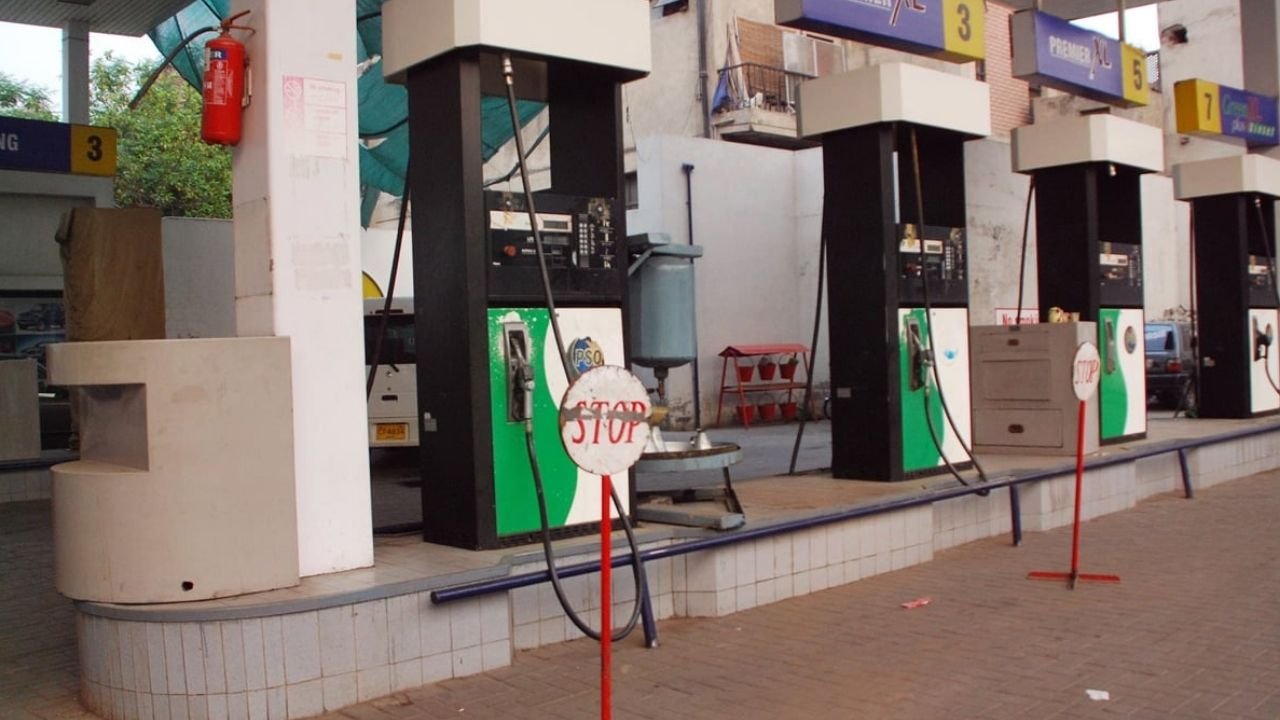
    The Pakistan Petroleum Dealers Association has decided to close petrol pumps across the country starting from 6 am on Friday, July 5.

    The strike was announced after negotiations between the Association and the government fell apart.

    A delegation from the Pakistan Petroleum Dealers Association held meetings with the Finance Minister, Chairman of FBR, and Chairman of OGRA.

    Abdul Sami Khan, President of the Petroleum Dealers Association, stated that the strike may last for more than one day, according to an Aaj News report.

    People have been advised to keep petrol tanks filled until July 4, as pumps across the country will begin to run dry tomorrow night.

    He also mentioned that negotiations will not resume until the government reverses its decision. Fourteen thousand dealers across the country will shut down their pumps starting July 5.

    On the other hand, the Pakistan Oil Tankers Association has declared that it will not be part of the strike.

    Shams Shahwani, Chairman of the Oil Tankers Association, stated that petrol and diesel supplies will continue uninterrupted throughout the country. He believes that given the current circumstances, stopping the supply is not an option, and he wants to prevent inconvenience to customers.

  • Oil jumps, equities fall as Israeli attacks fan MidEast fears

    Oil jumps, equities fall as Israeli attacks fan MidEast fears

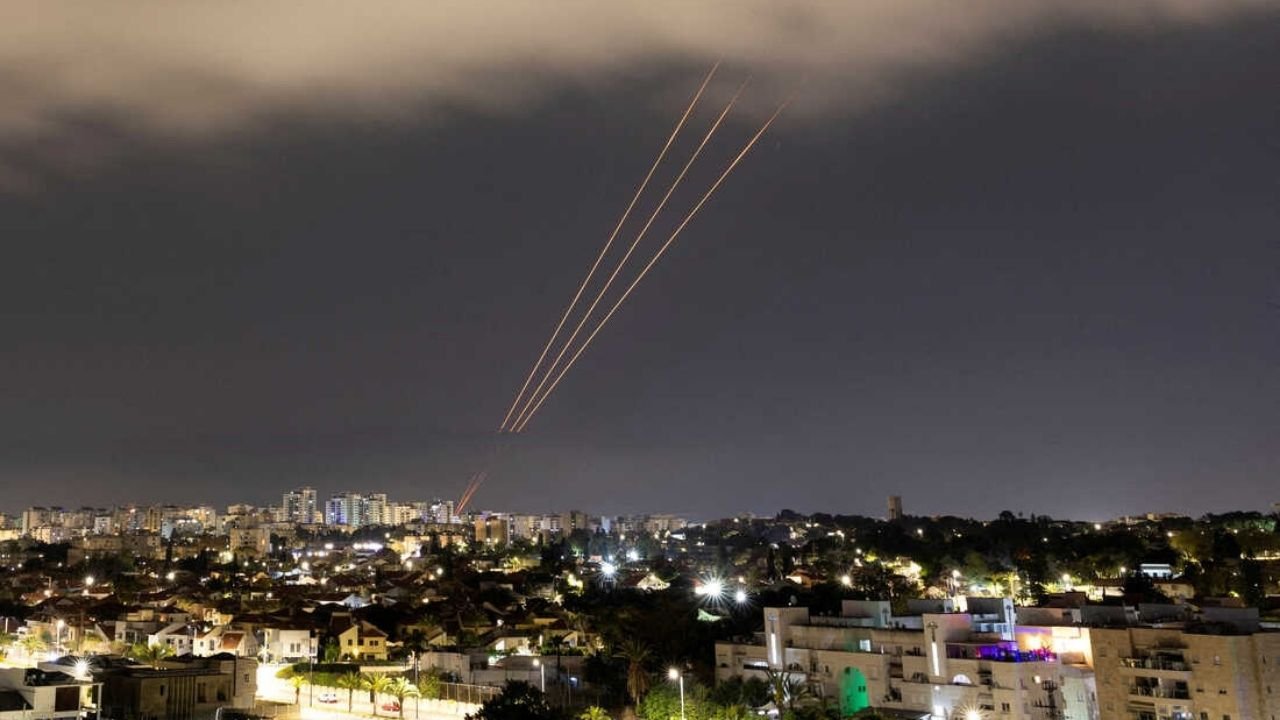
    Hong Kong, China – Oil prices rallied and equities fell Friday as reports said explosions had been heard in Iran and Syria, fuelling fears of an escalation of the Middle East crisis after last weekend’s retaliatory missile attack on Israel by Tehran.

    The reports followed another batch of data indicating the US economy remained in rude health and compounded concerns that the Federal Reserve will hold off cutting interest rates this year or even hike them again.

    Traders have been on edge since Saturday’s barrage by Iran, which Israel’s army chief General Herzi Halevi warned would be met with a response.

    Leaders in Tehran said the strike was a legitimate response to a deadly attack on an Iranian embassy building in Damascus that it blames on Israel.

    Iran’s Fars news agency reported “three explosions” were heard near Qahjavarestan, near Isfahan airport and the 8th Shekari army airbase, while space agency spokesman Hossein Dalirian said “several” drones had been “successfully shot down”.

    Dalirian said on social media platform X there were “no reports of a missile attack”.

    Nuclear facilities in Isfahan were reported to be “completely secure”, the Tasnim news agency said.

    ABC and CBS News reported the strikes had been carried out by Israel, quoting US officials.

    There was no immediate comment from the White House or Pentagon, and the Israeli military told AFP: “We don’t have a comment at this time.”

    The news sent shivers through markets, with crude briefly surging as much as four percent on worries about supplies from the oil-rich region, while fears of a regional conflict saw equities tumble.

    However, the gains were pared as Iran appeared to play down the matter. Tasnim denied the reports and said the Isfahan nuclear facility was safe, while the International Atomic Energy Agency added that it had not been damaged.

    Asia equities fell but were well off their early lows.

    Tokyo plunged more than two percent and Taipei shed more than three percent, while there were also losses in Hong Kong, Sydney, Shanghai, Singapore, Seoul, Wellington, Manila, Mumbai, Bangkok and Jakarta.

    London, Paris and Frankfurt were also in the red.

    The rush for safety also saw the yen rally against the dollar and gold jump back past $2,400, while US Treasuries climbed.

    “It is now clear that the escalating shadow warfare between Israel and Iran… has finally ignited the powder keg in the Middle East, and we have moved decisively out of the shadows and into the glaring light of open conflict,” said Stephen Innes of SPI Asset Management.

    “It should be noted that this is not a staged response to an Iranian drone attack but rather an indication that we have entered a new phase of this conflict, one that is likely to have significant and far-reaching consequences for Middle East peace and least of all risk markets.”

    The mood among traders was already downbeat as they contemplated the prospect of the Fed staying pat on interest rates this year following data showing jobless claims came in below expectations while a gauge of business activity hit a two-year high.

    Meanwhile, Atlanta Fed boss Raphael Bostic said inflation is “too high” and he felt there was no need to cut borrowing costs until later in the year.

    “I’m comfortable being patient,” he added.

    New York Fed chief John Williams and governor Michelle Bowman also said they saw fewer reductions than expected, if at all, this year.

    Michael Landsberg, of Landsberg Bennett Private Wealth Management, said: “We are firmly in the camp of no rate cuts in 2024.

    “We believe investors should prepare for a higher-for-longer regime when it comes to both inflation and interest rates.”

    Key figures around 0810 GMT

    West Texas Intermediate: UP 1.4 percent at $83.85 per barrel

    Brent North Sea Crude: UP 1.1 percent at $88.10 per barrel

    Tokyo – Nikkei 225: DOWN 2.7 percent at 37,068.35 (close)

    Hong Kong – Hang Seng Index: DOWN 1.0 percent at 16,224.14 (close)

    Shanghai – Composite: DOWN 0.3 percent at 3,065.26 (close)

    London – FTSE 100: DOWN 0.7 percent at 7,825.73

    Dollar/yen: DOWN at 154.40 yen from 154.67 yen on Thursday

    Euro/dollar: DOWN at $1.0643 from $1.0645

    Pound/dollar: DOWN at $1.2429 from $1.2438

    Euro/pound: UP at 85.64 pence from 85.57 pence

    New York – Dow: UP 0.1 percent at 37,775.38 (close)

    – Bloomberg News contributed to this story –

    dan/sco

    © Agence France-Presse
  • IMF wants Pakistan to increase petrol prices

    IMF wants Pakistan to increase petrol prices

    The International Monetary Fund (IMF) conveyed to the Pakistani authorities that while the Petroleum Development Levy (PDL) has considerably increased in recent years, the taxation of petroleum products has declined since 2019. “The relatively low rate of taxation of petrol is also reflected in the sale price relative to other countries.” The IMF emphasized that there is a difference of gasoline prices when compared to selected neighboring countries and emerging economies.

    The average 2023 price of gasoline at the pump was $1.12 per litre against $0.97 per litre in Pakistan. The IMF report said that taking off the exemption of petroleum products under the Sales Tax would increase prices by 18% with the standard rate of General Sales Tax.
    Moreover, the IMF has also recommended in its Technical Assistance Report with the Pakistani authorities to raise taxes on domestically manufactured automobiles and on luxury goods such as yachts. It also said to increase border control to stop smuggling of oil derivatives.

    Pakistan faces a problem of smuggling especially on it Western borders with both Iran and Afghanistan. A 2023 Civil Intelligence Agency report exposed that Pakistan faced loss of more than Rs. 60 billion annually due to smuggling of more than 2.81 billion litres of oil from Iran to Pakistan, as per the report of Business Recorder.

    The Fund also recommended the Federal Board of Revenue (FBR) to tax e-cigarettes equal to tobacco in the country.

  • Saudi Arabia will not use oil as a weapon to achieve ceasefire in Gaza

    Saudi Arabia will not use oil as a weapon to achieve ceasefire in Gaza

    Right before the October 7 attacks by Hamas on Israel followed by Israel’s declaration of war against the Palestinians resulting in a death toll of 10,5000+, Saudi Arabia and Israel were steering towards the establishment of ties despite their conflict of views over the Palestine issue.

    Saudi Crown Prince Mohammad bin Salman (MbS) reportedly asked the US for “security guarantees and access to civilian nuclear technology and advanced weapons in exchange for a deal.”

    Moreover, Saudi diplomats asserted that Israel must concur with the establishment of a Palestinian state as defined in the 2002 Saudi Peace Initiative. And while this particular demand was rejected by Israeli Prime Minister Benjamin Netanyahu and Jewish ministers in his government, a deal was almost at hand between the two countries.

    However, after October 7, people in support of Palestine across the world, particularly the Muslim world, have demanded from Saudi Arabia to take a stand against the atrocities committed by Israel on Palestinian soil — to use their power to put an end to the attacks.

    However, their concerns seem to have fallen on deaf ears.

    The Saudi Minister of Investment, Khalid bin Abdulaziz al-Falih, has remarked that the Kingdom is still willing to consider normalising relations with Israel, depending on a peaceful solution to the Palestinian issue.

    During a discussion session at the Bloomberg New Economy Forum held in Singapore, Falih responded to a question in regard to normalisation of ties between the two countries: “This matter was on the table, and it is still on the table, and it is clear that the recent withdrawal (from the talks) explains why Saudi Arabia is so determined to make a solution to the Palestinian conflict part of broader normalisation in [West Asia].”

    When asked if Saudi Arabia would use economic devices like oil to push for a ceasefire in the Gaza Strip, he reportedly laughed and replied: “This is not on the table today. Saudi Arabia is trying to achieve peace through talks that seek peace.”

    Falih also offered details of the three summits that Saudi Arabia is expected to host in the coming days which will be attended by Arab, African and Islamic countries, an effort to promote a “peaceful solution to the Israeli-Palestinian conflict”.

    In 1973, Saudi Arabia imposed an oil embargo on the United States and other countries for their support of Israel in the Yom Kippur War against Egypt and Syria.

  • Pakistan and Russia aim to strengthen bilateral relations in trade, investment, and energy sectors

    Pakistan and Russia aim to strengthen bilateral relations in trade, investment, and energy sectors

    In an effort to strengthen bilateral relations between Pakistan and Russia, Chairman Senate Muhammad Sadiq Sanjrani engaged in productive talks with Chairman of the Russian Duma, Mr Volodin, during a delegation-level meeting held in Moscow on Wednesday.

    The discussion encompassed various areas of mutual interest and emphasised the significance of parliamentary exchanges in fostering effective diplomacy.

    A press release issued by the Pakistan embassy in Moscow highlighted the consensus reached during the meeting. Both sides expressed their commitment to enhancing parliamentary interaction between the two nations. This step is expected to bolster bilateral ties and pave the way for increased cooperation in trade, investment, and energy sectors.

    Chairman Sanjrani reiterated Pakistan’s dedication to strengthening relations with Russia across all domains of mutually beneficial cooperation. Trade, investment, and energy were particularly emphasised as key areas for future collaboration.

    The significance of continued cooperation in international forums, such as the United Nations and the Shanghai Cooperation Organisation (SCO), was also acknowledged and agreed upon by both parties.

    During the talks, Chairman Sanjrani extended an invitation from the Speaker of the National Assembly of Pakistan to Chairman Volodin, inviting him to visit Pakistan. In a positive response, Chairman Volodin accepted the invitation, reflecting the willingness of both countries to further solidify their ties.

    The meeting between Chairman Senate Sanjrani and Chairman Volodin serves as a significant milestone in the diplomatic efforts between Pakistan and Russia. It highlights the mutual desire to strengthen bilateral relations and lays the groundwork for increased cooperation in various fields, including trade, investment, and energy.

    The forthcoming visit of Chairman Volodin to Pakistan is expected to further enhance the ties between the two nations and open new avenues for collaboration.

  • Video of man adding more oil to salan has Twitter in tears

    Video of man adding more oil to salan has Twitter in tears

    Chahe kuch bhi ho, tufan ajaye, bijli kat jaye, mulk mein nokri na mile, leiken Lahoriyon ki khaanay kay saath love story kabhi khatam nahi honi.

    A video of a man in a restaurant adding a bucket of ghee that could last a month for a family, into a cooking pot, is driving Twitter to tears.

    Exactly how much ghee is too much for Lahoris? Seems like the number doesn’t exist.

    Ever since this video went viral, users have been in fits on how seriously Lahoris take their food.

    And I oop

    https://twitter.com/sher_bangla/status/1633679595638497282?s=20

    How to tell someone isn’t Lahori without telling they’re not Lahori? This

    Wheezing

    *cricket noises*

  • Pakistan will start importing crude oil from Russia in March

    Pakistan will start importing crude oil from Russia in March

    Pakistan and Russia have decided on the deadline for crude oil exports in late March after the conclusion of the annual inter-governmental commission between the two countries concluded.

    The Minister of State for Petroleum, Musadik Malik, said that Pakistan intends to import 35 per cent of its entire crude oil needs from Russia. He added that Russia does not have liquefied natural gas (LNG) for Pakistan currently.

    Russian Energy Minister Nikolay Shulginov also stated that Pakistan will pay for its energy purchases from Russia in the currencies of friendly nations when they begin in late March.

    Last year, the government of Pakistan sent representatives to Russia, and as a result, the state minister for petroleum of Pakistan announced that Russia would supply crude oil at a reduced price.

    Russian oil and gas have not historically been widely imported by Pakistan.

    Islamabad and Moscow agreed during the negotiations that the oil and gas trading transaction will be set up such that both nations can profit economically after reaching an agreement on the technical details.

    The leaders also decided to expand energy infrastructure investment, improve energy trade, and strengthen energy cooperation under advantageous strategic and commercial circumstances.

    A “Comprehensive Plan for Energy Cooperation” that will serve as the framework for future work and be completed in 2023 has been agreed to by both parties.

    The federal and provincial governments of Pakistan welcomed the Russian side to consider prospective initiatives, including those involving public-private partnerships and asked the Russian businesses to investigate these options.

    “Both sides have resolved the pending issues related to the exchange of information on certificates of origin of goods with the use of an electronic verification system and shall endeavour to finalise the above-mentioned protocols by the end of May 2023,” the joint statement issued in this regard read.

    In order to improve their mutual collaboration and talk about issues pertaining to connectivity and logistics in Central and South Asia, the authorities decided to designate focus points for each side.

    It was also resolved at the talks held over the last three days that creative business practises, such as bartering, would be used. They also agreed to further investigate the possibility.

    “In the context of the desire of both parties to promote regional integration and Eurasian connectivity, the two sides agreed to share information towards developing and improving rail and road infrastructure,” the statement read.

    The documents signed during the session included an “Agreement regarding cooperation and mutual assistance in customs matters,” a “Protocol on the Exchange of Documents and Data on the Customs Value of Goods Transported,”  and a “Working Agreement on the Airworthiness of Aeronautical Products.”

    The seventh IGC’s debates and choices served as the foundation for the eighth session, which moved the process ahead and looked at new possibilities for collaboration.

    Additionally, Pakistan and Russia decided to extend their cooperation in the areas of commerce and investment, energy, communication, transportation, higher education, industry, railroads, banking, finance, customs, agriculture, science, and technology.

  • Russian delegation will visit Pakistan tomorrow to discuss long-term oil and gas deal

    Russian delegation will visit Pakistan tomorrow to discuss long-term oil and gas deal

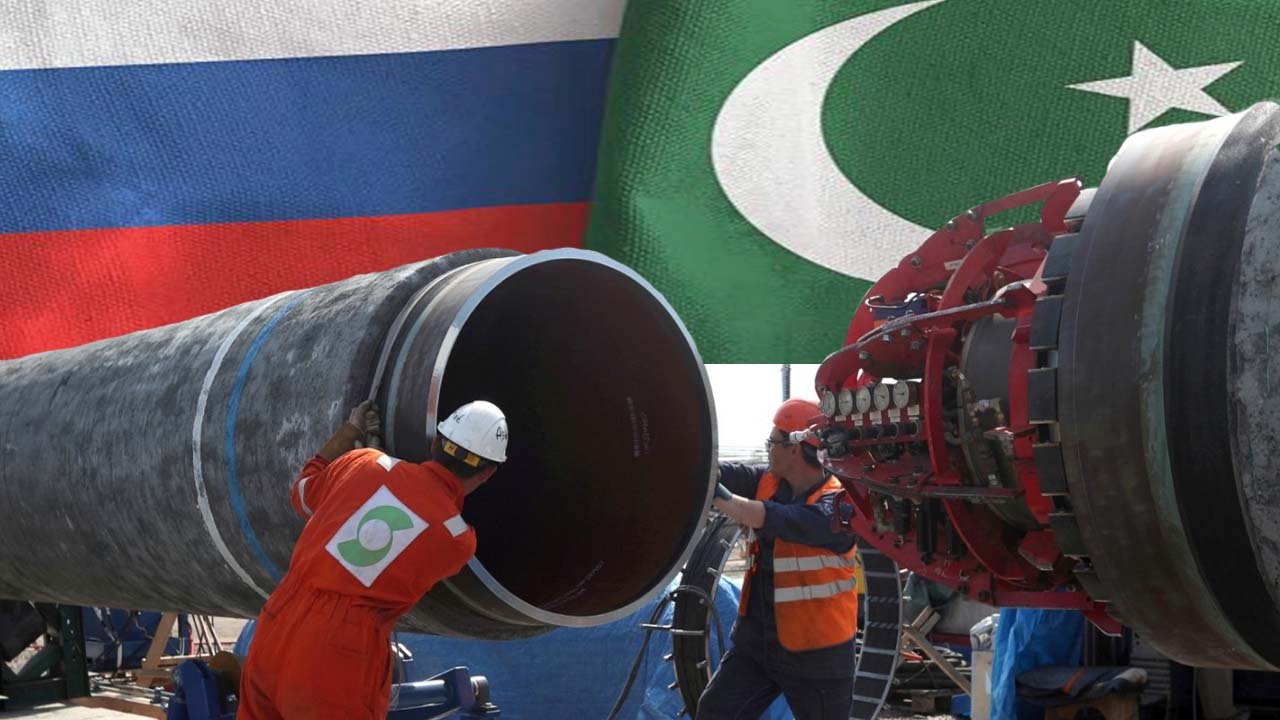
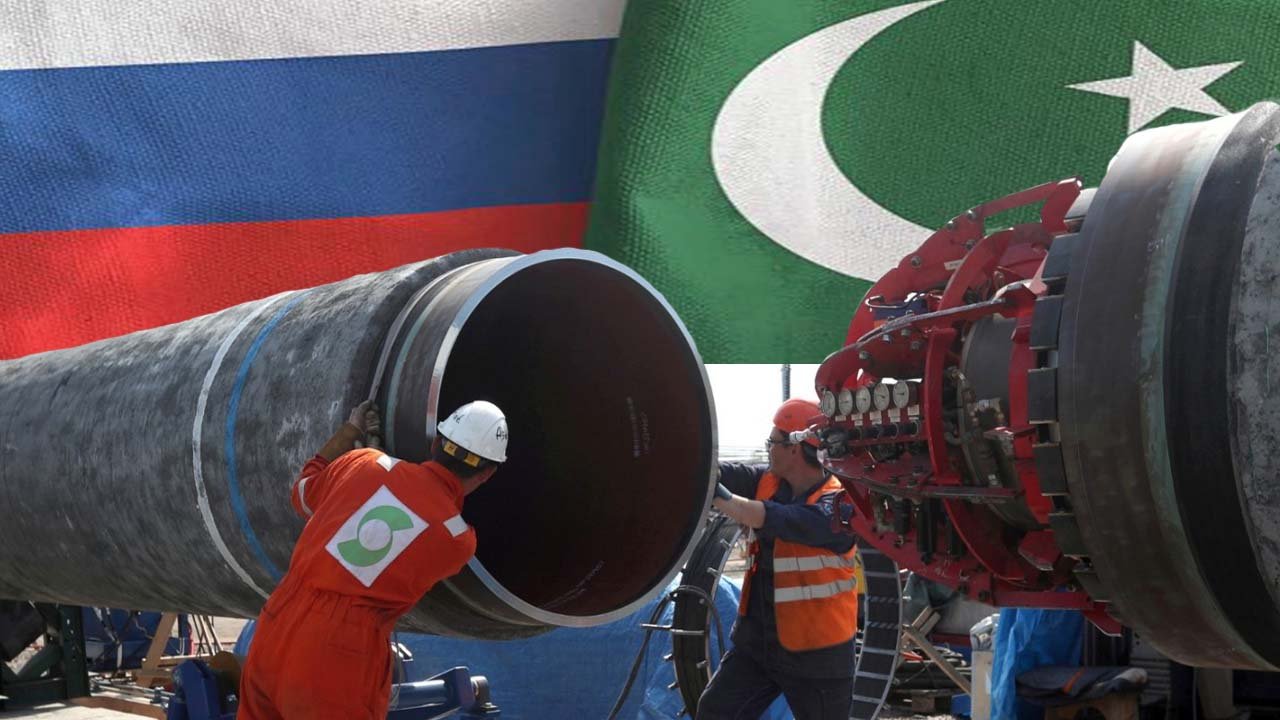
    The much-touted $3 billion Pakistan Stream Gas Pipeline (PSGP) project, as well as a long-term trade agreement for oil and liquefied natural gas (LNG), will be the topics of bilateral negotiations between Pakistan and a Russian delegation that will arrive tomorrow.

    The team, which consists of 80 personnel, will land in Pakistan on Tuesday for three days of bilateral discussions through the Inter-Governmental Commission forum (IGC).

    For the IGC negotiations, the Pakistani delegation will be led by Federal Minister Sardar Ayaz Sadiq. Both states must first negotiate the IGA (inter-governmental agreement), which was finalised and signed in the case of the Pakistan Stream Gas Pipeline Project (PSGP), formerly known as the North-South Gas pipeline project, in order to import Russian oil and LNG on a GtG basis.

    According to The News, the shareholding and facilitation agreement for PSGP was still in draught form on February 24, 2022, when former prime minister Imran Khan travelled to Moscow. Both parties wanted to sign the PSGP agreement during the Imran and Putin meeting, but it was not able to be done since the experts from both sides could not agree on several terms of the shareholding agreement.

    Currently, the G7 nations have capped the price of Russian crude oil at $60 per barrel and forbade the use of Russian ships to carry oil. In exchange, Moscow promised to stop selling oil to nations who agree to a Western price restriction on its petroleum.

    The Pakistani side will talk about the shipment costs, the premium by the shipping trader, the insurance coverage, and the payment options.

    Agribusiness, energy, customs, industry, education, research and technology, information and communication technologies, communication, roads and postal service, railroads, and finance are all included in the IGC’s agenda as areas for cooperation in trade and investments. Additionally, Pakistan’s debt to Russia will be settled and discussed.

    The potential for cooperation in the areas of electric power, hydropower, renewable energy sources, and oil and petrol production will also be discussed by the two sides.

    In their response, the Pakistani team proposed to change the model of the PSGP project. The Russian side said that the model of the project under GtG (government-to-government) arrangement had already been settled, save for some clauses of the shareholding agreement, which would soon be finalized.

  • Weekly inflation jumps by over 29% due to rising food prices

    Weekly inflation jumps by over 29% due to rising food prices

    The Sensitive Price Indicator (SPI) based inflation for the week ended December 29, recorded a decline of 0.09 per cent due to a reduction in the prices of food and non-food items, according to the Pakistan Bureau of Statistics (PBS).

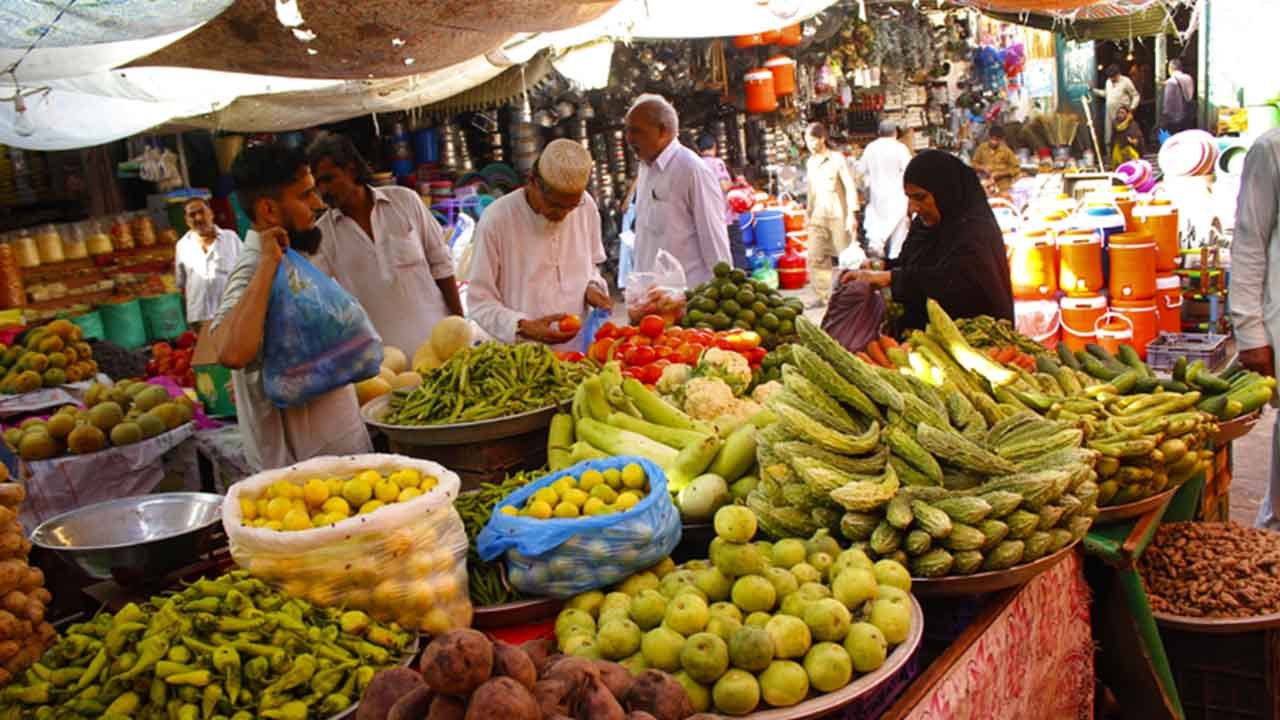
    The year-on-year trend shows an increase of 29.30 per cent owing to an increase in the prices of onions (498.08 per cent), tea lipton (65.41 per cent), diesel (65.05 per cent), chicken (64.20 per cent), petrol (52.19 per cent), salt powdered (51.99 per cent), eggs (49.11 per cent), pulse moong (46.94 per cent), bananas (45.06 per cent), pulse gram (44.42 per cent) and mustard oil (41.64 per cent), while decrease is observed in the prices of chillies powdered (34.18 per cent), electricity for q1 (13.96 per cent) and gur (1.38 per cent).

    During the week, out of 51 items, prices of 23 (45.10 per cent) items increased, 07 (13.72 per cent) items decreased and 21 (41.18 per cent) items remained stable.

    The SPI for the consumption group up to Rs17,732, Rs17,732-22,888, Rs22,889-29,517 and above Rs44,175 decreased by 0.07 per cent, 0.12 per cent, 0.03 per cent and 0.12 per cent respectively while it increased by 0.02 per cent for the consumption group Rs29,518-44,175.

    The items, which recorded an increase in their average prices during the week over previous include eggs (2.86 per cent), rice basmati broken (2.81 per cent), wheat flour bag 20 kg (2.81 per cent), bread plain (2.76 per cent), firewood whole 40 kg (2.49 per cent), LPG (1.61 per cent), energy saver (1.27 per cent), bananas (1.18 per cent), gur (0.99 per cent), garlic (0.90 per cent), pulse masoor (0.80 per cent), mustard oil (0.72 per cent), rice irri-6/9 (0.60 per cent), pulse mash (0.54 per cent), tea prepared (0.45 per cent), sufi washing soap (0.28 per cent), pulse gram (0.26 per cent), onions (0.25 per cent), curd (0.23 per cent), chicken (0.20 per cent), milk fresh (0.15 per cent), pulse moong (0.12 per cent) and beef with bone (0.02 per cent).

    The items, which saw a reduction in their average prices included potatoes (8.85 per cent), tomatoes (6.02 per cent), electricity charges (2.44 per cent), vegetable ghee dalda/habib (1.47 per cent), sugar (1.22 per cent), vegetable ghee dalda/habib or other superior quality 1 kg pouch each (0.45 per cent) and cooking oil dalda or other similar brand (sn), 5 litre tin each (0.04 per cent).

  • Russia agrees to provide petrol and diesel to Pakistan at discounted rates

    Russia agrees to provide petrol and diesel to Pakistan at discounted rates

    State Minister for Petroleum Musadik Malik announced on Monday that Russia has agreed to supply Pakistan with cheap petrol, diesel, and crude oil.

    Malik said he wanted to congratulate the public for a fruitful trip to Russia, calling it “more successful than our expectations,” during a news conference in Islamabad.

    According to The News, the state minister for petroleum, the secretary for petroleum Capt. (retd) Muhammad Mahmood, the joint secretary, and representatives of the petroleum division made up the delegation from Pakistan that travelled to Moscow to look into the possibility of obtaining Russian crude oil and other petroleum products at a lower price.

    Malik said that Russia lacked liquefied natural gas (LNG). The import of LNG is the subject of ongoing discussions with Russian private companies, and Malik added that state-run LNG producers in Russia have also been contacted.

    The state minister claims that negotiations with Moscow about the pipeline projects have advanced significantly.

    The News last week stated, citing sources, that during negotiations in Moscow, the Pakistani team requested a 30–40 per cent discount on Russian crude oil; however, the Russians refused, stating that all volumes had already been promised.