Tag: oil and gas

  • Govt decides not to reduce petrol, diesel prices

    Govt decides not to reduce petrol, diesel prices

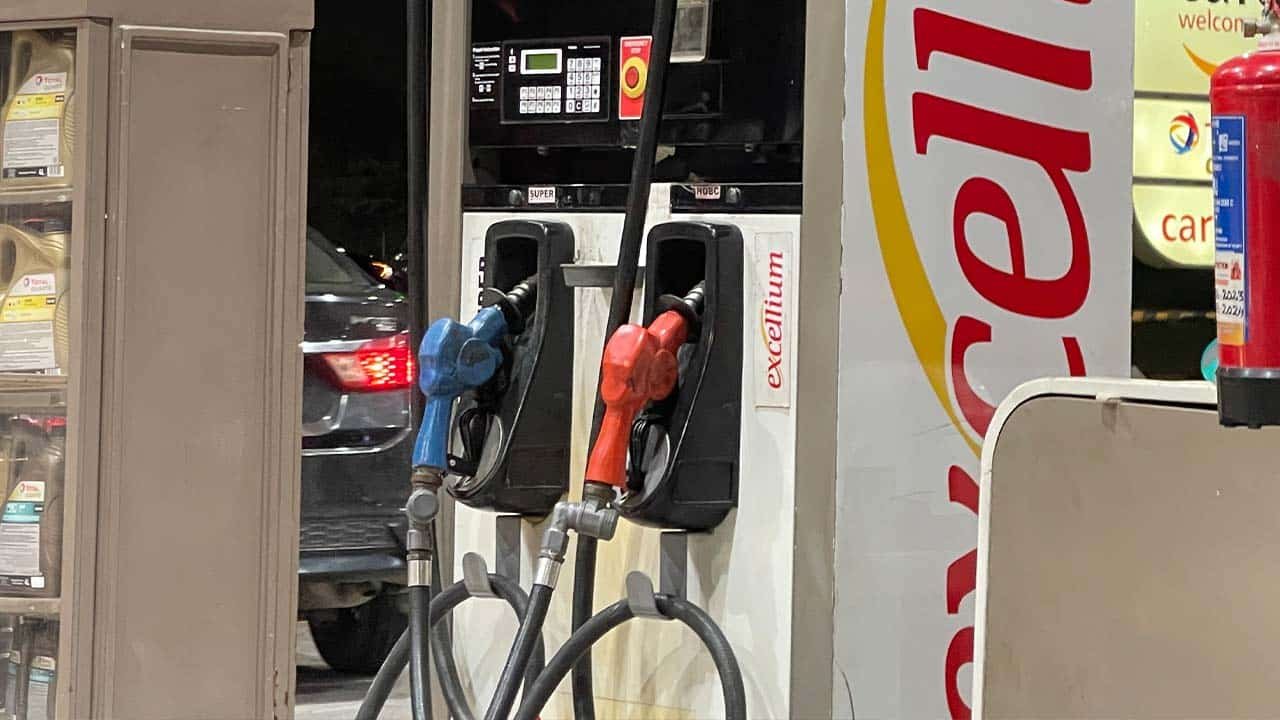
    The caretaker government announced on Tuesday that petrol and diesel prices would remain unchanged until November 15. 

    Furthermore, the government reduced the prices of kerosene and light-speed diesel by Rs 3.82 and Rs3.40 per litre. Kerosene and light-speed diesel will now be priced at Rs211.03 and Rs189.46 per litre, respectively.

    In the previous review on October 15, the caretaker government had announced a reduction of Rs 40 and Rs15 in petrol and diesel prices, bringing them to Rs283.38 and Rs303.18 per litre, respectively. 

    This adjustment was made in response to the continuous appreciation of the local currency against the greenback and fluctuations in international petroleum product prices.

  • OGRA proposes Rs10 million fine for oil companies involved in illegal petroleum stocking and distribution

    OGRA proposes Rs10 million fine for oil companies involved in illegal petroleum stocking and distribution

    The Oil and Gas Regulatory Authority (OGRA) has recommended severe penalties for those involved in the illegal storage, handling, and distribution of petroleum products in Pakistan. OGRA has proposed amendments to Sections 285-B and 285-C of the Pakistan Penal Code to address this issue.

    According to OGRA’s proposal to the Cabinet Division, individuals or oil marketing companies found guilty of unauthorised storage and handling of petroleum for the purpose of sale, resale, transport, or distribution to consumers could face up to ten years in prison or a fine of up to Rs10 million. The regulatory body emphasises that such unauthorised activities have detrimental effects on society, particularly innocent individuals who may unknowingly be exposed to unsafe petroleum products.

    The proposed amendments aim to address the existing gaps in the legal framework related to the handling of explosive substances, fire or combustible materials, and machinery that can cause harm to human life and property damage. While Sections 285, 286, and 287 of the Pakistan Penal Code already deal with these issues, they do not specifically cover the illicit sale, distribution, production, storage, or handling of petroleum products.

    To rectify this, OGRA has recommended the insertion of Section-A 285-B and 285-C in the Pakistan Penal Code. These new sections would serve to safeguard human life and property by imposing strict penalties for unlicensed handling of petroleum products and explosive substances, as well as unauthorised manufacturing of machinery and equipment.

    The proposed amendments align with the constitutional provisions of Pakistan, which ensure that no person shall be deprived of life, liberty, or property except in accordance with the law. By introducing these new measures, OGRA aims to deter illegal activities in the oil and gas sector, protect public safety, and maintain a regulated and lawful environment for the industry.

    The recommendations made by OGRA are now under consideration by the Cabinet Division. If approved and implemented, the proposed amendments would serve as a strong deterrent against the illegal handling and distribution of petroleum products, ensuring the safety and well-being of the Pakistani public.

  • Shipment of discounted Russian oil en route to Pakistan: 100,000 tons set to arrive next month

    Shipment of discounted Russian oil en route to Pakistan: 100,000 tons set to arrive next month

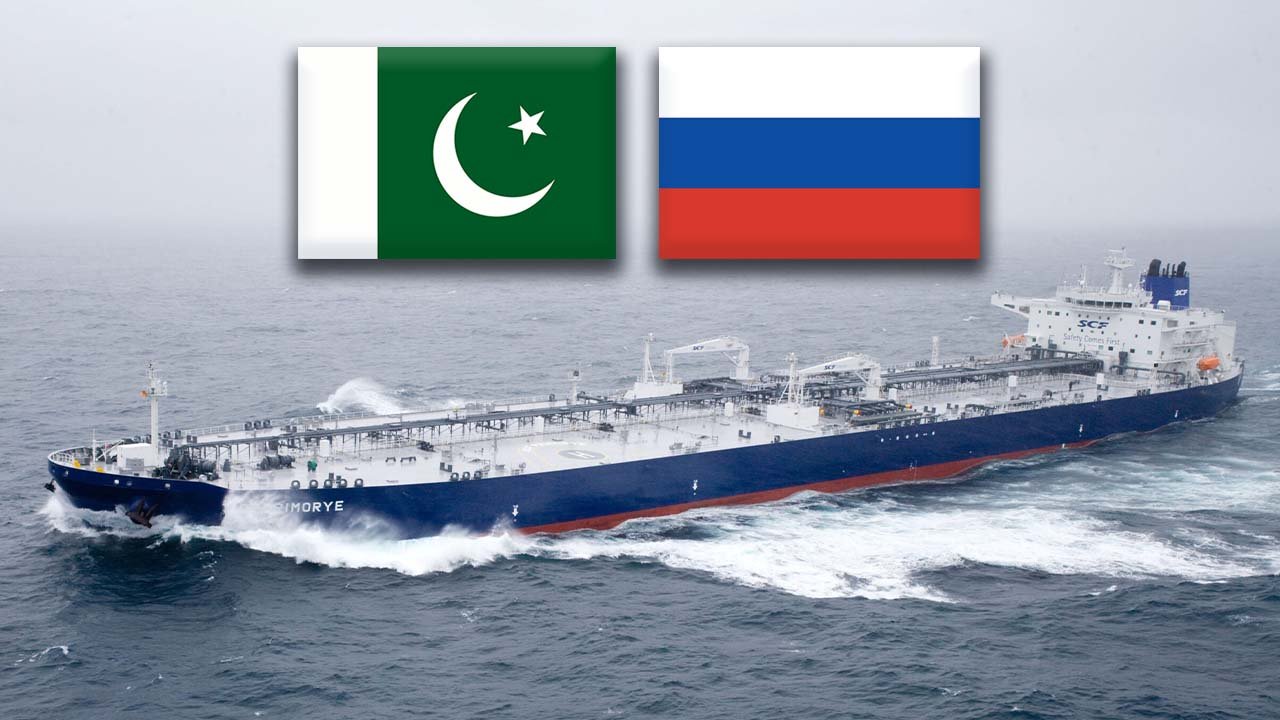
    The government’s energy security plan will soon see the arrival of vessels carrying 100,000 tons of discounted Russian oil at Pakistan ports in early June.

    Musadik Malik, the State Minister for Energy, made this announcement during a private meeting with members of the media, where he discussed the new refinery policy. The policy aims to encourage investments in new refineries for shallow, deep conversion, and ultra-deep conversion projects, with incentives lasting up to 20 years.

    Minister Malik revealed that the Russian cargo, consisting of 100,000 tons of Urals oil, would arrive at the Oman port on May 26-27. From there, the oil will be transported to Pakistan in smaller vessels, a journey expected to take between seven to ten days. Although the transportation cost will increase slightly, the minister assured that the impact would be minimal.

    While he did not disclose the discounted price or the payment method for the Russian oil, Minister Malik hinted that the payment was made through the banking channel. The heavy Urals oil will then undergo refining at Parco, where it will be mixed with light Arabian oil to lower the overall price.

    Highlighting the significance of the new refinery policy, Minister Malik emphasised that energy sector growth is crucial for economic development. He explained that a one per cent increase in the country’s GDP requires a corresponding growth rate of 1.5 to two per cent in the energy sector. Similarly, achieving a five per cent GDP growth necessitates a seven to ten per cent growth in the energy sector. Such growth is only possible with investments in refineries, as well as oil and gas exploration and production.

    Under the new refinery policy, refineries with a capacity of 300,000 tons or more will receive incentives for 20 years, while those below 300,000 tons will receive incentives for 10 years. However, it will be mandatory for these refineries to achieve financial closure within five years.

    Additionally, import duty on equipment used in the larger refineries will be set at 7.5 per cent for both petrol and diesel for the duration of 20 years. The same incentives will apply for 10 years to refineries below the 300,000-ton capacity. These refineries will also benefit from special economic zone (SEZ) laws.

    Minister Malik projected that by 2030, the country’s petrol and diesel consumption would increase from 20 million to 33 million. Currently, local refineries produce around 10 to 11 million, with the rest being imported. He noted that the global premium on diesel is approximately $18 due to high demand.

    The new refinery policy has garnered interest from multiple foreign countries and private companies, with a positive response received during a road show conducted in the United States to promote greenfield investment.

    The minister reiterated the government’s commitment to implementing a comprehensive plan for the country’s energy security before the end of its constitutional tenure. Negotiations for the Turkmenistan-Afghanistan-Pakistan-India (TAPI) pipeline project have resumed, while the Iran-Pakistan (IP) project has been delayed due to US sanctions. The LPG Air Mix policy and the brownfield policy are expected to be approved soon.