Tag: Oil and Gas Regulatory Authority

  • OGRA reduces LPG price to Rs234 per kg amidst cost-cutting measures by OGDCL

    OGRA reduces LPG price to Rs234 per kg amidst cost-cutting measures by OGDCL

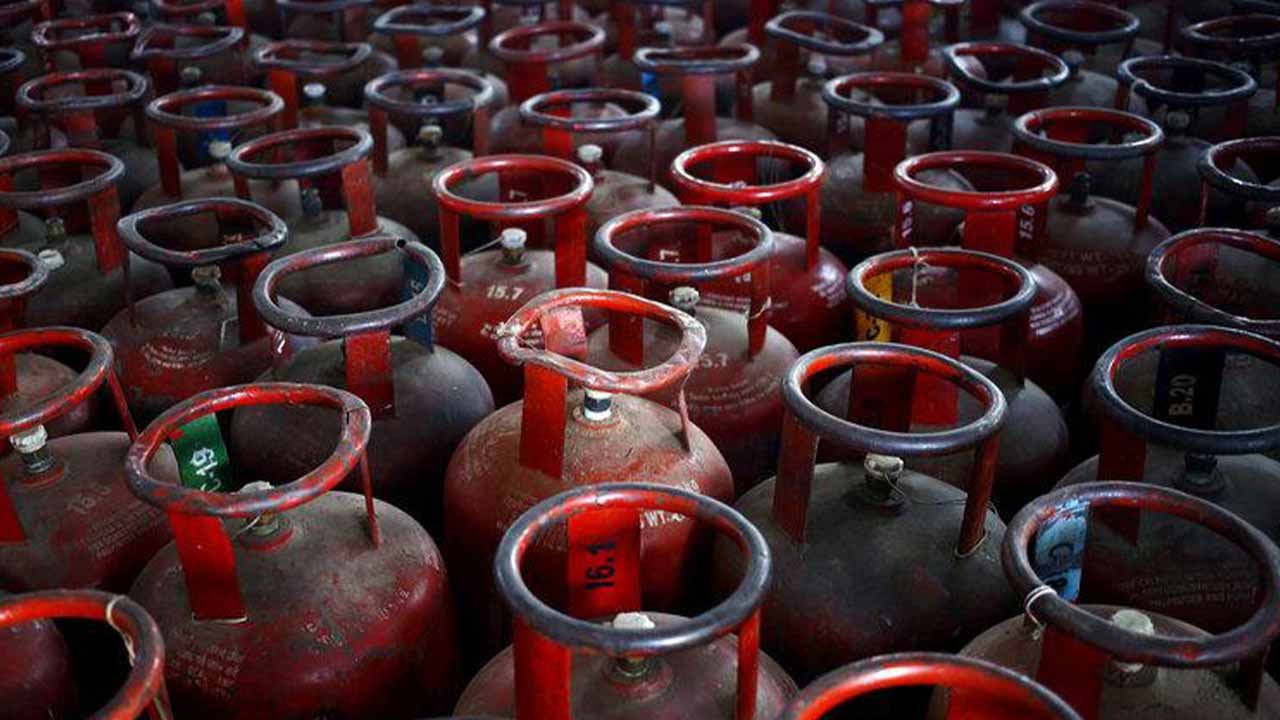
    The Oil and Gas Regulatory Authority (OGRA) has announced a reduction in the price of Liquefied Petroleum Gas (LPG), providing relief to consumers who depend on LPG.

    According to a recent notification, LPG prices have been cut by Rs3.87, bringing the cost down to Rs234 per kilogramme. This new rate is effective immediately.

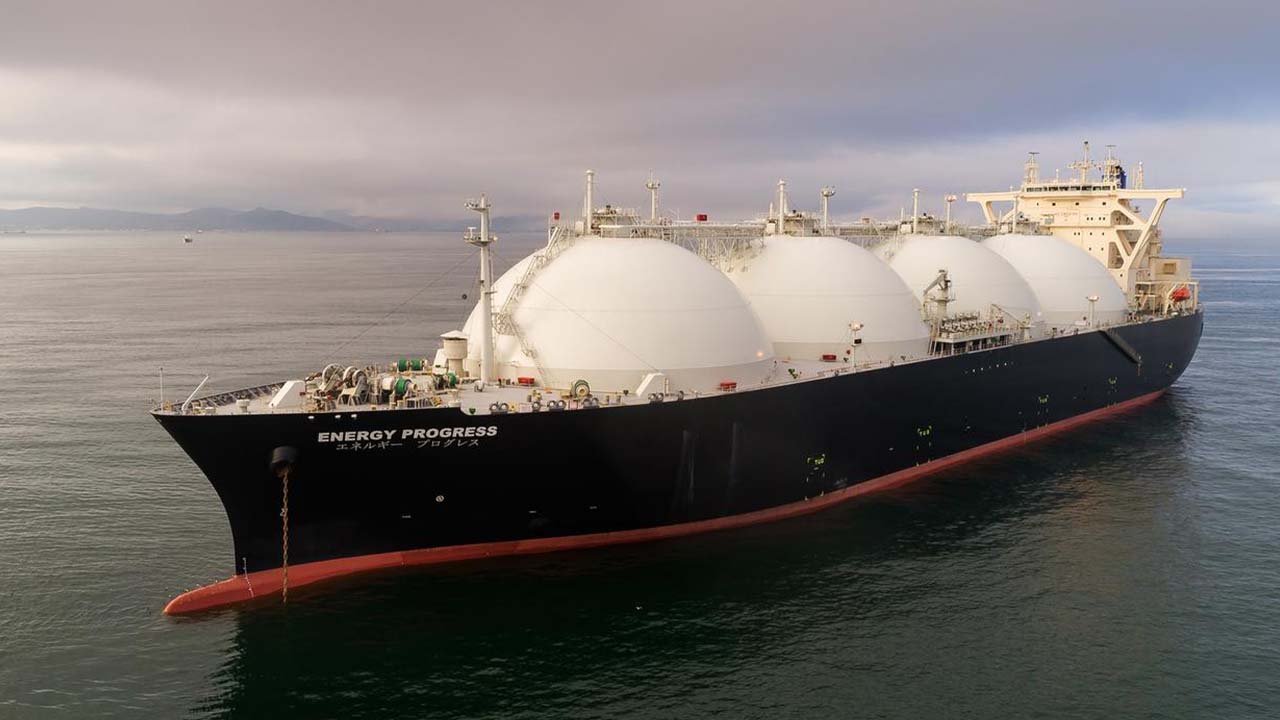
    This development follows a significant cost reduction in production by the Oil and Gas Development Company (OGDCL), attributed to the arrival of three ships carrying imported LPG.

    The increased supply has enabled OGDCL to lower production costs, subsequently leading to the reduced consumer prices.

    In a related development, the prices of petrol and diesel in Pakistan are also anticipated to drop from June 1. According to sources, petrol prices are expected to decrease by Rs5 per litre, while diesel prices may see a reduction of Rs4 per litre.

    The Ministry of Finance will announce the new rates after consulting with the Prime Minister.

    The OGRA summary proposing the price reductions will be submitted to the Petroleum Division by May 31st, sources added.

    This move is part of a broader strategy to alleviate the financial burden on the public by ensuring affordable fuel prices amidst fluctuating global oil markets.

  • Govt reduces petrol price by Rs8 to Rs259.34 per litre for next fortnight

    Govt reduces petrol price by Rs8 to Rs259.34 per litre for next fortnight

    In a significant move, the caretaker government announced a substantial reduction in the price of petrol by Rs8 per litre for the upcoming fortnight, effective January 16.

    This decision, as conveyed in a notification issued today by the Finance Division, aligns with the recommendations put forth by the Oil and Gas Regulatory Authority (OGRA).

    The adjusted ex-depot price of petrol now stands at Rs259.34 per litre, reflecting a notable decrease from the previous rate of Rs267.34 per litre.

    However, it is important to note that there have been no alterations in the prices of high-speed diesel, light-diesel oil, or kerosene oil.

    The government has already reached the maximum permissible limit under the law, with a Rs60 per litre petroleum levy imposed on both petrol and high-speed diesel (HSD).

    This levy is in line with the commitments made to the International Monetary Fund (IMF), aiming to collect Rs869 billion during the current fiscal year.

    Optimistically, the government anticipates surpassing this target, with the collection expected to exceed Rs950 billion by the end of June.

    Petroleum and electricity prices have been identified as key contributors to inflation, which surged to 29.7 per cent in December, as indicated by the Consumer Price Index.

    Presently, the government imposes a tax of approximately Rs82 per litre on both petrol and HSD.

    This adjustment in petrol prices not only provides relief to consumers but also marks a strategic step by the caretaker government to manage fiscal targets while considering the economic impact on the general population.

    The move is anticipated to have ripple effects on inflation rates, offering a temporary respite from the cost of living for the common citizen.

  • OGRA notifies major gas price hike for November

    OGRA notifies major gas price hike for November

    The caretaker government’s decision to implement a gas price increase of over 172 per cent for non-protected domestic consumers has left many shocked and outraged.  

    Starting on November 1, the revised prices are set to impose a significant financial burden on households already grappling with financial difficulties. 

    According to the notification released by the Oil and Gas Regulatory Authority (OGRA), the new gas prices represent a substantial hike across various consumption levels.  

    For instance, customers consuming 100 cubic metres of gas per month will now be charged Rs1,000, up from the previous rate of Rs400. Those using 150 cubic metres will see their monthly costs rise from Rs600 to Rs1,200. 

    On the other hand, the price for a monthly consumption of 200 mmbtu has increased to Rs1,600 from the previous Rs800, and for users consuming 300 mmbtu monthly, the cost has risen to Rs3,000 from Rs1,100. 

    Moreover, the charge for consuming 400 mmbtu of gas per month has gone up from Rs2,000 to Rs3,500. For those using more than 400 mmbtu per month, the new rate is Rs4,000, up from the earlier Rs3,100. 

    This significant and unexpected price surge is anticipated to have a severe impact on household budgets, especially for low-income families who heavily depend on natural gas for cooking and heating. 

  • Federal ministers predict petrol price reduction, oil authority cautions against speculation

    Federal ministers predict petrol price reduction, oil authority cautions against speculation

    The Oil and Gas Regulatory Authority (OGRA) has cautioned against engaging in speculative discussions regarding the future pricing of petroleum products. This advisory comes in response to recent statements made by federal ministers suggesting potential reductions in Petroleum Oil and Lubricants (POL) rates during the upcoming fortnightly review.

    Caretaker Federal Commerce and Industries Minister Gohar Ejaz and Interim Federal Minister for Information and Broadcasting Murtaza Solangi had asserted last week that POL prices might see a decrease, attributing this possibility to the strengthening of the Pakistani rupee against the US dollar.

    Over the past two weeks, the rupee has appreciated by approximately Rs16 against the dollar, prompting these statements. It’s important to note that Pakistan, as a petroleum importer, conducts its transactions in US dollars.

    In the preceding fortnightly review, the caretaker government had substantially raised the prices of petrol and diesel, setting historic highs at Rs331.38 and Rs329.18 per litre, respectively.

    In light of the ministers’ remarks, OGRA has released a statement reiterating the importance of refraining from speculative discourse concerning petroleum product prices. The regulatory authority clarified that these prices in Pakistan are primarily influenced by international market rates and the prevailing dollar-to-ruble exchange rate.

    OGRA pointed out that recent times have witnessed an upsurge in global petroleum prices, while the rupee has demonstrated an improvement against the dollar. However, OGRA emphasised that there is still one week remaining before the announcement of the new pricing structure.

    The statement from OGRA further underscores that any conjecture regarding price fluctuations during this interim period is highly speculative and could potentially disrupt the efficient functioning of the petroleum supply chain.

  • Oil and Gas Regulatory Authority implements Rs10 per kg hike in LPG prices

    Oil and Gas Regulatory Authority implements Rs10 per kg hike in LPG prices

    The Oil and Gas Regulatory Authority (OGRA) has announced a revision in the prices of liquefied petroleum gas (LPG), raising it by Rs10 per kilogramme. As per the notification, the new price for LPG will be Rs240 per kilogramme.

    Additionally, the domestic cylinder rate will be increased to Rs2,830, while the commercial cylinder prices will soar to Rs10,900.

    In remote and mountainous regions, the LPG price will be set at Rs370 per kg, with the home LPG cylinder costing Rs4,130.

    The Chairman of the LPG Association, Irfan Khokar, expressed his concern over the government and OGRA’s lack of action against the illegal sale of LPG across the country.

    Furthermore, LPG sellers have called for a countrywide strike to protest against the high prices of the commodity.

    According to reports, LPG is not being sold anywhere in the country at the fixed official price due to black marketeering.

  • Govt implements Rs4.96 per unit power tariff hike, aims to collect Rs3.28 trillion from consumers

    Govt implements Rs4.96 per unit power tariff hike, aims to collect Rs3.28 trillion from consumers

    The National Electric Power Regulatory Authority (Nepra) announced a significant increase of Rs4.96 per unit in the electricity base tariff for the fiscal year 2024, in response to a demand from the International Monetary Fund (IMF). This adjustment will result in the government collecting Rs3.281 trillion from power consumers across all distribution companies.

    Additionally, the government is actively working on raising gas rates, as the Oil and Gas Regulatory Authority (OGRA) has already determined a 45-50 per cent increase in gas prices on June 2, 2023.

    The implementation of the power tariff hike is scheduled to commence on July 1, with the tariff rising to Rs29.78 per unit from the current rate of Rs24.82 per unit.

    Customers utilising time-of-use (ToU) meters will be charged up to Rs49.35 per unit. During peak hours from 5pm to 11pm, they will pay Rs49.35 per unit, while during non-peak hours, the charge will be Rs33.03 per unit.

    This decision has imposed an additional burden on the residents of Karachi, as Nepra has also raised the monthly fuel charges adjustment for the month of May by Rs1.44 per unit, which will be reflected in the billing for July.

    However, the increase in the base tariff will be implemented differently for various categories. Some categories will experience a lower increase, while for others, the increase may reach up to Rs6 per unit, depending on the government’s decision.

    The power regulator has determined an average increase in the base tariff of Rs4.96 per unit. Apart from the new base tariff of Rs29.78 per unit, end consumers will also be required to pay a financing cost surcharge of Rs3.23 per unit from July 1.

    This surcharge aims to generate Rs335 billion to address the power sector’s debt and liabilities, which currently amount to Rs2.6 trillion. Furthermore, consumers will continue to pay the Tariff Rationalisation Surcharge of Rs0.47 per unit.

    Within the base tariff increase of Rs4.96 per unit, the payment for capacity charges has risen to 70 per cent, equivalent to Rs3.472 per unit, while 30 per cent accounts for energy prices.

    The new base tariff increase has been calculated considering a dollar value of Rs287, an inflation rate of 17 per cent, and a 7 per cent growth in electricity generation. As a result, consumers will pay capacity charges totaling Rs1.874 trillion, compared to Rs1.251 trillion in 2022-23.

    Unfortunately, the end electricity consumer in Pakistan is being burdened with additional costs to compensate for ongoing inefficiencies in the power sector, in addition to paying for the actual cost of electricity. These costs include tariff rationalisation charges, financing cost surcharges, electricity duty, PTV license fee, GST, income tax, extra tax, further tax, and sales tax.

    In reality, consumers are paying 31 per cent above the actual cost of electricity in the form of surcharges, duties, and taxes. Electricity Duty, a provincial duty, is levied on all consumers, ranging from 1.0 per cent to 1.5 per cent of Variable Charges. General Sales Tax (GST) is charged at a rate of 17 per cent on all consumers under the Sale Tax Act 1990.

    Income Tax is applicable to non-taxpayer consumers at varying rates depending on the tariff and electricity bill amount, and commercial consumers pay 5 per cent on bills up to Rs20,000 and 7.5 per cent on bills exceeding Rs20,000. Further tax of 3 per cent is charged from all consumers without a Sales Tax Return Number (STRN), except for domestic, agriculture, bulk consumers, and street light connections.

    The increase in power tariffs was a necessary requirement imposed by the IMF to provide financial assistance to Pakistan. The IMF has consistently urged the government to raise tariffs and eliminate power subsidies as part of its efforts to reduce the country’s fiscal deficit.

    However, Nepra attributes the tariff increase to factors such as low sales growth, rupee devaluation, high inflation, exorbitant interest rates, and the addition of new capacities.
  • Govt expected to hike gas prices by 50%, electricity by Rs4 per unit for IMF deal

    Govt expected to hike gas prices by 50%, electricity by Rs4 per unit for IMF deal

    Pakistan is expected to increase gas sale prices by 45-50 per cent and electricity base tariffs by Rs3.50 to over Rs4 per unit for the fiscal year 2023-24.

    These adjustments must be notified before the upcoming meeting of the International Monetary Fund’s (IMF) Executive Board on July 12.

    According to reports, this increase in energy prices is necessary to pave the way for the $3 billion programme agreed upon under the Stand-By Arrangement (SBA) with the IMF at the staff level.

    Earlier, the Oil and Gas Regulatory Authority (Ogra) announced an increase of 50 per cent (Rs415.11 per MMBTU) for consumers of the Sui Northern Gas Pipeline Limited (SNGPL), bringing the subscribed gas price to Rs1,238.68 per MMBTU.

    Additionally, the regulator raised the gas price by 45 per cent (Rs417.23 per MMBTU) for consumers of the Sui Southern Gas Company Limited (SSGCL) for the fiscal year 2023-24. However, the government has yet to officially notify the increase in gas prices for the upcoming financial year.

    The SNGPL has an accumulated shortfall of Rs560.378 billion up to FY23, while Sui Southern has a shortfall of Rs97.388 billion. The federal government had previously notified the increase in gas sale prices based on different categories from January 1, 2023.

    As per the existing policy, high-end consumers subsidise the gas prices for low-end consumers. It is likely that the government will continue this policy, with high-end consumers paying the gas price for low-end consumers starting from July 1, 2023.

    According to The News, the entire energy sector is currently burdened by circular debt, which amounts to over Rs4,300 billion. This debt is divided between the oil and gas sector, with Rs1,700 billion, and the power sector, with Rs2,600 billion.

    The IMF emphasises the need for Pakistan to make the energy sector viable and sustainable, which requires increasing the base tariff for the fiscal year 2023-24.

  • OGRA hikes LPG price by Rs11.79 per kg for December

    OGRA hikes LPG price by Rs11.79 per kg for December

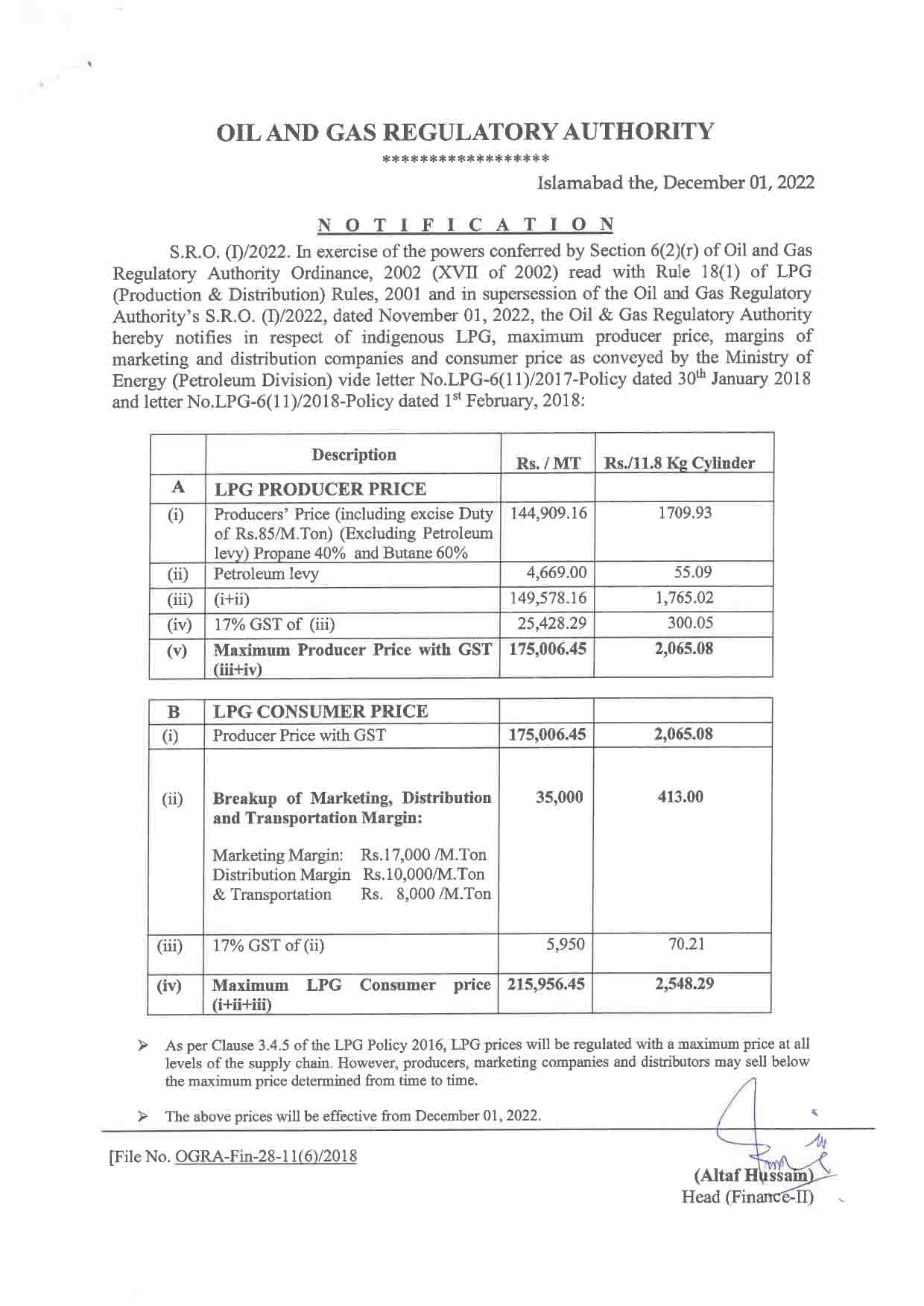
    The Oil and Gas Regulatory Authority (OGRA) has increased the prices of Liquefied petroleum gas (LPG) by Rs11.79 per kilogramme for this month.

    The price of a domestic cylinder (11.8 Kg) has gone up by Rs139 while the price of a commercial cylinder increased by Rs535, according to a notification from OGRA.

    As per the new pricing, the domestic cylinder will now be available at Rs2,548 and the commercial cylinder will be available at Rs9,804.

    LPG Prices OGRA

    The federal government earlier announced to keep the prices of petrol and diesel unchanged for the next 15 days, despite a global reduction in oil prices.

    Finance Minister Ishaq Dar announced to keep the prices of petrol and high-speed diesel unchanged for the next 15 days.

    However, Dar announced a reduction of Rs10 per litre in the price of kerosene oil and Rs7 per litre in light diesel.

  • OGRA announces 13% reduction in RLNG price

    OGRA announces 13% reduction in RLNG price

    The Oil and Gas Regulatory Authority (Ogra) has announced a 13 per cent decrease in the cost of re-gasified liquefied natural gas (RLNG) for this month, as the international spot market remained out of reach for Pakistan and the average cost of cargos under a long-term contract fell slightly as oil prices fell.

    According to Brecorder, the basket RLNG price was also lower owing to the second LNG contract with Qatar, which is available to Pakistan at 10.2 per cent of Brent, included four cargos instead of the usual two. The number of LNG cargos from Qatar under the first contract was four for the period, rather than the usual six, at a rate of 13.37 per cent of Brent.

    The average basket price for LNG supply at the import stage (delivered ex-ship), according to a notification from Ogra on Monday, was calculated to be $11.56 per million British thermal unit (mmBtu) for Pakistan State Oil (PSO) for eight cargos (all from Qatar) and $11.856 per mmBtu for Pakistan LNG Limited (PLL) for one cargo under another long-term contract with an LNG trader at 12.14 per cent of Brent.

    As a result, the price of imported RLNG for two gas firms, SSGCL and SNGPL, decreased by roughly $2.2 to $2.3 per mmBtu, or about 13 per cent. SNGPL’s sale price was announced as $14.78 per mmBtu and SSGCL’s as $15.19 per mmBtu. In addition, the price per mmBtu at transmission stage fell by 15–16 per cent in July, from $19.07 to $18.8 per unit in June, to $16.

  • OGDCL confirms gas discovery near Ghotki, Sindh

    OGDCL confirms gas discovery near Ghotki, Sindh

    On Wednesday, the Oil and Gas Development Company Limited (OGDCL) announced the finding of gas from an exploration well near Ghotki, Sindh.

    “The joint venture (JV) of Guddu Block comprising Oil & Gas Development Company Limited as an operator (70 per cent), SPUD Energy PTY Limited (SEPL) (13.5 per cent), IPR Transoil Corporation (IPRTOC) (11.5 per cent), and Government Holdings (Private) Limited (GHPL) (5 percent) has discovered Gas from an exploratory well namely Umair South East # 01, which is located in District Ghotki, Sindh,” the company stated in a notice.

    The Umair South East # 01 well, according to OGDCL, was spudded on May 9, 2022, as an exploration well to investigate the hydrocarbon potential of the Pirkoh Formation and Habib Rahi Limestone (HRL) to a projected depth of 785m.

    “Based on the interpretation of wireline logs, successful Drill Stem Test-1 in HRL tested 1.063 million standard cubic feet per day (mmscfd) gas through choke size 32/64” at 210 pounds per square inch (PSi) Well Head Flowing Pressure (WHFP)”.

    The finding of Umair South East-1 is the outcome of Guddu Joint Venture Partners’ aggressive exploration approach, according to the Pakistani oil and gas business.

    “It has opened a new route and will favourably contribute to alleviating energy demand and supply gaps from indigenous resources, while also adding to OGDCL’s and the country’s hydrocarbon reserves base,” it said.

    The discovery comes at a fortunate time for Pakistan, which has recently experienced huge power outages and a gas scarcity.

    Mari Petroleum Company Limited (MPCL) discovered gas/condensate earlier this month in the Bannu West-1 ST-1 Exploration Well, which was drilled in the Bannu West Block in North Waziristan, Khyber Pakhtunkhwa.