Tag: Oil and Gas Regulatory Authority

  • OGRA slashes LPG prices by Rs13 per kilogram

    OGRA slashes LPG prices by Rs13 per kilogram

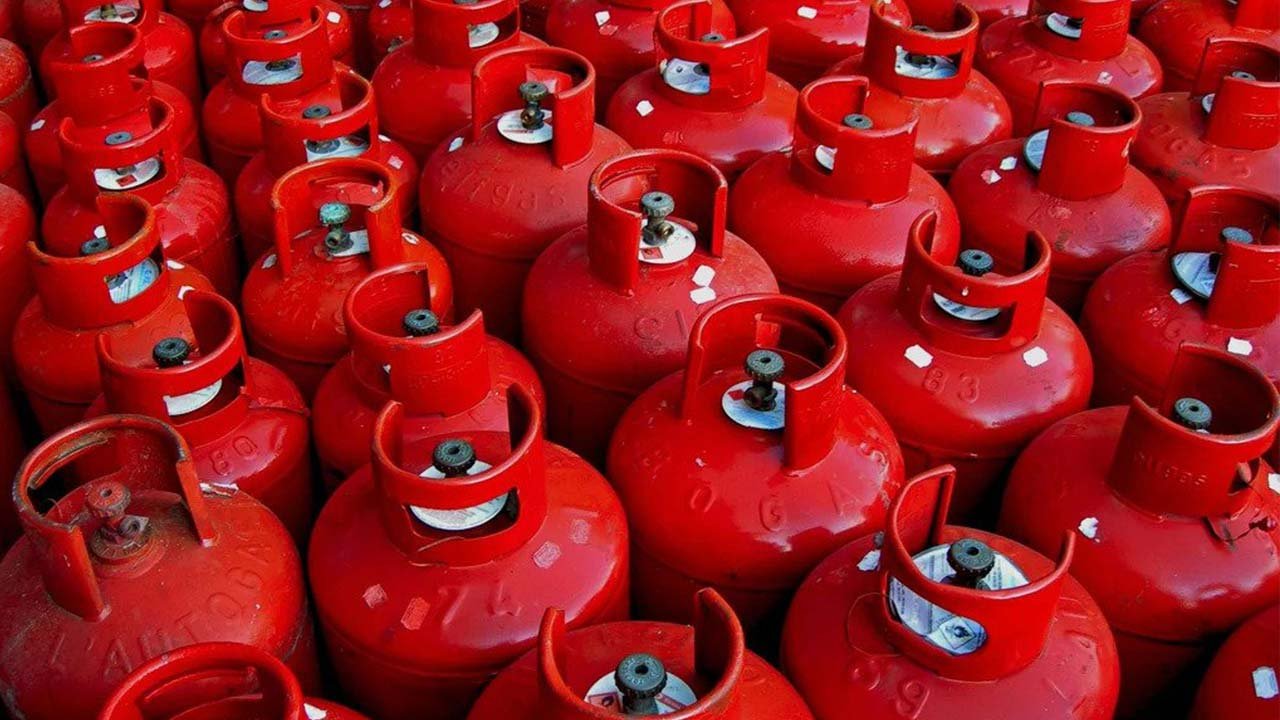
    The Oil and Gas Regulatory Authority (OGRA) has announced a Rs13 per kilog price cut for liquefied petroleum gas (LPG).

    The cost of an LPG household cylinder has been decreased by Rs155, according to a notification released today. Under the revised tariffs, it will be offered for Rs2,581.35, which includes the sale of a commercial cylinder for Rs9,931.65.

    Chairman of the LPG Distributors Association Pakistan, Irfan Khokhar, commented on the matter, claiming that LPG is 45 per cent cheaper than petrol and diesel at present pricing.

    If the government focuses on the sector, he claims that LPG prices can be decreased by another 60 to 65 per cent.

    This is somewhat good news, as many house owners in developing housing societies lack access to Sui Gas connections and rely on LPG cylinders, which are offered at exorbitant costs. The recent price reductions may help consumers cope with the effects of inflation.

    It is important to note that LPG is an alternative and fuel that is mostly utilised for cooking, heating, and lighting especially in rural and hilly sections of the country where natural gas pipelines are not available.

  • International oil prices declined by 4%, crashing below $100 per barrel

    International oil prices declined by 4%, crashing below $100 per barrel

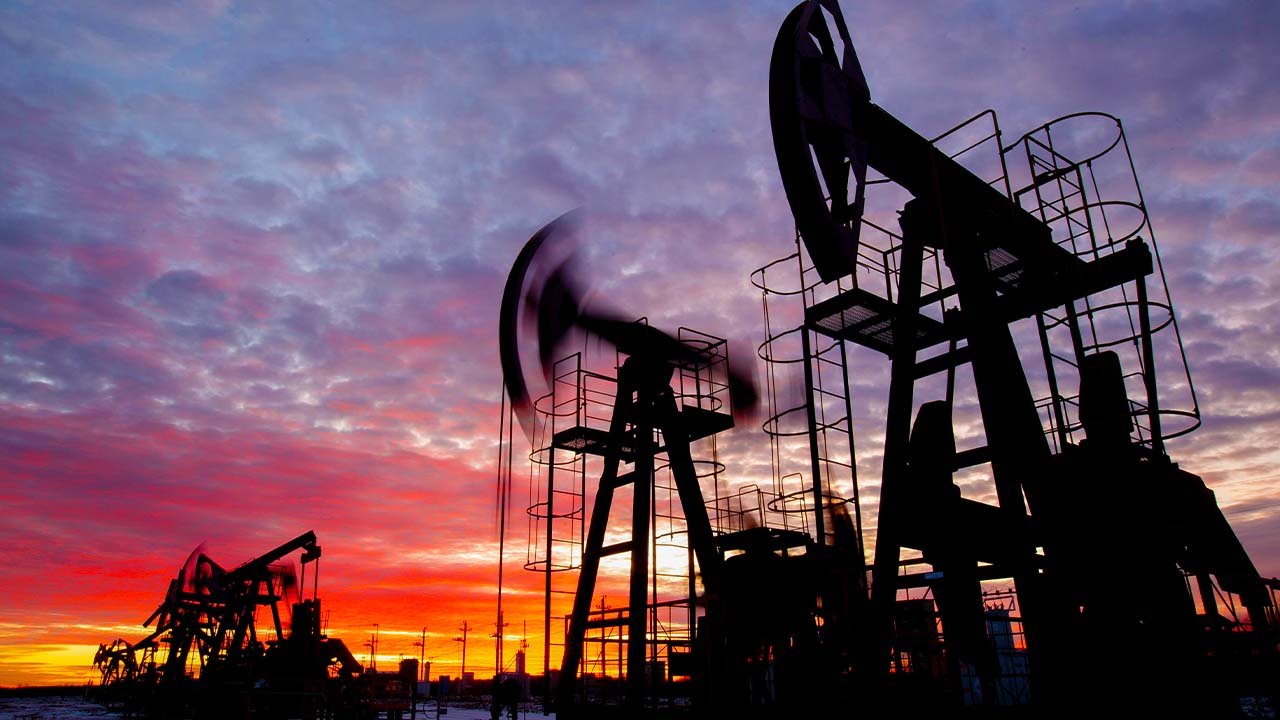
    Brent crude slid below $100 for the first time since March 16 amid plans to release huge amounts of petroleum and oil products from strategic storage, and also China’s prolonged coronavirus closure.

    Crude oil was down $4.1, or 3.99 per cent, at $98.68 per barrel. The price of US West Texas Intermediate (WTI) crude fell $4.28 a barrel, or 4.28 per cent, to $94.07 per barrel.

    The International Energy Agency (IEA) recently announced that member countries will release 60 million barrels over the next six months, with the United States matching that amount as part of its 180-million-barrel release announced in March.

    The actions are meant to make up for a shortfall of Russian crude after Moscow was extensively sanctioned for what it claims was a “special military operation” in Ukraine.

    As per JP Morgan analysts, the release of Strategic Petroleum Reserve (SPR) volumes will amount to 1.3 million barrels per day (BPD) over the next six months, enough to cover a 1 million BPD shortfall in Russian oil supplies.

    The release of strategic government oil reserves is projected to relieve some market tightness in the coming months, reducing the likelihood of oil prices rising and re-enforcing near-term supply constraints.

    While this is the largest release since the IEA stockpile was established in 1980, market participants believe it will fail to affect the principles of the oil market and will just delay further increases in production from crucial suppliers.

  • Petrol price to be raised Rs1.71 per litre on Aug 1

    Petrol price to be raised Rs1.71 per litre on Aug 1

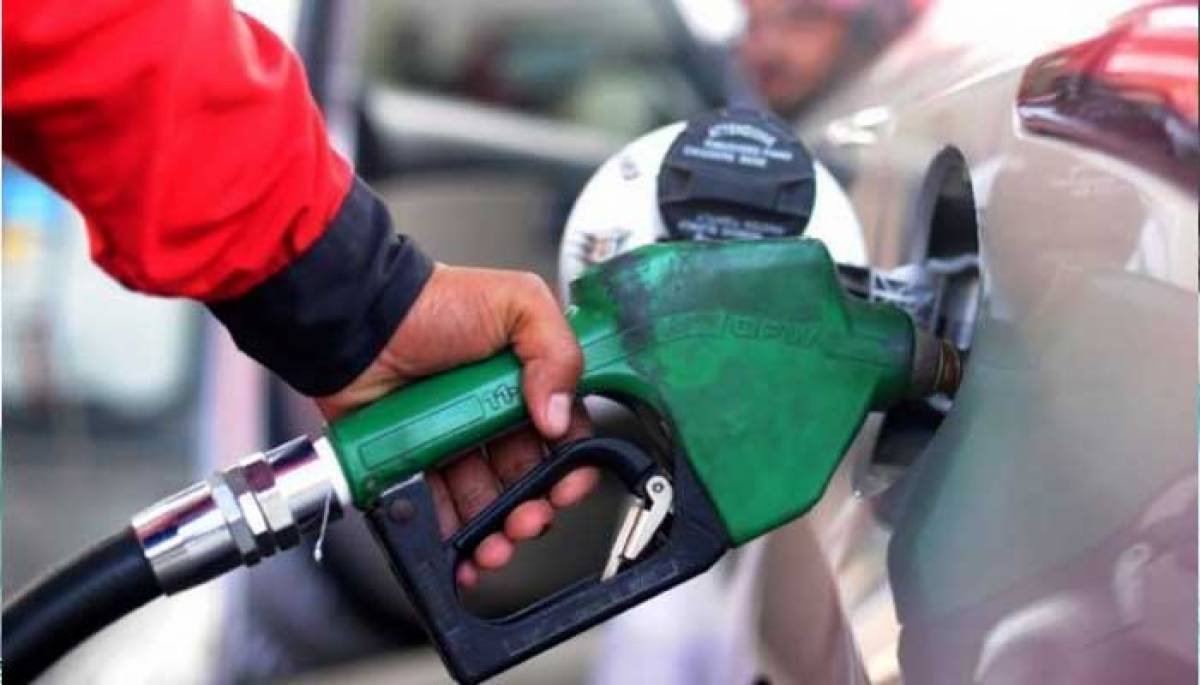
    Prime Minister Imran Khan’s aide on political communication, Dr Shahbaz Gill, announced that the government has raised the price of petrol by Rs1.71 per litre, starting August 1.

    According to Gill, the decision was made as per the recommendation of the Oil and Gas Regulatory Authority (OGRA). Petrol will consequently cost Rs119.80 per litre.

    Gill said that it was decided that the rate of high-speed diesel be kept constant, as a hike in this commodity impacts the “common man and farmers more”. Thus, diesel will continue to be priced at Rs117.53 per litre.

    Similarly, no change has been made to the price of light diesel oil.

    Meanwhile, Kerosene, starting August 1, will cost Rs0.35 dearer, at Rs85.75 per litre.

    It was rumoured that OGRA recommended a Rs1.71 per litre increase in the price of petrol and a Rs2.27 per litre increase in the price of diesel.

    Gill asked the nation to “bear in mind” that the majority of the 27 countries that have petrol prices lower than the rate in Pakistan are “self-sufficient in petroleum products”.

    “At this time, the government is collecting a nearly zero per cent tax on petroleum products,” Gill said, adding: “Right now, the whole world is in the grip of inflation due to corona.”