
Tag: Oil Management Companies

  • International oil prices declined by 4%, crashing below $100 per barrel

    International oil prices declined by 4%, crashing below $100 per barrel

    Brent crude slid below $100 for the first time since March 16 amid plans to release huge amounts of petroleum and oil products from strategic storage, and also China’s prolonged coronavirus closure.

    Crude oil was down $4.1, or 3.99 per cent, at $98.68 per barrel. The price of US West Texas Intermediate (WTI) crude fell $4.28 a barrel, or 4.28 per cent, to $94.07 per barrel.

    The International Energy Agency (IEA) recently announced that member countries will release 60 million barrels over the next six months, with the United States matching that amount as part of its 180-million-barrel release announced in March.

    The actions are meant to make up for a shortfall of Russian crude after Moscow was extensively sanctioned for what it claims was a “special military operation” in Ukraine.

    As per JP Morgan analysts, the release of Strategic Petroleum Reserve (SPR) volumes will amount to 1.3 million barrels per day (BPD) over the next six months, enough to cover a 1 million BPD shortfall in Russian oil supplies.

    The release of strategic government oil reserves is projected to relieve some market tightness in the coming months, reducing the likelihood of oil prices rising and re-enforcing near-term supply constraints.

    While this is the largest release since the IEA stockpile was established in 1980, market participants believe it will fail to affect the principles of the oil market and will just delay further increases in production from crucial suppliers.
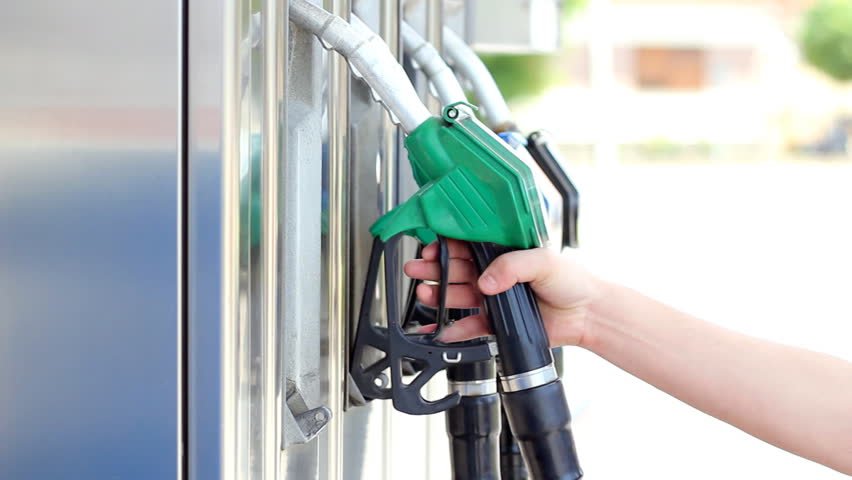
  • Govt to automate petroleum sector for end to artificial shortages

    Govt to automate petroleum sector for end to artificial shortages

    The Petroleum Division has tasked energy and technology experts to carry out a technical assessment for the automation of the petroleum sector.

    With the help of technology, an automation system will be created that will record real-time data of petroleum products’ daily sales.

    The structured and organised real-time data will also help streamline the fuel supply countrywide which would make oil-sector self-sufficient, and save billions on its annual petroleum import bill.

    The government of Pakistan is working on a strategy to revamp the oil and gas sector of the country.

    The primary function is to supply uninterrupted fuel across Pakistan by recording daily sales of oil depots and petrol pumps along with increasing the technical and professional capacity of the Oil & Gas Regulatory Authority (OGRA).

    According to the officials of the Petroleum Division, they have drafted a bill that will legally bind oil depots and petrol pumps to allow the government to record daily sales once signed into law.

    Oil depots and petrol pumps will have no choice but to follow as in case of refusal, OGRA would be legally authorised to seal the disputing depots and pumps and cancel their licences.

    “The government will not approve the attitude of Oil Marketing Companies (OMCs) from now on and will put an end to the issue of artificial fuel shortage once and for all,” an official said.