Tag: oil marketing companies

  • Oil marketing companies in Pakistan report 26% increase in sales

    Oil marketing companies in Pakistan report 26% increase in sales

    The sales of oil marketing companies (OMCs) rose by 7 per cent year-on-year (YoY) in May 2024, reaching a nine-month high of 1.39 million tonnes (MTs), compared to 1.30 MTs in May 2023, according to data released by the Oil Companies Advisory Council (OCAC).

    On a month-on-month (MoM) basis, oil sales surged by 26 per cent from April 2024, where sales were recorded at 1.10 MTs.

    In the ongoing fiscal year (11MFY24), cumulative sales stood at 13.83 MTs, a 9 per cent decline from 15.26 MTs recorded during the same period in the previous fiscal year (11MFY23).

    In May 2024, sales of Motor Spirit (MS) and High-Speed Diesel (HSD) increased by 1 per cent and 18 per cent YoY, amounting to 0.61 MTs and 0.64 MTs, respectively. Conversely, sales of Furnace Oil (FO) dropped by 24 per cent YoY to 0.07 MTs.

    On a MoM basis, the sales of MS, HSD, and FO rose by 14 per cent, 37 per cent, and 131 per cent, respectively.

    Attock Petroleum Limited experienced the highest increase in total oil sales, reaching 0.14 MTs, a 14 per cent YoY growth. Shell Pakistan Limited (PSX: SHEL) followed with a 13 per cent YoY increase to 0.10 MTs. 

    Pakistan State Oil (PSO) recorded an 11 per cent rise, reaching 0.67 MTs. In contrast, Hascol Petroleum Limited (HACOL) saw a 39 per cent YoY decline to 0.04 MTs.

    Compared to the previous month, the sales of PSO, APL, SHEL, and HASCOL increased by 19 per cent, 42 per cent, 23 per cent, and 51 per cent MoM, respectively.

    In 11MFY24, all OMCs reported a decline in sales.

    In May 2024, PSO maintained its dominance in the OMC industry with a market share of 47.9 per cent. APL and SHEL held market shares of 10.1 per cent and 7.2 per cent, respectively, during the review period.
  • Govt expected to hike petrol price on Thursday

    Govt expected to hike petrol price on Thursday

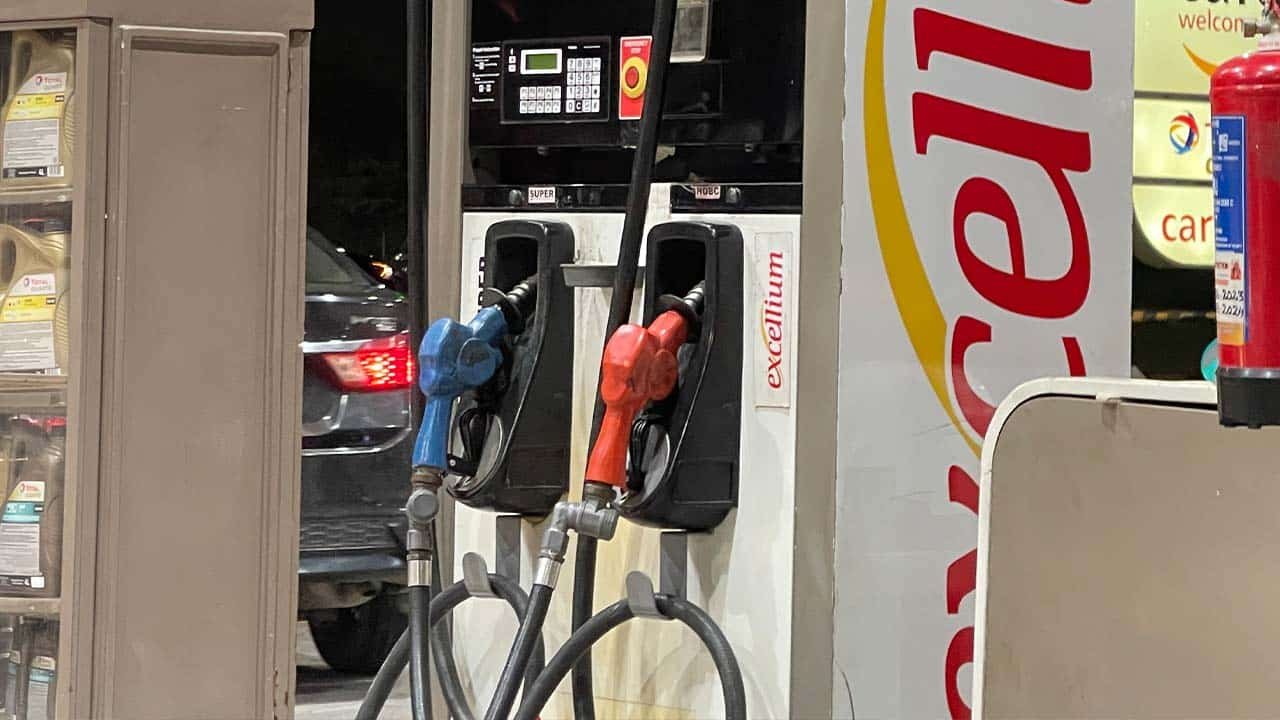
    In the final fortnight of November 2023, the per litre price of petrol in Pakistan is projected to experience an increase of Rs3.18, while high-speed diesel (HSD) is anticipated to undergo a reduction of Rs8.30 per litre on Thursday, November 16.

    Sources have indicated that the pricing trajectory of petroleum products is poised for a mixed trend in the latter half of the current month of November 2023.

    The price of petrol is forecasted to rise from Rs283.38 per litre to Rs286.56 per litre, marking an uptick of Rs3.18 per litre.

    Correspondingly, the cost of HSD/diesel is expected to decrease by Rs8.30 per litre, moving from Rs303.18 per litre to Rs 294.88 per litre.

    Additionally, the price of kerosene oil is projected to witness a decline of Rs5.61 per litre, transitioning from Rs211.03 per litre to Rs205.42 per litre.

    Furthermore, the price of light diesel oil (LDO) is set to experience a reduction of Rs8.33 per litre, shifting from Rs189.46 per litre to Rs181.13 per litre.

    These price adjustments are calculated based on current government taxes and the prevailing US dollar exchange rate, as per informed sources.

    According to Profit, the government may uphold the price of petrol due to outstanding forex adjustments, while a reduction of Rs10 per litre is expected for diesel (HSD).

    Notably, starting from 1st November 2023, the government has imposed a petroleum levy (PL) of Rs60 per litre on petrol and diesel, alongside receiving an Inland Freight Equalization Margin (IFEM) of Rs7.71 per litre on petrol and Rs0.60 per litre on diesel.

    Additionally, the Dealers’ Margin (inclusive of extra margin) on petrol and diesel presently stands at Rs8.64 per litre.

    Similarly, the margin for Oil Marketing Companies is fixed at Rs7.87 per litre.

    Furthermore, the Distributors’ Margin (inclusive of extra margin) on diesel is currently set at Rs8.12 per litre, and on petrol, it is Rs7.87 per litre, effective from 1st November 2023.

    On 1st November, the government maintained the prices of petrol and diesel at Rs283.38 per litre and Rs303.18 per litre, respectively.

    Simultaneously, the price of kerosene oil witnessed a reduction of Rs3.82 per litre, establishing the new price at Rs211.03 per litre.

    The price of LDO was also decreased by Rs3.40 per litre, fixing the new price of LDO at Rs189.46 per litre for the first half of November 2023.

  • ECC approves margin hike for petroleum dealers and OMCs starting September 15

    ECC approves margin hike for petroleum dealers and OMCs starting September 15

    The Economic Coordination Committee (ECC) of the Cabinet, in a significant move, has given its nod to incrementally raise the margins of petroleum dealers and oil marketing companies (OMCs) starting from September 15. This decision followed a detailed review of a proposal submitted by the Ministry of Energy (Petroleum Division).

    The ECC’s decision entails an enhancement of the margins for petroleum dealers handling Motor Spirit (MS) and High-Speed Diesel (HSD) by Rs1.64 per litre. This increment will be implemented through four fortnightly installments of Rs0.41 per litre, effective from September 15, 2023.

    Furthermore, OMCs will also see their margins on MS and HSD increase by Rs1.87 per litre. This increment will likewise be phased in over four installments, each amounting to Rs0.47 per litre, also commencing on September 15, 2023.

    To ensure transparency and efficiency in determining these margins, the ECC has entrusted the responsibility to the Oil and Gas Regulatory Authority (Ogra). Ogra is expected to develop a systematic mechanism for margin calculation, taking into account the operational costs incurred by OMCs and dealers, with specific reference to Pakistan State Oil (PSO).

    In a separate development, the ECC meeting addressed the financial challenges faced by Pakistan International Airlines (PIA). The national carrier had requested a provision of Rs22.9 billion, as well as the deferment of Rs1.3 billion per month to the Federal Bureau of Revenue (FBR), along with loans and markup amounts until the finalization of the restructuring plan.

    However, the ECC decided to reject PIA’s request. It was also agreed upon that the Finance Division and the State Bank of Pakistan would extend their support to PIA once a concrete restructuring plan is developed and submitted to the committee’s satisfaction.

    Additionally, the ECC approved a Technical Supplementary Grant of Rs40 billion to fund various pre-approved projects for defense services and to cover subsidies and miscellaneous expenditures during the fiscal year 2023-24. This funding will be disbursed on a case-by-case basis, aligning with the current budgetary provisions.

    According to The News, The ECC’s decisions reflect the government’s commitment to addressing the financial dynamics of the petroleum sector and the ongoing restructuring efforts within PIA, while maintaining fiscal prudence in budget allocations.

    This latest development is expected to have a significant impact on the energy sector and the national carrier, as stakeholders closely monitor the implementation of the ECC’s decisions in the coming fortnights.

  • Petrol, diesel prices expected to decrease following decline in global crude oil prices

    Petrol, diesel prices expected to decrease following decline in global crude oil prices

    Petroleum product prices in Pakistan are expected to reduce from April 1st following a decline in international crude oil prices. The oil marketing companies (OMCs) estimated that the price of diesel could go down by Rs15-20 per litre, while the price of petrol is expected to decline by Rs4-5 per litre.

    However, industry sources suggest that the Finance Division may keep the prices unchanged.

    In its last fortnight review, the federal government had increased the price of petrol to Rs272 per litre, attributing the hike to the depreciation of the Pakistani rupee against the US dollar and an increase in the prices registered by Platts Singapore.

    The government raised the price of MS (petrol) by Rs5 per litre and hi-speed diesel by Rs13 per litre. The price of kerosene oil saw an increase of Rs2.56 by reducing the government’s dues, while the price of light diesel oil remained constant by adjusting the government dues.

    The new prices came into effect on March 16 and will remain in place until March 31. The Finance Division is expected to announce the new rates late on March 31, which will remain in place for the next 15 days.

  • Petrol pumps to face strict consequences for creating artificial fuel shortage

    Petrol pumps to face strict consequences for creating artificial fuel shortage

    The inflation crisis in the country has been exacerbated by an artificial fuel shortage in Rawalpindi and Islamabad. Petrol and diesel supplies have been cut off at several pumps for two days.

    Petrol pump owners were only supplying petrol of Rs250 for motorcycles and Rs500 for a car. Dealers and pump owners are causing the shortage in order to make extra profit when fuel prices are announced to increase. During the day, 60 per cent of pumps have ceased supplying fuel, rising to 80 per cent at night until midnight. The dealers and owners are waiting for the government to announce a fuel price hike until midnight.

    In response to the fuel shortage, Rawalpindi’s Deputy Commissioner, Shoaib Ali, has ordered assistant commissioners to take immediate action against petrol pumps for not supplying fuel. Despite previous fines, notices, and applications for FIRs against Oil Marketing Companies, the government has been unable to control the artificial petrol crisis in the twin cities of Rawalpindi and Islamabad and across the country. There is speculation that the government will raise fuel prices by Rs20 to Rs30 per liter, leading to over 60 per cent of dealers and pump owners halting supply for two days to increase profits. Despite having tanks filled with petrol, they have stopped supply.

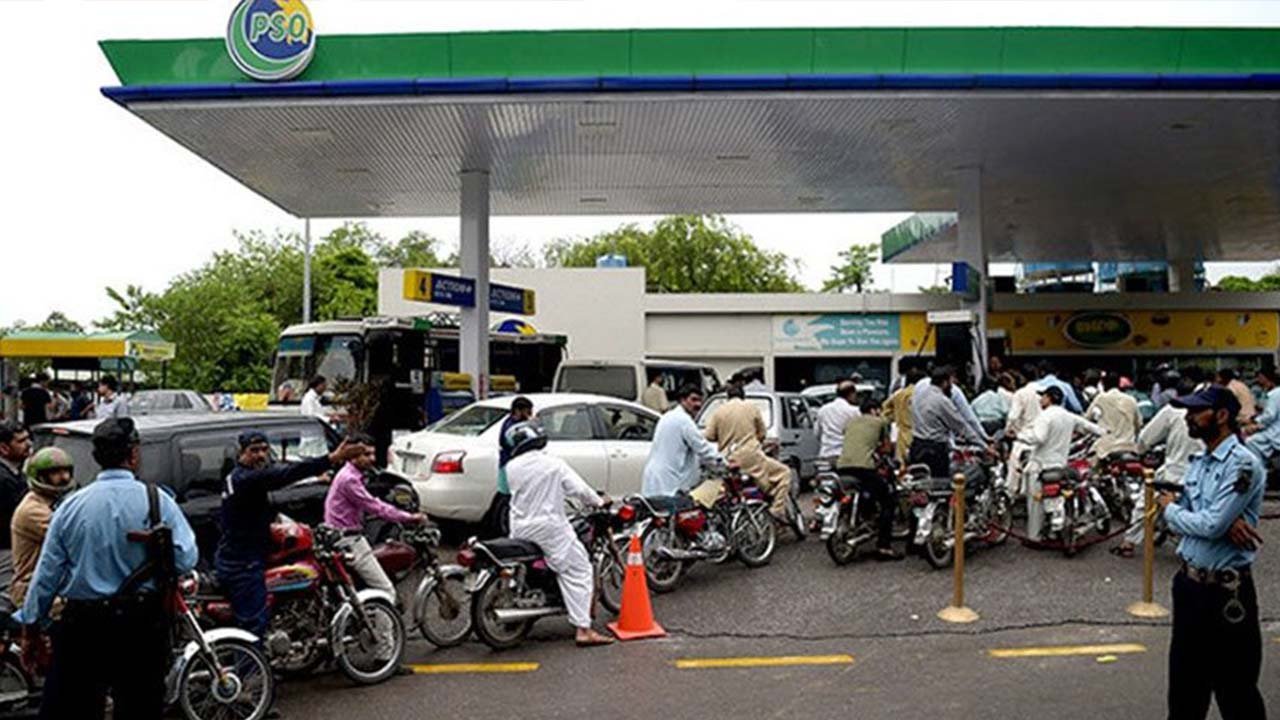
    Assistant Commissioner Syed Asad Abbas informed The News that the DC has ordered strict action against petrol pump owners for causing an artificial fuel shortage for two days. The AC has begun taking action, including sealing pumps and filing FIRs against them. Residents of Rawalpindi and Islamabad have reported a lack of fuel at several petrol pumps for two days, with long lines of motorists observed at Pakistan State Oil (PSO) pumps while other pumps were not providing fuel.

    Motorists were seen frantically searching for fuel as it was unavailable at many petrol pumps in areas such as Tipu Road, Murree Road, Jhanda Chichi, Kutcherry Chowk, Adiala Road, Pirwadhai, Mall Road Saddar, Rawal Road, Jhelum Road, and others. The long lines of vehicles at petrol pumps also caused traffic congestion throughout the city.

    Petrol pump managers, speaking to The News on the condition of anonymity, confirmed that fuel supply had been cut off, with some blaming unknown reasons for the shortage. They warned that if the supply did not resume, motorists could experience severe fuel shortages in the future. Taxi drivers, who rely on daily earnings to support their families, were particularly affected by the situation and expressed strong criticism of the government for failing to provide basic services to the public.

  • Forced stabilisation of oil prices causes oil industry to face over Rs7 billion in losses: OCAC

    Forced stabilisation of oil prices causes oil industry to face over Rs7 billion in losses: OCAC

    Maintaining oil prices for the second consecutive fortnight could harm the oil industry and disrupt petroleum products supply. The oil industry claims that it has suffered a loss of over Rs7 billion due to the government’s plan to keep oil prices artificially low.

    The nation’s oil industry protested against the government’s “manipulation” of the pricing system in its most recent fortnightly review to keep ex-depot petroleum product prices the same for the next 15 days.

    “This forced stabilisation of oil prices at the cost of the industry is not sustainable and will severely impact the already crippled oil industry,” wrote the Oil Companies Advisory Council (OCAC) — an umbrella organisation of more than three dozen oil marketing companies (OMCs) and refineries — to the Ministry of Energy on Wednesday.

    Following political pressure from the opposition Pakistan Tehreek-i-Insaf (PTI), the government declared on Tuesday that all product prices will remain unchanged. However, market participants, including Ogra, had predicted hikes in POL prices beginning on November 16.

    The oil sector claimed that the government was maintaining the rates in defiance of the long-standing pricing system. Over the next 15 days, the oil industry is expected to lose more than Rs7.6 billion as a result of the unilateral shift in pricing.

    According to the OCAC, the price freeze would result in losses for OMCs of Rs8.34 on each litre of petrol and Rs7.15 on each litre of high-speed diesel (HSD), totaling Rs7.55 billion.

    Even though the rates were rising in accordance with the pricing methodology set by the government itself, it claimed that the prices of motor fuels had remained the same for the second fortnight of November. Instead of passing on the increase or absorbing the increase by lowering the petroleum levy, it was claimed that the price components were “very forcefully and unjustly reduced.”

    “The industry is already facing a severe financial crunch due to high global prices, depreciation of the rupee, increased charges on confirmation of letters of credit, high premiums on import, etc and will not be able to survive if these unfair adjustments are not removed immediately”, the OCAC wrote to the Oil and Gas Regulatory Authority (Ogra) and the Petroleum Division.

    According to Dawn, inland freight equalisation margin (IFEM), a collection of transportation fees paid to OMCs, was decreased by Rs3.21 and Rs2.72 per litre on petrol and HSD, respectively, according to the OCAC. According to sources, the Ministry of Finance called the senior Ogra officials on Tuesday night to make these cuts.

    On gasoline and HSD, respectively, the exchange loss adjustment was also decreased by Rs3.01 and Rs2.11 per litre. Additionally, the long-awaited increase of OMC’s sales margins from Rs2.68 to Rs6 per litre was approved by the ECC on October 31. With another loss of Rs2.32 per litre on both products, the “revised margin for both products has not been incorporated in the prices.”

    Based on estimated sales volumes for the second fortnight of November from Ogra, the OCAC estimated a total loss of Rs7.55 billion, including Rs4.25 billion for petrol and Rs3.30 billion for HSD.

    The “forced price stabilization” could pose problems for the supply chain and jeopardise the industry’s survival, according to the OCAC, given the lower stock levels and higher import volume requirements.