Tag: oil prices

  • Good news: the gain of the rupee continues, now at Rs288.75

    Good news: the gain of the rupee continues, now at Rs288.75

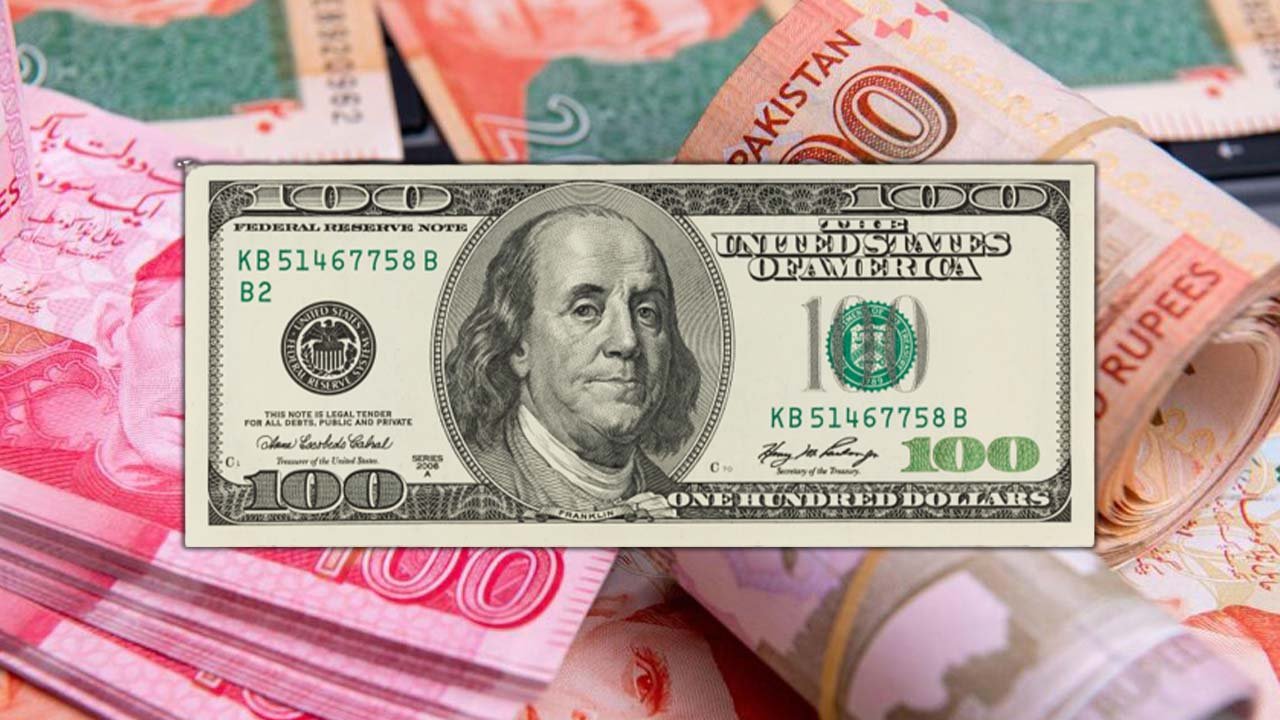
    The Pakistani rupee continued to exhibit strength against the US dollar, marking a 0.36 per cent gain in the inter-bank market on Wednesday. Remarkably, this marks the rupee’s 16th consecutive appreciation against the greenback.

    According to the State Bank of Pakistan (SBP), the rupee settled at Rs288.75, reflecting an increase of Rs1.05 in the inter-bank market. This follows a 0.37 per cent appreciation observed on Tuesday, settling at Rs289.80.

    Over the past days, the rupee has consistently followed an upward trajectory, showcasing a remarkable recovery of over 6 per cent since reaching a historic low of Rs307.1 against the US dollar in the inter-bank market on September 5.

    On the global stage, the US dollar maintained its robust position, trading near a 10-month high against major currencies on Wednesday. This situation is underpinned by the persistent elevation of Treasury yields, driven by expectations of sustained higher US interest rates. Concurrently, the yen faced challenges as it edged closer to a critical intervention threshold.

    Recent statements from Federal Reserve officials have hinted at the possibility of further interest rate hikes, despite the central bank’s decision to hold rates steady the previous week. This has led to an ascent in US Treasury yields to levels not seen in several years, as financial markets recalibrate their expectations regarding the potential peak of US rates and the likelihood of a prolonged period of tight monetary conditions.

    The US dollar index, a gauge of its strength, recently stood at 106.20, having reached a 10-month peak of 106.26 in the preceding session. Meanwhile, the euro remained subdued, hovering close to a six-month low and trading at approximately $1.0569.
  • Pakistani rupee settles at Rs290.86 against US dollar, marking 14th consecutive gain

    Pakistani rupee settles at Rs290.86 against US dollar, marking 14th consecutive gain

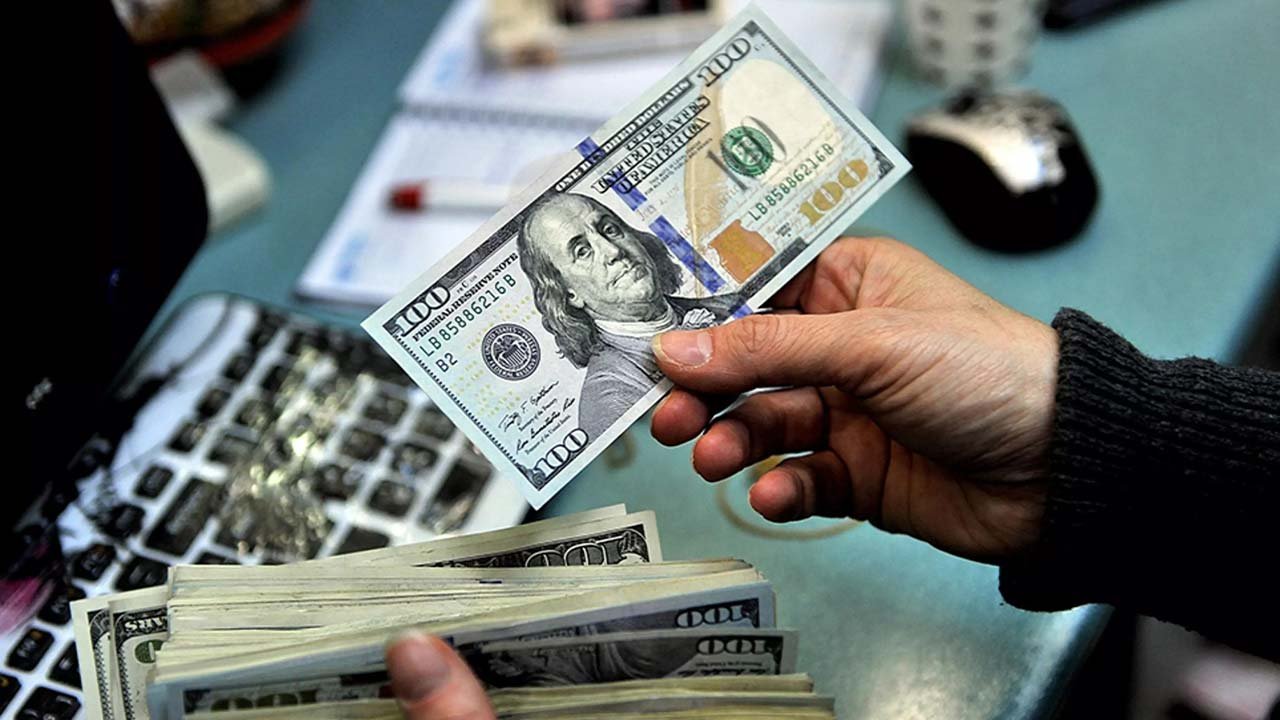
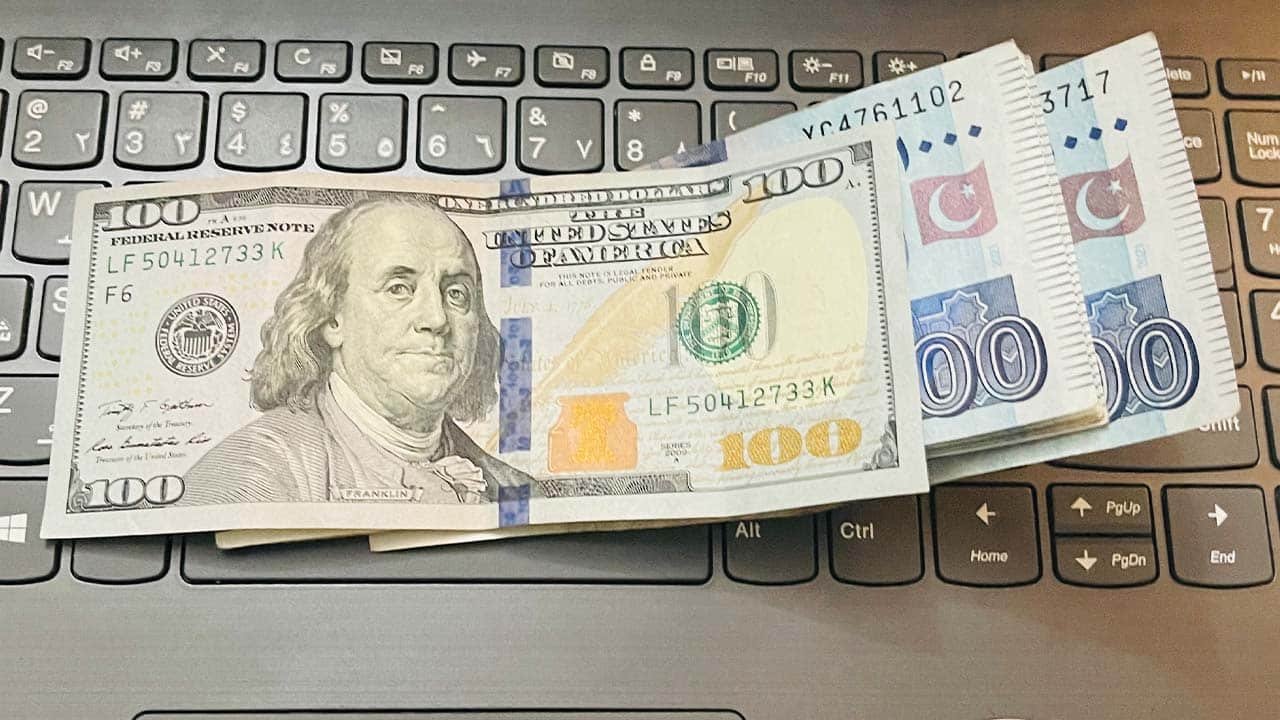
    In continuation of its recent positive streak, the Pakistani rupee extended its upward trajectory against the US dollar for the 14th consecutive session, marking a gain of 0.31 per cent in the interbank market on Monday.

    According to data released by the State Bank of Pakistan (SBP), the rupee closed at Rs290.86, representing a noteworthy increase of Re0.9 in the inter-bank market. This sustained appreciation trend has seen the rupee make significant gains, amounting to 5.28 per cenr, or Rs16.24, since its record low of Rs307.1 against the US dollar on September 5 in the inter-bank market.

    In the previous week, the rupee experienced a further appreciation of 1.74 per cent, concluding positively for all five trading sessions and settling at Rs291.76 against the US dollar in the inter-bank market by the end of the week. Additionally, the rupee’s performance in the open market has strengthened, reducing the ‘premium’ to negligible levels and aligning with the benchmarks established by the International Monetary Fund (IMF).

    While several experts attribute the rupee’s recent gains to administrative and enforcement measures, some argue that these increases reflect the currency’s intrinsic value when speculative influences and negative sentiment are excluded.

  • Pakistani rupee gains value, now at Rs292.78 per US dollar

    Pakistani rupee gains value, now at Rs292.78 per US dollar

    The Pakistani rupee’s ascent against the US dollar persisted for the 12th consecutive session in the inter-bank market on Thursday, registering a 0.38 per cent gain.

    According to the State Bank of Pakistan (SBP), the rupee settled at 292.78, marking a notable increase of Rs1.1 within the inter-bank market. Just the day before, on Wednesday, the rupee had exhibited a similar upward trend, appreciating by 0.35 per cent and settling at 293.88.

    This remarkable turnaround in the rupee’s value follows a recent period of decline, during which it hit a record low of 307.1 in the inter-bank market on September 5.

    The transformation in its fortune can be attributed to a series of structural reforms introduced by the State Bank of Pakistan (SBP) within the Exchange Companies’ (ECs) sector, along with various administrative measures implemented by authorities to combat currency smuggling and hoarding.

    On the global stage, the US dollar reached new heights on Thursday, notably against the yen, marking its strongest position since November.

    This surge in the dollar’s strength followed a hawkish stance taken by the US Federal Reserve at its recent monetary policy meeting, where it opted to maintain interest rates within the 5.25 per cent–5.50 per cent range.

    The Fed’s decision reflected a growing confidence among officials that their assertive monetary policy approach can effectively combat inflation without causing significant economic disruption or substantial job losses.

    Conversely, oil prices experienced a decline on Thursday, following the previous session’s significant drop, as expectations of US interest rate hikes overshadowed the impact of reduced US crude stockpiles.

  • PKR gains for 11th straight session, reaches Rs293.88 per dollar

    PKR gains for 11th straight session, reaches Rs293.88 per dollar

    The Pakistani rupee continued its upward trend against the US dollar, marking the 11th consecutive session of appreciation in the interbank market on Wednesday.

    According to the State Bank of Pakistan (SBP), the rupee closed at 293.88, reflecting a 0.35 per cent increase. This follows a 0.36 per cent appreciation on Tuesday, when it settled at 294.90.

    Recent days have seen a remarkable strengthening of the rupee, with a nearly 4.5 per cent gain since hitting a record low of 307.1 in the inter-bank market on September 5. 

    This turnaround is attributed to structural reforms introduced by the State Bank of Pakistan (SBP) in the Exchange Companies’ (ECs) sector and reported efforts to combat smuggling, both of which have provided support to the currency markets.

    Globally, the US dollar remained steady on Wednesday, with a slight softening against the yen, in anticipation of the Federal Reserve’s highly anticipated rate decision later in the day. 

    The US dollar index, which gauges the greenback against a basket of currencies, held steady at 105.13 as traders awaited the Fed’s announcement. Market expectations are that the Fed will likely maintain interest rates in the range of 5.25 per cent to 5.50 per cent, putting the spotlight on the central bank’s forward guidance.

    Meanwhile, oil prices, a significant indicator of currency stability, declined by nearly $1 on Wednesday, ahead of the US Federal Reserve’s interest rate decision. Investors remain uncertain about when peak interest rates will be reached and the potential impact on energy demand. 

    These price drops occurred despite larger-than-expected reductions in US oil stockpiles and weaker US shale output, both of which point to limited crude supply for the remainder of 2023.

  • 10-day winning streak: Pakistani rupee soars to Rs294.90 against US dollar 

    10-day winning streak: Pakistani rupee soars to Rs294.90 against US dollar 

    In a noteworthy financial trend, the Pakistani rupee continued its upward trajectory against the US dollar, marking its 10th consecutive session of appreciation in the interbank market. On Tuesday, the rupee displayed resilience by appreciating by 0.36 per cent, settling at Rs294.9, following a notable increase of Rs1.05. 

    This positive momentum in the exchange rate follows the previous day’s gain, where the rupee had strengthened by 0.3 per cent to close at Rs295.95. This recent surge in the value of the Pakistani rupee comes in stark contrast to its earlier performance, when it reached an all-time low of Rs307.1 in the interbank market. 

    The shift in fortune can be attributed to government initiatives aimed at reforming the Exchange Companies’ (ECs) sector and cracking down on smuggling activities, both of which have bolstered confidence in the currency markets. 

    This development offers some relief to the prevailing economic outlook, which had been under pressure due to the easing of import restrictions, leading to a widening of the current account deficit in July. 

    Analysts at Topline Securities anticipate that the PKR/USD exchange rate in the inter-bank market will likely remain within the range of Rs320–340 by June 2024, providing a forward-looking perspective on the currency’s performance. 

    Meanwhile, on the global stage, the US dollar experienced a modest decline, albeit remaining close to its six-month peak against major currencies. This movement occurred ahead of the Federal Reserve’s highly anticipated interest rate decision scheduled for Wednesday. 

  • Pakistani rupee surges 0.43% versus US dollar in inter-bank trading

    Pakistani rupee surges 0.43% versus US dollar in inter-bank trading

    The Pakistani rupee displayed resilience against the US dollar, registering a noteworthy 0.43 per cent appreciation in the early hours of trading within the inter-bank market on Friday.

    By 11:15 am, the rupee had reached a level of 296.68, marking a substantial increase of Rs1.28 in the inter-bank market.

    In contrast, on the previous Wednesday, the rupee had demonstrated a 0.29 per cent appreciation, ultimately settling at 297.96.

    Concurrently, the Monetary Policy Committee (MPC) of the State Bank of Pakistan (SBP) opted to maintain the key policy rate at 22 per cent, anticipating a future decline in inflation.

    This decision mirrors the MPC’s stance during the preceding meeting, indicating a consistent status quo in the policy rate despite market expectations of a potential rate hike.

    Internationally, the US dollar maintained relative stability in the Asian market on Friday, slightly retreating from its recent gains against other currencies. This shift coincided with the strengthening of the yuan, driven by positive economic data from China.

    The US dollar’s surge was driven by an unexpected increase of 0.6 per cent in August retail sales, surpassing the estimated 0.2 per cent rise. Additionally, market participants reacted to the European Central Bank’s 25-basis-point hike.

    While the US dollar index currently stands at 105.32, marginally lower than Thursday’s six-month peak of 105.43, it still maintains its overall strength.

    Furthermore, oil prices experienced an uptick on Friday, marking their third consecutive weekly gain. This rise was influenced by better-than-expected Chinese economic data and reports indicating record oil consumption, reinforcing the belief in continued high demand from the world’s second-largest crude consumer.

  • Petrol and diesel prices expected to surpass Rs300 per litre this week

    As global oil rates surge and the rupee’s value against the US dollar weakens, there are growing indications that petrol and diesel prices in Pakistan could soon breach the significant Rs300 mark. The Oil and Gas Regulatory Authority (Ogra) is reportedly contemplating recommending a substantial increase in petroleum product prices for the upcoming fortnight, in an attempt to address the challenges posed by these economic dynamics.

    Sources indicate that if the proposal is approved, petrol prices might experience a sharp upswing of around Rs12 per litre, while diesel could see an even more substantial increase of Rs14.83 per litre. These potential hikes, set to take effect from September 1, 2023, have sparked concerns about their impact on the already high inflation rate, which currently stands at 28 per cent.

    A senior official from the Energy Ministry has expressed apprehensions regarding the potential consequences of these price adjustments. Balancing the need to mitigate citizens’ financial burdens with the demands of existing agreements, the government is grappling with a challenging decision. Notably, any attempt to counteract the price hikes could put the caretaker government in a precarious situation, as it might be perceived as a default on the International Monetary Fund’s (IMF) stipulations tied to a $3 billion standby agreement (SBA) loan.

    The depreciation of the rupee against the dollar has further fueled the need for these adjustments. With the dollar’s value reaching Rs301.75 in the interbank market and around Rs319 in the open market, the impact on petroleum prices is undeniable. The authorities have decided to recalibrate their calculations, opting for a dollar rate of Rs299 to account for the recent Rs12 exchange rate impact.

    Beyond the exchange rate, the recent surge in LC (letter of credit) confirmation charges, marked by a 10 per cent increase, has also played a role in pushing petroleum prices upwards. These charges have contributed to the overall increase in the cost of PSO (Pakistan State Oil) petroleum products. Presently, Mogas (motor gasoline) is priced at Rs290.45 per litre; however, this could rise by Rs12 per litre if the recommendations are greenlit. Similarly, the price of HSD (high-speed diesel) might surge from Rs293.40 per litre to Rs308.23 per litre, assuming the proposed Rs14.83 increase goes into effect.

    According to The News, of particular concern is the potential hike in diesel prices, given its primary use in powering heavy transport vehicles, trains, and various agricultural engines. This ripple effect could raise the cost of essential commodities, putting pressure on consumers’ wallets. 

    On the other hand, a surge in petrol prices would directly affect private transportation, rickshaws, two-wheelers, and small vehicles, disproportionately impacting the budgets of middle and lower-middle-class citizens. The impending decision on petroleum prices presents a delicate challenge for the government, requiring a careful balance between economic realities, inflation concerns, and public sentiment.

  • IMF loan delay continues to impact Pakistani rupee

    IMF loan delay continues to impact Pakistani rupee

    During trading on Wednesday, the Pakistani rupee experienced a slight decrease against the US dollar, with a depreciation of almost 0.06 per cent in the inter-bank market. At around 12:45 pm, the currency was being traded at Rs284.06, which is a decline of Re0.16.

    This comes after the rupee had previously regained some ground against the US dollar on Tuesday, settling at Rs283.9 in the inter-bank market. The International Monetary Fund (IMF) Extended Fund Facility (EFF) has been stalled since last year, and market participants are waiting for its resumption.

    Experts have suggested that the reduced demand for US dollars can be attributed to the increase in inflows from workers’ remittances and a decline in import payments. Globally, the dollar saw some stability on Wednesday after being influenced by bond market volatility. Investors closely monitored US economic indicators, Federal Reserve commentary, and corporate earnings for indications about the path for interest rates.

    The dollar index, which measures the greenback against six major peers, rose by 0.11 per cent to 101.83 in Asian trading, following a 0.36 per cent decline on Tuesday that reversed the 0.54 per cent increase from the previous session.

    Oil prices, which serve as a significant indicator of currency parity, declined on Wednesday as the market considered potential interest rate hikes from the Federal Reserve. Such hikes could slow growth and dampen oil consumption, offsetting the impact of falling US inventories and strong Chinese economic data.

  • Petrol price may go down by Rs7.24 to Rs230.19 per liter

    According to industry projections, the ex-depot cost of petrol has declined by Rs7.24 per litre to Rs230.19 per litre for the upcoming fortnight from the current price of Rs237.43 per litre, as reported by The News.

    Considering recent reports, this might lead to a fall in the price of petrol by Rs7.24 per litre and diesel by Rs16.61 per litre in Pakistan at the upcoming fortnightly review if the government does not raise taxes to offset the effects of the declining worldwide market.

    Expected new prices

    In comparison to the present price of Rs247.43 per litre, the ex-depot price of diesel has fallen by Rs16.61 to Rs230.82 per litre for the upcoming two weeks.

    In comparison to the current fortnight, the ex-depot price of light diesel decreased by Rs10.87 to Rs186.41 per litre.

    Kerosene’s ex-depot price fell from Rs197.28 per litre to Rs187.82 per litre, a decrease of Rs14.20.

    The oil sector bases its prices on the current taxes levied by the government. Petroleum goods are exempt from general sales tax (GST), which is charged at a rate of Rs37.42 for petrol and Rs7.58 for diesel per litre.

    There has been a considerable decline in international oil prices, but it is unclear if the government would pass the impact through to the public or offset it by increasing taxes.