Tag: oil prices

  • Miftah Ismail says no response by Russia for buying oil at discounted rates

    Miftah Ismail says no response by Russia for buying oil at discounted rates

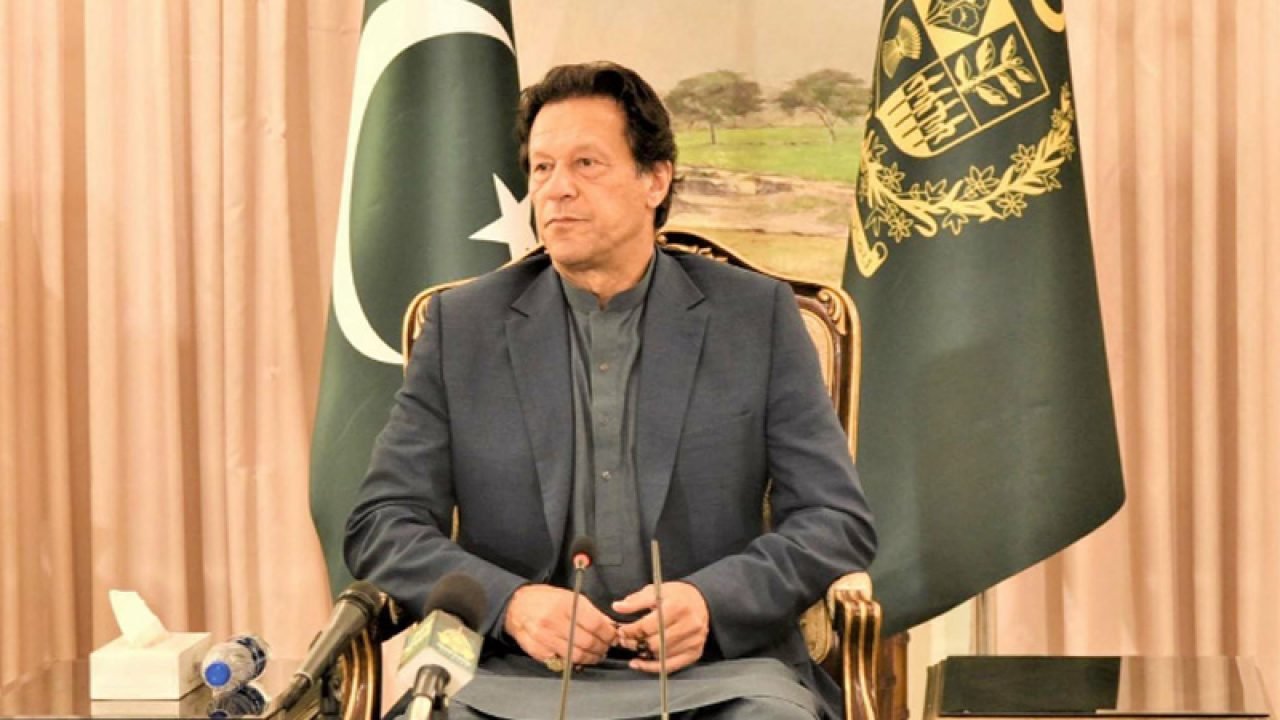
    Finance Minister Miftah Ismail on Tuesday in an interview with CNN’s Becky Anderson said that he does not know where former premier Imran Khan gets his numbers from, refuting Khan’s claims that Russia has not offered a 30 per cent discount on oil or wheat.

    “Let’s be clear. I don’t know where Khan gets these numbers from,” said Miftah.

    “Khan just makes it up as he goes along. He is the guy who was saying we (PDM) were brought in through an American conspiracy. And now he has come up with this new thing. If Russia was selling him cheap wheat and oil, then why didn’t he buy it? He did not,” said Miftah.

    Difficult for me to imagine buying Russian oil

    Miftah said that Western sanctions have made importing oil from Moscow impossible despite the Pakistani government’s request to buy wheat from Russia and Ukraine.

    “Russia has not offered us any oil either. It is difficult for me to imagine buying Russian oil,” said the finance minister.

     Raising oil prices was ‘a trap for us

    Talking about talks with the International Monetary Fund (IMF), Miftah said, “We have had talks with the IMF in Doha recently. We are talking to the IMF and particularly the IMF is looking at the budget that I am going to present in early June and after that, I am hoping that we will reach an agreement with the Fund.”

    He said the IMF was looking for Pakistan to reverse the subsidies on oil, petrol and diesel in particular “that the previous government had given”.

    Miftah added that the IMF also wanted Islamabad to reverse electric tariff subsidies that the previous government had done.

    “Then it is looking at the budget that I will present. So, I am pretty confident that we should be able to get an agreement with the Fund but there would be some austerity in the budget, some measures to increase taxation in the next budget.”

    The minister said that raising oil prices by the previous government was “a trap for us”.

    “Imran Khan in the last days of his government did a few things to violate all these agreements with the IMF, including giving these unsustainably high subsidies. And he knew we could not sustain this.”

    “And when we came to power, he is now going city to city, trying to rally the people with his theories about conspiracies and all that for putting a lot of political pressure on us.”

    The new government, he said, was finding it difficult to raise the prices right away, but it took a very important step last week.

    Moscow had not even responded to the previous government’s letter

    Ismail said that Moscow had not even responded to the previous government’s letter seeking to buy oil at a discounted price from Russia.

    “The two sides had talked about it, but since Russia is under sanctions, and they have not yet responded to the request sent by the Pakistan Tehreek-e-Insaf (PTI) government, there was no movement on this front.”

    However, he said Islamabad had approached both Ukraine and Russia, “whichever country is willing to sell us wheat we would be happy to buy it”.

    Hammad’s claims

    Former Energy Minister Hammad Azhar said, “Miftah sahib is claiming on national tv that no letter or proof exists of Russian oil talks. And who he should speak to. Russia was enthusiastic on selling discounted oil to us and he should have spoken to Energy Minister of Russia.”

    Miftah’s response:

    Miftah responded to Hammad Azhar’s tweet: “Bhai please listen to my interview again. I did say your govt wrote a letter. But I said no response ever came.”

    He added, “I didn’t say that you waited more than a month after IK’s visit to write the letter & then too when you knew you’d lose the VNC & that it was only done for politics.”
  • ‘Pakistan will have no gas in years to come’: Fawad Chaudhry

    ‘Pakistan will have no gas in years to come’: Fawad Chaudhry

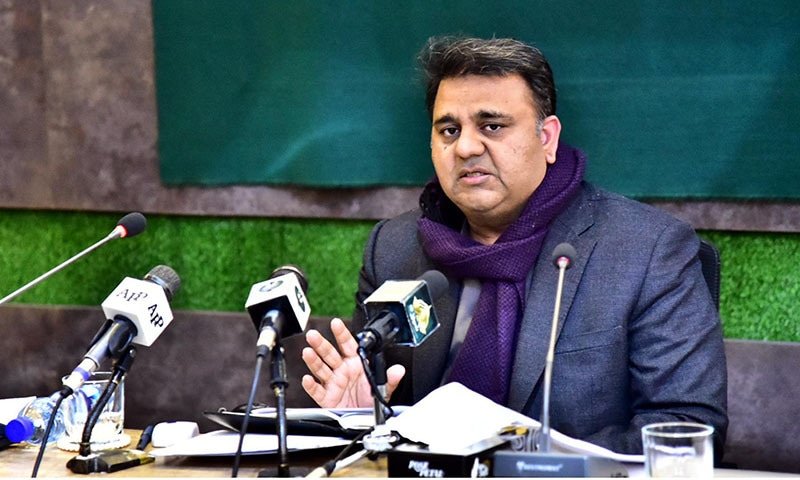
    Information Minister Fawad Chaudhry on Tuesday said that Pakistan will not have gas in the years to come.

    Fawad’s comments come after the cabinet meeting when he was talking to the media. He said that the gas reserves were depleting by nine per cent each year, therefore, there will be no gas available for people.

    He said people getting gas at cheaper rates in big cities should now change their habits. “This trend will not continue for long,” he added.

    Fawad highlighted that price of oil in the international market has declined. However, they haven’t been reduced much and an impact can be seen here. He, therefore, urged people to pray that the price of oil comes down globally.

  • Petrol prices likely to increase by Rs5.90 per litre

    The Oil & Gas Regulatory Authority (Ogra) has sent a summary to Prime Minister Imran Khan for the approval to increase the price of petrol by Rs5.90 per litre, Geo News has reported. The petrol prices are likely to be increased on October 16, 2021 as per sources of Geo News.

    If approved, The petrol prices can reach up to Rs133.2. In addition, Ogra has recommenced an increase in high-speed diesel price by Rs10.

    In early October, the government had increased the price of petrol by Rs4 per litre taking its price to a record level of Rs127.30 per litre.

  • Ex-wife trolls Imran for petrol shortage in Pakistan when ‘world is running out of space to store it’

    Ex-wife trolls Imran for petrol shortage in Pakistan when ‘world is running out of space to store it’

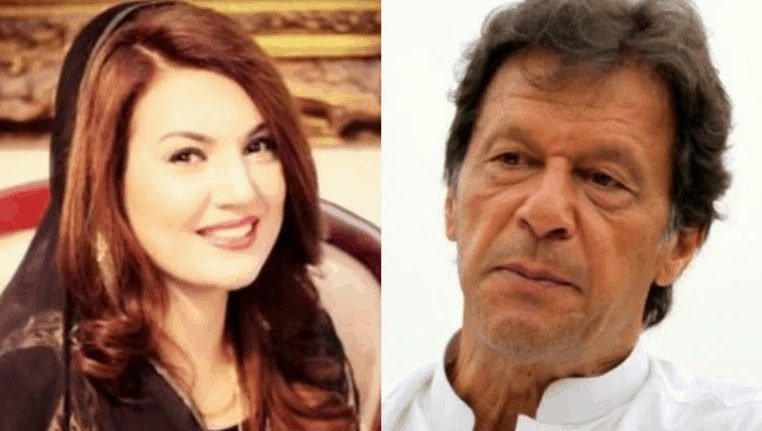
    Former wife of Prime Minister (PM) Imran Khan has taken a dig at him, calling him “selected” — a term used by the opposition to raise objections over Imran’s rise to power –, while highlighting the persisting petrol shortage at a time when “the entire world is running out of storage space for the same”.

    “History will remember the selected person in Pakistan who created a shortage of petrol at a time when the world was running out of places to store it,” she tweeted.

    The tweet came as a shortage of petrol and diesel at most fuel stations across the country reportedly due to the limited supply of petroleum products added to the miseries of people amid the coronavirus outbreak.

    The scarcity of petrol across the country turned severe last week, as most petrol pumps remained closed in Karachi, Lahore, Peshawar, and Quetta. Long queues could be seen on those stations that were open.

    Sameer Najmul Hassan, chairman of All Pakistan Petroleum Retailers Association (APPRA), in a statement, said oil companies will likely run out of their oil stocks in the next three days. They have been left with the stock hardly enough to last out more than three days, he added.

    He said a new quota of petroleum products is not being purchased due to a consistent decrease in the oil companies’ quota. No company other than the Pakistan State Oil (PSO) is purchasing oil at present, the APPRA chairman said.

    “The situation seems to be going from bad to worse until Sunday,” he warned. He said 15 oil marketing companies in total, including the PSO, purchase oil in the country.

    It is pertinent to note that in an unprecedented move, Pakistan, which imports 70 per cent of its crude oil from Saudi Arabia and the remaining from the United Arab Emirates (US), had in April canceled import of gasoline, diesel and crude oil to support the domestic refining industry as energy demand sharply declined amid countrywide lockdowns. 

    The decision to halt the import of petroleum products had followed country’s economic meltdown resulting from the coronavirus pandemic. In a letter to the Oil Companies Advisory Council (OCAC), the Energy Ministry had said that the consumption of motor gasoline had dropped significantly due to lockdown by provincial governments to control the spread of COVID-19.

    Meanwhile, the globally plunging demand for oil brought by the coronavirus pandemic combined with a savage price war had left the fossil fuel industry broken and in survival mode, according to analysts. It faced the gravest challenge in its 100-year history, they said, one that will permanently alter the industry.

    While the first few months into the pandemic saw price wars between oil giants as demand plunged, things are getting better as lockdown restrictions are gradually being eased.

  • Oil prices have dipped by 305% but what does it mean for Pakistan?

    Oil prices have dipped by 305% but what does it mean for Pakistan?

    Oil prices have turned negative for the first time in history, dipping by 305 per cent as storage space is filling up, discouraging buyers as weak economic data from Germany and Japan cast doubt on when fuel consumption will recover.

    The crash in oil prices on Monday was as disrupting as the pandemic, with the United States (US) oil prices plummeting to a range between $1-2 per barrel. The Brent oil prices also hovered around $22-25 per barrel, the lowest in 22 years. The glut created by the price war between Saudi Arabia and Russia was compounded by the extremely low oil demand in most developed economies.

    Traders have fled from the expiring contract in a frenzy as barely any buyers are willing to take delivery of oil barrels because there is no place to put the crude, creating a global supply glut as billions of people stay home to slow the spread of COVID-19.

    But what does it mean for countries like Pakistan?

    Crash in oil prices is an opportunity for Pakistan because even after passing 50 per cent of the decline on to consumers, the government can make up for revenue fall. Qatari gas will be cheaper than domestic gas.

    Pakistan was in the midst of its worst economic crisis before the coronavirus attack and was finding it hard to finance its huge oil bill as the crude oil was hovering in the range of $55-60 per barrel.

    After the pandemic, the demand for crude started declining sharply, and it ranged for a long time between $30-40 per barrel in March. Its price started declining sharply in the last 10 days with US oil showing more volatility than Brent Oil that is mainly consumed in Asia. 

    With the US oil prices declining to $2, Brent price logically should not be more than $10 which means a price of $12 per barrel. At the moment, Brent Oil is still priced at $22 per barrel but if the buyers started buying from the US this price would not hold.

    This low oil price has vindicated former Prime Minister (PM) Shahid Khaqan Abbasi’s inking of an agreement with Qatar for buying Liquefied Natural Gas (LNG) at 13 per cent of the Brent Oil price. At current Brent Oil rates, Pakistan will be buying LNG from Qatar at $2.6-2.8 per mmbt.

    At this rate, it would be feasible for the state to procure gas from Qatar at a price even lower than our local gas, reports say.

    Qatar is bound under agreement to provide this gas as Pakistan is bound to lift a certain quantity of cargo from Qatar whether we needed it in the domestic market or not.

    If the opportunity is made use of, it could lower gas tariff for all industries much below the price that the government is charging from exporting industries after paying huge subsidy and the cost of electricity from gas-run power plants would also decline appreciably.

    All this can result in the government making up for massive revenue losses.

  • Pakistan Stock Exchange crashes after 2,200 points wipe off KSE-100 index

    The stock market on Monday crashed during the early trading hours as confusion and uncertainty surrounded potential investors due to the decline in international oil prices by about 30 per cent — the worst since the Gulf War in the 1990s.

    As per the details, the Pakistan Stock Exchange’s (PSX) benchmark KSE 100-Share Index tumbled 2,291.69 points or 6 per cent around 10 am, before recovering to 36,862.34 in the afternoon. The apex of the day remained 38,219.67 (the previous close) and 35,917.34, the lowest.

    The crash was triggered amid a global sell-off on coronavirus fears as well as a crude oil price war between Saudi Arabia and Russia. 

    Trading floors were a sea of red across Asia, with Tokyo, Sydney and Manila plunging around 6 per cent, while Hong Kong shed 3.5 per cent by lunch.

    Mumbai, Singapore, Seoul, Jakarta and Wellington were more than 3 per cent down, Shanghai and Taipei shed at least 2 per cent and Bangkok gave up 5 per cent. The losses tracked sharp falls in Europe and Wall Street on Friday.

    “PSX has triggered a market halt at 9:37 am which will last for 45 minutes,” the management wrote in a press release. “The market halt is triggered as a standard protocol for risk management purposes.”