Tag: oil shipment

  • Pakistan receives second shipment of discounted Russian crude oil

    Pakistan receives second shipment of discounted Russian crude oil

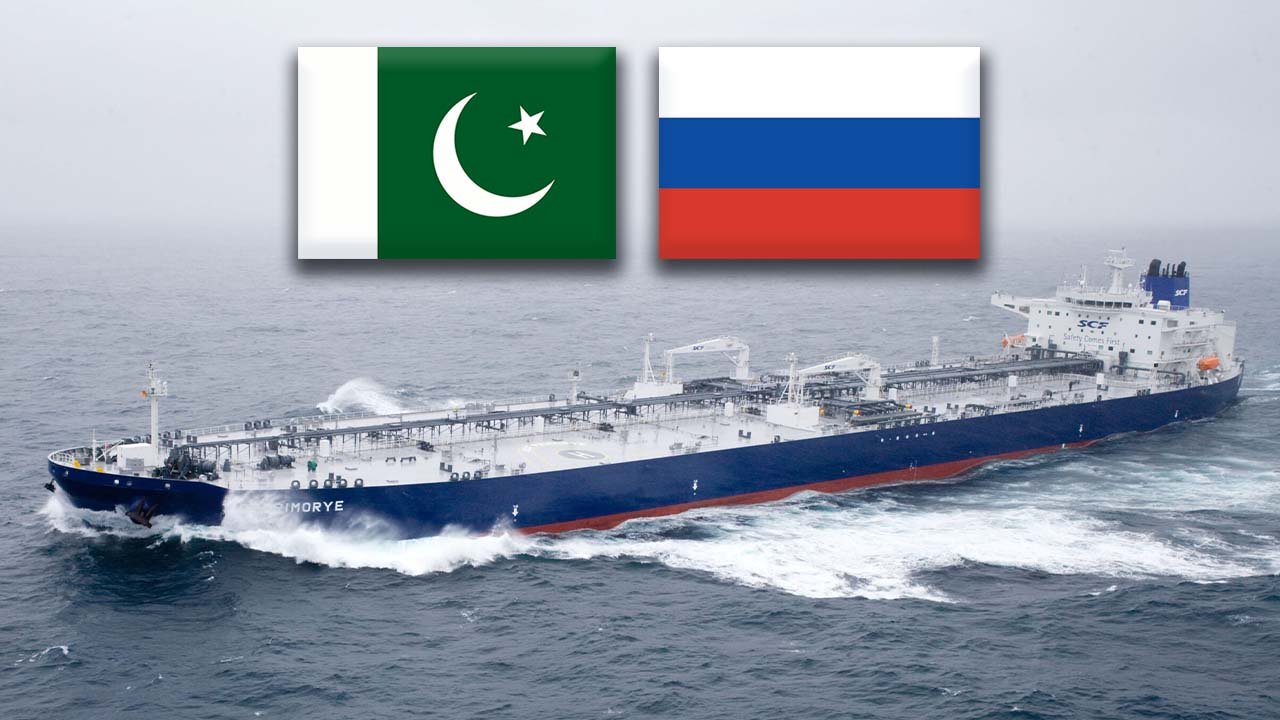
    On Tuesday, the second shipment of discounted Russian crude oil, comprising a total of 55,000 tonnes, reached the Karachi port.

    The vessel carrying Urals oil, named ‘Clyde Noble’, had been en route to the port of Karachi in the Arabian Sea, according to earlier reports from reliable sources. Once the ship’s berthing plan is finalized, it will be docked at the oil pier.

    An insider from the oil industry had previously informed The News that the vessel was expected to reach Karachi Port by Tuesday. Originally scheduled to arrive on June 20, the second cargo faced a one-week delay due to limited storage space in the tanks of Pakistan Refinery Limited (PRL).

    The PRL, being the first domestic refinery to receive crude oil from Russia under the government-led deal, encountered logistical challenges.

    Pakistan had received its initial shipment of Russian crude oil on June 12 when a tanker carrying 45,000 tonnes of crude oil docked at the Karachi port. The government had placed an order of 100,000 tonnes of Russian crude oil in April of this year after months of negotiations with Moscow to finalize the terms and conditions of the agreement.

    As per the terms of the deal, Russia dispatched the first oil tanker carrying 100,000 metric tonnes of crude, which arrived at the Omani port earlier this month.

    However, due to the Pakistani port’s limitations in handling heavy ships carrying over 50,000 tonnes of oil cargo, it was decided to transport the crude to Pakistan using smaller vessels.

    It is noteworthy that the vessel, loaded with Ural crude on April 21 at a Russian port, faced a 10-day delay due to technical issues. Subsequently, it reached Egypt’s Suez Canal on May 17, where it endured a 12-day wait in a lengthy queue before crossing the canal.

    Currently, Pakistan imports 70 per cent of its crude oil, which is refined by PRL, National Refinery Limited, Pak Arab Refinery Limited, and Byco Petroleum. The remaining 30 per cent is domestically produced and refined by Attock Refinery Limited.

    To meet the demand for petroleum products, PRL is presently in the process of refining the Russian crude oil, blending it with Arabian crude that arrived a few days ago following a PRL order.
  • Russian crude oil shipment faces delay, expected to reach Pakistan on June 11

    Russian crude oil shipment faces delay, expected to reach Pakistan on June 11

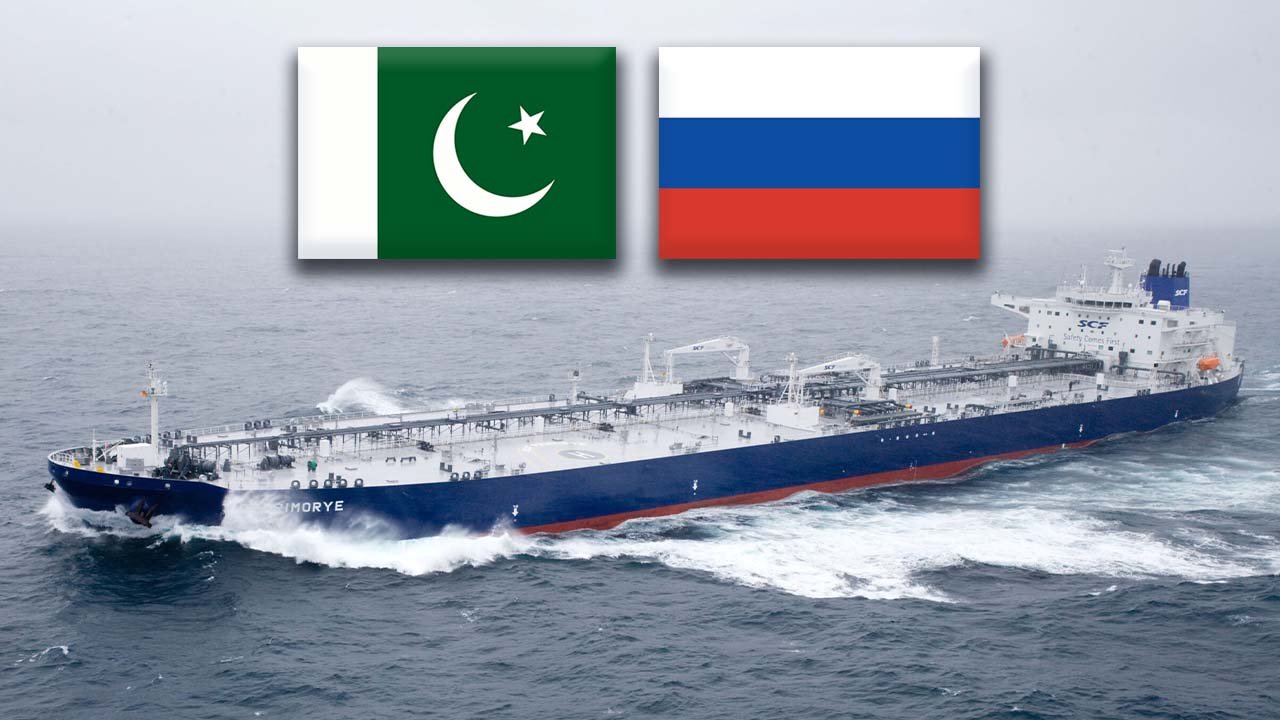
    In a recent development, a Russian cargo vessel carrying 100,000 tonnes of crude oil has experienced delays and is now expected to reach the Omani port of Duqm on June 7. This delay has caused a setback in Pakistan’s plans as the oil was initially scheduled to arrive in Oman on May 27-28.

    According to an official, the crude oil will be transported to Pakistan via smaller ships from the Omani port, which will take approximately two weeks to reach Port Qasim in Karachi. The Russian vessel, loaded with Ural crude on April 21 at a Russian port, encountered a delay of 10 days due to technical issues. Subsequently, it arrived at Egypt’s Suez Canal on May 17, where it faced a lengthy 12-day wait in a queue to cross the canal.

    Following its journey across the Red Sea, the vessel is anticipated to reach Duqm on Tuesday. Upon arrival, the crude oil will be unloaded onto a smaller vessel with a capacity of 50,000 tons. This smaller vessel is expected to reach Port Qasim on June 11. The remaining 50,000 tons of Russian crude will be transported separately and is scheduled to arrive at Port Qasim on June 20.

    According to The News, authorities have assured the safe and smooth arrival of the Russian crude, despite the logistical challenges that caused the delay. The official stated that the transportation cost has already been settled with the Russians, so the delay will not result in additional expenses. However, there is a concern that if the price of crude oil decreases during this period, it could have detrimental effects on the country.

    Pakistan Refinery Limited (PRL) has been entrusted with the responsibility of refining the test cargo of Russian crude oil. PRL will blend this oil with crude imported from the United Arab Emirates and Saudi Aramco. The test cargo will provide valuable data to the government regarding the quality, yields, and commercial viability of the Russian oil. Additionally, it will assist the government in assessing transportation costs, refining expenses, and refining margins for the country’s refineries.

    The government is eagerly awaiting PRL’s test report, which will aid in making informed decisions about future oil imports and refining processes.

  • Shipment of discounted Russian oil en route to Pakistan: 100,000 tons set to arrive next month

    Shipment of discounted Russian oil en route to Pakistan: 100,000 tons set to arrive next month

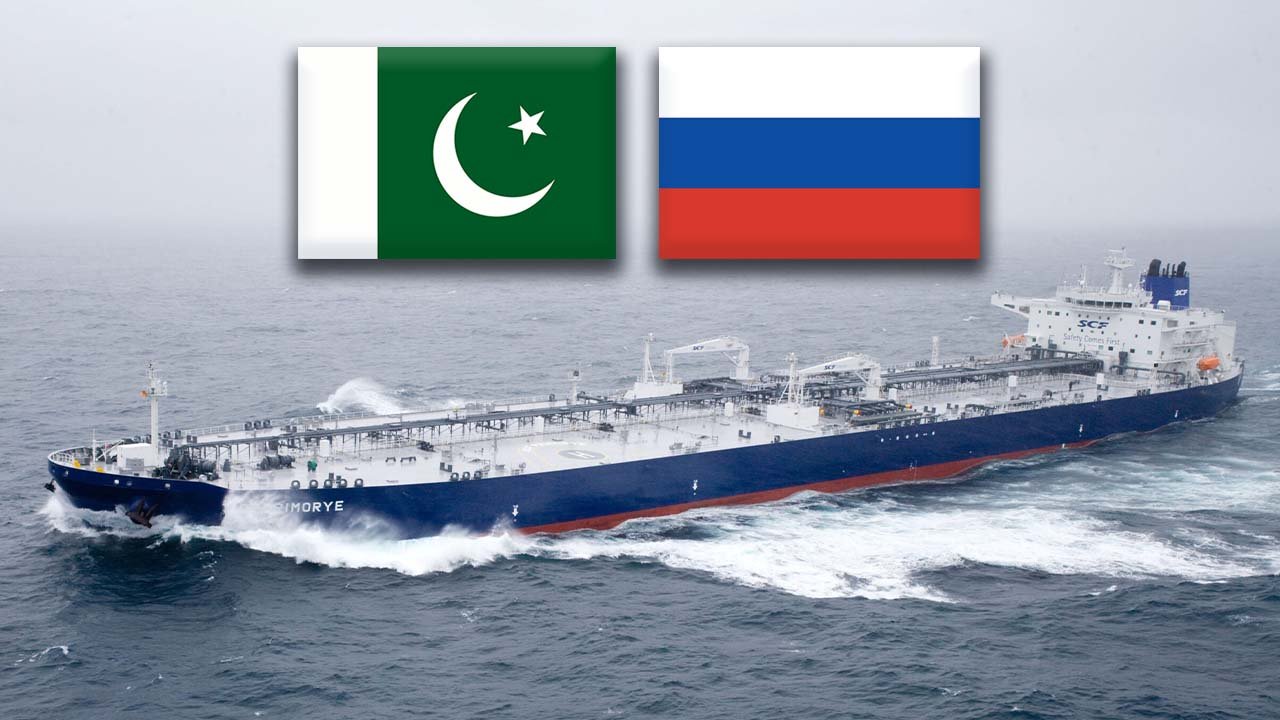
    The government’s energy security plan will soon see the arrival of vessels carrying 100,000 tons of discounted Russian oil at Pakistan ports in early June.

    Musadik Malik, the State Minister for Energy, made this announcement during a private meeting with members of the media, where he discussed the new refinery policy. The policy aims to encourage investments in new refineries for shallow, deep conversion, and ultra-deep conversion projects, with incentives lasting up to 20 years.

    Minister Malik revealed that the Russian cargo, consisting of 100,000 tons of Urals oil, would arrive at the Oman port on May 26-27. From there, the oil will be transported to Pakistan in smaller vessels, a journey expected to take between seven to ten days. Although the transportation cost will increase slightly, the minister assured that the impact would be minimal.

    While he did not disclose the discounted price or the payment method for the Russian oil, Minister Malik hinted that the payment was made through the banking channel. The heavy Urals oil will then undergo refining at Parco, where it will be mixed with light Arabian oil to lower the overall price.

    Highlighting the significance of the new refinery policy, Minister Malik emphasised that energy sector growth is crucial for economic development. He explained that a one per cent increase in the country’s GDP requires a corresponding growth rate of 1.5 to two per cent in the energy sector. Similarly, achieving a five per cent GDP growth necessitates a seven to ten per cent growth in the energy sector. Such growth is only possible with investments in refineries, as well as oil and gas exploration and production.

    Under the new refinery policy, refineries with a capacity of 300,000 tons or more will receive incentives for 20 years, while those below 300,000 tons will receive incentives for 10 years. However, it will be mandatory for these refineries to achieve financial closure within five years.

    Additionally, import duty on equipment used in the larger refineries will be set at 7.5 per cent for both petrol and diesel for the duration of 20 years. The same incentives will apply for 10 years to refineries below the 300,000-ton capacity. These refineries will also benefit from special economic zone (SEZ) laws.

    Minister Malik projected that by 2030, the country’s petrol and diesel consumption would increase from 20 million to 33 million. Currently, local refineries produce around 10 to 11 million, with the rest being imported. He noted that the global premium on diesel is approximately $18 due to high demand.

    The new refinery policy has garnered interest from multiple foreign countries and private companies, with a positive response received during a road show conducted in the United States to promote greenfield investment.

    The minister reiterated the government’s commitment to implementing a comprehensive plan for the country’s energy security before the end of its constitutional tenure. Negotiations for the Turkmenistan-Afghanistan-Pakistan-India (TAPI) pipeline project have resumed, while the Iran-Pakistan (IP) project has been delayed due to US sanctions. The LPG Air Mix policy and the brownfield policy are expected to be approved soon.