Tag: omicron variant

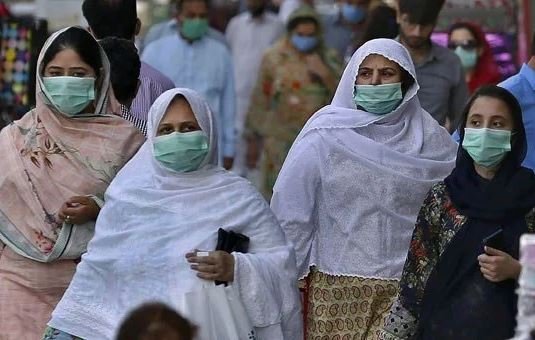
  • Start wearing masks again: Pak detects case of Omicron sub-variant

    Start wearing masks again: Pak detects case of Omicron sub-variant

    Pakistan has detected its first case of Omicron sub-variant, the National Institute of Health (NIH) announced.

    “NIH has detected the first case of Omicron sub-variant BA.2.12.1. This new sub-variant is causing an increasing number of cases in different countries.”

    NIC also advised citizens to take preventive measures.

    “The best preventive measure (besides mask-wearing at crowded places) is Covid-19 vaccination. We strongly recommended getting vaccinated and all those due for boosters must get the shots immediately.”

    Read more- NCOC decides to lift all covid related restrictions

    The National Command Operation Centre (NCOC), which was tackling Covid-19 in Pakistan, was shut down on March 31.

    On March 16, NCOC decided to lift all the Covid-19 related restrictions amid the decline in cases.

  • New Zealand denies re-entry of pregnant national, Taliban offers refuge

    New Zealand denies re-entry of pregnant national, Taliban offers refuge

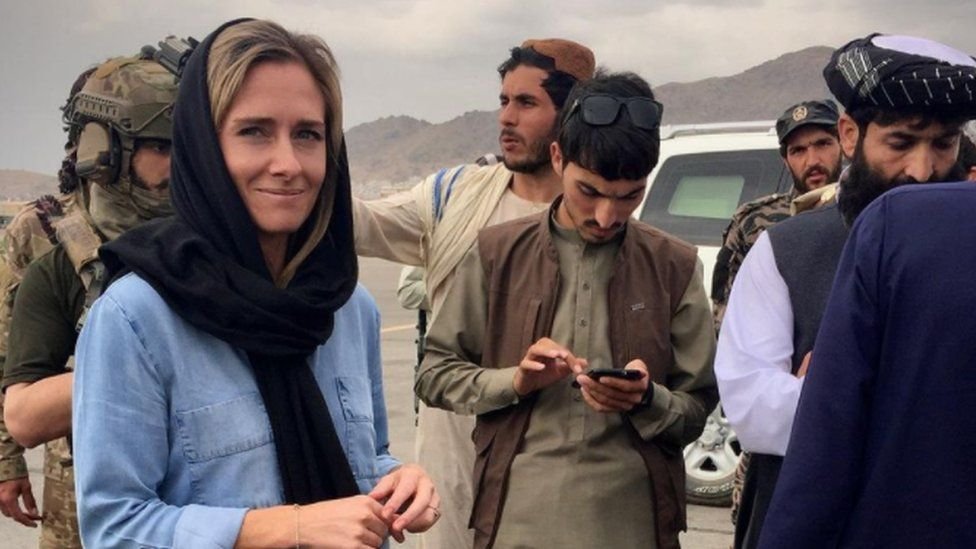
    A former Al Jazeera pregnant journalist, Charlotte Bellis, who is a New Zealand national, was denied re-entry by her home country on the basis of strict Covid-19 protocol. She was offered refuge by the Taliban government in Afghanistan.

    While speaking to Radio New Zealand(RNZ) from Kabul, she said, “This just feels like such a breach of trust.”

    Bellis said that the Taliban told her, “We’re happy for you, you can come and you won’t have a problem”.

    She did not get to know about her pregnancy until she returned back to the Al-Jazeera headquarter in Doha, Qatar.

    She kept quiet about her pregnancy as it is unlawful to conceive a baby out of wedlock in Qatar.

    She left Al Jazeera in November 2021 while working in Afghanistan as a journalist and went to Belgium, the home country of her partner, Jim Huylebroek. As Bellis is not a resident of a country, she could not stay for a longer period.

    She was left with only one option: to travel to Afghanistan with her partner as they had visas. She is currently in Afghanistan.

    Meanwhile, she started her preparation to return back to New Zealand.

    Her application was rejected by authorities in New Zealand for an emergency return.

    New Zealand’s Covid-19 response minister, Chris Hipkins, said on Monday, “I understand she wanted to return on a specific date and that officials reached out to her for more information shortly after looking at her application. The emergency allocation criteria includes a requirement to travel to New Zealand within the next 14 days. Ms Bellis indicated she did not intend to travel until the end of February and has been encouraged by MIQ (Managed isolation and quarantine) to consider moving her plans forward.”

    Bellis applied for a MIQ option through the medical treatment pathway however authority asked her to sign up under the different category where its nationals are in a location that is under serious risk to their safety, she told to RNZ.

    Currently, she is in contact with officials in New Zealand who claimed her rejected application is under review now.

    The New Zealand government has closed down its borders after the emergence of the omicron variant, including for its nationals who want to return back to the country except for special circumstances.
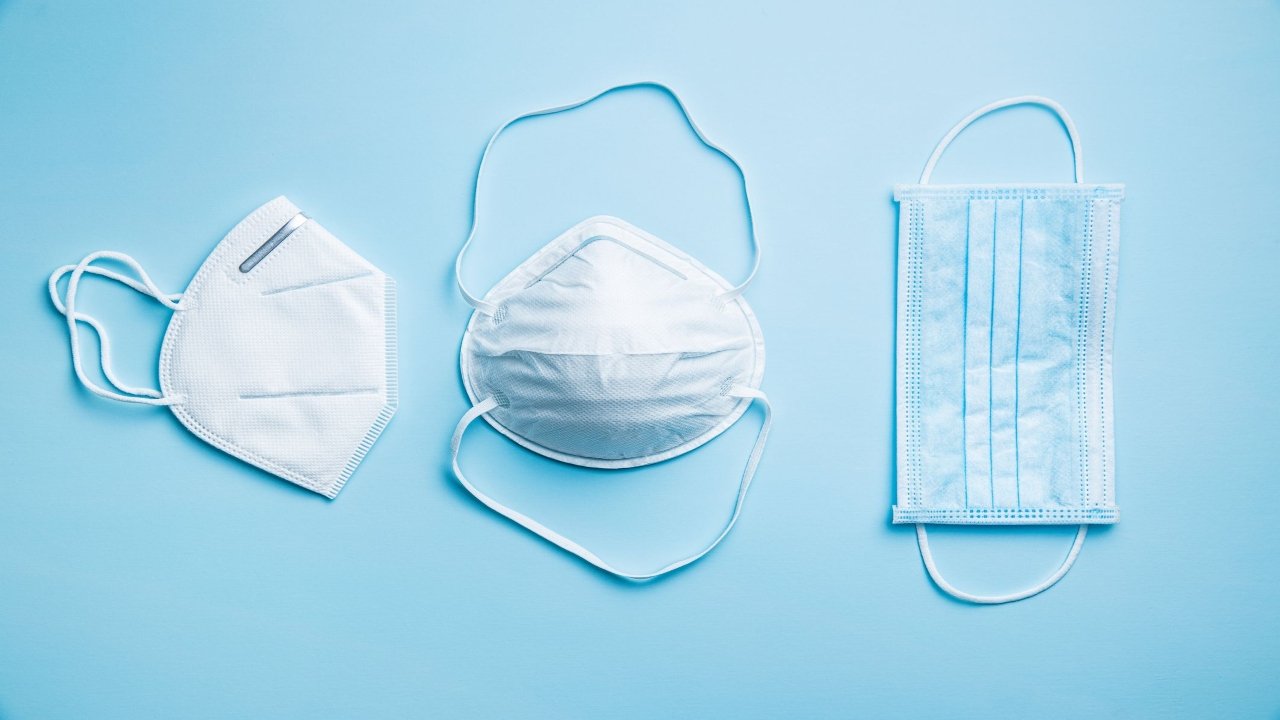
  • How to reuse N95, KN95, and other disposable Masks- A complete guideline

    How to reuse N95, KN95, and other disposable Masks- A complete guideline

    It is very troublesome for people to change their masks after a single-use. We will explain how you can reuse the recommended masks — N95, KN95, and disposable masks to prevent coronavirus.

    How can you reuse masks?

    For healthcare workers, it is recommended that they can reuse N95 masks while keeping them in brown paper bags after each use.

    How safe is it to reuse masks during increased cases of the Omicron variant of Covid?

    Yes, it’s totally safe to reuse masks if you handle them with care. You are required to touch the elastic of the mask only while covering your face and afterwards you can wash your hands.

    How to use your mask if it gets wet?

    Mask is wearable again if it gets wet due to condensation of your breathing but make sure to keep the masks in the paper bag in a dry spot, ideally by a sunny window, to decontaminate. It can help enhance the viral-deactivation process.

    However, if your mask is drenched during rain, you need to throw it away immediately because moisture degrades the mask little by little.

    Don’t try to wash your masks

    If you are thinking of washing or disinfecting your masks, you cannot use absolutely any kind of bleach or alcohol for washing. You can use the paper bag method for sanitising as it is less expensive and easy to use. It has fewer chances of damaging the mask effectively.

    What is the right time to throw away your mask?

    The United States (US) organisation, Centers for Disease Control and Prevention (CDC) suggests throwing your N95 mask after five times’ use for health workers. However, for other people, you can reuse the mask until the elastic strings become loose to fit and if the fabric looks clean and provides good airflow. You can only throw the disposable masks immediately where you are present in a highly ineffective area or you met with a Covid-positive person.

    It is important to know that dust, air pollutants, pollen, make-up, skin oils, inactivated virus accumulate and block the filters.

  • New Zealand PM cancels own wedding due to Omicron restrictions

    New Zealand PM cancels own wedding due to Omicron restrictions

    New Zealand Prime Minister (PM) Jacinda Ardern has cancelled her own wedding as the nation imposes new restrictions in the wake of the Covid-19 Omicron variant.

    The prime minister was rumoured to be planning to marry her longtime partner Clarke Gayford.

    “My wedding will not be going ahead,” she said.

    In a briefing, Ardern said, “I just join many other New Zealanders who have had an experience like that as a result of the pandemic and to anyone who’s caught up in that scenario, I am so sorry.”

    She also urged citizens to get booster and reduce contact with others to avoid the spread.

    In a video, she was asked by a reporter how she felt about the postponement of her wedding, Ardern replied: “Such is life.”

    The “red setting” of the country’s pandemic response includes heightened measures such as mask-wearing and limits on gatherings which will go into effect on Monday.

    The latest curbs come after nine cases of Omicron were detected in a single family that flew to Auckland for a wedding earlier this month.

  • NCOC bans indoor events in cities with Covid positivity rate over 10%

    NCOC bans indoor events in cities with Covid positivity rate over 10%

    According to the National Command and Operation Centre (NCOC), all indoor gatherings and events have been banned in the districts and cities with Covid-19 positivity rate exceeding 10 per cent. However, only outdoor wedding events are allowed to be organised with a maximum of 500 guests.

    The ban will go into effect from January 24 , the NCOC said.

    The decisions were taken after the NCOC held a detailed review of the country’s current coronavirus situation along with the corresponding Nonpharmaceutical Interventions (NPIs). The forum differentiated the new NPIs depending on whether districts have Covid-19 positivity rate up to 10 per cent or above.

    The NPIs to be implemented are as follows depending on the positivity rate and specify that they are for fully vaccinated individuals:

    Gatherings

    • Indoor gatherings allowed up to 300 individuals, outdoor up to 500 for districts with positivity up to 10pc
    • Indoor gatherings banned, outdoor up to 300 for districts with positivity rate more than 10pc (with effect from Jan 24)

    Weddings:

    • Indoor weddings allowed up to 300 individuals, outdoor up to 500 for districts with positivity rate up to 10pc
    • Indoor weddings banned, outdoor up to 300 for districts with positivity rate more than 10pc (with effect from Jan 24 and will remain effective till February 15)

    Dining:

    • Indoor and outdoor dining both allowed for districts with positivity rate up to 10pc
    • Indoor dining banned (with effect from Jan 24), outdoor allowed for districts with positivity rate more than 10pc

    Education sector:

    • Education activities will continue for those under and over 12 in districts with positivity rate up to 10pc
    • Education activities will continue with staggered attendance at 50pc capacity for those under 12 and 100pc attendance for those over 12 in districts with positivity rate more than 10pc
    • Those over 12 will need to be fully vaccinated in both situations
    • Vaccination will be mandatory (at least one dose) for those over 12 from Feb 1
    • Aggressive sentinel testing to be carried out for targeted closures in institutes with high disease prevalence
    • Federating units in consultation with health authorities will decide limits for closure of educational institutions

    Gyms, cinemas, shrines, amusement parks:

    • Indoor activities allowed for districts with positivity rate up to 10pc
    • Indoor activities allowed at 50pc capacity for districts with positivity rate more than 10pc

    Sports:

    • All sports activities allowed for districts with positivity rate up to 10pc
    • Ban on contact sports (karate, boxing, martial arts, rugby, water polo, wrestling and kabaddi) for districts with positivity rate more than 10pc


    The NCOC decided that markets and business activities will continue without any restrictions. Employers are encouraged to let people work from home where possible.

    Similarly, intercity public transport has been restricted in districts with high coronavirus positivity ratios at 70pc and 80pc in railways. The ban on serving of meals was also maintained for public transport and domestic air travel.

    The curbs come as the country is in the grip of the fifth wave, which is being driven by the highly transmissible Omicron variant.

    It should be noted that in the last 24 hours, the coronavirus positivity ratio in Pakistan was 9.48pc when 5,472 infections were recorded, with Sindh and Punjab leading the charge in new cases reported.

    Owing to a surge in the number of Covid-19 cases, several educational institutions in Islamabad and Karachi have also decided to close all schools to curb the rapid spread of the virus.

  • Global tourism won’t return to pre-covid levels until 2024

    Global tourism won’t return to pre-covid levels until 2024

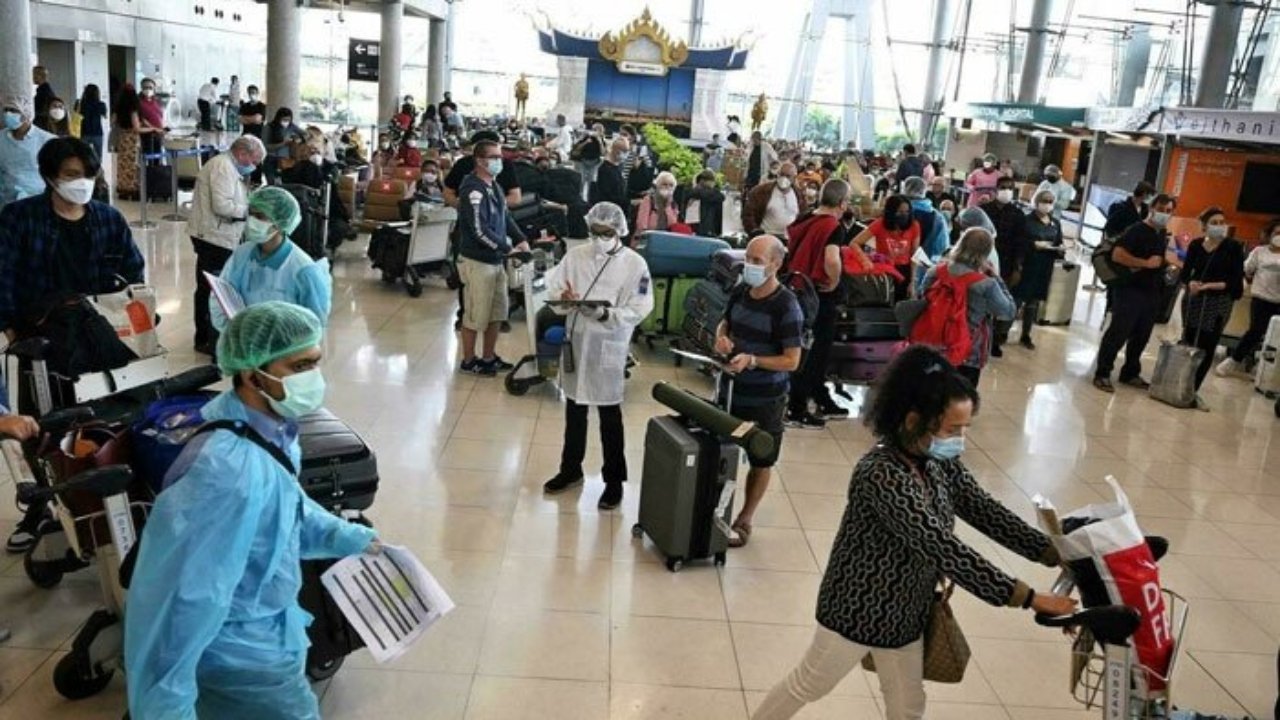
    With the highly contagious Omicron variant in the picture, global tourism arrivals have further been affected, and will not return to the pre-pandemic levels until 2024, the World Tourism Organization (WTO) said on Tuesday.

    The highly contagious Omicron variant, though mild, will “disrupt recovery” for 2022. Last year in 2021, tourism saw a four percent growth over 2020, according to the Madrid-based UN agency’s World Tourism Barometer.

    Meanwhile, tourism revenue in 2020 was 72 percent lower than that in 2019.

    “The pace of recovery remains slow and uneven across world regions due to varying degrees of mobility restrictions, vaccination rates and traveller confidence,” the UNWTO said in a press release.

    In Europe and the Americas, foreign visitor arrivals increased by 19 percent and 17 percent in 2021, respectively, when compared to 2020.

    In the Middle East, however, arrivals declined by 24 percent in 2021, while in the Asia-Pacific region, they were 65 percent below the 2020 levels, and 94 percent lower than pre-pandemic levels.

    The statement said tourism professionals “see better prospects” for this year after turbulence in the early months because of the Omicron wave.

    Many countries are highly dependent on tourism and are eagerly awaiting a return to normal.

    “The economic contribution of tourism in 2021 (measured in tourism direct gross domestic product) is estimated at $1.9 trillion (1.68 trillion euros), above the $1.6 trillion in 2020, but still well below the pre-pandemic value of $3.5 trillion,” the statement noted.

  • Karachi Eat 2022 will be held this weekend despite 20 percent positivity rate in city

    Karachi Eat 2022 will be held this weekend despite 20 percent positivity rate in city

    The annual food festival, Karachi Eat 2022 will be held at the Beach View Park in Clifton from Friday till Sunday this month. The organisers are hopeful that the festival will be held according to schedule. They are not intending to cancel the event despite the covid positivity rate increasing to 20 percent in Karachi.

    East River, which is responsible for public relations and digital media of the festival, has taken strict precautionary measures to ensure SOPs compliance for the crowd. They have also uploaded the mandatory instructions on their official Instagram for people who want to attend the food festival.

    According to the Head of Special Projects Amna Saleem, people will receive booster shots of Pfizer at the festival in partnership with HANDS, a Non-Governmental organisation (NGO). It is also mandatory to wear masks and carry your vaccination certificate.

    The company has arranged an online ticketing system and partnered with TicketWala this time to avoid overcrowding at the ticket booth.

    Meanwhile, the Covid positivity rate has increased to 20 percent in Karachi which is an alarming situation. Until now, 1,223 cases of coronavirus of omicron variant are confirmed in the city.

    According to the Sindh health ministry, “The ratio of Omicron variant being reported in Karachi has reached 95 percent.”

  • 2022 Grammy Awards officially postponed due to rise in Covid cases

    2022 Grammy Awards officially postponed due to rise in Covid cases

    The Grammy Awards event, which honours the best musical performances, has been postponed indefinitely due to the rapid spread of the Omicron type of the coronavirus, according to organisers.

    The performance was supposed to be held in a downtown Los Angeles arena on January 31 and broadcast live on the CBS network.

    “Given the uncertainty surrounding the Omicron variant, holding the show on January 31 simply contains too many risks,” CBS and the recording Academy said in a joint statement, adding that a new date would be announced soon.

    The Grammy Awards for 2021 have likewise been postponed because of the COVID-19 epidemic.

    Organisers had hoped to return this year to something closer to the traditional celebration with a large audience inside the former Staples Center, now called Crypto.com Arena.

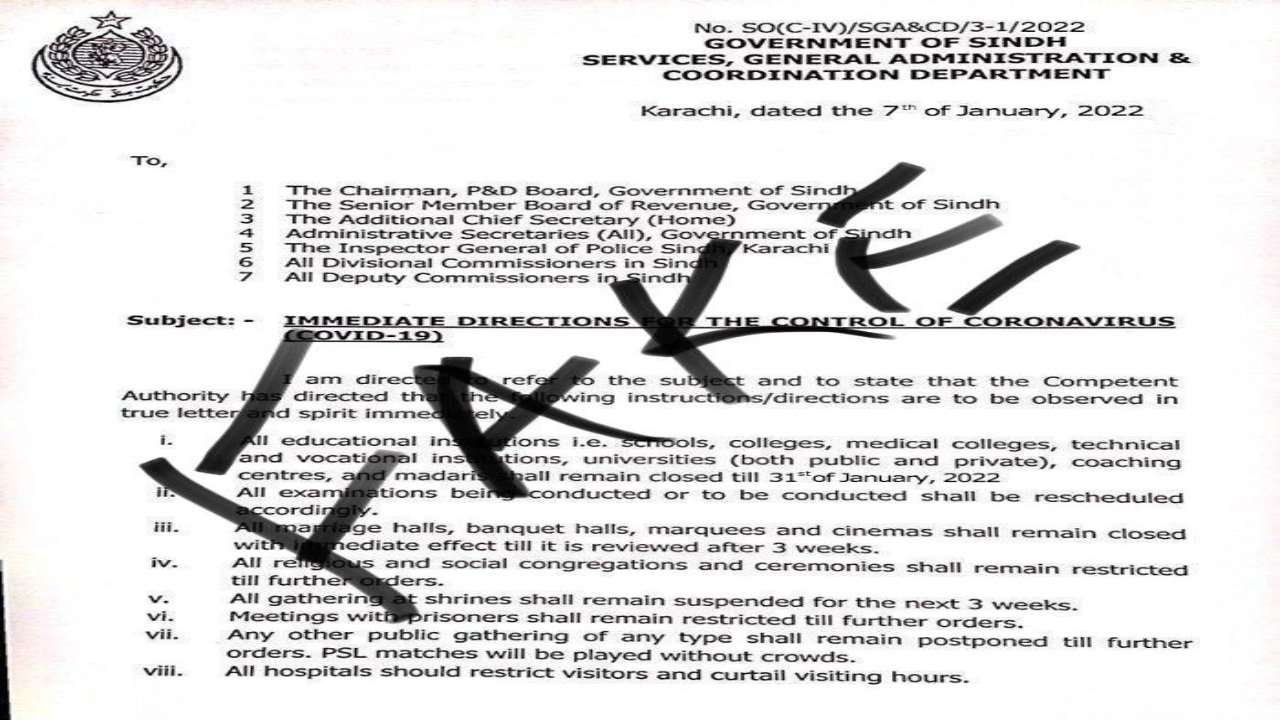
  • Factcheck: Sindh is not closing down schools, offices because of Covid

    Factcheck: Sindh is not closing down schools, offices because of Covid

    A notification circulating all over social media stating that schools and offices are being closed until January 31 is fake. The notice was allegedly issued by the provincial government. However, the spokesperson of the Sindh government, Murtaza Wahab has denied that the provincial government issued any notification on the lockdown and closure of schools.

    Murtaza Wahab also said previously, in a high-level meeting, that the provincial government does not want to take strict action and requested people to follow precautionary measures to avoid the spread of the virus.

    The emergence of cases related to the omicron variant of coronavirus have exceeded 50 percent in the province, especially in Karachi.

    Meanwhile, the Sindh Minister for Health, Dr Azra Pechuho said on Thursday that the lockdown could be imposed after assessing the cases of omicron variant which is increasing steadily day by day.

    She also revealed that 500 cases have been reported during the last 24 hours which shows a widespread increase of the new strain of coronavirus.

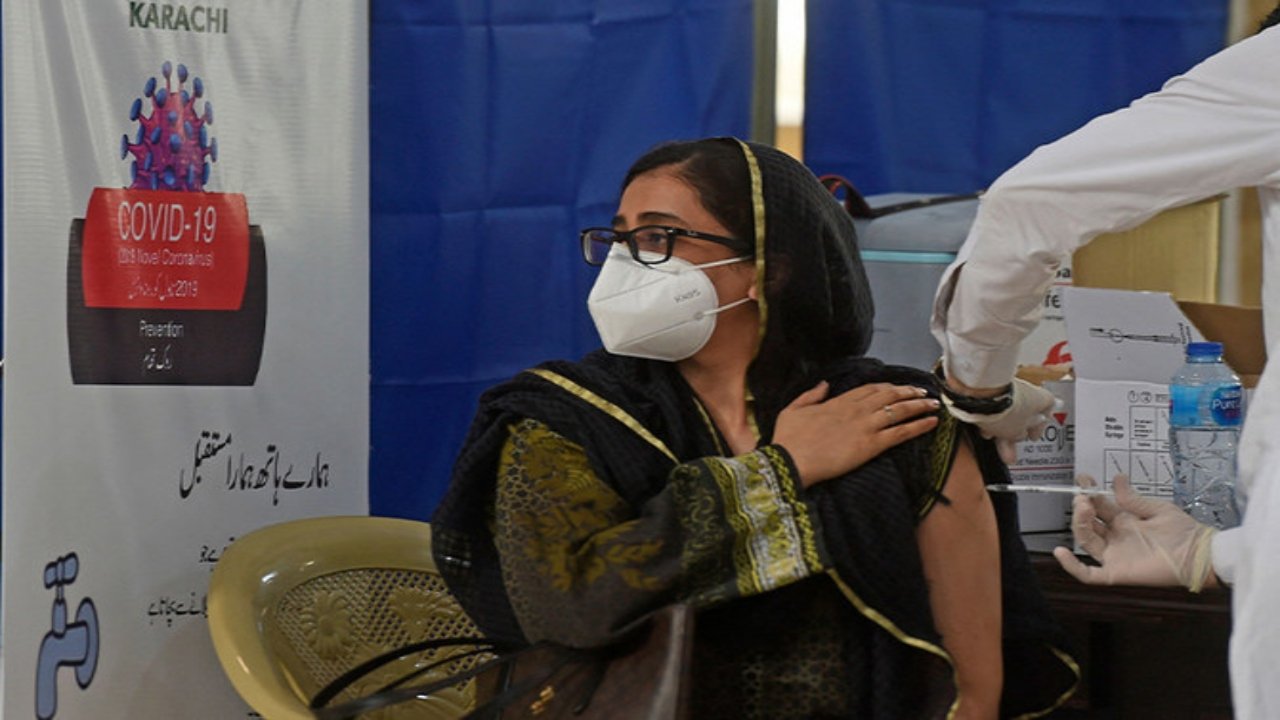
  • Door-to-door vaccination for women to start as Omicron spreads in Karachi

    Door-to-door vaccination for women to start as Omicron spreads in Karachi

    In view of the rapid spread of Covid-19 cases due to the Omicron variant in Karachi, the Sindh government has decided to deploy lady health workers (LHWs) and female vaccinators for door-to-door vaccination in the province. The government took the decision when it was discovered that most stay-at-home women are still unvaccinated, officials said on Thursday.

    “We have decided to send LHWs and female vaccinators to each and every house in Sindh to vaccinate people, especially women, against Covid-19 because most of the non-working women in Karachi, as well as other major cities and rural areas of Sindh, have been found to be unvaccinated,” MPA Qasim Soomro, Parliamentary Health secretary in the provincial assembly, told The News.

    Soomro ruled out any discussion within the government about tough measures and Covid-19-related curbs as they were placed during previous waves of the pandemic but called for an aggressive vaccination campaign to avoid harsh measures.

    “Vaccination of women against Covid-19 has largely been ignored by the heads of their families, especially those women who are housewives and don’t work in public and private sector offices and businesses. This section of the population is most affected due to Covid-19, especially the Omicron variant, which is targeting unvaccinated population very easily.”

    “Training of LHWs and female vaccinators is underway, and hopefully, they will be trained in vaccinating people by the end of this week. Door-to-door vaccination against Covbid-19 will hopefully commence by the start of next week.”