Tag: operating system

  • Windows 10 nearing end of life: Microsoft recommends users to switch to Windows 11

    Windows 10 nearing end of life: Microsoft recommends users to switch to Windows 11

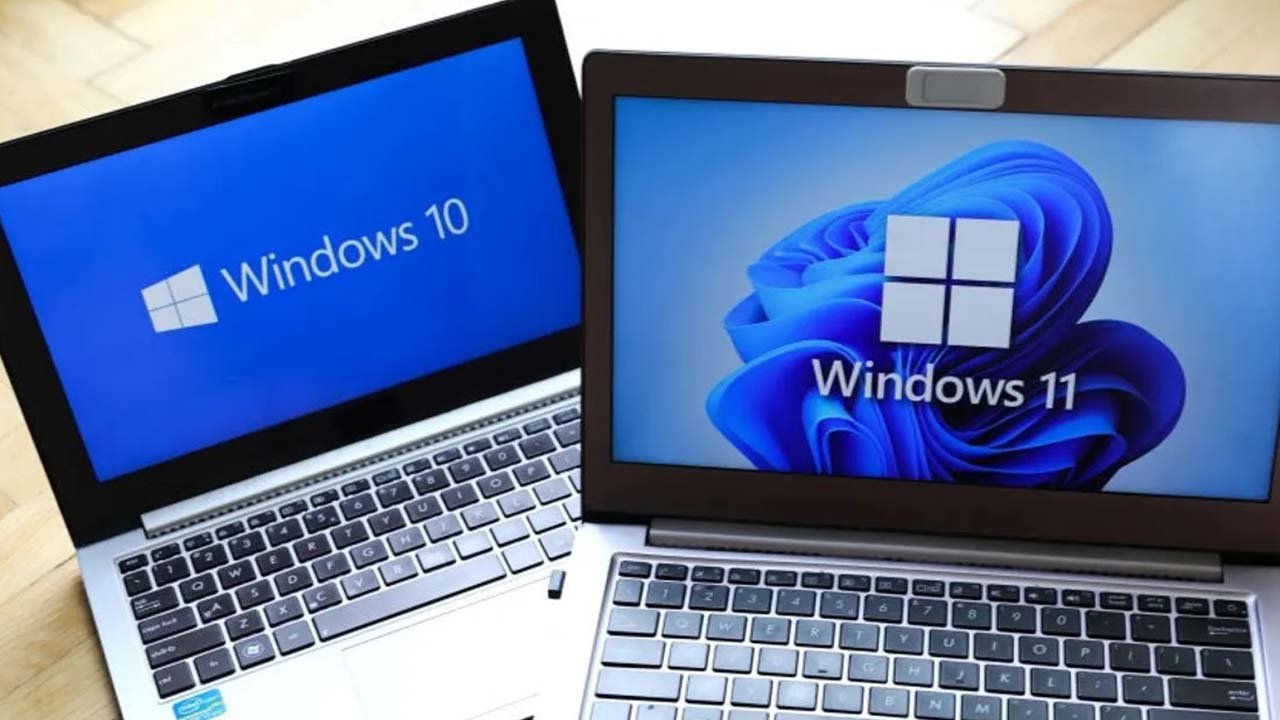
    Microsoft has announced that it has completed major updates to Windows 10 and is now recommending users to upgrade to Windows 11.

    Windows 10 version 22H2 is the latest and last version of the operating system, and Microsoft will provide monthly security updates for all Windows 10 editions until the end of support on 14th October 2025.

    However, the company clarified that existing long-term servicing channel (LTSC) releases will continue to receive updates beyond the end-of-support date.

    If you choose to stay with Windows 10 after the end-of-support date, your PC will remain functional, but without security updates, it will become more vulnerable to various security risks.

    This move by Microsoft is intended to encourage users to make the transition to Windows 11, which was rolled out in October 2021 and deployed to all eligible devices in May 2022.

    Windows 11, the latest operating system by Microsoft, includes new design elements and additional features and productivity tools that are available on the best Windows laptops.
  • iPhone 14 may feature lock screen display and widgets

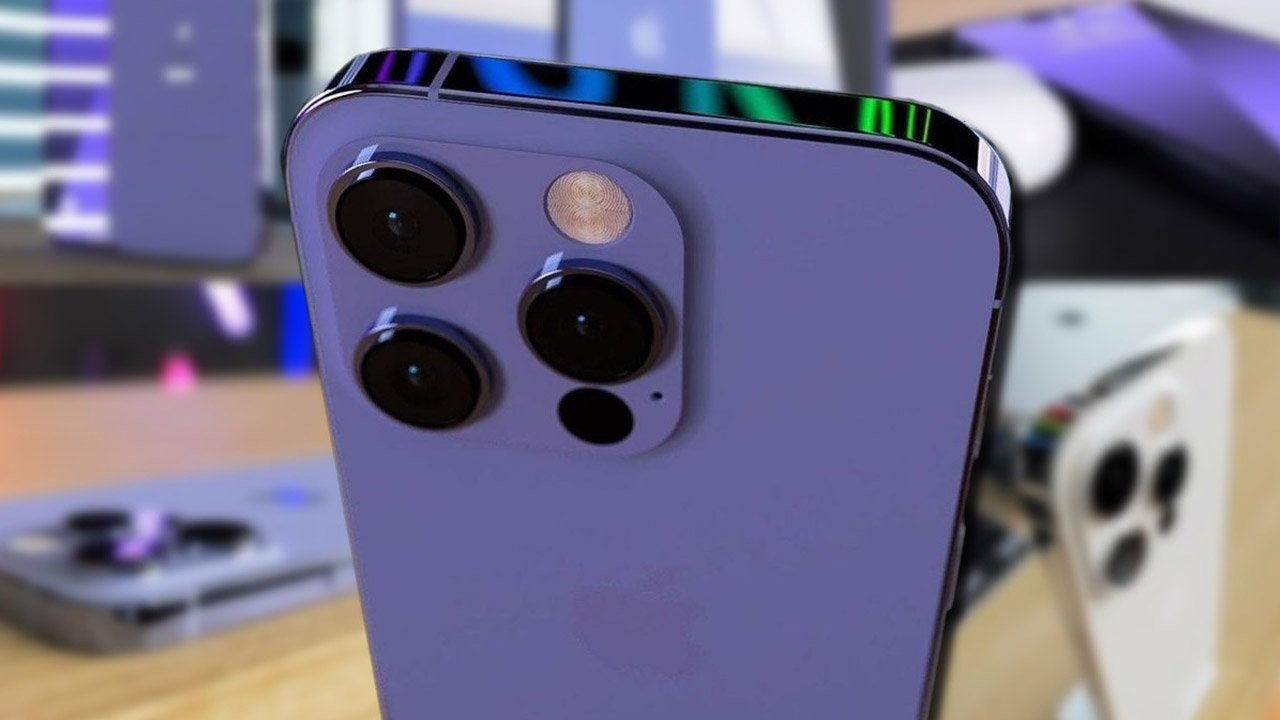
    iPhone 14 may feature lock screen display and widgets

    Several rumours are presently circulating the internet about the forthcoming iPhone’s traits and powers. According to some reports, Apple may forego the notch this time around in favour of a larger display.

    As nothing has been confirmed so far, and most predictions are a little overstated, all such leaks should be taken with a pinch of salt.

    There have been no official reports about when the new iPhone will be released. We already know that Apple will host WWDC 2022 on June 6th. It is also expected to release iOS 16, the next major software version for the iPhone.

    It will most likely introduce iOS 16, iPadOS 16, watchOS 9, and macOS 13 at its upcoming event.

    The company hasn’t revealed a date for its fall event, which is usually when the next iPhone is unveiled. Apple usually holds its annual autumn iPhone event in September, with releases following soon after.

    On the first or second of September, Apple usually announces its new iPhones. Last year, the iPhone 13 series made its official premiere on Tuesday, September 14th, with preorders beginning on Friday, September 17th, and the phones going on sale on September 24th.

    Apple’s fall event for the iPhone 14 could take place on Tuesday, September 6, or Tuesday, September 13. Because iPhones normally go on sale for presale on Fridays of the same week.

    iPhones are normally released a week and a half after Apple makes an announcement. Specific model introduction dates are sometimes staggered, especially when introducing a new design or size. As a result, it’s feasible that the iPhone 14 lineup will have multiple release dates.

    For the time being, however, the additional features that these operating systems will bring are unknown. According to a source, Apple may include the ability to include lock screen widgets, support for always-on displays, and much more.

  • Google creates earthquake alert system using Android Operating System

    Google creates earthquake alert system using Android Operating System

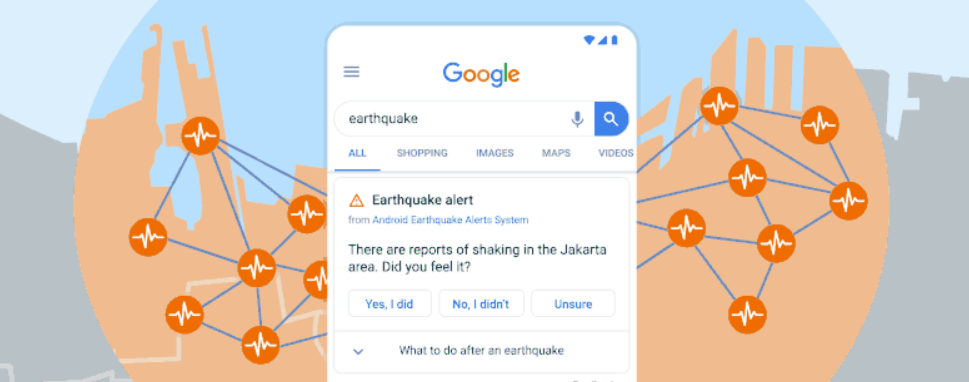
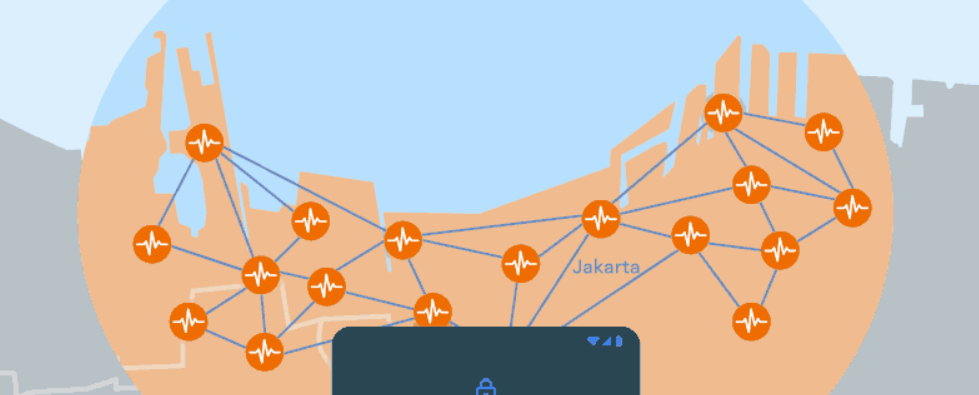
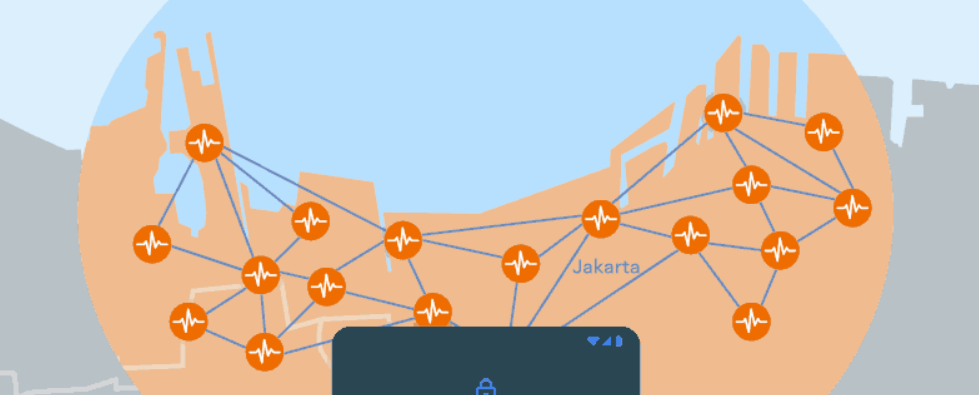
    Google is using its huge Android Operating System (OS) to create a worldwide earthquake alert system. This will create the world’s biggest earthquake detection network.

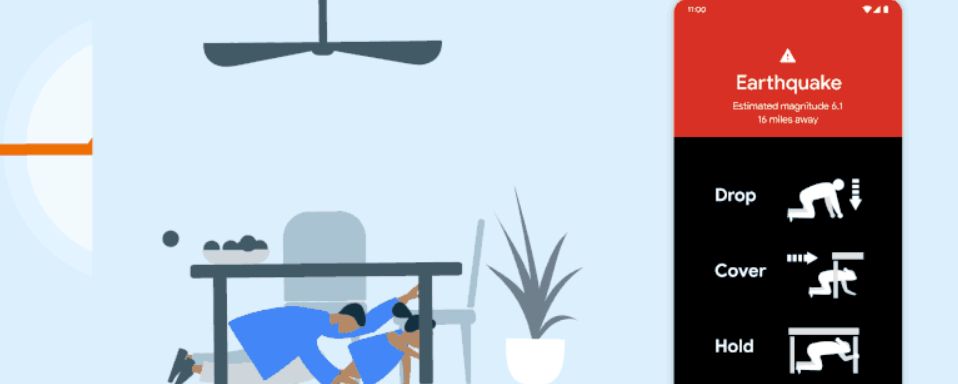
    If you sign up for the new initiative, your Android phone will become a mini-seismometer using the built-in accelerometer, and the system will eventually warn people of earthquakes.

    Google is working with the United States Geological Survey (USGS) and the California Governor’s Office of Emergency Services (Cal OES) to send alerts to Android users in California. This new earthquake detection system is based upon the existing alert system that uses signals from 700 different seismometers.

    “The public infrastructure to detect and alert everyone about an earthquake is costly to build and deploy. We saw an opportunity to use Android to provide people with timely, helpful earthquake information when they search, as well as a few seconds warning to get themselves and their loved ones to safety.”

    Marc Stogaitis, the Software Engineer at Android

    Google will gradually roll out earthquake alerts to more states in the US and then to other countries around the world. Since every smartphone has an accelerometer, they can detect signals that can indicate an imminent earthquake.

    Once a phone detects an earthquake, it will send location data to Google to point out where the earthquake took place. Google will then use data from numerous devices to determine the epicentre of the earthquake. Google hopes to make its earthquake data more accurate and will eventually release it for Google Search as well when people look up earthquakes.

    The update for earthquake detection will be rolled out using Google Mobile Services (GMS), meaning that a full OS update will not be required. It also means that phones without GMS such as Huawei phones will not receive the feature.