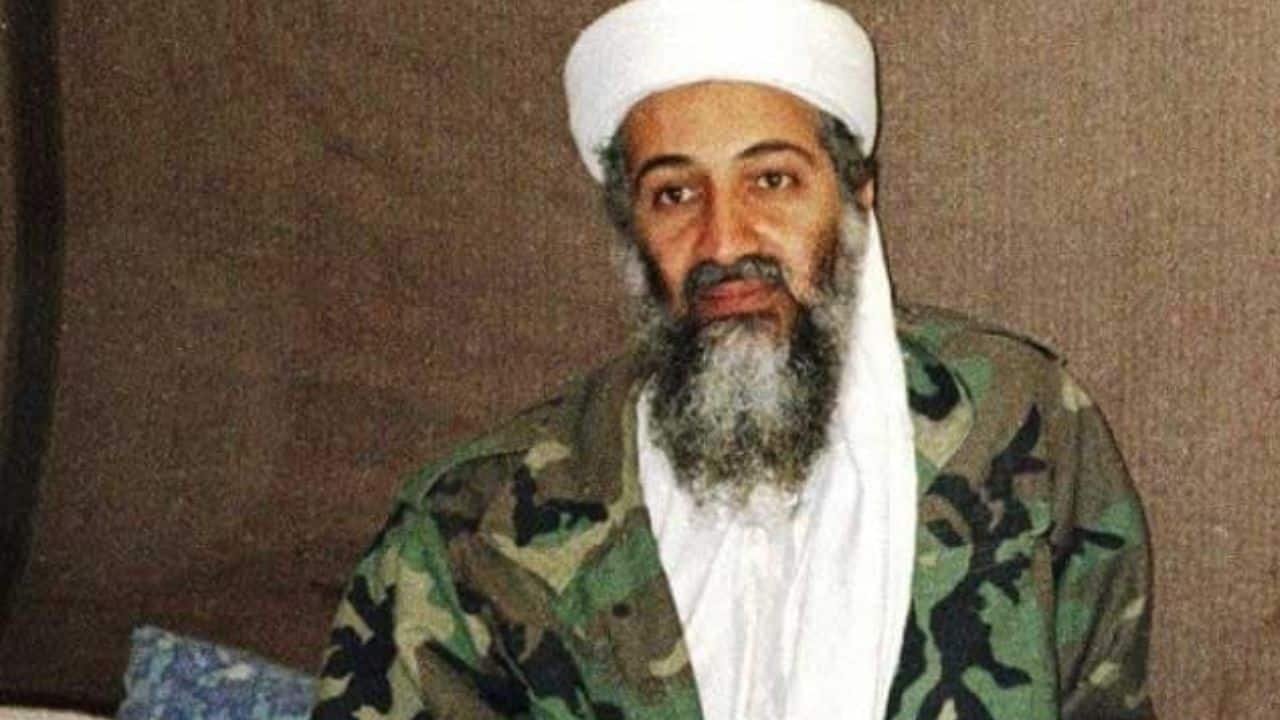
Almost 12 years after he was killed, Osama Bin Laden is back in the mainstream discourse after an essay he wrote in 2000, titled ‘Letter To America’, went viral on TikTok. Users began sharing a link from The Guardian on the social media platform, which the website has now removed. In the widely circulating letter, Osama addressed the American public to explain Al-Qaeda’s militant philosophy. Notably, he talks about Israel’s occupation of Palestine.
The letter has since then gone viral on Twitter and TikTok with users declaring the letter has changed their perspective of 9/11 attacks. Users reported the hashtag had gained over 9 million views on the social media platform
Some analytics on the new TikTok trend of reading Osama Bin Laden’s “Letter to America.”
The hashtag #lettertoamerica on TikTok is currently growing at a rate of 1 million views per hour.
The majority are videos of people posting their “mind blown” reactions after reading it… pic.twitter.com/C8fNYfr3y2
If you are being told people on tiktok are suddenly becoming OBL fans, that’s because you are only following dipshits or don’t spend a lot of time on tiktok at all. It’s not that! 1/2 https://t.co/axQAo4ts1bpic.twitter.com/QSz1SG3K7w
TikTok has said in a statement that they have removed the videos as the trend violates rules about “supporting any form of terrorism.” But the letter and excerpts from TikTok videos are still available on Twitter.
NEW: TikTok has blocked the hashtag #LettertoAmerica that creators used on videos about Osama bin Laden’s 2002 letter.
Even just searching “letter to America” on TikTok without the hashtag comes back with “No results found.”
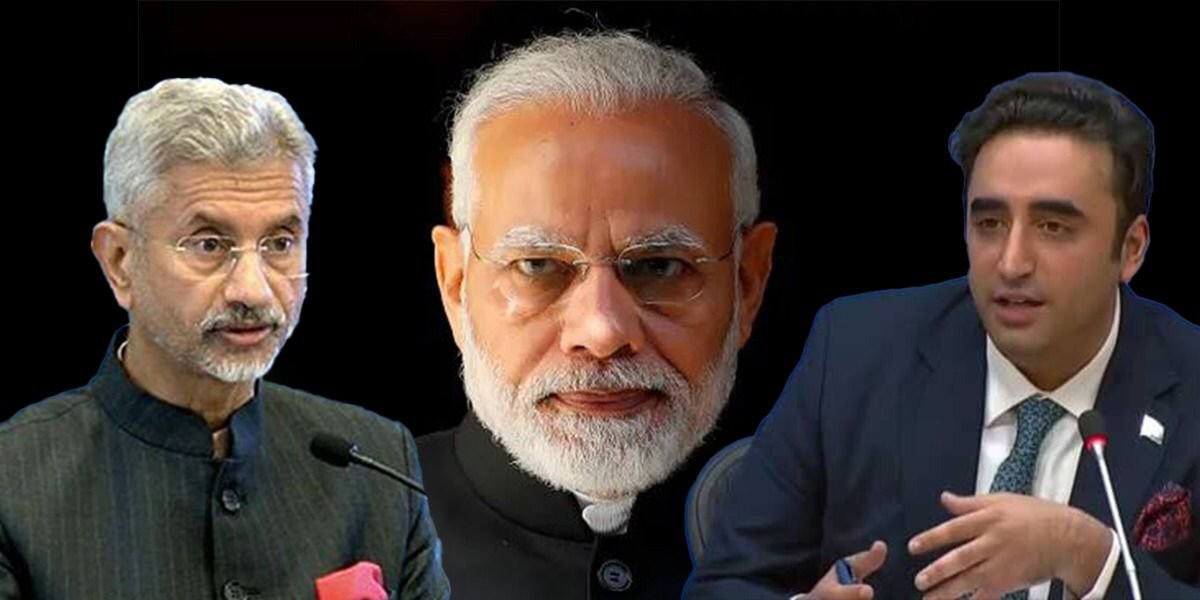
Foreign Minister (FM) Bilawal Bhutto-Zardari slammed Indian Prime Minister (PM) Narendra Modi in response to his Indian counterpart Subrahmanyam Jaishankar’s accusations about Pakistan perpetuating terrorism and sheltering Osama bin Laden.
“I would like to remind Mr Jaishankar that Osama bin Laden is dead, but the butcher of Gujarat lives, and he is the prime minister (of India),” said Bilawal at a press conference in New York on Thursday.
“He (Narendra Modi) was banned from entering this country (the United States). These are the prime minister and foreign minister of RSS, which draws inspiration from Hitler’s SS,” he added.
“In India, who perpetuates terrorism? Is it Pakistan? Ask the people of Gujrat; they will say it is their prime minister. Ask the people of Kashmir; they will say the butcher of Gujrat is now the butcher of Kashmir. I am not talking about some imaginary past; I am talking about today. They are not even attempting to wash the blood of the people of Gujrat from their hands for their own election campaign. Prime Minister Modi and his government have used their power to pardon the men who raped Muslims in Gujrat. The prime minister of India freed those rapists and terrorists.”
“The Indian government does not believe in Gandhi’s ideology, but rather in the doctrines of his assassin,” said Bilawal.
Jaishankar remarks on Pakistan came after State Minister Hina Rabbani Khar said that India is a “rogue state” that projects itself as greatest victim of terrorism but is the perpetrator of it. Jaishankr said that Khar’s remarks reminded him of the then US Secretary of State Hillary Clinton’s visit to Islamabad more than a decade ago when she reminded Pakistan that “if you have snakes in your backyard, you cannot expect them to bite only your neighbours”.
He claimed that Pakistan was “not great at listening to good advice … and now look what’s happening there. Today, it’s the epicentre of terrorism … and has its fingerprints over a lot of activities in the region and beyond”.
Urging Pakistan not to blame others, the Indian minister asked: “How long Pakistan intends to practice [terrorism] and hide it by taking that debate elsewhere? Please clean up your act. Please try to be a good neighbour.”
“We have lost far more lives to terrorism than India did,” said Bhutto-Zardari while pointing out that “India has been playing in the space” that has made it “very easy” to bracket Muslims with terrorism. “India has very skilfully blurred this line, making like us all are terrorists who are actually victims.”
The Pakistani foreign minister noted that India has continuously perpetuated this philosophy, not just for Pakistan but Muslims in India too.
The foreign minister said that Pakistan is proud of its achievements in the war against terrorism, as the country has taken concrete steps in connection with the National Action Plan for counterterrorism.
He said that the Financial Action Task Force (FATF) endorsed Pakistan’s measures taken to stem terror financing. Bilawal also said that it is wrong to blame the Muslim world for terrorism as terrorism doesn’t belong to any religion or region.
He pointed out that terrorism has mainly targeted Muslims since 2001. Also, there were incidents where Chinese citizens were targeted in Karachi, he said.
Highlighting the post-flood situation in Pakistan, the foreign minister said some areas of Balochistan and Sindh are still waterlogged. The massive flooding adversely impacted health, education and basic infrastructure.
Assistance from the international community is crucial for Pakistan in coping with the challenge of rehabilitation and reconstruction of the victims, he asserted.
United States (US) President Joe Biden has confirmed that Al Qaeda leader Ayman al-Zawahiri was killed in Kabul, Afghanistan, over the weekend by a US drone strike.
In a televised address, Biden said the strike in Kabul had been carried out on Saturday.
“I gave the final approval to go get him,” he said, adding that there had been no civilian casualties.
I made a promise to the American people that we’d continue to conduct effective counterterrorism operations in Afghanistan and beyond.
“Justice has been delivered and this terrorist leader is no more,” Biden said.
Zawahiri, an Egyptian surgeon who had a $25 million bounty on his head, helped coordinate September 11, 2001, attacks on US soil.
A senior US administration official said Zawahiri’s presence in the Afghan capital Kabul was a “clear violation” of a deal the Taliban had signed with the US in Doha in 2020 that paved the way for the US withdrawal from Afghanistan.
In a statement, Taliban spokesman Zabihullah Mujahid confirmed that a strike took place and strongly condemned it, calling it a violation of “international principles”.
Saturday’s drone attack is the first known US strike inside Afghanistan since the US withdrawal in August 2021.
Former adult entertainer and Bollywood actor Sunny Leone enjoys transnational popularity, recently certain Indian media tabloids claimed that the late Osama Bin Laden was her huge fan.
Throwback to the time when American commandos killed Osama Bin Laden in Abbottabad and media reports stated that he had a large collection of Sunny Leone’s videos in his abode.
When Sunny learned about her ‘dangerous’ fan, she looked shocked. The Ragini MMS 2 star couldn’t believe the reports at first and broke into laughter after learning about it. DNA India quoted her saying, “’I thought it was just a joke. I didn’t think much about it’.
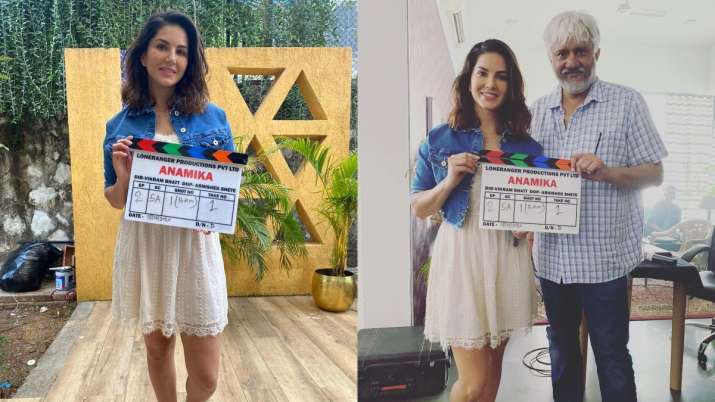
On the work front, Sunny Leone is also set to make her OTT debut with crime-thriller show Anamika, which will stream on MX Player from today, i.e., March 10. The web show is helmed by Vikram Bhat.
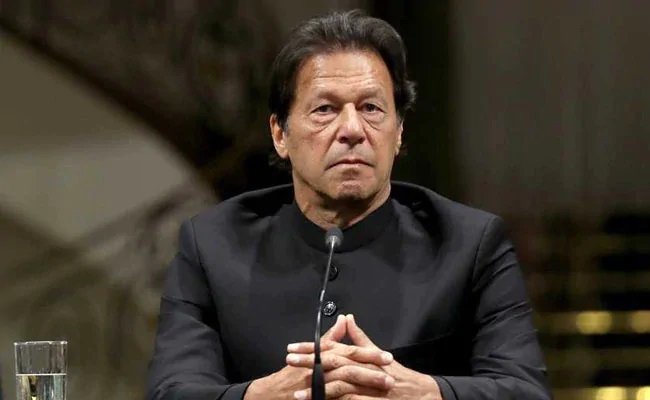
Prime Minister (PM) Imran Khan has spoken about the invasion in Afghanistan by the United States (US) for the “war on terror”, which continued for 20 years, terming it as a failure.
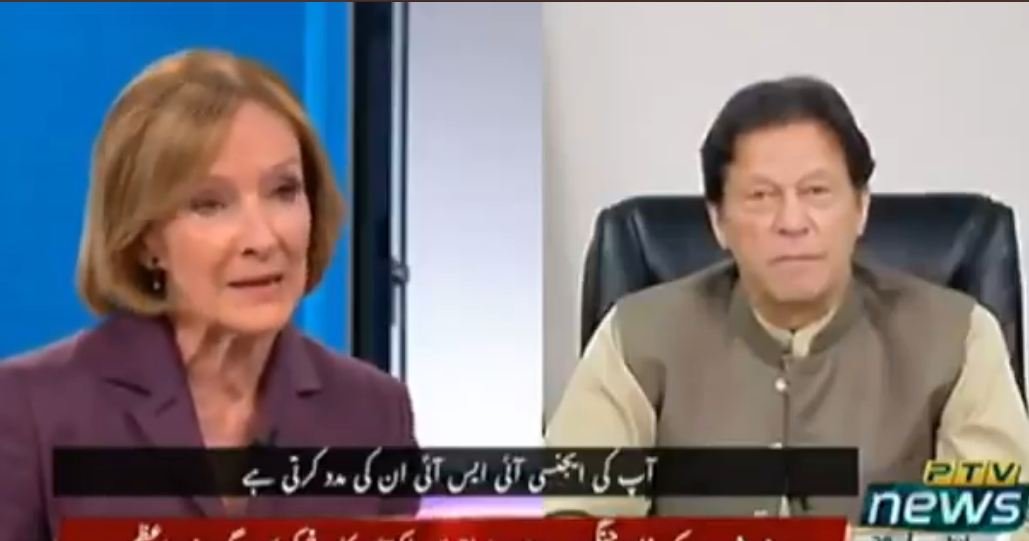
In an interview with the Director of the Advisory Committee of China Institute of Fudan University Dr Eric Li, PM Khan said, “Anyone who understood the history of Afghanistan would never have done what the Americans did.” He argued that after the killing of former Al-Qaeda leader Osama Bin Laden, American forces didn’t know what they were doing there.
“They [Americans] were never clear on what they were trying to achieve in Afghanistan. Was it nation-building; was it democracy; was it liberating the Afghan women? They had no clear aims,” the premier posed several questions during his interview.
Since the ousting of the Ashraf Ghani-led government, the prime minister has been supporting to unfreeze the Taliban-run country’s assets.
He said joining the “war on terror” and the corruption of the past rulers badly affected Pakistan. Furthermore, he highlighted that the country lost about 80,000 people and over $100 billion in the war.
Talking about the recent treatment of Indian Muslims in India, the prime minister criticised the Bharatiya Janata Party (BJP) government for marginalisation of minorities, including Muslims, and termed it a “tragedy” for the Indian nation.
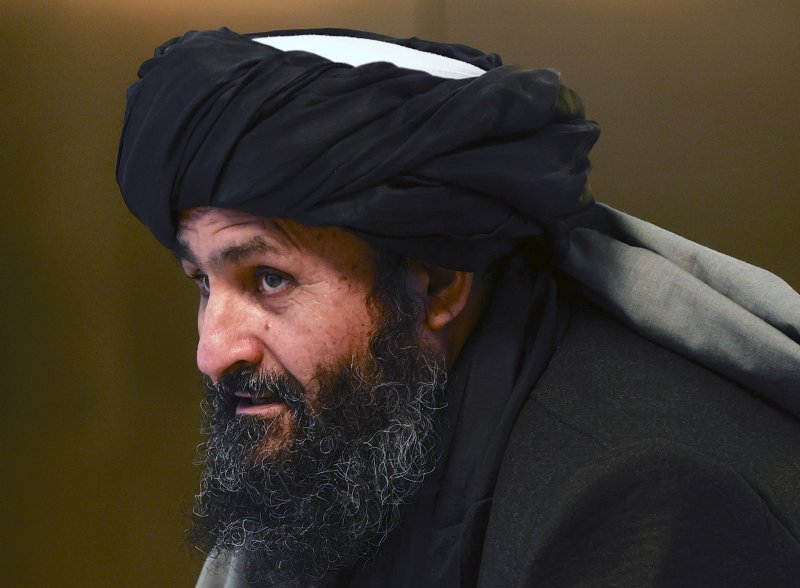
Taliban co-founder and now Deputy Prime Minister of Afghanistan, Abdul Ghani Baradar, has been named among the “100 Most Influential People” of 2021 by Time magazine, reports Dawn.
Rashid mentions Baradar as having “a charismatic military leader and a deeply pious figure”, who “is revered” among the Afghan Taliban as a founding member of the movement in 1994.
“A quiet, secretive man who rarely gives public statements or interviews, Baradar nonetheless represents a more moderate current within the Taliban, the one that will be thrust into the limelight to win Western support and desperately needed financial aid. The question is whether the man who coaxed the Americans out of Afghanistan can sway his own movement,” the profile said.
“When the Taliban swept to victory in August in Afghanistan, it was on the terms Baradar negotiated. He was said to be making all the major decisions, including the amnesty offered to members of the former regime, the lack of bloodshed when the Taliban entered Kabul and the regime’s contacts and visits with neighboring states, especially China and Pakistan,” read the profile.
“Now he stands as the fulcrum for the future of Afghanistan. In the interim Taliban government, he was made a Deputy Prime Minister, the top role given to another leader more acceptable to the younger, more hard-line generation of Taliban commanders.”
Baradar appears to be the first Taliban leader to make it to the list.
In 2004, Al Qaeda founder Osama bin Laden was included in the list, with the magazine noting that he “galvanised disparate organisations in dozens of countries into one network, sharing a vision, logistics, and Afghan training camps”.
“The malcontented son of a wealthy Saudi construction magnate, bin Laden found meaning in the Afghan war,” wrote Richard Clarke, the former head of counterterrorism for America’s National Security Council.
The report says, “The brutal rulers [US leaders] figured out that the best way to get away with mass abuse was to label it a fight against terrorism.”
Furthermore it states, “The war paradigm was also used to justify killing suspects wherever they were found, often on the flimsiest of evidence. However, international human rights law requires law enforcement officials to arrest suspects whenever possible and to use lethal force only as a last resort to stop an imminent threat to life.”
“They [US] not only mistreated the people of Afghanistan but its citizens also had to face discrimination. Globally, Muslims are the primary victims of terrorism. The US has always treated ‘presumed terrorists’ as combatants,” the report reads.
HRW also has discussed the ill-treatment of one million Uyghurs in Xinjiang, China and the bombings on Gaza by Israel.
“It is a time to condemn the evil of terrorism. It is also the time to close Guantanamo, by releasing all of the 39 aging detainees still there, who have not been charged and giving the rest a fair trial in a proper court,” the report concluded.
People from all over the world remembered the horrifying episode today on social media, while some of them share their stories.
On this 20th anniversary of 9/11, we remember every parent, brother, sister, friend, and colleague that was stolen from us in the Twin Towers, the Pentagon, and in a field in Shanksville, PA. We must always honor their sacrifice and never forget them. #September11#911Anniversarypic.twitter.com/6TqW0xaEuI
Never Forget #September11 Even in the horror of that day, beyond the tragedy and evil, faith endured and God showed Himself. I was struck by the spontaneous outpouring of devotion and belief in the aftermath of 9/11. There has been no national expression to match it in 2 decades. pic.twitter.com/wZs5YSlFaX
One of my most vivid 9/11 memories is being evacuated from my office building (blocks from the White House) & seeing crowds of people on Connecticut Ave looking up nervously at the sky, fearing (as rumored) that another hijacked plan may be approaching to strike the White House.
Since 2001, the notorious military prison at Guantanamo has become a symbol of US human rights abuses. Many detainees — mostly Muslim men — were tortured or held for years and even decades without charges, trials, or basic legal rights.
The 9/11 attacks are the deadliest terrorist attacks on American soil in US history. It was a series of airline hijackings and suicide attacks committed by 19 militants associated with al-Qaeda.
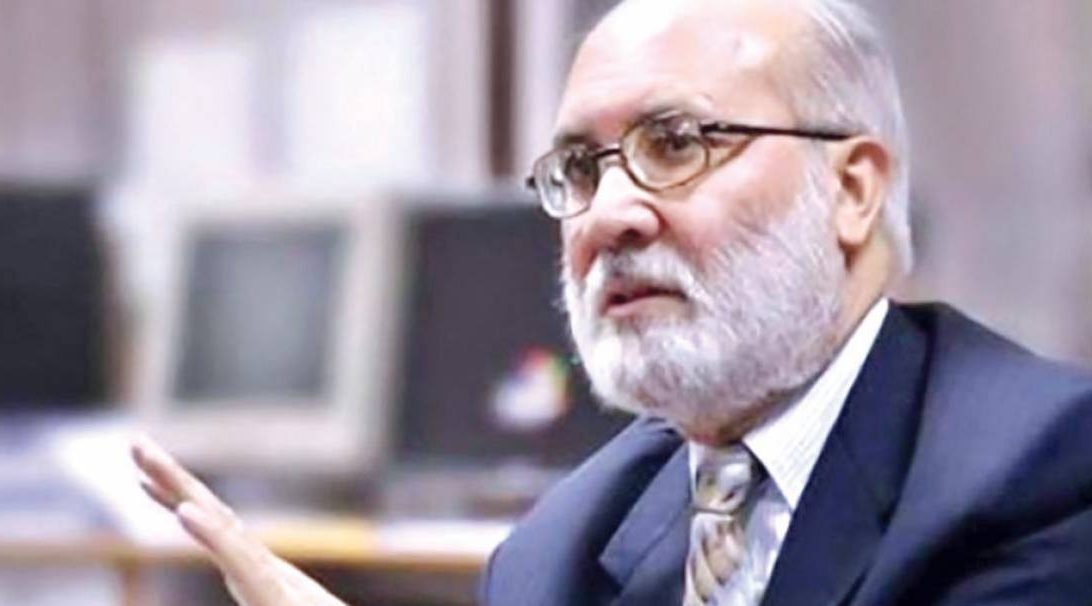
The death of Rahimullah Yusufzai is a terrible blow to journalism – not just in this region, but at a global level. He was one of the best-known and most well-respected journalists on the subject of the Afghan conflict and considered an authority on the Taliban and Al-Qaeda. With his passing we have lost not just an important source of context and information, we have lost a master practitioner of this craft, somebody who was dedicated to truth and accuracy, and who was always ready to go into the field, talk to people, find the story, understand the context.
Despite his considerable fame, Rahimullah sahab, as we always called him, remained modest about his achievements and very down to earth about everything. What I most remember about him was his enthusiasm for his work and the professionalism with which he did it. In the three decades, I knew him, he never turned down a request for an interview or a story – even if this was a very short notice.
In this picture, late Rahimullah sahab, Resident Editor of The News is seen working in his office
Rahimullah sahab was recommended to Newsline in 1989 by another journalist (I think it was Aziz Siddiqui, then editor of the Frontier Post). At that time, he worked for the Frontier Post in Peshawar and Rahimullah sahab would file the monthly political roundup from the province for us. His copy was impeccable and his political insights sound but what was also very interesting was his readiness to write on other subjects. We would ask about possible writers or reporters for sports and culture stories and he would offer to do everything himself. I remember a few responses like: “Sports – that’s my first love! I can do that for you,” and “Culture, I can cover that for you.” And he really could. He was extremely versatile; a story he did on Pashto cinema was one of Newsline’s greatest hits.
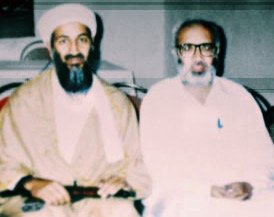
Newsline, founded by Razia Bhatti, was an independent, journalist-owned venture and we often struggled with finances but Rahimullah sahab was a great supporter in those early years and he remained so throughout his life. In March this year – just six months ago – he was a guest speaker at the IBA Centre for Excellence in Journalism’s Razia Bhatti Memorial lecture. It was indeed a privilege to have him deliver the lecture in which he spoke specifically about his 1998 interview with Osama bin Laden (OBL) and more generally about reporting on the Taliban and Al-Qaeda.
Earlier press briefing with OBL 1998
The event was titled ‘Tea with Osama bin Laden’, and despite being a virtual event, it was extremely well attended. After Kamal Siddiqui of CEJ, Akbar Zaidi of IBA and I had said a few introductory words, Rahimullah sahab began his talk by saying how “humbled and honoured” he was by what had been said. We had only stated facts and talked about his achievements and reputation. I had also spoken about his great sense of professional solidarity, but the fact that he was so touched by what we said showed how modest he remained about his achievements.
The talk itself was extremely interesting and full of detail. His account of a 1998 presser with OBL was fascinating. He recalled that he asked OBL a number of awkward questions, one of which was how wealthy was he. In response, OBL had put his hand on his heart and said he was rich (‘ghani’) in there and thus deflected the enquiry. There was a lot of interesting detail in his account of the OBL interview, which took place a few months after the press briefing — how it was arranged, what constraints there were, how he was asked to destroy a photo he took of OBL entering the tent because Osama bin Laden was walking with the aid of a stick and the organisation “didn’t want him to look weak”.
In the Q&A session after the talk, Rahimullah sahab also spoke about a number of other experiences and issues. When asked about any advice he wanted to remind journalism students of, he said the most important issues were just “hard work and honesty”. He emphasised the need for proper preparation and research (tayari). He also said laughingly that he was perhaps the person who had taken the most photographs of OBL but that in the early years, he had sold them to various outlets, not for very much money. That sounds right, Rahimullahsahab was very much a person who wanted to get on with his work rather than promote his own persona or negotiate lucrative deals for his work.
We also talked about the Sharbat Gula matter. Sharbat Gula was the green-eyed Afghan girl whose photograph had appeared on the cover of National Geographic in 1984, and who was featured again by the publication more than a decade later (and who Pakistan, rather pointlessly, deported in 2016 despite her having lived in the country for decades). Rahimullah sahab was the person who traced her for National Geographic after all those years and he spoke about that and how he was able to negotiate with the publication on her behalf. He needn’t have done that — many journalists would have looked only to their own interests but Rahimullah sahab made sure to help Sharbat Gula’s family to get something from the magazine (medical aid, Hajj expenses, and a small monthly stipend). He said he had never mentioned all of this publicly before but now he was putting it into his book. When asked when we might see this book completed, he lamented he wasn’t able to give enough time to this because the misfortune of a working journalist like himself was he was always so involved with various deadlines on a daily basis. He also mentioned the financial pressures journalists in Pakistan were facing and how his employers had not paid their staff for months.
He recalled that a CNN producer who had once interviewed OBL had managed to produce two books based just on that one meeting and how so many others who had met Osama had managed to get so much mileage out of the experience. He said somehow the fascination with the man and the movement continued, yet he himself had not really taken advantage of this, but that he would record such experiences in his book.
But now Rahimullah sahab is gone. We don’t know if any part of his book is complete or whether it was in notes and planning form. But he does leave behind a vast body of work in journalism. He is now invariably described as a ‘veteran’ journalist, which is apt: he covered the Afghan conflict for years and interviewed nearly every Afghan leader of consequence, including Dr Najeebullah and several leading mujahideen. He had a rare insight and understanding of the politics of his own country and province. He leaves behind a tremendous void – not just was he an experienced reporter and an informed analyst, he was an invaluable source of information and one of the people still practising the craft of journalism with integrity and commitment.
Apart from his enthusiasm for his work, his meticulous attention to detail and fact-checking, and his ability to present a balanced and factual picture, what I shall remember also about Rahimullah sahab is the tremendous grace and dignity with which he always conducted himself – whether on reporting assignments, in international conferences or in small villages. He was never one to curry favour or be impressed by pomp or power. He always remained essentially a journalist: looking for stories, talking to people, ascertaining the facts, and abiding by the basic principles of journalism.
Rahimullah sahab towered above most of his colleagues physically in his life but professionally too, he was a giant of the profession. We shall all miss him very much.
Prime Minister Imran Khan referring to slain Al-Qaeda leader Osama bin Laden as a “martyr” last year was a “slip of the tongue”, Information Minister Fawad Chaudhry clarified in Geo News programme, ‘Jirga’.
“Pakistan has voted in the UN on the war on terror [against militants], we are a voter on a [UN] list that declared Osama bin Laden and Al-Qaeda terrorists,” said Fawad Chaudhry.
“Pakistan has sacrificed the most in the war against terrorism,” Chaudhry added.
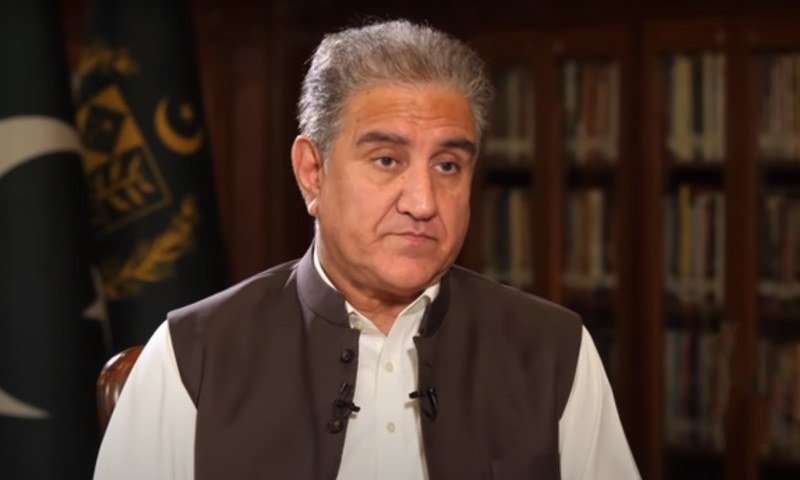
In an interview with Afghanistan’s Tolo News, Foreign Minister Shah Mahmood Qureshi skipped a question when asked if Osama bin Laden was a martyr. Qureshi paused for a few seconds and then said, “I will let that pass.”
Senior Afghan journalist Lotfullah Najafizada had originally asked Qureshi about PM Khan calling Osama bin Laden a martyr. The foreign minister responded that the PM was quoted out of context. “Out of context. He was quoted out of context. And, a particular section of the media played it up.
When asked to comment on why the foreign minister hesitated in answering a question on the premier’s statement on bin Laden, Fawad Chaudhry said Shah Mahmood Qureshi wanted to put the issue behind him and move forward.
Addressing the National Assembly in June last year, PM Khan recalled how the Americans had conducted an operation in Abbottabad and “killed Osama Bin Laden — martyred him”.
Foreign Minister Shah Mahmood Qureshi on Tuesday appeared on Geo News programme “Aaj Shahzeb Khanzada Kay Saath” and said that former Al-Qaeda chief Osama Bin Laden (OBL) “is a thing of the past and my focus is on the present and the future”.
جب پاکستان ریاستی پالیسی کے تحت القاعدہ کو دہشت گرد تنظیم قراردیتاہے اورالقاعدہ کے متعدد دہشت گردوں کو پاکستان کی مددسے پکڑااورماراگیا تو اسامہ بن لادن کے شہیدہونے یانہ ہونے پرغیرواضح موقف دیکر کیوں دنیا میں ہیڈلائنز بنائی جارہی ہیں؟ دیکھیے
Qureshi was asked once more about why it is that he, along with Prime Minister Imran Khan, avoid clarifying whether OBL is a martyr or terrorist.
“Osama Bin Laden is a thing of the past. I am not concerned with the past. You are lost in the past. My focus is on the present and the future,” said Qureshi.
Khanzada explained that he was asking for clarity because Pakistan paid a huge price for confusion in the past when it was said that there is a “dual policy with sympathy for terrorists”.
“I wish to bring you out of the past,” Qureshi said, in response. “My friend, I wish to bring you out of the past. And I tell you, you must think about the future. That future will impact Pakistan, it’s economy and its society. We are absolutely clear on this. We are against terrorism.”
Qureshi further added that PM Khan takes inspiration from the country’s founder, Quaid-e-Azam Mohammad Ali Jinnah.
Qureshi was also asked why Pakistan is giving confused statements, when in the backdrop of the US defence secretary’s words about Afghanistan’s soil being used against the US by Daesh or Al-Qaeda in two years’ time, such remarks could come back to haunt us.
To this Qureshi said: “No, no, no, no. We have great clarity on this. We will never want Afghan or Pakistan soil to be used against a third country, let alone America. I would never want it to be even used against any of our neighbours. Not at all.”
“We have great clarity. We do not and never will support terrorist organisations and will never want for them to gain such power or importance that they become capable of striking the mainland, some other country, or some coalition partner who have done so much for Afghanistan,” added Qureshi.
“We will have to admit one thing. The coalition there invested a great deal [in society]. They have invested billions of dollars, established institutions, promoted education, taught them governance. Who will want them to come under attack?” he said.