Tag: painting

  • Sindh Culture Minister takes action over missing artwork

    Sindh Culture Minister takes action over missing artwork

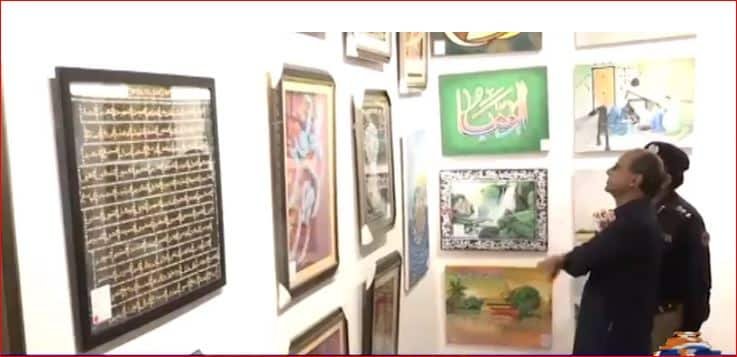
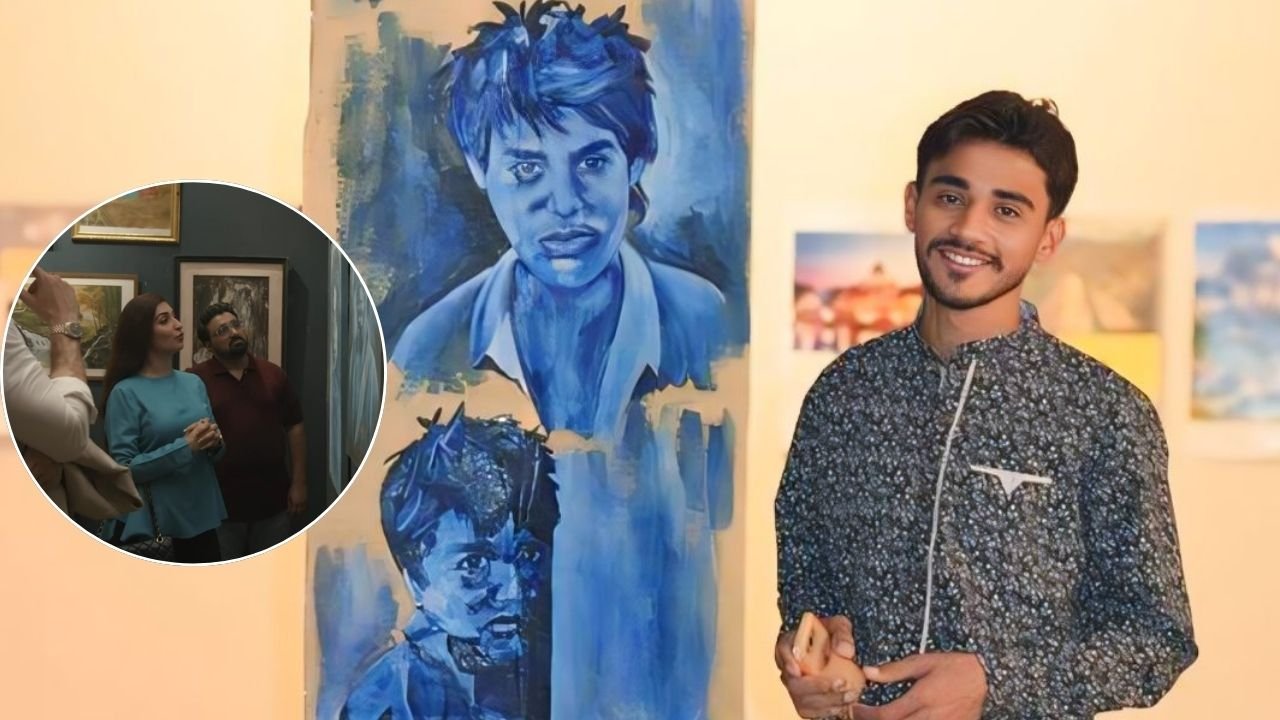
    Syed Zulfiqar Ali Shah, Minister for Culture and Tourism in Sindh, has formed a two-person investigating commission to investigate the disappearance of painter Safdar Ali Soomro’s artwork .

    The Director General of Antiquities and the Director General of Culture make up the committee which will conduct a thorough investigation and provide a comprehensive report on the missing artwork

    Minister for Cultural Tourism Syed Zulfiqar Ali Shah said, “We have initiated a comprehensive investigation, and further action will be taken based on the findings. Any negligence or misconduct will be addressed accordingly.”
    Big Bang issued a statement on their Instagram account, saying,

    “As artists and producers ourselves, our sympathies go out to the concerned individual. This being said, Big Bang Entertainment would like to clarify that we have no involvement in this matter. The location for this specific shoot was rented, and as per our agreement, all assets present, including the painting in question, belonged to the venue owners.”

    “Unfortunately, this is beyond the control of our production team, and we encourage the artist to directly address the matter with the concerned parties. We hope for a swift and fair resolution and expect all stakeholders to respect the unprecedented success and acclaim Kabhi Main Kabhi Tum has organically achieved these past few weeks.”

    Safdar Ali Soomro, a talented artist from Daharki in Ghokti, Sindh, never imagined that his paintings would be featured in the smash hit drama Kabhi Mein Kabhi Tum.

    The trending serial has captured the hearts of viewers both in Pakistan and abroad, with its characters and storyline receiving widespread praise.

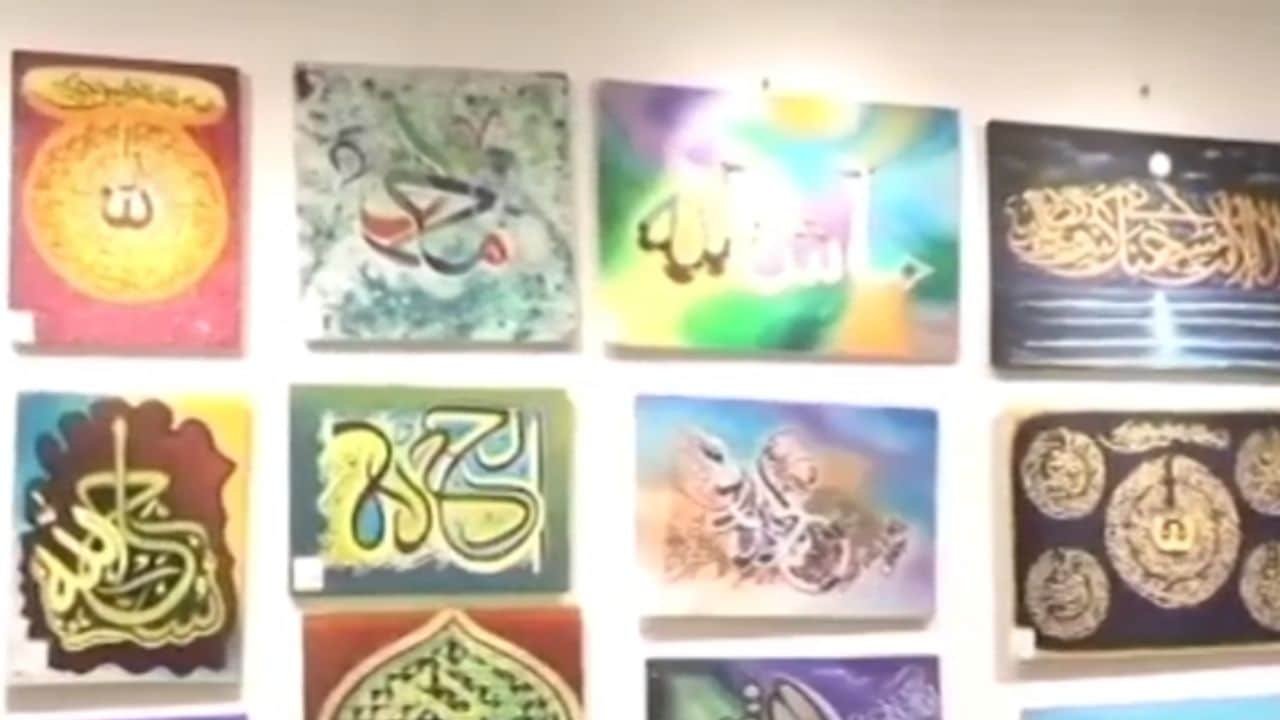
    However, an unexpected twist occurred when artist Safdar Ali Soomro recognized his lost paintings hanging in the background in one of the episodes.

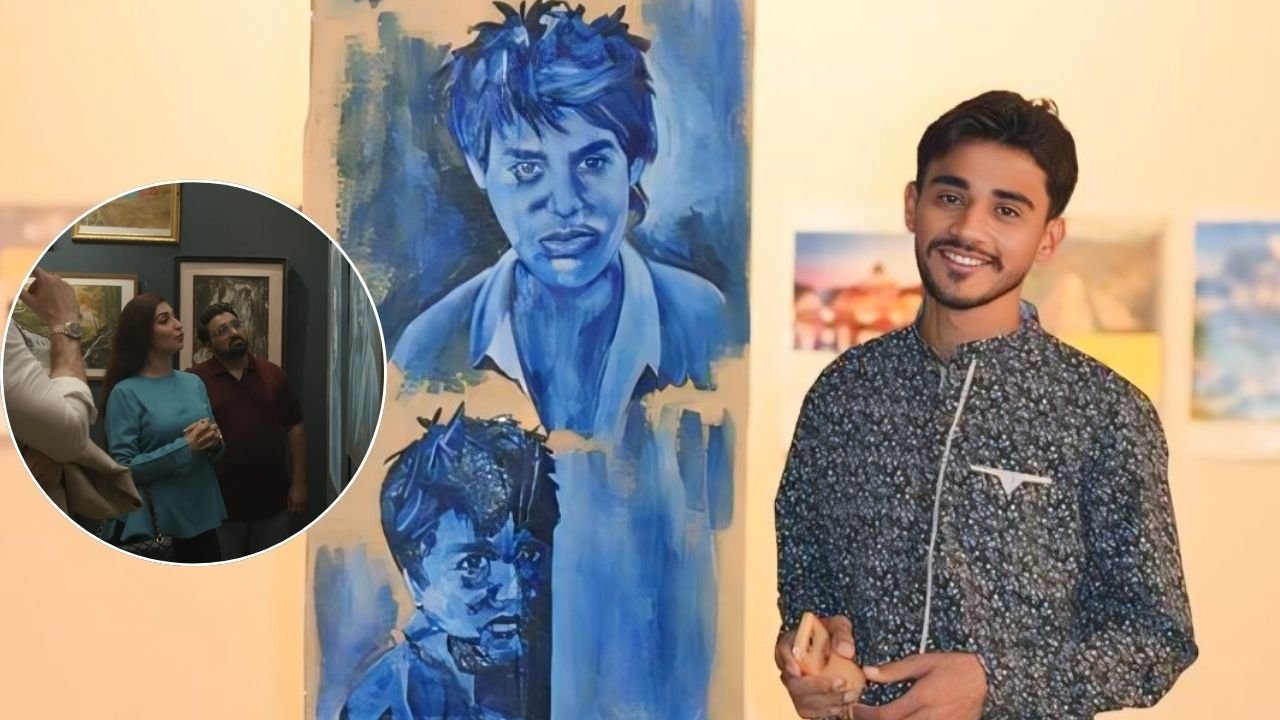
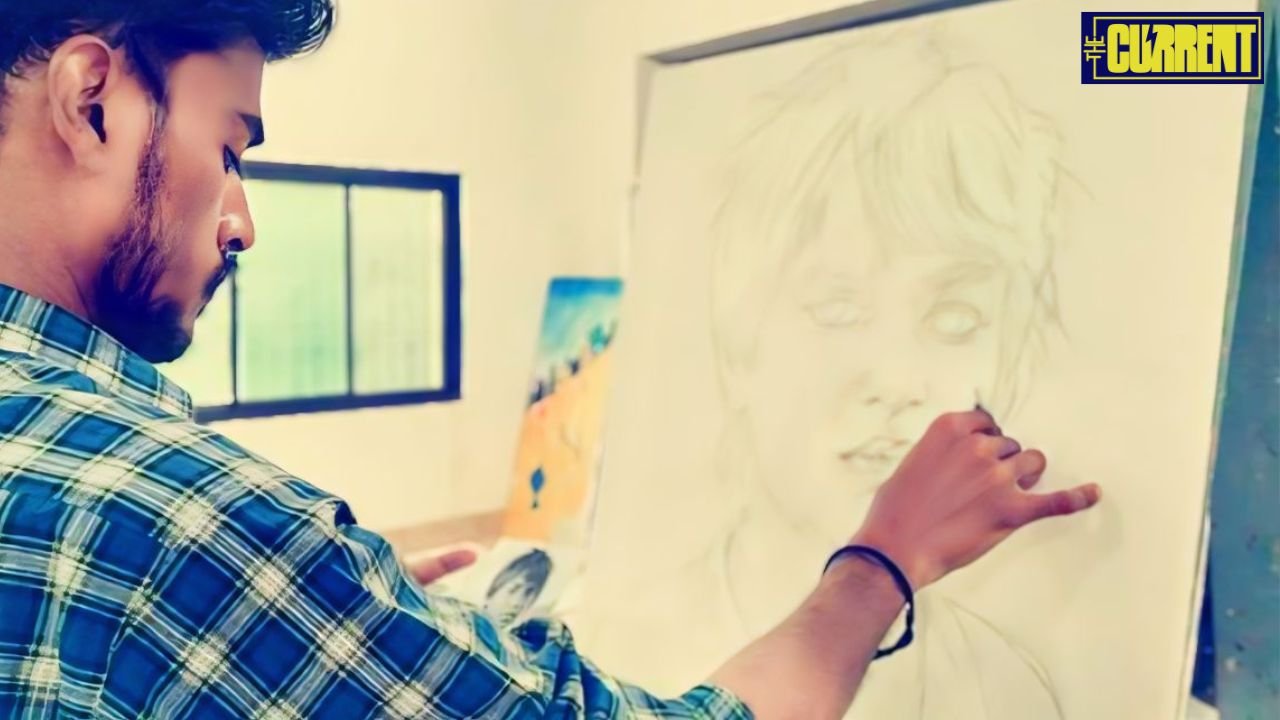
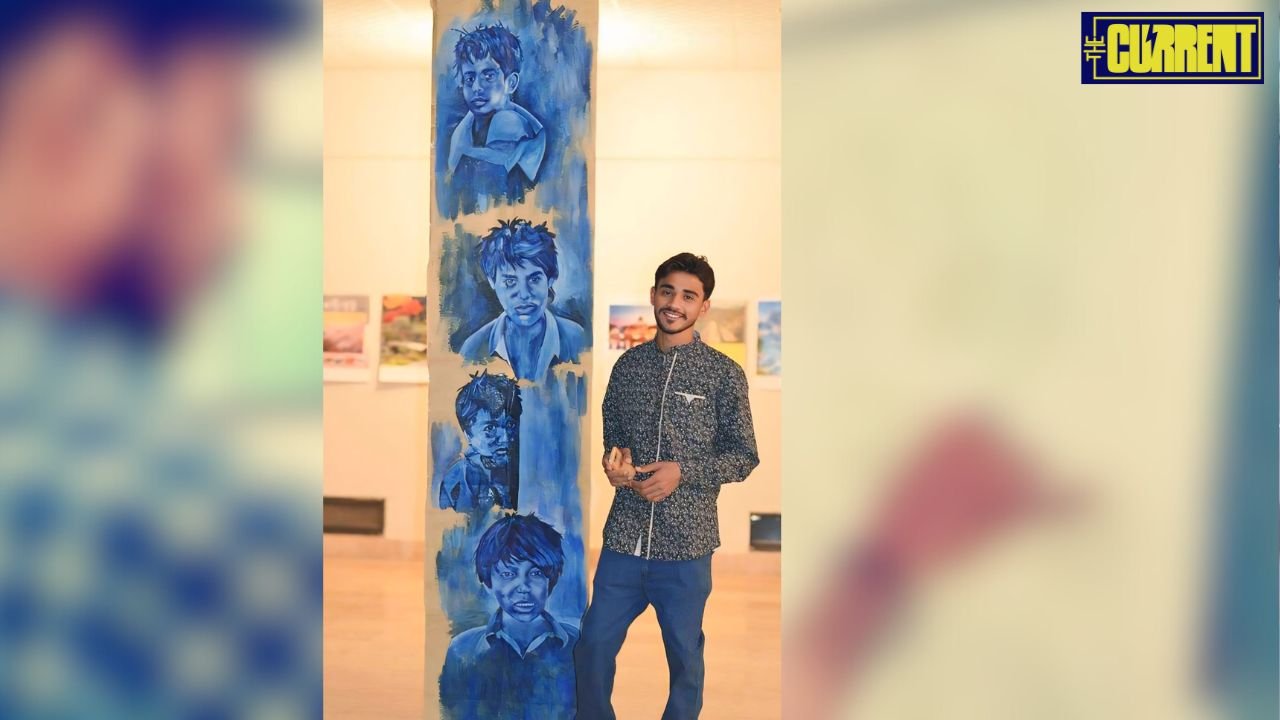
    In an exclusive conversation with The Current, Safdar shared the story of his missing artwork. Graduating from the University of Sindh with a focus on fine arts, Safdar created 16 paintings for his thesis, all in blue monochrome, under the theme ‘Innocent Faces.’ These works were displayed at his university’s Benazir Art Gallery, after which he sought exhibitions in Karachi.

    “After the display, I took my paintings to Karachi to explore the market. I had already participated in two or three local exhibitions while I was at the university. I saw an ad on Frere Hall’s social media inviting artists to submit their paintings for an exhibition. I submitted my paintings to their Sadeqain Art Gallery, and they made an entry in their book. I might have received a receipt, but I don’t have it anymore.”

    Before bringing his paintings to Karachi, he had already showcased his work in a few university exhibitions.

    Safdar submitted his paintings to Frere Hall, but to his dismay, he was informed that they had gone missing. Seven years later, in 2024, he was surprised to see his artwork featured in episode 17 of Kabhi Main Kabhi Tum.

    “ I want to say that whoever’s paintings they are, they should get the credit. No third party should take credit for my work. I am the owner of those paintings, and I have proofs and my signature on them,” Soomro added.

    The Current reached out to Big Bang Productions, who clarified that they had nothing to do with the paintings and only paid rent for the scene shot at Frere Hall. The problem now lies at Frere Hall’s doorsteps, with many questions still unanswered.
  • Artist missing painting found in Big Bang Entertainment drama: What’s going on?

    Artist missing painting found in Big Bang Entertainment drama: What’s going on?

    Safdar Ali Soomro, a talented artist from Daharki in Ghokti, Sindh, never imagined that his paintings would be featured in the smash hit drama Kabhi Mein Kabhi Tum.

    The trending serial has captured the hearts of viewers both in Pakistan and abroad, with its characters and storyline receiving widespread praise.

    However, an unexpected twist occurred when artist Safdar Ali Soomro recognized his lost paintings hanging in the background in one of the episodes.

    In an exclusive conversation with The Current, Safdar shared the story of his missing artwork. Graduating from the University of Sindh with a focus on fine arts, Safdar created 16 paintings for his thesis, all in blue monochrome, under the theme ‘Innocent Faces.’ These works were displayed at his university’s Benazir Art Gallery, after which he sought exhibitions in Karachi.

    “After the display, I took my paintings to Karachi to explore the market. I had already participated in two or three local exhibitions while I was at the university. I saw an ad on Frere Hall’s social media inviting artists to submit their paintings for an exhibition. I submitted my paintings to their Sadeqain Art Gallery, and they made an entry in their book. I might have received a receipt, but I don’t have it anymore.”

    Before bringing his paintings to Karachi, he had already showcased his work in a few university exhibitions.

    Safdar submitted his paintings to Frere Hall, but to his dismay, he was informed that they had gone missing. Seven years later, in 2024, he was surprised to see his artwork featured in episode 17 of Kabhi Main Kabhi Tum.

    “ I want to say that whoever’s paintings they are, they should get the credit. No third party should take credit for my work. I am the owner of those paintings, and I have proofs and my signature on them,” Soomro added.

    The Current reached out to Big Bang Productions, who clarified that they had nothing to do with the paintings and only paid rent for the scene shot at Frere Hall. The problem now lies at Frere Hall’s doorsteps, with many questions still unanswered.
  • ‘Every frame is a painting’; Heeramandi captivates audiences

    ‘Every frame is a painting’; Heeramandi captivates audiences

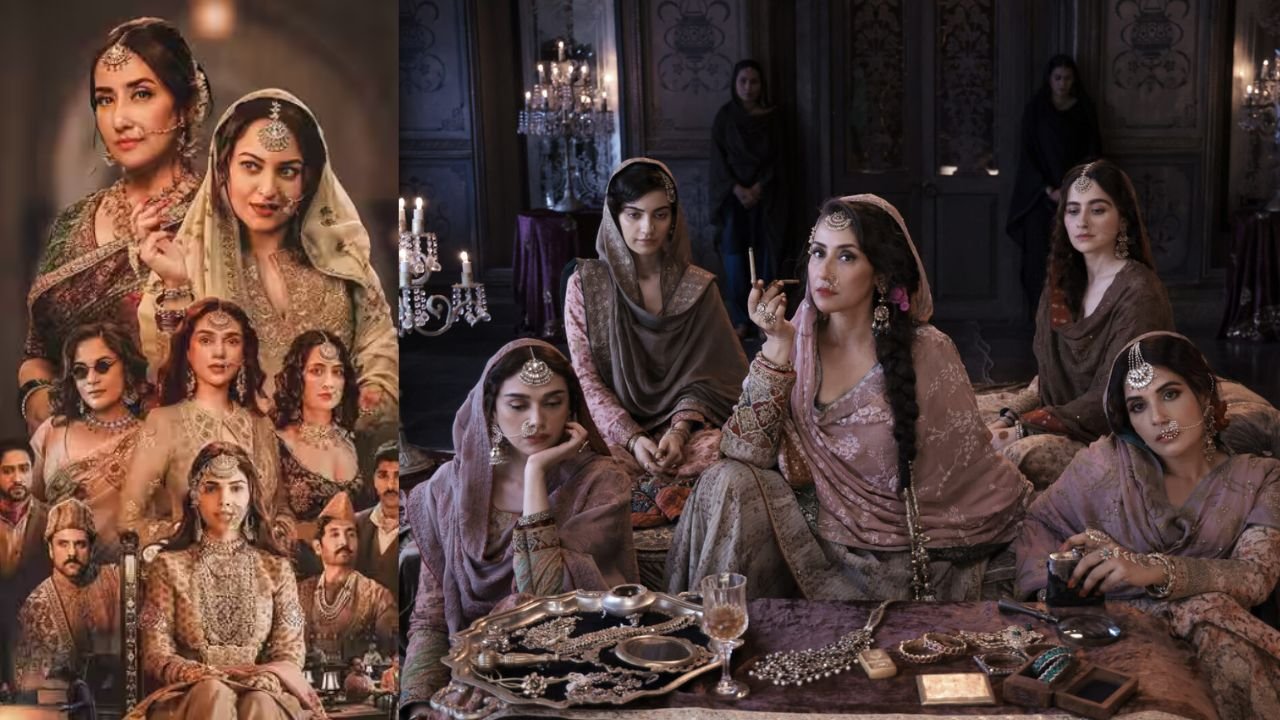
    Netflix’s new series, ‘Heeramandi: The Diamond Bazaar,’ is now available on the streaming service. It’s created by Sanjay Leela Bhansali and it’s all about the world of courtesans. People have had lots to say about it.

    Some love the amazing acting and catchy music, while others have questions about how the show was put together.

    One person shared their thoughts on social media about the show, praising the acting, saying, “Heeramandi has to be congratulated for its pitch-perfect acting by Richa Chadha and the actor playing Ustad Ji. Manisha Koirala as a flawed madam was outstanding. I liked Sonakshi too. Songs were superb.” However, they also felt that the director went a bit too far with the grandeur, saying, “Just wish the director had not overindulged and got carried away by his reputation for grandeur. There’s a thing as ‘give me excess of it so the appetite may sicken and so die.”

    For some people, the series really connected with them because it showed how women faced challenges throughout history. One person said, “People who aren’t familiar with Heeramandi: ‘This is such a powerful story showing the real struggles of Indian women.’” But for others, they were drawn to it more for its beauty. One viewer jokingly said, “When I watch Heeramandi: ‘I want those clothes, that jewelry, and definitely those ghagras”.

    Another user said, “Bhansali made something amazing! Really impressive art, dance, acting, and dialogue. It’s such a delight to see another fantastic movie from the legendary Sanjay Leela Bhansali.”

    Despite all the praise, some people had different opinions. One viewer thought Manisha Koirala did a great job, but they didn’t feel the show was as good overall. They said, “Manisha Koirala was amazing in Heeramandi. But the show itself didn’t impress me much.”

    It’s not just the acting that got people talking. Some moments of deep emotion also stood out. One viewer vividly described a scene with Alamzeb and Tajdar: “Alamzeb writing poetry in her diary, and Tajdar softly guiding her hand towards his chest to use it as a flat surface, I am speechless.”

    And of course, the music got a lot of love too. One viewer was amazed by the teamwork of Shreya Ghoshal and Sanjay Leela Bhansali: “The combination of Shreya Ghoshal and Sanjay Leela Bhansali in ‘Chaudhavi Shab’ is pure magic. Every scene looks like a beautiful painting. The visuals are just extraordinary.”

    People really admire Bhansali’s talent. One person said, “No one does it like him.” Another praised Sonakshi, saying, “She was amazing in just one scene of the first episode.”

  • Prisoner sells paintings to support sister’s wedding, mother’s umrah

    Prisoner sells paintings to support sister’s wedding, mother’s umrah

    Imprisoned for kidnapping for ransom, a man contributed financially to his sister’s marriage by making paintings in jail. From the sales, he earned enough for his mother to perform Umrah too.

    While Ijaz was imprisoned in the Central Jail Karachi, he painted 23 works of art, some of which were displayed in the Arts Council.

    Ijaz is serving a 25-year sentence but has been able to manage to earn Rs 13 lacs from the sale of art pieces. Ijaz gave one million rupees to his mother and three lakh to his sister.

    Courtesy: Geo News
  • From prisoner to artist: Guantanamo Bay detainee showcases work at Karachi exhibition

    From prisoner to artist: Guantanamo Bay detainee showcases work at Karachi exhibition

    Ahmed Rabbani, a 53-year-old Pakistani who was recently released after 20 years of detention at Guantanamo Bay, turned to painting to satisfy his artistic yearnings. When he ran out of paint, he used whatever he could find, including dirt, coffee grinds, and spices such as turmeric from the prison canteen.

    “Through painting, I would feel myself outside Guantanamo,” he said at an exhibition of his work in Karachi. Rabbani was detained in September 2002 and handed over to the US Central Intelligence Agency for a bounty of $5,000. He was accused of being a notorious militant known as Hassan Ghul, but Rabbani always insisted it was a case of mistaken identity. He and his brother were never charged or faced trial during their detention.

    The US Senate published a Rendition Report in 2014, which revealed that Ghul was captured and brought to the same prison, only to be released back to Pakistan for “cooperating.” While Ghul went back to his terrorist ways and was killed in a drone strike in 2012, Ahmed got a one-way trip to Guantanamo Bay.

    Born in Mecca, Saudi Arabia, Rabbani moved back to Karachi as a teen and was a taxi driver at the time of his detention. He specialised in guiding visitors from the Middle East, which contributed to him being misidentified.

    While imprisoned in Guantanamo Bay, painting became an obsession for Rabbani, although years spent on hunger strike meant he was often too frail to even hold a brush. If he ran out of materials, he would improvise by using a piece of discarded or torn clothes as a canvas. He would also use coffee or turmeric as a medium.

    Around two dozen pieces of Rabbani’s artwork, which he was allowed to take from prison, are on display at “The Unforgotten Moon: Liberating Art from Guantanamo Bay” exhibition. The works are displayed alongside pieces by local artists who have “re-imagined” paintings that were confiscated. “He is someone who has lost so much of his life, so to produce images of this quality is a miracle… it’s remarkable,” said Natasha Malik, curator and organiser of the exhibition.

    Rabbani, sporting a salt-and-pepper beard and wearing a traditional shalwar kameez and waistcoat, was the centre of attention at the exhibition opening. He plans to publish a cookery book with his memoirs in it and wants to open a restaurant based on recipes he learned while in prison. He hopes to use funds raised from the sale of his artwork to achieve this.

    His artwork depicts his hopes and despair, and some pieces express his yearnings for freedom, such as nature seen through narrow openings, birds flying, and endless oceans. One painting shows a cage containing bright orange fish, the colour of overalls Guantanamo prisoners were forced to wear. “I spent many years in orange,” he said. “I never accepted their laws. I would always break their laws.”

  • Is Sadequain really such a dangerous export?

    “We seem to still be struggling with our sense of identity. And this makes us prone to blocking all history and ethnicity that does not conform to a narrow conservative identity.”

    A friend in the UK recently had a bizarre experience involving Pakistan Customs.

    She had bought two volumes of a massive art book on the acclaimed and much decorated artist Sadequain. She assumed the whole process would be straightforward and that the books would arrive in two days so she could proceed to gift them to people who were interested in Pakistani art, but then the air shippers informed her that the Customs people at Karachi airport were refusing to allow the book through. Their reason? That it contained inappropriate/objectionable pictures or “na munasib tasweerain”.

    It is a little disturbing that Customs officials should think it’s okay for them to decide what is and is not appropriate content in a book, in this case a book documenting the work and life of one of Pakistan’s greatest artists. Especially when the artist in question is nationally well recognised and the recipient of such national awards as the Tamghae Imtiaz and the Pride of Performance.

    So, what does this incident tell us about modern day Pakistan? Does it indicate that everybody, at every level, considers themselves some sort of custodian of moral and social values? Or is this incident just an example of the absurdity of bureaucratic process and a red tape mentality?

    It’s probably a bit of both: it is not just religious and social prejudices and a mindset of morality policing that are driving factors in such behaviour, it is also a culture of that strange mix of megalomaniac tendencies and job insecurity that exists within the bureaucracy.

    Here the officials could have been playing it safe and working from precedent (the book had been stopped once before when it was being sent by DHL) or they could have simply been asserting their power to obstruct or approve – i.e. their ‘afsari’. Or perhaps in their personal role of moral custodians they were genuinely horrified by the content and the title (Sadequain ­– The Holy Sinner) and thought such “inappropriate” content should not be exported lest the pristine reputation of the country be sullied.

    This incident is unsettling because it shows not just the arbitrary nature of official “approvals” but also the national tendency towards moral policing, censoring and disapproving. It is also a reminder that the nation has still not been able to come to terms with, and appreciate, its own history and culture. Any other country would have made sure that not just the world but also the people of Pakistan knew about the genius of Sadequain. Any other country would have encouraged publicity, research and work about the artist, any other country would have capitalised on the association. But we seem to still be struggling with our sense of identity. And this makes us prone to blocking all history and ethnicity that does not conform to a narrow conservative identity, insisting instead, that the history of the land began only with some Arab conquest.

    This narrow definition of identity encourages people to be blind to the rich history of the country and to neglect and destroy monuments to early civilisations and peoples. It makes people close their minds to the work of those artists and writers who seek to explore ideas and question norms. It makes people ignorant of the art and culture around them and insensible to the fact that art and expression matter. Cultural censorship is a dangerous path to go down, but we are seeing a simultaneous resurgence and questioning of this all over the world. It is made worse by the rise of right-wing nationalist narratives and reactionary movements like the ones that portray the oppressors as the “victims”.

    These are big questions and by this point you might just be thinking ‘well, perhaps the customs officials were just trying to make a quick buck?’ But even if that were the case, the fact that an art book should be considered an opportunity to do so underlies the issue of what is and is not “appropriate” for the reputation of a country (surely jihadists were a more negative export than any art books).

    But this particular story might yet have a happy ending. The customs officials let the book through after my friend sent in as much information as she could about the artist and the book. She had asked them to put their objections in writing if they were going to stop the book, but this they had been reluctant to do. So perhaps to get rid of her noise, or perhaps because they were otherwise persuaded or perhaps because they had better things to spend their time screening and stopping (drugs, smuggled goods) they let the book through.

    It hasn’t been received yet but hopefully it should be soon. In the meantime, we can both laugh and cry at the absurdity of the matter. And we can reflect on what it tells us about Pakistani society today.

  • Weekend events in your city

    Weekend events in your city

    Lahore

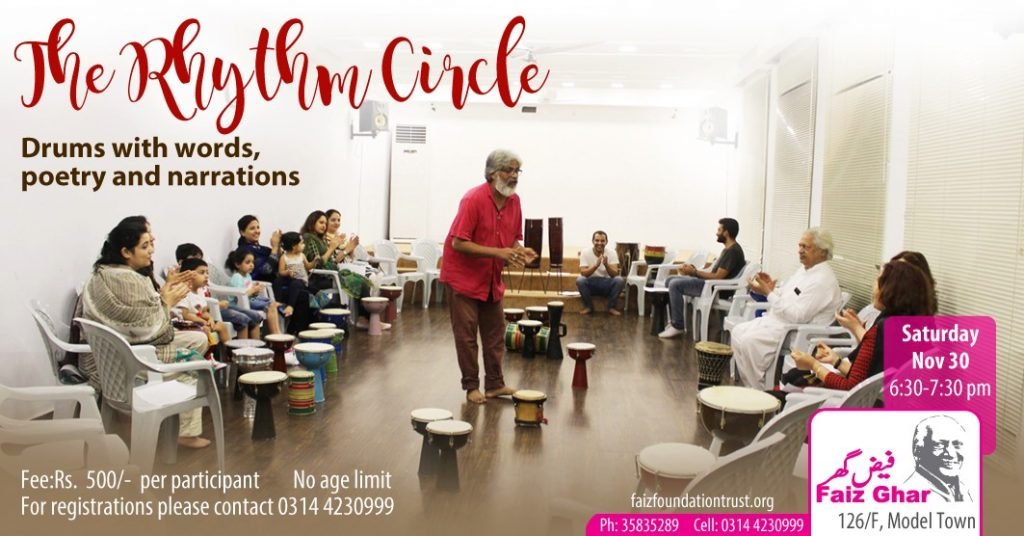
    The Rhythm Circle

    Date: Nov 30, Saturday.

    Time: 6:30-7:30 PM

    Venue: 126/F, Model Town, Faiz Ghar

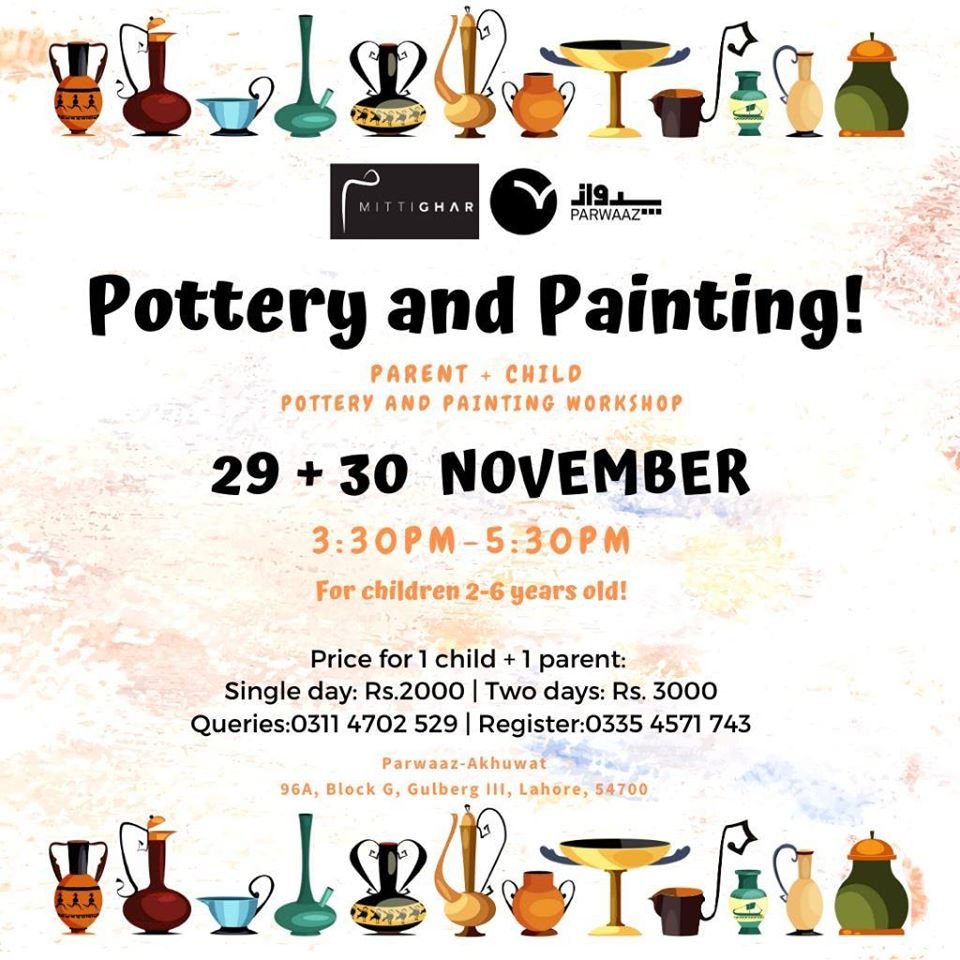
    Pottery and Painting Workshop

    Karachi

    Cruise Safari

    Date: 01 Dec, Sunday

    Time: 9:30 AM – 5:30 PM

    Venue: 14-C,13th Floor, Sidco Avenue, RA Lines.

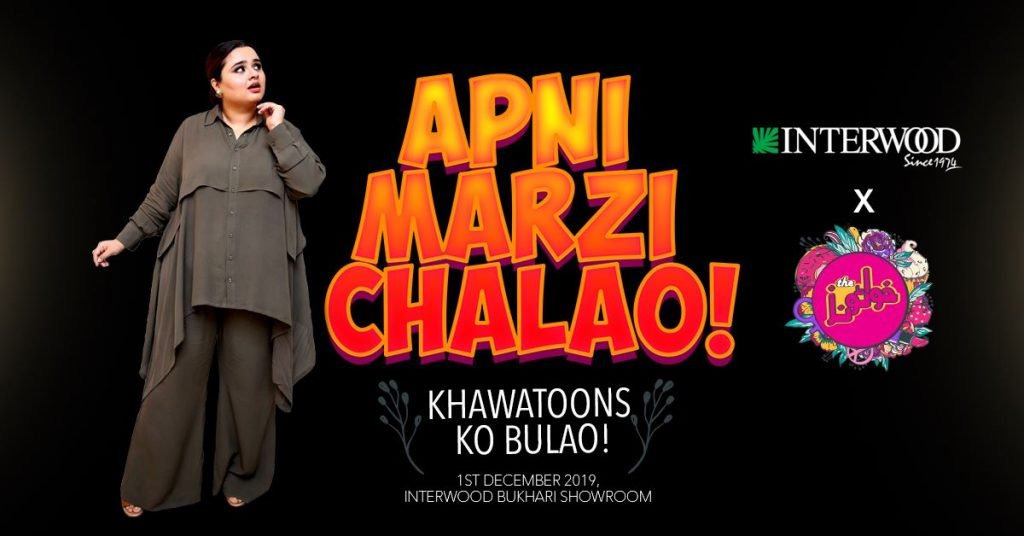
    The Khawatoons

    Date: 1st Dec, Sunday

    Time: 5-8 PM

    Venue: Building No. 43-C, Bukhari Lane No. 11, Phase 6, DHA

    Islamabad

    Islamabad Taste

    Date and time: Nov 29 at 3 PM – Dec 1 at 12 AM

    Venue: Jinnah Convention Centre

    Craft Bazaar

    Date: Nov 30th, Saturday

    Time: 3-8 PM

    Venue: NISTE, Faiz Ahmed Faiz Road, H-8/1, Islamabad

    Apart from these events, Blessed Friday is also happening and the sales are lit. Check them out here.