Tag: Pak Suzuki

  • Car sales increase in Pakistan despite high prices, economic challenges

    Car sales increase in Pakistan despite high prices, economic challenges

    In a surprising turn of events, the soaring prices of cars in Pakistan have not deterred buyers, as car sales experienced a notable uptick in February 2024.

    According to data released by the Pakistan Automotive Manufacturers Association (PAMA), car sales edged up by 1.94 per cent, reaching 7,953 units, compared to 7,802 units recorded in January 2024.

    This positive momentum follows a robust performance in the preceding month, where car sales hit their highest mark since December 2022.

    Analysts attribute this continued growth to the momentum generated by the new year, which has carried over into February.

    Year-on-year comparisons reveal a substantial increase, with car sales spiking by 2.18 times compared to February 2023, when only 3,642 units were sold.

    However, despite this recent surge, cumulative sales for the first eight months of fiscal year 2024 stand at 46,417 units, marking a 40.93 per cent decline from the same period last year.

    Similarly, the production of passenger cars has witnessed a significant downturn, with 8MFY24 recording 48,402 units, reflecting a 40.84 per cent decrease compared to the previous fiscal year.

    In February alone, production plummeted by 16.77 per cent month-on-month, totaling 8,002 units, down from 9,614 units in January 2023.

    Nonetheless, on a year-on-year basis, production saw a remarkable surge of 69.97 per cent, indicating a shift in manufacturing trends.

    Despite these fluctuations, the automotive landscape faces challenges, notably with Pak Suzuki Motor Company announcing two price hikes within a span of ten days in response to increased sales tax.

    The repercussions of these adjustments on sales are anticipated to unfold in the coming weeks, as the market adapts to the new pricing structure.
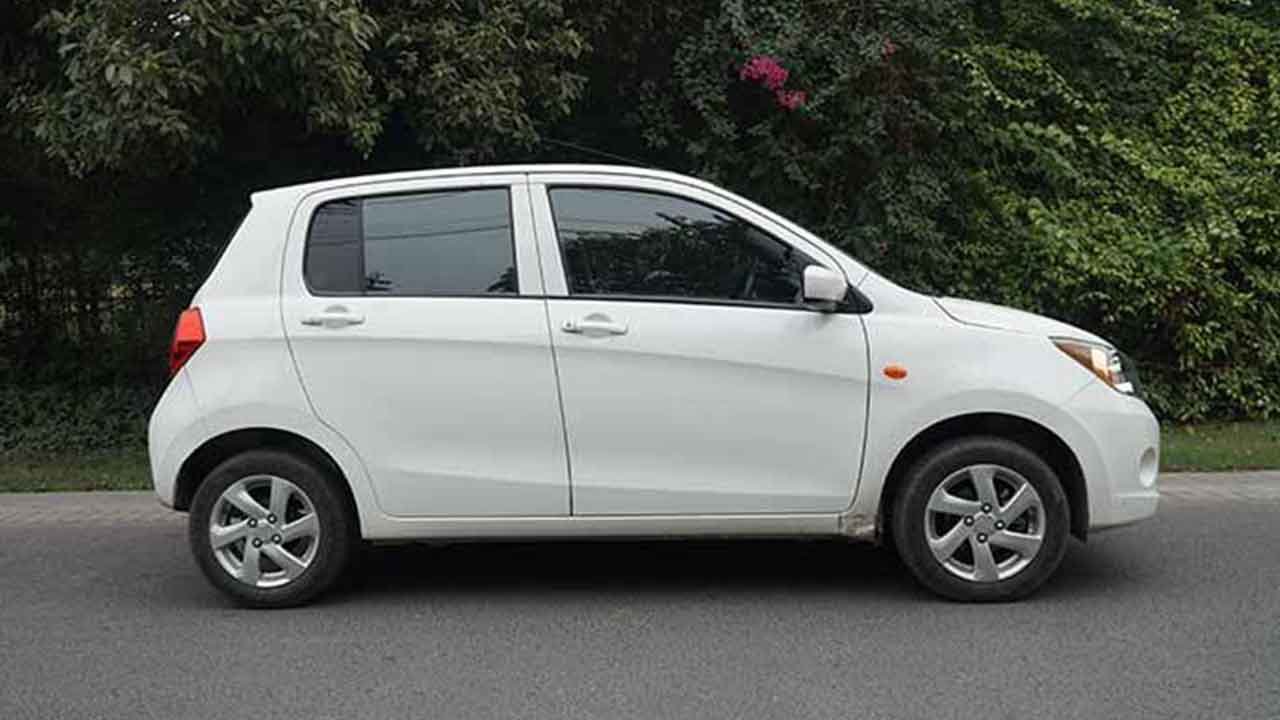
  • Suzuki Swift GLX CVT now priced above Rs5.4 million

    Suzuki Swift GLX CVT now priced above Rs5.4 million

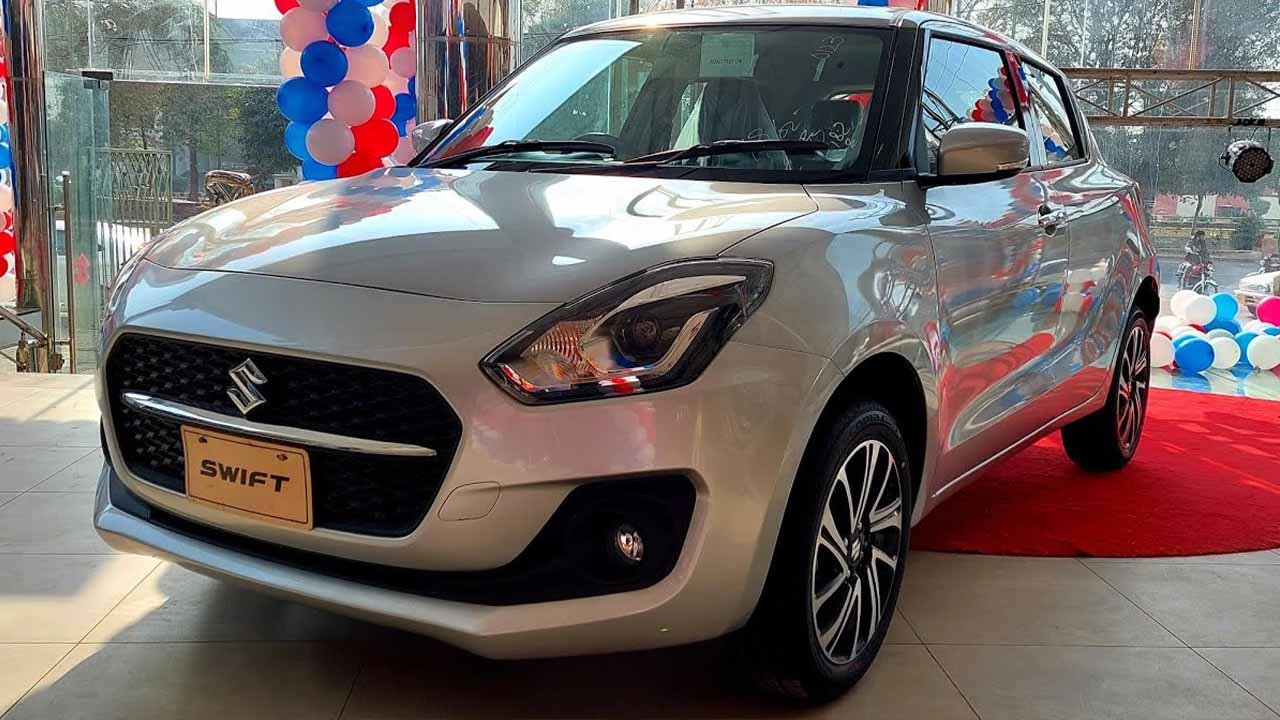
    Pak Suzuki Motor Company Limited (PSMC) announced a substantial increase of Rs304,000 in the price of its Swift G. CVT model, effective from March 8, 2024.

    This adjustment comes in response to the recent surge in taxes imposed by the government on locally manufactured or assembled vehicles, as indicated in the company’s official notice issued today.

    Consequently, the new sale price for the Swift G. CVT model will see an adjustment from Rs5.125 million to Rs5.429 million, reflecting the impact of the revised tax structure.

    The decision stems from a notification released by the Ministry of Finance and Revenue on the same date, highlighting a hike in the sales tax rate from 18 per cent to 25 per cent for vehicles falling under chapter 87.03 of the Pakistan Custom Tariffs, with an invoice price (excluding sales tax) exceeding Rs4 million.

  • Pak Suzuki hikes prices, Cultus AGS now priced above Rs4.5 million

    Pak Suzuki hikes prices, Cultus AGS now priced above Rs4.5 million

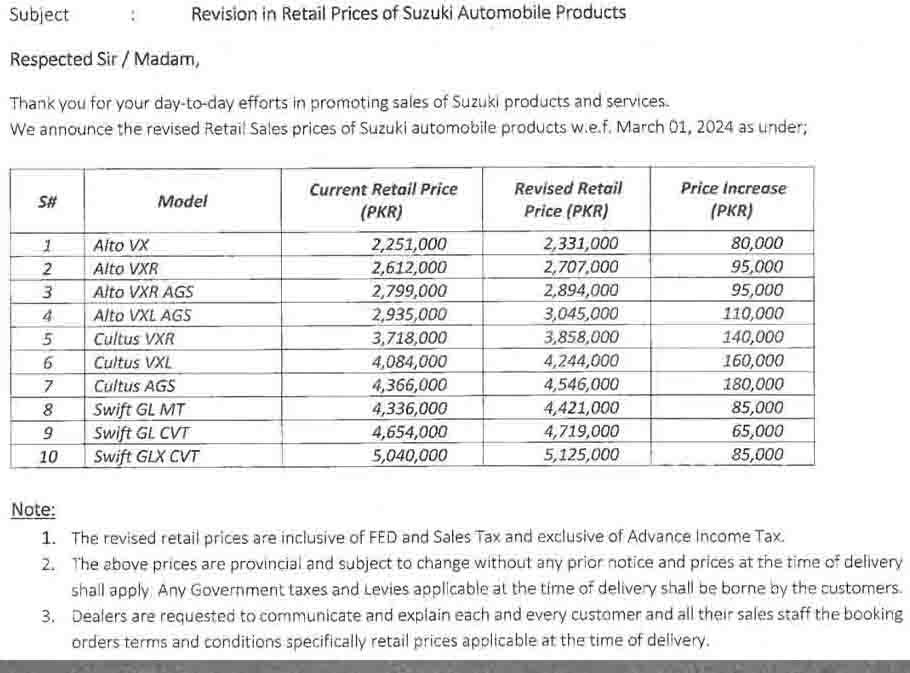
    In response to inflationary pressures and rising overhead costs, Pak Suzuki has announced a significant hike in car prices, impacting models across the range.

    The adjustments, ranging from Rs80,000 to Rs180,000, are set to take effect on March 1, 2024.

    Shafiq Ahmed Shaikh, Head of Corporate Affairs at Pak Suzuki, explained the rationale behind the decision, citing factors such as inflation, increased overhead expenses, higher international raw material and accessory costs, and elevated shipment and freight charges.

    The latest adjustments mean that the top-of-the-line model, Alto VXL AGS, will now be available at Rs3.045 million, reflecting a price increase of Rs110,000.

    However, the most significant surge is observed in the Cultus AGS, with its new price set at Rs4.546 million, following an increase of Rs180,000.

    This move by Pak Suzuki aims to navigate the challenges posed by the current economic landscape, ensuring the sustainability of operations amid various cost escalations.

    Customers will experience the impact of these changes as they come into effect, marking a new pricing structure for Suzuki vehicles in Pakistan.

    Here are the new prices for all Suzuki cars:

  • Pak Suzuki CEO reveals plan to export upgraded cars meeting WP-29 standards 

    Pak Suzuki CEO reveals plan to export upgraded cars meeting WP-29 standards 

    Hiroshi Kawamura, the Chief Executive of Pak Suzuki Motor Company Ltd. (PSMCL), recently shared insights into the company’s endeavours to enhance the export capabilities of their cars, aligning them with numerous WP-29 standards. This significant development was reported by The News on Friday. 

    During the second round of interactive meetings with key decision-makers, conducted under the Suzuki Motors banner, Kawamura underscored the transient nature of economic challenges. He reaffirmed the company’s unwavering commitment to delivering cost-effective vehicles to the ordinary citizens of Pakistan. Furthermore, he disclosed that the company was actively engaged in the development of hybrid vehicle variants. 

    In attendance at the meeting were prominent part manufacturers, and they unanimously advocated for the promotion of localization within the automotive industry while simultaneously pursuing global market expansion. In a call for collaborative efforts, Kawamura emphasised the vital need for collective action in addressing the mounting crises faced by the automotive sector, stating, “It is imperative to take stock of the escalating crisis collectively for the automotive industry. Nothing can be achieved without local partners.” 

    During the meeting, Usman Aslam Malik, Senior Vice Chairman of the Pakistan Association of Automotive Parts and Accessories Manufacturers (PAAPAM), expressed unwavering support for original equipment manufacturers (OEMs) in their endeavours to export auto components. 

    It is important to note that WP-29 standards represent a distinctive global regulatory forum operating under the auspices of the UNECE Inland Transport Committee. Three UN Agreements, adopted in 1958, 1997, and 1998, provide the legal foundation enabling contracting parties (member countries) participating in WP-29 sessions to establish regulatory frameworks governing motor vehicles and their equipment.

    These encompass UN Regulations, appended to the 1958 Agreement; United Nations Global Technical Regulations (UN GTRs), linked to the 1998 Agreement; and UN Rules, annexed to the 1997 Agreement. 

  • Pak Suzuki halts motorcycle production amidst raw material shortage

    In response to an acute shortage of raw materials, Pak Suzuki Motor Company (PSMC) has once again announced the suspension of its motorcycle production. This marks the third production halt in the current fiscal year, underscoring the challenges faced by Pakistan’s automotive industry.

    According to a report by The News, the automobile manufacturer formally communicated its decision through a notice to the Pakistan Stock Exchange (PSX). The production halt will extend for 12 days, commencing on September 1 and concluding on September 12, 2023. This move follows previous shutdowns from August 18 to 31 and from July 31 to August 15, 2023, due to inventory constraints, as reported by the company’s secretary.

    It’s worth noting that while production may be on hold, regular operations will persist at the vehicle manufacturing plant, as clarified in the bourse filing.

    Pak Suzuki’s ongoing struggle with raw material shortages can be traced back to July of the preceding year, primarily resulting from challenges in importing essential components. The nation’s dwindling foreign exchange reserves have further exacerbated these import disruptions.

    Sunny Kumar, an analyst at Topline Securities, provided insight into the impact of these disruptions: “PSMC produced 19,293 units with capacity utilisation of 26% in 1H2023 compared to 76,325 units produced with capacity utilisation of 102% in 1H2022.”

    In a glimmer of hope, the company’s management anticipates an economic rebound in FY24, driven by an upturn in agriculture output and eased import restrictions, with expected improvements in manufacturing and construction activities.

    Pak Suzuki’s predicament is not unique, as other prominent automakers such as Honda Atlas and Indus Motor Company, the local manufacturer of Toyota vehicles, have also faced repeated production stoppages due to raw material shortages. This scarcity has had a cascading effect, impacting the automobile parts industry and causing intermittent production halts.

    In a related development, Agriauto Industries Limited, a prominent automotive parts manufacturer, has announced a partial plant closure in September due to decreased production. Furthermore, Agriauto Stamping Company Pvt. Ltd., a wholly-owned subsidiary of the company, will also undergo a partial shutdown during the same period, as confirmed by the company secretary.

    The announcement of Pak Suzuki’s latest production halt has raised concerns among employees, stakeholders, and the general public. The motorcycle plant, a significant division within the company, plays a pivotal role in employment generation in the country.

    This situation has far-reaching implications, as experts anticipate that the closure will not only impact the company’s workforce but also reverberate through the broader economy. An industry observer emphasised the need for coordinated efforts between stakeholders and government bodies to address the root causes of raw material shortages and prevent further disruptions in Pakistan’s automotive sector.

  • High prices lead to 79% drop in new car sales in June 2023

    High prices lead to 79% drop in new car sales in June 2023

    The automobile industry of Pakistan experienced a severe blow in the fiscal year 2022-23, with car sales plummeting by 56 per cent to a mere 126,879 units, according to data shared by the Pakistan Automotive Manufacturers Association (PAMA) on Tuesday. This significant decline can be attributed to various factors, including the non-availability of completely knocked down kits (CKDs), exorbitant car prices, a surge in auto financing, and the reduced purchasing power of buyers.

    In June 2023, the monthly sales took a substantial hit, dropping by 79 per cent compared to the same period last year, reaching a meager 6,034 units. However, it is worth noting that the sales in June were 10 per cent higher when compared to the sales in May.

    Among the car manufacturers, Honda Atlas Car (HCAR) witnessed the most notable increase in sales, with a month-on-month surge of 253 per cent to 307 units in June. This growth can be attributed to the lower sales base in the previous month and the availability of necessary car parts.

    Pak Suzuki, on the other hand, experienced a modest month-on-month growth of 2 per cent in June, with sales reaching 3,009 units. The surge in Bolan sales by 67 per cent contributed to this increase. However, the company’s bookings took a significant hit, plunging by 57 per cent to 65,364 units in the fiscal year 2022-23.

    Indus Motor Company, responsible for assembling Toyota cars, observed a 7 per cent increase in bookings on a month-on-month basis, reaching 1,846 units in June. Nonetheless, the company’s total car sales for the fiscal year 2022-23 amounted to 31,104 units, reflecting a decline of 58 per cent year-on-year.

    Hyundai Nishat Motor witnessed an 11 per cent month-on-month increase in sales, with the sales of Tucson surging by 61 per cent to 313 units and Elantra sales increasing by 28 per cent to 88 units in June.

    Shifting focus to the tractor segment, Millat Tractors (MTL) experienced a 42 per cent month-on-month increase in bookings, reaching 2,136 units in June. Conversely, Al Ghazi Tractors (AGTL) recorded sales of 854 units, marking a decline of 57 per cent. Overall, the total tractor industry sales for the fiscal year 2022-23 amounted to 30,942 units, representing a decrease of 48 per cent due to factors such as floods, plant shutdowns, lower consumer buying power, and higher prices.

    Looking ahead, the high interest rates and the significant increase in auto prices resulting from the depreciation of the Pakistani rupee against the dollar are expected to continue negatively impacting auto sales in the fiscal year 2024. Furthermore, restrictions on opening letters of credit (LCs) for importing CKDs by auto assemblers may lead to lower plant capacity utilisation and, in extreme cases, plant shutdowns across the industry.

  • Pak Suzuki’s auto and motorcycle plant to stay closed till July 19

    Pak Suzuki’s auto and motorcycle plant to stay closed till July 19

    Pak Suzuki Motor Company Ltd (PSMCL), Pakistan’s leading car manufacturer in terms of production and sales, has announced an extension of its plant shutdown due to an ongoing shortage of inventory. The decision was conveyed to the Pakistan Stock Exchange (PSX) through an official notice on Friday.

    In the notice, the automaker explained that the management had decided to prolong the closure of its motorcycle and automobile plant until July 19, 2023, citing the persistent inventory shortage. Previously, PSMCL had already suspended operations until July 15, 2023, and had also experienced a shutdown from May 2 to May 9 due to a scarcity of raw materials.

    It is important to note that the auto industry in Pakistan is facing multiple challenges, leading several automakers to announce temporary or partial closures in recent months, citing various reasons.

    In April, Pak Suzuki reported its highest quarterly loss to date, amounting to Rs12.9 billion in the first quarter of 2023. This decline in profitability was attributed to a decrease in sales and substantial finance costs. In comparison, the company had incurred a loss of Rs460.227 million during the same period the previous year.

    Earlier, Pak Suzuki had appealed to Prime Minister Shehbaz Sharif not to introduce additional duties and taxes in the upcoming 2023-24 budget. The company emphasised the economic uncertainties it was facing and the resulting struggles and losses.

  • Pak Suzuki extends shutdown of motorcycle plant due to lack of raw materials

    The Pak Suzuki Motor Company (PSMC) has confirmed that it will keep its motorcycle plant closed until April 28 due to ongoing import restrictions that have impacted the auto sector, resulting in low inventory levels. A notice to the Pakistan Stock Exchange (PSX) stated that “the management of the company has decided to extend the shutdown period of its motorcycle plant till April 28, 2023.”

    The company had already shut down its motorcycle plant from April 4 to April 15 due to a lack of raw materials, while the automobile plant was shut from April 7 to April 14. PSMC assembles, manufactures, and markets Suzuki cars, pickups, vans, 4x4s, motorcycles and spare parts. The Suzuki brand originates from Japan.

    Pakistan’s auto sector is facing several crises, with other listed companies such as Indus Motor Company Limited and Honda Atlas Cars halting production in recent months due to economic difficulties. Honda Atlas Cars Pakistan extended the shutdown of its plant by another 15 days. Similarly, other automakers, including Indus Motor Company Limited, have announced temporary production shutdowns. According to the Pakistan Automotive Manufacturers Association (PAMA), Pakistan’s auto industry reported a 66 per cent decline in car sales in March 2023 compared to March 2022.

    JS Research analyst Wasil Zaman has predicted a cumulative volume decline of over 50 per cent year-on-year in fiscal year 2023, extending to the first half of fiscal year 2024. Zaman stated that “with foreign exchange reserves at critically low levels leaving little room for improvement on the supply side for auto manufacturers.”

  • Suzuki GR 150 will now cost more than Rs5 lac

    Suzuki GR 150 will now cost more than Rs5 lac

    Pak Suzuki, in its latest round of price hikes, has increased the rates of its bikes including the GR150 and other models. This marks the third price hike for the company’s bikes in just four months.

    Starting from April 7, 2023, the new prices will be implemented.

    The GR150, which is one of the popular models from Suzuki, now costs over five lacs, which is an astonishing price for a bike. The company claims that the hike is necessary to cover the increasing costs of production and other related expenses.

    The Suzuki GD 110S, which was previously priced at Rs290,000, has now been given a price tag of Rs322,000 after the hike of Rs32,000. Similarly, the Suzuki GS 150 has undergone a transformation from its previous cost of Rs315,000 to a new price of Rs350,000, thanks to the increase of Rs35,000. The GSX 125, on the other hand, has seen an increase of Rs47,000, taking its previous cost of Rs422,000 to a new high of Rs469,000. Finally, the Suzuki GR150, known for its style and performance, has gone from Rs451,000 to Rs501,000 after a price hike of Rs50,000.

    This increase in prices will undoubtedly affect customers, especially those who rely on these bikes as their primary mode of transportation. It is hoped that the company will take steps to ease the burden on its customers and provide affordable bikes that meet their needs.

    Suzuki Bike Model Old Price (Rs) New Price (Rs) Price Hike (Rs)
    Suzuki GD 110S  290,000  322,000  32,000
    Suzuki GS 150  315,000  350,000  35,000
    Suzuki GSX 125  422,000  469,000  47,000
    Suzuki GR150  451,000  501,000  50,000
  • Pak Suzuki suffers worst sales decline, sells less than 1,000 cars in February

    Pak Suzuki suffers worst sales decline, sells less than 1,000 cars in February

    Recent reports indicate that Pak Suzuki Motors has experienced a significant decline in sales due to production issues. The company has recorded its worst sales performance in history, mainly because of a shortage of production parts and rising raw material costs.

    Reports reveal that Pak Suzuki sold fewer than 1,000 units in February, marking its worst performance since the country’s COVID-19 lockdowns in April 2020 when production and sales came to a halt. In January, the automaker sold 2,940 vehicles, a significant 74 per cent decrease in monthly sales. This was attributed to the poor sales of the Suzuki Alto, which declined from 6,898 units in December 2022 to 44 units in January 2023.

    The official figures from the Pakistan Automotive Manufacturers Association (PAMA) are yet to arrive, but the total units sold in February are expected to range from the high tens to low hundreds.

    Despite being among the highest-selling automobile brands in the country, Pak Suzuki’s recent sales decline has left it struggling to maintain its position in the fiercely competitive industry. The drop in Suzuki sales is attributed to production part issues, which have caused difficulty in obtaining necessary auto parts due to major supply chain issues caused by the pandemic. As a result, the company has faced a shortage of raw materials and production parts.

    Global inflation has further exacerbated the problem, leading to a rise in the prices of raw materials and an increase in the car prices. This inflation has further contributed to a drop in sales as it has become difficult for the company to access all the required materials.