Tag: Pak Suzuki Motor Company

  • Pak Suzuki halts motorcycle production amidst ongoing inventory shortage

    The Pak Suzuki Motor Company (PSMC) is once again grappling with the repercussions of the ongoing raw material shortage, which has forced the company to halt production at its motorcycle plant for at least 15 days. The decision, announced in a statement released to the Pakistan Stock Exchange (PSX), comes as the company struggles to maintain adequate inventory levels due to the scarcity of essential components.

    The company secretary revealed that the motorcycle plant will remain non-operational from July 31, 2023, to August 15, 2023. This recent shutdown follows a previous closure earlier in July when both the motorcycle and automobile plants were shut down until July 19, which was subsequently extended. The persistent lack of raw materials has been plaguing Pak Suzuki since July of the previous year, primarily due to difficulties in importing these crucial components caused by a reduction in the nation’s foreign exchange reserves.

    Unfortunately, Pak Suzuki is not the only automaker facing such challenges. Honda Atlas Cars and Indus Motor Company, responsible for manufacturing Toyota cars in Pakistan, have also experienced several shutdowns due to the shortage of essential raw materials. Furthermore, automotive parts manufacturers have been compelled to temporarily halt their production lines, exacerbating the crisis across the entire automotive industry.

    The repercussions of these closures extend beyond the affected businesses, as the entire automotive industry faces unproductive days due to interrupted raw material imports arising from postponed credit letter openings. This situation has led to reduced operational capacities and an overall decrease in productivity across multiple sectors of the economy.

    The recent shutdown of Pak Suzuki’s motorcycle manufacturing plant has raised concerns among employees, stakeholders, and the general public alike. The motorcycle plant is a significant division within the company and serves as a major employer in the country. As a result, the closure is expected to have a considerable impact on both the company’s workforce and the overall economy.

    An analyst specialising in Pakistan’s automotive sector highlighted that the closure of the motorcycle plant serves as a stark reminder of the larger problems plaguing the industry. Addressing the underlying causes of the raw material scarcity requires a collaborative effort from stakeholders and the government to implement permanent solutions and avert further disruptions.
  • Inventory shortage forces Pak Suzuki to extend motorcycle plant shutdown

    Pak Suzuki Motor Company (PSMC) has officially announced the extension of the shutdown of its motorcycle plant until June 16, 2023. The decision was conveyed to the Pakistan Stock Exchange (PSX) through a notice on Tuesday. The company attributed this action to ongoing government restrictions on imports, which have negatively impacted the automotive industry and resulted in a shortage of inventory.

    The notice stated, “Due to shortage of inventory level, the management of the company has decided to shut down motorcycle plant from June 12, 2023 to June 16, 2023.” However, the automobile plant will continue its operations as usual.

    Previously, PSMC had temporarily closed its motorcycle plant until June 10, 2023, due to a shortage of raw materials. Furthermore, both the automobile and motorcycle plants had experienced a shutdown from May 2 to May 9. Similarly, the automobile plant underwent closure from April 7 to April 28.

    As an assembler, manufacturer, and marketer of Suzuki cars, pickups, vans, 4x4s, motorcycles, and related spare parts, PSMC plays a crucial role in the automotive sector. The Suzuki brand, originating from Japan, holds prominence in the company’s product lineup.

    Earlier in April, PSMC reported its highest-ever quarterly loss of Rs12.9 billion for the first quarter of 2023. The decline in sales and substantial finance costs were cited as contributing factors. In comparison, the company had incurred a loss of Rs460.227 million during the same period last year.

    The auto industry in Pakistan is currently grappling with numerous challenges. Indus Motor Company Limited and Honda Atlas Cars, two other prominent listed companies, have also halted production in recent months due to economic hardships.

    The country’s auto sector heavily relies on imports, making it particularly vulnerable to the government’s import restrictions and the tightening of Letters of Credit iissuance. Furthermore, soaring finance costs and significant increases in car prices have dampened consumer demand.

  • Pakistan’s auto sector records 98% sales growth in March despite high prices

    Pakistan’s auto sector records 98% sales growth in March despite high prices

    Despite high car prices, Pakistan’s auto sector has seen a growth of 98 per cent in March, selling about 7,201 units compared to 3,642 units sold in the previous month. The increase has provided a ray of hope to the auto sector, which has picked up some pace after several months.

    However, car sales, including sales of non-Pakistan Automotive Manufacturers Association (PAMA) vehicles, plunged 68 per cent in March compared to the same month last year, due to non-production days and a decline in purchasing power.

    The monthly growth is due to better volumetric sales of Pak Suzuki Motor Company (PSMC) and Indus Motors, which increased by 475 per cent and 6 per cent respectively on a month-on-month basis. Arif Habib Limited also stated that due to rising inflationary pressure, consumers have switched to affordable vehicles of below 1000cc, which increased by 423 per cent.

    Despite the recent growth, fears of a slowdown still exist due to measures taken by the State Bank of Pakistan (SBP) to curb imports, resulting in production limitations as auto assemblers require prior permission to import completely knocked-down (CKD) units and raw materials.

    Sales of all other variants of cars, jeeps, tractors, pick-ups, three-wheelers and two-wheelers have also witnessed a year-on-year decline in March 2023, according to data released by PAMA a day earlier.

    In the first nine months of fiscal year 2022-23, 85,776 units were sold, down 50 per cent from 172,612 units sold during the same period in FY22. Sales of 1300cc and above cars were recorded at 2,913 units, down 67 per cent compared to the same month of the previous year’s sales of 9,280 units. In March 2023, 1,000cc cars recorded sales of 964 units, including 475 units of Suzuki Cultus and 489 units of Suzuki WagonR, against 2,410 units in the same month last year.

    Further breakdown of the data reveals that below 1000cc vehicles recorded a sale of 3,324 units, lower by 70 per cent than 11,109 units sold last year. Suzuki’s new Alto sold 2,542 units in March 2023 compared to 9,814 units in March 2022.

    Buses and trucks saw a decrease to 308 units in March from 565 units in the same month last year, while sales of jeeps and pick-ups decreased to 2,150 units from 4,403 units sold during the same period last year. Sales of tractors dropped to 2,984 units from 5,651 units in March 2022, while sales of rickshaws and motorbikes also decreased to 84,307 units in March against 151,010 units in the same period last year.

    PSMC recorded a jump of 475 per cent on a monthly basis to 5,628 units primarily due to the availability of CKD parts amid an easing of LC issues, while Indus Motors reported an increase of 6 per cent month-on-month to 1,912 units in March. However, Honda Car (HCAR) sales declined by 49 per cent month-on-month to 835 units in March due to the closure of the plant for 23 days on account of CKD issues.

    Hyundai sales were down 34 per cent month-on-month, with Tucson down 46 per cent month-on-month to 380 units and Sonata down 40 per cent month-on-month to 118 units in the period under review.

  • Suzuki Cultus will now be sold for Rs4.36 million following latest price increase

    Suzuki Cultus will now be sold for Rs4.36 million following latest price increase

    On Wednesday, Pak Suzuki Motor Company (PSMC) made an announcement that has stirred up the automobile industry – a decision to increase the prices of their diverse range of car models by a substantial amount, up to Rs235,000. The automaker released a notification detailing the revised retail sales prices which will take effect from April 6th.

    As the premier assembler, manufacturer, and marketer of Suzuki cars, pickups, vans, 4x4s, motorcycles, and their spare parts in the local market, PSMC’s pricing strategy has a significant impact on the consumer market. This decision will undoubtedly spark discussions and debates, as car enthusiasts and industry experts alike try to make sense of its implications.

    The latest notification from the automobile giant has set tongues wagging as it brings about changes that may impact the pricing of their products. As per the announcement, the revised retail prices of their vehicles are inclusive of federal excise duty and sales tax, but advance income tax is not included.

    Here are the latest prices of all Suzuki cars effective April 6, 2023:

    Model Old prices New prices Increase 
    Alto VX 2,144,000 2,251,000 +107,000
    Alto VXR  2,487,000 2,612,000 +125,000
    Alto VXR AGS  2,665,000 2,799,000 +134,000
    Alto AGS 2,795,000 2,935,000 +140,000
    Wagon R VXR  3,062,000 3,214,000 +152,000
    Wagon R VXL  3,248,000 3,412,000 +152,000
    Wagon R AGS  3,563,000 3,741,000 +178,000
    Cultus VXR  3,540,000 3,718,000 +178,000
    Cultus VXL  3,889,000 4,084,000 +195,000
    Cultus AGS  4,157,000 4,366,000 +209,000
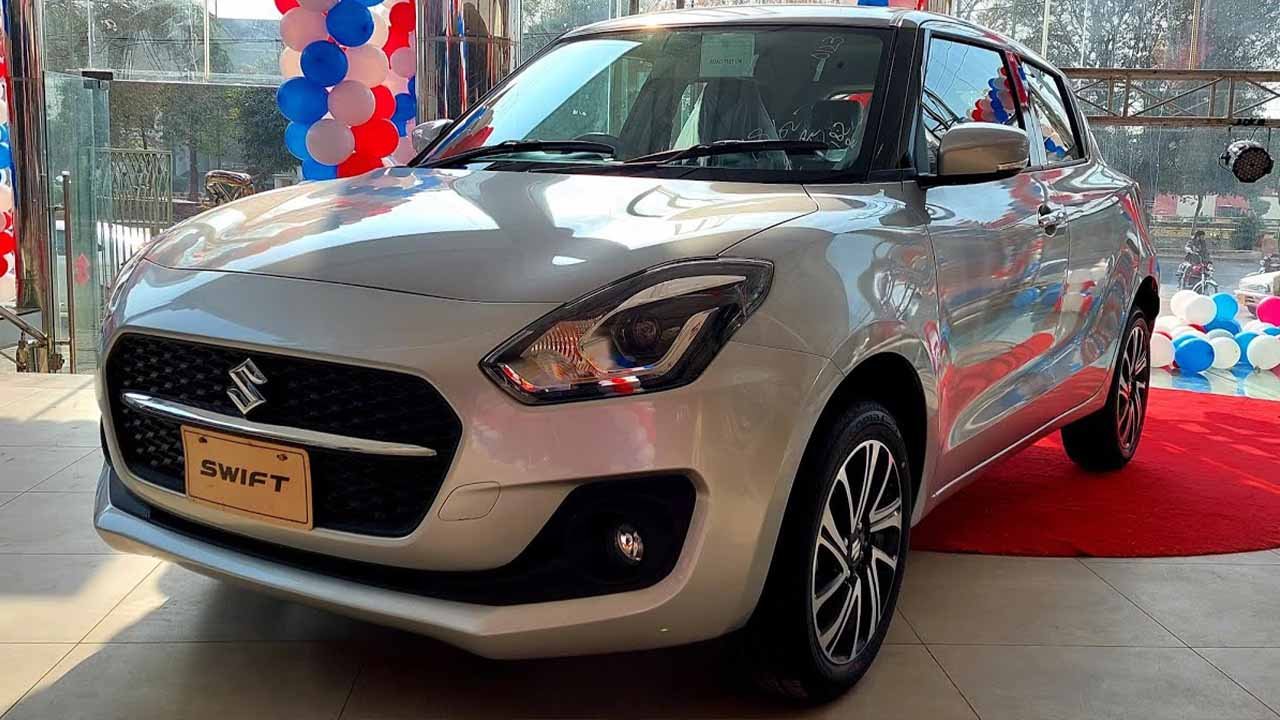
    Swift GL MT 4,052,000 4,256,000 +204,000
    Swift GL CVT 4,355,000 4,574,000 +219,000
    Swift GLX CVT 4,725,000 4,960,000 +235,000
    Ravi  1,768,000 1,856,000 +88,000
    Ravi w/o Deck  1,848,000 1,940,000 + 92,000
    Bolan Van  1,848,000 1,940,000 +92,000
    Bolan Cargo 1,852,000 1,944,000 +92,000

    It’s worth noting that the prices are subject to change without prior notice, which might cause some concern among potential buyers. Additionally, the company made it clear that any government taxes and levies applicable at the time of delivery will be the responsibility of the customers.

    With this new development, the automobile industry is bracing for a potentially significant shift in pricing, and it remains to be seen how it will affect the purchasing behavior of consumers.

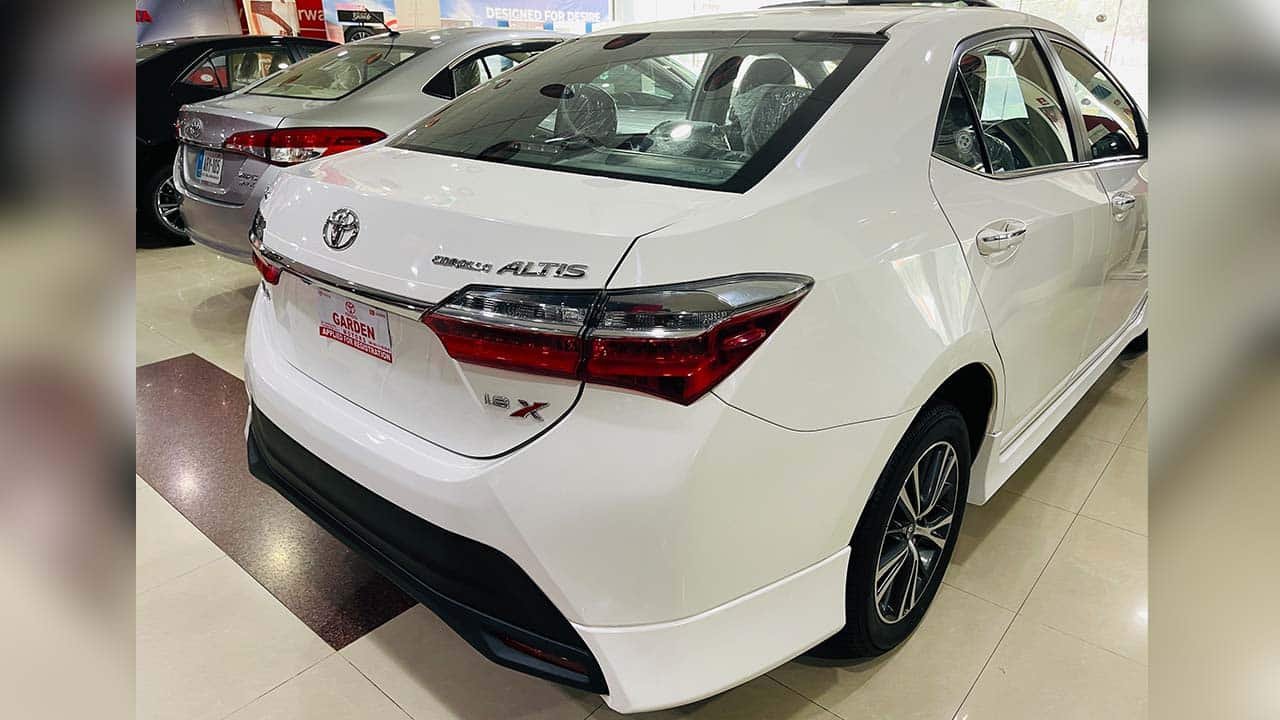
  • Toyota IMC records worst sales in three years, selling less than 2,000 cars in February

    Toyota IMC records worst sales in three years, selling less than 2,000 cars in February

    Toyota Indus Motor Company (IMC), a leading automaker renowned for offering the country’s best-selling sedan, has reported a significant decline in sales in February 2023, marking the worst sales month since the onset of the Covid-19 pandemic.

    Having previously sold over 7,100 units in March 2022, the company’s sales have now plummeted to a meager 1,803 vehicles in February 2023, according to Autojournal.

    It is pertinent to note that this represents the lowest sales figures for Toyota in the past three years, since the outbreak of the Covid-19 pandemic and subsequent lockdowns.

    Toyota is not the only company experiencing this phenomenon, as Pak Suzuki Motor Company has also reported a massive decline in sales, selling only 544 units in February 2023, despite having sold over 6,000 units of Suzuki Alto in a single month previously.

    Pakistan’s auto industry is currently facing significant challenges due to production halts, resulting from a lack of availability of auto parts and restrictions on imports.

    As a result, car manufacturers are facing difficulties in meeting consumer demands, leading to decreased sales figures for many companies, including Toyota and Suzuki.

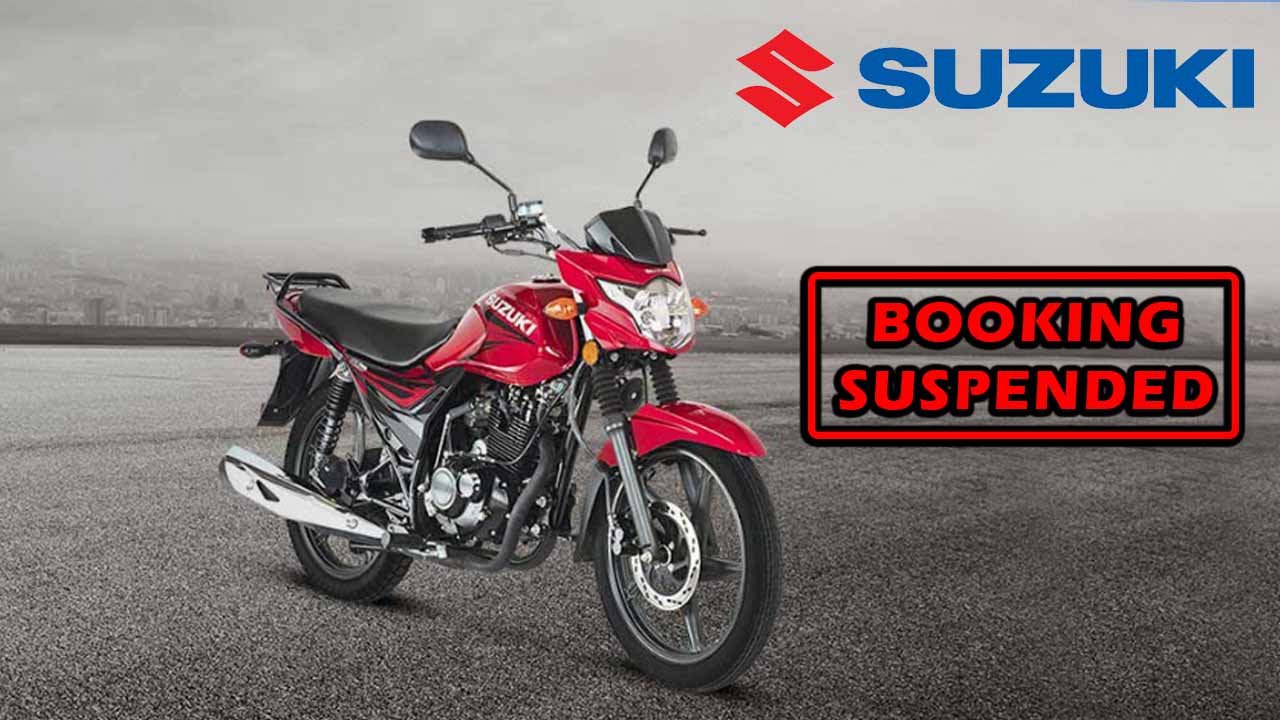
  • ‘We are unable to serve new customers’: Pak Suzuki announces booking suspension for all motorcycles

    ‘We are unable to serve new customers’: Pak Suzuki announces booking suspension for all motorcycles

    Pak Suzuki Motor Company (PSMC) stated on Thursday that it had halted taking reservations for motorbikes until further notice due to issues with manufacturing and procurement following the consecutive closures of its automobile assembling factories caused by an ongoing inventory crisis.

    “Under the present economic circumstances, import-based supply chain constraints and uncertain production possibilities, we are unable to serve new customers,” the company said in a letter to dealers.

    The suspension of reservations would start today.

    “We will, therefore, stop bookings of our motorcycle products from January 20, 2023, for the time being. However, bookings will resume as the situation becomes favourable to serve fresh customers.”

    With the rupee falling and inflation at decades-high levels, Pakistan’s economy has collapsed along with a simmering political crisis, but disastrous floods and a worldwide energy crisis have added to the strain.

    Almost all industries, including the automotive sector, have been slowed down by a lack of imported components and materials, and an alarmingly large number of businesses have been forced to cease operations.

    As Pakistan struggles with a dire foreign exchange crisis, thousands of containers filled with basic food supplies, raw materials, and medical equipment have been held up at the Karachi port.

    According to Express Tribune, banks are refusing to issue fresh letters of credit for importers due to a shortage of needed dollars, which is hurting an economy already under pressure from high inflation and weak growth.

  • Suzuki to halt car and bike production in January 2023 due to parts shortage

    Suzuki to halt car and bike production in January 2023 due to parts shortage

    Following in the footsteps of Toyota Indus Motor Company (IMC), Pak Suzuki Motor Company (PSMC) has said that its production facility will be totally shut down from January 2 to 6, as a result of a ban on the import of auto parts.

    The automaker, in a notice sent to the Pakistan Stock Exchange (PSX), said that the State Bank of Pakistan (SBP) has introduced a mechanism for prior approval for import under “HS code 8703 category (including completely knocked down – CKDs) vide circular No.09 of 2022 dated May 20, 2022”.

    “Restrictions had adversely impacted clearance of import consignment which resultantly affected the inventory levels.”

    “Therefore, due to shortage of inventory level, the management of the company has decided to shut down its plant for the automobile as well as a motorcycle for the period from January 2 to January 6, 2023,” PSMC said.

    It is important to note that this is not the first time that Suzuki, one of the country’s top-selling automakers, has closed a production facility. Several shutdowns have already been announced in 2022 by some well-known automakers, including Honda and Toyota.

    PSMC is involved in the assembly, progressive manufacturing, marketing, and distribution of Suzuki vehicles, pickup trucks, vans, 4x4s, motorcycles, and associated spare parts.

    According to Geo, due to the central bank’s limits on the opening of letters of credit (LCs) as a result of a severe liquidity crunch, Pakistan’s car sector, which is heavily dependent on imports, is currently experiencing serious difficulties.

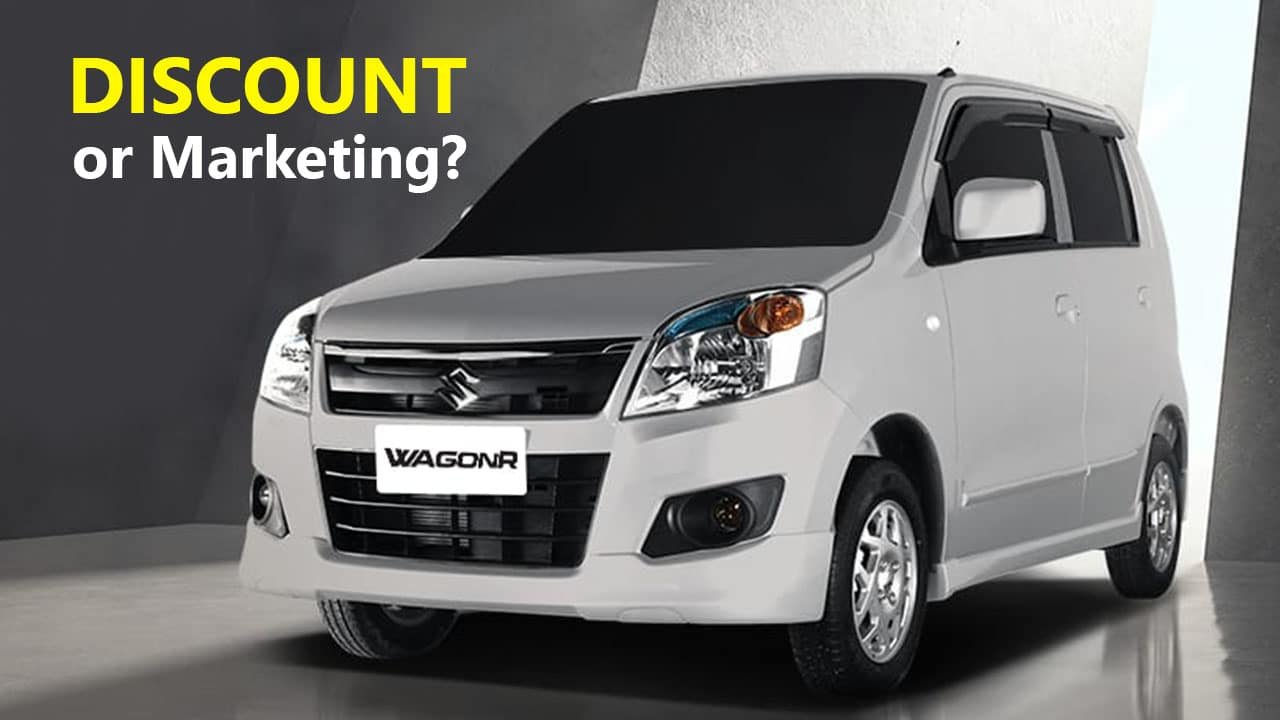
  • Suzuki announces free registration for Wagon R amid sales slump, production issues

    Suzuki announces free registration for Wagon R amid sales slump, production issues

    Suzuki Wagon R buyers can now benefit from a free registration offer on the purchase of an automatic gear shift (AGS) variant thanks to a limited-time offer from Pak Suzuki Motor Company (PSMC).

    According to sources, the automaker is expected to deliver the vehicle 45 to 90 days from the time of booking.

    The company made the announcement on its official Facebook account, stating:

    Don’t wait to avail this amazing offer. Offer is valid across all Suzuki Authorized Dealerships for a limited time only. Terms and conditions applied.

    The Suzuki Wagon R’s base price will drop as a result of this, as stated by the Islamabad Excise and Taxation Department, which states that the registration cost for all vehicles with an engine capacity of under 1000cc is equal to 1 per cent of the car’s original price.

    Meanwhile, Suzuki has not yet made a formal announcement or acknowledged any rumours that the company may be considering retiring the Wagon R owing to weak sales, significant price increases, and production problems.

    Prior to the Suzuki Alto, the 1000cc Wagon R was one of the most popular vehicles on the local auto market.

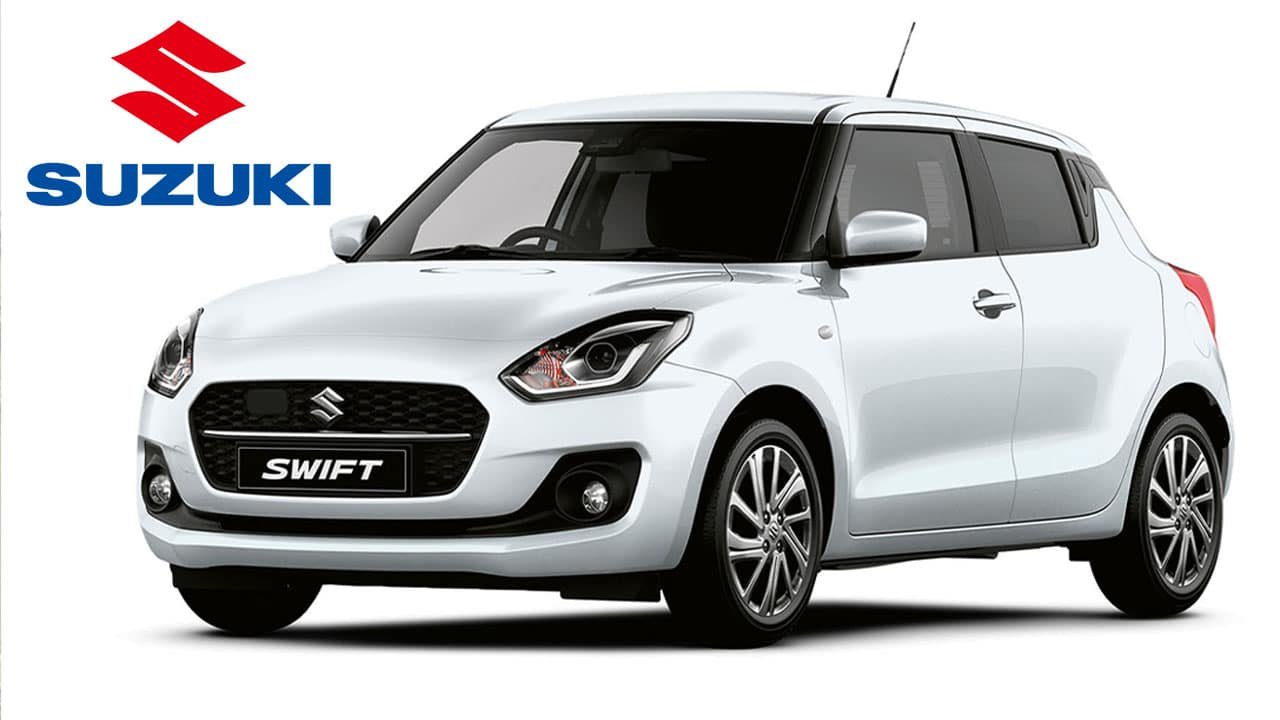
  • Suzuki resumes Swift GLX CVT bookings ‘for a limited time only’

    Suzuki resumes Swift GLX CVT bookings ‘for a limited time only’

    Production and sales at Pak Suzuki Motor Company (PSMC) are picking up speed. The automaker just announced the reopening of bookings for its overall lineup of vehicles on its official Facebook page.

    The best kei car-selling company is also accepting reservations for the Suzuki Swift’s top and most expensive GLX CVT model, according to Pak Suzuki’s official Facebook page. Without providing a specific date, the automaker claimed that the offer is only valid for a short period of time.

    Sales for PSMC also slightly increased last month. This, along with the aforementioned factors, may signal the company’s turnaround from a protracted slump. Even so, the Swift GLX CVT’s Rs3.76 million price tag makes it difficult to sell.

    The new Swift GL CVT Limited Edition model sits below the GLX CVT model and offers a few extra conveniences over the GL CVT model. These features include a center armrest between the passenger seats and a rear top spoiler.

    The Limited Edition variant of Swift costs Rs3,450,000, which is only Rs30,000 more than the Swift GL CVT standard model. The increased cost represents a premium for the added improvements in the Limited Edition variant.