Tag: Pak Suzuki

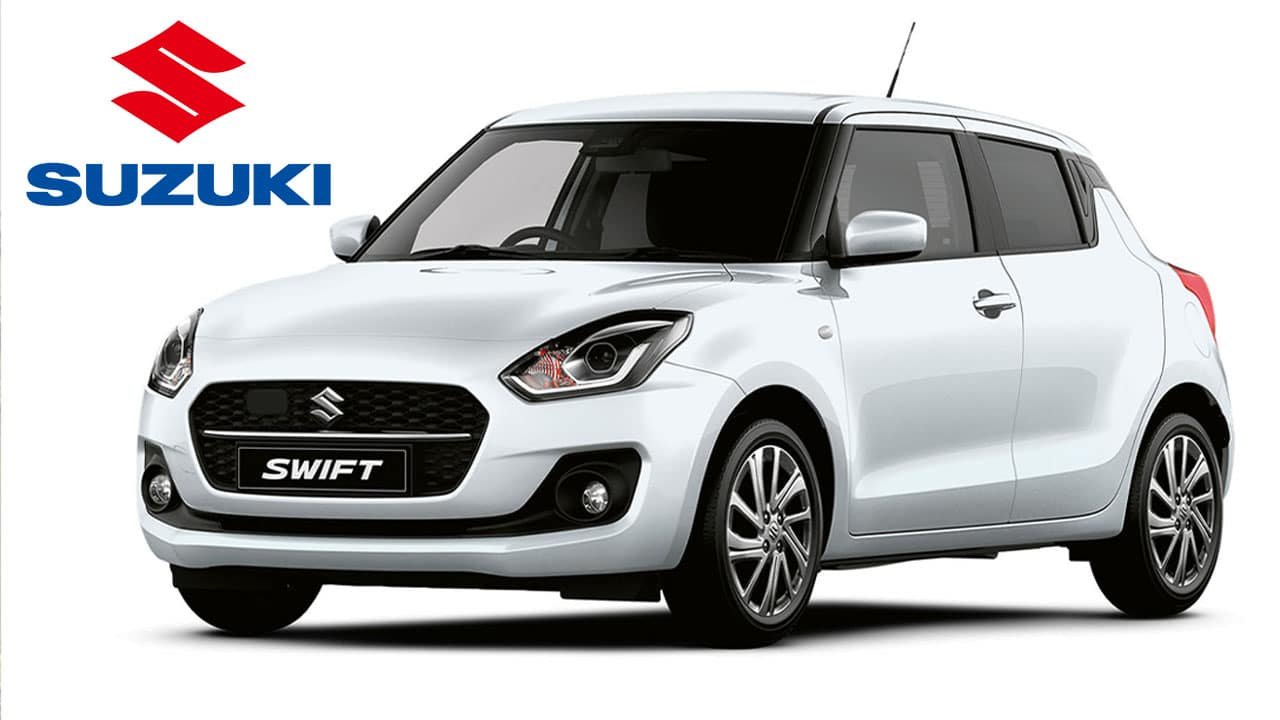
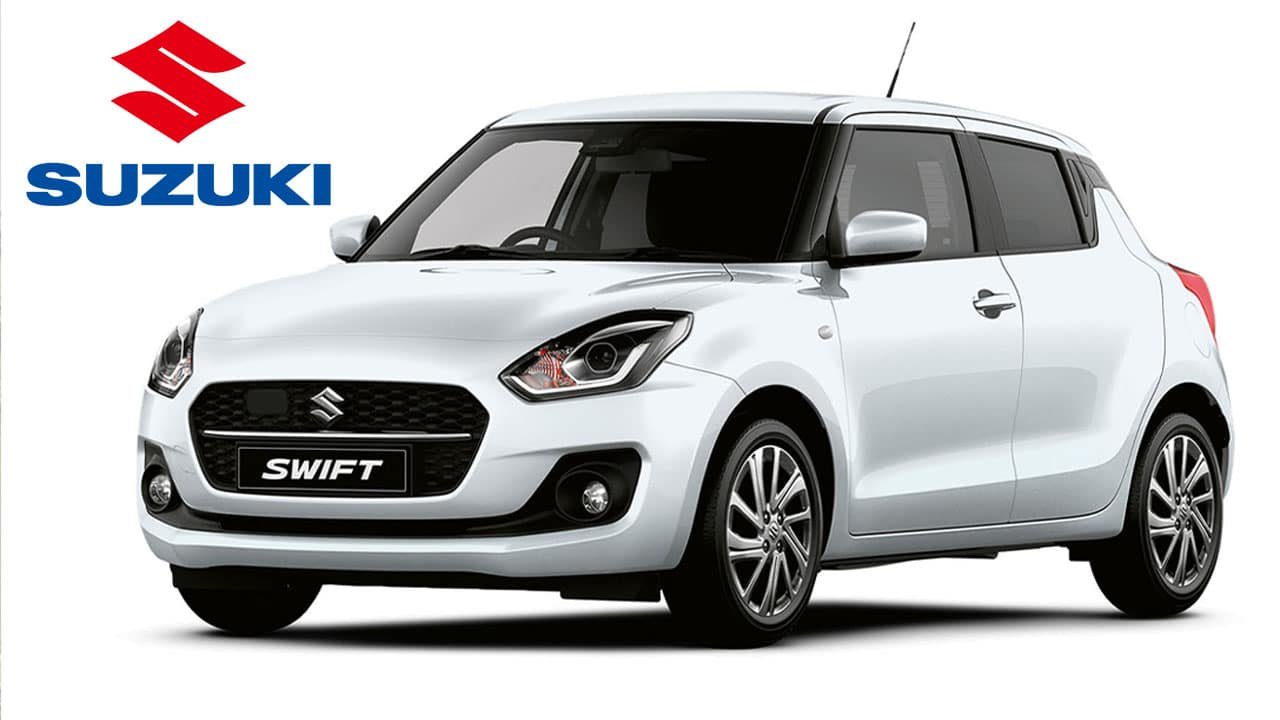
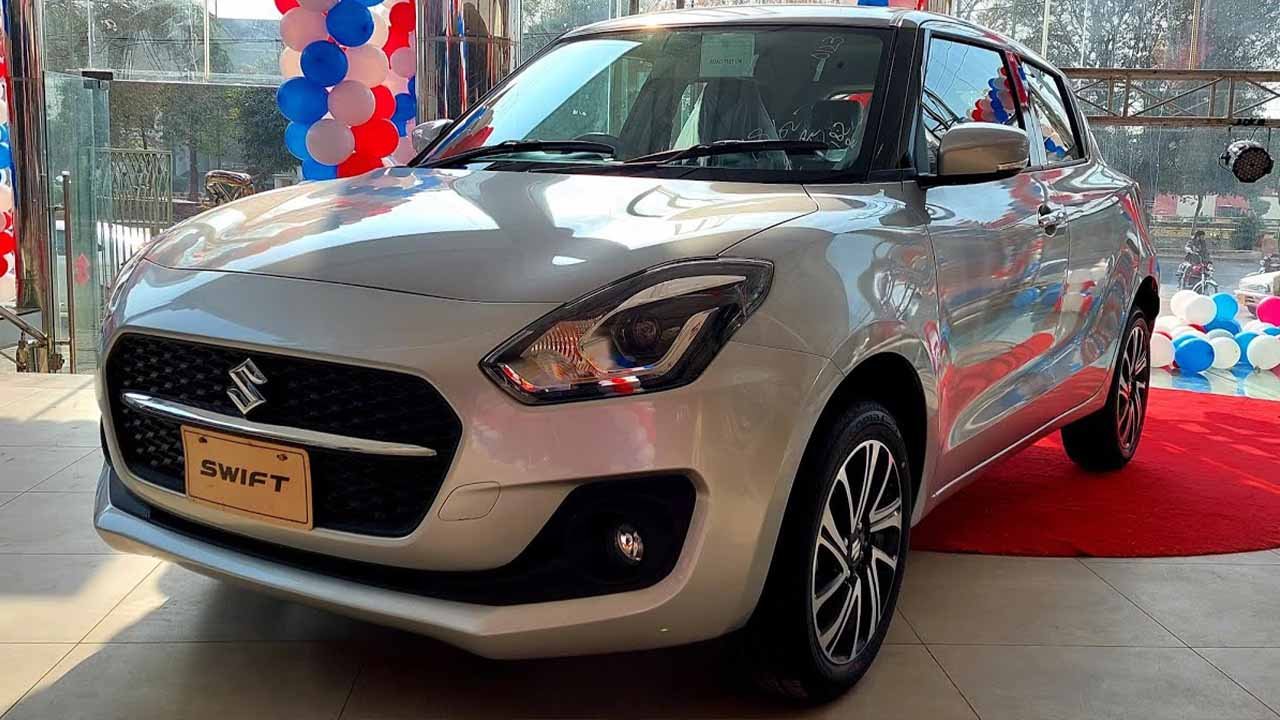
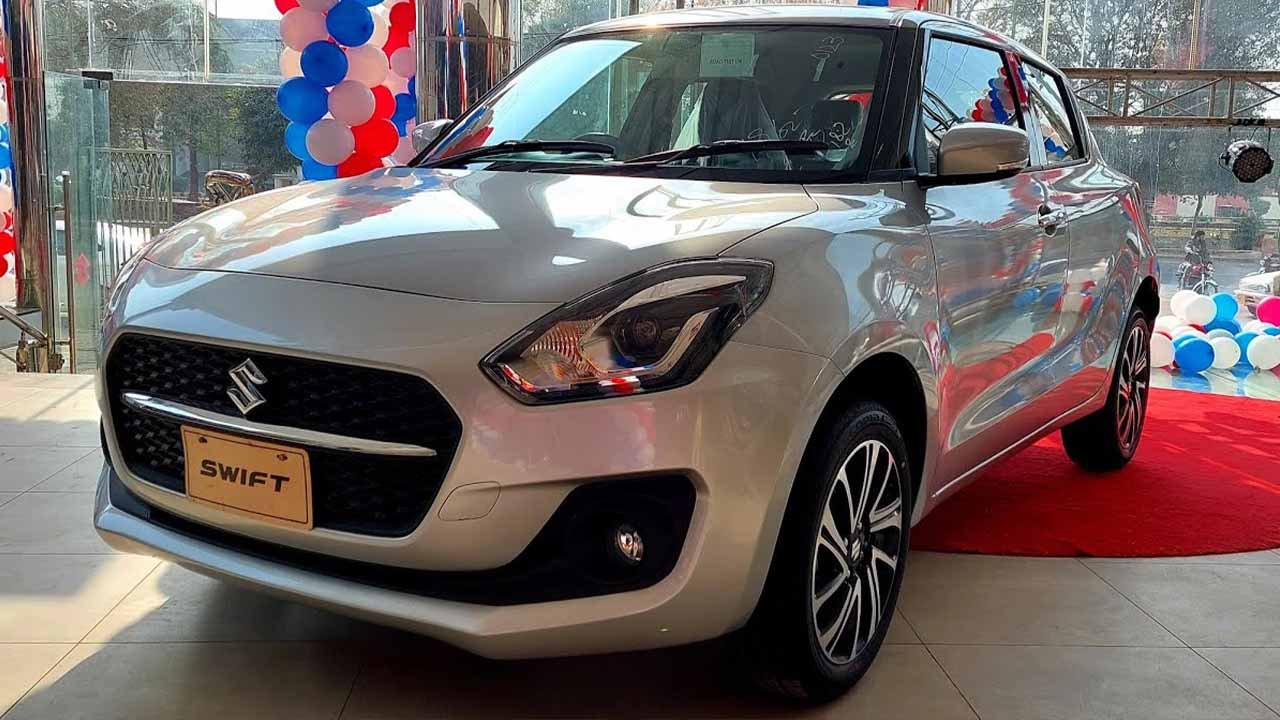
  • Suzuki Swift GLX now costs more than Rs4.7 million after latest hike

    Suzuki Swift GLX now costs more than Rs4.7 million after latest hike

    Pak Suzuki Motor Company has announced its third price hike in less than 30 days, resulting in an increase in the prices of some of its more affordable car models. This move follows the ongoing trend, with Pak Suzuki citing mounting inflation and local currency depreciation as the primary reasons for the price increase.

    With immediate effect, the revised car prices are as follows:

    Variants Old Price (Rs) New Price (Rs) Increase (Rs)
    Alto VX 2,034,000 2,144,000 110,000
    Alto VXR 2,359,000 2,487,000 128,000
    Alto VXR AGS 2,528,000 2,665,000 137,000
    Alto VXL AGS 2,615,000 2,795,000 144,000
    Wagon R VXR 2,877,000 3,062,000 185,000
    Wagon R VXL 3,052,000 3,248,000 196,000
    Wagon R AGS 3,348,000 3,563,000 215,000
    Cultus VXR 3,326,000 3,540,000 214,000
    Cultus VXL 3,654,000 3,889,000 235,000
    Cultus AGS 3,906,000 4,157,000 251,000
    Swift GL M/T 3,807,000 4,052,000 245,000
    Swift GL CVT 4,092,000 4,335,000 263,000
    Swift GLX CVT 4,462,000 4,725,000 263,000
    Bolan VX 1,754,000 1,852,000 92,000

    A production halt was announced by the manufacturer last week as a result of the continued economic downturn and inventory constraint. Further days without manufacturing indicate a greater sales drop. That might result in Pak Suzuki losing a considerable portion of its market share, especially in light of the recent price increase.

  • Car sales in Pakistan drop by 65% due to low purchasing power, supply chain disruptions

    Car sales in Pakistan drop by 65% due to low purchasing power, supply chain disruptions

    According to data from the Pakistan Automotive Manufacturers Association (PAMA), passenger car sales in Pakistan experienced a significant decline of 65 per cent in January 2023 compared to the same period the previous year. This was attributed to a shortage of raw materials, low purchasing power, and price surges.

    With the exception of Suzuki’s Swift, sales of all other variants of cars, trucks, buses, tractors, pick-ups, and three-wheelers, as well as two-wheelers, also dropped in January 2023.

    The seven-month sales data for FY23 showed a 43 per cent drop compared to the same period last year, with passenger car sales decreasing by 65 per cent to 6,021 units. In January 2023, engine-wise sales data showed that sales of 1,300cc and above cars were recorded at 4,207 units, down 55.5 per cent compared to the same period last year. Additionally, 1,000cc cars recorded sales of 1,214 units, a decrease of 55.2 per cent from the same period the previous year.

    In January 2023, sales of passenger cars with engines less than 1,000cc plummeted to 600 units, down 88 per cent from 4,820 units sold in the same period last year.

    Sales of Suzuki’s new Alto were particularly hard hit, dropping to 44 units from 3,864 units last year, as the company was unable to produce any due to raw material shortages. Commercial vehicle sales were also impacted, with buses and trucks declining to 470 units from 778 units in January 2022.

    Despite this, the sale of jeeps and pickups increased to 4,846 units from 3,625 units sold last year, largely due to an increase in sales of Honda BR-V and HR-V. Tractor sales, on the other hand, decreased to 3,406 units from 4,966 units in January 2022.

    Meanwhile, sales of rickshaws and motorcycles dropped to 109,558 units from 153,658 units in the same period last year. According to Topline Securities, Pakistan’s overall car sales, including those of non-PAMA members, stood at around 11,500 units, down 37 per cent from the previous month, primarily due to Pak Suzuki’s inability to produce due to the non-availability of CKD parts.

    In January 2023, the automotive industry in Pakistan experienced a 47 per cent year-on-year drop in sales, contributing to a 39 per cent decline in sales for the first seven months of FY23. According to Sunny Kumar, an analyst for Topline Securities, this is due to rising car prices, costly auto financing, and limited consumer purchasing power.

    Pak Suzuki (PSMC) was hit particularly hard, with sales falling to 2,946 units, the lowest level since April 2020, largely due to a credit letters issue. In contrast, Hyundai sales increased 81 per cent month-on-month, with Tuscon sales up 69 per cent and Sonata sales up 241 per cent in January 2023. In the tractor sector, Millat Tractors and Al-Ghazi Tractors recorded increased sales in January 2023 compared to the previous month.

    However, the industry’s overall sales have dropped by 53 per cent YoY to 14,919 units in 7MFY23, affected by floods, plant shutdowns, higher prices, and low consumer purchasing power.

  • Inventory shortage forces Pak Suzuki to temporarily halt operations

    Inventory shortage forces Pak Suzuki to temporarily halt operations

    Pak Suzuki Motor Company (PSMC) announced on Wednesday that it will temporarily halt operations at its automobile plant from February 13th to 17th, due to an insufficient inventory.

    The management of Pak Suzuki, the local assembler, manufacturer, and marketer of Suzuki vehicles and related spare parts, has informed the Pakistan Stock Exchange (PSX) that it will temporarily cease operations at its automobile plant from February 13th to 17th, 2023, due to an ongoing shortage of inventory.

    The company’s motorcycle plant, however, will remain in operation. This decision follows a previous temporary shutdown of the automobile plant from January 2nd to 6th and January 16th to 20th, also due to inventory constraints.

    PSMC has reported that the recent introduction of a prior approval mechanism for imports by the State Bank of Pakistan (SBP) has negatively impacted the clearance of its import consignments, leading to a shortage of inventory.

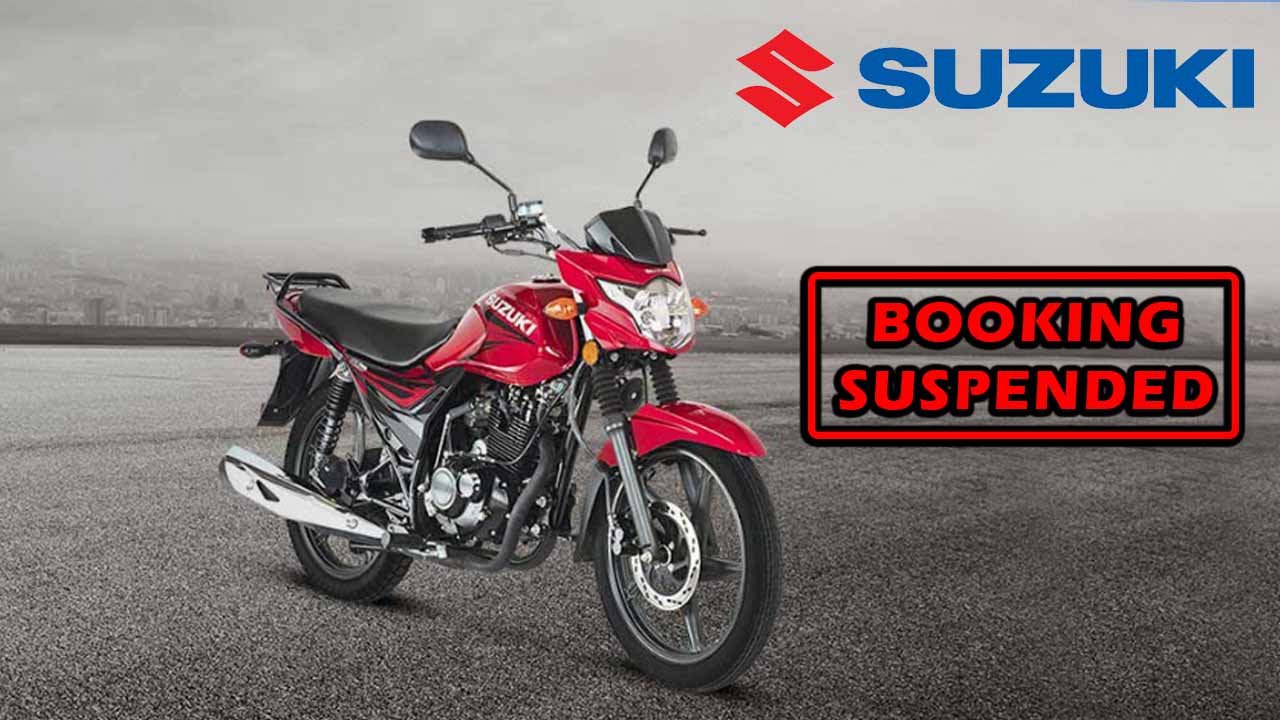
    As a result, PSMC has suspended new bookings for its motorcycles starting January 20th, due to supply chain constraints and an uncertain production outlook. The company has stated that bookings will resume when the situation improves and it is able to serve fresh customers.

    Pakistan’s auto industry, which heavily relies on imports, is facing a crisis as the SBP has imposed restrictions on the opening of Letters of Credit (LCs) due to the persistent depreciation of the rupee. The country’s depleted reserves have resulted in operational challenges for various industries.

  • ‘We are unable to serve new customers’: Pak Suzuki announces booking suspension for all motorcycles

    ‘We are unable to serve new customers’: Pak Suzuki announces booking suspension for all motorcycles

    Pak Suzuki Motor Company (PSMC) stated on Thursday that it had halted taking reservations for motorbikes until further notice due to issues with manufacturing and procurement following the consecutive closures of its automobile assembling factories caused by an ongoing inventory crisis.

    “Under the present economic circumstances, import-based supply chain constraints and uncertain production possibilities, we are unable to serve new customers,” the company said in a letter to dealers.

    The suspension of reservations would start today.

    “We will, therefore, stop bookings of our motorcycle products from January 20, 2023, for the time being. However, bookings will resume as the situation becomes favourable to serve fresh customers.”

    With the rupee falling and inflation at decades-high levels, Pakistan’s economy has collapsed along with a simmering political crisis, but disastrous floods and a worldwide energy crisis have added to the strain.

    Almost all industries, including the automotive sector, have been slowed down by a lack of imported components and materials, and an alarmingly large number of businesses have been forced to cease operations.

    As Pakistan struggles with a dire foreign exchange crisis, thousands of containers filled with basic food supplies, raw materials, and medical equipment have been held up at the Karachi port.

    According to Express Tribune, banks are refusing to issue fresh letters of credit for importers due to a shortage of needed dollars, which is hurting an economy already under pressure from high inflation and weak growth.

  • Pak Suzuki announces second plant closure in less than 10 days due to parts shortage

    Pak Suzuki announces second plant closure in less than 10 days due to parts shortage

    Due to a persistent lack of imported components and accessories, Pak Suzuki Motor Company Ltd (PSMCL) has prolonged the factory shutdown from January 9 to 13 after keeping manufacturing operations paused from January 2 to 6.

    However, the business stated in a stock filing on Friday that the motorbike facility will continue to be in operation.

    The State Bank of Pakistan’s restrictions on obtaining prior approval for imports, including completely knocked-down (CKD) kits, have prevented PSMCL from opening its production facilities for 30 days since August 2022. This has negatively impacted the clearance of shipments from the port and resulted in shortages of parts and accessories.

    On the fate of employees because of persistent plant closure and plummeting sales of vehicles, a PSMCL official claimed that “so far no company’s employees have been terminated.”

    In 5MFY23, Pak Suzuki’s sales decreased by 35 per cent to 37,042 units from 57,200 in the same time the previous fiscal year.

    On Friday, the Lahore Chamber of Commerce and Industry (LCCI) and the Pakistan Association of Automotive Parts and Accessories Manufacturers (PAAPAM) both voiced their concerns regarding Millat Tractors’ decision to cease operations for an indefinite period of time due to declining sales and delayed sales tax refunds.

    In a joint statement, PAAPAM Senior Vice Chairman Usman Aslam Malik and LCCI President Kashif Anwar observed that “we should save Pakistan first, then politics, before we reach the point of no return.”

    Both leaders urged the administration and the opposition parties to get together and talk about how to resolve the nation’s crisis.

    They pointed out localization as the long-term answer to economic issues. The removal of imports must be given first priority, followed by the removal of export.

  • Suzuki to halt car and bike production in January 2023 due to parts shortage

    Suzuki to halt car and bike production in January 2023 due to parts shortage

    Following in the footsteps of Toyota Indus Motor Company (IMC), Pak Suzuki Motor Company (PSMC) has said that its production facility will be totally shut down from January 2 to 6, as a result of a ban on the import of auto parts.

    The automaker, in a notice sent to the Pakistan Stock Exchange (PSX), said that the State Bank of Pakistan (SBP) has introduced a mechanism for prior approval for import under “HS code 8703 category (including completely knocked down – CKDs) vide circular No.09 of 2022 dated May 20, 2022”.

    “Restrictions had adversely impacted clearance of import consignment which resultantly affected the inventory levels.”

    “Therefore, due to shortage of inventory level, the management of the company has decided to shut down its plant for the automobile as well as a motorcycle for the period from January 2 to January 6, 2023,” PSMC said.

    It is important to note that this is not the first time that Suzuki, one of the country’s top-selling automakers, has closed a production facility. Several shutdowns have already been announced in 2022 by some well-known automakers, including Honda and Toyota.

    PSMC is involved in the assembly, progressive manufacturing, marketing, and distribution of Suzuki vehicles, pickup trucks, vans, 4x4s, motorcycles, and associated spare parts.

    According to Geo, due to the central bank’s limits on the opening of letters of credit (LCs) as a result of a severe liquidity crunch, Pakistan’s car sector, which is heavily dependent on imports, is currently experiencing serious difficulties.

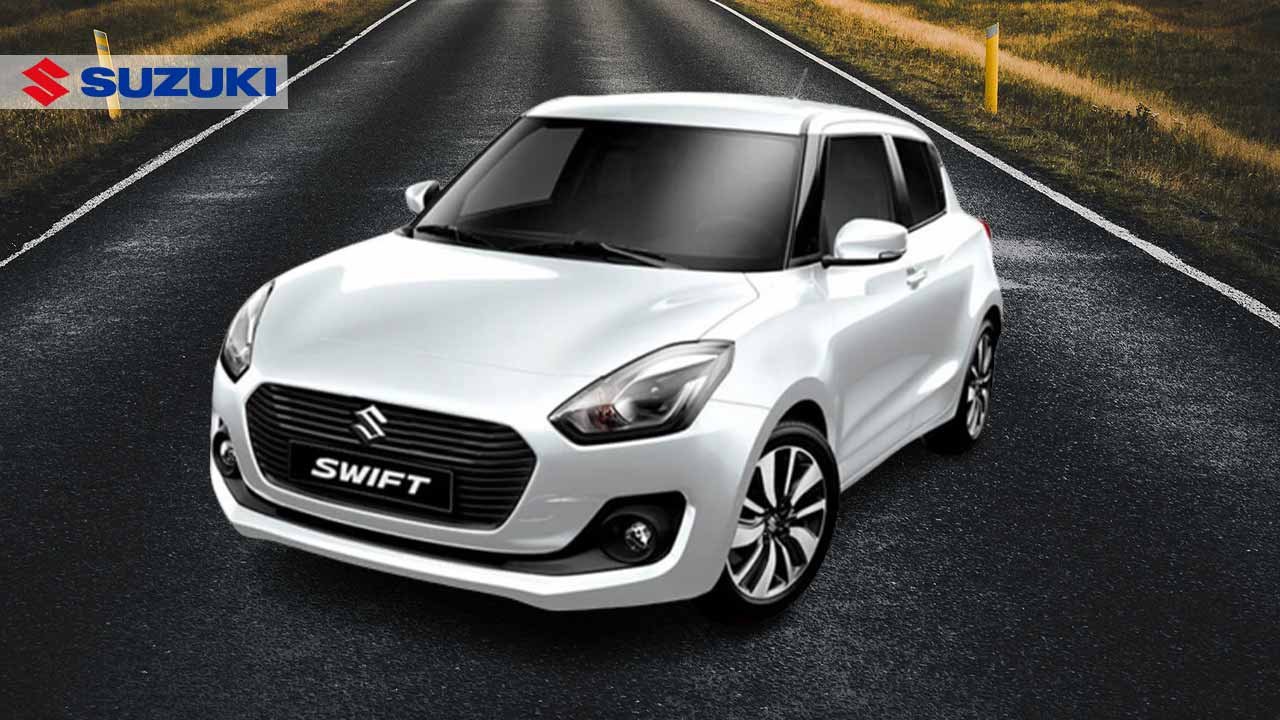
  • Suzuki resumes Swift GLX CVT bookings ‘for a limited time only’

    Suzuki resumes Swift GLX CVT bookings ‘for a limited time only’

    Production and sales at Pak Suzuki Motor Company (PSMC) are picking up speed. The automaker just announced the reopening of bookings for its overall lineup of vehicles on its official Facebook page.

    The best kei car-selling company is also accepting reservations for the Suzuki Swift’s top and most expensive GLX CVT model, according to Pak Suzuki’s official Facebook page. Without providing a specific date, the automaker claimed that the offer is only valid for a short period of time.

    Sales for PSMC also slightly increased last month. This, along with the aforementioned factors, may signal the company’s turnaround from a protracted slump. Even so, the Swift GLX CVT’s Rs3.76 million price tag makes it difficult to sell.

    The new Swift GL CVT Limited Edition model sits below the GLX CVT model and offers a few extra conveniences over the GL CVT model. These features include a center armrest between the passenger seats and a rear top spoiler.

    The Limited Edition variant of Swift costs Rs3,450,000, which is only Rs30,000 more than the Swift GL CVT standard model. The increased cost represents a premium for the added improvements in the Limited Edition variant.

  • Pakistanis buying 47% fewer cars due to rising prices

    Pakistanis buying 47% fewer cars due to rising prices

    Despite an increase from month to month in October, the total number of cars sold fell by 47 per cent to 39,700 units in 4MFY23 from 74,952 units as a result of increased prices, restrictions on auto financing and part imports, and high interest rates.

    However, the number of cars sold in October increased to 11,129 from 9,213 in September, a significant decrease from the 17,413 sold in October 2021.

    Assemblers have been allowed to hand over automobiles after the release of auto parts from the port as a result of the State Bank’s decision to increase the import quota, which led to a recovery in car sales as well as production in October.

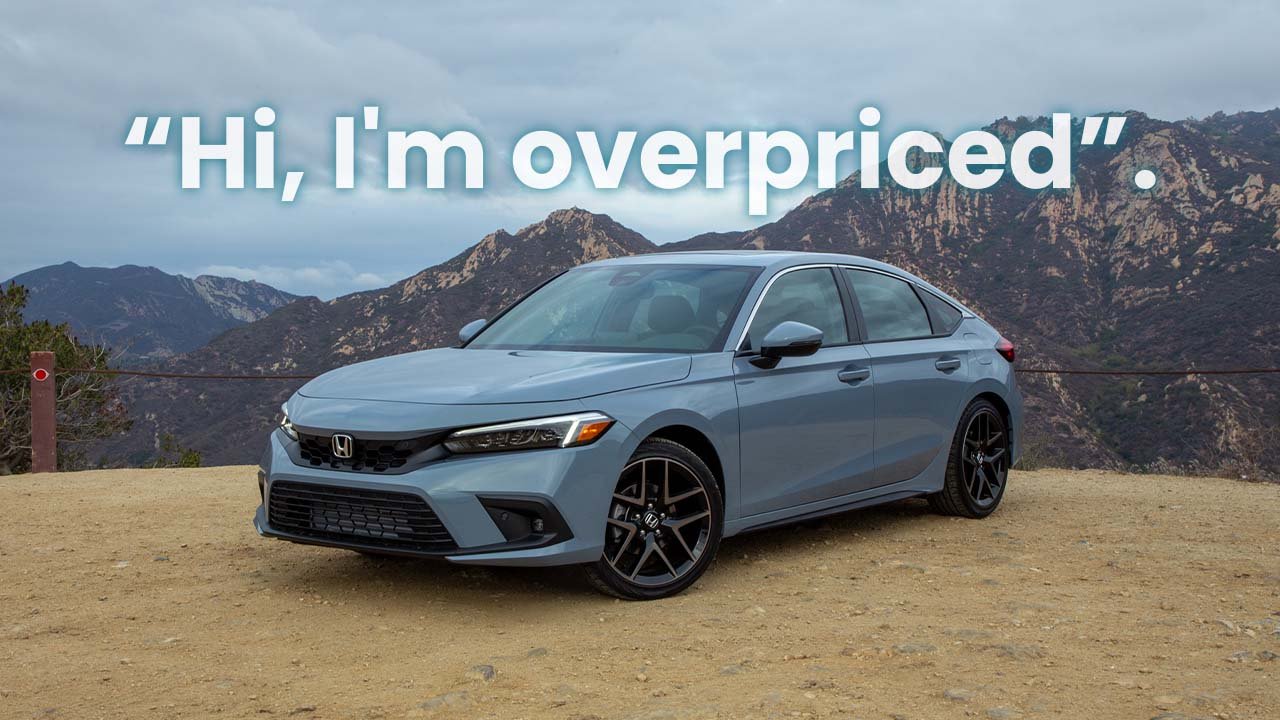
    Honda Civic/City sales decreased to 6,416 units in 4MFY23 from 10,444 units during the same period in FY22, while Toyota Corolla and Yaris sales significantly decreased to 8,253 units from 19,214 units. Sales of the Suzuki Cultus and WagonR decreased from 11,454 to 6,779 units to 2,952 and 2,181 respectively. Sales of the Suzuki Bolan and Alto were unchanged at 1,469 and 13,464 units, compared to 4,012 and 20,773 units in 4MFY22.

    Jeep and pickup sales decreased by 45 percent, from 14,969 units in the same period last fiscal year to 8,234 units in July-October FY23.

    Additionally, the total number of tractors sold decreased by 47 per cent, from 17,386 units to 9,258 units, indicating a decline in agricultural activity.

    Compared to 2,011 and 184 units sold in 4MFY22, trucks and buses showed sales of 1,109 and 210 units, respectively.

    Sales of two and three-wheelers in the country fell dramatically, from 629,212 units in the same period last year to 412,111 units in the first four months of the current fiscal year.

  • Pak Suzuki discontinues Bolan’s AC variant after one year

    Pak Suzuki discontinues Bolan’s AC variant after one year

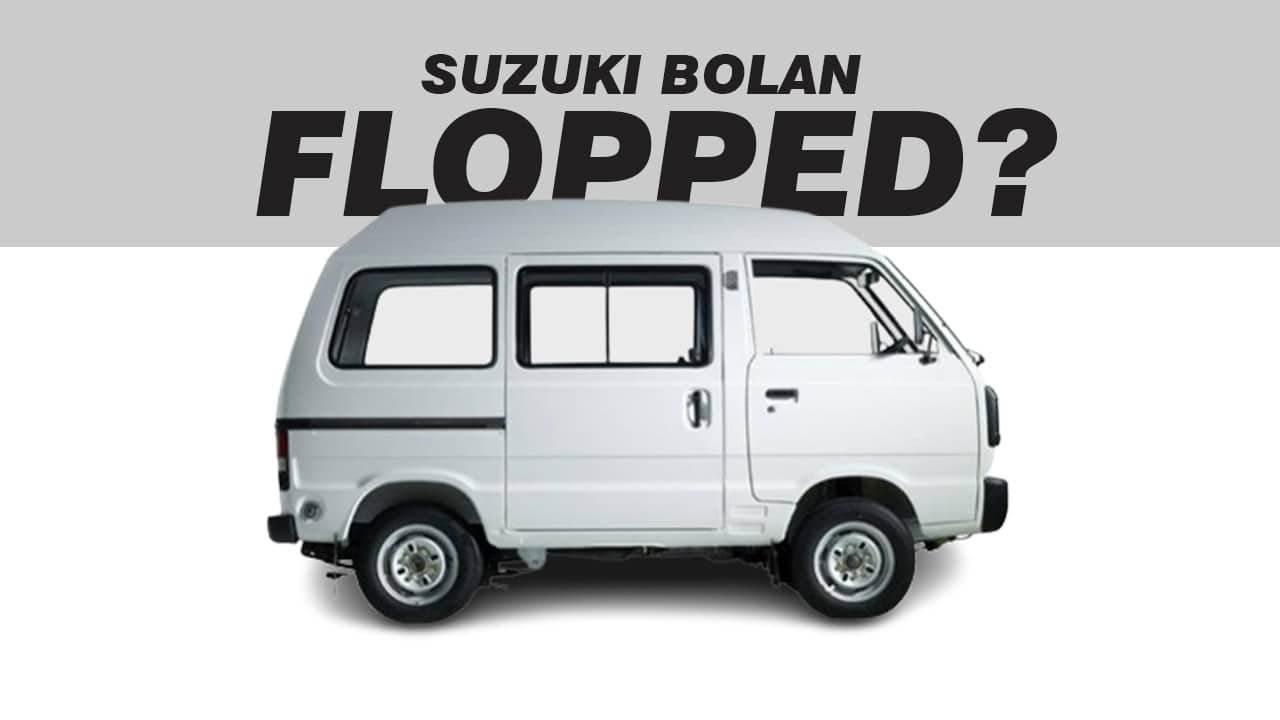
    Pak-Suzuki Motor Company (PSMC) will no longer sell the Suzuki Bolan’s AC variant. After almost 15 years, this variation was finally introduced last year, and tragically, its production will cease once again.

    The company’s decision to stop producing the AC variant of the Suzuki Bolan is a blatant indication that it has failed to pique consumer interest for a variety of reasons, some of which include its inflated cost and the extraordinarily uncomfortable ride.

    Despite all of these factors, other variants of Suzuki Bolan are extremely common in Pakistan and are seen running on almost every road and in every city.

    The first Suzuki Bolan with AC was introduced in 2006-2007, however it was a flop due to overheating, poor engine performance, and subpar AC.

    Moreover, the Bolan’s engine is housed underneath the driver’s seat, which makes it extremely challenging for the driver and front passenger to sit, particularly when the engine is hot.

    Despite expectations that the AC variation would be successful this time, it was not able to attract buyers.

  • Suzuki slashes prices of all locally assembled vehicles

    Suzuki slashes prices of all locally assembled vehicles

    Pak Suzuki Motor Company (PSMC) has announced a price cut for all vehicles following Toyota. The latest decline in car prices is attributed to the strengthening of the Pakistani rupee against the US dollar.

    Here’s the latest price list of all Pak Suzuki cars:

    Vehicle Old Price New Prices Reduction
    Alto
    Alto VX Rs1,789,000 Rs1,699,000 Rs90,000
    Alto VXR Rs2,079,000 Rs1,976,000 Rs103,000
    Alto VXL Rs2,399,000 Rs2,223,000 Rs116,000
    Wagon R
    Wagon R VXR Rs2,549,000 Rs2,421,000 Rs128,000
    Wagon R VXL Rs2,699,000 Rs2,564,000 Rs135,000
    Wagon R AGS Rs2,949,000 Rs2,802,000 Rs147,000
    Cultus
    Cultus VXR Rs2,879,000 Rs2,754,000 Rs125,000
    Cultus VXL Rs3,164,000 Rs3,024,000 Rs135,000
    Cultus AGS Rs3,379,000 Rs3,234,000 Rs145,000
    Swift
    Swift GL M/T Rs3,349,000 Rs3,180,000 Rs169,000
    Swift GL CVT Rs3,599,000 Rs3,420,000 Rs179,000
    Swift GLX CVT Rs3,959,000 Rs3,760,000 Rs199,000
    Bolan and Ravi
    Ravi Rs1,499,000 Rs1,349,000 Rs75,000
    Bolan VX Rs1,579,000 Rs1,500,000 Rs79,000
    Bolan Cargo Rs1,566,000 Rs1,487,000 Rs79,000
    Pak Suzuki Latest Car Prices in Pakistan 2022 – 16 August 2022

    Suzuki Swift’s price has decreased significantly by Rs199,000 compared to all other vehicles. The top Suzuki Swift GLX CVT variant will now be sold for Rs3.760 million as compared to its earlier price of Rs3.959 million.

    Read more: Toyota announces price cut for all vehicles

    The Suzuki Ravi Pickup saw the smallest drop in cost, dropping from Rs1.499 million to Rs1.349 million after a tiny reduction of Rs75,000.