Tag: Pakistan Bureau of Statistics

  • Eggs and tomatoes lead weekly price hikes in latest SPI inflation report 

    Eggs and tomatoes lead weekly price hikes in latest SPI inflation report 

    The latest data from the Pakistan Bureau of Statistics (PBS) reveals that, for the week ending on October 12, the Sensitive Price Indicator (SPI) reflected a notable weekly inflation uptick of 0.30 per cent.

    During this period, the SPI for this particular category surged to 282.86 points, marking a distinct rise from the preceding week’s 282.00 points.  

    Among the 51 items tracked, the price dynamics exhibited a balanced distribution, with 17 items experiencing upward price movements, 17 witnessing price declines, and 17 remaining stable throughout the week. 

    Some of the commodities that observed a decline in prices encompassed sugar (4.47 per cent), pulse gramme (2.75 per cent), bananas (2.47 per cent), pulse moong (2.44 per cent), gur (1.93 per cent), chicken (1.69 per cent), rice irri-6/9 (1.46 per cent), and pulse masoor (1.26 per cent). 

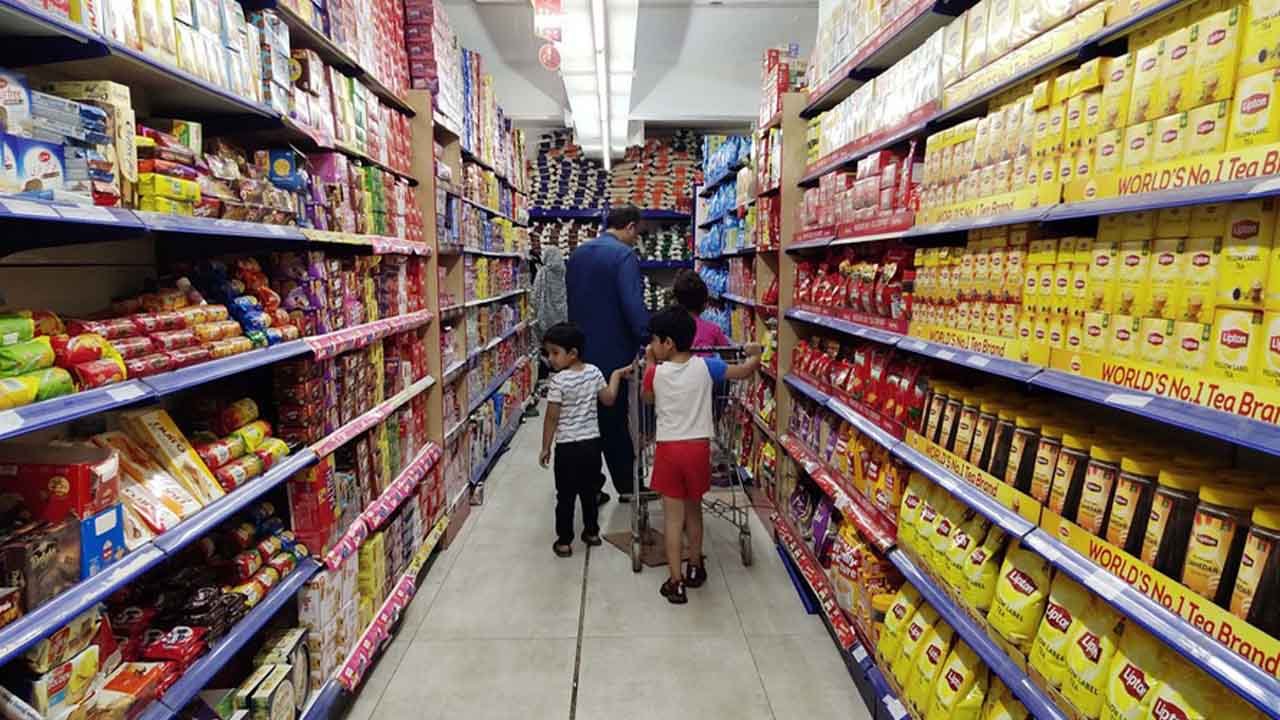
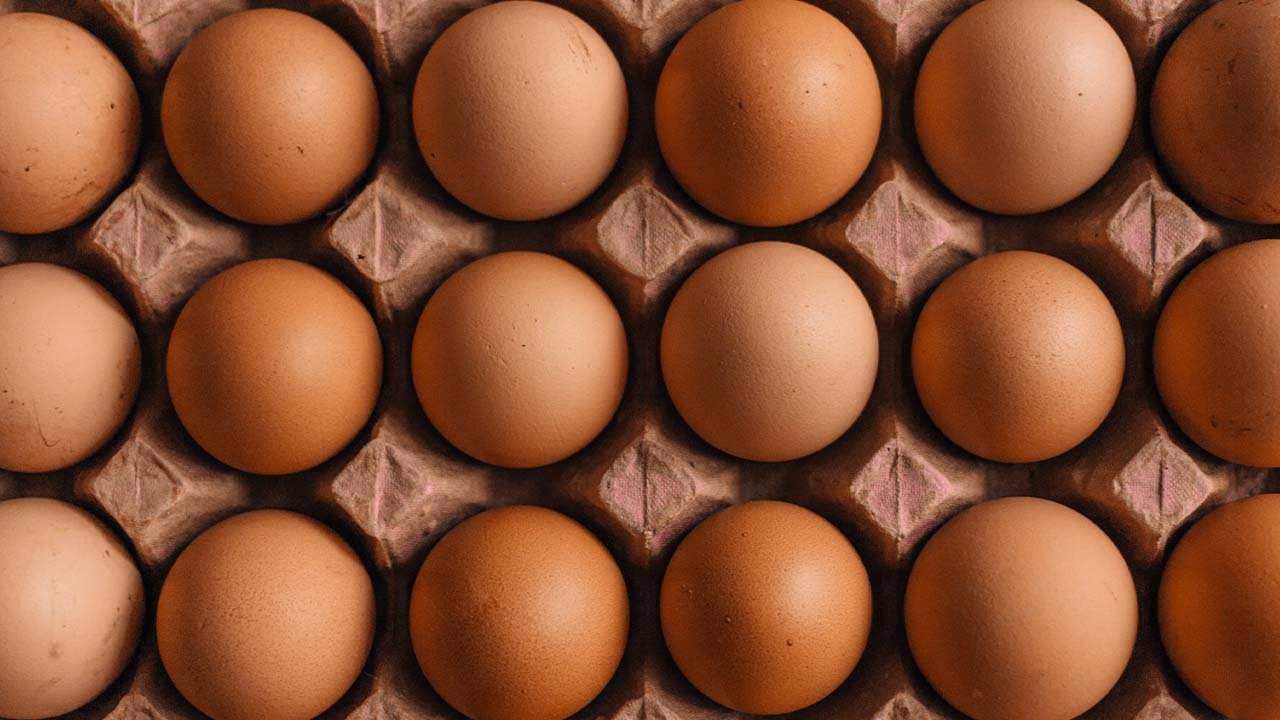
    Conversely, there was a noticeable surge in the prices of several items during the same week, including tomatoes (6.28 per cent), eggs (3.48 per cent), salt powdered (2.75 per cent), cooked beef (1.06 per cent), garlic (1.04 per cent), tea prepared (0.73 per cent), beef (0.39 per cent), potatoes (0.35 per cent), electricity charges for Q1 (8.59 per cent), energy server (0.55 per cent), shirting (0.47 per cent), and LPG (0.31 per cent). 

    For a broader perspective, when evaluating these price changes on a year-on-year basis, it becomes evident that certain commodities have shown significant variations.  

    For instance, tomatoes witnessed a substantial year-on-year decline of 43.53 per cent, while onions experienced a decrease of 16.67 per cent.  

    Furthermore, pulse gramme recorded a drop of 4.01 per cent, and mustard oil saw a more modest decline of 1.19 per cent. These statistics provide valuable insights into the evolving economic landscape and the relative stability of various consumer goods. 

  • Pakistan’s imports drop sharply, leading to 42% reduction in trade deficit

    Pakistan’s imports drop sharply, leading to 42% reduction in trade deficit

    Pakistan’s trade deficit for the first three months of the fiscal year 2023–24 has notably contracted by 42.25 per cent to reach $5.29 billion. This remarkable reduction is primarily attributed to a significant decrease in imports, a direct consequence of carefully administered measures.

    Data released by the Pakistan Bureau of Statistics (PBS) reveals that the trade balance, which represents the difference between exports and imports, stood at a deficit of $5.29 billion for the period spanning July to September 2023–24. This is in stark contrast to the $9.16 billion deficit recorded during the same period in the preceding year.

    Both exports and imports experienced declines in this timeframe, with imports showing a more substantial decrease compared to exports, effectively narrowing the trade deficit. During these three months of 2023–24, Pakistan’s exports contracted by 3.8 per cent to $6.9 billion, despite facing significant currency depreciation when compared to the corresponding period in the previous year.

    Conversely, imports registered a notable decline of 25.4 per cent, totaling $12.19 billion in the July–September period, down from the $16.33 billion recorded in the same period of the previous fiscal year.

    For a more granular view, the PBS reported that in September 2023, Pakistan’s trade deficit further shrank by nearly 48 per cent to $1.489 billion, compared to $2.856 billion during the same month in the previous year. 

    Exports experienced a slight improvement of 1.1 per cent, reaching $2.47 billion in September 2023 compared to $2.44 billion in the same month the previous year, while imports significantly decreased by 25.5 per cent to $3.95 billion from $5.29 billion in the corresponding month last year.

    From a monthly perspective, the trade deficit contracted by 31.5 per cent compared to August 2023, with exports increasing by 4.2 per cent to $2.47 billion in September from $2.37 billion in the preceding month of August. Simultaneously, imports decreased by 12.9 per cent, amounting to $3.95 billion from $4.53 billion in the last month.

  • Pakistan imports tea worth Rs31.64 billion in just two months 

    Pakistan imports tea worth Rs31.64 billion in just two months 

    According to data from the Pakistan Bureau of Statistics (PBS), Pakistan’s imports of food items in the first two months of the fiscal year 2023–24 amounted to Rs378.98 billion. 

    The PBS data reveals that during this two-month period, Pakistan imported tea worth Rs31.64 billion, a notable increase from Rs20.23 billion during the corresponding period in the previous year.  

    Additionally, Pakistan imported palm oil valued at Rs158.7 billion and soybean oil worth Rs13.56 billion. 

    Furthermore, Pakistan imported pulses worth Rs48.25 billion and dry fruits valued at over Rs2 billion during the same two-month period. 

    It is worth noting that in July, the State Bank of Pakistan (SBP) lifted all import restrictions as part of its efforts to meet the conditions set by the International Monetary Fund (IMF). 

    Read more: Pakistani rupee gains value, now at Rs292.78 per US dollar 

    The central bank issued a circular to abolish these import restrictions and authorised banks to facilitate remittances to clear more than 6,000 containers. 

    The SBP clarified in the circular that remittances would be made available for all imports following the implementation of the latest order. 

  • Rice exports from Pakistan decline by 17.33% in first two months of current fiscal year 

    Rice exports from Pakistan decline by 17.33% in first two months of current fiscal year 

    During the initial two months of the current fiscal year, a total of 340,237 metric tonnes of rice, with a market value of $233.991 million, were exported. This marked a notable contrast with the previous year’s corresponding period, which recorded exports of 507,144 metric tonnes of rice valued at $283.056 million.  

    According to data provided by the Pakistan Bureau of Statistics, rice exports from July to August 2023 witnessed a 17.33 per cent decline in comparison to the same period in the previous year. 

    However, within this timeframe, Basmati rice exports experienced 8.29 per cent growth. Approximately 79,257 metric tonnes of Basmati rice, valued at $94.733 million, were exported, compared to the previous year’s figures of 84,709 metric tonnes at a cost of $87.480 million. 

    Concurrently, the nation achieved earnings of $39.338 million by exporting approximately 20,539 metric tonnes of fish and fish preparations, showing an improvement from the previous year when 15,922 metric tonnes of these products were exported, amounting to $38.086 million. 

    Read more: WhatsApp to introduce animated avatars for video calls soon 

    It is noteworthy that overall food group exports in the first two months of the current fiscal year registered a modest decrease of 1.65 per cent. The total value of food commodities exported during this period amounted to $711.748 million, contrasting with the previous year’s export value of $723.696 million for the same duration. 

    On the other hand, food group imports into the country during the initial two months of the current fiscal year witnessed a substantial decline of 26.91 per cent when compared to the corresponding period of the previous year. From July to August 2023, food imports decreased from $1.783 billion to $1.303 billion. 

  • Pakistan’s exports surge by 22.45% in FY23-24’s first two months, crossing Rs1.27 trillion mark

    Pakistan’s export sector has demonstrated remarkable growth, achieving a substantial 22.45 per cent increase, reaching the noteworthy milestone of Rs1.27 trillion during the initial two months of the fiscal year 2023-24 (FY23-24).

    According to data released by the Pakistan Bureau of Statistics (PBS), exports from July to August 2023 stood at Rs1.27 trillion, marking a remarkable 22.45 per cent surge compared to the Rs1.04 trillion recorded during the corresponding period the previous year.

    In a year-on-year analysis, exports in August 2023 surged by an impressive 26.75 per cent, reaching Rs695.1 billion, as opposed to the Rs548.4 billion recorded in August 2022. Furthermore, on a month-to-month basis, exports surged by 19.62 per cent when juxtaposed with the Rs581.1 billion recorded in July 2023. The textile and knitwear sector emerged as the most substantial export contributor, accounting for an impressive Rs117.8 billion.

    In contrast, imports during July and August of the fiscal year 2023-24 experienced a modest decline of 2.42 per cent, totaling Rs2.3 trillion. This is in contrast to the imports recorded at Rs2.4 trillion during the corresponding period the previous year. Of note, Pakistan’s imports in August 2023 included Rs180.6 billion worth of petroleum products, followed by crude oil and liquefied natural gas (LNG) valued at Rs119.4 billion and Rs89.8 billion, respectively.

    When analyzed on a year-on-year basis, imports into Pakistan in August 2023 displayed a marginal 0.5 per cent decrease when compared to August 2022. On a month-on-month basis, imports into the country saw a significant uptick of 27.79 per cent in August 2023 when compared to the Rs1.04 trillion worth of imports in July 2023.

    According to Geo, this surge in exports is indeed promising as it holds the potential to bolster Pakistan’s diminishing foreign exchange reserves, a much-needed development in light of the challenging economic situation stemming from the depreciation of the Pakistani rupee

  • Pakistan’s inflation rate drops to 29.40% in June: Citizens’ purchasing power remains under pressure

    Pakistan’s inflation rate drops to 29.40% in June: Citizens’ purchasing power remains under pressure

    The Pakistan Bureau of Statistics (PBS) has released the latest data on the country’s inflation rate for June, indicating a slight decline compared to May. According to the report, the inflation rate for June stood at 29.40 per cent, showing an increase of 8.1 per cent compared to the same period last year.

    Although there was a marginal improvement from the inflation rate of 38 per cent reported in May, the country still faces significant challenges due to high inflation. This persistent inflationary environment continues to erode the purchasing power of citizens, affecting their ability to afford basic necessities.

    Analysing the data further, the report highlights that inflation in urban areas was recorded at 27.3 per cent, while agricultural communities experienced an even higher inflation rate of 32.4 per cent. These figures emphasise the vulnerability of rural areas and the agricultural sector to the rising cost of living.

    Comparing the current situation with that of the previous year, the Bureau of Statistics reveals a substantial year-on-year increase. In June of the previous year, the inflation rate was 21.3 per cent, further underscoring the severity of the current inflationary crisis.

  • Weekly inflation in Pakistan remains stubbornly high at 45.72%

    Weekly inflation in Pakistan remains stubbornly high at 45.72%

    Despite coming down marginally, weekly inflation remains above 45 per cent and stood at 45.72 per cent on a year-on-year (YoY) basis for the week ended on 18th May 2023, showed data released by the Pakistan Bureau of Statistics (PSB) on Friday.

    The Sensitive Price Indicator (SPI) based inflation for the week ended 11th May 2023, recorded a decrease of 0.16 per cent over the previous week due to a decrease in the prices of food and non-food items.

    The year-on-year trend posted an increase due to an increase in the prices of Cigarettes (138.50 per cent), Tea Lipton (114.93 per cent), Potatoes (114.69 per cent), Gas Charges for Q1 (108.38 per cent), Bananas (104.44 per cent), Gents Sponge Chappal (100.33 per cent), Wheat Flour (90.77 per cent), Rice Basmati Broken (86.30 per cent), Eggs (85.86 per cent), Rice Irri-6/9 (80.44 per cent), Petrol (79.85 per cent), Diesel (78.68 per cent), Pulse Moong (66.79 per cent), Bread (63.17 per cent), and Pulse Mash (57.06 per cent), while a decrease was observed in the prices of Tomatoes (38.30 per cent), Onions (30.18 per cent), and Chilies Powdered (6.48 per cent).

    A decrease was observed in the prices of food items: Onions (9.04 per cent), Garlic (1.76 per cent), Sugar (1.42 per cent), Wheat Flour (1.40 per cent), Vegetable Ghee 2.5kg (0.63 per cent), Mustard Oil (0.48 per cent), Pulse Masoor (0.40 per cent), Pulse Gram (0.12 per cent), and Vegetable Ghee 1kg (0.11 per cent); and non-food items: Diesel (10.38 per cent), Petrol (4.24 per cent), LPG (3.02 per cent), and Firewood (0.89 per cent).

    On the other hand, an increase was observed in the prices of Chicken (7.51 per cent), Tea Lipton (4.53 per cent), Gur (2.79 per cent), Eggs (2.29 per cent), Energy Saver (2.22 per cent), Tomatoes (2.11 per cent), Tea Prepared (1.09 per cent), and Curd (1.08 per cent).

    During the week, out of 51 items, prices of 23 (45.10 per cent) items increased, 13 (25.49 per cent) items decreased, and 15 (29.41 per cent) items remained stable.

  • Rising petrol prices and rupee devaluation push inflation to 47.23% in Pakistan ahead of Eid

    Rising petrol prices and rupee devaluation push inflation to 47.23% in Pakistan ahead of Eid

    According to data released by the Pakistan Bureau of Statistics (PBS), a steep increase in the prices of essential food items such as chicken and petrol has pushed weekly inflation to 47.23 per cent year-on-year for the week ending on April 19. Inflation has risen 0.51 per cent week-on-week, compared to a 0.60 per cent decrease in the previous week.

    The rising inflation has been attributed to the increase in sensitive price indicators such as LPG, potatoes, petrol, tea, gur, matchbox, bread, chicken, bananas, broken basmati rice, and rice irri-6/9. However, a major decrease was observed in the prices of tomatoes, onions, garlic, sugar, wheat flour, mustard oil, cigarettes, and pulse gram.

    For the week under review, the SPI (Sensitive Price Index) was recorded at 251.83 points, against 250.56 points registered last week and 171.05 points recorded during the week ended April 21, 2022. Fahad Rauf, head of research at Ismail Iqbal Securities, said that SPI experienced an increase mainly driven by a 4 per cent and 2 per cent increase in the prices of petrol and chicken, respectively.

    During the week, the government raised petrol prices by Rs10 per litre, bringing the new price to Rs282 per litre, due to the impact of rising international oil prices and rupee devaluation. Chicken prices have also risen mainly due to increased seasonal demand in Ramadan and the arrival of Eid.

    Prices of commodities have risen significantly over the last year on account of devaluation as well as the massive floods that devastated food crops across most of the fertile plains of the country. Different weights are assigned to various commodities in the SPI basket, and prices of commodities have risen on a year-on-year basis. The PBS compiles the SPI by collecting prices of 51 essential items from 50 markets in 17 cities of the country.

    During the week under review, out of 51 items, prices of 29 (56.86 per cent) items increased, eight (15.69 per cent) items decreased, and prices of 14 (27.45 per cent) items remained unchanged. The PBS data attributed the year-on-year rise in SPI to the jump in the prices of goods such as cigarettes, wheat flour, gas charges for Q1, tea, diesel, potatoes, bananas, eggs, petrol, broken basmati rice, rice irri-6/9, pulse moong, and plain bread. However, a decrease was observed in the prices of tomatoes and chilli powder.

  • Alarming decline in Pakistan’s manufacturing sector, latest data reveals

    Alarming decline in Pakistan’s manufacturing sector, latest data reveals

    The manufacturing industry in Pakistan, which is responsible for about 20 per cent of the country’s economic growth, has experienced its eighth consecutive month of decline. This is a major cause for concern as it could have negative impacts on the overall economy.

    In February, the rate of decline was particularly severe, with a contraction of 11.59 per cent compared to the same period in the previous year, according to data from the Pakistan Bureau of Statistics.

    This decline will impact Pakistan’s overall economic growth, with the gross domestic product (GDP) also expected to suffer a significant blow this fiscal year.

    The negative growth of the sector is due to both domestic and global factors, including high energy costs, rupee devaluation, and the government’s tightening of monetary and fiscal policies. Industrial output fell by 5.56 per cent in the first eight months (July-February) of the ongoing fiscal year, compared to the same period last year.

    The global economic slowdown has further worsened the situation, with many businesses scaling back operations or reducing operating hours, while others have shut down their plants. The LSM sector has witnessed a decline in production from August 2022 to February 2023.

    All major and small sectors’ output contracted in February, including textile, food, coke and petroleum products, chemicals, automobile, pharmaceuticals, cement, fertilisers, iron and steel, furniture, leather products, electrical equipment, and non-metallic mineral products.

    To combat soaring inflation, the State Bank of Pakistan (SBP) also raised the discount rate to 21 per cent, hindering industrial activities by making bank financing more expensive.

  • Weekly inflation in Pakistan jumps to 42.3% as prices increase ahead of Ramadan

    Weekly inflation in Pakistan jumps to 42.3% as prices increase ahead of Ramadan

    According to data released by the Pakistan Bureau of Statistics (PBS) on Friday, weekly inflation surged by 1.37 per cent week-on-week and 42.27 per cent year-on-year during the week ended March 9. This marks a 25-week high on an annualized basis, as prices of perishables have started to rise ahead of Ramadan. The surge in the sensitive price indicator (SPI) was attributed to the increase in prices of various commodities, including tomatoes, potatoes, onions, sugar, bananas, cooking oil, wheat flour, vegetable ghee, printed lawn, curd, milk, tea, shirting, broken basmati rice, and powdered salt. Meanwhile, a major decrease was observed in the prices of chicken, garlic, pulse moong, eggs, pulse masoor, LPG, firewood, and pulse gram.

    For the week under review, SPI was recorded at 243.87 points, compared to 240.57 points registered last week and 171.41 points recorded during the week ended March 10, 2022. Brokerage Arif Habib Limited noted that this was the highest weekly YoY number since September 8, 2022, when Pakistan recorded a rise of 42.70 per cent YoY on account of an all-time high in the prices of wheat flour following massive flooding across the fertile plains of Punjab and Sindh.

    The PBS data attributed the YoY rise in SPI to the jump in the prices of onions, cigarettes, gas charges for Q1, diesel, eggs, rice Irri-6/9, petrol, broken basmati rice, bananas, pulse moong, tea, pulse mash, pulse gram, and bread. Inflation has been rising sharply over the past couple of years, with Pakistanis, particularly those from lower and middle-income groups, struggling to make ends meet.

    The sticky inflation numbers, along with the stalled International Monetary Fund (IMF) programme, have pushed the State Bank of Pakistan (SBP) to raise its benchmark interest rate by 300 basis points to a 26-year high. Pakistan is desperately trying to persuade the IMF to disburse critical $1.1 billion funding, but inflation worries have led the central bank to elevate its interest rates by 10 percentage points since January 2022.

    Analysts expect that the recent decisions taken by the government to please the IMF for a meagre $1.1 billion bailout tranche could result in massive poverty, while businesspersons have also not ruled out a default despite fiscal tightening. The YoY SPI increased by 39.09 per cent, 40.98 per cent, 41.79 per cent, 42.53 per cent, and 44.14 per cent respectively for the groups spending up to Rs17,732; Rs17,733-22,888; Rs22,889-29,517; Rs29,518-44,175; and above Rs44,175.