Tag: Pakistan customs

  • Customs successfully hampers smuggling of Phones worth more than Rs20 million

    Customs successfully hampers smuggling of Phones worth more than Rs20 million

    In a bid to thwart the smuggling of expensive phones in the country, Pakistan Customs Department has arrested a family at the Jinnah International Airport terminal who reached Karachi after performing Umrah via a connecting flight from Dubai, PA-417.

    Acting vigilantly on the tip-off, the collectorate stopped some of the passengers and scanned their luggage which had empty boxes of cell phones. The passengers could not provide any satisfactory answers and this led to a body search. Police then found 51 expensive iPhones they had tied around their waist and legs near the ankles. The recovered iPhones include 25 units of 15 ProMax 12 units of 14 ProMax, 14 units of 11 Promax and 12 units of ProMax. The value of these mobile sets is estimated to be around Rs27.6 million. Taxes of Rs8.8 million could be evaded by smuggling the phones into the country.

    The collector informed the media that smugglers have now started to take advantage of the facility of faster airport arrival services for Umrah pilgrims. These groups entice pilgrims to bring up to 10 iPhones for which they are offered cheap tickets and money.

    Remand was obtained for the family of three and a case has been registered against them under the Customs Act .

  • Karachi police seizes smuggled Iranian diesel worth nearly Rs1 crore

    Karachi police seizes smuggled Iranian diesel worth nearly Rs1 crore

    On Sunday, Karachi police successfully thwarted an attempt to smuggle Iranian diesel valued at Rs9.6 million into the city. 

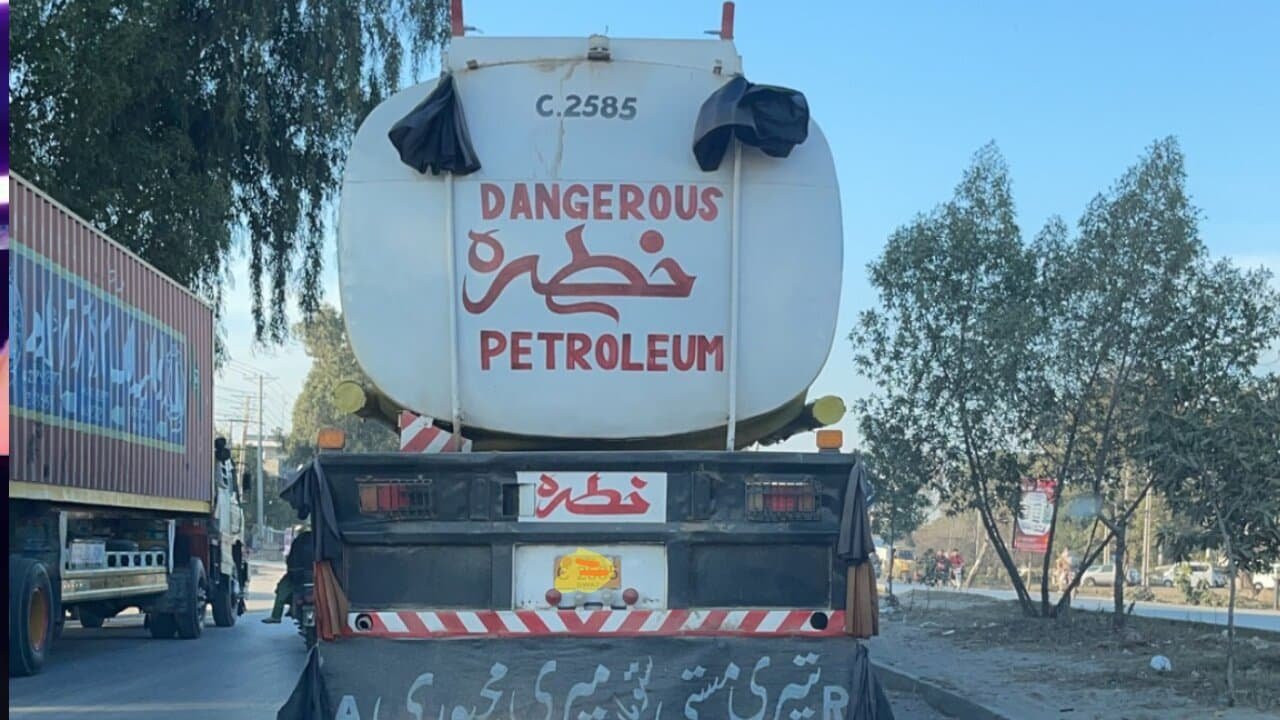
    According to ARY News, during an operation in Orangi Town, the police confiscated an oil tanker carrying 31,000 liters of Iranian diesel with the same estimated value. 

    Two individuals, Muhammad Qasim and Muhammad Yaseen, were apprehended and subsequently handed over to Pakistan Customs authorities.

    On Friday, the Caretaker Prime Minister, Anwaarul Haq Kakar, issued strict instructions to customs authorities and law enforcement agencies to intensify efforts in combatting the smuggling of sugar, petroleum products, urea, agricultural items, and other commodities. 

    These directives were issued during a high-level meeting chaired by the caretaker premier, which included the presence of Caretaker Federal Minister for Trade Gohar Ejaz, Minister for Interior Sarfraz Ahmed Bugti, Minister for Petroleum Muhammad Ali, Advisor to the PM Ahmed Cheema, federal secretaries, the Federal Board of Revenue chairman, and senior officers from law enforcement agencies.

  • Pakistan Customs foils attempt to smuggle chalia worth Rs2.6 crore in Karachi

    Pakistan Customs foils attempt to smuggle chalia worth Rs2.6 crore in Karachi

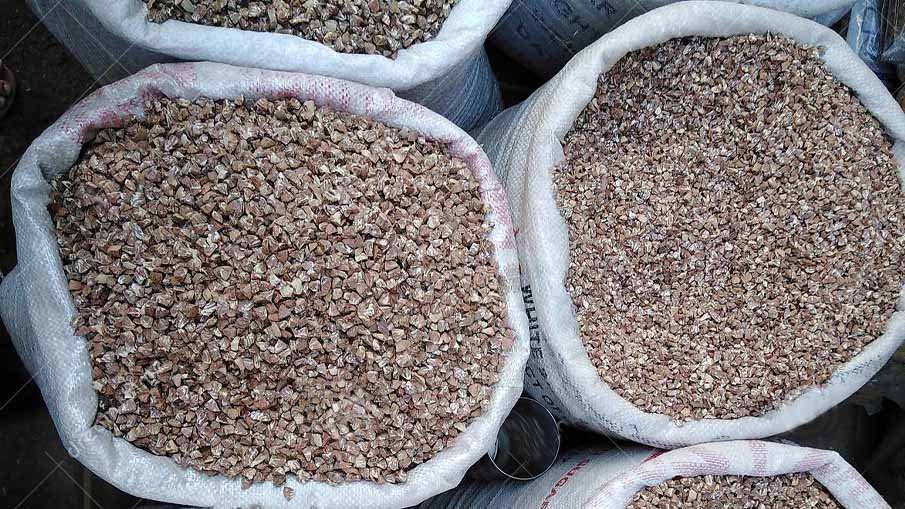
    An operation on Karachi’s Northern Bypass to smuggle chalia (betel nuts) worth millions was thwarted on Wednesday by Pakistan customs intelligence.

    According to information, the anti-smuggling squad of Pakistani customs stopped a dumper on the northern bypass of Karachi during an intelligence-based operation.

    In response to a tip, the customs team put in place intense surveillance, which resulted in the seizure of a dump truck carrying betel nuts worth around Rs26 million. A case has been filed, and further investigation is underway.

    The dangerous drug chalia (betel nuts), according to the customs inspectors, was concealed in the stones and several other cars were in the convoy with the dumper.

    Four non-custom-paid cars were also seized by the customs inspectors. The vehicles and chalia (betel nuts) are valued at Rs55 million.

    In an earlier large-scale operation, Pakistan Customs in Karachi seized non-duty-paid products worth over Rs160 million.

    The Pakistan Customs anti-smuggling team conducted the operations in various Karachi neighbourhoods.

    In another raid, the Pakistani customs team seized significant quantities of betel nuts, cigarettes, and gutka from a bus after acting on a tip-off in Liaquatabad. The items reportedly cost Rs26 million.

  • Pakistan Customs seizes 67 non-custom paid vehicles in an operation

    Pakistan Customs seizes 67 non-custom paid vehicles in an operation

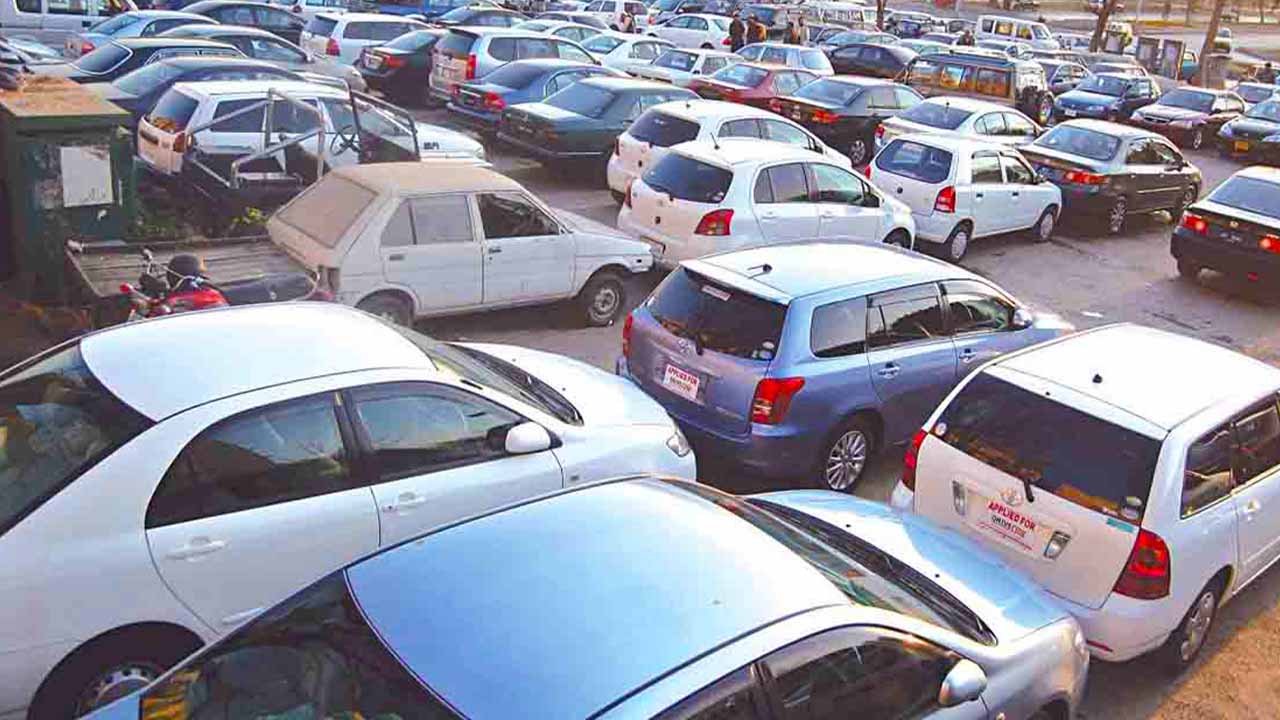
    Pakistan Customs has impounded 67 non-custom paid vehicles in a crackdown against the smugglers in Quetta.

    67 non-custom paid vehicles, sugar, and fertiliser valued at approximately Rs336 million were confiscated in accordance with the Prime Minister’s goal to eradicate smuggling.

    The Customs team launched a crackdown in Nokandi, Quetta, and thwarted the attempt to smuggle goods across the Pakistan-Afghanistan border.

    Earlier, the Federal Board of Revenue (FBR) said on February 21 that non-custom paid vehicles worth Rs11.2 billion were seized between July 2021 and January 2022.

    During the July–January 2020–2021 period, smuggled goods worth a total of Rs35 billion were discovered, compared to Rs22 billion during the same time the previous year.

    Many people in Quetta continue to purchase non-custom vehicles despite the fact that they are illegal since they are much more expensive than legal or custom-paid vehicles.

    For instance, if a car is sold for Rs5 million at a dealership or local car market, it may be offered by smugglers for Rs2.5 million or even less. As these are smuggled vehicles, non-custom-paid automobiles are less expensive and lack the necessary paperwork or legal documents.

  • Pakistan Customs seizes a massive amount of methamphetamine and illegal goods

    Pakistan Customs seizes a massive amount of methamphetamine and illegal goods

    Pakistan customs department has seized illegal goods worth approximately Rs60 million in separate incidents over the past week, indicating that the campaign against the smuggling of contraband goods into and out of Pakistan is in full swing.

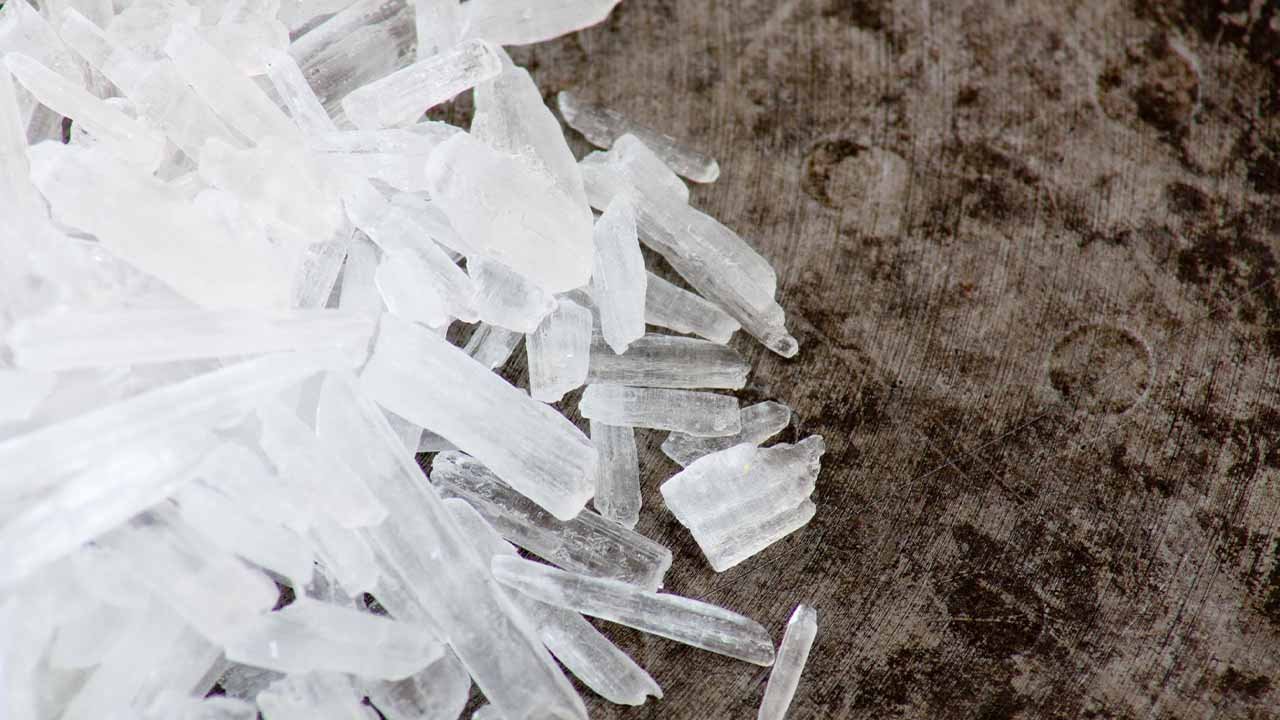
    The Exports Collectorate prevented an attempt to smuggle a sizable amount of drugs into Australia. The Exports Examination-PICT team has made a drug seizure of 47 kilogrammes of ice. Officials reported that Fida Hussain, a suspect, was detained by Customs authorities after they registered a case, according to Express Tribune.

    The Enforcement Collectorate Karachi team reportedly stopped two oil tankers close to the Mochko checkpoint and found 30,000 liters of Iranian diesel that had been smuggled. The seized tankers and smuggled diesel are estimated to be worth a total of Rs27.5 million.

    Another incident involved a trailer truck that was loaded with urea and was headed for Karachi when it was illegally crossed into Balochistan by the Enforcement Karachi at the Mochko checkpoint.

    Deputy Commissioner Keamari has received the truck and seized urea for further legal action. The truck hauling urea is estimated to be worth Rs29 million.

  • Pakistan Customs intensifies inspection at all international airports

    Pakistan Customs intensifies inspection at all international airports

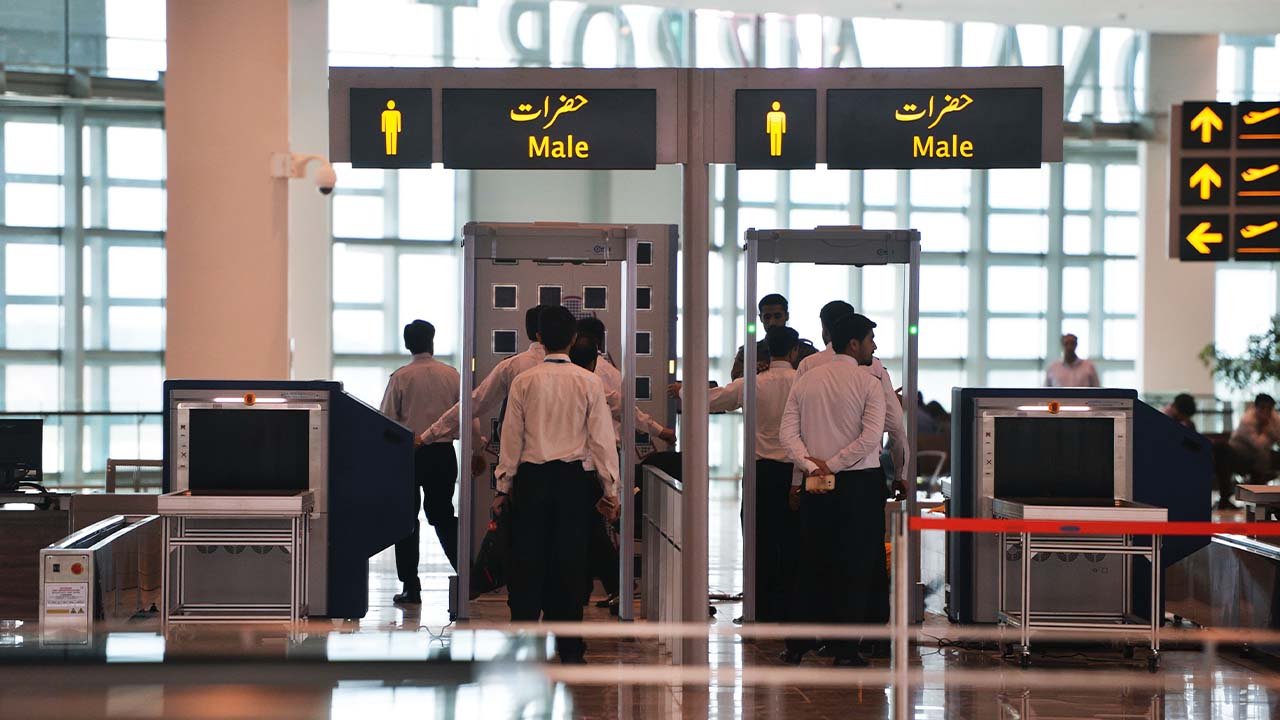
    Pakistan Customs has intensified goods inspection at all international airports to prohibit the smuggling of recently banned commodities. The federal government prohibited the items in SRO No. 598(I)/2022, issued May 19, 2022, by revising the Import Policy Order, 2022.

    This 24-hour monitoring at international terminals to prevent smuggling has already resulted in multiple confiscation of these items disguised as legitimate passenger baggage.

    Banned commodities like foodstuff, fruits, sanitary wares, used mobile phones, and branded shoes were found in commercial quantities during scanning and inspection at Jinnah International Airport in Karachi on May 23, 2022.

    The aforementioned items were detained/seized in accordance with Sector 168 of the Customs Act of 1969 for violating SRO No. 598(I)/2022 (Import Policy Order, 2022) and Sections 16 and 139 of the Customs Act of 1969.

    While applauding Pakistan Customs’ efforts, the Chairman of the Federal Board of Revenue (FBR) reaffirmed the FBR’s unwavering determination to strengthen policing strategies at all airports, seaports, and land border stations to ensure the avoidance of trafficking of goods, including newly banned items.

    Finance Minister Miftah Ismail and FBR Chairman, on the other hand, have issued instructions not to bother genuine passengers bringing in goods in non-commercial/small quantities for personal use, and to assist such passengers at airports to the greatest extent permitted by law.

    People in Pakistan were outraged by the Customs move, particularly those who had been thoroughly scanned and shared their side of the story on social media.

  • Is Sadequain really such a dangerous export?

    “We seem to still be struggling with our sense of identity. And this makes us prone to blocking all history and ethnicity that does not conform to a narrow conservative identity.”

    A friend in the UK recently had a bizarre experience involving Pakistan Customs.

    She had bought two volumes of a massive art book on the acclaimed and much decorated artist Sadequain. She assumed the whole process would be straightforward and that the books would arrive in two days so she could proceed to gift them to people who were interested in Pakistani art, but then the air shippers informed her that the Customs people at Karachi airport were refusing to allow the book through. Their reason? That it contained inappropriate/objectionable pictures or “na munasib tasweerain”.

    It is a little disturbing that Customs officials should think it’s okay for them to decide what is and is not appropriate content in a book, in this case a book documenting the work and life of one of Pakistan’s greatest artists. Especially when the artist in question is nationally well recognised and the recipient of such national awards as the Tamghae Imtiaz and the Pride of Performance.

    So, what does this incident tell us about modern day Pakistan? Does it indicate that everybody, at every level, considers themselves some sort of custodian of moral and social values? Or is this incident just an example of the absurdity of bureaucratic process and a red tape mentality?

    It’s probably a bit of both: it is not just religious and social prejudices and a mindset of morality policing that are driving factors in such behaviour, it is also a culture of that strange mix of megalomaniac tendencies and job insecurity that exists within the bureaucracy.

    Here the officials could have been playing it safe and working from precedent (the book had been stopped once before when it was being sent by DHL) or they could have simply been asserting their power to obstruct or approve – i.e. their ‘afsari’. Or perhaps in their personal role of moral custodians they were genuinely horrified by the content and the title (Sadequain ­– The Holy Sinner) and thought such “inappropriate” content should not be exported lest the pristine reputation of the country be sullied.

    This incident is unsettling because it shows not just the arbitrary nature of official “approvals” but also the national tendency towards moral policing, censoring and disapproving. It is also a reminder that the nation has still not been able to come to terms with, and appreciate, its own history and culture. Any other country would have made sure that not just the world but also the people of Pakistan knew about the genius of Sadequain. Any other country would have encouraged publicity, research and work about the artist, any other country would have capitalised on the association. But we seem to still be struggling with our sense of identity. And this makes us prone to blocking all history and ethnicity that does not conform to a narrow conservative identity, insisting instead, that the history of the land began only with some Arab conquest.

    This narrow definition of identity encourages people to be blind to the rich history of the country and to neglect and destroy monuments to early civilisations and peoples. It makes people close their minds to the work of those artists and writers who seek to explore ideas and question norms. It makes people ignorant of the art and culture around them and insensible to the fact that art and expression matter. Cultural censorship is a dangerous path to go down, but we are seeing a simultaneous resurgence and questioning of this all over the world. It is made worse by the rise of right-wing nationalist narratives and reactionary movements like the ones that portray the oppressors as the “victims”.

    These are big questions and by this point you might just be thinking ‘well, perhaps the customs officials were just trying to make a quick buck?’ But even if that were the case, the fact that an art book should be considered an opportunity to do so underlies the issue of what is and is not “appropriate” for the reputation of a country (surely jihadists were a more negative export than any art books).

    But this particular story might yet have a happy ending. The customs officials let the book through after my friend sent in as much information as she could about the artist and the book. She had asked them to put their objections in writing if they were going to stop the book, but this they had been reluctant to do. So perhaps to get rid of her noise, or perhaps because they were otherwise persuaded or perhaps because they had better things to spend their time screening and stopping (drugs, smuggled goods) they let the book through.

    It hasn’t been received yet but hopefully it should be soon. In the meantime, we can both laugh and cry at the absurdity of the matter. And we can reflect on what it tells us about Pakistani society today.