Tag: pakistan economy

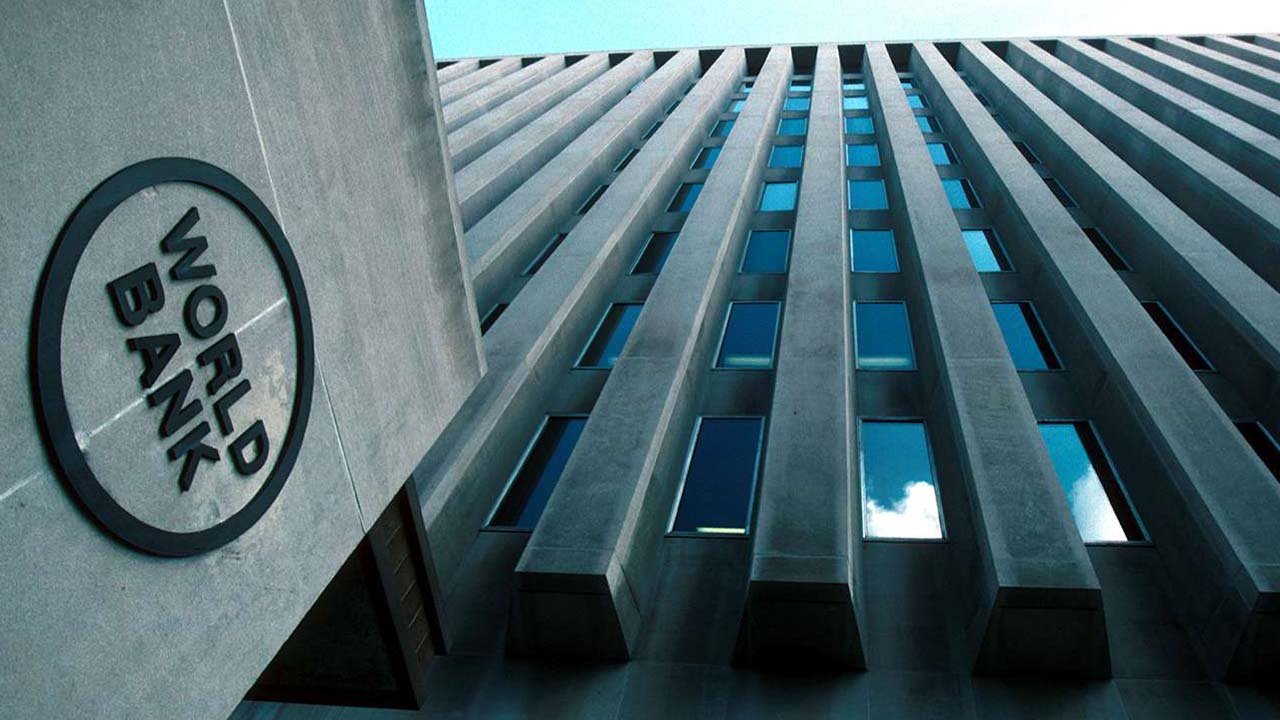
  • World Bank ranks Pakistan in fourth quintile for challenging business environment

    World Bank ranks Pakistan in fourth quintile for challenging business environment

    The World Bank has placed Pakistan in the fourth quintile of economies owing to a challenging business environment caused by weak regulatory frameworks and limited public services, which hinder business operational efficiency.

    The newly released report, “Business Ready (B-READY),” is a data collection and analysis project to assess the global business and investment climate. This annual report replaces and improves upon the previous “Doing Business” project, with the first edition of B-READY covering 50 economies.

    B-READY is currently in a three-year rollout phase, from 2024 to 2026, during which the project will expand its geographic coverage and refine its methods. The 2024 report is the first of three in this rollout phase.

    Pakistan scored 65.90 in operational efficiency, placing it in the third quintile, indicating a mixed performance in its business environment.

    The report highlighted that eight economies—Botswana, Cambodia, Indonesia, Lesotho, Morocco, Pakistan, the Philippines, and the Seychelles—ranked in the top quintile for at least one topic. Meanwhile, Hungary and Singapore scored in the top quintile across eight topics.

  • State Bank cuts policy rate by 200 bps to 17.5%

    State Bank cuts policy rate by 200 bps to 17.5%

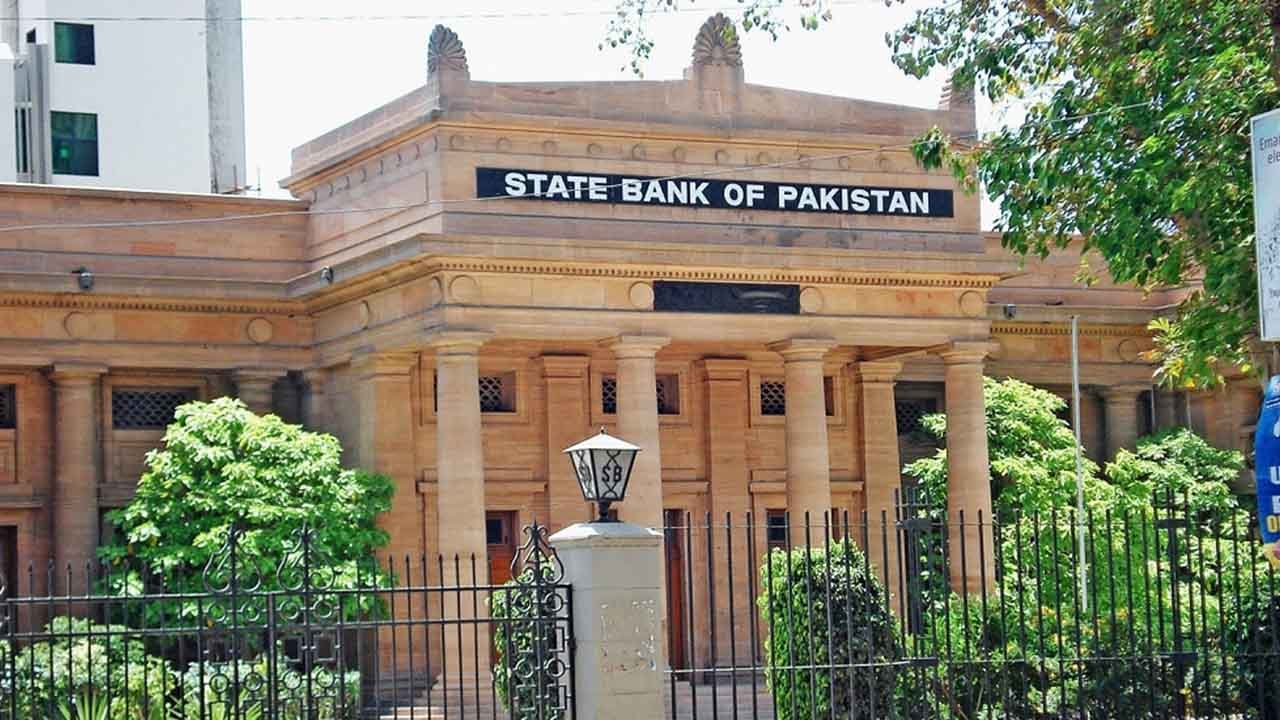
    The State Bank of Pakistan (SBP) has reduced the interest rate by 200 basis points, bringing it down to 17.5 per cent.

    The decision regarding reduction in policy rate was made after the inflation rate slowed in the country.

    The Monetary Policy Committee (MPC) observed that the continued ease in inflationary pressures and the policy rate cuts will support the growth in Pakistan’s key sectors.

    Interestingly, this marks the third consecutive reduction in key policy rate, followed by a 150 bps cut in June and another 100 bps reduction in July.

    “At its meeting today, the MPC decided to cut the policy rate by 200bps to 17.5 per cent, effective from September 13, 2024,” the central bank said in a statement.

    “Both headline and core inflation fell sharply over the past two months. The pace of this disinflation has somewhat exceeded the MPC’s earlier expectations, mainly due to the delay in the implementation of planned increases in administered energy prices and favourable movement in global oil and food prices.”

    The MPC was of the view that the global macroeconomic environment has turned favourable amid the substantial softening of crude oil prices.

  • PM Shehbaz hails Moody’s rating upgrade amid cooling inflation

    PM Shehbaz hails Moody’s rating upgrade amid cooling inflation

    Prime Minister Shehbaz Sharif on Sunday expressed his satisfaction with the recent ease in the inflation rate, noting that the government’s ongoing economic reforms are yielding positive results.

    In a recent statement, PM Shehbaz highlighted that the recent upgrade in Pakistan’s credit rating by Moody’s was a clear acknowledgment of the country’s improving economic indicators. He said that international institutions are recognising the progress Pakistan is making.

    Moody’s Ratings recently upgraded Pakistan’s local and foreign currency issuer and senior unsecured debt ratings from Caa3 to Caa2. This upgrade reflects slightly better macroeconomic conditions, alongside improved government liquidity and external positions, which, although still weak, have shown improvement. According to Moody’s, Pakistan’s default risk has now decreased.

    Read more: Govt notifies Rs1.86 per litre ‘reduction’ in petrol price for next fortnight

    This development follows another upgrade in July when Fitch Ratings pushed Pakistan’s Long-Term Foreign-Currency Issuer Default Rating (IDR) from ‘CCC’ to ‘CCC+’.

    The Prime Minister expressed satisfaction with the Consumer Price Index (CPI) easing to 11 per cent in July, and he anticipates that it will decline further in August. He reiterated the government’s commitment to pursuing economic reforms, including a right-sizing policy, which he is personally overseeing to ensure rapid implementation.

    PM Shehbaz expressed confidence that the reforms would soon have a noticeable positive impact on the country’s economy. He reassured the public that the government is fully aware of the challenges faced by the people and is working to address them.

  • Pakistan’s inflation expected to drop to as low as 9% by September 2024: Finance Ministry

    Pakistan’s inflation expected to drop to as low as 9% by September 2024: Finance Ministry

    Pakistan’s headline inflation is expected to ease further in August 2024, settling between 9.5 per cent and 10.5 per cent, with a continued downward trend anticipated in the coming months, according to the Finance Division’s statement on Friday.

    The Ministry of Finance, in its ‘Monthly Economic Update and Outlook’, highlighted that the inflation rate could drop even further to between 9 per cent and 10 per cent by September 2024, attributed to the stabilisation of key economic indicators.

    July 2024 saw headline inflation at 11.1 per cent year-on-year, a decrease from 12.6 per cent in June 2024. This marks the lowest Consumer Price Index (CPI) figure since November 2021, when inflation was recorded at 11.5 per cent, as per data from the Pakistan Bureau of Statistics (PBS).

    The Finance Ministry’s report also pointed to positive trends in external indicators such as exports, imports, and workers’ remittances, which are on an upward trajectory.

    A brokerage house noted that August’s inflation figure is expected to dip into single digits for the first time in nearly three years.

    Read more: Exchange rates: PKR up by over 10 paisa against dollar

    Looking ahead, the report projects that exports will range between $2.5 billion and $3.2 billion, imports between $4.5 billion and $5 billion, and remittances between $2.6 billion and $3.3 billion in August 2024.

    The stable outlook for the external sector is contingent upon factors including a stable exchange rate, revived domestic economic activities, improved agricultural output, lower domestic and global commodity prices, and increased foreign demand.

    In the industrial sector, the Ministry of Finance anticipates that the Large Scale Manufacturing (LSM) sector will maintain its positive growth trajectory in FY2025, driven by improved external demand, a stable exchange rate, declining inflation, and a more accommodating monetary policy.

  • State Bank’s foreign exchange reserves surge by $112 million in a week

    State Bank’s foreign exchange reserves surge by $112 million in a week

    Foreign exchange reserves held by the State Bank of Pakistan (SBP) saw a rise of $112 million over the past week, bringing the total to $9.4 billion as of August 23, according to data released on Thursday.

    “During the week ending on August 23, 2024, SBP reserves increased by $112 million, reaching $9.4 billion,” the bank stated in its report. This follows a smaller increase of $19 million the previous week.

    In total, the country’s liquid foreign reserves reached $14.77 billion, with commercial banks holding $5.37 billion of this amount. The central bank did not provide any specific reason for the increase in its reserves.

    Read more: Gold price falls from peak, now at Rs261,500 per tola

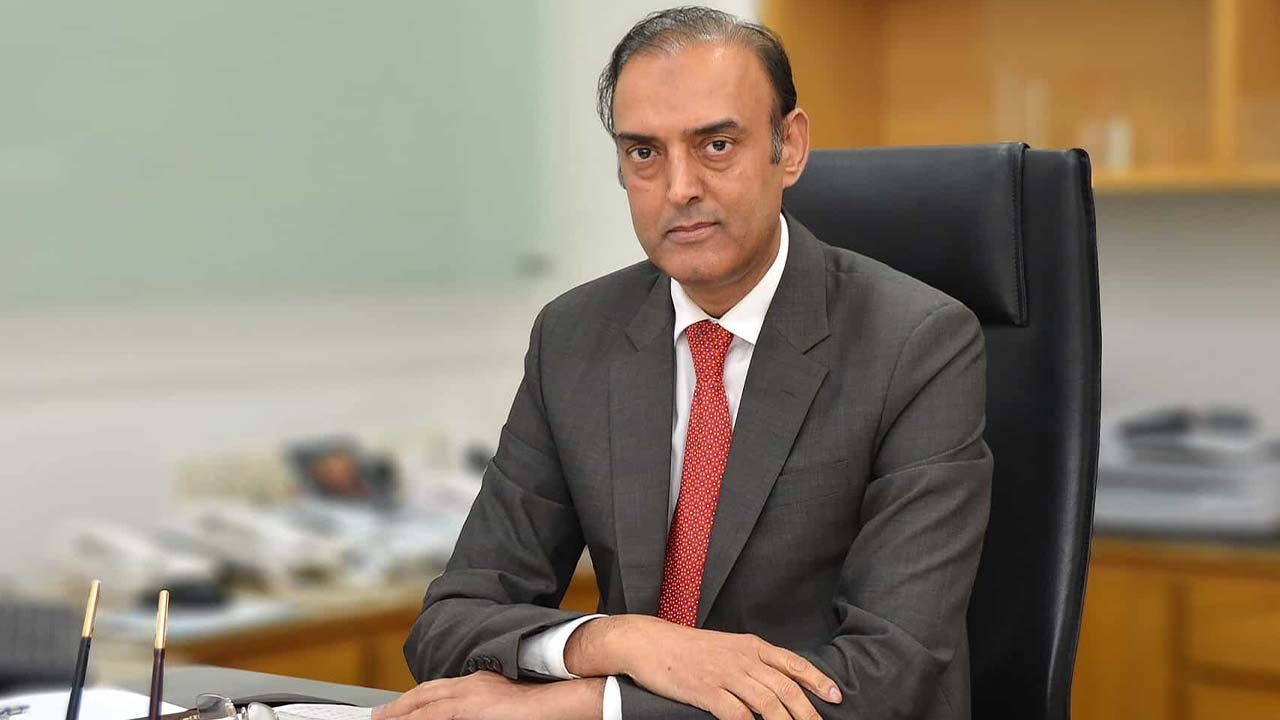
    The rise in reserves comes as Pakistan seeks to raise up to $4 billion from Middle Eastern commercial banks by the next fiscal year (FY26). This effort is part of a broader strategy to address the country’s external financing needs, as explained by SBP Governor Jameel Ahmad in a recent interview.

    Ahmad also mentioned that Pakistan is in the final stages of securing an additional $2 billion in external funding, which is crucial for obtaining the International Monetary Fund (IMF) approval for a $7 billion bailout programme.

    In related financial news, the international price of gold rose to $2,516 per ounce on Thursday, marking an increase of $4 during the day, according to the All Pakistan Gems and Jewellery Traders and Exporters Association (APGJSA). Silver prices, however, remained steady at Rs2,950 per tola.

  • Moody’s upgrades Pakistan’s credit rating to Caa2, citing improved economic stability

    Moody’s upgrades Pakistan’s credit rating to Caa2, citing improved economic stability

    Moody’s Investors Service has upgraded Pakistan’s long-term issuer rating from “Caa3” to “Caa2” with a stable outlook, reflecting a moderate improvement in the country’s macroeconomic conditions and external financial position.

    This decision follows a similar move by Fitch Ratings in July, which upgraded Pakistan’s credit rating from “CCC” to “CCC+.”

    Moody’s stated that the upgrade is a result of reduced default risks, which are now more consistent with a Caa2 rating.

    This improvement is partly due to greater certainty in Pakistan’s external financing, bolstered by the sovereign’s staff-level agreement with the International Monetary Fund (IMF) on 12 July 2024, for a 37-month Extended Fund Facility (EFF) worth $7 billion. The IMF Board is expected to approve the EFF in the coming weeks.

    Pakistan’s foreign exchange reserves have nearly doubled since June 2023, although they remain below the levels required to meet its external financing needs. The country continues to rely on timely support from official partners to fully meet its external debt obligations.

    Despite the upgrade, Pakistan’s Caa2 rating still reflects very weak debt affordability, which poses a significant risk to debt sustainability. Moody’s expects interest payments to consume about half of the government’s revenue over the next two to three years. The rating also takes into account the country’s weak governance and high political uncertainty.

    The stable outlook indicates a balance of risks, with potential for further improvement if the government can reduce its liquidity and external vulnerability risks and achieve better fiscal outcomes, supported by the IMF programme.

    Sustained implementation of reforms, particularly those aimed at increasing government revenue, could enhance debt affordability. Timely completion of IMF reviews would enable Pakistan to secure continued financing from official partners, essential for meeting external debt obligations and rebuilding foreign exchange reserves.

    The upgrade to Caa2 from Caa3 also applies to the backed foreign currency senior unsecured ratings for The Pakistan Global Sukuk Programme Co Ltd, which Moody’s views as direct obligations of the Government of Pakistan. The outlook for The Pakistan Global Sukuk Programme Co Ltd is positive.

    Additionally, Moody’s has raised Pakistan’s local and foreign currency country ceilings to B3 and Caa2 from B3 and Caa1, respectively.

    The two-notch gap between the local currency ceiling and the sovereign rating is due to the government’s significant role in the economy, weak institutions, and high political and external vulnerability risks.

    The two-notch gap between the foreign currency ceiling and the local currency ceiling reflects limited capital account convertibility and relatively weak policy effectiveness.
  • Pakistan eyes up to $4 billion from Middle Eastern banks by 2026, says SBP governor

    Pakistan eyes up to $4 billion from Middle Eastern banks by 2026, says SBP governor

    Pakistan plans to raise up to $4 billion from Middle Eastern commercial banks by the fiscal year 2026, according to the Governor of the State Bank of Pakistan (SBP), Jameel Ahmad.

    In his first interview since assuming office in 2022, Ahmad revealed that Pakistan is also in the final stages of securing an additional $2 billion in external financing, which is essential for the approval of the $7 billion bailout programme from the International Monetary Fund (IMF).

    The IMF and Pakistan reached a preliminary agreement on the loan in July. However, the agreement still needs approval from the IMF’s executive board and confirmation of financing assurances from Pakistan’s development and bilateral partners.

    Ahmad expressed confidence that Pakistan’s financing needs will be met smoothly in the next fiscal year and in the medium term. Historically, Pakistan has depended on long-time allies like China, Saudi Arabia, and the UAE to extend loans rather than demand immediate repayment. Ahmad expects similar support for the next three years, giving the government more time to stabilise its finances.

    Read more: Exchange rates for Tuesday: PKR gains 9.6 paisa against US dollar, 37 paisa against Euro

    He also mentioned that Pakistan’s financing needs might be lower than the 5.5 per cent of GDP projected by the IMF. This is because the country’s external financing requirements have been declining, and the IMF’s projections were based on a higher current account deficit than what has materialised.

    Regarding monetary policy, Ahmad noted that recent interest rate cuts have successfully reduced inflation, which stood at 11.1 per cent in July, down from over 30 per cent in 2023. He emphasized that future interest rate decisions would be based on economic developments. Pakistan’s central bank had reduced interest rates from a record high of 22 per cent to 19.5 per cent and will review its monetary policy again on September 12.

    Ahmad, reflecting on his first year as governor, described it as challenging but expressed optimism that the situation has improved, with a focus now on growth, digitalisation, and financial inclusion.

  • Internet shutdown costs 65 billion rupees to Pakistan’s economy

    Internet shutdown costs 65 billion rupees to Pakistan’s economy

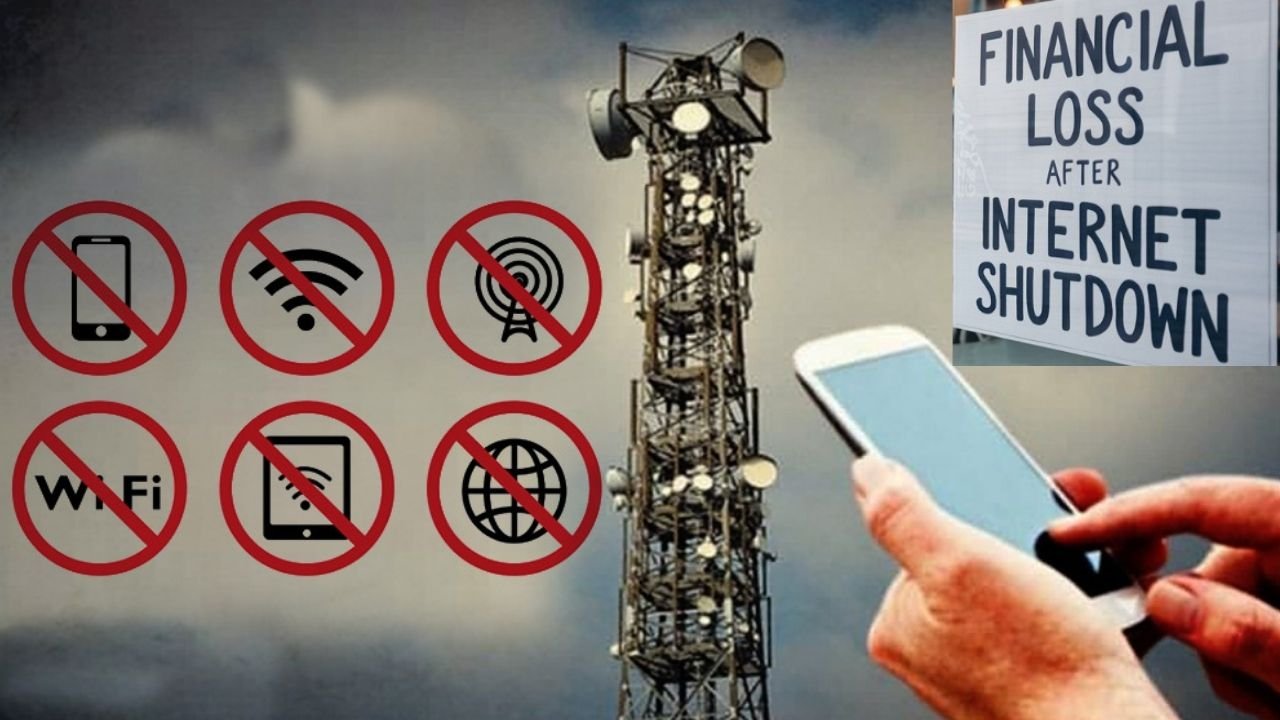
    Pakistan’s economy has suffered a loss of PKR 65 billion in 2023 due to internet shutdowns.

    Statista’s latest data reveals that 8.3 million Pakistanis were affected by the internet outage, which lasted 259 hours.

    Statista is a German online organization that specializes in data collection. It ranked Pakistan seventh in terms of losses in the last financial year.

    Last year, India was one of the top countries with the longest internet shutdowns in the world, with 47 crore users not having access to the internet. This resulted in India being ranked fourth for internet shutdowns.

    “In India – the country that cuts internet access the most – shutdowns have in the past clustered in Kashmir and Rajasthan, where they have been used during protests (and preemptively when protests were expected), but also during exams. In 2023, ethnic tensions in Manipur state led to most targeted shutdowns employed by the government”, states Statista’s official website.

    Internet service in India was highest in Occupied Kashmir and Rajasthan.

    The total list of 25 countries with the most internet shutdowns from top to bottom is Russia, Ethiopia, Myanmar, Iran, India, Iraq, Pakistan, Algeria, Senegal, Azerbaijan, Guinea, Brazil, Mauritania, Yemen, Venezuela, Kenya, Sudan, Syria, Turkey, Gabon, Tanzania, Cuba, Chad, Zimbabwe and Suriname at last in the list respectively.

    Regionally, after 2019, Asia experienced the most disruption cases of internet connections, over 50 percent compared to the rest of the world.

  • Uncertainty surrounds Pakistan’s $7 billion IMF bailout as approval date still not confirmed

    Uncertainty surrounds Pakistan’s $7 billion IMF bailout as approval date still not confirmed

    Pakistan’s much-anticipated $7 billion bailout package has not yet been scheduled for review by the International Monetary Fund (IMF) executive board, with the agenda extending only until August 30, according to the IMF’s recently released calendar.

    In July, Pakistani authorities and the IMF reached a staff-level agreement, potentially paving the way for a 37-month Extended Fund Facility (EFF) valued at SDR 5,320 million (approximately $7 billion).

    However, this agreement hinges on the approval of the IMF Executive Board, which is contingent upon Pakistan securing necessary financing assurances from its development and bilateral partners.

    The proposed programme is designed to build on the hard-won macroeconomic stability achieved in the past year. It aims to strengthen public finances, reduce inflation, rebuild external reserves, and eliminate economic distortions to foster private sector-led growth.

    Despite five weeks having passed since the staff-level agreement, Pakistan has yet to bridge an external financing gap of up to $5 billion.

    This delay has prevented the country from signing the Letter of Intent (LoI) required to formally request the IMF executive board’s approval of the $7 billion package under the EFF programme.

    The LoI is a critical step in requesting the IMF’s endorsement of the 37-month, $7 billion EFF programme. Without this approval, Pakistan cannot proceed with the much-needed financial support.

  • Car financing in Pakistan drops 20% in July amid rising prices and interest rates

    Car financing in Pakistan drops 20% in July amid rising prices and interest rates

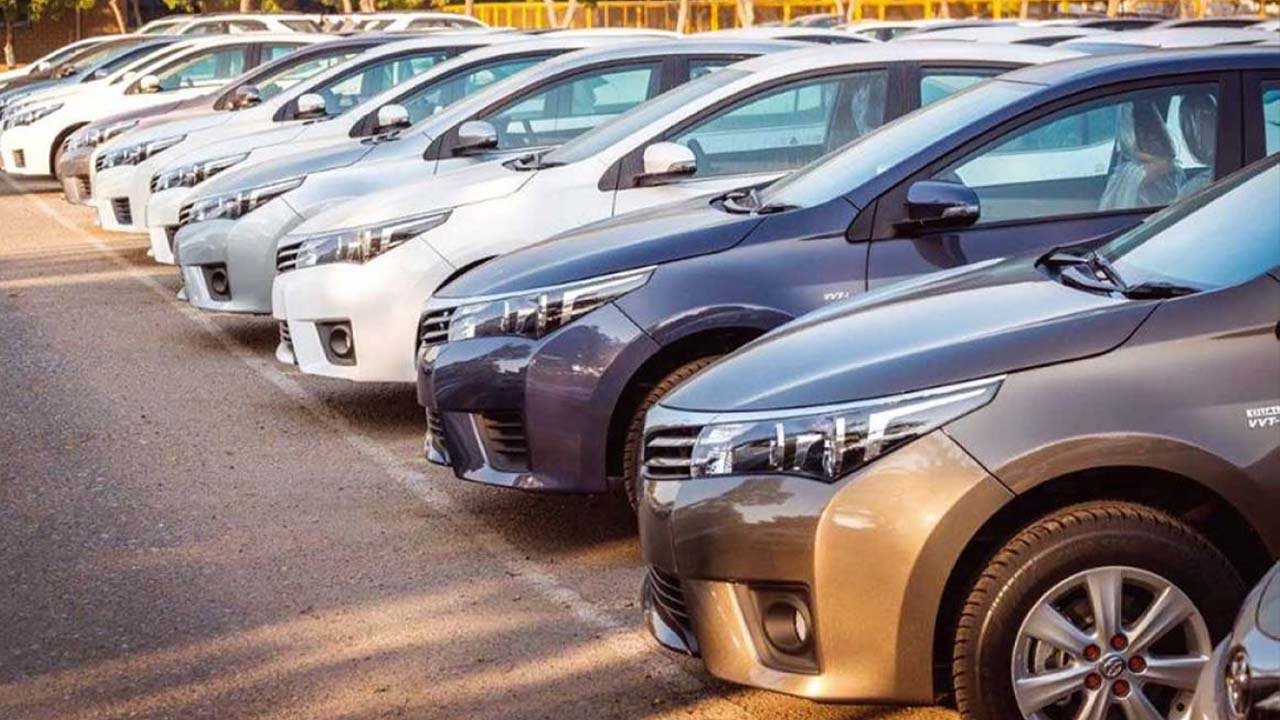
    Car financing in Pakistan witnessed a significant decline in July 2024, as soaring vehicle prices and elevated interest rates continued to dampen consumer demand.

    According to the latest data from the State Bank of Pakistan (SBP), car financing fell by 20.06 per cent year-on-year, dropping from Rs285.19 billion in July 2023 to Rs228 billion in July 2024.

    This sharp decrease is largely attributed to a combination of rising interest rates, inflated car prices, stricter loan regulations, and increased taxes on automobile imports and parts.

    Month-on-month, the decline in car financing was relatively modest, with a 1.09 per cent reduction from Rs230.5 billion in June 2024.

    The SBP data also highlighted a decline in consumer financing for house construction, which totalled Rs202.8 billion at the end of July 2024. This marks a 3.94 per cent decrease compared to the same period last year.

    On a monthly basis, house construction financing saw a slight dip of 0.39 per cent, down from Rs203.58 billion in June 2024.

    In contrast, personal financing reached Rs238.95 billion in July 2024. While this represents a year-on-year decrease of 4.51 per cent, it showed a slight uptick of 0.14 per cent from the previous month.

    The impact of rising costs is evident in the automobile market, where even the most affordable vehicles are now out of reach for many consumers.

     For instance, the Suzuki Alto, one of the highest-selling and traditionally considered among the cheapest cars from a reputable brand in Pakistan, now costs over Rs3 million for the top variant, the Suzuki Alto VXL AGS, while the base variant, the Suzuki Alto VX, is priced at Rs2.3 million.