Tag: pakistan economy

  • Aanay waalay dinon mein koyi barra toofaan barpa ho sakta hai: Hamid Mir

    Aanay waalay dinon mein koyi barra toofaan barpa ho sakta hai: Hamid Mir

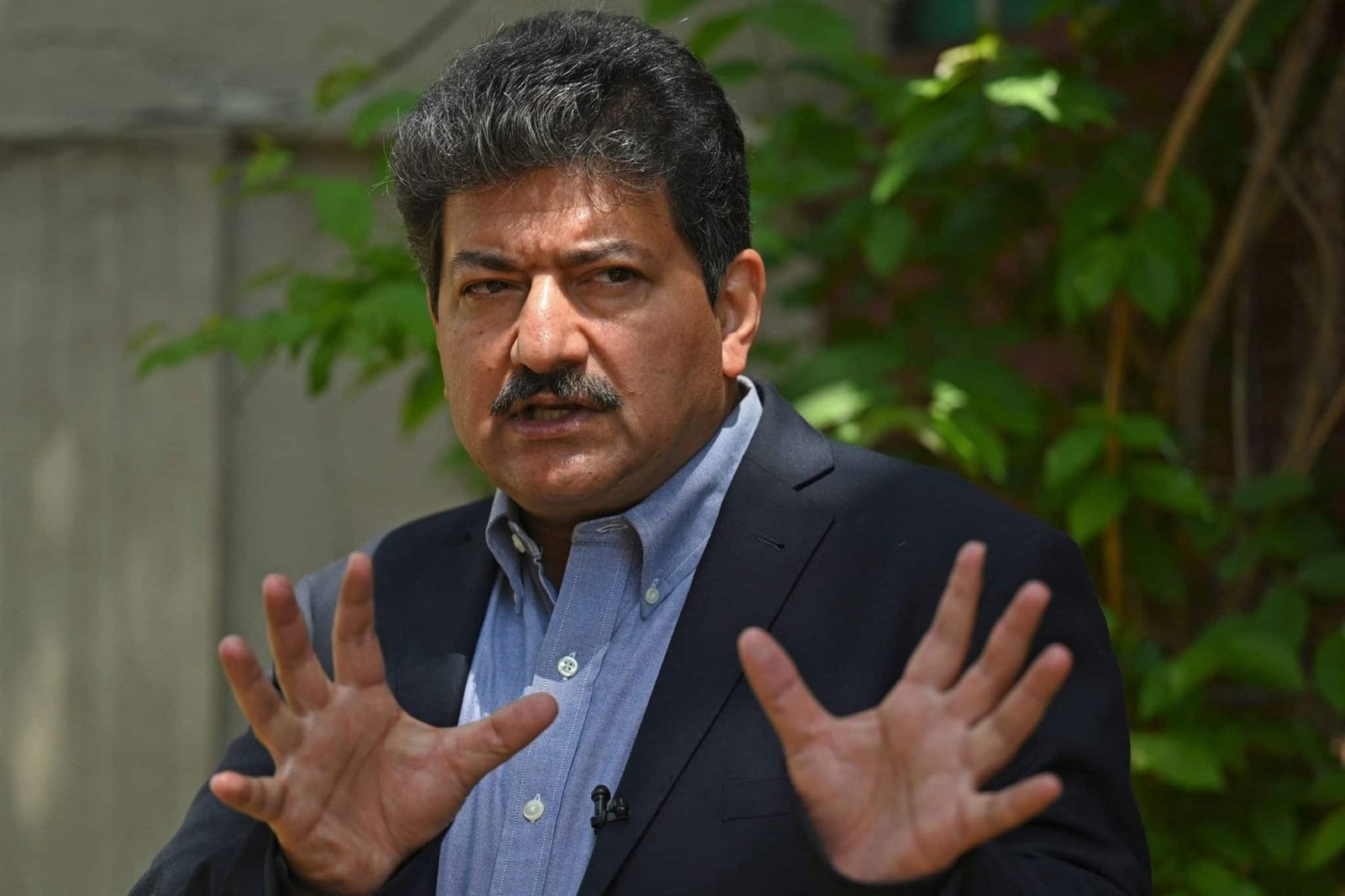
    Senior journalist Hamid Mir has warned that all is not well in Islamabad and a big storm may hit the corridors of power in the near future.

    While speaking on Geo News’ programme Geo Pakistan, Mir said, “Maujooda haqoomti ittehaad mein sab kuch acha nahin hai aur Islamabad mein honay waali siyaasi garma garmi aanay waalay dinon mein koyi barra toofaan barpa kar sakti hai” (All is not well within the incumbent coalition government. The political heat in Islamabad could create a big storm in the coming days).

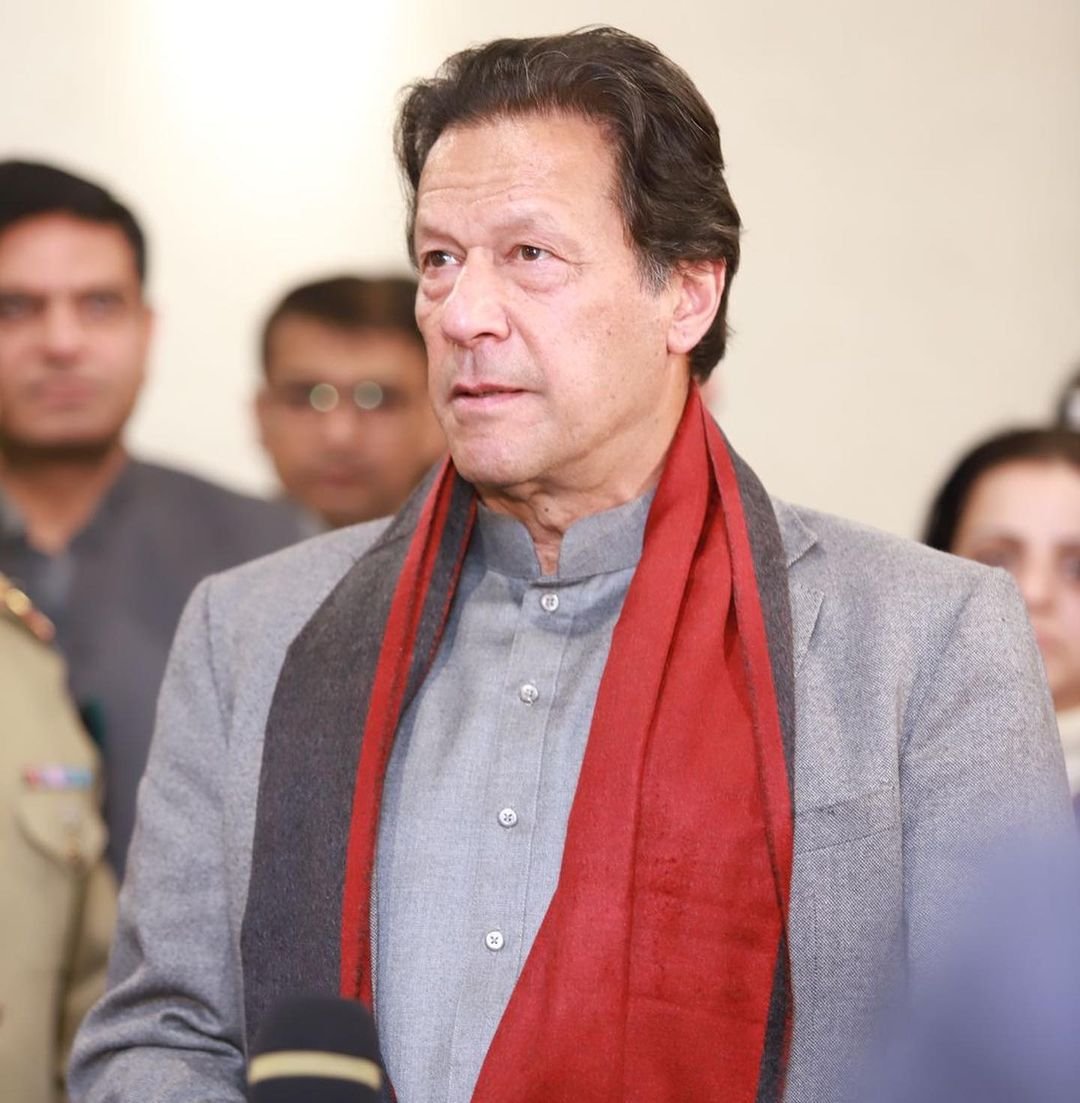
    Mir said that if Pakistan Tehreek-e-Insaf (PTI) Chairman Imran Khan dissolves the Khyber Pakhtunkhwa (KP) and Punjab Assembly, then the heat in Islamabad can create a huge storm.

    He was of the view that junior coalition parties could also force Prime Minister (PM) Shehbaz Sharif’s government to hold general elections.

    Separately, differences can also be seen within Pakistan Muslim League-Nawaz (PML-N) as Finance Minister Ishaq Dar and his predecessor Miftah Ismail put forward their conflicting views on the state of Pakistan’s economy.

    While Dar argued that the country’s performance criteria are up to the mark and “complete” for the International Mone­tary Fund’s (IMF) ninth review, Ismail insisted that the default risk wouldn’t subside unless the Fund came to the table.

    Mulk mein default ka khatra hai, says Miftah Ismail

    Miftah Ismail said on Tuesday that there is still a threat of the country defaulting until the government completes the IMF ninth review. On the contrary, Dar said that he was not concerned whether the IMF team arrived or not for the ninth review, asserting that the IMF could “not dictate” the government.

    Appearing on Geo News’ programme ‘Aaj Shahzeb Khanzada Kay Saath”, Miftah rang alarm bells, stating that Pakistan is in jeopardy. “It has gone back in jeopardy and as long as IMF is not back on the table, the threat of default will remain high,” he emphasised.

    Moreover, he believed that the path Pakistan is on might take the country toward default urging the incumbent government to take steps to prevent that from happening.

    On the show, the former minister blamed Khan for the ongoing economic crisis. He said, “Khan is responsible for pushing Pakistan towards default; he is the one who broke his promise with the IMF; Khan is the one who wanted to derail the IMF programme when we tried to revive it under PM Shehbaz Sharif’s leadership.”

    When asked that the incumbent finance minister Ishaq Dar has said several times that IMF is being unreasonable, Miftah responded that first we need to take a good look at ourselves.

    “When the IMF gives you a loan, this means they are helping you out. We need to look at ourselves, why did we go to the IMF previously. Dealing with the IMF is not an easy task,” Miftah said. He reiterated that if the IMF didn’t come to the table, “It will be very difficult to save Pakistan from a default”.

    He stressed that the country needed to take action on certain matters to bring the IMF mission to Pakistan, saying that funds from neighbouring countries could only last the country for weeks.

    Earlier this month, Pakistan ended its immediate default risk when the State Bank of Pakistan (SBP) made a payment of $1 billion for sukuk bond.
  • ‘Pakistan’s international debt should be immediately cancelled’: British MP

    ‘Pakistan’s international debt should be immediately cancelled’: British MP

    United Kingdom (UK) Member of Parliament (MP) Claudia Webbe has called on the international community to cancel Pakistan’s debt as the country’s inflation hits the highest level since 1973.

    In a statement on Twitter, Webbe said, “Inflation in Pakistan is at an all-time high at 27 per cent! Pakistan’s international debt should be immediately cancelled – they should instead be given reparations for the climate crisis caused.”

    According to the Pakistan Bureau of Statistics (PBS), Pakistan’s Consumer Price Index-based inflation (CPI) climbed by 27.3 per cent on a year-over-year basis in August 2022.

    Prior to this statement, she repeatedly urged foreign countries to stand shoulder to shoulder in full solidarity with Pakistan and termed the silence from western countries a “moral crime”.

    “We need a global climate tax so that the global rich can be made to pay for the climate damage they cause in the world,” she said.

    She also blamed rich countries for the climate crisis and said that they should bear the cost, not Pakistan, as the country is responsible for 1 per cent of global emissions.

    On her official Twitter account, she also shared videos of the devasting floods in Pakistan.

    Water levels continued to rise on Friday as the overall death toll from the devastating floods has crossed 1,200.

    On Thursday, the UK announced an additional £15 million of lifesaving support for flood victims in Pakistan.

    More than 33 million people are affected — one in every seven Pakistanis — and reconstruction work will cost more than $10 billion.

    United Nations (UN) chief Antonio Guterres called the floods a “climate catastrophe” and launched an appeal for $160 million in emergency funding. Meanwhile, western countries have also donated millions of dollars to Pakistan.

  • Shehbaz Sharif bans weddings after 10pm in Islamabad

    Shehbaz Sharif bans weddings after 10pm in Islamabad

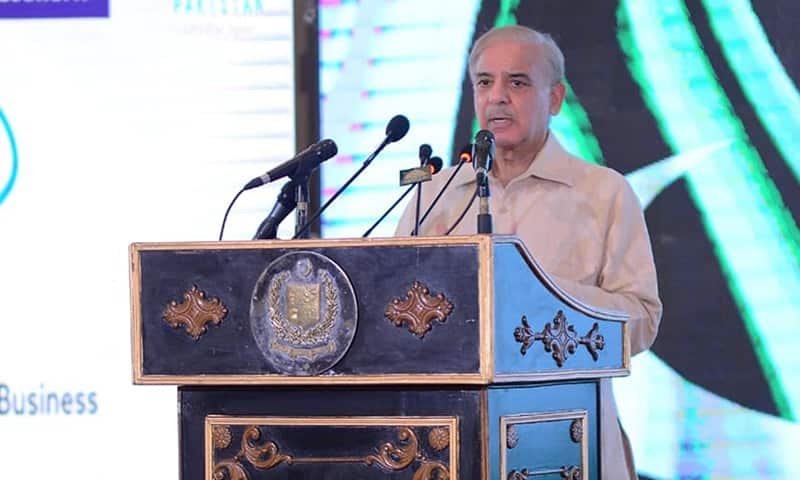
    Prime Minister (PM) Shehbaz Sharif on Tuesday during a pre-budget business conference stressed the need of signing a ‘Charter of Economy’ for economic stability and progress in the country.

    “Charter of Economy will remain unchanged. It will become our sacred trust, which will not change,” the prime minister said, adding: “We need this.”

    If there will be no political stability, there will be no economic stability

    Shehbaz said, “If there will be no political stability, there will be no economic stability.”

    “It’s about time the elite class had to make sacrifices and non-productive assets like real estate would have to be taxed. Until now, the hard time has been faced by the poor but today it’s the turn of well-off people to take the burden,” said Shehbaz.

    Shehbaz stressed that the enhancement of exports, agricultural yield, and financial management should be the major components of the plan. “The government will form a task force on agriculture and exports for formulating comprehensive plans,” he said.

    The premier said that since Pakistan’s inception 75 years back, the economic development in the initial 25 years and the economic development after that have a “stark” difference.

    We must go for special export industrial zones

    Comparing the country’s Information Technology (IT) industry with that of India’s, the premier said that India generates around $200 billion while Pakistan’s industry is hovering around $2.5 billion. “We must go for special export industrial zones,” he added.

    The PM went on to say that the government will make well-structured industrial zones. “To increase the export, the developed zone should be handed over to the investors to work on it. We need to fix ambitious targets.”

    Government bans wedding ceremonies after 10pm in Islamabad

    The government has banned wedding ceremonies after 10pm in the federal capital.

    According to media reports, permission to serve only one dish to wedding guests will be given, and a notification will be issued over this new restriction.

    The Islamabad police and administration have been informed to strictly implement the ban. In case of any violation, strict action will be taken.

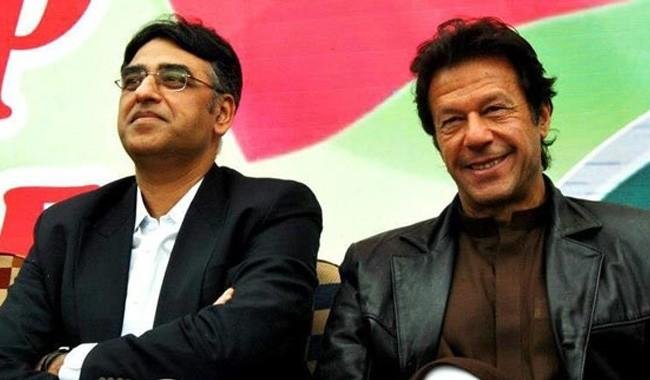
  • ‘Nation stands with PM Khan, Opposition can’t harm him’, claims Asad Umar

    ‘Nation stands with PM Khan, Opposition can’t harm him’, claims Asad Umar

    Federal Minister for Planning, Development and Special Initiatives Asad Umar dismissed the news of factionalism within the Pakistan Tehreek-e-Insaf (PTI) and said no one could be Prime Minister (PM) Imran Khan’s substitute within the party.

    While talking to Geo News’  programme “Naya Pakistan”, Umar stated that 99 per cent of the PTI’s vote bank belongs to PM Khan.

    “I reiterate that the nation stands with Imran Khan and this is the only reason that the Opposition has been unable to harm him,” he said while referring to Opposition claims that allied parties are not with the government.

    The federal minister also seconded his party fellow Fawad Chaudhry’s statement about Pakistan Muslim League-Nawaz (PML-N) members being “hell-bent on removing Nawaz Sharif from their party”.

    Despite inflation and new taxes that have been imposed, Asad Umar claimed that the country’s economy is progressing.

  • PM Khan says bank staff wearing ‘shalwar kameez’ won’t ‘frighten’ Pakistanis

    PM Khan says bank staff wearing ‘shalwar kameez’ won’t ‘frighten’ Pakistanis

    Prime Minister (PM) Imran Khan, during a ceremony held to approve the Rs100 billion in the Mera Pakistan Mera Ghar initiative on Friday, said that he was happy to see that banks have now started to converse in Urdu with their customers.

    “Banks have started talking to customers in Urdu, so now make the staff wear shalwar kameez [national dress of Pakistan], this will not frighten the people,” said PM Khan.

    “There were several hurdles earlier, as when a common person would go to the bank, they would suffer from anxiety,” said the premier, adding, “I see Pakistan now moving in the direction it should have been headed in a long time ago.”

    “Pakistanis who worked as labourers overseas had one dream — to build a house for themselves and their families,” the prime minister said, regretting that past governments did not pay heed to this issue.

    PM Khan said that past governments did not focus on the lower classes as they had only paid attention to the elite in every sector — education, health, and other facilities.

    PM Imran Khan said this project would lift Pakistan’s economy, as construction of homes would increase.

  • ‘I am not making any profit’, food-price inflation is crushing Pakistan’s poorest

    The New York Times (NYT), in an article has documented the lives of the public in the wake of high inflation in Pakistan.

    Pakistan, which is already under heavy debt has recently reached an agreement with the International Monetary Fund (IMF) for the first one billion dollars of what is expected to be a 6 billion dollars rescue package announced by the government earlier this week. Last month, Saudi crown prince, Mohammed bin Salman, pledged 4.2 billion in cash assistance to Pakistan.

    “The economy is the biggest threat that the government is in fact facing right now. This is basically eroding the very basis of their public support, said Khurram Husain, a business journalist in Karachi.

    Journalists Emily Schmall and Salman Masood reported on the life of 66-year-old Muhammad Nazir, a shopkeeper who canceled his daughter’s wedding and despite having a motorcycle at home, walks to his shop. Many of his shelves are empty because he can’t afford to stock the same supply of candy, soft drinks, and cookies that he once did.

    “I am not making any profit these days. Still, I come here every day, open the shop and wait for customers,” Nazir said.

    Saleem Shahzad, a plumber who recently moved his six-year-old son to a less expensive school said, “[The Prime Minister] Imran Khan is a good person and is still liked by many, but his team is not performing. It is incompetent.”

    According to government data, inflation in Pakistan surged 9.2 per cent in October from the year 2020. The cost of basic food items this month increased by 17 per cent. Pakistan’s biggest food import is palm oil, which has also jumped in price. Moreover, in recent months Pakistanis have seen standard gas prices jump to 34 per cent.

  • All petrol pumps will be closed, petroleum dealers announce strike on Nov 25

    The Pakistan Petroleum Dealers Association (PPDA) has announced a countrywide strike on November 25 for selling petrol “on low-profit margins”, reports The News.

    The association’s spokesperson said that all petrol pumps across the country, including Kashmir and Gilgit Baltistan, will remain closed on November 25 (Thursday).

    He said the strike could extend to an “unspecified period” if the government continues to ignore the association’s demands.

    According to him, “We have no other option but to go on strike as the government has failed to meet the November 17 deadline for the fulfilment of our demands.”

    Previously, the association had made a similar announcement for November 5 but withdrew after a team from the government agreed to increase margins on the sale of petroleum products by six per cent.

    However, there has been no progress ever since.

    PPDA Chairman Abdul Sami Khan said petroleum dealers have been in a difficult position due to the high cost of business and low margins. He said that the government guarantees a margin of only 2 per cent on sales of fuel oil in the face of rising electricity tariffs.

    “We demand the government to cancel our petrol pumps licences. Nearly 50 per cent of the petrol pumps will close down permanently with licence cancellation as no one will reapply for acquisition”.

    Earlier this month, the government had announced the rise of up to Rs 8.14 per litre of petroleum products.

  • 59% traders consider Pakistan is not ‘moving in right direction’: Gallup Survey

    The ratio of traders who consider that Pakistan is not moving in the right direction has jumped from 37 per cent from the last quarterly report to 59 per cent states Gallup Pakistan’s fourth quarterly report of Business Confidence Index (BCI).

    The survey was conducted from October 13-28 and nearly 580 respondents, belonging to the country’s traders’ community participated in it.

    The report states that responders have expressed great anxiety over the future of business in the country as the ratio of those predicting improvement in future business has dropped from 70 per cent to 61 per cent in the survey, reports Geo News.

    Surprisingly, the given statistics in the report show that in Gallup Pakistan’s second quarterly report, 49 per cent of traders were happy with business activity but now 54 per cent of them expressed their satisfaction.

    While answering the question, “which issues do the respondents want the government to address instantly”, 48 per cent declared inflation as the biggest problem for business, 16 per cent sought relief for the business class, 14 per cent for the stability of the Pakistani currency, 13 per cent for consistency in government policies, 6 per cent for controlling corruption, 6 per cent for the elimination of Covid-19 and ending lockdowns, 3 per cent for ending political instability, 3 per cent for improving export policies and two percent for non-availability of PayPal.

    Among them, seven percent of respondents said they had no issue which could be resolved by the government.

  • Shaukat Tarin presents the Pakistan Economic Survey 2020-21

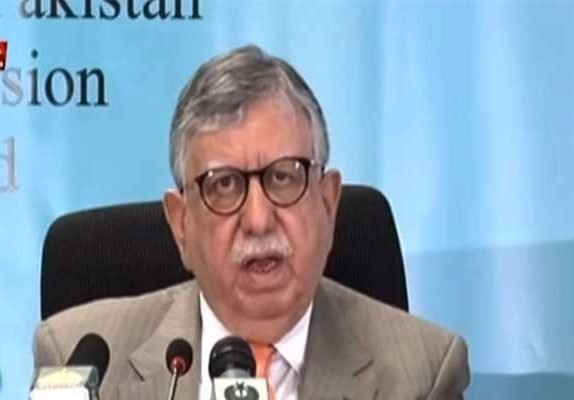
    Shaukat Tarin presents the Pakistan Economic Survey 2020-21

    Finance Minister Shaukat Tarin presented the Pakistan Economic Survey 2020-21 at a press conference in Islamabad on Thursday. However, the document did not have the latest figures on poverty and unemployment.

    Tarin revealed that the industrial and services sectors had helped the country post-Gross Domestic Product growth of 3.94 per cent in the first nine months of the fiscal year [FY](July to March), significantly higher than the target of 2.1 per cent.

    “The agriculture and manufacturing sectors helped the economy grow to 4.4%, laying stress on the need for sustainable growth in Pakistan in the years to come,” added Tarin.

    Coronavirus Pandemic

    The minister opened his press briefing by speaking highly of Prime Minister Imran Khan’s policies in combating the coronavirus pandemic.

    “The government itself had set [GDP] growth will be 2.1pc and the IMF predicted even lower. But the decisions by this government such as incentivising manufacturing and textiles, construction, and interventions in agriculture have helped the economy recover,” said Tarin.

    He said many people lost their jobs when the pandemic hit Pakistan, however, due to PM’s visionary policy of not imposing a complete lockdown across the country, millions of people who were unemployed were hired again. 

    “The economy is recovering,” he said. 

    Remittances

    Tarin said Pakistan’s remittances had broken records, adding that they had crossed $26bn. He said that lately imports, especially food in the form of wheat and sugar, were increasing as Pakistan’s economy was growing at the same time. 

    “We were net exporter of food but now, we have become a net importer,” he said. “Our exports registered a growth but our remittances increased manifold,” he added. 

    Ehsaas Programme

    Tarin spoke highly of the Ehsaas programme, adding that the World Bank had described it as “one of the best and the largest” poverty alleviation initiatives across the globe. 

    “Full credit goes to Sania Nishtar,” he said, adding that handing out cash to 15 million people was not a small achievement.

    Growth rate

    Tarin said he had told the prime minister it was time to focus on sustainable growth “until we go to 5-8pc GDP growth”.

    “We will do interventions and take care of the poor. The poor man has been crushed in this stabilisation phase because the dreams we have shown them have been of a trickledown economy. And this can only happen when growth is sustainable and continuous for 20-30 years,” he said.

    “Countries which had sustainable growth, they grew continuously for 20-30 years. What have we done? Every time we grow by borrowing money, which is credit-based growth.”

    Current Account

    According to the survey, during FY 2021, while the world was reeling from the economic impact of the pandemic, Pakistan’s “external sector appeared as a key buffer for resilience.”

     “The main driver of improvement in current account balance was the robust growth in remittances,” it stated.

    Trade Deficit

    “During July-March FY 2021, export of goods grew by 2.3 percent to $18.7 bn as compared to US$ 18.3 bn the same period last year. Import of goods grew by 9.4pc to $37.4 bn as compared to US$ 34.2 bn last year. Consequently, the trade deficit increased by 17.7per cent to $18.7bn as compared to $15.9bn last year,” the survey said.

    Inflation

    The finance minister said the government wanted to control inflation “but prices are still high and affecting the common man”.

    “So the way to solve this is by increasing production and that is why we have focused on agriculture in this budget,” Tarin said.

    Federal Board of Revenue (FBR)

    Speaking about the FBR, Tarin said he would end the practice of people being harassed by the bureau. “FBR will not audit [businesses or persons] but a third-party audit will be conducted,” he said. 

    International Monetary Fund (IMF)

    Tarin said Pakistan’s negotiations with the IMF were ongoing, adding that the international money lender had asked the government to hike tariffs and increase taxes. 

    The finance minister said Pakistan and the IMF want the same thing; sustainable growth, adding that the country cannot afford to increase taxes or hike tariffs so that the poor and the salaried class do not feel additional burden of inflation. 

    “This is a red line for the prime minister,” he said. “We will not further burden the poor,” he added. 

    Energy Sector

    Tarin said Pakistan’s economy was burdened due to the overcapacity in the power sector, saying that “it was a very big challenge and a black hole” for Pakistan. 

    Privitisation

     Tarin said it was fair to ask how he can privatise state-owned enterprises when all others, before him, promised to do the same but failed to. 

    “Nawaz Sharif used to shout the same slogan during the first time [when he was prime minister] and then for a second time [when he again became the prime minister] and then a third, but nothing happened,” he said. 

  • PTI fudging economic figures, claims PML-N

    A pre-budget seminar was organised by the Pakistan Muslim League-Nawaz (PML-N) on June 3 in Islamabad.

    The seminar was organised by the Economic Advisory Council of the PML-N on the direction of party president Shehbaz Sharif.

    Titled ‘Economy sinking under Imran Khan’s government’, the seminar discussed all the economic issues before the upcoming budget. The main focus was on the economic policies of the Pakistan Tehreek-i-Insaf (PTI) government.

    Graphs shown during the seminar entailed that Pakistan’s gross domestic product (GDP) grew by 5.8 per cent in PML-N’s last year, the highest in 16 years. In addition, GDP growth consistently remained above 4 per cent in each of PML-N’s 5 years. GDP growth has significantly declined during PTI’s tenure with 2.1 per cent growth in 2019.

    PTI is claiming 3.9 per cent growth now in 2021, but this claim is being challenged by independent economists. Whereas, GDP has significantly declined during PTI’s tenure with 2.1 per cent growth in 2019.

    Shehbaz Sharif claimed that the government was pushing out wrong statistics and misinforming the public since the start of the its tenure.

    “The government’s statistics [regarding the budget] have already become a subject of debate,” Shehbaz said while addressing the seminar virtually.

    “Their past is evident and they have been putting forth forged figures,” he said. “This comes on top of the government’s worst performance and major failures.”

    Last week, on Sunday, while addressing the nation live, Prime Minister Imran Khan said the Opposition parties were complaining about the government misleading the nation on the economy as they had not expected it to achieve a growth rate of nearly 4 per cent.

    “The economic growth rate has baffled political opponents who wanted the government to fail in meeting these challenges left behind by our predecessors,” added Khan.