Tag: pakistan economy

  • Political instability, IMF loan conditions threaten Pakistan’s economic growth

    Political instability, IMF loan conditions threaten Pakistan’s economic growth

    In January, Pakistan experienced a boost in economic activity, thanks to the financial aid provided by the International Monetary Fund (IMF), as reported by Bloomberg Economics Tracker.

    However, there are three key developments that may impact future economic conditions.

    Firstly, the aftermath of the inconclusive February 8 election has resulted in persistent political instability, presenting a potential obstacle to new investments.

    Secondly, there is a likelihood of more stringent conditions associated with additional IMF loans. Lastly, there is an increasing probability that the State Bank of Pakistan will delay rate cuts.

    Despite the challenges, January saw a positive trend with a 0.9 per cent increase in economic activity compared to December, breaking a four-month contraction streak.

    The injection of IMF loans and eased trade restrictions contributed to this improvement, enabling increased purchases of essential import supplies.

    Looking ahead, the unresolved election outcome may prolong political uncertainty, affecting potential investments.

    The recent hike in gas prices on February 15 will likely drive inflation higher, further reducing the chances of a March rate cut.

    Considering these developments, Bloomberg Economics is considering revising its growth outlook.

    While Bloomberg currently predicts 2.1 per cent GDP growth through June 2024 (up from a 0.2 per cent contraction in the previous fiscal year), the consensus estimate is 2.5 per cent, and the IMF forecasts 2 per cent.

    It’s essential to note that the Bloomberg Economics monthly tracker assesses inflation-adjusted indicators of activity.

  • SBP reports 26% increase in overseas workers’ remittances

    SBP reports 26% increase in overseas workers’ remittances

    In January 2024, Pakistan witnessed a notable increase in the inflow of overseas workers’ remittances, reaching $2.4 billion, as revealed by data released by the State Bank of Pakistan (SBP) on Monday. This marks a 1 per cent rise compared to December 2023, where remittances stood at $2.38 billion.

    Year-on-year analysis underscores a substantial surge, with a 26 per cent increase from the same period last year, when remittances totaled $1.9 billion in January.

    The significance of these remittances cannot be understated, as they play a pivotal role in bolstering Pakistan’s external account and fueling economic activity. Additionally, they serve as a vital supplement to the disposable incomes of households dependent on remittances.

    Despite the uptick in January, the cumulative figure for July-January FY24 reflects a 3 per cent decline year-on-year, amounting to $15.83 billion, down by $386 million from the $16.32 billion recorded in the same period of FY23.

    Breaking down the sources of remittances, overseas Pakistanis in Saudi Arabia retained their leading position, contributing $587.3 million in January 2024. This marked a 2 per cent increase from the previous month and a substantial 43 per cent rise from the corresponding period last year.

    Remittances from the United Arab Emirates (UAE) experienced a slight dip of 3 per cent month-on-month, decreasing from $419.2 million in December to $407.6 million in January. However, the yearly comparison reveals a remarkable surge of nearly 51 per cent.

    The United Kingdom witnessed a marginal decline in remittances, with $362.1 million recorded in January, down by 2 per cent from December 2023.

    In contrast, remittances from the European Union saw a significant 20 per cent year-on-year increase and a 2 per cent monthly rise, totaling $290.1 million in January 2024.

    Meanwhile, overseas Pakistanis in the United States contributed $283.4 million in January 2024, marking a notable 32 per cent increase from the same period last year.

    The consistent flow of remittances, despite fluctuations in individual sources, underscores their enduring importance to Pakistan’s economy and the livelihoods of millions of households reliant on them.

  • Pakistan’s forex reserves dip by $173 million, SBP cites debt repayments

    Pakistan’s forex reserves dip by $173 million, SBP cites debt repayments

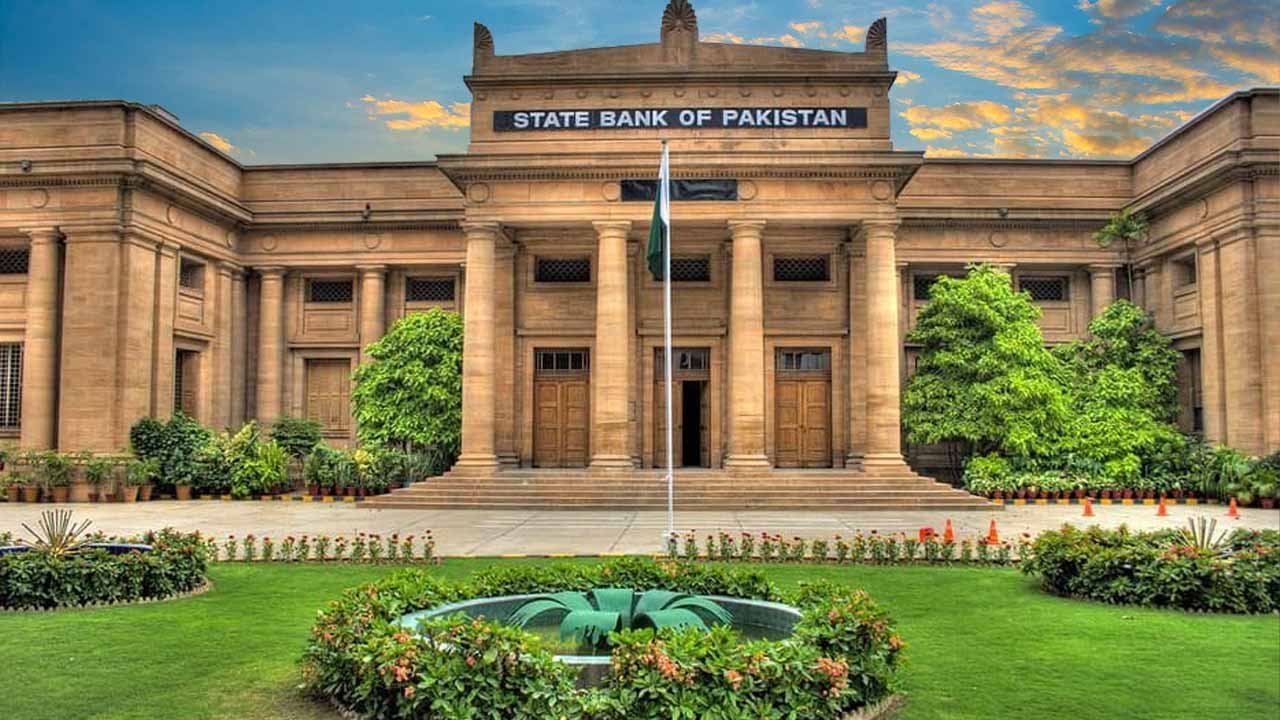
    The State Bank of Pakistan (SBP) has reported a decrease of $173 million in its foreign exchange reserves on a weekly basis, revealing a total of $8.04 billion as of February 2, according to data released on Thursday.

    The country’s overall liquid foreign reserves are reported to stand at $13.09 billion, with commercial banks holding net foreign reserves amounting to $5.05 billion.

    The SBP has identified debt repayments as the primary factor contributing to the decline in reserves. In an official statement, the SBP stated, “During the week ending on 2-Feb-2024, SBP’s reserves decreased by US$ 173 million to US$ 8,044.0 million due to debt repayments.”

    This follows a trend from the previous week when Pakistan’s central bank reserves experienced a decrease of $54 million. The ongoing challenges related to debt servicing continue to impact the nation’s foreign exchange reserves.

  • OGRA approves massive gas tariff hike for SNGPL, SSGC consumers

    OGRA approves massive gas tariff hike for SNGPL, SSGC consumers

    In a move to address the fiscal challenges faced by Sui Northern Gas Pipelines Limited (SNGPL) and Sui Southern Gas Company Limited (SSGC), the Oil and Gas Regulatory Authority (OGRA) has granted approval for a noteworthy increase in gas tariffs.

    Effective January 1, 2024, consumers of SNGPL will experience a 35.13 per cent surge, while SSGC customers will witness an 8.57 per cent rise.

    This marks the second adjustment in gas prices within the current fiscal year, following a substantial 193 per cent increase announced by OGRA, effective November 1, 2023. The decision to implement these changes is aimed at bridging the Rs98 billion shortfall collectively faced by both gas companies.

    The interim government’s initial projections aimed to collect Rs980 billion, intending to cover the estimated revenue requirements of Rs700 billion for both SNGPL and SSGC.

    The recommended average increase in the prescribed gas price is set at 23 per cent, reaching Rs1,590 per mmbtu, compared to the previous average of Rs1,291 per mmbtu determined on June 2, 2023.

    Specifically, OGRA has outlined a 50 per cent increase (Rs415.11 per mmbtu) for SNGPL, elevating the gas price to Rs1,238.68 per mmbtu, effective July 1, 2023.

    Simultaneously, the gas price for SSGC has been raised by 45 per cent (Rs417.23 per mmbtu) to reach Rs1,350.68 per mmbtu.

    The decision to increase gas prices aligns with the interim government’s commitment to the International Monetary Fund (IMF), with an agreement to announce a raise in gas sale prices by February 18, 2024.

    However, the OGRA Ordinance stipulates that if the government remains unresponsive to OGRA’s notification within 40 days, the determined tariff by the regulator will be automatically enforced.

    The recent approval underscores the ongoing efforts to address financial challenges and ensure the sustainability of the gas sector in Pakistan.

  • ‘Pakistan’s economy performed best under Nawaz Sharif’: Bloomberg

    ‘Pakistan’s economy performed best under Nawaz Sharif’: Bloomberg

    An analysis by Bloomberg Economics reveals that Pakistan’s economy witnessed its best performance in the past three decades under the leadership of Nawaz Sharif, who served as Prime Minister thrice.

    The report compares economic indicators during Sharif’s tenure with those of his rivals, including Imran Khan’s Pakistan Tehreek-e-Insaf (PTI) and Bilawal Bhutto Zardari’s Pakistan Peoples Party (PPP), using a misery index that combines inflation and unemployment rates.

    According to Bloomberg Economics, the analysis utilized an average of the misery index values over the years when each major political party ruled Pakistan since 1990.

    The results indicate that Sharif’s Pakistan Muslim League (PML-N) outperformed both PTI and PPP in managing economic challenges.

    With general elections scheduled for February 8, Bloomberg suggests that Nawaz Sharif seems poised to return to power for the fourth time, especially as Imran Khan faces legal issues and incarceration.

    Despite Khan’s popularity, with a 57% approval rating according to a recent Gallup poll, Sharif has experienced a surge in popularity from 36% to 52% in the past six months.

    The past three decades saw the PML-N rule Pakistan four times under Sharif and his younger brother Shehbaz Sharif. The PPP under the Bhutto dynasty has held power three times, while Khan was in office for a four-year term ending in April 2022 when he was ousted from power in a parliamentary no-trust vote.

    “Bloomberg Economics used an average of the index values over the respective years when each of the major political parties ruled the country since 1990. A higher value indicates more economic hardship for citizens,” the publication said, explaining its conclusions.

    Bloomberg Economics Misery Index Results for Pakistan showed the Pakistan Muslim League scored 14.5 percent, Pakistan Tehreek-e-Insaf 16.1 percent, and the Pakistan Peoples Party 17.2 percent.

    Pakistan is currently grappling with economic challenges, including seeking a financial bailout from the International Monetary Fund (IMF).

    Inflation is close to 30 percent in Pakistan, the currency was Asia’s worst performer last year and foreign exchange reserves have slumped.

    The incoming government, as per IMF conditions, will need to implement potentially unpopular policies such as withdrawing subsidies and raising taxes. The IMF forecasts a 2% growth in Pakistan’s economy for the current fiscal year after experiencing a contraction in the previous year.

    Despite the positive economic indicators during Sharif’s governance, the report underscores the formidable tasks awaiting the new government in addressing the country’s economic hardships.

  • SBP receives second IMF installment, total disbursements reach $1.9 billion

    SBP receives second IMF installment, total disbursements reach $1.9 billion

    The State Bank of Pakistan (SBP) announced today that it has successfully received the second installment of SDR 528 million, equivalent to $705.6 million, from the International Monetary Fund (IMF).

    This disbursement, slated to be reflected in SBP reserves for the week ending on January 19, 2024, marks a significant step in the ongoing financial collaboration between Pakistan and the IMF.

    The latest disbursement brings the total disbursements under the stand-by arrangement (SBA) to a substantial $1.9 billion.

    It is noteworthy that the remaining $1.1 billion is expected to be received after another comprehensive review scheduled for February 2024.

    As of January 5, 2024, the State Bank of Pakistan’s total reserves stand at $8.15 billion, showcasing the positive impact of the financial support received through the IMF programme.

    To recall, Pakistan secured a $3 billion SBA from the IMF towards the end of FY23, crucially preventing the nation from defaulting on its sovereign debt.

    The disbursement of the IMF funds has been phased out over two installments, subject to meticulous reviews.

    On January 11, 2024, Pakistan successfully completed the first review of the economic reform programme, a significant milestone in ensuring the country’s financial stability.

    Following the board’s approval, the IMF highlighted that economic activity has stabilised, though acknowledging that the outlook remains challenging and is contingent on the implementation of sound policies.

    Pakistan’s 9-month SBA aims to provide a robust policy anchor for addressing both domestic and external balances, serving as a framework for continued financial support from multilateral and bilateral partners.

    This financial collaboration with the IMF is instrumental in navigating Pakistan through economic challenges, providing a solid foundation for sustained growth and stability in the region.

    The country remains committed to implementing prudent economic policies as outlined in the reform programme, with the ongoing support of international partners.

  • Pakistan’s gold prices slide amidst strengthened rupee and international rate hike

    Pakistan’s gold prices slide amidst strengthened rupee and international rate hike

    In Pakistan, the domestic gold price continued its decline for the second consecutive week, with the cost of 24-karat gold dropping by Rs550 per tola to Rs217,450. 

    The Karachi Sarafa Association noted that 24-karat gold concluded the week’s last trading session with a gain of Rs950 per tola. 

    The 10-gramme 24-karat gold settled at Rs186,428, reflecting a gain of Rs814, while the 10-gramme 22-karat gold closed at Rs170,146.

    The international spot rate, used for calculating local rates, closed at $2,068, marking a $3 increase compared to last week. 

    Escalating concerns over the Middle East conflict led to a rise in the safe-haven asset, but gains were limited due to hawkish remarks from Federal Reserve officials.

    Despite the international rate showing an uptick, domestic bullion faced a downside this week due to the strengthened value of the Pakistani rupee against the US dollar. 

    The PKR marked its ninth consecutive weekly gain against the USD, driven by positive developments as the Executive Board of the IMF concluded the first review of Pakistan’s economic reform programme under the Stand-by Arrangement. 

    This successful review further boosted investor confidence, contributing significantly to the PKR’s upward trend against the dollar.

    The interplay between the domestic gold price and the local rupee is evident, as gold, denominated in US dollars, tends to decrease in value when the home currency appreciates against the greenback.

  • Pakistan’s weekly inflation soars beyond 44%

    Pakistan’s weekly inflation soars beyond 44%

    In the latest economic developments, Pakistan has witnessed a surge in weekly inflation for the third consecutive week, marked by a notable increase in the Sensitive Price Indicator (SPI) for the Combined Group.

    The SPI for the said group witnessed a significant rise of 1.36 per cent week over week (WoW) during the week concluded on January 11, 2024.

    Adding to the economic landscape, the SPI showcased a remarkable year-over-year (YoY) increase of 44.16 per cent, comparing the current statistics with the corresponding period from the previous year.

    Last week’s SPI for the Combined Group demonstrated a WoW increase of 0.81 per cent.

    Data released by the Pakistan Bureau of Statistics (PBS) reveals that the combined index stood at 317.92 in comparison to 313.66 on January 4, 2024.

    Notably, this index was recorded at 220.53 a year ago, specifically on January 12, 2023.

    Among the 51 items analysed, 21 experienced an increase in average prices, while prices for 8 items decreased, and 22 items remained stable.

    The noteworthy price hikes during the week were observed in tomatoes (15.63 per cent), onions (8.94 per cent), chicken (6.42 per cent), electricity charges for Q1 (5.11 per cent), and eggs (4.31 per cent).

    Conversely, significant decreases were noted in the prices of potatoes (5.92 per cent), vegetable ghee (1 KG) (0.84 per cent), sugar (0.43 per cent), vegetable ghee (2.5 KG) (0.29 per cent), and mustard oil (0.26 per cent).

    The weekly SPI percentage change, when categorised by income groups, indicated a uniform increase ranging between 1.2 per cent and 1.34 per cent across all quantiles. The lowest-income group experienced a 1.2 per cent rise, while the highest-income group recorded a 1.34 per cent increase.

    On a yearly basis, the analysis of SPI change across various income segments revealed an overall increase ranging from 36.06 per cent to 47.48 per cent.

    The lowest-income group witnessed a yearly rise of 36.06 per cent, whereas the highest-income group recorded a significant increase of 42.71 per cent.

  • Gold prices surge in Pakistani market, 24-karat hits Rs216,500 per tola

    Gold prices surge in Pakistani market, 24-karat hits Rs216,500 per tola

    On Friday, the domestic bullion market saw a modest increase, with the price of 24-karat gold in Pakistan rising by Rs200 per tola to reach Rs216,500.

    The Karachi Sarafa Association noted that the price of 10-gramme 24-karat gold reached Rs185,614, indicating a gain of Rs172, while the 10-gramme 22-karat gold stood at Rs170,146.

    In contrast, silver remained steady in the local market, with 24-karat silver being sold at Rs2,650 per tola and Rs2,271.94 per 10-gramme.

    On the global scale, international spot gold is currently trading at 2,036.75, marking an increase of $8.55 or 0.4% for the day.

    Notably, when the Karachi Sarafa Association reported local rates, the spot rate in the international market had seen a slight uptick of $4.