Tag: pakistan economy

  • IMF greenlights $700 million for Pakistan’s economic stabilisation programme

    IMF greenlights $700 million for Pakistan’s economic stabilisation programme

    In a significant development, the International Monetary Fund (IMF) successfully concluded its first review of Pakistan’s economic reform programme on Thursday.

    This programme, backed by a $3 billion and-by a arrangement (SBA), has now received a boost with the immediate approval and disbursement of $700 million, as confirmed by the finance ministry.

    According to an official statement from the ministry, the completion of the first review by the IMF’s Executive Board, coupled with the payment of $528 million in special drawing rights, has elevated the total disbursements under the SBA to $1.9 billion.

    The infusion of funds from the IMF, combined with recent inflows from multilateral lenders, is anticipated to contribute to the stability of the Pakistani rupee, which has demonstrated relative steadiness over the past few months.

    The finance ministry highlighted that this fresh tranche would play a crucial role in facilitating rollovers from allied countries, including the United Arab Emirates, China, and Saudi Arabia.

    Additionally, it is expected to alleviate external debt repayment pressures faced by Pakistan.

    This positive development traces back to June 2023, when the IMF Executive Board granted approval for a much-needed nine-month arrangement with Pakistan to support its economic stabilisation program.

    The initial disbursement of $1.2 billion was promptly released in July, with the remainder subject to two quarterly reviews over the programme’s duration.

    The current IMF programme is slated to conclude in the second week of April, with the recent disbursement marking a significant step towards its successful execution.

    Notably, a staff-level agreement was reached in November 2023 between the IMF staff and Pakistani authorities, paving the way for the first review under Pakistan’s SBA.

    This agreement was contingent upon subsequent approval by the IMF’s Executive Board.

    Looking ahead, Pakistan is poised to receive the remaining amount in March under the $3 billion SBA.

    Despite facing challenging conditions, particularly persistently high inflation, which rose to 29.7 per cent in December from 29.2 per cent in the preceding month, Pakistan remains committed to navigating through these economic challenges with the assistance of international financial institutions.
  • Cost of living rises in Pakistan: Weekly inflation jumps by 0.81%

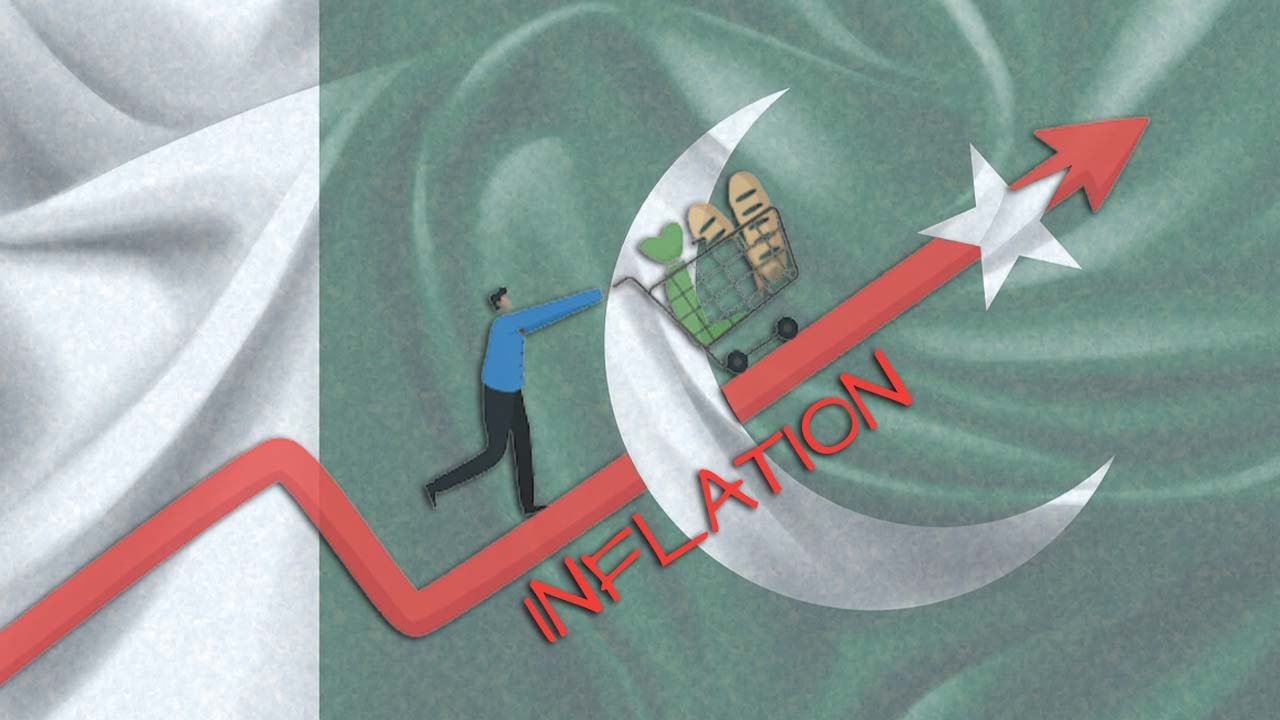
    Cost of living rises in Pakistan: Weekly inflation jumps by 0.81%

    In a recent report by the Pakistan Bureau of Statistics (PBS), the Weekly Sensitive Price Indicator (SPI) for the Combined Group witnessed a marginal increase of 0.81 per cent Week on Week (WoW), concluding on January 04, 2024.

    The SPI also exhibited a substantial 42.86 per cent Year on Year (YoY) surge when compared to the corresponding period from the previous year.

    The Combined Index, reflecting the overall price movement, stood at 313.66 as of January 04, 2024, compared to 311.14 on December 28, 2023. In contrast, a year ago on January 05, 2023, the index was reported at 219.56.

    Out of the 51 items considered, the average prices of 19 items experienced an increase, 09 items observed a decrease, and 23 items remained stable throughout the week.

    During this period, notable price hikes were observed in tomatoes (16.04 per cent), chicken (13.98 per cent), eggs (3.20 per cent), onions (3.04 per cent), and bananas (2.13 per cent).

    Moreover, significant decreases were noted in the prices of potatoes (8.68 per cent), tea Lipton (1.29 per cent), garlic (0.68 per cent), and cooking oil 5 litre & vegetable ghee 2.5 kg (0.54 per cent) each.

    Analysing the weekly SPI percentage change across income groups revealed a universal increase ranging from 0.79 per cent to 0.84 per cent. The Lowest Income Group experienced a rise of 0.81 per cent, while the highest income group recorded a slightly lower increase of 0.8 per cent.

    On a yearly basis, the SPI change across different income segments exhibited a general increase ranging from 35.33 per cent to 46.38 per cent. The Lowest Income Group saw a yearly rise of 35.33 per cent, while the highest income group recorded an increase of 41.35 per cent.

    Noteworthy price points in the market included Sona urea, with an average price of Rs4,618 per 50 kg bag, marking a 0.02 per cent increase from the previous week and a substantial 72.45 per cent surge compared to the previous year.

    In contrast, the average Cement price recorded at Rs1,226 per 50 kg bag showed a 0.47 per cent decrease from the previous week but stood 17.43 per cent higher than prices observed last year.

    These fluctuations in the SPI underscore the dynamic nature of the market, reflecting both short-term variations and longer-term economic trends.

    As consumers and businesses navigate these changes, analysts are closely monitoring the SPI for insights into broader economic patterns.

  • Pakistan’s exports to China surge to $1223.5 million

    Pakistan’s exports to China surge to $1223.5 million

    In a noteworthy development, Pakistan’s export of goods and services to China experienced a substantial increase of 39.44 per cent during the initial five months of the current fiscal year (2023–24), as reported by the State Bank of Pakistan (SBP).

    According to the latest SBP data, the overall exports to China reached $1223.532 million from July to November (2023–24), marking a significant rise compared to the $877.444 million recorded during the same period last fiscal year.

    On a year-to-year basis, the exports to China showed a remarkable growth of 36.29 per cent, rising from $199.058 million in November 2022 to $271.316 million in November 2023.

    However, on a month-on-month basis, there was a slight decline in exports to China during November 2023, registering a decrease of 14.90 per cent compared to the exports of $318.842 million in October 2023, as per the SBP data.

    Meanwhile, Pakistan’s overall exports to other countries exhibited a commendable increase of 4.99 per cent in the first five months, surging from US $11.915 billion to US $12.510 billion, according to the SBP data.

    In contrast, the imports from China into Pakistan during the reviewed months amounted to US $4741.099 million, reflecting a decline of 6.03 per cent compared to the corresponding period last year (2022–23).

    On a year-on-year basis, imports from China saw a notable increase of 10.71 per cent, rising from US $906.128 million in November 2022 to US $1003.248 million in November 2023.

    On a month-on-month basis, the imports from China recorded a marginal uptick of 0.99 per cent in November 2023 compared to the imports of US $993.401 million in October 2023, according to the data.

    The overall imports into Pakistan witnessed a significant decrease of 16.02 per cent, declining from $25.341 billion to US $21.281 billion, as reported by the data.

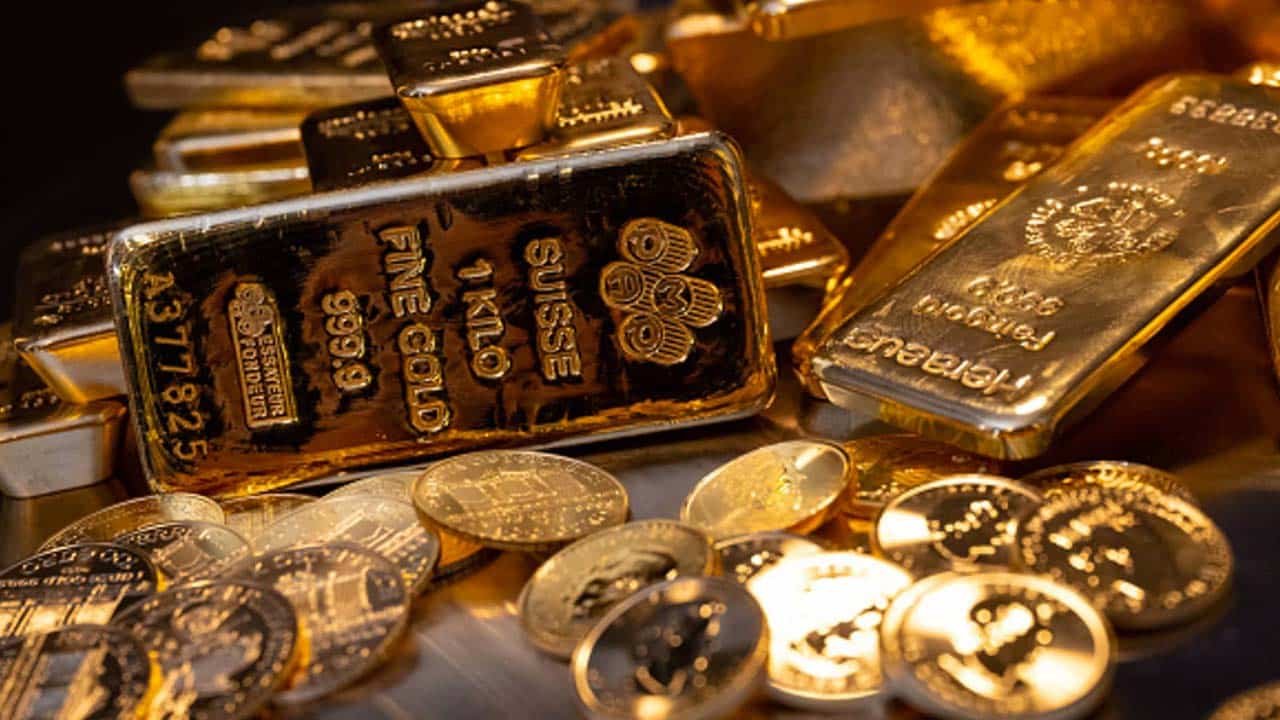
  • Gold price in Pakistan goes up by Rs1,600 per tola

    Gold price in Pakistan goes up by Rs1,600 per tola

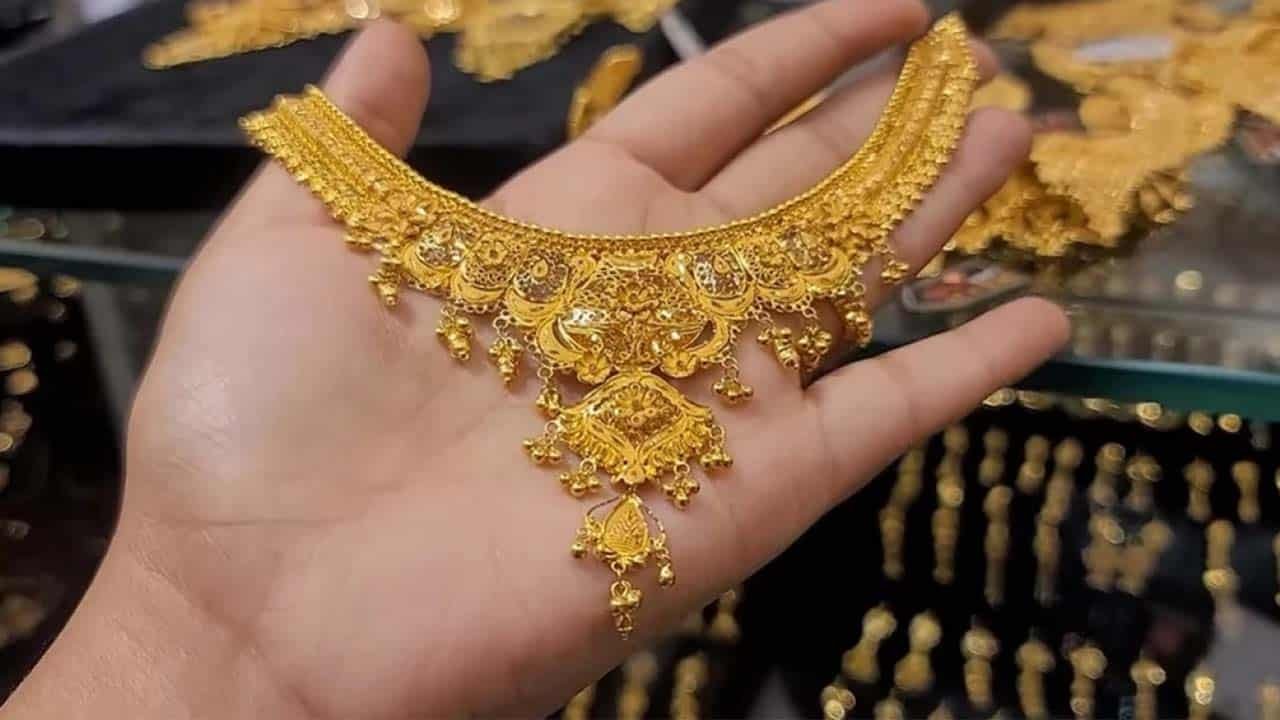
    On Tuesday, gold prices in Pakistan experienced a notable surge, aligning with the upward trend in the global market.

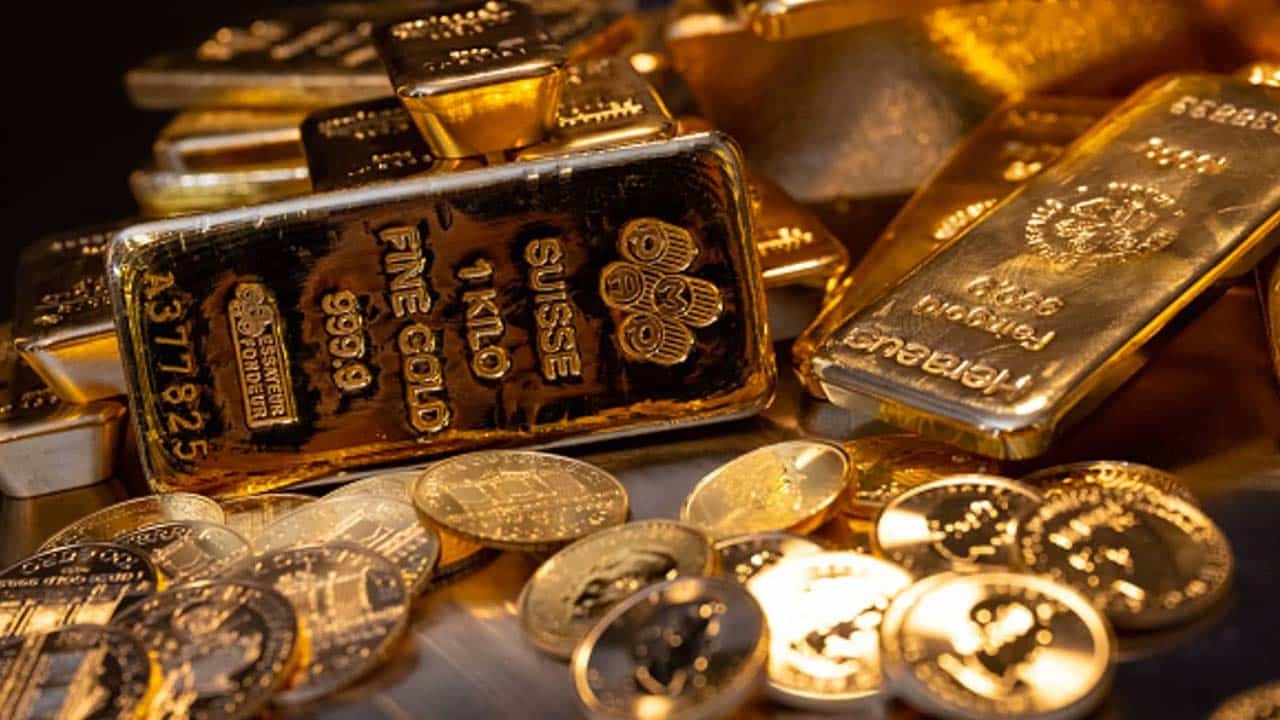
    The precious metal reached a valuation of Rs221,300 per tola in the domestic market, marking a substantial gain of Rs1,600 throughout the day.

    As reported by the All Pakistan Gems and Jewellers Sarafa Association (APGJSA), the 10-gramme gold was traded at Rs189,729 after witnessing an increase of Rs1,372. This movement follows a Rs300 decrease per tola in gold prices on the preceding Monday.

    In the international arena, gold exhibited a rise of $12 on Tuesday, reaching $2,094 per ounce with an additional premium of $20, as communicated by APGJSA.

    Conversely, silver maintained stability at Rs2,680 per tola in the local market amidst these fluctuations in gold prices.

  • Gold prices in Pakistan kick off 2024 with decline, hitting Rs219,700 per tola

    Gold prices in Pakistan kick off 2024 with decline, hitting Rs219,700 per tola

    On the inaugural day of 2024, gold prices experienced a downturn in Pakistan.

    The precious metal, colloquially referred to as the yellow metal, was valued at Rs219,700 per tola following a decline of Rs300 in Pakistani gold market on Monday. 

    In terms of 10 grammes, gold was traded at Rs188,357, reflecting a decrease of Rs258, as reported by the All Pakistan Gems and Jewellers Sarafa Association (APGJSA). 

    Notably, this came after a Rs900 per tola decrease in gold prices on the preceding Saturday.

    Concurrently, the global gold rate exhibited stability at $2,082 per ounce on Monday, with an additional $20 premium per ounce, according to APGJSA. 

    In the realm of silver, rates held steady at Rs2,680 per tola in Pakistan.

  • Gold rate drops by Rs1,900 per tola

    Gold rate drops by Rs1,900 per tola

    On Friday, the gold market in Pakistan halted its previous upward trend, experiencing a decline in tandem with the global decrease in gold prices. 

    As reported by the All Pakistan Gems and Jewellers Sarafa Association (APGJSA), the price per tola of gold was adjusted to Rs220,900, reflecting a one-day decrease of Rs1,900. 

    The 10-gramme gold rate also saw a reduction, reaching Rs189,386 after a decrease of Rs1,629.

    Contrary to Thursday’s surge of Rs 2,200 per tola, the international gold rate exhibited a setback, settling at $2,090 per ounce on Friday with a $20 premium. This decline of $15 in the global market was noted by the APGJSA.

    In the same period, silver rates remained unchanged at Rs2,680 per tola in the local market.

  • Gold price surges to Rs218,500 per tola amid global uptick

    Gold price surges to Rs218,500 per tola amid global uptick

    In the latest update on the precious metals market, the cost of gold in Pakistan has witnessed a consistent upward trend for the third consecutive week, culminating in a settling price of Rs218,500 per tola on Wednesday.

    According to data released by the All-Pakistan Gems and Jewellers Association (APGJA), the rate of 24-karat gold experienced a notable surge, increasing by Rs900 per tola, reaching the current benchmark of Rs218,500.

    Simultaneously, the price for 10 grammes saw a rise of Rs771, now standing at Rs187,328.

    This surge in gold prices is a continuation of the trend observed earlier in the week, when prices increased by Rs400 twice.. This cumulative rise over the week amounts to Rs1,700 per tola, following a similar trend from the previous week when the precious metal’s price escalated by Rs1,200 per tola.

    Internationally, spot gold exhibited a modest 0.1 percent increase, reaching $2,042.10 per ounce as of 0729 GMT.

    Concurrently, US gold futures recorded a 0.2 percent uptick, settling at $2,055.90.

    These global market dynamics further contribute to the evolving landscape of gold prices, adding nuances to the economic outlook both domestically and abroad.

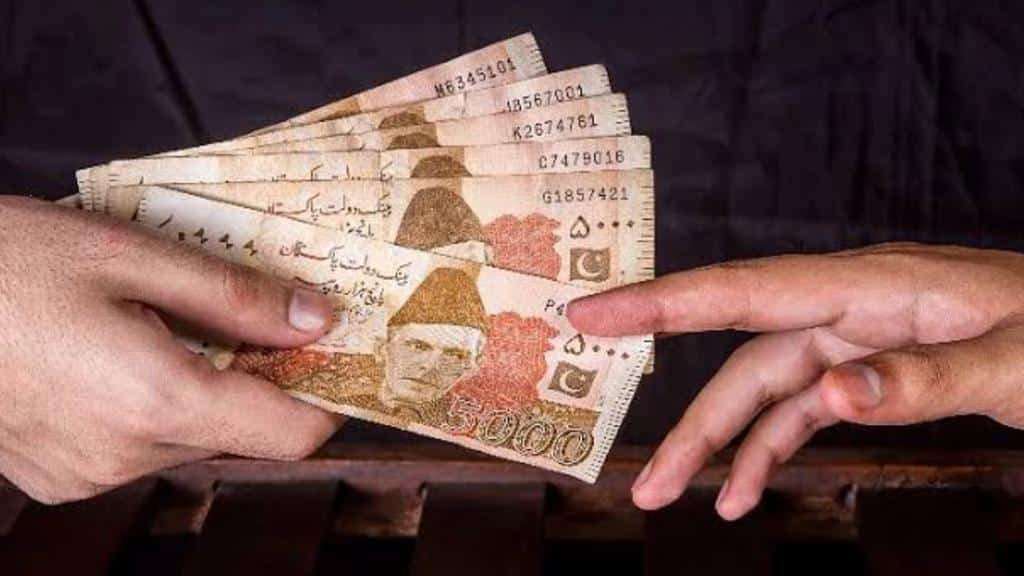
  • Concerns rise over circulation of fake Rs5,000 banknotes

    Concerns rise over circulation of fake Rs5,000 banknotes

    In a recent meeting, the Senate Standing Committee on Finance convened to address the escalating circulation of counterfeit Rs5,000 banknotes, a matter that has raised serious apprehensions among officials, including those from the State Bank of Pakistan (SBP).

    Chaired by Senator Salim Mandviwala, the committee delved into the severity of the issue as it showcased a bundle of forged Rs5,000 notes.

    Senator Mandviwala, underscoring the gravity of the situation, asserted that even parliamentarians are susceptible to falling victim to this fraudulent activity.

    During the proceedings, Senator Mandviwala directed a challenge to SBP’s Deputy Governor, Dr. Inayat Hussain, urging him to identify the counterfeit notes.

    However, the attempt was met with a purported failure on the part of the Deputy Governor.

    Expressing the need for immediate and decisive action, the committee chairman called upon the central bank to take robust measures to combat the widespread dissemination of counterfeit currency.

    Mandviwala suggested that the infiltration of fake notes into circulation might be occurring through banks.

    A noteworthy proposal from Senator Mandviwala involved the exchange of counterfeit currency for genuine notes, an idea promptly dismissed by Deputy Governor Inayat Hussain.

    The latter cited concerns about potential misuse and abuse as the basis for the refusal.

    During the discussion, Hussain acknowledged the absence of a concrete system to prevent the printing of fake currency within the country.

    He further elaborated that while counterfeit dollars are a global issue, efforts are underway to enhance regulations to control the production and circulation of fake currency, specifically within Pakistan.

    According to ARY News, Mandviwala, highlighting the urgency of the situation, called for immediate relief measures. The committee, in unanimous agreement, advocated for the formulation of a comprehensive policy to combat the growing use of counterfeit currency, particularly within the banking system.

    The committee stressed the necessity of proactive measures to safeguard the financial integrity of the nation.